

P0455 on 2010-2014 Nissan CUBE: EVAP Gross Leak Causes and Fixes
For a 2010-2014 Nissan CUBE, P0455 almost always points to a loose or faulty gas cap. This is a very inexpensive fix, typically under $25 for a new OEM cap. If the cap isn't the issue, the next most likely cause is a failed EVAP canister vent control valve, a common failure item on many Nissan vehicles of this era.
- Always check your gas cap first. Make sure it's tight and the seal is intact. This solves the problem more than half the time.
- This code does not indicate a serious mechanical problem and the vehicle is safe to drive.
- If the gas cap isn't the issue, the next most likely culprit is the EVAP canister vent control valve located at the rear of the car.
- A professional smoke test is the fastest and most accurate way to find the leak if it's not the gas cap.
- Do not ignore the code, as it will cause your vehicle to fail an emissions inspection.
What's Unique About the 2010-2014 Nissan CUBE
On this generation of Nissan vehicles, including the CUBE, the most common trigger for a P0455 code is remarkably simple: the gas cap. Nissan even issued a Technical Service Bulletin (NTB09020F) highlighting that a loose fuel fill cap is a primary cause for this code on its 2007-2011 models. Beyond the cap, the EVAP canister vent control valve is a well-documented weak point that frequently fails by sticking open, creating the large leak detected by the system. This is a more common failure point for a 'gross leak' code on Nissans than the purge valve located in the engine bay.
Diagnostic Flowchart
Tap your situation to follow the diagnostic path that matches what you're seeing on this vehicle.
Symptoms You May Notice
- Check Engine Light is on
- A faint to strong smell of fuel, especially around the rear of the vehicle near the gas tank.
- A "Check Gas Cap" message on the dashboard (if equipped)
- Difficulty starting the engine immediately after refueling.
- Slightly reduced fuel economy.
- Audible popping sound from the rear as the leak detection pump continuously tries to pressurize the system (in some cases).
- Replacing the purge valve in the engine bay when the more common failure point on Nissans for a P0455 is the vent control valve at the rear of the car.
- Replacing the O2 sensors, which are unrelated to the EVAP system.
- Immediately replacing the entire charcoal canister when only the serviceable vent control valve has failed.
Most Likely Causes
- Loose, Damaged, or Incorrect Gas Cap 🔴 High Probability → Shop Fuel Tank Cap As cited in Nissan TSB NTB09020F, a loose or worn cap is a very common cause. The rubber O-ring seal on the cap can degrade over time, preventing a proper seal. Using a non-OEM cap can also lead to sealing issues.
How to confirm: Ensure the cap is tightened until it clicks at least once. Inspect the cap's rubber seal for cracks, stiffness, or damage. If it looks worn, it's suspect. Some owners suggest a temporary test by creating a makeshift seal with a plastic bag under the cap to see if the code clears after a few drive cycles.
Typical fix: First, try tightening the existing cap. If that doesn't work, replace the gas cap with a new OEM or high-quality aftermarket part. Clear the code and drive for a few days to see if it returns.
Est. part cost: $15-$50 - Faulty EVAP Canister Vent Control Valve 🟡 Medium Probability → Shop Vapor Canister Vent Valve This valve, located near the charcoal canister at the rear of the vehicle, is a notorious failure point on many Nissan models. It is a normally-open valve that is commanded closed to test the system; it commonly fails by sticking open due to dirt and debris ingress, creating a permanent large leak.
How to confirm: The valve is normally open and closes when voltage is applied. A mechanic can test its function by applying battery voltage and listening for a click. A definitive test involves a smoke test, which will show smoke exiting the stuck-open valve. The valve is located at the rear of the car, near the gas tank on the driver's side.
Typical fix: Replace the EVAP canister vent control valve. It is typically mounted on or near the EVAP canister. It is often recommended to replace the canister at the same time if debris is suspected of causing the valve failure.
Est. part cost: $60-$110 - Cracked or Disconnected EVAP Hoses ⚪ Low Probability Rubber hoses become brittle with age and exposure to the elements, leading to cracks. A large enough crack or a hose that has popped off a fitting, particularly the larger hoses connecting the filler neck to the tank or the canister, will cause a P0455.
How to confirm: Visually inspect all accessible EVAP lines between the engine bay, the charcoal canister, and the fuel tank. A smoke test is the most effective way to find a leak in the hose system.
Typical fix: Replace the damaged section of hose. Ensure all connections are secure.
Est. part cost: $10-$40 - Faulty EVAP Purge Valve/Solenoid ⚪ Low Probability → Shop Vapor Canister The purge valve (solenoid) is located in the engine bay and can get stuck open, though this is less common for a large leak code than the vent valve failing. A stuck-open purge valve often presents with other symptoms like a rough idle or trouble starting.
How to confirm: With the engine off, the valve should be closed. You can remove it and try to blow through it; if air passes, it's stuck open. Its location on the Cube is on the top right side of the engine.
Typical fix: Replace the purge valve.
Est. part cost: $80-$120
Rare But Worth Checking
- Cracked EVAP (Charcoal) Canister: → Shop Vapor Canister The plastic housing of the canister can develop cracks from age, heat exposure, or physical impact from road debris, creating a large leak. Overfilling the gas tank can also saturate the canister with raw fuel, causing damage.
- Leaking Fuel Tank or Filler Neck: → Shop Fuel Tank Rust or physical damage can create a hole in the fuel tank or the pipe leading to it, which will cause a major EVAP system leak.
- Faulty Fuel Tank Pressure Sensor: → Shop Fuel Tank Rarely, the sensor that detects the leak may fail and give a false reading, making the computer think there is a leak when there isn't one. This will often be accompanied by other sensor-specific DTCs.
Diagnosis Steps
- Check the gas cap. Remove it, inspect the seal for damage, and reinstall it, ensuring it clicks several times. Clear the code and drive to see if it returns. This is the most common fix.
- If the code returns, perform a thorough visual inspection of all visible EVAP hoses and lines from the engine bay to the rear of the vehicle. Look for obvious cracks, breaks, or disconnections, especially around the charcoal canister and filler neck.
- Locate the EVAP canister vent control valve near the fuel tank at the rear of the vehicle, on the driver's side. Inspect it and its wiring for damage. This is a common failure point.
- The most definitive diagnostic method is to have a mechanic perform a smoke test. This involves injecting harmless, visible smoke into the EVAP system. The smoke will exit from the location of the leak, making it easy to pinpoint.
- Based on the smoke test results, test the specific component (e.g., vent valve, purge valve) to confirm failure before replacing. The vent valve should be normally open and close with voltage, while the purge valve is normally closed and opens with voltage.
- If no leaks are found, the fuel tank pressure sensor may need to be tested, though this is a rare cause.
Parts You'll Likely Need
- Fuel Cap
(OEM #17251-EM31A (Superseded by 17251-4BA0B))— This is the most common cause of P0455 on a Nissan CUBE, as confirmed by Nissan TSBs. The seal wears out over time. Using a genuine OEM cap is highly recommended as aftermarket caps can have sealing issues.
Trusted brands: Nissan OEM
OEM price range: $20-$40
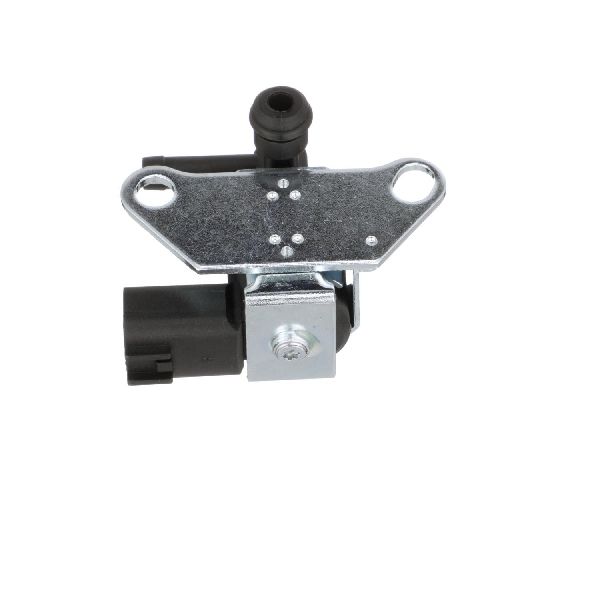
Aftermarket price range: $10-$25 - EVAP Canister Vent Control Valve
(OEM #14935-JF00A (Superseded by 14935-JF02C))— This valve is a known failure point on many Nissan models, including the Cube. It gets stuck open, creating a permanent large leak in the system. It is located at the rear of the vehicle by the charcoal canister.
Trusted brands: Nissan OEM, Dorman, Hitachi
OEM price range: $60-$90
Aftermarket price range: $40-$70
Related Codes That Often Appear With This One
- P0456 — P0456 indicates a 'very small leak.' You might see this code if a component is starting to fail but hasn't created a large leak yet, or after a repair for P0455 if a smaller secondary leak exists.
- P0442 — P0442 indicates a 'small leak.' It's part of the same family of EVAP codes and can appear alongside P0455 if the system's self-tests detect different leak sizes under different conditions, or as a precursor to a larger leak developing.
- P0448 — Indicates a problem with the EVAP vent control circuit. If you see this with P0455, it points very strongly to a failed vent control valve or its wiring.
Technical Service Bulletins (TSBs) & Recalls
- NTB09020F: Mentions that a loose fuel fill cap may be the cause for EVAP leak DTCs P0442, P0455, and P0456.
- NTB13-097J, NTB13-097g, NTB13-097D: General bulletins for newer models confirming that P0455 is an EVAP leak code, though they supersede the older, more specific TSB.
Platform-Specific Known Issues
- Nissan Technical Service Bulletin NTB09020F specifically calls out a loose fuel fill cap as a likely cause for P0455 on 2007-2011 model year vehicles.
- The EVAP canister vent control valve is prone to failure from dirt and moisture, causing it to stick open. This is a very common repair for this code on Nissans. A Reddit user with a 2009 Versa (platform mate) was advised the vent valve is the likely culprit after replacing the gas cap twice.
- The EVAP canister and vent valve assembly is located at the very back of the car, on the driver's (left-hand) side, behind the gas tank. It may be difficult to see without lifting the vehicle.
Mechanic-Grade Diagnostic Values
- EVAP Canister Vent Control Valve Solenoid Resistance — expected: Approx. 15 - 30 Ohms. Failure: A reading of infinity (open circuit) or significantly outside the expected range indicates a faulty solenoid coil.
- EVAP Purge Volume Control Solenoid Resistance — expected: Approx. 21 - 36 Ohms. Failure: A reading outside this range suggests a faulty coil.
- EVAP Canister Vent Control Valve Power Supply — expected: Battery Voltage (~12V) at the power pin of the valve connector with Ignition ON.. Failure: No voltage suggests a problem with the power supply from the IPDM E/R or a blown fuse.
- Mode 6, Test ID $3C — expected: Value below the maximum threshold specified by the manufacturer.. Failure: A test value exceeding the maximum limit indicates the EVAP system failed the gross leak test.
Scan Tool Commands That Help
- Nissan CONSULT / Professional Bidirectional Scanner: EVAP System Leak Test / Vent Valve Control — This active test allows a technician to command the normally-open vent valve to close. This seals the EVAP system, making it possible to perform a smoke test or vacuum decay test to find the source of the P0455 leak. Without this command, smoke will simply exit the open vent valve.
Wiring & Ground Locations
- EVAP Canister Vent Control Valve Connector — At the vent control valve, located on or near the charcoal canister at the rear of the vehicle, driver's side.. This 2-pin connector provides power and ground control to the valve. One pin should have battery voltage with the key on (power from IPDM E/R), and the other is the ground signal provided by the ECM to close the valve. Corrosion or damage here will cause a P0448 and can lead to a P0455.
- Ground Point B33 — Located at the left rear of the body/chassis.. This is a potential grounding point for rear-body electrical components. A corroded or loose ground here could affect the operation of the EVAP vent control valve, preventing it from closing properly during the system self-test and causing a leak code.
Real Owner Repair Stories
- Nissan forum user with a platform-sharing vehicle (Versa/Sentra) (2007 Nissan Sentra) — Check Engine Light with code P0455.
❌ Tried (didn't work) Replacing the gas cap., Replacing the purge valve solenoid in the engine bay.
✅ What actually fixed it The problem was finally resolved by replacing the EVAP canister vent control valve located at the rear of the car. The old valve was found to be stuck open and contaminated with rust and dirt particles, preventing the system from sealing. - YouTube video by 'stricken06' (Nissan vehicle (model not specified, but common Nissan issue)) — Check Engine Light, code P0455.
❌ Tried (didn't work) Initial diagnosis pointed to a general EVAP leak.
✅ What actually fixed it The EVAP canister vent control valve was replaced. The video shows the part location near the charcoal canister and explains its function of venting fuel vapor. The replacement of this specific valve cleared the code.
"I Checked Everything" — The Actual Cause
- In some cases, a smoke test may not reveal a leak, but the P0455 code persists. The issue can be a faulty Fuel Tank Pressure (FTP) sensor that is providing incorrect data to the ECM, making it believe a leak exists when the system is actually sealed. The ECM triggers the code based on the sensor's pressure reading, so if the sensor is bad, the diagnosis is false.
OEM Part Supersession History
14935-JF00A→14935-JF00B, 14935-JF00C, 14935-JF00E— The original EVAP vent control valves were prone to failure from dust and debris entering the mechanism. Later revisions likely include improved seals or filters to increase durability and prevent the valve from sticking open.
Helpful Videos
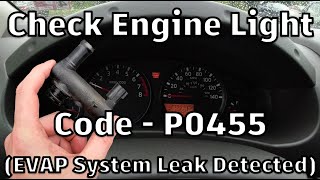
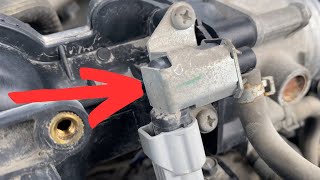
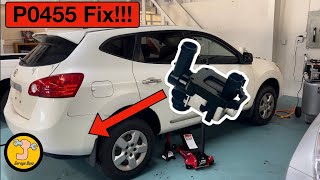

Used OEM Parts in Stock
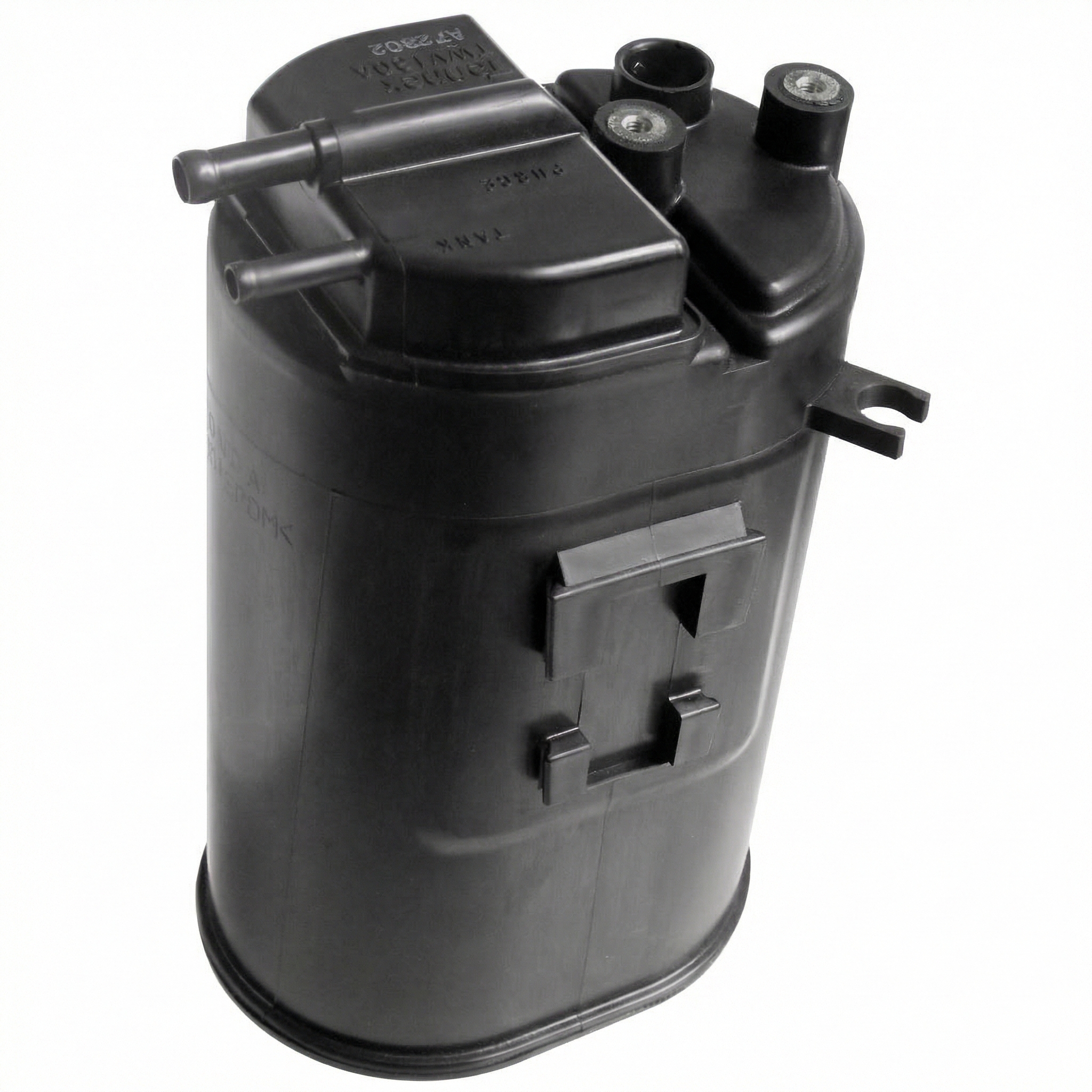
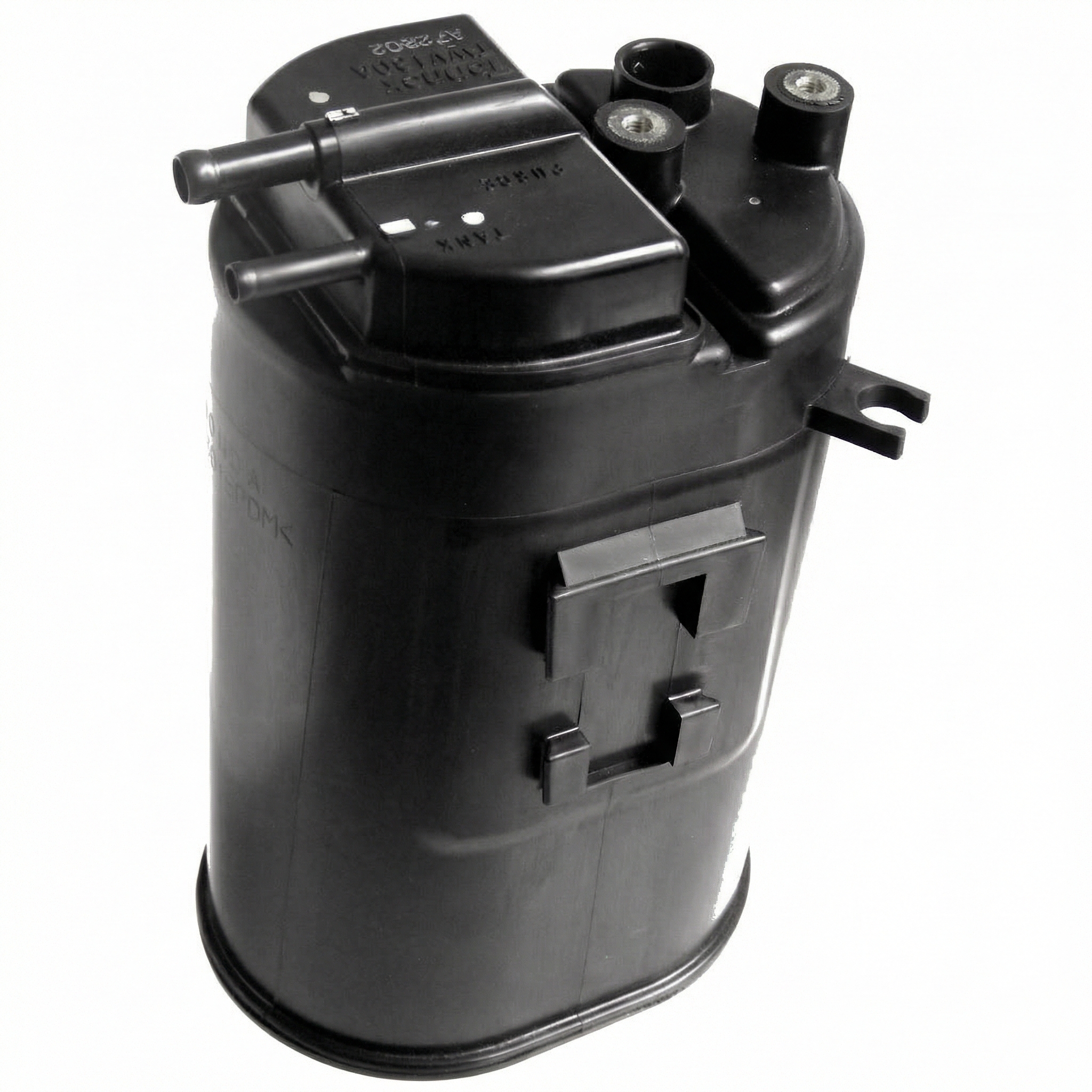
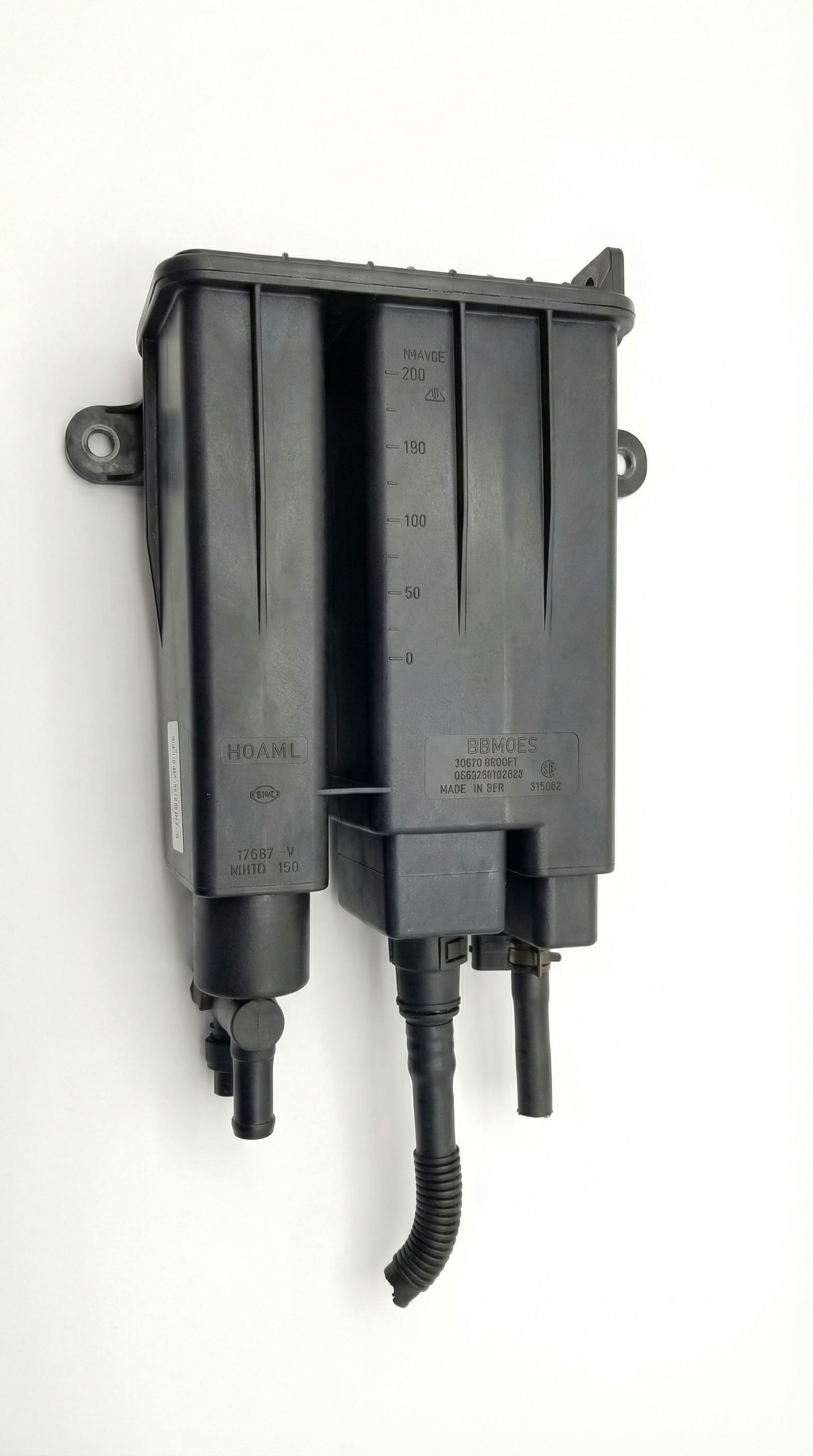
New Aftermarket Parts Available

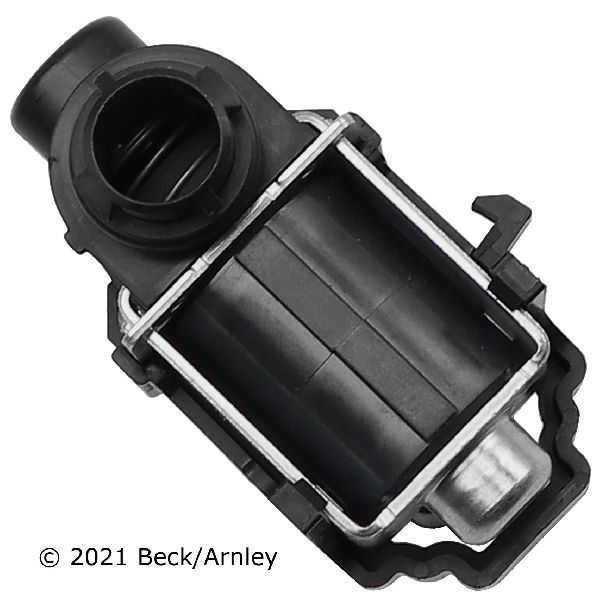

The information in this article is provided for general reference and educational purposes only. Vehicle specifications, procedures, and part compatibility can vary by production date, trim level, and region. Always consult your vehicle's factory service manual and verify part numbers before purchasing or performing repairs. Safety-critical components such as airbags, seat belts, and braking systems should be installed by a qualified professional.
- Nissan CUBE:
- 🧭 Diagnostic Flowchart
- 🎬 Helpful Videos
- 🛍️ Shop This Part
- What's Unique About the 2010-2014 Nissan CUBE
- Symptoms You May Notice
- Most Likely Causes
- Rare But Worth Checking
- Diagnosis Steps
- Parts You'll Likely Need
- Related Codes That Often Appear With This One
- Technical Service Bulletins (TSBs) & Recalls
- Platform-Specific Known Issues
- Mechanic-Grade Diagnostic Values
- Scan Tool Commands That Help
- Wiring & Ground Locations
- Real Owner Repair Stories
- "I Checked Everything" — The Actual Cause
- OEM Part Supersession History
- 🎟️ Get 5% Off