

P0455 on 2008-2015 Nissan Rogue: EVAP Large Leak Causes and Fixes
On a 2008-2015 Nissan Rogue, code P0455 is most often caused by a loose gas cap or a failed EVAP vent control valve located near the rear of the vehicle. Always check that the gas cap is tight and its seal is intact before replacing any parts. Using an OEM gas cap is strongly recommended as aftermarket versions can cause sealing issues.
- Always check your gas cap first. Make sure it's tight and the seal is in good condition before attempting any other repairs.
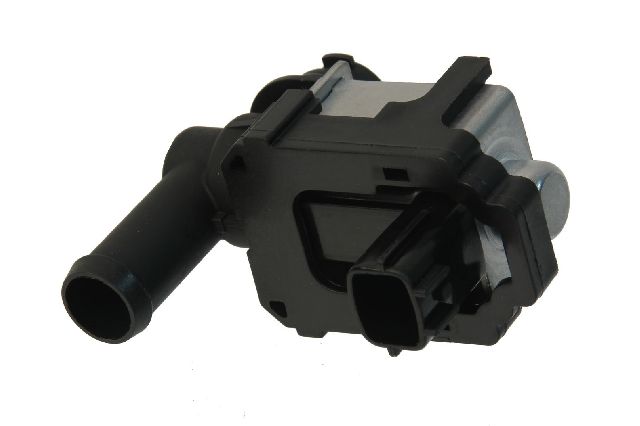
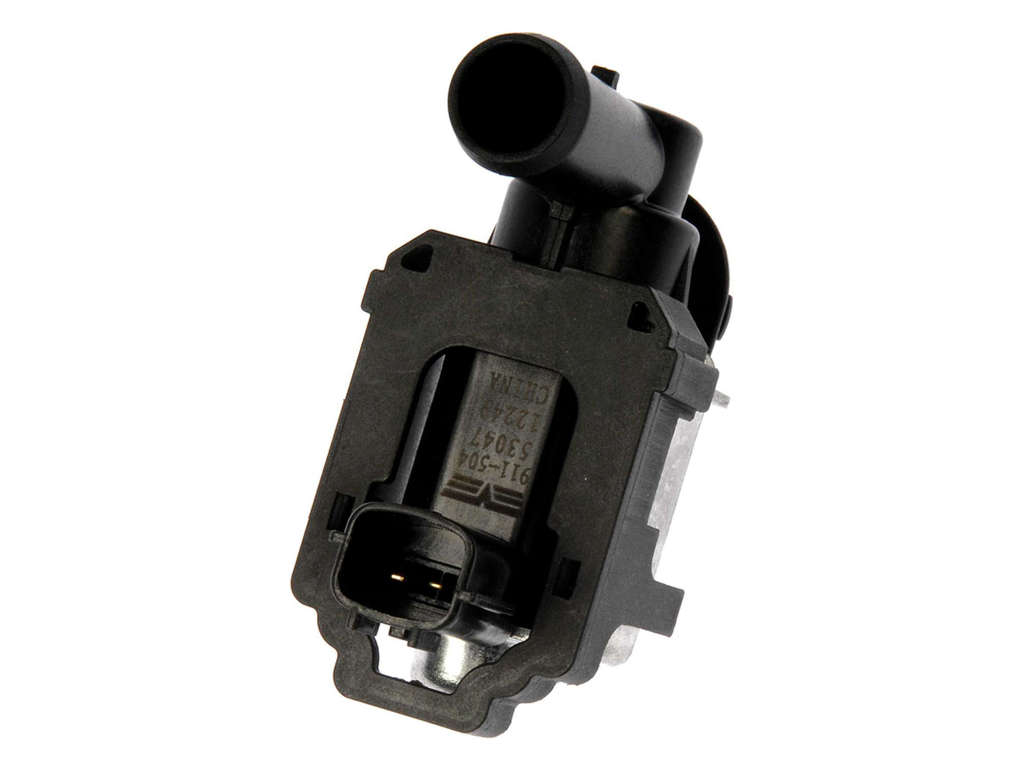
- The second most likely culprit is the EVAP vent control valve, located at the rear of the vehicle by the charcoal canister.
- If you see code P0448 along with P0455, the vent control valve is almost certainly the problem.
- While you can drive with this code, you will not pass an emissions test, so a repair is necessary.
- For hard-to-find leaks, a professional smoke test is the fastest and most accurate diagnostic method.
What's Unique About the 2008-2015 Nissan ROGUE

The first-generation Nissan Rogue is particularly known for two main culprits for a P0455 code. The first is a simple loose or faulty gas cap, an issue highlighted in Nissan Technical Service Bulletin (TSB) NTB09020F for 2008-2011 models. The second is a commonly failing EVAP vent control valve, which is exposed to the elements under the rear of the car and can become clogged with dirt or fail due to corrosion. This part has been redesigned by Nissan multiple times, indicating a known issue with the original design. When P0455 appears alongside code P0448 (vent control circuit short), it's a very strong indicator that this valve is the problem, as noted in an owner complaint to the NHTSA.
Diagnostic Flowchart

Tap your situation to follow the diagnostic path that matches what you're seeing on this vehicle.
Symptoms You May Notice

- Check Engine Light is on
- A faint smell of fuel, particularly around the rear of the vehicle.
- Failure to pass a vehicle emissions test
- Difficulty filling the fuel tank (gas pump nozzle clicks off before the tank is full).
- Replacing the purge valve in the engine bay when the more common failure is the vent valve at the rear of the vehicle.
- Replacing other EVAP components before checking for a loose or faulty gas cap, which is the simplest and most common fix.
- Using a cheap aftermarket gas cap which fails to seal properly, leading to a belief that the cap was not the problem.
Most Likely Causes

- Loose or Faulty Gas Cap 🔴 High Probability → Shop Fuel Tank Cap Nissan issued a TSB (NTB09020F) specifically mentioning a loose fuel fill cap as a likely cause for P0455 on 2007-2011 models. The cap's rubber seal can crack and degrade over time, preventing a proper seal.
How to confirm: Remove the gas cap and inspect the rubber seal for cracks, stiffness, or damage. Reinstall it, ensuring it clicks several times to confirm it's tight. Clear the code and drive for a few days to see if it returns.
Typical fix: Tighten or replace the gas cap. It is highly recommended to use an OEM Nissan cap (Part No. ~17251-1JA0A or 17251-4BA0B), as many owners and mechanics report that aftermarket caps fail to seal properly and do not resolve the code.
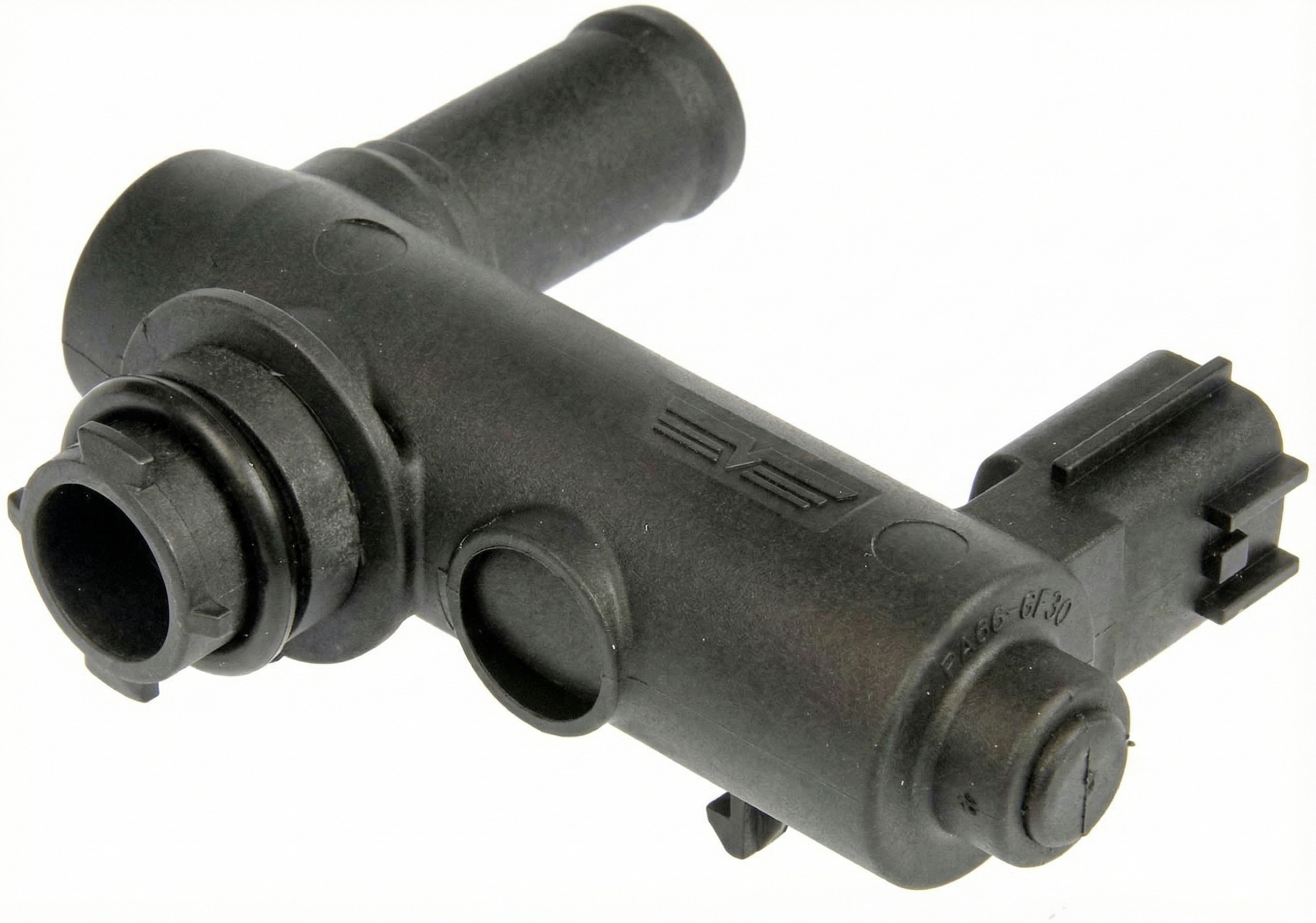
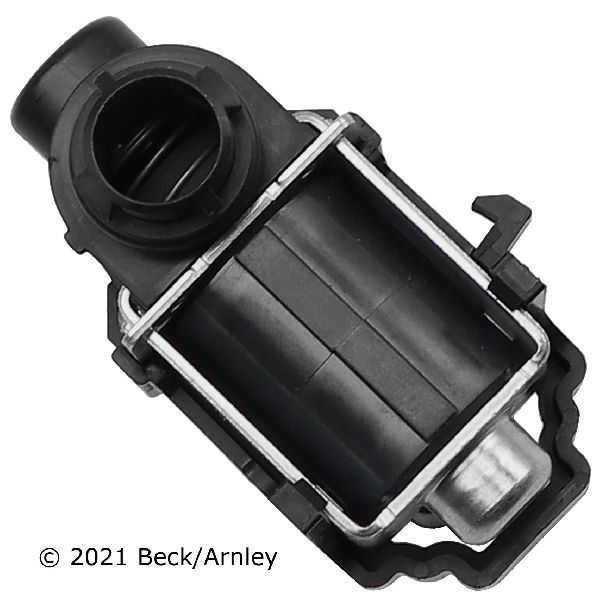
Est. part cost: $20-$40 - EVAP Vent Control Valve (Solenoid) 🔴 High Probability → Shop Vapor Canister Vent Valve This valve is a very common failure point on many Nissan models of this era, including the Rogue. It is exposed to the elements under the rear of the car and can get stuck open from dirt and debris, or fail electrically. An owner complaint to the NHTSA (ODI #11098283) showed P0455 paired with a vent valve circuit code (P0448), strongly indicating this part as the culprit. Nissan has updated the part several times, suggesting a known flaw in the original design.
How to confirm: The valve is located on the charcoal canister at the rear passenger side of the vehicle. It can be tested by applying 12V power (e.g., from the car battery or a 9V battery in a pinch) to the two pins on the valve to see if the solenoid clicks. If it's stuck open or does not respond, it has failed. A professional smoke test is the most definitive method and will show smoke exiting this valve if it is stuck open.
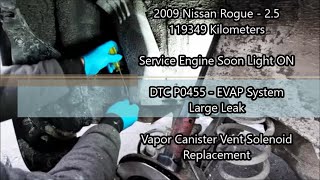
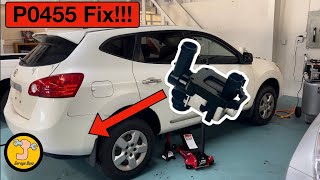
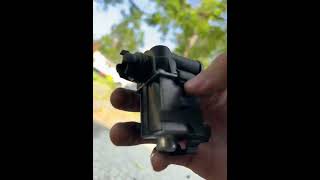
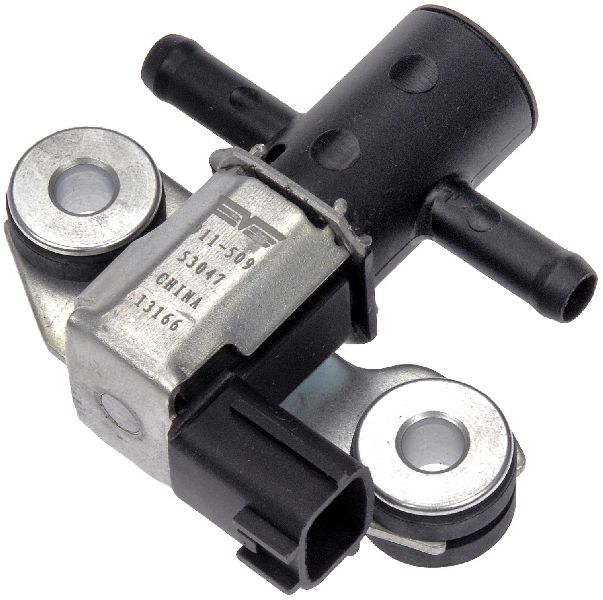
Typical fix: Replace the vent control valve. This is a straightforward replacement that typically doesn't require lifting the vehicle. The valve twists to lock into the canister. A popular aftermarket replacement is the Dorman 911-503. 🎬 Watch: Step-by-step guide to replacing the vapor canister vent solenoid.
Est. part cost: $50-$110 - Rusted or Cracked Fuel Filler Neck 🟡 Medium Probability → Shop Fuel Filler Neck In areas that use road salt (the "Rust Belt"), the metal fuel filler neck that the gas cap screws onto is highly susceptible to rusting through. This creates a large, permanent leak in the EVAP system that will trigger P0455.
How to confirm: Visually inspect the metal tube leading from the gas cap down toward the tank. Look for heavy rust, flaking metal, or visible holes. A smoke test is the most effective way to confirm, as smoke will pour out of the rusted area.
Typical fix: The fuel filler neck must be replaced. This is a more involved and expensive repair than the valves or gas cap. An example OEM part number is 17221-JM00B.
Est. part cost: $150-$250 - EVAP Canister Purge Volume Control Solenoid Valve 🟡 Medium Probability → Shop Vapor Canister This valve, located in the engine bay, can get stuck open, creating a constant vacuum leak that the system interprets as a large leak.
How to confirm: Locate the valve on the intake manifold, near the throttle body. With the engine off, disconnect the hose leading from the valve to the intake manifold and try to blow through the valve. If air passes through, the valve is stuck open and is faulty.
Typical fix: Replace the purge valve. This is typically held on by one or two 10mm bolts and is easily accessible in the engine compartment.
Est. part cost: $40-$90 - Cracked or Disconnected EVAP Hoses ⚪ Low Probability Over time, the rubber and plastic hoses that make up the EVAP system can become brittle, crack, or be damaged by road debris, causing a large leak.
How to confirm: A visual inspection may reveal an obvious crack or disconnected hose. However, the most effective method is a smoke test, which forces smoke through the EVAP system, making any leaks easy to spot.
Typical fix: Replace the damaged section of hose.
Est. part cost: $10-$50
Rare But Worth Checking
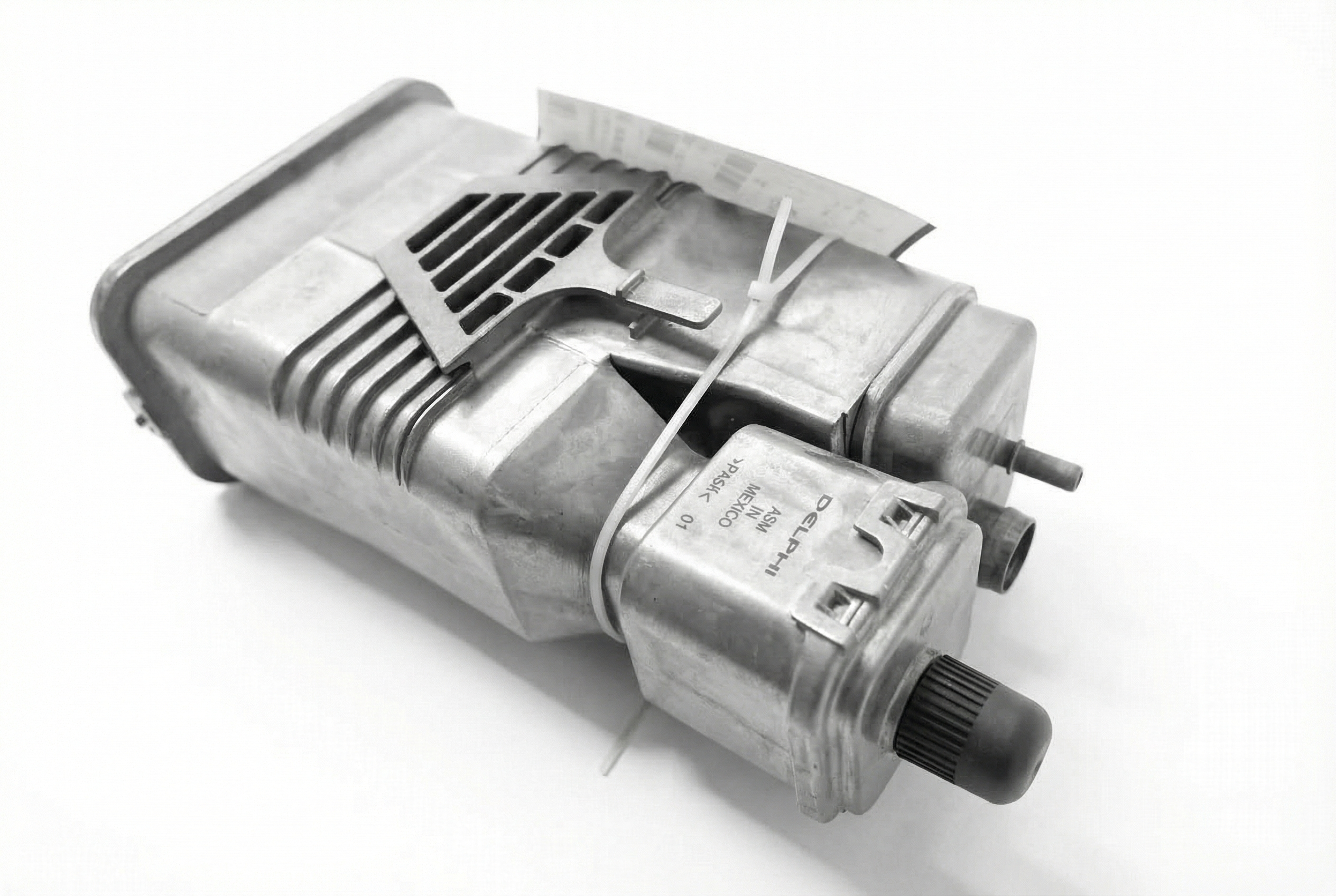
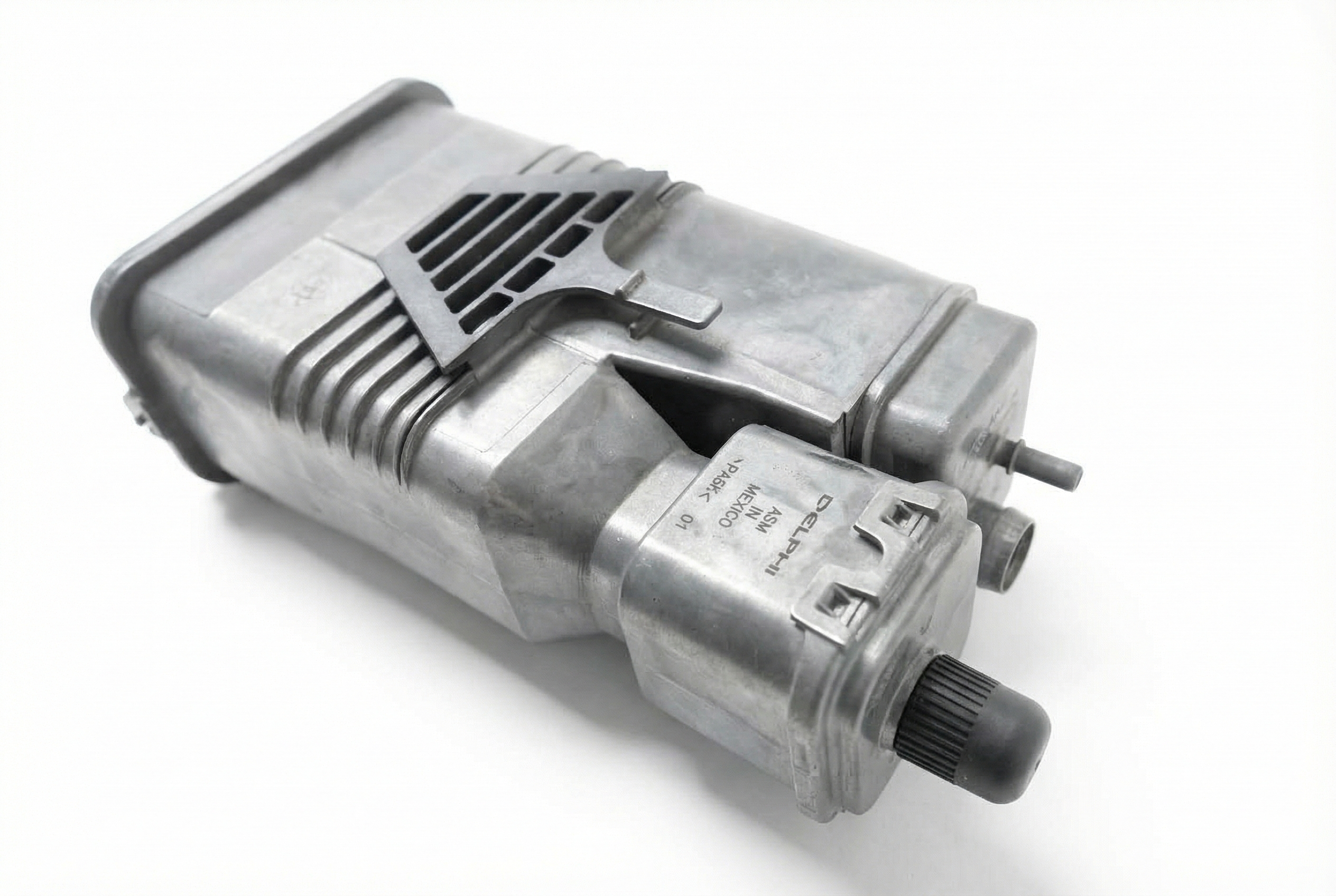
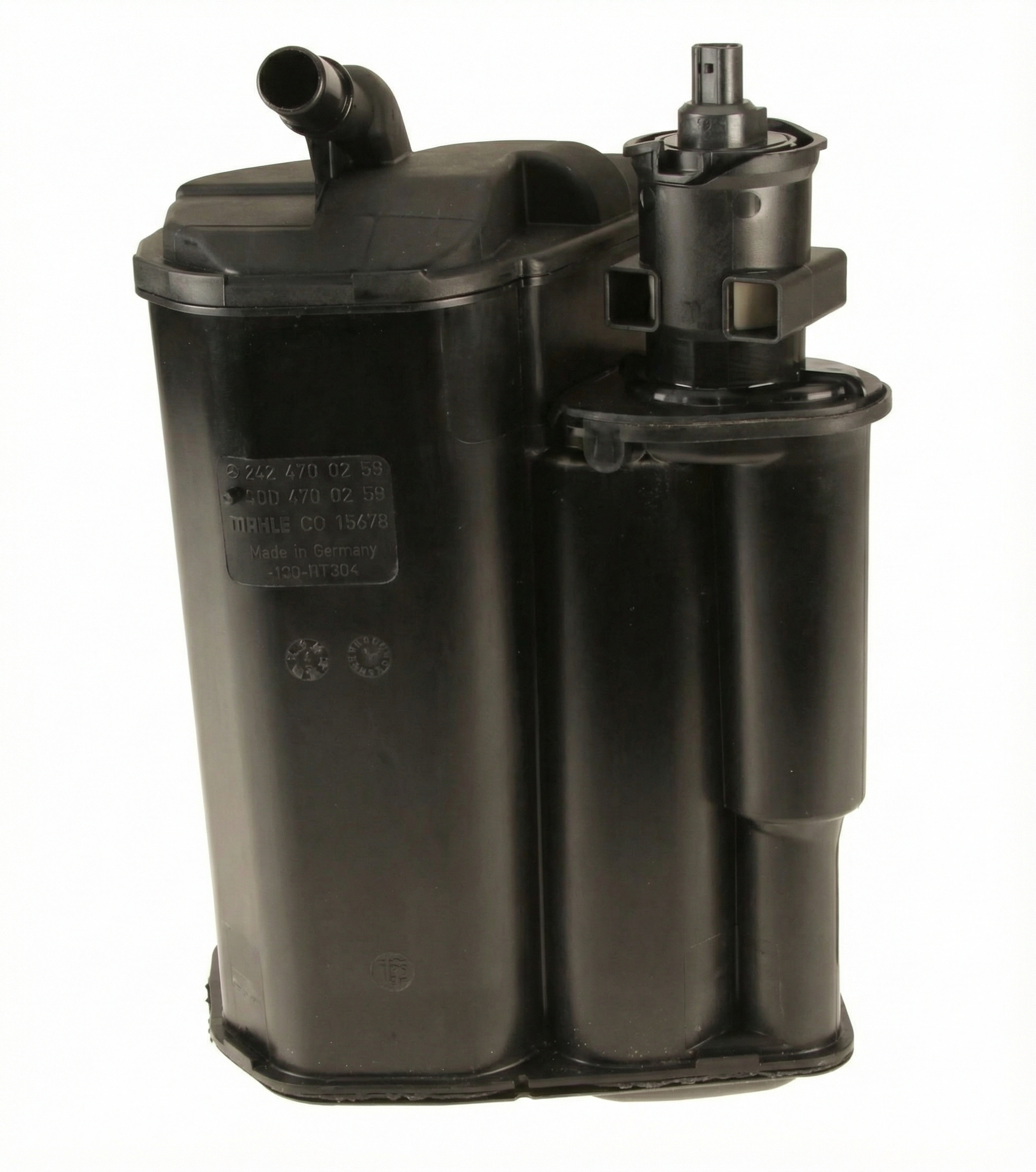
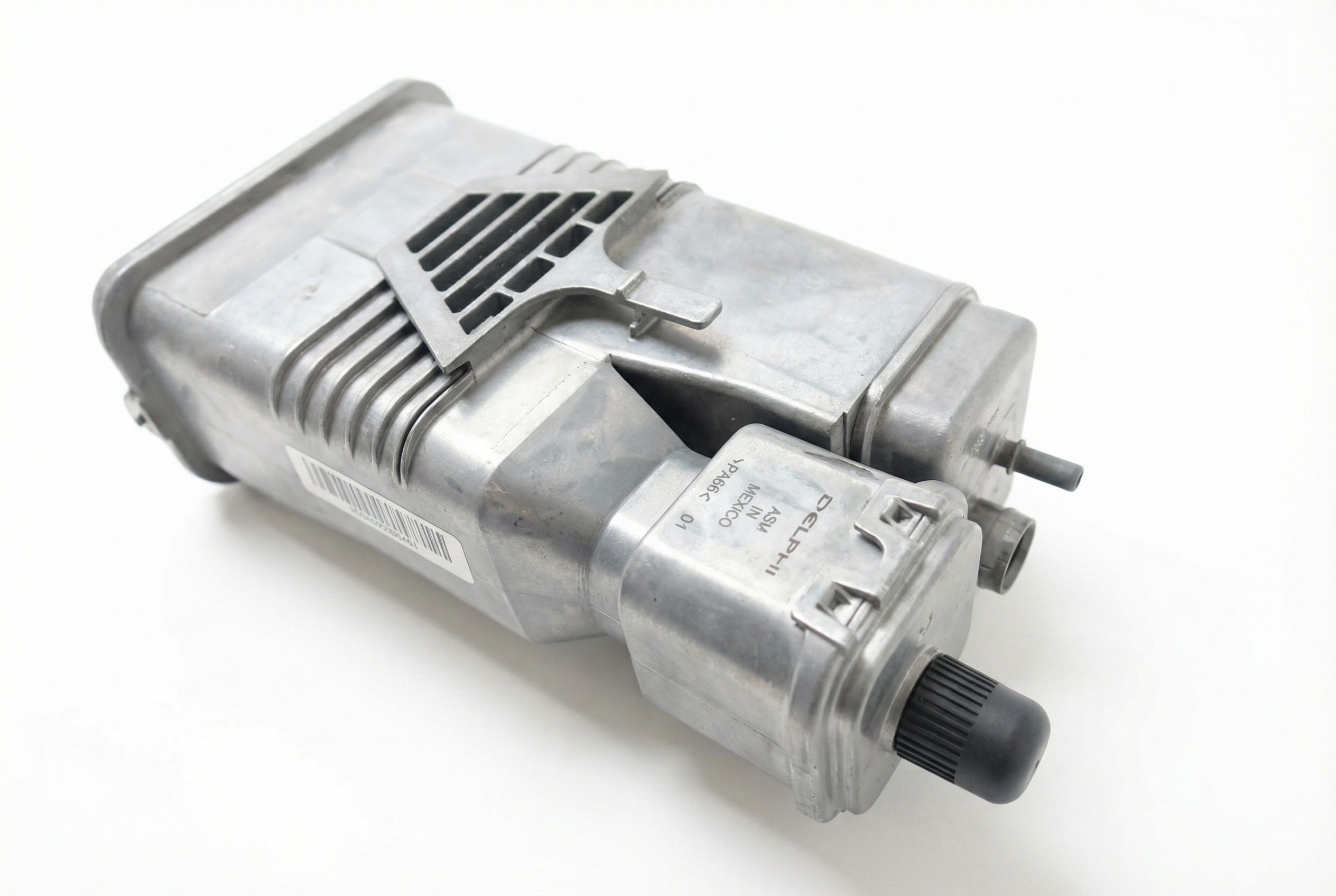
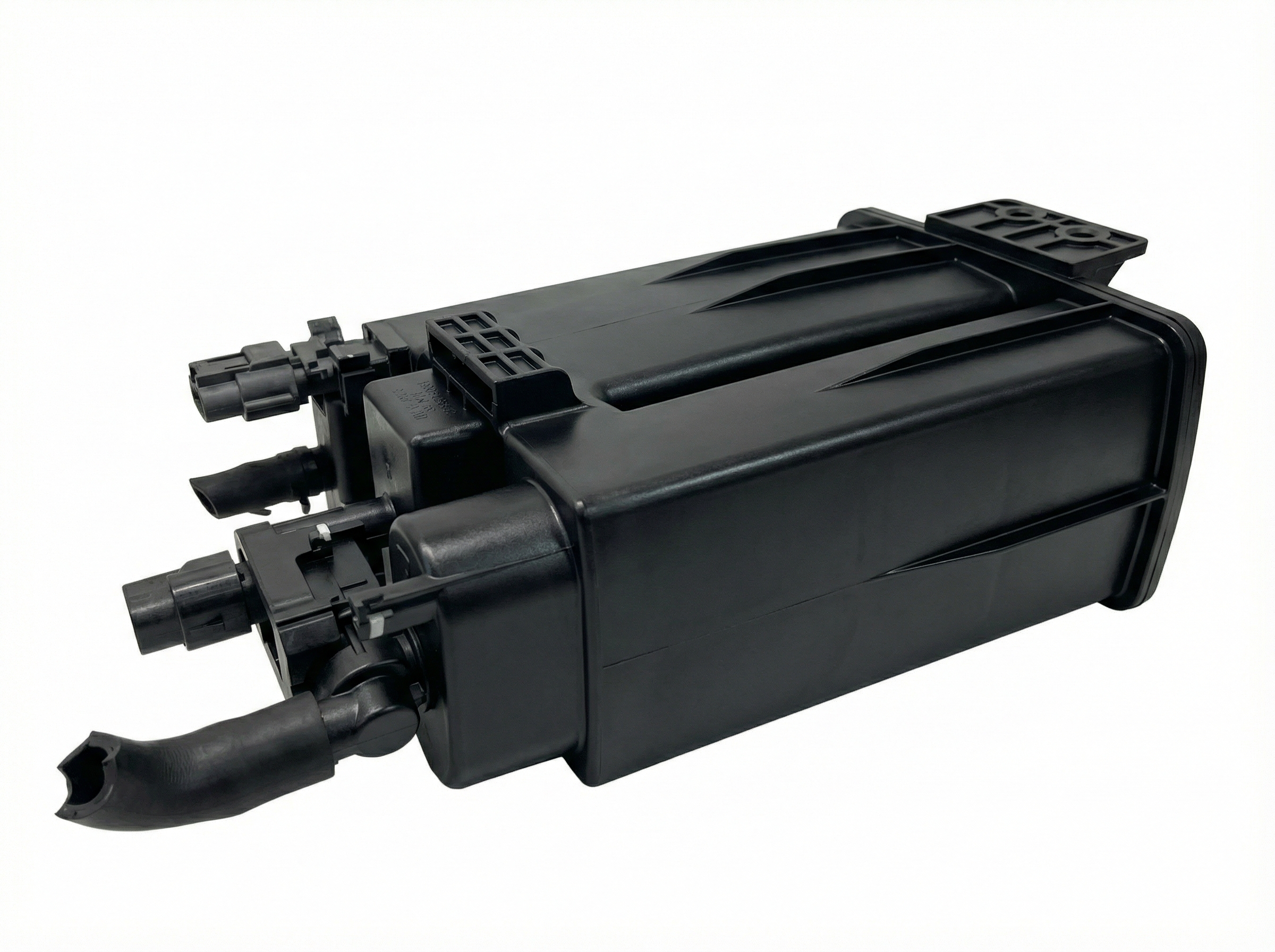
- Cracked EVAP Charcoal Canister: → Shop Vapor Canister The canister itself can be damaged by road debris or develop cracks from age, leading to a large leak. This is less common than valve failures but should be considered if a smoke test shows smoke coming from the canister body itself and not the attached vent valve.
- Leaking Fuel Tank: → Shop Fuel Tank Rust or physical damage can cause a leak in the fuel tank itself. This is a serious safety issue and would likely be accompanied by a strong fuel smell and possibly visible fuel leakage.
Diagnosis Steps
- Read the codes with an OBD-II scanner and note any other codes present, especially P0448, P0456, or P0442.
- Inspect the gas cap. Ensure it is tight and clicks. Remove it and check the rubber O-ring for cracks or damage. If in doubt, replace it with an OEM cap.
- If the gas cap is okay, perform a visual inspection of all accessible EVAP hoses in the engine bay and under the vehicle near the fuel tank. Look for obvious cracks or disconnections.
- For vehicles in rust-prone areas, carefully inspect the fuel filler neck for significant corrosion or holes.
- Locate the EVAP vent control valve on the charcoal canister at the rear passenger side of the vehicle. Check its electrical connector for corrosion or damage. Test the valve by applying 12V power to its pins and listening for a click.
- If the previous steps do not reveal the issue, the most definitive diagnostic tool is a smoke test. A mechanic will inject low-pressure smoke into the EVAP system's service port. Smoke will exit from the location of the leak, whether it's a hose, valve, canister, or the fuel tank.
Parts You'll Likely Need
- EVAP Vent Control Valve
(OEM #14935-JF00E (and subsequent revisions like 14935-JF02C))— This is the most common part to fail on this platform for a P0455 code, often getting stuck open. Nissan has updated the part design multiple times, indicating an issue with the original.
Trusted brands: Nissan (OEM), Bosch, Dorman (911-503)
OEM price range: $90-$110
Aftermarket price range: $50-$80 - Fuel Filler Cap
(OEM #17251-1JA0A / 17251-4BA0B)— A loose or worn-out gas cap is a very frequent cause of this code and is the first thing that should be checked. A TSB was issued highlighting this as a common issue. Aftermarket caps are frequently reported as not sealing correctly.
Trusted brands: Nissan (OEM), Stant
OEM price range: $25-$40
Aftermarket price range: $10-$20 - EVAP Canister Purge Solenoid Valve
(OEM #14930-JA10D)— Located in the engine bay, this valve can fail and stick open, causing a large leak code.
Trusted brands: Nissan (OEM), Hitachi, Dorman
OEM price range: $70-$100
Aftermarket price range: $40-$70
Related Codes That Often Appear With This One
- P0448 — This code indicates a short in the EVAP vent control valve circuit. When seen with P0455, it strongly points to a faulty vent control valve as the root cause, as documented in NHTSA complaint #11098283.
- P0456 — This code indicates a 'very small leak'. Sometimes a component will begin to fail and set a P0456 before the leak worsens and triggers a P0455, or vice-versa. A Reddit user with a 2011 Rogue reported having both codes simultaneously.
- P0442 — This code indicates a 'small leak'. Similar to P0456, it can appear alongside P0455 as the system tries to classify the size of the leak.
Technical Service Bulletins (TSBs) & Recalls
- NTB13-097J: EVAP LEAK DTC P0442, P0455, P0456 INFORMATION
- NTB09020F: Service Information - If one or more of these EVAP leak DTCs are stored (P0442, P0455, P0456) on a 2007 through 2011 Nissan vehicle, a loose fuel fill cap may be the cause.
Platform-Specific Known Issues
- TSB NTB09020F & NTB13-097J: Nissan issued bulletins for 2007-2011 and newer vehicles, stating that EVAP codes P0442, P0455, or P0456 could be caused by a loose fuel filler cap and outlining diagnostic procedures.
- Common Vent Valve Failure: As documented extensively in forums, the rear vent control valve is a frequent point of failure. One owner on NICOclub forums provided a detailed DIY replacement guide for their 2009 Rogue, noting the redesigned part from Nissan. Another user on Reddit confirmed fixing P0455 and P0456 by replacing this valve among others.
- Fuel Filler Neck Rust: Multiple owner accounts in forums and on YouTube describe chasing a P0455 code by replacing the cap and valves, only to find the true cause was a rusted-out fuel filler neck, a particularly common issue in northern climates.
Mechanic-Grade Diagnostic Values
- EVAP Canister Vent Solenoid Resistance — expected: 48 - 65 ohms. Failure: A reading outside this range indicates a faulty solenoid coil.
- EVAP Canister Purge Valve Resistance — expected: 30 - 38 ohms. Failure: A reading outside this range suggests a problem with the purge valve's solenoid.
Scan Tool Commands That Help
- Nissan CONSULT or advanced aftermarket scanner: EVAP System Test — This is a guided diagnostic function that automatically commands the vent and purge valves to seal the system and monitors the fuel tank pressure sensor to check for a pressure drop, confirming if a leak is present.
- Nissan CONSULT or advanced aftermarket scanner: Output Signal Control (OSC) / Active Test — This allows a technician to manually command the EVAP vent valve closed and the purge valve open or closed. It's used to isolate and test the function of each solenoid individually, for example, to see if the vent valve will seal the system on command before a smoke test.
Wiring & Ground Locations
- EVAP Canister Vent Control Valve — On the EVAP canister, located in the right rear wheelwell area, behind the passenger side rear wheel.. This is the most common component to fail and cause P0455. Its location exposes it to road debris and moisture, leading to electrical failure or the valve getting stuck open from dirt.
- EVAP Canister Purge Volume Control Solenoid Valve — In the engine bay, on the right (passenger) side of the engine, often near the intake manifold.. This valve can stick open, creating a large leak path from the EVAP system directly into the engine intake.
- ECM (Engine Control Module) — Located on the left (driver's) side of the engine compartment.. The ECM is what controls the EVAP valves and runs the diagnostic tests. All wiring for the EVAP solenoids ultimately leads back to the ECM.
- Ground E21 — Located on the left front of the engine compartment.. A poor ground connection for the ECM or related circuits can cause erratic behavior of sensors and solenoids, potentially leading to false codes or improper system operation.
Real Owner Repair Stories
- YouTube user 'blainenojiri' (Nissan (model not specified, but common P0455 issue)) — Failed California SMOG inspection with code P0455.
❌ Tried (didn't work) Initial diagnosis pointed to a large EVAP leak.
✅ What actually fixed it The EVAP vent control solenoid on the canister was faulty. The old part would not actuate properly when power was applied, while the new one did. Replacing the vent solenoid fixed the issue and the car passed its smog test. - YouTube user 'GarageBoys' (2013 Nissan Rogue) — Check Engine Light with code P0455.
❌ Tried (didn't work) Checking the gas cap is mentioned as the first step, but the focus is on the valve.
✅ What actually fixed it The EVAP vent control valve was physically broken where it twists into the canister, causing it to be loose. The user states this valve is the cause '95% of the time' on this vehicle. Replacing the valve resolved the issue.
"I Checked Everything" — The Actual Cause
- In some cases, a smoke test will not reveal any leaks, yet the P0455 code persists. This can happen if the EVAP system is not actually leaking but is failing the onboard diagnostic test for other reasons. One potential cause is a faulty Fuel Tank Pressure (FTP) sensor that provides incorrect data to the computer, making it believe a leak exists when one does not.
- Another possibility is a non-responsive component. For example, the EVAP purge valve may be commanded to open by the computer during a test, but it is clogged or stuck shut. The system's inability to draw a vacuum is then interpreted as a large leak, even though a smoke test (which is static) shows no leaks.
OEM Part Supersession History
14935-JF00A, 14935-JF00B, 14935-JF00C, 14935-JF00D, 14935-JF00E→14935-JF02C— This is the EVAP Canister Vent Control Valve. The frequent supersessions indicate that Nissan has released multiple revisions to address the high failure rate of this component due to sticking or electronic failure.
Heads up: While many numbers in the JF00x series are interchangeable, the latest version (14935-JF02C) is recommended for the most durable repair.
Model Year Variations Within This Range
- 2008-2015: The fundamental causes of P0455 (gas cap, rear vent valve, filler neck rust) are consistent across the entire first generation. However, the specific part number for the EVAP vent control valve has been revised multiple times. While the part remains physically interchangeable, later part numbers represent improved designs.
Helpful Videos
Used OEM Parts in Stock
New Aftermarket Parts Available


The information in this article is provided for general reference and educational purposes only. Vehicle specifications, procedures, and part compatibility can vary by production date, trim level, and region. Always consult your vehicle's factory service manual and verify part numbers before purchasing or performing repairs. Safety-critical components such as airbags, seat belts, and braking systems should be installed by a qualified professional.
- Nissan ROGUE:
- 🧭 Diagnostic Flowchart
- 🎬 Helpful Videos
- 🛍️ Shop This Part
- What's Unique About the 2008-2015 Nissan ROGUE
- Symptoms You May Notice
- Most Likely Causes
- Rare But Worth Checking
- Diagnosis Steps
- Parts You'll Likely Need
- Related Codes That Often Appear With This One
- Technical Service Bulletins (TSBs) & Recalls
- Platform-Specific Known Issues
- Mechanic-Grade Diagnostic Values
- Scan Tool Commands That Help
- Wiring & Ground Locations
- Real Owner Repair Stories
- "I Checked Everything" — The Actual Cause
- OEM Part Supersession History
- Model Year Variations Within This Range
- 🎟️ Get 5% Off