

P0455 on 2015-2022 Nissan Versa: Causes and Fixes for a Large EVAP Leak
The P0455 code on a Nissan Versa indicates a large leak in the evaporative emissions (EVAP) system. The most common and simplest fix is to inspect and tighten or replace the gas cap. If that doesn't work, the next likely culprits are a faulty EVAP vent control valve located at the rear of the car near the charcoal canister, or the purge valve in the engine bay.
- P0455 means your Versa has a large leak in the emissions system that contains fuel vapors.
- Always check your gas cap first. Make sure it's tight and the seal isn't cracked. This solves the problem more often than not.
- If the gas cap isn't the issue, the next most likely culprits are the EVAP vent control valve (near the gas tank) or the purge valve (in the engine bay).
- You can continue to drive the car without damaging the engine, but you will fail an emissions test and are releasing more pollutants than normal.
- A smoke test is the most effective way for a mechanic (or a DIYer with the right tool) to find the exact source of the leak if it's not one of the common parts.
What's Unique About the 2015-2022 Nissan VERSA
For many modern Nissan vehicles, including the Versa, the EVAP system components, particularly the vent control valve, are a known point of failure that can lead to a P0455 code. While a loose gas cap is the universal first check for any car, Nissans often experience issues with the vent valve sticking open due to its location under the car where it is exposed to road grime. This creates the large leak detected by the system. The vehicle range also spans two generations (N17 and N18), but the core EVAP system design and common failure points remain consistent.
Diagnostic Flowchart
Tap your situation to follow the diagnostic path that matches what you're seeing on this vehicle.
Generation note: The 2015-2022 year range covers two generations of the Nissan Versa: the second generation (N17, 2015-2019) and the third generation (N18, 2020-2022). While body styles and features differ, the fundamental design of the 1.6L HR16DE engine and its associated EVAP system is similar. The common causes and diagnostic steps for P0455 are largely the same across both generations.
Symptoms You May Notice
- Check Engine Light is on
- A faint smell of fuel, especially around the rear of the vehicle or after refueling.
- No noticeable impact on engine performance or drivability
- A "Loose Fuel Cap" warning message may appear on the instrument cluster.
- Replacing the fuel tank pressure sensor. While a faulty sensor can cause EVAP codes, it's less common for P0455 and will often be accompanied by other specific sensor-related codes (like P0452).
- Confusing the purge valve (in the engine bay) with the vent control valve (at the rear of the car). Owners on forums often mix up the terms, but they are two distinct parts with different functions and locations.
Most Likely Causes
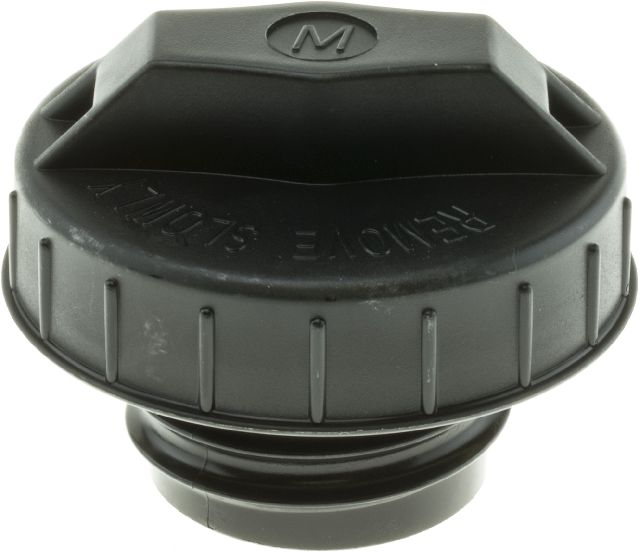
- Loose, Damaged, or Incorrect Gas Cap 🔴 High Probability → Shop Fuel Tank Cap This is the most common cause for a P0455 code on any vehicle. The gas cap is a critical sealing point for the EVAP system, and its seal can degrade over time or it may simply not have been tightened correctly after refueling. Using a non-OEM cap can also cause sealing issues.
How to confirm: Visually inspect the gas cap for cracks or a worn, brittle rubber seal. Ensure it is tightened until it clicks. Some owners suggest cleaning the cap and the filler neck sealing surface with a cloth and some WD-40 to ensure a good seal. If the light returns after tightening and clearing the code, the cap itself may be faulty.
Typical fix: Tighten the cap until it clicks. If the seal is damaged or the cap is incorrect, replace it with a new OEM or equivalent part.
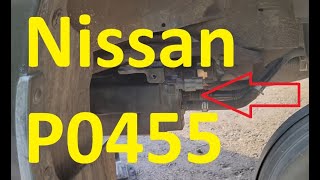
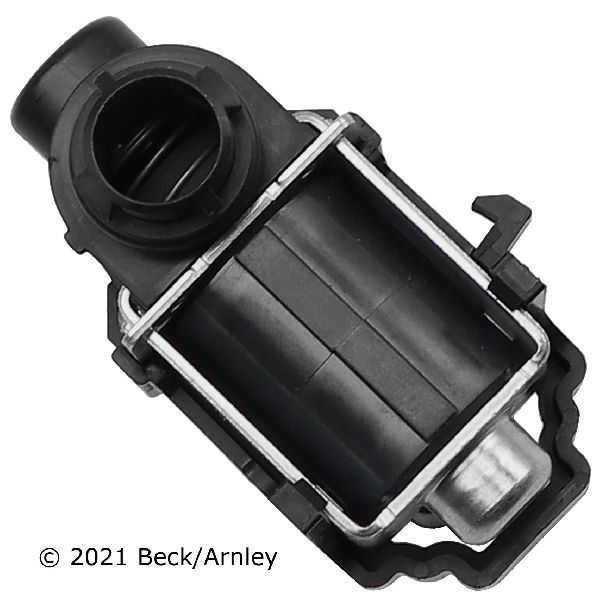
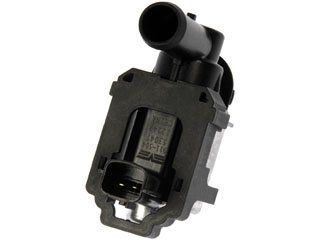
Est. part cost: $10-$30 - Faulty EVAP Canister Vent Control Valve 🟡 Medium Probability → Shop Vapor Canister Vent Valve On many Nissan models, the vent control valve (or vent solenoid) is a frequent failure point. It is located at the rear of the vehicle by the charcoal canister, where it is exposed to road dirt and moisture, causing it to get stuck open. When the ECM commands it closed to test the system, the stuck-open valve creates a large leak that triggers the P0455 code.
How to confirm: The valve is located near the charcoal canister at the rear of the vehicle, often on the passenger side, sometimes behind a plastic cover. It can be tested by applying 12V battery voltage to its terminals; a healthy valve will make an audible click as it closes. A smoke test is the most definitive way to confirm it's leaking.
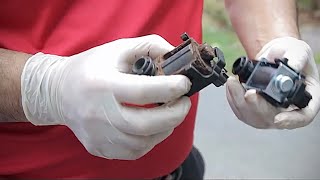
Typical fix: Replacement of the vent control valve. It typically twists and locks into the EVAP canister. The electrical connector and hose are removed, the old valve is twisted out, and the new one is installed.
Est. part cost: $40-$120 - Faulty EVAP Canister Purge Valve 🟡 Medium Probability → Shop Vapor Canister The purge valve (or purge solenoid) is normally closed and opens to allow fuel vapors into the engine. If it sticks open, it creates a constant vacuum leak into the EVAP system, which the computer can interpret as a large leak.
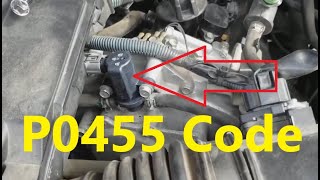
How to confirm: The purge valve is located in the engine bay, typically on or near the intake manifold, with two hoses and an electrical connector. With the engine off, remove the valve and try to blow through it. If air passes through, it is stuck open and needs to be replaced.
Typical fix: Replacement of the purge valve assembly.
Est. part cost: $80-$210 - Cracked or Disconnected EVAP Hose ⚪ Low Probability The rubber and plastic hoses that connect the EVAP system components can become brittle and crack over time due to heat and age, especially the connections at the canister and valves.
How to confirm: A visual inspection may reveal obvious cracks or disconnections. However, small cracks can be hard to see. The most effective method is a smoke test, which involves injecting low-pressure smoke into the EVAP system's service port and watching for where it escapes.
Typical fix: Replace the damaged section of hose and secure with clamps.
Est. part cost: $5-$50
Rare But Worth Checking
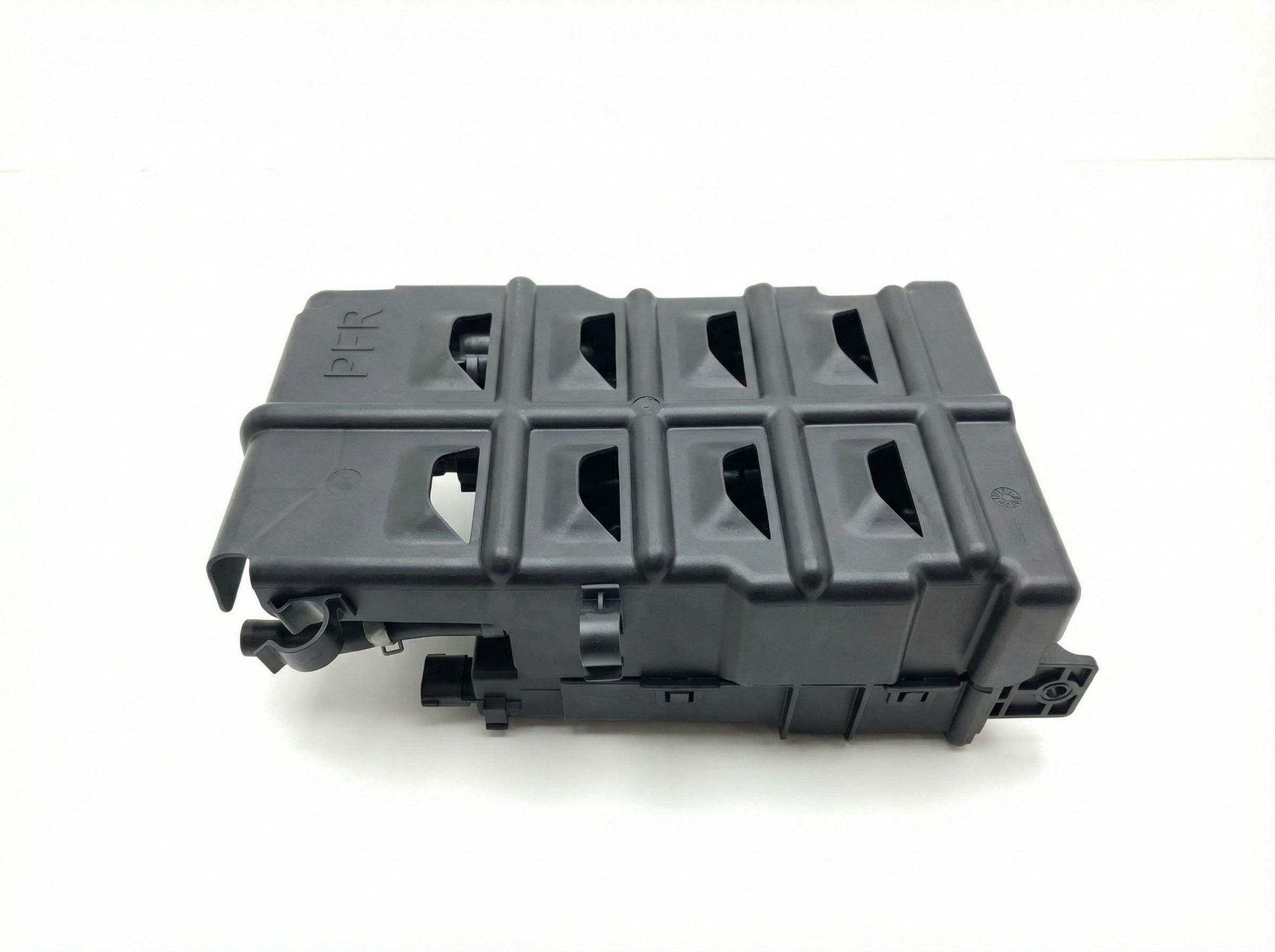
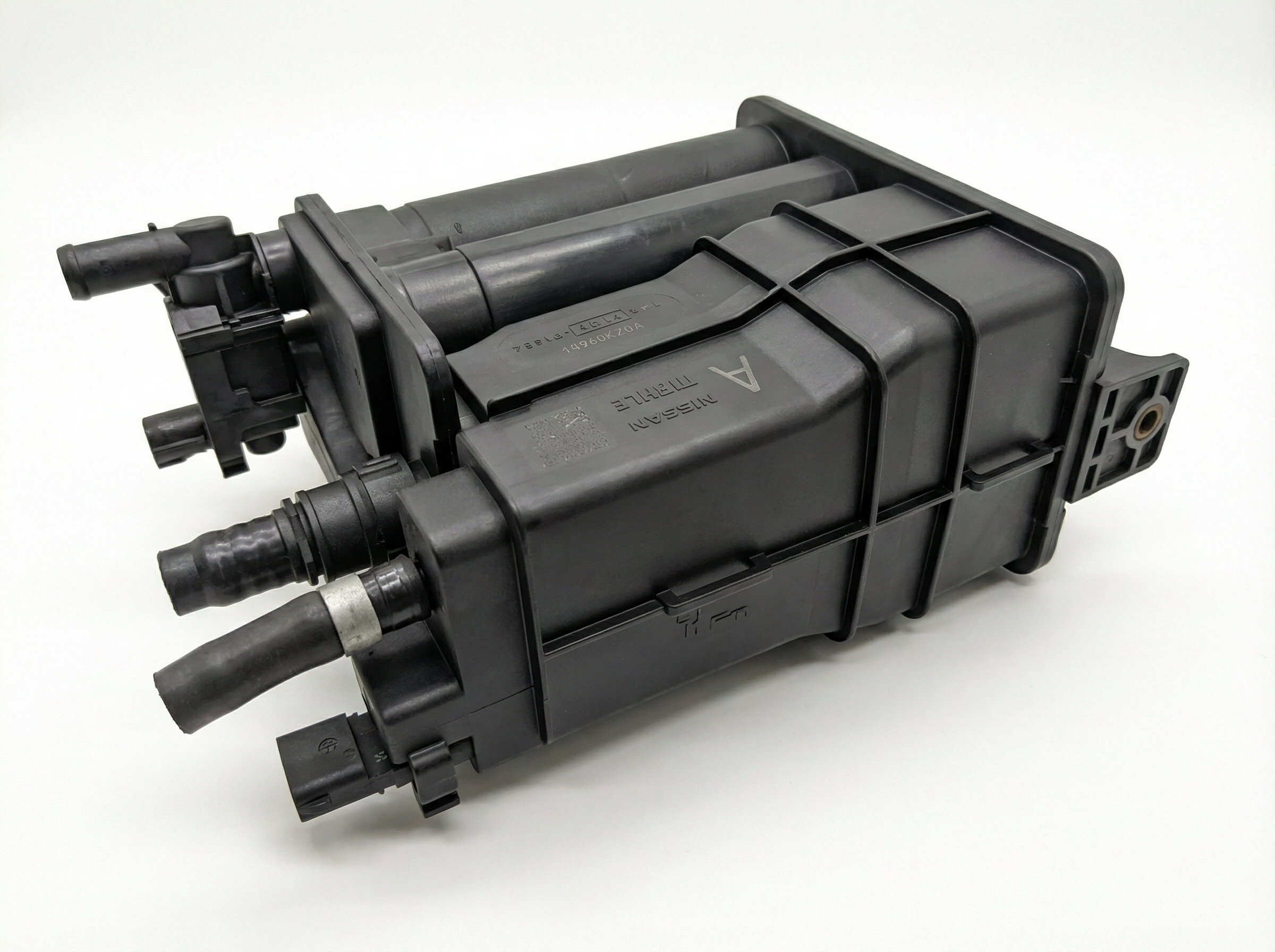
- Cracked Charcoal Canister: → Shop Vapor Canister The canister itself can develop cracks from road debris or age, creating a large leak. This is less common than valve failure but should be inspected, especially if the vehicle has high mileage or visible undercarriage damage. A smoke test will quickly reveal a cracked canister.
- Rusted or Damaged Fuel Filler Neck: → Shop Fuel Filler Neck In regions where road salt is used, the metal fuel filler neck can rust and perforate, creating a leak that will trigger a P0455 code. Inspect the entire neck from the gas cap down to the tank for signs of rust or damage, which would be revealed during a smoke test.
Diagnosis Steps
- Check the gas cap. This is the simplest and most common fix. Remove it, inspect the seal for cracks, and retighten it until it clicks at least once. Clear the code and drive for a few days to see if it returns.
- Visually inspect the EVAP system. Look for any obvious cracks, damage, or disconnected hoses in the engine bay and around the charcoal canister near the fuel tank. Pay close attention to the lines connected to the purge and vent valves.
- Test the Purge Valve. Locate the purge valve in the engine bay. With the engine off, disconnect it and try to blow through it. If air passes, it's faulty and needs replacement.
- Test the Vent Control Valve. Locate the vent valve near the charcoal canister at the rear of the car, on the passenger side. A professional can test it by commanding it closed with a scan tool. A DIY method is to remove it and apply 12V power to the pins; you should hear a solid click. If it doesn't click, or is stuck open, it needs replacement.
- Perform a Smoke Test. If the leak isn't obvious, the most reliable method for finding it is to use a smoke machine. This tool fills the EVAP system with a harmless, visible smoke, and the leak will be revealed by where the smoke escapes. This is the method dealers use and is the best way to find cracked hoses or a rusted filler neck.
Parts You'll Likely Need
- Gas Cap
(OEM #17251-1VZ0A (Verify by VIN))— This is the most frequent cause of a P0455 code due to improper tightening or a worn-out seal. Using a genuine Nissan cap is recommended as aftermarket caps can have sealing issues.
Trusted brands: Nissan OE, Stant
OEM price range: $25-$40
Aftermarket price range: $10-$25 - EVAP Canister Vent Control Valve
(OEM #14935-JF00E (example, verify by VIN))— This valve is a known failure point on Nissan vehicles; it gets stuck open due to exposure to the elements, causing the system to fail its pressure test.
Trusted brands: Nissan OE, Dorman (911-503), Standard Motor Products, TRQ
OEM price range: $90-$150
Aftermarket price range: $40-$100 - EVAP Canister Purge Valve
(OEM #14930-3YM0A (example, verify by VIN))— This valve can stick open, creating a vacuum leak that the computer interprets as a large system leak.
Trusted brands: Nissan OE, Hitachi, Bosch
OEM price range: $170-$210
Aftermarket price range: $80-$150
Related Codes That Often Appear With This One
- P0456 — P0456 indicates a 'very small leak.' You might see this code intermittently before a component fails completely and creates the 'large leak' of P0455. Nissan groups these codes together in their diagnostic TSBs.
- P0442 — P0442 indicates a 'small leak.' Similar to P0456, it represents a leak of a different size. Seeing multiple leak codes can point to an intermittent failure of a valve or a progressively worsening crack in a hose.
Technical Service Bulletins (TSBs) & Recalls
- NTB13-097J: EVAP LEAK DTC P0442, P0455, P0456 INFORMATION. This bulletin confirms that a loose fuel cap is a primary cause and instructs technicians on the diagnostic flow, which includes checking the cap first before proceeding to system leak tests. It applies to all 2012 and newer Nissan vehicles.
- NTB17-082E: DTC P0456 CAUSED BY EVAP LEAK AT VENT CONTROL VALVE O-RING. While this TSB specifically calls out the smaller leak code P0456, it points to a known failure point at the vent control valve's O-ring, which can degrade and cause larger leaks over time, leading to P0455.
Platform-Specific Known Issues
- Owner Experience: Gas Cap vs. Vent Valve: → Shop Fuel Tank Cap Many owners on forums report first replacing the gas cap, which is an inexpensive first step. When the P0455 code returns, the next most successful repair is replacing the EVAP canister vent control valve at the rear of the car. One owner noted, 'If the gas cap wasn’t causing the problem... It took the dealer 2 tries and a few days to finally ID where the problem was. Turned out to be a bad solenoid that was replaced.'
- DIY Vent Valve Replacement: A video for a 2010 Versa shows the vent valve located on the rear passenger side, under a plastic cover held by three clips. The repair involves removing a hose, twisting the valve counter-clockwise to remove it from the ca
Mechanic-Grade Diagnostic Values
- EVAP Canister Purge Valve Resistance — expected: 30 to 38 ohms (when engine is cool). Failure: A reading outside this range indicates a faulty valve coil.
- EVAP Canister Vent Solenoid Resistance — expected: 48 to 65 ohms. Failure: A reading outside this range suggests the solenoid coil is bad.
- EVAP Vent Solenoid Control Wire Voltage (Key-On, Engine-Off, Commanded Off) — expected: Near 0V. Failure: Voltage should rise to near battery voltage when commanded ON by the scan tool, indicating the ECM is attempting to activate the ground-side switch.
Scan Tool Commands That Help
- Nissan CONSULT or equivalent professional scan tool: EVAP System Leak Test — This is the automated test the dealership uses. The tool commands the vent valve closed and the purge valve to activate, applying vacuum to the system and monitoring the Fuel Tank Pressure (FTP) sensor for decay to confirm a leak.
- Professional scan tool with bidirectional controls: EVAP Canister Vent Valve - ON/OFF — Used to manually close the vent valve (commanding it 'ON' typically closes it) to seal the system for a smoke test or to check for a stuck-open valve. A technician can listen for a click or watch voltage on the control wire.
- Professional scan tool with live data: Test for stuck-open Purge Valve — With the engine running, command the Purge Valve OFF and the Vent Valve ON (closed). Monitor the Fuel Tank Pressure (FTP) sensor PID. If the pressure value begins to drop (indicating a vacuum is being pulled), the purge valve is mechanically stuck open and leaking vacuum from the intake manifold into the EVAP system.
Real Owner Repair Stories
- Reddit user in /r/MechanicAdvice (2009 Nissan Versa) — SES (Service Engine Soon) light with code P0455.
❌ Tried (didn't work) Replacing the gas cap twice.
✅ What actually fixed it The user was advised by others that the most likely culprit after the gas cap is the canister vent valve (solenoid) located at the rear of the car, not the purge valve in the engine bay. The vent valve is known to get clogged with road dirt due to its location under the car. - YouTube video by 'My Choice... Now, Whats Yours?' (2007 Nissan Versa) — Check Engine Light with codes P0455 & P0442.
❌ Tried (didn't work) Replacing the gas cap did not solve the issue.
✅ What actually fixed it The problem was fixed by replacing the 'vapor canister check valve' (EVAP canister vent control valve). The video shows its location on the rear passenger side of the vehicle, under a plastic cover next to the charcoal canister.
OEM Part Supersession History
14935-JF00A, 14935-JF00B, 14935-JF00C, 14935-JF00D, 14935-JF00E→14935-JF02C— This part has been revised multiple times by Nissan, which strongly suggests an effort to improve durability and prevent common failures like sticking or cracking.
Heads up: The newest part number is the recommended replacement for all previous versions and is used across a wide range of Nissan vehicles, including the Versa.
Model Year Variations Within This Range
- 2019 vs 2020: The 2020 model year marked the beginning of the third generation (N18) Versa. While it received a significant exterior redesign and a power increase from 109hp to 122hp, the core 1.6L engine architecture remained. Parts listings for the EVAP charcoal canister show interchangeability between 2019 and 2020+ models, indicating the EVAP system design and common failure points are highly similar despite the generation change.
Helpful Videos

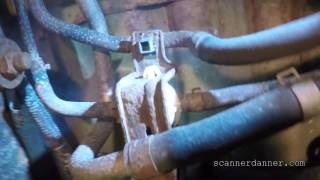
Used OEM Parts in Stock

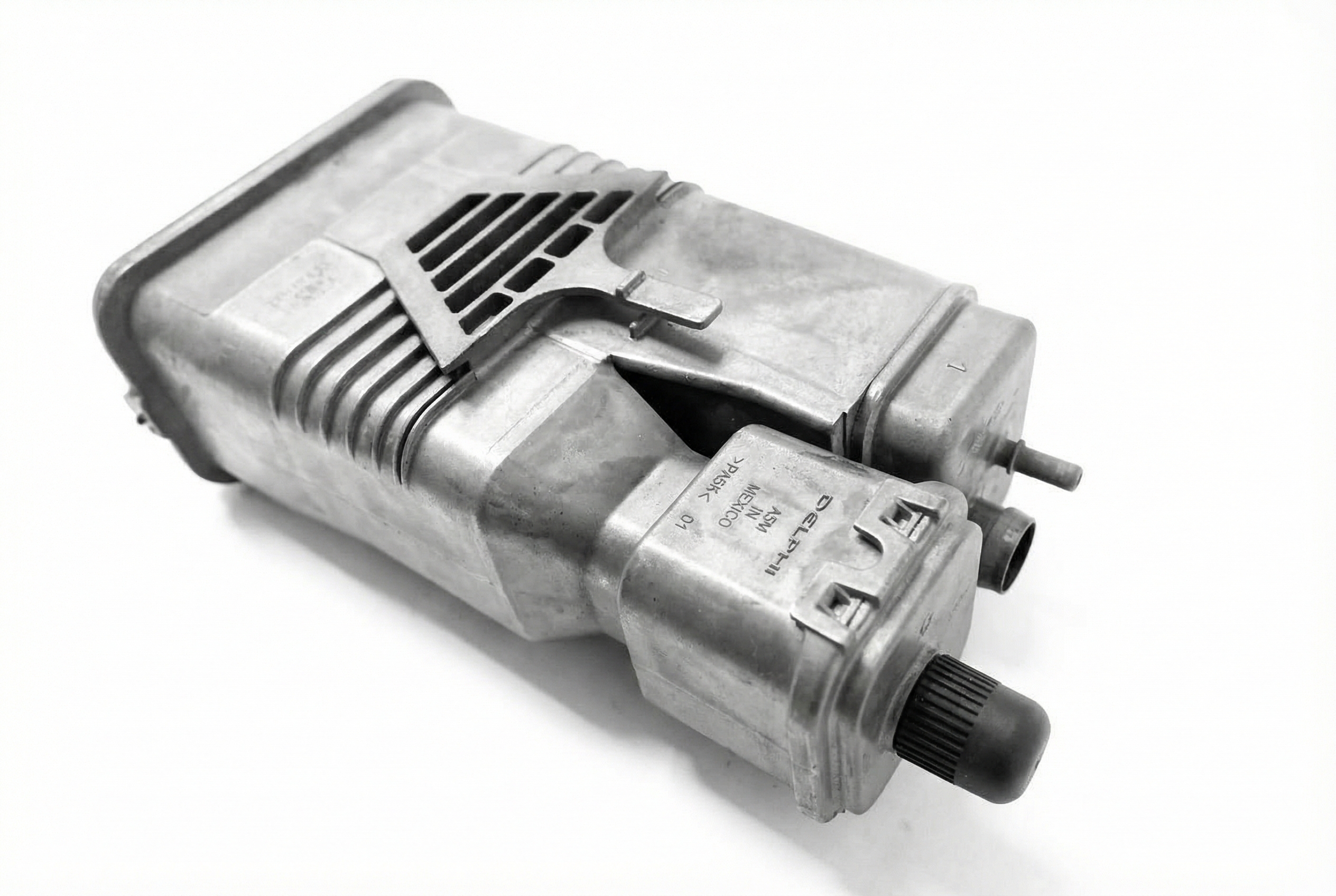
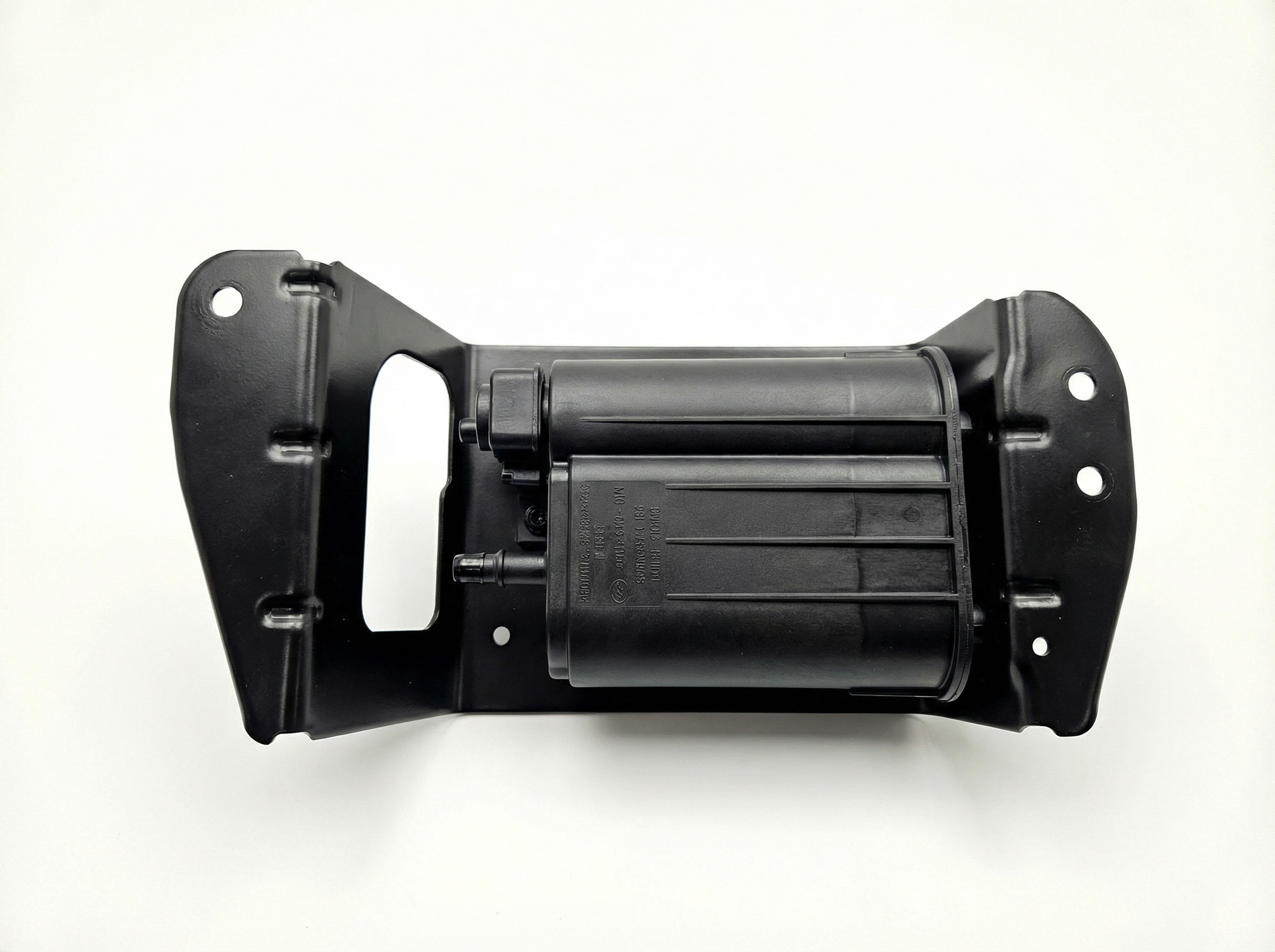
New Aftermarket Parts Available


The information in this article is provided for general reference and educational purposes only. Vehicle specifications, procedures, and part compatibility can vary by production date, trim level, and region. Always consult your vehicle's factory service manual and verify part numbers before purchasing or performing repairs. Safety-critical components such as airbags, seat belts, and braking systems should be installed by a qualified professional.
- Nissan VERSA:
- 🧭 Diagnostic Flowchart
- 🎬 Helpful Videos
- 🛍️ Shop This Part
- What's Unique About the 2015-2022 Nissan VERSA
- Symptoms You May Notice
- Most Likely Causes
- Rare But Worth Checking
- Diagnosis Steps
- Parts You'll Likely Need
- Related Codes That Often Appear With This One
- Technical Service Bulletins (TSBs) & Recalls
- Platform-Specific Known Issues
- Mechanic-Grade Diagnostic Values
- Scan Tool Commands That Help
- Real Owner Repair Stories
- OEM Part Supersession History
- Model Year Variations Within This Range
- 🎟️ Get 5% Off