

P0455 on 1997-2004 Porsche Boxster: EVAP Gross Leak Causes and Fixes
On a 1997-2004 Porsche Boxster, code P0455 is most often caused by a loose or faulty gas cap. If a new OEM cap doesn't fix it, the next most likely causes are a failed fuel tank vent valve or a cracked plastic nipple on the fuel sending unit under the battery. A new OEM gas cap costs around $30-$40.
- Always start with the simplest fix: check that your gas cap is tight. If the code returns, replace it with an OEM Porsche cap.
- If the gas cap doesn't solve the issue, the next most likely culprits are the fuel filler vent valve (in the passenger wheel well) or a broken nipple on the fuel sending unit (under the battery).
- A smoke test is the most reliable way to find the leak without guessing and replacing unnecessary parts.
- This code does not impact the car's drivability, but it will prevent you from passing an emissions test.
What's Unique About the 1997-2004 Porsche Boxster
On the 986 generation Boxster, the EVAP system components are spread out, with key parts located in the front passenger wheel well (charcoal canister, purge valve, vent valve) and on top of the fuel tank, which is accessed by removing the battery and its tray. While many causes are typical for any car (like the gas cap), the Boxster is known for a few specific failure points. These include the fuel filler vent valve and, most notably, a small plastic vent nipple on the fuel sending unit on top of the tank that can become brittle and break, creating a hard-to-find leak that often requires a smoke test to locate.
Symptoms You May Notice
- Check Engine Light is on
- A faint or strong smell of fuel, especially after filling the tank, from the front of the car, or after being parked.
- Difficulty filling the fuel tank (the pump clicks off repeatedly), which can indicate a faulty fuel filler vent valve.
- A whooshing sound of air entering the tank when removing the gas cap, which can sometimes occur even with a leak present in the system.
- Replacing the purge valve or charcoal canister before confirming the gas cap is good and performing a smoke test. Many owners replace multiple parts when the issue was simply a faulty gas cap or a hard-to-see cracked hose or nipple.
Most Likely Causes
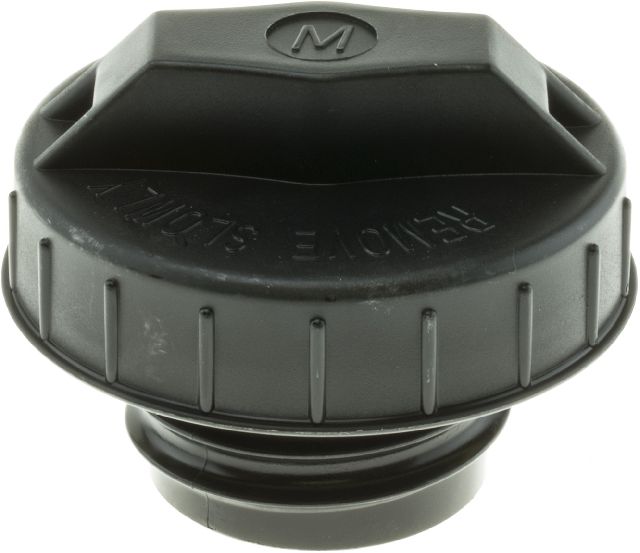
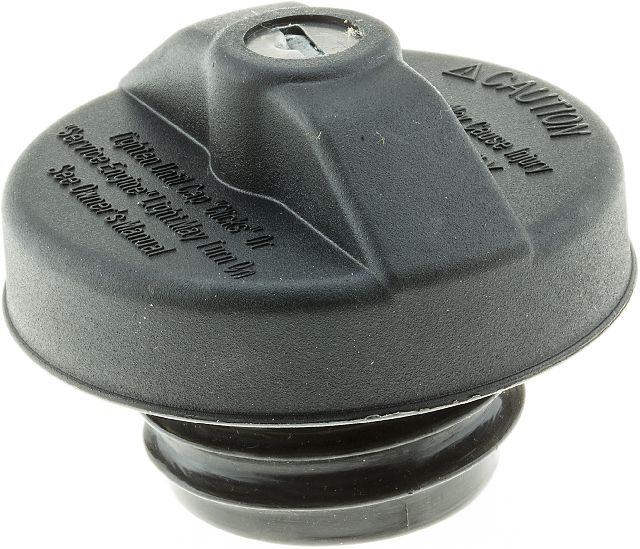
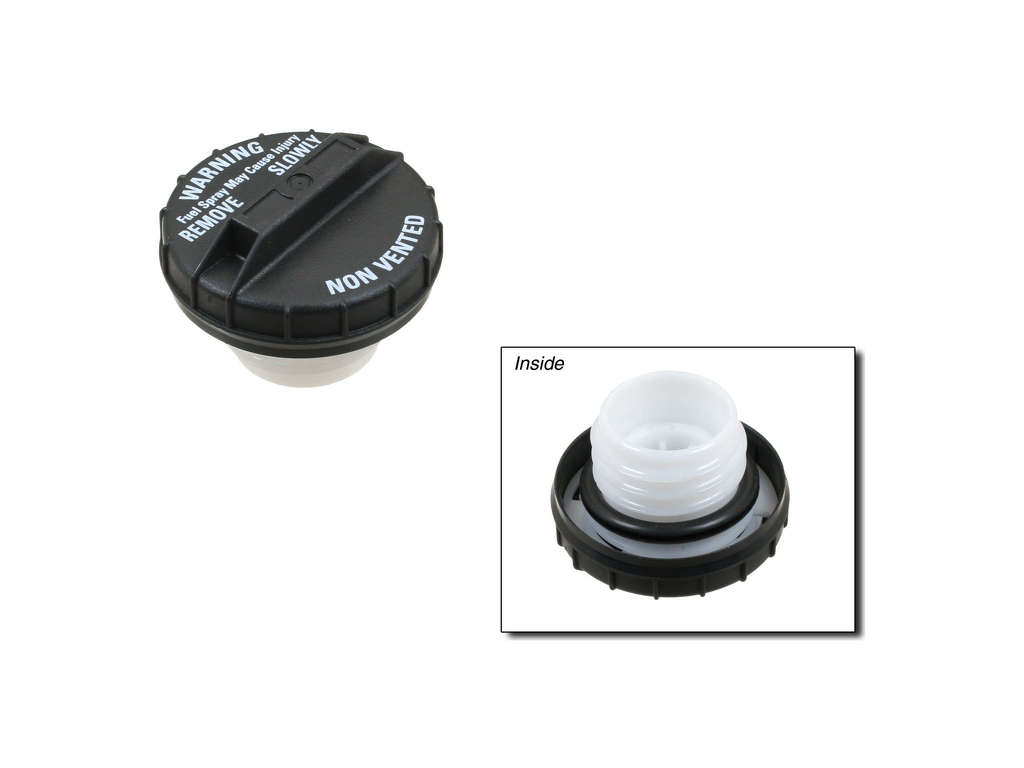
- Loose or Faulty Gas Cap 🔴 High Probability → Shop Fuel Tank Cap The gas cap seal is a common wear item that degrades over time. Aftermarket caps are frequently reported to not seal correctly, making an OEM cap a highly recommended first step. Even the tether getting caught under the seal can cause this code.
How to confirm: Ensure the cap is tightened until it clicks at least once. Remove the cap and inspect the rubber O-ring for cracks, stiffness, or damage. If the code returns after tightening and clearing, replacing the cap is the cheapest and easiest next step.
Typical fix: Replace the gas cap with a new OEM part (Part No. 996-201-241-03).
Est. part cost: $25-$40 - Failed Fuel Filler Vent Valve 🟡 Medium Probability This valve, located on the fuel filler neck, can get stuck open or closed. When stuck open, it creates a leak in the EVAP system. When stuck closed, it makes refueling difficult as it's designed to open to allow air to escape during filling.
How to confirm: The valve is located in the front right (passenger side) wheel well, attached to the filler neck. Diagnosis often requires a smoke test to see if it's leaking. Difficulty refueling is another strong indicator.
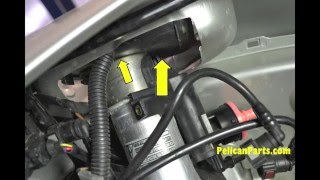
Typical fix: Replace the fuel filler vent valve. This requires removing the passenger front wheel and fender liner for access. The part is held by two 10mm bolts, one of which is hidden and requires some maneuvering to access. 🎬 See this walkthrough for accessing and changing the vent valve.
Est. part cost: $80-$130 - Broken Vent Nipple on Fuel Sending Unit 🟡 Medium Probability A small plastic vent nipple on top of the fuel sending unit (part of the fuel level sensor assembly) can become brittle with age and break off, creating a significant leak. This is a well-documented issue on 986 Boxsters and 996-generation 911s.
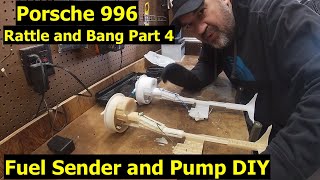
How to confirm: This leak is almost exclusively found with a smoke test. Smoke will appear to come from under the battery area. Visual inspection requires removing the battery and battery tray to access the top of the fuel tank where the sending unit is located. 🎬 Watch: How to access and replace the fuel level sender.
Typical fix: The official repair is to replace the entire fuel sending unit. However, many owners have successfully repaired the broken nipple using a fuel-resistant epoxy like J-B Weld as a more cost-effective solution.
Est. part cost: $200-$300 for the sending unit assembly - Cracked or Disconnected EVAP Hoses ⚪ Low Probability The various rubber and plastic hoses around the charcoal canister (in the front passenger wheel well) or on top of the fuel tank can degrade, become brittle, and crack over time.
How to confirm: A visual inspection of all accessible EVAP lines is a good first step. A smoke test is the most effective way to pinpoint a cracked or disconnected hose that isn't obvious.
Typical fix: Replace the cracked section of hose or re-secure a loose connection.
Est. part cost: $10-$50 depending on the hose
Rare But Worth Checking
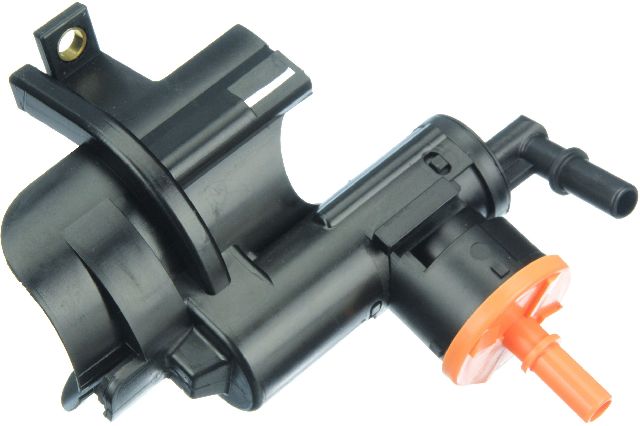
- Faulty Purge Valve or Shut-Off Valve: → Shop Vapor Canister While these valves can fail, they are less common culprits for a P0455 on the 986 Boxster compared to the gas cap and vent valve. A faulty purge valve often presents with other codes, like P0441, or driveability issues. These components are located near the charcoal canister in the front passenger wheel well.
- Leaking Charcoal Canister: → Shop Vapor Canister The canister body itself can develop cracks from age or impact, leading to a large leak. This is usually found during a smoke test where smoke will be seen emitting directly from the canister body.
Diagnosis Steps
- Read the code with an OBD-II scanner to confirm P0455 is present.
- Inspect the gas cap. Ensure it is tight and clicks when closed. Remove it and check the rubber seal for any cracks, tears, or hardening. Check that the tether is not caught under the seal.
- If in doubt, replace the cap with a new OEM Porsche part (996-201-241-03). This is the most common and cheapest fix.
- Clear the code and drive the car for a few days. The EVAP monitor runs under specific conditions (e.g., fuel level between 1/4 and 3/4, ambient temperature), so it may take several drive cycles for the light to return.
- If the code returns, perform a thorough visual inspection. Remove the front passenger wheel and fender liner to inspect the charcoal canister, fuel filler vent valve, and all associated hoses for obvious cracks or disconnections.
- Remove the battery and battery tray to inspect the top of the fuel tank. Look for any broken plastic nipples or disconnected hoses on the fuel sending unit. A small mirror and flashlight are helpful here.
- If no visual faults are found, a smoke test is the most effective next step. Introduce low-pressure smoke into the EVAP system (a common point is the hose leading to the purge valve) and look for where the smoke escapes. This will pinpoint the exact location of the leak.
- Based on the smoke test results, replace the faulty component. This could be a hose, the fuel filler vent valve, or the fuel sending unit.
Parts You'll Likely Need
- Fuel Cap
(OEM #99620124103)— This is the most common cause for a P0455 code. The seal wears out, and aftermarket caps are known to cause issues. The OEM part number has been superseded several times.
Trusted brands: Porsche (OEM)
OEM price range: $25-$40
Aftermarket price range: $15-$25 - Fuel Tank Vent Valve
(OEM #99660520301)— A common failure point on the 986 Boxster that can stick open, causing a large leak, or stick closed, causing refueling issues.
Trusted brands: Porsche (OEM), Bosch, Uro Parts
OEM price range: $90-$130
Aftermarket price range: $70-$95 - Fuel Level Sending Unit
(OEM #99662083203)— Replaced when the integrated plastic vent nipple on top of the unit breaks, a known issue on these cars that is very difficult to find without a smoke test.
Trusted brands: Porsche (OEM), VDO
OEM price range: $250-$300
Aftermarket price range: $200-$250
Platform-Specific Known Issues
- A plastic vent nipple on the fuel sending unit, located under the battery, is known to become brittle and break, causing a P0455 code that can be difficult to diagnose without a smoke test.
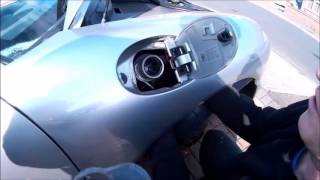
- The fuel filler vent valve on the filler neck is a frequent failure point, leading to either a P0455 code or significant difficulty when refueling. 🎬 Watch: Step-by-step guide to replacing the fuel filler vent valve.
Mechanic-Grade Diagnostic Values
- EVAP Canister Purge Valve Connector Voltage — expected: Battery voltage (~12V) should be present at pin 1 of the connector with the ignition on.. Failure: No voltage or significantly lower voltage could indicate a wiring or DME issue. One owner reported an anomalous reading of 7.4V at idle, which is not considered correct.
Scan Tool Commands That Help
- Porsche PIWIS / PST2: Tank system leak test — This is the factory-level, automated test procedure that the vehicle's computer uses to check the EVAP system. Initiating this can help confirm a leak under controlled conditions.
- Porsche PIWIS / PST2: Actuate / Close EVAP Canister Shutoff Valve — To manually command the vent valve closed during a smoke test. This valve is normally open, so smoke will escape through it unless it is commanded shut by the scan tool, allowing the rest of the system to be tested for leaks.
- Porsche PIWIS / PST2: Actuate / Close Purge Valve — To manually test the function of the purge valve (located on the engine intake). A technician can command it open and closed while observing vacuum or blowing through it (when removed) to confirm it's not stuck.
Wiring & Ground Locations
- Fuel Filler Vent Valve Ground — In the front passenger-side wheel well, a ground wire is attached to the chassis via one of the two 10mm bolts that secures the fuel filler vent valve bracket.. A poor ground connection at this location could potentially affect the operation of the vent valve, although it is not a commonly reported cause of failure.
- Battery Compartment Ground Point — On the body inside the front luggage compartment, near the battery.. This is a primary ground point for components in the front of the vehicle. Since the fuel sending unit (a common culprit) is accessed by removing the battery, ensuring this ground is clean and tight is a good practice during diagnosis.
- Ground Point 2 — Located on the left side of the front luggage compartment.. This is a major chassis ground point in the area where EVAP components are located. Verifying its integrity can rule out electrical issues.
Real Owner Repair Stories
- Rennlist user 'AMCPILOT' (2003 Porsche Boxster S) — Check Engine Light with fault code P0455.
❌ Tried (didn't work) Initial visual inspection of charcoal canister area revealed no obvious leaks.
✅ What actually fixed it A smoke test showed smoke coming from the fuel tank area. After removing the battery and battery tray, a broken plastic vent nipple was discovered on top of the fuel sending unit. The entire fuel sending unit (part # 996-620-832-03) was replaced to resolve the leak.
"I Checked Everything" — The Actual Cause
- Multiple owners have reported that taking their Boxster to a shop for a smoke test resulted in a 'no leak found' diagnosis, even after replacing the gas cap. The P0455 code would then return shortly after. This suggests an intermittent failure, most likely a valve (like the fuel filler vent valve or purge valve) that holds pressure during a static test but fails to seal correctly during the specific vacuum conditions of the onboard diagnostic cycle. A valve may also become heat-sensitive and only leak after the car has been running for a while.
OEM Part Supersession History
99620124100, 99620124101, 99620124102→996-201-241-03— Porsche revised the fuel cap design multiple times, likely to improve the seal's material and design to prevent EVAP leaks as the cars aged.
Model Year Variations Within This Range
- 2003-2004: For the 2003 model year, the Boxster received a facelift (986.2). This included minor engine power increases from an updated Variocam system, a glass rear window, and cosmetic changes. While the fundamental layout of the EVAP system remained the same, some part numbers for hoses or valves may differ from the earlier 1997-2002 models. However, the common causes for P0455, such as the gas cap and broken sending unit nipple, are consistent across the entire 1997-2004 range.
Diagnostic Flowchart
Other Known Issues on This Vehicle
Issues unrelated to this code that are worth knowing about as an owner of this generation:
- Intermediate Shaft (IMS) Bearing Failure 🔴 High — Affects all 1997-2004 M96 engines. Failure rate is debated (estimates range from 1-8%), but the result is catastrophic engine failure. The single-row bearing in 2000-2004 models is considered most at risk. Proactive replacement is a common practice.
- Cracked Coolant Expansion Tank 🟠 Medium — Very common. The plastic tank, located in the rear trunk, becomes brittle with age and heat cycles, developing cracks that lead to coolant leaks. Porsche redesigned the part multiple times. Replacement is recommended if the tank is yellowed or a coolant smell is present in the trunk.
- Air-Oil Separator (AOS) Failure 🟠 Medium — A common maintenance item. The AOS diaphragm fails, causing excessive oil to be drawn into the intake. Symptoms include large plumes of white/blue smoke from the exhaust (especially on startup), rough idle, and increased oil consumption. Failure can lead to engine damage if not addressed.
- Cylinder Bore Scoring 🔴 High — While a major issue for the larger 3.4L, 3.6L, and 3.8L M96/M97 engines (especially in 996/997 models), it is considered very rare on the 2.5L, 2.7L, and 3.2L engines used in the 986 Boxster.
Used vs. New Parts: Buying Guide for This Vehicle
When a used part is the smart pick: For this repair, a used charcoal canister is a viable option, as a new OEM unit is very expensive and no aftermarket versions are available. A used canister from a low-mileage, non-flooded donor car is often a smart, cost-effective repair if the canister itself is diagnosed as faulty.
Donor-vehicle mileage cap: roughly under 75000 miles for the part to have meaningful remaining life.
What to inspect on the donor part:
- Inspect the plastic housing of any used component for chalky appearance, brittleness, or fine cracks.
- Check all rubber hoses and seals for flexibility; avoid any that are hard or cracked.
- For a charcoal canister, ensure there are no visible cracks and shake it to make sure no loose charcoal is rattling inside.
OEM-only on this vehicle (don't cheap out):
- Fuel Cap: Forum consensus is strong that aftermarket gas caps often fail to seal correctly on this vehicle, leading to a repeat P0455 code. The OEM part has been updated multiple times to improve sealing and is the only recommended choice.
Aftermarket brands forum-validated for this vehicle:
- Bosch (for valves)
- VDO (for fuel sending unit)
Brands owners have reported issues with on this vehicle:
- Unbranded, low-cost aftermarket fuel caps.
Real Owner Stories
Aggregated from forums and TSBs cited above. Mileages and costs reflect what owners reported in those sources.
2003 Boxster S
Symptoms: Fault code P0455 present. Owner used a homemade smoke machine to find the leak.
What fixed it: Found a broken fuel sending unit nipple located under the battery; confirmed the location and part number for the fix.
Source hint: Rennlist.com: A detailed thread from user 'AMCPILOT' (2020)
1997-2004 Porsche Boxster
Symptoms: P0455 code appeared immediately after driving away from a gas station with the fuel nozzle still in the car.
What fixed it: Repair of the damaged filler neck assembly.
Source hint: 986forum.com thread from 2023
1997-2004 Porsche Boxster
Symptoms: P0455 code; initial smoke and pressure tests failed to find a leak, indicating a tricky or intermittent fault.
What fixed it: The source notes the frustration of the diagnostic process where standard tests initially showed no leak despite the code.
Source hint: RennTech.org 2009 thread
Related OBD-II Codes
Frequently Asked Questions
Can I use an aftermarket gas cap to fix the P0455 code on my 986 Boxster?
Why am I having trouble filling my gas tank at the pump along with this check engine light?
I smell fuel near the front of my Boxster after parking; where is the leak likely located?
Is there a cheaper way to fix a broken fuel sending unit nipple than replacing the whole assembly?
Where is the fuel filler vent valve located and how hard is it to replace?
Does the 996-generation 911 suffer from the same P0455 issues as the Boxster?
Helpful Videos
We Have This Part in Stock

The information in this article is provided for general reference and educational purposes only. Vehicle specifications, procedures, and part compatibility can vary by production date, trim level, and region. Always consult your vehicle's factory service manual and verify part numbers before purchasing or performing repairs. Safety-critical components such as airbags, seat belts, and braking systems should be installed by a qualified professional.
- Porsche Boxster:
- 🧭 Diagnostic Flowchart
- 🎬 Helpful Videos
- 🛍️ Shop This Part
- What's Unique About the 1997-2004 Porsche Boxster
- Symptoms You May Notice
- Most Likely Causes
- Rare But Worth Checking
- Diagnosis Steps
- Parts You'll Likely Need
- Platform-Specific Known Issues
- Mechanic-Grade Diagnostic Values
- Scan Tool Commands That Help
- Wiring & Ground Locations
- Real Owner Repair Stories
- "I Checked Everything" — The Actual Cause
- OEM Part Supersession History
- Model Year Variations Within This Range
- Other Known Issues on This Vehicle
- Used vs. New Parts: Buying Guide for This Vehicle
- Real Owner Stories
- 2003 Boxster S
- 1997-2004 Porsche Boxster
- 1997-2004 Porsche Boxster
- Related OBD-II Codes
- Frequently Asked Questions
- 🎟️ Get 5% Off