

P0455 on 2002-2007 Saturn Vue: EVAP Large Leak Causes and Fixes
For a 2002-2007 Saturn Vue, a P0455 code is most often caused by a loose or faulty gas cap. If tightening or replacing the gas cap (around $15-$30) doesn't fix it, the next most likely culprits are the EVAP purge solenoid, vent solenoid, or a rusted fuel filler neck, which is a known issue on these vehicles in rust-prone areas.
- Always check the gas cap first for a P0455 code. Make sure it's tight and the seal is intact. This is the cheapest and most common fix.
- If a new gas cap doesn't solve the problem, the purge solenoid and vent solenoid are the next most likely culprits.
- The location of the purge solenoid depends on which engine your Saturn Vue has (2.2L, 3.0L, or 3.5L).
- A smoke test is the most reliable way to find the exact location of a leak if it's not an obvious component like the gas cap or a valve.
- Do not ignore the code, as your vehicle will not pass an emissions test with it active.
What's Unique About the 2002-2007 Saturn Vue
The first-generation Saturn Vue (2002-2007) was offered with several engines, including a 2.2L Ecotec I4, a 3.0L V6, and later a 3.5L V6 sourced from Honda. The location and part numbers of EVAP components, particularly the purge valve, differ significantly depending on the engine. For the 3.5L V6, the purge solenoid is notoriously difficult to access, located under the intake manifold. For the 2.2L Ecotec, it is easily accessible on the intake manifold. A very common issue on Vues, especially in the rust belt, is a corroded fuel filler neck creating a large leak.
Symptoms You May Notice
- Check Engine Light is on
- A faint or sometimes strong smell of fuel, especially around the rear of the vehicle or after the CEL first appears.
- Potentially a slight decrease in fuel economy
- Difficulty starting immediately after refueling (a classic symptom of a stuck-open purge valve).
- Audible 'whoosh' of air when opening the gas cap may be absent.
- Factory remote start may not function.
- Replacing the oxygen sensor. O2 sensors are not part of the EVAP system and will not cause a P0455 code.
- Immediately replacing the charcoal canister. The canister itself is often durable; the valves attached to it (vent solenoid) or the hoses leading to it are much more likely to fail.
Most Likely Causes
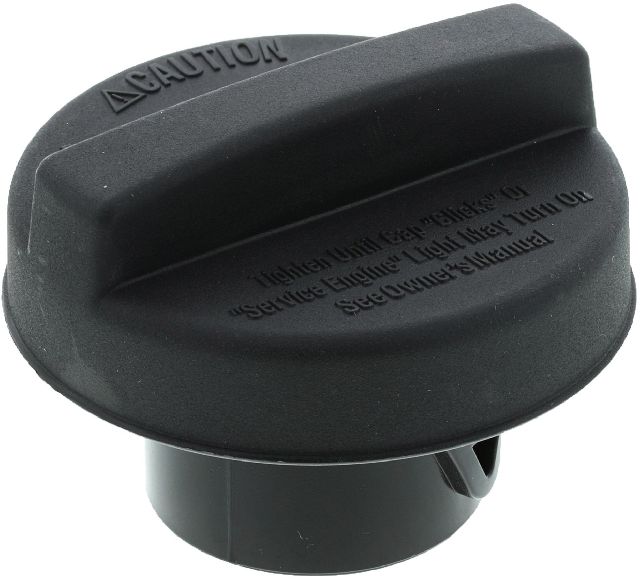
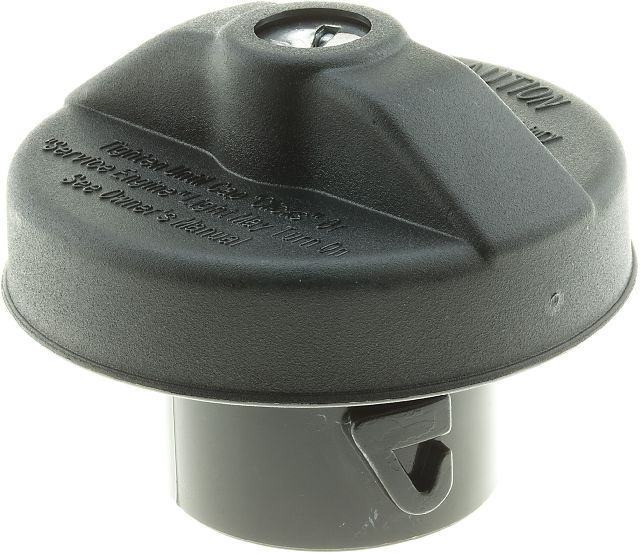
- Loose, Damaged, or Incorrect Gas Cap 🔴 High Probability → Shop Fuel Tank Cap This is the most common cause for a P0455 on any vehicle. The cap's rubber O-ring seal can dry out, crack, or get dirty over time, preventing a proper seal. Aftermarket caps are a frequent source of issues; an OEM cap is recommended.
How to confirm: Inspect the gas cap for any visible cracks on the seal. Ensure it is tightened until it clicks at least once. Clean the cap's seal and the filler neck sealing surface. If the light returns after clearing the code and tightening the cap, the cap itself is likely faulty.
Typical fix: Tighten the cap. If that fails, replace the gas cap with a new OEM or high-quality aftermarket part. OEM Part Number is ACDelco GT264.
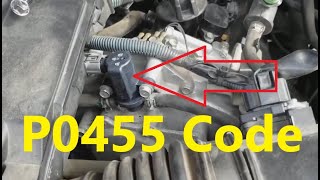
Est. part cost: $15-$30 - Rusted or Cracked Fuel Filler Neck 🔴 High Probability → Shop Fuel Filler Neck Particularly in states with heavy road salt use (the 'rust belt'), the metal fuel filler neck is highly susceptible to rusting through, creating a large leak that perfectly matches the P0455 code definition. Many owners on forums report 🎬 Watch: A guide to diagnosing and fixing P0455 large leaks. this as the ultimate culprit after replacing other parts.
How to confirm: A visual inspection is required. You may need to remove the plastic shielding in the wheel well to get a clear view of the entire neck. Look for flaking rust, visible holes, or wetness from fuel. A smoke test will show smoke billowing from the rusted area.
Typical fix: Replace the fuel filler neck. This can be a DIY job but involves working near the fuel tank. Aftermarket replacements are available.
Est. part cost: $60-$120 (Dorman 577-941 is a common replacement) - Faulty EVAP Purge Solenoid/Valve 🟡 Medium Probability → Shop Vapor Canister This valve cycles frequently and can fail by getting stuck open, creating a constant vacuum leak that the system interprets as a large leak. This is a very common failure on GM and Honda engines of this era.
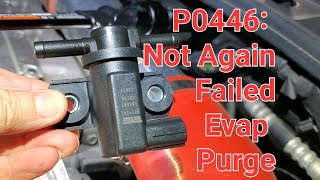
How to confirm: With the engine off, disconnect the vapor line from the purge solenoid and try to blow through it. A normally closed valve should not allow air to pass. If it does, it's stuck open and needs replacement. This failure often triggers code P0496 as well. 🎬 See why some new purge solenoids fail and how to troubleshoot.
Typical fix: Replace the purge solenoid. Location varies by engine: 2.2L Ecotec: On the intake manifold, easy access (ACDelco 214-1680 / GM 12581282). 3.5L V6 (Honda): Under the intake manifold, requires removing the manifold for access (ACDelco 214-2149 / GM 12597567). 3.0L V6: Near the throttle body.
Est. part cost: $25-$70 - Faulty EVAP Vent Solenoid/Valve 🟡 Medium Probability → Shop Vapor Canister Located under the vehicle near the charcoal canister, this valve is exposed to road grime, moisture, and debris, which can cause it to fail or get stuck. The plastic can become brittle and crack.
How to confirm: A failed vent valve often gets stuck closed (causing P0446) but if it fails to close during the EVAP test, it will cause a P0455. Diagnosis often requires a scan tool that can command the valve to close, followed by a smoke test to see if smoke escapes from the valve.
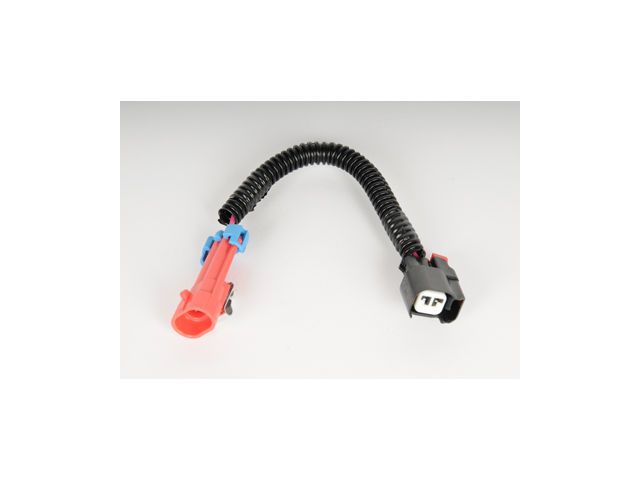
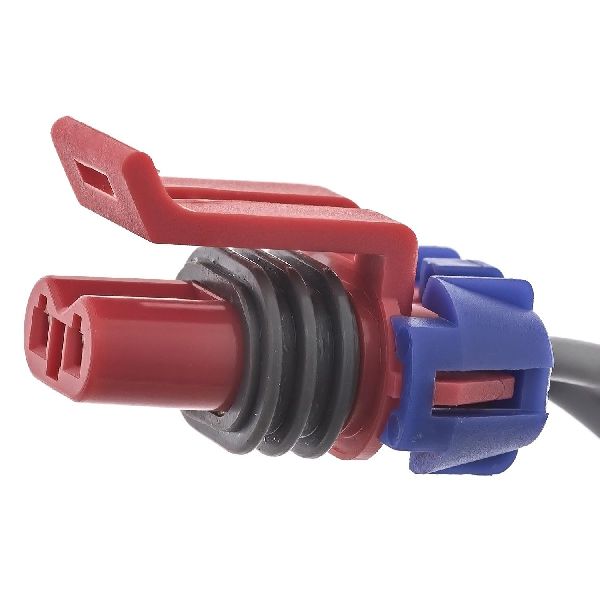
Typical fix: Replace the vent solenoid, which is mounted on or near the charcoal canister under the rear of the vehicle. The replacement part often comes with a new wiring pigtail as the connector design was updated. Common part numbers are Dorman 911-140 and ACDelco 214-2324.
Est. part cost: $30-$80 - Cracked or Disconnected EVAP Hoses ⚪ Low Probability Over time, the rubber and plastic hoses that make up the EVAP system can become brittle, crack, or get disconnected, especially at connection points to the canister, purge valve, or fuel tank.
How to confirm: A visual inspection may reveal obvious cracks or disconnections. The most effective way to find a leak in a hose is with a smoke test, which involves filling the EVAP system with visible vapor and looking for where it escapes.
Typical fix: Replace the damaged section of hose or reconnect it securely. A smoke machine is the best diagnostic tool for this.
Est. part cost: $5-$50
Rare But Worth Checking
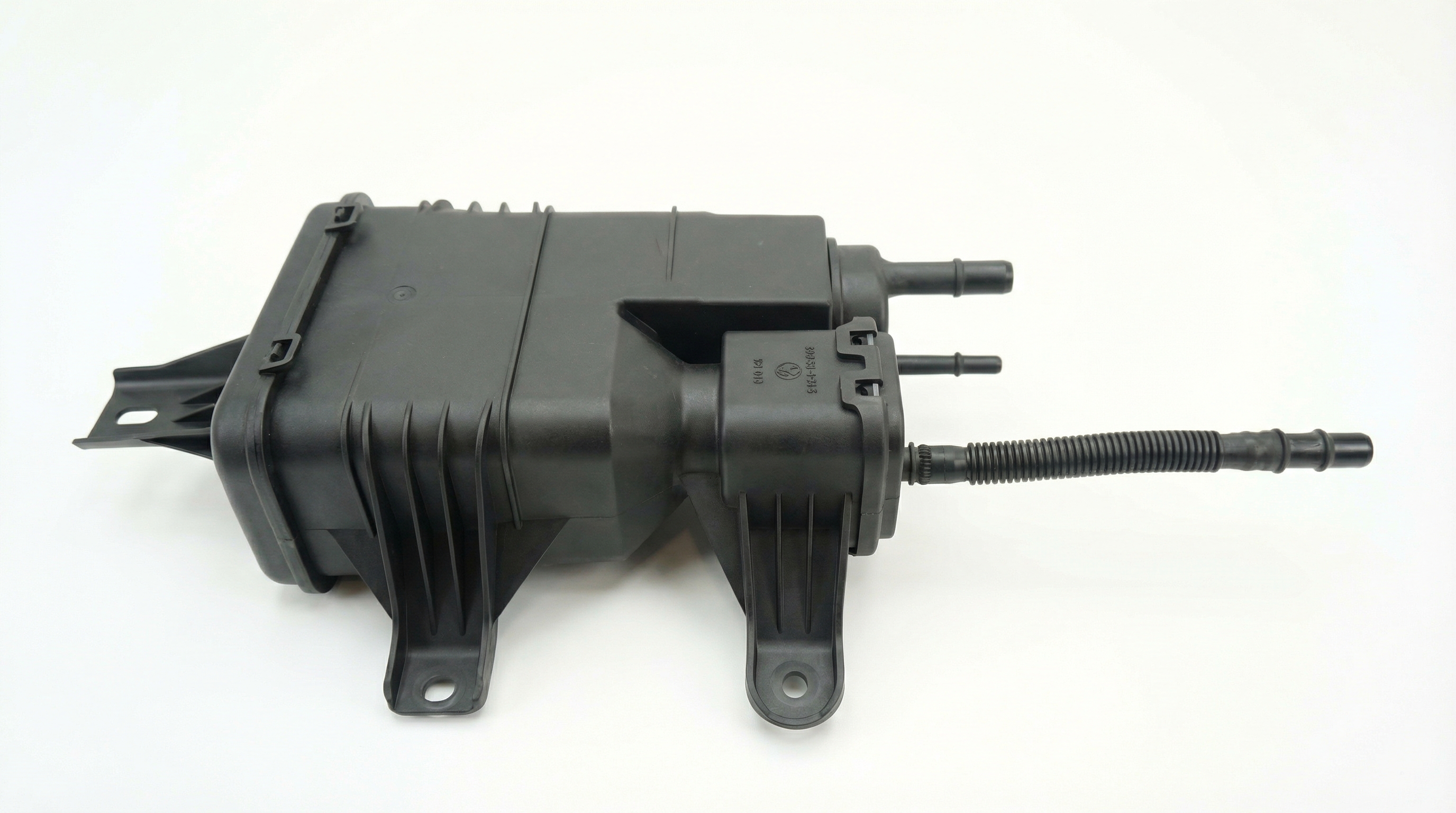
- Cracked EVAP Charcoal Canister: → Shop Vapor Canister The canister itself is a sealed plastic box filled with charcoal. While durable, it can be damaged by road debris or develop cracks over time, creating a large leak. Overfilling the fuel tank can also saturate it with raw fuel, causing damage. A replacement for the Vue is Dorman part 911-265.
- Leaking Fuel Tank or Fuel Pump Gasket: → Shop Fuel Pump Rust or physical damage can cause a leak in the fuel tank itself. More commonly, the large O-ring gasket for the fuel pump/sending unit on top of the tank can fail, creating a leak that will trigger P0455 and a strong fuel smell.
- Faulty Fuel Tank Pressure Sensor (FTPS): → Shop Fuel Tank If the sensor that measures pressure in the tank provides incorrect readings to the computer, it can falsely trigger a leak code. This is less common than a physical leak and may be accompanied by other pressure sensor-specific codes.
Diagnosis Steps
- Read the code with an OBD-II scanner to confirm P0455 is present.
- Inspect the gas cap. Ensure it's tight and the seal is not cracked or worn. Clean the sealing surfaces. If in doubt, replace it with an OEM cap (ACDelco GT264), clear the code, and drive for a few days.
- If the code returns, perform a thorough visual inspection of the fuel filler neck for heavy rust or holes, especially if you live in a rust-prone area.
- Visually inspect all accessible EVAP hoses under the hood and around the fuel tank area for obvious cracks, disconnections, or damage.
- Locate the purge solenoid (location varies by engine). With the engine off, disconnect it and try to blow through it. If air passes, the valve is stuck open and must be replaced.
- If the purge valve is good, inspect the vent solenoid located near the charcoal canister under the rear of the vehicle. Check for cracks in the valve body or damage to its wiring.
- If the cause is still not found, a smoke test is the most effective diagnostic method. A mechanic will introduce pressurized smoke into the EVAP system's service port. The leak will be revealed by the escaping smoke. Pay close attention to the filler neck, top of the fuel tank, and all hose connections.
- Based on the smoke test results, replace the leaking component, which could be a hose, the canister, the vent valve, or the fuel tank filler neck.
Parts You'll Likely Need
- Fuel Cap
(OEM #ACDelco GT264)— This is the most frequent and easiest fix. The seal wears out over time, preventing the system from holding pressure. Using an OEM cap is highly recommended.
Trusted brands: ACDelco, Stant
OEM price range: $25-$40
Aftermarket price range: $15-$30 - Vapor Canister Purge Solenoid / Valve
(OEM #ACDelco 214-1680 (2.2L); ACDelco 214-2149 (3.5L))— This valve is in constant use and can fail by getting stuck open, causing a large leak. It's a very common failure point for EVAP codes.
Trusted brands: ACDelco, Dorman, SKP
OEM price range: $40-$70
Aftermarket price range: $25-$50
Related Codes That Often Appear With This One
- P0442 — Small EVAP Leak Detected. You might see this code if the large leak is intermittent or if there are multiple, smaller leaks that add up.
- P0446 — EVAP Vent Control Circuit. This code points more directly to a problem with the vent valve or its wiring, which can also cause a P0455 if the valve is stuck open during a test.
- P0496 — EVAP Flow During a Non-Purge Condition. This code specifically points to a faulty purge valve that is stuck open, which is a common cause of P0455.
Technical Service Bulletins (TSBs) & Recalls
- GM TSB #03-06-04-037: Addresses EVAP codes and provides updated information on canister installation and diagnosing vent solenoid issues.
- GM TSB #08-06-04-002: Details updated diagnostic procedures for finding EVAP leaks, emphasizing the use of specific scan tool functions and smoke machine techniques.
- GM TSB #02-06-04-037H: Specifically for DTC P0446, but relevant as it details replacing the EVAP vent valve assembly with an updated kit to prevent dirt/dust intrusion, a common failure mode for the valve that can also cause P0455.
Mechanic-Grade Diagnostic Values
- EVAP Canister Vent Solenoid Resistance — expected: 20-65 Ohms. Failure: A reading of 0 Ohms (short circuit) or infinite/OL (open circuit) indicates a failed solenoid coil.
- EVAP Canister Purge Valve Resistance — expected: 15-38 Ohms. Failure: A reading outside the specified range, especially 0 Ohms or infinite/OL, points to a bad valve coil.
- Fuel Tank Pressure (FTP) Sensor Voltage (Key On, Engine Off) — expected: ~1.4V - 1.6V (at atmospheric pressure). Failure: During a scan tool-commanded EVAP test, if voltage fails to rise significantly (e.g., above 2.5V) when a vacuum is applied, it confirms a large leak is present.
Scan Tool Commands That Help
- GM Tech2 or equivalent professional scanner: EVAP Service Bay Test / Output Controls — This function allows a technician to manually command the vent solenoid to close and the purge solenoid to open, simulating a system self-test. By monitoring the Fuel Tank Pressure sensor data, you can confirm if the system holds a vacuum, test individual solenoid function, and pinpoint a leak without needing a smoke machine initially.
- GM Tech2 or equivalent professional scanner: EVAP Vent Solenoid On/Off Command — To quickly check if the vent solenoid is mechanically functioning, a technician can toggle it on and off while listening for an audible 'click' from the component under the rear of the vehicle. No click suggests a seized or electrically failed solenoid.
Wiring & Ground Locations
- Vent Solenoid Power Wire — In the harness leading to the EVAP vent solenoid connector, under the rear of the vehicle.. On some GM vehicles of this era, the power wire (often red/white) to the vent solenoid can corrode and break near the connector due to its exposed location. This prevents the solenoid from closing when commanded, creating a large leak during the EVAP test and can trigger a P0449 in addition to P0455. The power may come from a shared fuse, such as one labeled '4wd/ESCM'.
- G106 (2.4L Engine) — On the engine, at the left front top corner.. This is a primary engine ground point. While not exclusive to the EVAP system, a poor connection here can cause a variety of intermittent electrical issues for engine-mounted components like the purge solenoid.
Real Owner Repair Stories
- YouTube channel 'Jeep solid' (2004 Saturn Vue 3.5L V6) — Check Engine Light with codes P0446 and P0455. Also, difficulty starting the engine immediately after refueling.
❌ Tried (didn't work) Replaced the EVAP canister vent solenoid., Replaced the fuel tank pressure sensor., Replaced the EVAP purge solenoid with a Dorman brand part, which failed within 12 days.
✅ What actually fixed it The owner replaced the faulty new Dorman purge solenoid with a second, different brand (SKP SK911141). This resolved the P0455 code and the hard-starting issue after fill-ups, indicating the first replacement part was defective out of the box. - NHTSA ODI #10566075 — An owner of a related GM model reported a P0455 EVAP leak occurring alongside several other codes, including P0300 (engine misfire) and P0700 (transmission controls). The owner reported paying $650 for various sensor and solenoid replacements to address the cluster of issues.
OEM Part Supersession History
ACDelco 214-2149→ACDelco 22865590— Part has been updated or revised by the manufacturer.
Heads up: Applies to the EVAP Vent Solenoid. While both part numbers are associated with the Saturn Vue, always verify the correct part for your specific year and engine before purchasing as designs can vary.
Model Year Variations Within This Range
- 2004-2007 vs 2008-2010: The charcoal canister for the first generation (2004-2007) is a different part (e.g., Dorman 911-265) than the one used on the second generation (2008-2010), which uses parts like ACDelco 19331039. This highlights the importance of sticking to the 2002-2007 model years for this guide.
Diagnostic Flowchart
Real Owner Stories
Aggregated from forums and TSBs cited above. Mileages and costs reflect what owners reported in those sources.
2007 Saturn Vue 2.2L 4-cylinder
Symptoms: Engine is misfiring, rumbling at idle, and hesitant to start.
What fixed it: Mechanic diagnosed a P0455 code and recommended replacing the fuel tank pressure sensor.
Source hint: Reddit r/MechanicAdvice
2002-2007 Saturn Vue
Symptoms: Persistent P0455 code after replacing other EVAP parts.
What fixed it: Replaced the rusted-through metal fuel filler neck.
Source hint: saturnfans.com forums
2004-2007 Saturn Vue 3.5L V6
Symptoms: Difficulty starting immediately after refueling.
What fixed it: Replaced the EVAP purge solenoid located under the intake manifold.
Source hint: saturnfans.com forums
Related OBD-II Codes
Frequently Asked Questions
Is there a specific gas cap recommended for the 2002-2007 Saturn Vue to fix a P0455 code?
My 2004-2007 Saturn Vue has the 3.5L V6 engine. Where is the EVAP purge solenoid located?
I live in the rust belt and keep getting a P0455 code on my Vue. What should I check after the gas cap?
Are there any Technical Service Bulletins (TSBs) for the Saturn Vue related to the EVAP vent solenoid?
Why is my Saturn Vue hard to start immediately after refueling with a P0455 code?
Will a P0455 code disable my Saturn Vue's remote start?
Helpful Videos
Used OEM Parts in Stock
New Aftermarket Parts Available


The information in this article is provided for general reference and educational purposes only. Vehicle specifications, procedures, and part compatibility can vary by production date, trim level, and region. Always consult your vehicle's factory service manual and verify part numbers before purchasing or performing repairs. Safety-critical components such as airbags, seat belts, and braking systems should be installed by a qualified professional.
- Saturn Vue:
- 🧭 Diagnostic Flowchart
- 🎬 Helpful Videos
- 🛍️ Shop This Part
- What's Unique About the 2002-2007 Saturn Vue
- Symptoms You May Notice
- Most Likely Causes
- Rare But Worth Checking
- Diagnosis Steps
- Parts You'll Likely Need
- Related Codes That Often Appear With This One
- Technical Service Bulletins (TSBs) & Recalls
- Mechanic-Grade Diagnostic Values
- Scan Tool Commands That Help
- Wiring & Ground Locations
- Real Owner Repair Stories
- OEM Part Supersession History
- Model Year Variations Within This Range
- Real Owner Stories
- 2007 Saturn Vue 2.2L 4-cylinder
- 2002-2007 Saturn Vue
- 2004-2007 Saturn Vue 3.5L V6
- Related OBD-II Codes
- Frequently Asked Questions
- 🎟️ Get 5% Off