

P0455 on 2011-2016 Scion tC: EVAP Large Leak Causes and Fixes
For a 2011-2016 Scion tC, code P0455 is most often caused by a loose or faulty gas cap. Before buying any parts, ensure the cap is tight and the seal is intact. If the cap is the issue, it's a very inexpensive fix, typically under $30 using a genuine OEM part. Aftermarket caps are not recommended as they can fail to seal properly.
- P0455 means your Scion tC has a large leak in the fuel vapor system.
- Always check your gas cap first. Make sure it's tight. If the light comes back, spend the $20-$30 on a new OEM gas cap before trying anything else.
- If a new gas cap doesn't fix it, the next most likely culprit is the purge valve located in the engine bay, which is also a straightforward DIY replacement.
- This code does not affect the car's drivability, but it will cause you to fail an emissions test.
- For leaks that are hard to find, a professional smoke test is the best way to locate the source without guessing.
What's Unique About the 2011-2016 Scion tC
The second-generation Scion tC (2011-2016) has a known sensitivity to the gas cap seal. While this is a common cause for P0455 on many cars, Scion and Toyota have a history of this being the primary culprit. Owners on forums like ScionLife and Reddit consistently report that simply replacing the gas cap with a new OEM one resolves the P0455 code, making it the most logical and cost-effective first step in diagnosis. The issue is common enough that many owners of both first and second-generation tC models have fixed P0455 and related codes (P0441, P0456) with just a gas cap replacement.
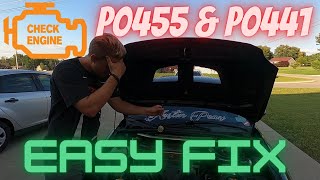
🎬 Watch: Diagnosing P0455 and P0441 codes on a Scion tCSymptoms You May Notice
- Check Engine Light is on.
- A faint to strong smell of fuel, particularly around the rear of the vehicle or near the gas cap.
- Difficulty starting immediately after refueling (a classic sign of a purge valve stuck open, flooding the engine with vapors).
- Rough or uneven idle (less common, but possible if the purge valve is failing and creating a vacuum leak).
- A slight decrease in fuel economy.
- Replacing the charcoal canister before performing a smoke test. The canister itself is durable; the leak is more often in a connected hose or one of the attached valves (purge or vent).
- Replacing O2 sensors. EVAP codes are unrelated to the oxygen sensors, although multiple codes can sometimes appear at once for different reasons.
- Using a cheap aftermarket gas cap, which may not seal correctly and will lead to the code returning.
Most Likely Causes
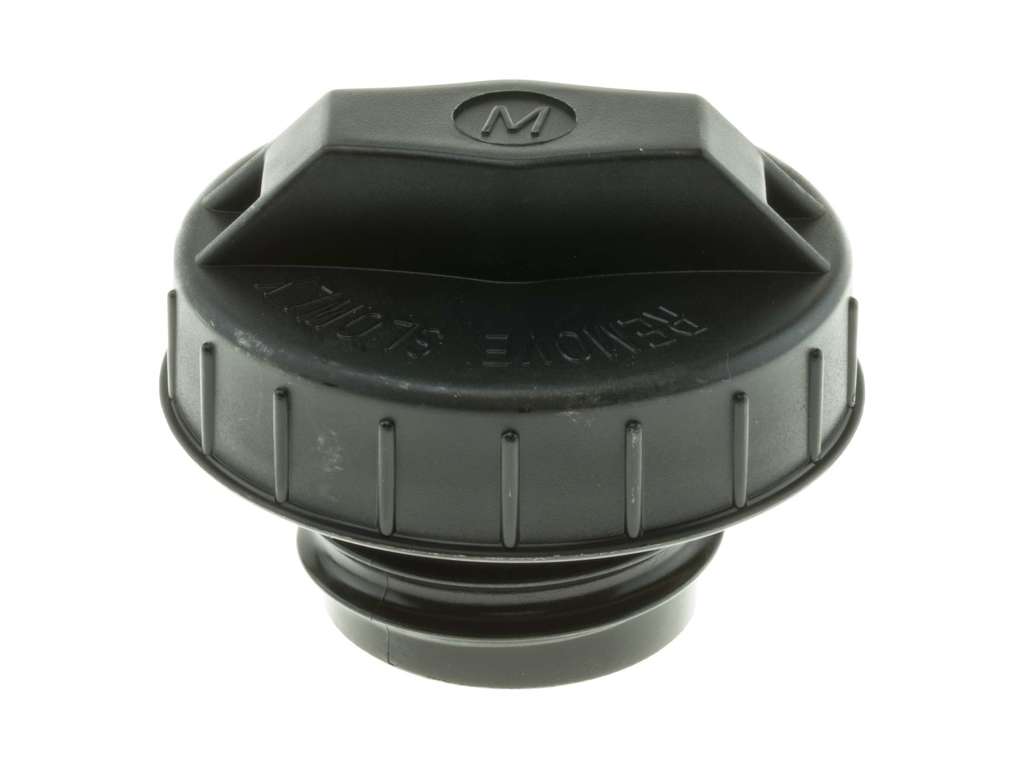
- Loose or Faulty Gas Cap 🔴 High Probability → Shop Fuel Tank Cap The gas cap seal degrades over time due to exposure to fuel and weather. Ethanol in modern gasoline can accelerate the breakdown of the rubber seal. This is the most frequent cause of P0455 across all Toyota and Scion models.
How to confirm: Inspect the gas cap for any cracks or damage to the rubber O-ring or seal. Ensure it clicks several times when tightened. If the seal looks worn, dry, or cracked, it's the likely culprit. Some owners have had success by simply flipping the O-ring over as a temporary fix.
Typical fix: Replace the gas cap with a new OEM part. It is strongly recommended to use a genuine Toyota/Scion cap, as aftermarket versions can have sealing issues. Clear the code and drive for a few days to allow the system to re-test.
Est. part cost: $20-$30 - Failed Vapor Canister Purge Valve (Purge Solenoid) 🟡 Medium Probability → Shop Vapor Canister This valve can get stuck open or closed over time, causing a leak or flow issue. It's a common failure point in many modern EVAP systems and often triggers P0441 alongside P0455.
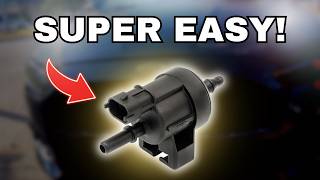
How to confirm: The purge valve is located in the engine bay, on top of the air filter box, 🎬 See exactly where the purge solenoid is located making it very accessible. A key symptom is difficulty starting after refueling. To test, remove the valve and try to blow through it; if air passes, it's stuck open and faulty.
Typical fix: Replace the vapor canister purge valve. It is easily accessible and secured by a couple of hoses and an electrical connector. This is a beginner-friendly DIY repair that takes less than 30 minutes.
Est. part cost: $40-$90 - Cracked or Disconnected EVAP Hoses ⚪ Low Probability Rubber hoses can become brittle and crack over time due to heat and age, especially in the engine bay or near the charcoal canister underneath the car. A large leak implies a significant crack or a hose that has come completely disconnected.
How to confirm: Visually inspect all accessible EVAP hoses in the engine bay and underneath the car near the charcoal canister for obvious cracks, damage, or loose connections. For hard-to-find leaks, a professional smoke test is the most effective method.
Typical fix: Replace the damaged section of hose or reconnect it securely.
Est. part cost: $10-$50
Rare But Worth Checking
- Cracked Charcoal Canister: → Shop Vapor Canister The charcoal canister is located underneath the vehicle near the fuel tank. While not a frequent failure, it can be damaged by road debris or develop cracks over time, leading to a large EVAP leak. A visual inspection is necessary, but a smoke test is the definitive way to confirm a leak from the canister body itself.
- Failed Canister Vent Valve/Solenoid: → Shop Vapor Canister This valve is part of the charcoal canister assembly on many Toyota/Scion vehicles. It is normally open and closes to seal the system for testing. If it fails to close (gets stuck open), it will cause a large leak code. It's less common to fail than the purge valve in the engine bay but is a primary suspect if a smoke test shows smoke exiting the vent.
- Damaged Fuel Filler Neck: → Shop Fuel Filler Neck Rust or corrosion on the fuel filler neck can prevent the gas cap from creating a proper seal, even if the cap itself is new. This can be a hidden cause of a persistent P0455 code. A visual inspection of the sealing surface where the cap gasket meets the neck is required.
Diagnosis Steps
- Check the gas cap. Remove it, inspect the seal for cracks, and retighten it until it clicks multiple times. Clear the code and drive for a few days to see if it returns.
- If the code returns, replace the gas cap with a new OEM part (Part No. 77300-06040). This is an inexpensive and very common fix. Do not use a cheap aftermarket cap.
- Inspect the fuel filler neck for rust or debris that could prevent a good seal.
- If the new gas cap does not solve the problem, locate the vapor canister purge valve in the engine bay, on the air filter box.
- Inspect the hoses connected to the purge valve for cracks or loose fittings.
- Test the purge valve. With the engine off, it should be closed. You can remove it and try to blow through it; if air passes, it's stuck open and needs replacement. A hard start after refueling is also a strong indicator of a failed-open purge valve.
- Visually inspect the charcoal canister and its associated hoses under the vehicle for any obvious cracks or damage.
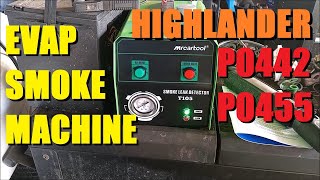
- If the leak source is still not found, the most reliable method is to have a mechanic perform a smoke test. This involves injecting smoke into the EVAP system to pinpoint the exact location of the leak. 🎬 Watch: How to use a smoke machine to find leaks
Parts You'll Likely Need
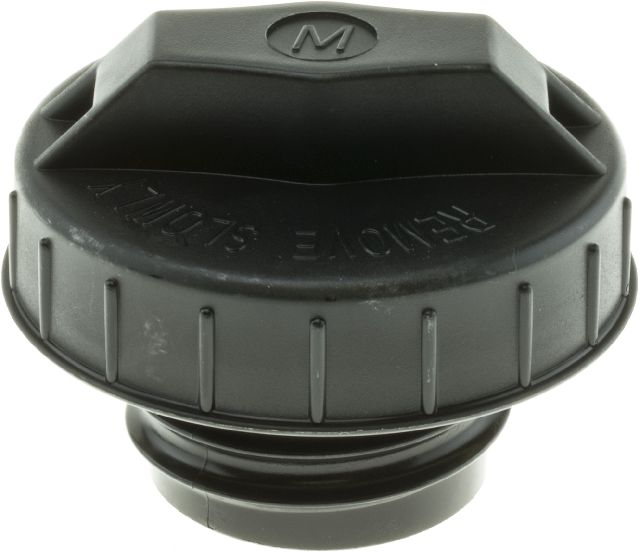
- Fuel Tank Cap
(OEM #77300-06040 (replaces 77300-52030, 77300-52040))— This is the most frequent cause of a P0455 code on the Scion tC. The seal wears out over time, creating a large leak. Using an OEM cap is critical for a proper seal.
Trusted brands: Toyota OE
OEM price range: $20-$30
Aftermarket price range: $15-$25 - Vapor Canister Purge Valve / Solenoid
(OEM #90910-12276)— A common failure point that gets stuck open or closed, causing flow issues or leaks that trigger P0455, often accompanied by P0441.
Trusted brands: Toyota OE, Denso, Standard Motor Products
OEM price range: $70-$100
Aftermarket price range: $40-$80
Related Codes That Often Appear With This One
- P0441 — P0441 indicates 'Incorrect Purge Flow'. It often appears with P0455 when the issue is related to a faulty purge valve that is stuck open or closed, disrupting the entire system's flow and pressure.
- P0456 — P0456 indicates a 'Very Small Leak'. While P0455 is a 'Large Leak', you might see P0456 initially if a component like a gas cap seal is just beginning to fail, and it may eventually worsen to a P0455 as the seal degrades further.
Technical Service Bulletins (TSBs) & Recalls
- While no specific TSB number was found in the search for the 2011-2016 model, a TSB for earlier Scion tC models regarding defective fuel caps is frequently mentioned as relevant context. The overwhelming consensus from owner forums and repair sites confirms the gas cap as the primary suspect, reinforcing the spirit of the older TSB.
- NHTSA ODI #10493611 references a manufacturer service bulletin noting that some tC vehicles may exhibit a MIL ON condition with one or more of the following DTCs: P0455, P0441, or P0456.
Mechanic-Grade Diagnostic Values
- Vapor Canister Purge Valve Voltage — expected: Approximately 12V on one pin of the connector with the key on, engine off. The other pin is a ground controlled by the ECM.. Failure: No voltage indicates a power supply issue. The ECM provides a pulsed ground to activate the valve, so testing requires a scan tool with bidirectional control for full diagnosis.
- Vapor Canister Purge Valve Resistance — expected: A specific Ohm value is not documented in public-facing repair data, but a functional valve should not read as a dead short (near 0 ohms) or an open circuit (infinite resistance).. Failure: A reading of 0 ohms or infinite ohms indicates a failed solenoid coil.
- Fuel Tank Pressure (FTP) Sensor via Scan Tool — expected: During a scan tool-commanded EVAP test, the pressure should drop (vacuum increases) to approximately 16 inH2O.. Failure: If the system cannot reach or hold this level of vacuum, a large leak is present.
Hidden / Shadow Codes Worth Checking
- Mode 6 EVAP Monitor: Toyota's onboard diagnostic monitor for the EVAP system runs a self-test to check for leaks. This test will only run under specific conditions: fuel level between 15-85%, startup engine coolant and intake air temperatures between 4-30°C (39-86°F), and within 10 minutes of a cold start. Understanding these parameters is key to confirming a repair, as the system will not re-test until the conditions are met. (see via Advanced scan tools can view Mode 6 data, which shows the results of the most recent self-tests performed by the ECU. This can confirm if the EVAP monitor has run and passed after a repair.)
Scan Tool Commands That Help
- Toyota Techstream (or equivalent professional scanner): EVAP System Test (Purge/Seal Function) — This is a critical diagnostic step after a visual inspection finds no obvious leaks. The command allows a technician to manually seal the EVAP system by closing the vent valve and then command the purge valve to a specific duty cycle (e.g., 30%) to create a vacuum. The technician can then monitor the Fuel Tank Pressure sensor to see if the system holds the vacuum, confirming the presence or absence of a leak without a smoke machine in some cases.
Wiring & Ground Locations
- Vapor Canister Purge Solenoid Connector — In the engine bay, on top of the air filter box. It is a 2-pin weatherproof male connector.. This is the electrical connection for the most common electronic failure point in the system. One pin should have 12V with the key on. The connector itself is easy to access for testing.
- Charcoal Canister Electrical Connector — Under the vehicle, near the fuel tank, attached to the charcoal canister assembly. On the 2nd Gen tC, this is an 8-pin connector.. This connector and its wiring harness are exposed to road debris and moisture. There are owner-documented cases of wires breaking at this connector, causing various EVAP codes (including P2420, related to the vent valve circuit). A visual inspection for corroded or broken wires here is a crucial step if common fixes fail.
- ECM (Engine Control Module) — Behind the right side of the dashboard.. This is the source of the control signals for the EVAP solenoids. Knowing its location is necessary for advanced diagnostics involving tracing wires back to their source to check for continuity or shorts.
Real Owner Repair Stories
- Reddit user 'zyyntin' in r/MechanicAdvice (Scion (model not specified, but in a thread for a 2008 tC)) — EVAP codes (not specified which ones)
❌ Tried (didn't work) The original poster had replaced the purge valve, MAF, gas cap, and PCV hose.
✅ What actually fixed it The user reported that their fix was to simply flip the O-ring on the original gas cap because it was not seating correctly. This is a no-cost diagnostic step and potential fix. - ScionLife.com user (2011-2016 Scion tC (2nd Gen)) — Check Engine Light, initially with code P0453, then P2420 after an attempted repair.
❌ Tried (didn't work) Splicing in a new pigtail connector for the charcoal canister with non-matching wire colors.
✅ What actually fixed it The root cause was broken wires at the 8-pin electrical connector for the charcoal canister, likely from road debris. The final fix required obtaining a proper wiring diagram to correctly splice the new connector, as the initial repair attempt failed due to incorrect wiring.
OEM Part Supersession History
90910-12276 (Purge Valve)→This part number remains current, but has several widely accepted interchange part numbers.— N/A
Heads up: Interchange numbers include 90910-TC001 and Denso 136200-7010. The part is used across a vast range of Toyota, Lexus, and Scion vehicles for many years, indicating high compatibility.
Model Year Variations Within This Range
- 2011-2016: A minor variation exists in the electrical connector for the Vapor Canister Purge Valve (90910-12276). A 2016 model's original part was observed to have three plastic keyways around the connector port, while a new replacement part did not have these keyways. The new part still fit and functioned correctly, but this physical difference is worth noting for a mechanic performing the replacement.
Diagnostic Flowchart
Real Owner Stories
Aggregated from forums and TSBs cited above. Mileages and costs reflect what owners reported in those sources.
2016 Scion tC — 86000 miles
Symptoms: Check engine light came on with code P0455. Eco Mode was completely off even though the system said it was on, and the issue was draining gas.
What fixed it: The check engine signal went away on its own the next morning, Eco mode turned back on, and the car drove fine without mechanic intervention.
Source hint: Reddit r/SciontC (reddit.com/r/SciontC/comments/s7t2cf/check_engine_light_was_on/)
2015 Scion tC
Symptoms: Got code P0455 along with another code indicating a new battery was needed. Wondered if the common gas cap issue from Gen 1 models applied to the Gen 2.
What fixed it: Advised that P0455 is a generic large EVAP leak and that trying a new gas cap first is the correct diagnostic procedure.
Source hint: Reddit r/SciontC - Thread 'Check engine code p0455' (2022-11-29)
2008 Scion tC
Symptoms: Experienced P0441 and P0455 EVAP issues. The car struggled to start after fill-ups, which is a classic purge valve symptom.
What fixed it: Fixed the EVAP codes by simply flipping the o-ring on the gas cap because it wasn't seating correctly.
Source hint: Reddit r/MechanicAdvice - Thread 'p0441 and p0455 evap issues, 2008 scion tc' (2022-11-06)
2013 Scion tC
Symptoms: Check engine light came on with P0455. The gas cap looked fine upon visual inspection.
What fixed it: Advised that finding the leak without a professional smoke test would be difficult.
Source hint: CarKiller Forums (Scotty Kilmer) - 'Evap system trouble on Scion TC' (2021-10-20)
Related OBD-II Codes
Frequently Asked Questions
Is there a specific TSB for the P0455 code on my 2011-2016 Scion tC?
What is the correct replacement gas cap part number for my Scion tC?
Why does my tC struggle to start immediately after refueling?
Can overfilling my gas tank cause the P0455 code on my tC?
Why did my Eco Mode turn off when the P0455 code appeared?
Is there a temporary fix for a faulty gas cap seal before I buy a new one?
Helpful Videos

We Have This Part in Stock


The information in this article is provided for general reference and educational purposes only. Vehicle specifications, procedures, and part compatibility can vary by production date, trim level, and region. Always consult your vehicle's factory service manual and verify part numbers before purchasing or performing repairs. Safety-critical components such as airbags, seat belts, and braking systems should be installed by a qualified professional.
- Scion tC:
- 🧭 Diagnostic Flowchart
- 🎬 Helpful Videos
- 🛍️ Shop This Part
- What's Unique About the 2011-2016 Scion tC
- Symptoms You May Notice
- Most Likely Causes
- Rare But Worth Checking
- Diagnosis Steps
- Parts You'll Likely Need
- Related Codes That Often Appear With This One
- Technical Service Bulletins (TSBs) & Recalls
- Mechanic-Grade Diagnostic Values
- Hidden / Shadow Codes Worth Checking
- Scan Tool Commands That Help
- Wiring & Ground Locations
- Real Owner Repair Stories
- OEM Part Supersession History
- Model Year Variations Within This Range
- Real Owner Stories
- 2016 Scion tC — 86000 miles
- 2015 Scion tC
- 2008 Scion tC
- 2013 Scion tC
- Related OBD-II Codes
- Frequently Asked Questions
- 🎟️ Get 5% Off