

P0455 on 2013-2020 Subaru BRZ: EVAP Large Leak Causes and Fixes
On a 2013-2020 Subaru BRZ, code P0455 is most often caused by a loose or faulty gas cap. Before buying any parts, ensure the cap is tight and clicks at least once. If the cap is old or the seal is cracked, a new OEM cap is an inexpensive first step, costing around $25-$40. If the cap doesn't solve it, the next most likely culprits are a stuck-open purge solenoid or a cracked hose.
- Always check the gas cap first for code P0455. Ensure it's tight and the seal is in good condition.
- Do not overfill your fuel tank; stop at the first click to protect your charcoal canister.
- While you can drive with this code, you will fail an emissions test and may have a fuel smell.
- If the gas cap isn't the issue, a visual inspection of hoses is the next step, but a smoke test is the most reliable way to find the leak.
- The most common parts to fail after the gas cap are the purge valve (in the engine bay) and the charcoal canister/vent valve (under the rear of the car).
What's Unique About the 2013-2020 Subaru BRZ
The Subaru BRZ, and its twins the Toyota 86 and Scion FR-S, has a fairly standard EVAP system. However, owner forums highlight that overfilling the fuel tank can lead to saturating the charcoal canister, which can cause this code and eventual component failure. Additionally, because the fuel pump access is under the rear driver's side seat cushion, some owners have reported P0455 appearing after fuel pump service due to an improperly seated access cover gasket. This large gasket can easily be pinched or misaligned, creating a large leak directly into the cabin.
Symptoms You May Notice
- Check Engine Light is on.
- A noticeable smell of gasoline, especially around the rear of the car or after refueling.
- Slightly reduced fuel economy as fuel vapors are lost to the atmosphere.
- Whooshing sound when opening the gas cap if the vent valve is stuck closed, though this is less common for a large leak code.
- Replacing the O2 sensors. Oxygen sensors are not part of the EVAP system and will not cause a P0455 code.
- Replacing the purge valve when the gas cap is the actual problem. Always start with the simplest and most common fix.
Most Likely Causes
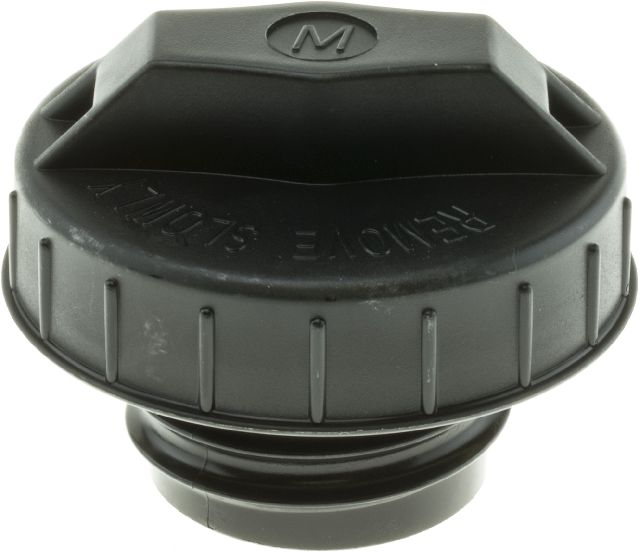
- Loose, Incorrect, or Faulty Gas Cap 🔴 High Probability → Shop Fuel Tank Cap This is the most common cause for P0455 on virtually all vehicles, including the BRZ, due to user error (not tightening) or simple wear and tear of the cap's seal. Forum users consistently recommend this as the first check.
How to confirm: Remove and inspect the gas cap. Check for cracks in the plastic or a dried, brittle, or missing rubber seal. Reinstall the cap, ensuring it clicks at least once. If the code returns after clearing, the cap may be faulty even if it looks okay. A tether caught under the cap can also cause a leak.
Typical fix: Tighten or replace the gas cap.
Est. part cost: $25-$40 - Faulty Purge Control Solenoid Valve 🟡 Medium Probability → Shop Vapor Canister Purge Solenoid This solenoid valve is an electromechanical part that cycles frequently and can fail by getting stuck open, creating a constant leak path directly to the engine intake.
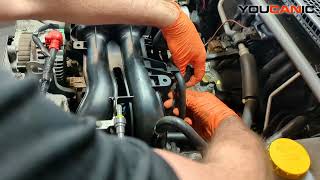
How to confirm: The purge valve is normally closed. With the engine off, locate the valve in the engine bay near the intake manifold. Disconnect its hoses and try to blow through it. If air passes through, it is stuck open and needs replacement.
Typical fix: Replace the purge control solenoid valve.
Est. part cost: $40-$60 - Cracked or Disconnected EVAP Hose 🟡 Medium Probability Rubber hoses become brittle and crack over time due to heat cycles and exposure to the elements. Connections can also become loose, especially on modified (e.g., turbocharged) vehicles where hoses may have been disconnected and reconnected.
How to confirm: Visually inspect the EVAP hoses in the engine bay (near the intake manifold) and under the car near the charcoal canister and fuel tank. Look for obvious cracks, breaks, or disconnected lines. A smoke test is the most effective way to find a leak that isn't visually apparent.
Typical fix: Replace the damaged section of hose and secure it with clamps.
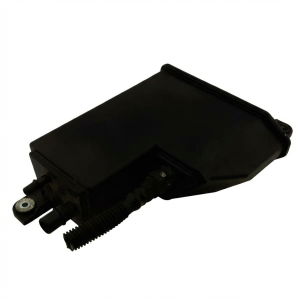
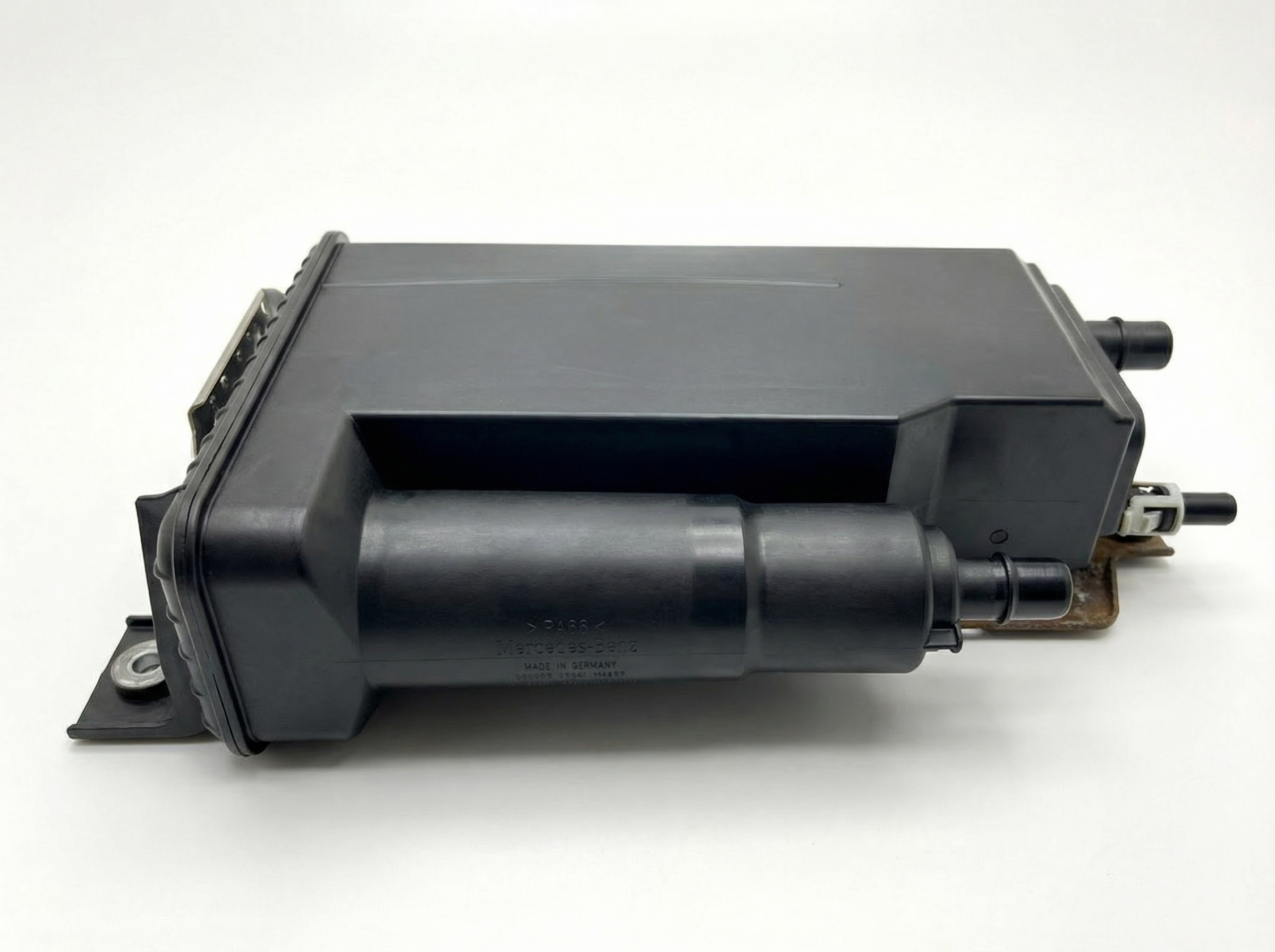
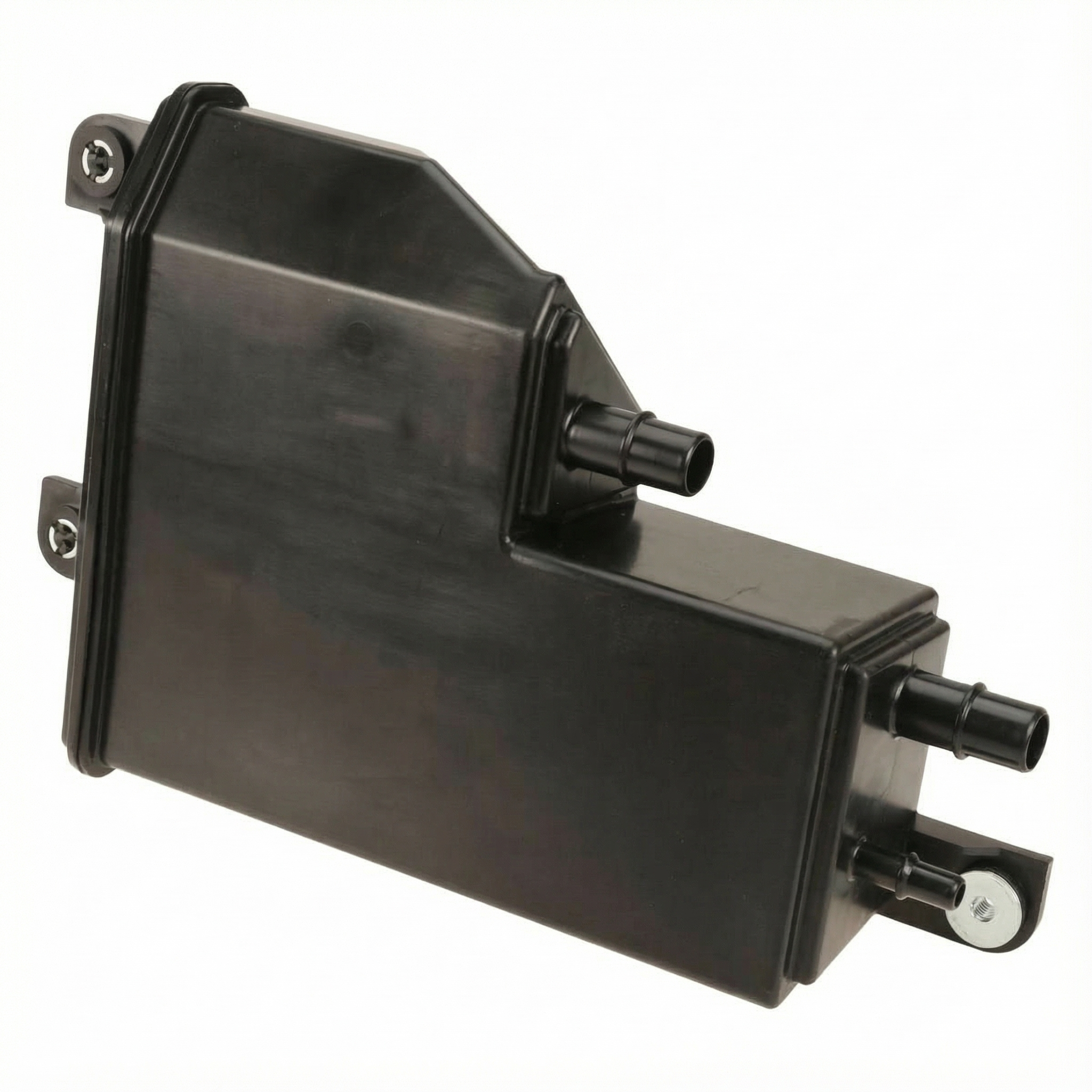
Est. part cost: $10-$50 - Cracked or Damaged Charcoal Canister ⚪ Low Probability → Shop Vapor Canister The canister is a plastic box located under the rear of the car, making it susceptible to damage from road debris. Repeatedly overfilling the fuel tank can also saturate the charcoal with liquid fuel, causing it to fail and potentially crack.
How to confirm: Visually inspect the canister for any physical cracks or damage. A strong fuel smell near the canister is a key indicator. A smoke test will clearly show smoke exiting from a crack in the canister body.
Typical fix: Replace the charcoal canister assembly.
Est. part cost: $250-$450 - Faulty Vent Control Valve / Solenoid ⚪ Low Probability → Shop Vapor Canister Vent Valve Like the purge valve, this is an electromechanical part that can fail. It is typically located on or near the charcoal canister under the rear of the car. It can get stuck open, creating a permanent vent to the atmosphere.
How to confirm: This valve is normally open and closes when the system runs a self-test. Diagnosis usually requires a bi-directional scan tool to command the valve closed and see if it holds a vacuum or pressure during a smoke test.
Typical fix: Replace the vent valve/solenoid. On many modern cars including the BRZ, it is integrated into a canister pump module and may not be sold separately.
Est. part cost: $100-$350
Rare But Worth Checking
- Leaking Fuel Pump Assembly Gasket: → Shop Fuel Pump On the FT86Club forum, multiple users have reported this code appearing after fuel pump work or on higher mileage cars. The large gasket for the in-tank fuel pump assembly, accessed from under the rear seat, can create a large EVAP leak if not seated perfectly or if it has degraded. One user reported P0455 along with a fuel leak from the top of the assembly.
- Cracked Fuel Filler Neck: → Shop Fuel Filler Neck Rust or physical damage can cause the metal filler neck (the tube where you insert the gas nozzle) to crack, creating a leak. This is more common in regions that use road salt, though less common on a modern car like the BRZ.
Diagnosis Steps
- Read the code with an OBD-II scanner to confirm P0455 is the primary code. Do not clear it if you plan to take it to a professional, as freeze frame data is valuable.
- Inspect the gas cap. Remove it, check the seal for cracks or hardness, and ensure the tether isn't interfering. Reinstall it and ensure it clicks at least once. If the seal is suspect, replace the cap as it's an inexpensive first step.
- Clear the code and drive for a few days to see if it returns. The EVAP monitor runs under specific conditions (often 1/4 to 3/4 tank of fuel, after the car has sat).
- If the code returns, perform a thorough visual inspection of all accessible EVAP hoses. Start in the engine bay near the intake manifold and trace them back. Then, safely raise the vehicle and inspect lines near the fuel tank and charcoal canister (located at the rear). Look for anything cracked, disconnected, or broken.
- Test the purge solenoid in the engine bay. With the engine off, disconnect its hoses and try to blow through it. Air should not pass. If it does, the valve is stuck open and must be replaced.
- Check the fuel pump gasket seal. Remove the rear driver's side seat cushion (one 10mm bolt). Inspect the black access plate. If there's a strong fuel smell or signs of leakage, the gasket underneath may be compromised. This is a known issue, especially after fuel pump service.
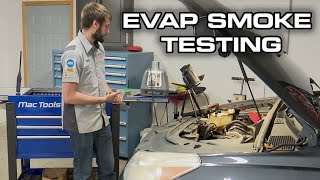
- If no obvious issues are found, a professional smoke test is the most effective next step. 🎬 Watch: How to perform a smoke test to find leaks. A machine injects non-toxic smoke into the EVAP system via a service port. The leak will be visible as smoke escapes from the faulty component (hose, canister, valve, filler neck, etc.).
- Based on the smoke test results, replace the identified leaking component.
Parts You'll Likely Need
- Fuel Cap
(OEM #42037CA010)— This is the most frequent cause of a P0455 code due to a worn seal or not being tightened properly.
Trusted brands: Subaru (OEM)
OEM price range: $25-$40
Aftermarket price range: $15-$30 - Canister Purge Valve (Duty Solenoid)
(OEM #16131AA080)— This valve can get stuck open, causing a large leak. It's a common failure point in the EVAP system and is located in the engine bay for easy access.
Trusted brands: Subaru (OEM), Denso, Standard Motor Products (CP755)
OEM price range: $40-$60
Aftermarket price range: $30-$50 - Vapor Canister Assembly
(OEM #42035CA010 (replaces 42035FJ010))— The canister can crack from road debris or be ruined by over-filling the fuel tank. A crack in the canister body is a large leak.
Trusted brands: Subaru (OEM)
OEM price range: $250-$450
Aftermarket price range: $180-$300 - Fuel Pump Gasket / Seal
(OEM #42060CA000)— Can be damaged or improperly seated during fuel pump service, creating a large leak at the top of the fuel tank.
Related Codes That Often Appear With This One
- P0456 — P0456 indicates a 'very small leak'. You typically won't see both at once, but a small leak that gets worse can eventually trigger P0455. Some owners report getting both codes.
- P0442 — This is another code for a 'small leak'. Similar to P0456, it represents a different leak size detected by the same system.
- P0171 — A user on Reddit reported a P0171 (System Too Lean) code alongside P0455, which was traced to a vacuum leak from the air intake being disconnected from the throttle body, while the P0455 was a separate issue from the fuel pump gasket.
Platform-Specific Known Issues
- Overfilling the fuel tank after the nozzle clicks off can force liquid gasoline into the charcoal canister, which is designed only for vapor. This can damage the canister and lead to P0455 and other EVAP codes.
- The fuel pump access gasket under the rear seat is a known leak point if disturbed. Forum threads on FT86Club confirm owners chasing P0455 for months, only to find the leak was from this large, sticky gasket not being perfectly seated after a fuel pump replacement or upgrade.
Mechanic-Grade Diagnostic Values
- Purge Control Solenoid Valve Resistance — expected: 15 to 30 Ohms (A Subaru-specific source indicates 29-30 Ohms is ideal). Failure: A reading far outside the range, or an open circuit (infinite resistance), indicates a failed solenoid coil.
- EVAP Canister Vent Valve / Drain Valve Resistance — expected: 20 - 30 Ohms. Failure: An open circuit (no reading) or a reading significantly outside this range indicates a failed valve coil.
- Fuel Tank Pressure (FTP) Sensor Voltage (Key On, Engine Off) — expected: ~1.4V to 1.5V. Failure: A significantly different voltage at atmospheric pressure may indicate a faulty sensor, though this is a less common cause for P0455.
Scan Tool Commands That Help
- Subaru Select Monitor: Evaporative System Leak Test — This is a dealer-level/advanced scan tool function that forces the vehicle's computer to run the EVAP system self-test on demand. It can be used to verify a repair without waiting for the monitor to run naturally over several drive cycles. The test requires specific conditions and can take up to 30 minutes to complete.
Wiring & Ground Locations
- E4 — Engine bay, connected to the Purge Control Solenoid Valve near the intake manifold.. This is the electrical connector for the purge valve. Damage to this connector or its wiring can prevent the valve from operating correctly, potentially causing it to remain open and trigger a P0455 code. The connector is a 2-pin type.
Real Owner Repair Stories
- Reddit user on r/SubaruForester (Subaru Forester (similar EVAP system logic)) — Check engine light, EyeSight disabled, S mode blinking.
❌ Tried (didn't work) Owner re-tightened the gas cap multiple times.
✅ What actually fixed it The dealership ran diagnostic checks, including a vacuum leak check and purge valve test, and found no issues. They concluded the gas cap was likely not tightened properly on one occasion. After clearing the code, the issue did not return during the follow-up period. - FT86CLUB forum user (2014 Scion FR-S (identical platform)) — P0455 code appearing every 2-3 days, typically in the morning after the car sat overnight.
❌ Tried (didn't work) Replacing the gas cap with a new OEM one.
✅ What actually fixed it The user did not post a final resolution, but the community and a user identified as a technician advised that the next step was a professional smoke test at the dealer, emphasizing not to clear the code beforehand to preserve valuable freeze-frame data for diagnosis. - NHTSA ODI #11637451 (Subaru Forester (cross-manufacturer reference)) — An owner reported that a dealership technician found error code P0455. Despite the gas cap being found secured, the technician reset the code and test drove the car to confirm if the issue persisted.
OEM Part Supersession History
42035FJ010→42035CA010— Standard part revision or supplier change.
Diagnostic Flowchart
Other Known Issues on This Vehicle
Issues unrelated to this code that are worth knowing about as an owner of this generation:
- Engine Valve Spring Fracture 🔴 High — Affects 2013 model year vehicles. A recall (NHTSA #18V772, Subaru #WTY-84) was issued to replace the valve springs. (Ref: Recall WTY-84 / 18V-772)
- Tail Light Condensation/Leaking 🟡 Low — Very common across all model years. The foam gasket sealing the tail light to the body fails, allowing water into the trunk and light housing.
- Direct Injector Seal Failure 🟠 Medium — More common on early models (2013-2014), especially when driven hard. Can cause misfires, rough idle, and a popping noise. (Ref: Subaru TSB 11-130-13R addresses related misfire DTCs.)
- Noisy High-Pressure Fuel Pump (Crickets) 🟡 Low → Shop Fuel Pump — A common chirping or 'cricket' sound from the engine bay at idle. It is generally considered a nuisance and not detrimental to the engine. (Ref: Subaru TSB 02-151-14R)
- Clutch Throw-Out Bearing Failure 🟠 Medium — Common on early models, leading to noise when using the clutch and potential clutch fork failure.
- Low-Pressure Fuel Pump Failure 🔴 High → Shop Fuel Pump — A recall was issued for certain 2018-2019 BRZ models where the low-pressure fuel pump could fail, causing the engine to stall. (Ref: Recall, specific number varies by VIN.)
Used vs. New Parts: Buying Guide for This Vehicle
When a used part is the smart pick: Used parts can be a cost-effective option for larger, non-wear items like the charcoal canister assembly, especially if sourced from a low-mileage, accident-damaged vehicle. Hoses and the fuel filler neck are also good candidates for used parts if they are in visibly good condition with no rust or cracking.
Donor-vehicle mileage cap: roughly under 60000 miles for the part to have meaningful remaining life.
What to inspect on the donor part:
- For charcoal canisters, check for any physical cracks or signs of being saturated with fuel (strong gas smell).
- For hoses, ensure the rubber is still pliable and not brittle, hard, or cracked.
- For filler necks, inspect thoroughly for rust, especially around welds and mounting brackets.
- Verify the donor vehicle's VIN to ensure it falls within the 2013-2020 generation.
OEM-only on this vehicle (don't cheap out):
- Fuel Cap: Aftermarket gas caps are a frequent source of EVAP codes. Given the low cost of an OEM cap, it is highly recommended to use a genuine Subaru part (42037CA010) to ensure a perfect seal.
Aftermarket brands forum-validated for this vehicle:
- Standard Motor Products (SMP): Offers replacement purge valves (CP755) and other EVAP components that are generally well-regarded.
- Denso: As an original equipment supplier for many Japanese brands, their quality is typically on par with OEM for parts like solenoids.
Brands owners have reported issues with on this vehicle:
- Unbranded, extremely low-cost gas caps and sensors from online marketplaces are often poorly manufactured and can cause more diagnostic headaches than they solve.
Real Owner Stories
Aggregated from forums and TSBs cited above. Mileages and costs reflect what owners reported in those sources.
2013-2020 Subaru BRZ
Symptoms: The owner chased a P0455 large leak code for months on a modified vehicle, checking the gas cap and hoses under the intake manifold first.
What fixed it: Reseating or replacing the fuel pump assembly gasket under the rear seat.
Source hint: ft86club.com: Thread 'P0455 - Large evap leak'
2013-2020 Subaru BRZ
Symptoms: The vehicle had the P0455 code active for a year and would occasionally go into limp mode.
What fixed it: The leak was traced to the fuel pump assembly gasket located under the rear seat access plate.
Source hint: ft86club.com: Thread 'P0455/P0456 - Will go into limp mode'
2014 Subaru BRZ (Stock)
Symptoms: P0455 code present; owner replaced the OEM gas cap but the light remained on.
What fixed it: The discussion identified that a smoke test was necessary and warned against overfilling the tank to protect the charcoal canister.
Source hint: ft86club.com: Thread 'P0455'
2013-2020 Subaru BRZ
Symptoms: Owner reported both P0455 and P0171 codes simultaneously.
What fixed it: Identified a fuel leak from the top of the fuel pump assembly and replaced the gasket.
Source hint: reddit.com: r/ft86 - A user with P0455 and P0171
Related OBD-II Codes
Frequently Asked Questions
I have a 2013 Subaru BRZ; is there a major engine issue I should be aware of while fixing this EVAP code?
Could my P0455 code be related to the fuel pump service I recently had done on my BRZ?
I've replaced my gas cap but the P0455 code persists on my 2014 BRZ. What is the next step?
Can overfilling my gas tank cause a P0455 on a Subaru BRZ?
Where is the purge control solenoid located on the BRZ for testing?
Does the Scion FR-S or Toyota 86 have the same EVAP issues as the BRZ?
Helpful Videos
Used OEM Parts in Stock
New Aftermarket Parts Available


The information in this article is provided for general reference and educational purposes only. Vehicle specifications, procedures, and part compatibility can vary by production date, trim level, and region. Always consult your vehicle's factory service manual and verify part numbers before purchasing or performing repairs. Safety-critical components such as airbags, seat belts, and braking systems should be installed by a qualified professional.
- Subaru BRZ:
- 🧭 Diagnostic Flowchart
- 🎬 Helpful Videos
- 🛍️ Shop This Part
- What's Unique About the 2013-2020 Subaru BRZ
- Symptoms You May Notice
- Most Likely Causes
- Rare But Worth Checking
- Diagnosis Steps
- Parts You'll Likely Need
- Related Codes That Often Appear With This One
- Platform-Specific Known Issues
- Mechanic-Grade Diagnostic Values
- Scan Tool Commands That Help
- Wiring & Ground Locations
- Real Owner Repair Stories
- OEM Part Supersession History
- Other Known Issues on This Vehicle
- Used vs. New Parts: Buying Guide for This Vehicle
- Real Owner Stories
- 2013-2020 Subaru BRZ
- 2013-2020 Subaru BRZ
- 2014 Subaru BRZ (Stock)
- 2013-2020 Subaru BRZ
- Related OBD-II Codes
- Frequently Asked Questions
- 🎟️ Get 5% Off