

P0455 on 2019-2024 Subaru Forester: EVAP Large Leak Causes and Fixes
For a 2019-2024 Subaru Forester, code P0455 is most often caused by a loose or faulty gas cap. Before buying any parts, re-tighten the cap until it clicks and clear the code. If it returns, a new OEM gas cap is the next most likely fix, costing around $25-$40. This code will also disable EyeSight and other driver aids as a way to get your attention.
- Always check the gas cap first for a P0455 code on your Forester. Tighten it and clear the code.
- Don't be alarmed if EyeSight and other features turn off with the Check Engine Light; this is normal for a Subaru.
- If the gas cap isn't the issue, the purge valve in the engine bay is the next most likely part to fail.
- If diagnosing yourself, be aware that Subaru recommends a scan tool self-test before using a smoke machine to avoid damaging the ELCM.
What's Unique About the 2019-2024 Subaru Forester
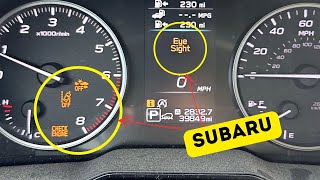
On modern Subarus like the 2019-2024 Forester, an EVAP code like P0455 will almost always trigger a cascade of other warnings, disabling features like EyeSight, cruise control, and sport mode. This can be alarming but is standard Subaru behavior to get the driver's attention. Additionally, these vehicles use a sensitive Electronic Leak Check Module (ELCM). Subaru advises against using a traditional smoke machine as the first diagnostic step, as the smoke's oil residue can damage the ELCM; instead, a forced self-test with a compatible scan tool is the recommended starting point.
Symptoms You May Notice
- Check Engine Light is on
- EyeSight system disabled (warning light on)
- Cruise control disabled
- Flashing 'S' (Sport) mode indicator
- A faint smell of gasoline, particularly around the rear of the vehicle
- Rear Auto Braking (RAB) disabled warning 🎬 Watch: Why your EyeSight and cruise control are disabled
- Replacing O2 sensors. Oxygen sensors are not part of the EVAP system and will not cause a P0455 code.
- Immediately replacing the charcoal canister. The canister is often expensive and rarely fails. The valves attached to it or the gas cap are far more likely culprits.
Most Likely Causes
- Loose or Faulty Gas Cap 🔴 High Probability → Shop Fuel Tank Cap This is the most frequent cause reported by owners and dealers. The cap may not have been tightened sufficiently after refueling, or the rubber seal on the cap may have become worn, cracked, or dirty, preventing a proper seal. Some owners and even dealer service departments note that the single-click cap design can be less intuitive, leading to it being left undertightened.
How to confirm: Remove the gas cap and inspect the rubber O-ring for any cracks, stiffness, or debris. Ensure it is tightened until it clicks at least once. A dealership service employee mentioned they see 'about 2 vehicles a week' for this exact issue, which is resolved by properly tightening the cap.
Typical fix: First, simply re-tighten the cap. If the code returns or the seal is visibly damaged, replace the gas cap with a new OEM part. The light may take a few drive cycles to turn off on its own after tightening.
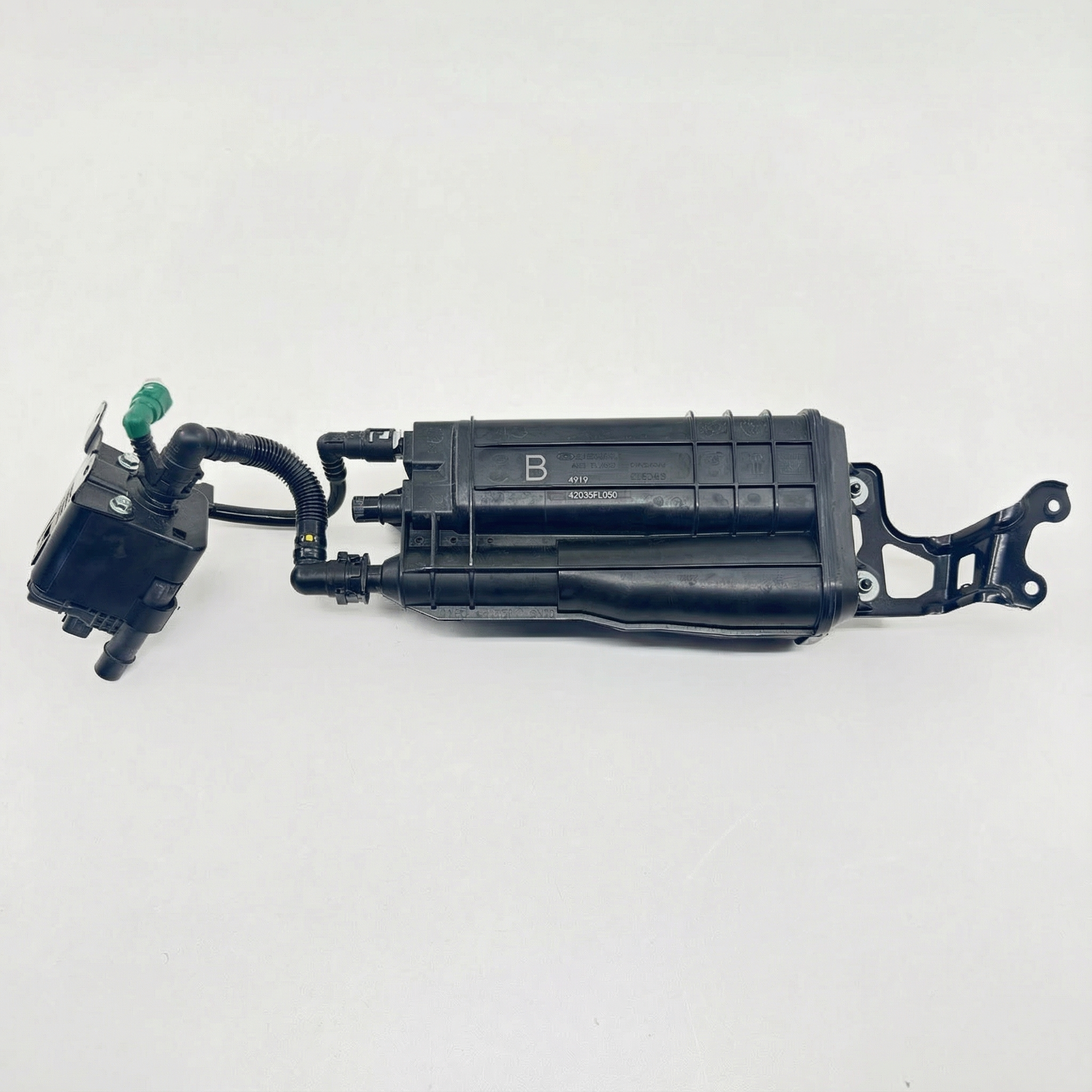
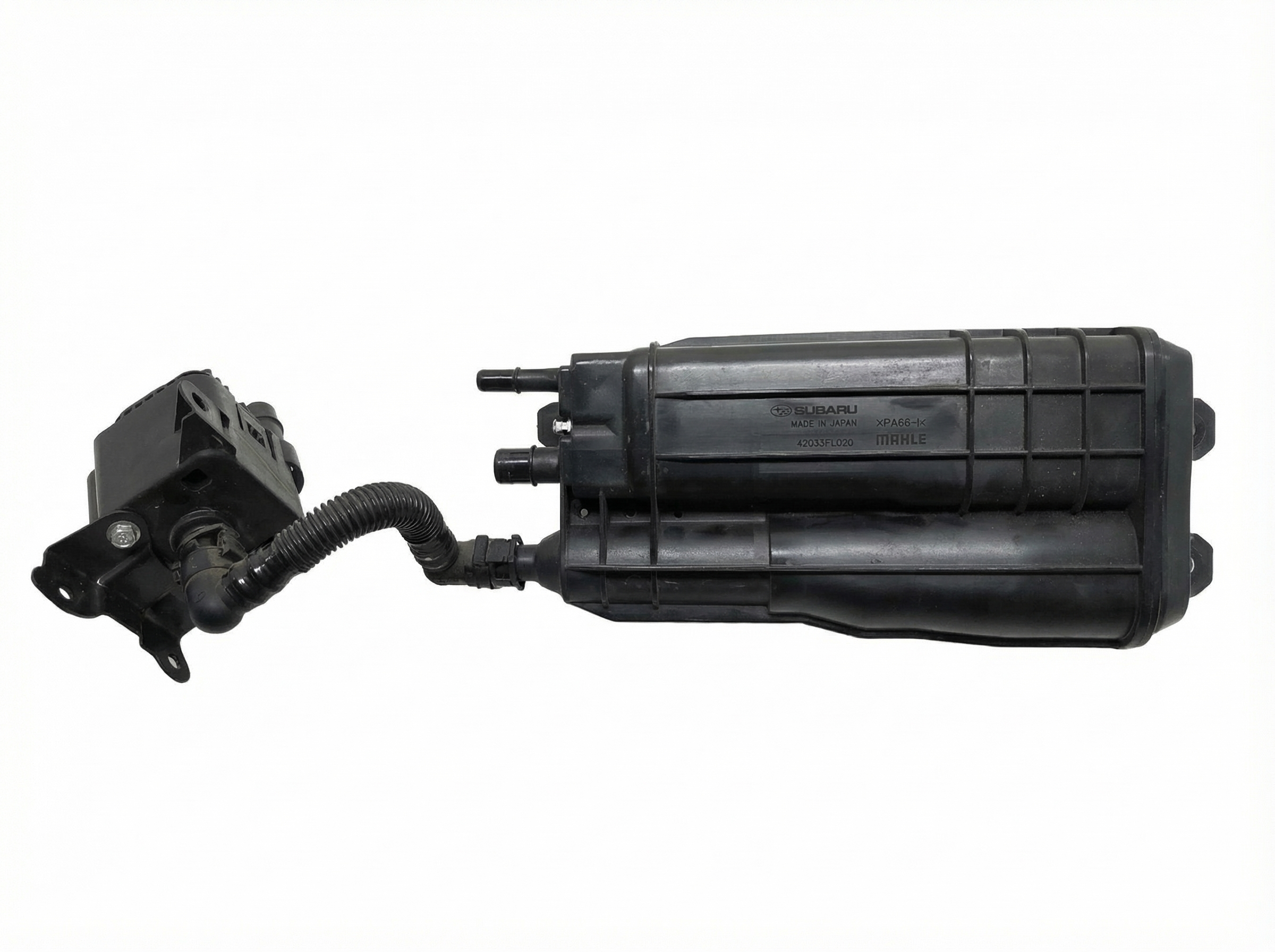
Est. part cost: $25-$40 - Faulty Canister Purge Valve (Solenoid) 🟡 Medium Probability → Shop Vapor Canister This valve, located in the engine bay, controls the flow of fuel vapors to the engine. It can become stuck open, creating a constant leak path that the system will detect during its self-test. This is a common failure point across many vehicle makes, not just Subaru.
How to confirm: With the engine off, remove the valve and try to blow through it; if air passes, it's stuck open and faulty. A more advanced method involves using a scan tool to command the valve to cycle while observing system pressure with a vacuum gauge.
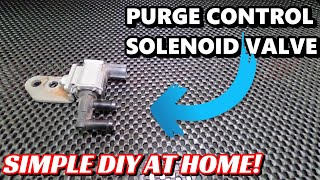
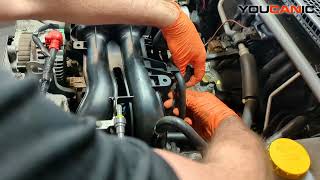
Typical fix: Replacement of the purge valve assembly. This is typically located in the engine bay and is accessible for DIY replacement. 🎬 See how to replace the purge valve solenoid
Est. part cost: $40-$70 - Faulty Vent Valve / Electronic Leak Check Module (ELCM) ⚪ Low Probability This component, located near the charcoal canister at the rear of the vehicle, is responsible for sealing the EVAP system for leak tests. If the valve within the module fails to close, the system cannot be sealed, resulting in a large leak code. On older Subarus, spiders building nests in the vent hose were a common cause of blockages and related codes; while less reported on this generation, it's a known Subaru quirk.
How to confirm: This is best diagnosed using a bi-directional scan tool to command the valve to close and then performing a system leak test. A technician can also test the component for electrical integrity by applying 12V and listening for a click. A common symptom of a failing vent valve (on other vehicles) is difficulty filling the fuel tank, where the pump clicks off repeatedly.
Typical fix: Replacement of the vent valve/ELCM assembly. This is located near the rear of the vehicle, by the charcoal canister.
Est. part cost: $80-$150 - Cracked or Disconnected EVAP Hose ⚪ Low Probability Rubber hoses can become brittle over time and crack, or a connection can come loose. This is less common on newer vehicles but still possible, especially if other work has been performed on the vehicle.
How to confirm: A visual inspection of all accessible EVAP lines between the engine, canister, and fuel tank is the first step. A definitive diagnosis is made using a smoke machine to inject smoke into the EVAP system and watch for where it escapes.
Typical fix: Replace the cracked hose section or re-secure the connection.
Est. part cost: $10-$50
Rare But Worth Checking
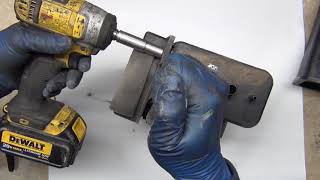
- Cracked Charcoal Canister: → Shop Vapor Canister The canister itself, located under the vehicle near the fuel tank, can be cracked by road debris, causing a large leak. This is uncommon but should be considered if a smoke test shows a leak from the canister body itself. Over-filling the gas tank (topping off after the pump clicks) can also saturate the canister with raw fuel, leading to its failure. 🎬 Watch: Step-by-step guide to replacing the charcoal canister
- Damaged Fuel Filler Neck: → Shop Fuel Filler Neck Rust or damage to the metal neck where the gas cap seals can prevent a proper seal, even with a new cap. This would be visible upon inspection and is more common in regions with heavy road salt use.
- Spider Webs in Vent Lines: A well-documented issue on older Subaru models, spiders can build nests in the EVAP vent lines, causing blockages that can trigger various EVAP codes. While less common on the 2019+ generation, it is a known historical issue for the brand and can lead to pressure-related fault codes.
Diagnosis Steps
- Check for other stored trouble codes.
- Inspect the gas cap. Remove it, check the seal for damage, and reinstall it, ensuring it clicks.
- Clear the codes using an OBD-II scanner and drive the vehicle for a few days to see if the code returns. Many drive cycles may be needed for the EVAP monitor to run again.
- If the code returns, consider replacing the gas cap with an OEM part as an inexpensive and high-probability fix. The OEM part number 42031FJ000 is superseded by 42031FJ001.
- If you have a compatible high-end scan tool, perform the forced EVAP system self-test as recommended by Subaru.
- Visually inspect all accessible EVAP hoses and connections in the engine bay and under the vehicle for obvious cracks or disconnections.
- If the leak source is still not found, a smoke test is the next step. Introduce smoke into the EVAP test port and look for leaks from any hoses, the canister, or the fuel filler neck. Be careful not to force smoke directly into the ELCM.
- Test the purge and vent valves for correct electrical and mechanical operation using a scan tool and/or multimeter.
Parts You'll Likely Need
- Fuel Filler Cap
(OEM #42031FJ001 (supersedes 42031FJ000))— This is the most common failure point leading to a P0455 code on this vehicle. The seal wears out or the cap is not properly tightened.
Trusted brands: Subaru (OEM)
OEM price range: $25-$40
Aftermarket price range: $15-$30 - Canister Purge Valve / Solenoid
(OEM #16102AA391)— This valve in the engine bay can stick open, causing a leak. It's a common failure point on many vehicles.
Trusted brands: Subaru (OEM), Denso, Dorman
OEM price range: $50-$100
Aftermarket price range: $30-$60 - Vent Valve / ELCM Assembly
(OEM #42084FL231)— This valve assembly at the rear of the car is critical for sealing the system for tests. If it fails, a large leak is immediately detected.
Trusted brands: Subaru (OEM)
OEM price range: $80-$150
Aftermarket price range: $60-$120
Related Codes That Often Appear With This One
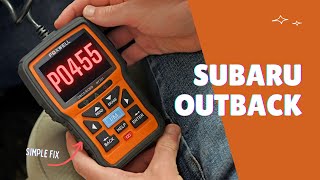
- P0456 — P0456 indicates a 'small' EVAP leak. Sometimes a deteriorating component can trigger a small leak code before it worsens and triggers the 'large' leak P0455 code.
- P0457 — This code specifically points to a leak detected, often interpreted by the system as a loose or missing fuel cap. It is very closely related to P0455 and often has the same root causes.
Technical Service Bulletins (TSBs) & Recalls
- Subaru TechTIPS Newsletter (Not a formal TSB): Warns against using a smoke machine as the first step for EVAP diagnosis on late-model vehicles with an ELCM, recommending a forced self-test with a compatible scan tool instead.
- While no TSBs directly address P0455 for this vehicle range, several exist for ECM reprogramming for other issues, such as TSB #11-200-20R for hard starting and TSB #WUU-06R for VDC issues, demonstrating that software updates are a common Subaru practice.
Platform-Specific Known Issues
- The disabling of EyeSight and other driver aids is a significant, and often confusing, symptom that is specific to Subaru's system logic when a Check Engine Light is on. This is confirmed in many owner forums.
- Owner reports suggest the single-click gas cap design on later models in this range may contribute to users not tightening it fully, leading to this code. A Reddit thread confirms this common occurrence.
Mechanic-Grade Diagnostic Values
- Purge Control Solenoid Valve Resistance — expected: 15 to 30 Ohms is a general range for many vehicles. A Subaru-specific source indicates a good reading is around 29-30 Ohms.. Failure: A reading far outside the expected range, or an open circuit (infinite resistance), indicates a failed solenoid coil.
- EVAP Drain Valve (part of ELCM) Resistance — expected: Approximately 20 to 30 Ohms.. Failure: No reading (open circuit) indicates the internal motor/solenoid is bad.
- Fuel Tank Pressure (FTP) Sensor Voltage (Key On, Engine Off) — expected: Around 1.4V to 1.5V with no pressure or vacuum in the system.. Failure: Voltage that is stuck high or low, or does not change when a vacuum is applied to the system, may indicate a faulty sensor.
Scan Tool Commands That Help
- Subaru Select Monitor (SSM) or equivalent bidirectional scanner: EVAP System Test / Leak Check — This is the Subaru-recommended first step before a smoke test. The command forces the ECM to close the vent valve (ELCM) and purge valve, then monitor the fuel tank pressure sensor to see if the system holds a vacuum. A rapid loss of vacuum confirms a leak is present.
- Bidirectional Scan Tool: Vent Valve (ELCM) ON/OFF Command — To isolate a faulty vent valve. A technician can command the valve closed (ON) and then introduce smoke or a light pressure into the system. If the system still doesn't seal, but the vent hose is clamped shut and it *does* seal, the vent valve itself is leaking internally and is bad.
- Bidirectional Scan Tool: Purge Valve Duty Cycle Control — To test the purge valve's operation. By commanding the valve to open while the engine is running, a technician can check for a corresponding change in fuel trims and a drop in EVAP system pressure, confirming the valve is opening and vapors are being drawn into the engine.
Real Owner Repair Stories
- YouTube channel 'Fix It Angel' (2019 Chevrolet Traverse (demonstrates a universally applicable diagnostic process)) — P0455 EVAP large leak code. Live data showed the fuel tank would build pressure but would not go into a vacuum state.
❌ Tried (didn't work) Initial assumption might be a gas cap or other leak, but the technician went straight to component testing based on scan tool data.
✅ What actually fixed it The canister purge valve located behind the throttle body was stuck open. The technician confirmed this by removing the valve and using a hand vacuum pump; it would not hold a vacuum, proving it was internally leaking. Replacing the purge valve resolved the issue. - NHTSA ODI #11637451 — An owner took their vehicle to a dealership for a P0455 diagnosis. The technician found that while the gas cap was secured, the error code was present; the technician reset the code and test drove the vehicle to verify the repair.
OEM Part Supersession History
42084FL230→42084FL231— Standard part revision by the manufacturer for improvement or supplier change.
Heads up: The new part number (42084FL231) is the correct replacement for the original and is compatible with 2019-2024 Foresters.
Model Year Variations Within This Range
- 2022-2024: The 2022 model year introduced a mid-cycle refresh for the Forester, featuring a redesigned front fascia, grille, and headlights. It also included the next generation of the EyeSight driver-assist system. However, these changes did not significantly alter the 2.5L engine or the core components of the EVAP system related to code P0455.
Diagnostic Flowchart
Real Owner Stories
Aggregated from forums and TSBs cited above. Mileages and costs reflect what owners reported in those sources.
2021 Subaru Forester
Symptoms: The owner experienced the P0455 code and took the vehicle to the dealer for diagnosis.
What fixed it: The dealer found no faults after extensive testing and concluded the code was caused by a loose gas cap.
Source hint: Reddit r/SubaruForester - Thread titled 'P0455 Code' (2021)
2025 Subaru Forester Generation
Symptoms: Triggered a P0455 EVAP System (large leak) code due to the new one-click gas cap design being easily left undertightened.
What fixed it: Properly tightening the gas cap. A dealer tech quoted in the thread noted they see this exact issue on 'about 2 vehicles a week'.
Source hint: Reddit r/SubaruForester - Thread titled 'FYI on Loose Gas Cap new 2025 Forester Generation. Code P0455 EVAP System (large leak)' (2024)
2023 Subaru Crosstrek
Symptoms: Check Engine Light came on with code P0455. The owner confirmed the gas cap was slightly loose.
What fixed it: Tightening the gas cap. The community advised that it may take a few drive cycles for the light to clear on its own.
Source hint: Reddit r/Crosstrek - Thread titled 'Check Engine Lights on! What is code P0455?' (2023)
Related OBD-II Codes
Frequently Asked Questions
Why did my EyeSight and Cruise Control turn off when the Check Engine Light came on for P0455?
Is there a specific gas cap part number I should use for my 2019-2024 Forester?
Should I use a smoke machine to find the EVAP leak on my Forester?
Why is the gas cap such a common cause for this code on newer Subarus?
Will the P0455 code clear itself after I tighten the gas cap?
Are there any TSBs for the P0455 code on the 2019-2024 Forester?
Helpful Videos
Used OEM Parts in Stock
New Aftermarket Parts Available


The information in this article is provided for general reference and educational purposes only. Vehicle specifications, procedures, and part compatibility can vary by production date, trim level, and region. Always consult your vehicle's factory service manual and verify part numbers before purchasing or performing repairs. Safety-critical components such as airbags, seat belts, and braking systems should be installed by a qualified professional.
- Subaru Forester:
- 🧭 Diagnostic Flowchart
- 🎬 Helpful Videos
- 🛍️ Shop This Part
- What's Unique About the 2019-2024 Subaru Forester
- Symptoms You May Notice
- Most Likely Causes
- Rare But Worth Checking
- Diagnosis Steps
- Parts You'll Likely Need
- Related Codes That Often Appear With This One
- Technical Service Bulletins (TSBs) & Recalls
- Platform-Specific Known Issues
- Mechanic-Grade Diagnostic Values
- Scan Tool Commands That Help
- Real Owner Repair Stories
- OEM Part Supersession History
- Model Year Variations Within This Range
- Real Owner Stories
- 2021 Subaru Forester
- 2025 Subaru Forester Generation
- 2023 Subaru Crosstrek
- Related OBD-II Codes
- Frequently Asked Questions
- 🎟️ Get 5% Off