

P0455 on 2012-2016 Subaru Impreza: EVAP Large Leak Causes and Fixes
The P0455 code on a 2012-2016 Subaru Impreza most often means the gas cap is loose, faulty, or missing. Before buying any parts, tighten the cap until it clicks, clear the code, and drive for a few days. If it returns, inspect the fuel filler neck for rust where the cap seals. If the neck is clean, a new OEM gas cap is an inexpensive next step.
- Always check the gas cap first for a P0455 code. Make sure it's tight and the seal is in good condition.
- Do not immediately use a smoke machine on this vehicle; it can damage the sensitive Leak Detection Module (ELCM).
- If the gas cap isn't the issue, the most likely culprits are the purge valve in the engine bay or a cracked EVAP hose.
- A professional smoke test is the most efficient way to find a leak if it's not obvious from a visual inspection.
- You can continue to drive the car with this code, but it will fail an emissions test and is releasing pollutants into the atmosphere.
What's Unique About the 2012-2016 Subaru Impreza
The 2012-2016 Impreza, part of the fourth generation (GJ/GP), uses a modern Electronic Leak Check Module (ELCM) which is sensitive and operates on vacuum to perform self-tests. Unlike older systems, mechanics are advised not to immediately use a traditional smoke machine under pressure for diagnosis, as it can contaminate or damage the ELCM. Subaru issued a Technical Service Bulletin (TSB 11-130-13R) which revised the diagnostic procedure for these systems, emphasizing the use of a scan tool to initiate a system self-test as a primary step.
Symptoms You May Notice
- Check Engine Light is on
- Possible faint fuel smell, especially around the rear of the vehicle or near the gas cap.
- Immediately replacing the charcoal canister. The canister is often expensive and is less likely to be the root cause than a bad gas cap, rusted filler neck, hose, or valve.
- Replacing the fuel tank pressure sensor. While this sensor can fail, it will typically set a different code related to sensor performance (e.g., P0452).
Most Likely Causes
- Loose, Damaged, or Incorrect Gas Cap 🔴 High Probability → Shop Fuel Tank Cap This is the most common cause for a P0455 code on any vehicle, often due to user error (not tightening after fueling) or a worn-out cap seal.
How to confirm: Ensure the gas cap is tightened until it clicks several times. Inspect the rubber seal on the cap for cracks, stiffness, or damage. If the seal is compromised or the cap is not the correct OEM part, it may not seal properly.
Typical fix: Tighten or replace the gas cap.
Est. part cost: $15-$40 - Leaking or Rusted Fuel Filler Neck 🔴 High Probability → Shop Fuel Filler Neck Subarus of this era are known for rust forming on the fuel filler neck, particularly in regions where road salt is used. The rust creates an uneven surface that prevents the gas cap from forming a perfect seal, even if the cap is new.
How to confirm: Remove the gas cap and carefully inspect the metal lip of the filler neck that the cap's gasket seals against. Look and feel for any rust, bubbling paint, or pitting. A smoke test will show smoke escaping from around the gas cap if the neck is the issue.
Typical fix: In minor cases, the rust can be sanded smooth and a sealant applied. In most cases, the fuel filler neck needs to be replaced.
Est. part cost: $100-$250 - Faulty Purge Control Solenoid Valve 🟡 Medium Probability → Shop Vapor Canister Purge Solenoid Subaru purge valves are known to sometimes fail by getting stuck open, which creates a permanent leak path from the EVAP system to the intake manifold.
How to confirm: The purge valve is typically located in the engine bay, mounted to the intake manifold. It can be tested with a handheld vacuum pump to see if it holds vacuum when de-energized (it should). You can also apply 12V to see if the solenoid clicks and opens.
Typical fix: Replace the purge control solenoid valve.
Est. part cost: $40-$100 - Cracked or Disconnected EVAP Hoses 🟡 Medium Probability Rubber hoses can become brittle and crack over time due to exposure to heat and the elements. A large crack or a hose that has popped off a fitting will cause a large leak.
How to confirm: Visually inspect all accessible EVAP lines running from the fuel tank, to the charcoal canister, and to the purge valve in the engine bay. A smoke test is the most effective way to find a leak that isn't visually obvious.
Typical fix: Replace the damaged section of hose or reconnect it.
Est. part cost: $10-$50 - Faulty Vent Valve / Leak Detection Module (ELCM) ⚪ Low Probability The vent valve is integrated into the ELCM assembly on modern Subarus. It is located near the charcoal canister and can fail by getting stuck open. Access is very difficult as it's tucked above the rear differential and subframe.
How to confirm: This component is best tested using a bi-directional scan tool to command it open and closed while observing system pressure. A smoke test can also reveal if the valve is stuck open.
Typical fix: Replace the entire ELCM assembly.
Est. part cost: $100-$350
Rare But Worth Checking
- Cracked Charcoal Canister: → Shop Vapor Canister The charcoal canister itself can develop a crack from road debris or age, creating a large leak. This is often found during a smoke test. Overfilling the fuel tank past the first click can also saturate the canister with liquid fuel, leading to failure.
Diagnosis Steps
- Read the code with an OBD-II scanner to confirm P0455 is present.
- Inspect the gas cap. Remove it, check the seal for damage, and reinstall it, ensuring it clicks at least 3 times.
- CRITICAL: While the cap is off, thoroughly inspect the metal lip of the fuel filler neck for any signs of rust, bubbling, or pitting. Run your finger over the surface to feel for imperfections. This is a very common failure point.
- Clear the code using the scanner.
- Drive the vehicle for a few days to allow the EVAP monitor to run its self-test. If the code does not return, the issue was a loose cap.
- If the code returns, and the filler neck is pristine, consider replacing the gas cap with a new OEM part as a cheap and easy diagnostic step.
- If the code still returns, perform a thorough visual inspection of all EVAP hoses and the charcoal canister for obvious cracks or disconnections.
- If no obvious issues are found, the next step is to test the purge and vent solenoids. The purge solenoid is in the engine bay; the vent solenoid/ELCM is near the fuel tank.
- If the valves test good, the most effective way to find the leak is with a smoke test. This involves introducing low-pressure smoke into the EVAP system and looking for where it escapes. This will pinpoint the exact location of the leak, whether it's a hose, canister, or the filler neck seal.
- Once the leak is found, replace the faulty component.
Parts You'll Likely Need
- Fuel Cap
(OEM #42031FG000)— This is the most frequent cause of a P0455 code and the easiest and cheapest part to replace.
Trusted brands: Subaru (OEM), Stant
OEM price range: $25-$40
Aftermarket price range: $15-$25 - Fuel Filler Neck — A very common failure point due to rust, preventing the gas cap from sealing. Often misdiagnosed as a bad gas cap.
Trusted brands: Subaru (OEM), Dorman, Spectra Premium
OEM price range: $150-$250
Aftermarket price range: $80-$150 - Vapor Canister Purge Valve
(OEM #42084FG060)— A common failure point that can get stuck open, causing a large leak.
Trusted brands: Subaru (OEM), Denso, Bosch, Standard Motor Products
OEM price range: $90-$130
Aftermarket price range: $40-$80 - Canister Vent Valve / Leak Detection Assembly
(OEM #42084FJ001)— This valve, located near the tank, can fail and cause a large leak. On this model, it is part of the Leak Detection Assembly (ELCM).
Trusted brands: Subaru (OEM)
OEM price range: $250-$350
Aftermarket price range: $150-$250
Related Codes That Often Appear With This One
- P0457 — This code specifically indicates a leak caused by a loose or missing fuel cap. If you see both, the gas cap or filler neck is almost certainly the problem.
- P0442 — This indicates a small EVAP leak. Sometimes a deteriorating component, like a filler neck with early rust or a cracking hose, can cause an intermittent leak that is detected as small one time and large another.
Technical Service Bulletins (TSBs) & Recalls
- TSB 11-130-13R: This bulletin revises diagnostic procedures for various DTCs, including EVAP codes, on vehicles equipped with FA/FB series engines. It provides specific steps for testing camshaft position sensors but its relevance here is its context within a suite of updates for this engine family's electronics. A more relevant TSB for EVAP is often related to diagnostic logic, advising against pressurized smoke tests on ELCM systems.
Platform-Specific Known Issues
- The fuel filler neck is highly susceptible to rust where the gas cap seals, especially in the salt belt. Many owners chase the P0455 code by replacing the gas cap and purge valve, only to find the filler neck was the true cause.
- Accessing the charcoal canister and ELCM (vent valve) assembly is difficult, requiring the removal or lowering of the rear differential and exhaust components for access.
Mechanic-Grade Diagnostic Values
- Vapor Canister Purge Control Solenoid Valve Resistance — expected: Approximately 30 ohms at 68°F (20°C).. Failure: A reading of infinite resistance (OL) indicates an open circuit (broken coil), and a reading near zero ohms indicates a short circuit. Either means the valve is faulty and needs replacement.
Scan Tool Commands That Help
- Subaru Select Monitor (SSM) or equivalent professional scan tool: EVAP System Test / Manual EVAP Test — This function allows a technician to command the EVAP system to perform a self-test on demand. It will close the vent valve and operate the purge valve to seal the system and monitor for pressure decay, confirming if a leak is present without waiting for the vehicle's own monitor to run.
- Subaru Select Monitor (SSM) or equivalent professional scan tool: Vent Valve/Solenoid ON/OFF Command — This bidirectional control is used to manually command the vent valve (part of the ELCM) closed. While commanded closed, a technician can introduce smoke into the system to check if the valve is sealing properly. If smoke passes through the vent, the valve is faulty.
- Subaru Select Monitor (SSM) or equivalent professional scan tool: Purge Valve Duty Cycle Control — This allows the technician to manually open the purge valve by a specific percentage. It's used to verify the valve's mechanical operation and to check for blockages in the line from the canister to the engine.
Wiring & Ground Locations
- Purge Control Solenoid Valve Connector (E4) — On the driver's side of the intake manifold, below the throttle body. It is a 2-pin connector. Access requires removing the main air intake snorkel.. This is the primary connection point for testing the purge valve solenoid. A poor connection or damaged wire here can mimic a failed valve, though it would typically set a circuit code like P0443 instead of a leak code.
- GB-11 (Ground) — Under the center console.. This is a body ground point. While not directly tied to the EVAP system components in the rear, poor body grounds can cause a variety of intermittent electronic issues with control modules.
- GB-3 / GB-6 (Grounds) — Located at the right and left ends of the dash, respectively.. These are primary dashboard area grounds. The Body Integrated Unit, which can be involved in EVAP diagnostics, relies on solid grounding. A loose ground here could cause communication issues.
Real Owner Repair Stories
- Reddit user in r/MechanicAdvice (2012 Subaru Impreza Limited) — Initially had a P1449 'Vent Control Filter Clogged' code. After attempting to service the charcoal canister and breaking connectors, a P0455 'EVAP large leak' code appeared.
❌ Tried (didn't work) Attempted to remove hoses from the charcoal canister, but broke the plastic connectors., Reattached hoses with worm clamps., Tested and cleared a small clog from the purge solenoid valve.
✅ What actually fixed it The user suspected the new P0455 code was caused by the broken connectors on the charcoal canister or a faulty ELCM (vent valve assembly). The story highlights the difficulty of accessing the rear EVAP components and the brittle nature of the plastic hose connectors, which can themselves become the source of a large leak if broken during diagnosis. - Subaru Owner Report — As noted in a cross-manufacturer reference (NHTSA ODI #11637451), an owner reported that a dealership technician found error code P0455 even when the gas cap was found to be secured, requiring the code to be reset for further testing.
Model Year Variations Within This Range
- 2015-2016: A facelift for the 2015 model year introduced a revised grille, new headlamps, and updated touchscreen interfaces. These changes did not affect the core EVAP system components or the causes of a P0455 code, but it's a notable production change within the generation.
Diagnostic Flowchart
Other Known Issues on This Vehicle
Issues unrelated to this code that are worth knowing about as an owner of this generation:
- Excessive Oil Consumption 🔴 High — Common on early FB20 engines (2012-2014 models). Can consume over 1 quart per 1,200 miles. Led to a class-action lawsuit and extended warranty program. (Ref: TSB 02-157-14R)
- CVT Transmission Problems 🟠 Medium — Some owners experience shuddering, hesitation, or premature failure. Subaru extended the warranty on the CVT for many models to 10 years/100,000 miles. (Ref: TSB 16-102-16R)
- Premature Wheel Bearing Failure 🟠 Medium — Front and rear wheel bearings can fail earlier than expected, often before 100,000 miles, causing a humming or grinding noise that changes with speed.
- A/C Compressor Clutch Failure 🟡 Low — The bearing in the A/C compressor clutch can fail, leading to a loud grinding or rattling noise when the A/C is on. The clutch often fails separately from the compressor itself.
Used vs. New Parts: Buying Guide for This Vehicle
When a used part is the smart pick: Used parts can be a cost-effective option for the Fuel Filler Neck and Charcoal Canister, provided they come from a donor vehicle in a dry, salt-free climate to minimize the risk of rust and corrosion.
Donor-vehicle mileage cap: roughly under 80000 miles for the part to have meaningful remaining life.
What to inspect on the donor part:
- For a Fuel Filler Neck: Inspect the lip where the gas cap seals for any signs of rust, bubbling paint, or pitting. Ensure the metal is smooth and clean.
- For a Charcoal Canister/ELCM: Check all plastic hose connectors and nipples for cracks or brittleness. Ensure there are no visible cracks on the canister body itself. Avoid parts that look sun-faded or weathered.
- For a Purge Valve: Visually inspect for cracks in the plastic housing. It's a gamble, as the internal coil could be weak, but it's a cheap part to risk.
OEM-only on this vehicle (don't cheap out):
- Fuel Cap: Aftermarket gas caps are notoriously unreliable and often do not seal correctly, leading to recurring EVAP codes. Always use an OEM Subaru cap for this replacement.
Aftermarket brands forum-validated for this vehicle:
- Dorman (for Fuel Filler Neck)
- Spectra Premium (for Fuel Filler Neck)
- Denso (for Purge Valve)
- Standard Motor Products (for Purge Valve)
Brands owners have reported issues with on this vehicle:
- No-name or unbranded gas caps from online marketplaces.
Real Owner Stories
Aggregated from forums and TSBs cited above. Mileages and costs reflect what owners reported in those sources.
2013 Subaru Impreza Sport
Symptoms: Check engine light, VDC light on, and the cruise control light was blinking. Codes C1422 and P0455 were present.
What fixed it: A shop diagnosed the car as needing a replacement evaporative leak detection pump (ELCM).
Cost: $1,700-$1,700
Source hint: Reddit r/MechanicAdvice
2012 Subaru Impreza
Symptoms: Experienced P0455 and P0457 codes. Replaced the gas cap but the codes persisted.
What fixed it: The issue was traced to a rusted fuel filler neck.
Source hint: subaruimpreza.org - P0455 and P0457
Related OBD-II Codes
Frequently Asked Questions
I replaced my gas cap but the P0455 code came back on my 2012 Impreza. What should I check next?
Is there a TSB for EVAP issues on the FB20 engine used in the 2012-2016 Impreza?
Why is my 2013 Impreza showing a C1422 VDC light along with the P0455 code?
Where is the vent valve located on my 2015 Impreza, and is it easy to replace?
Could my Impreza's high oil consumption be related to the P0455 code?
Does the Subaru Crosstrek suffer from the same P0455 issues as the Impreza?
Helpful Videos
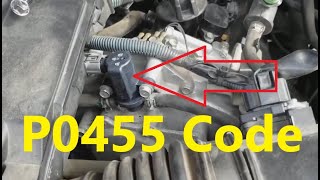
Used OEM Parts in Stock
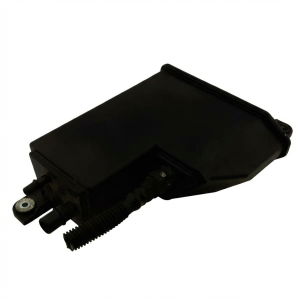
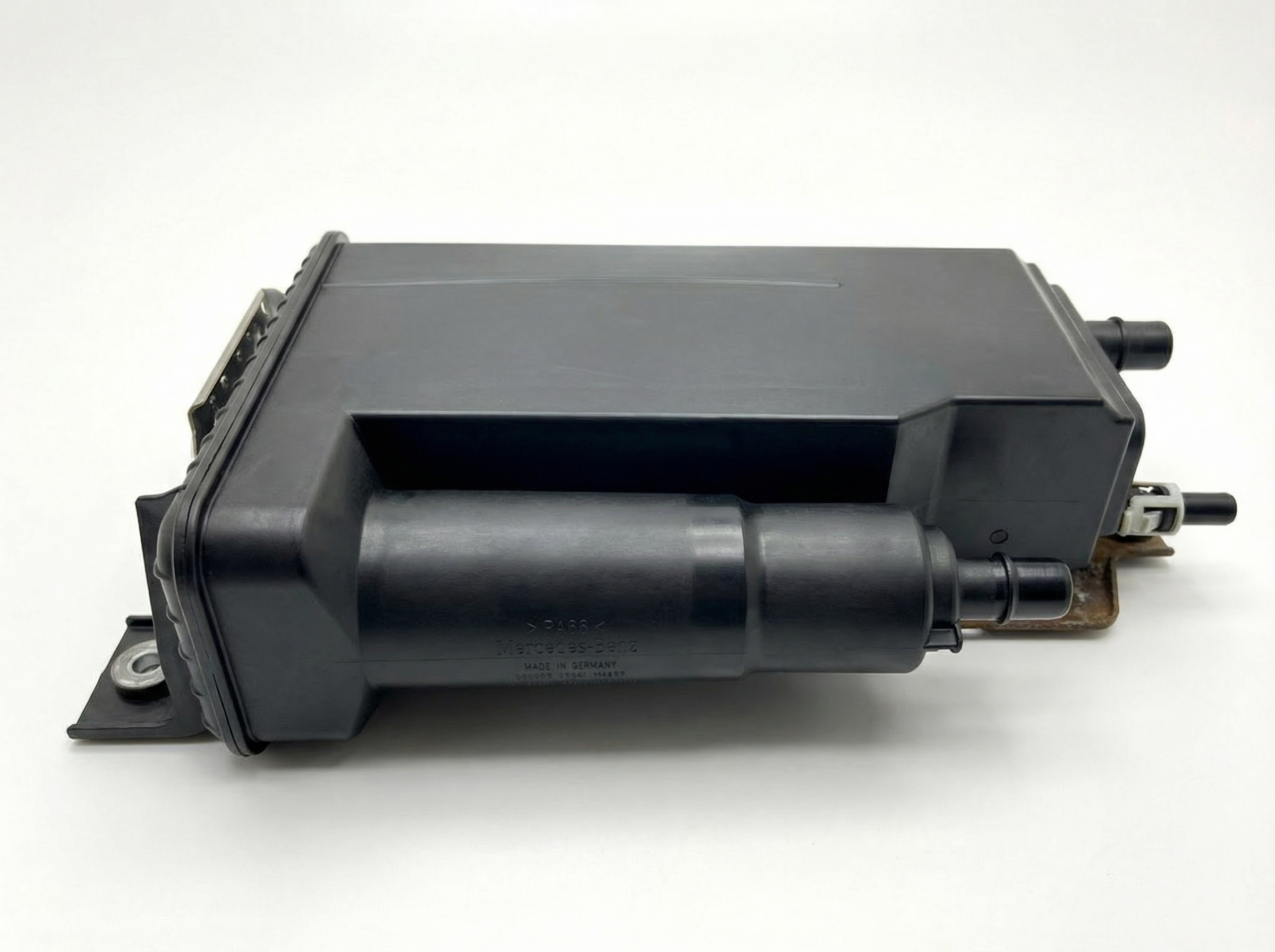
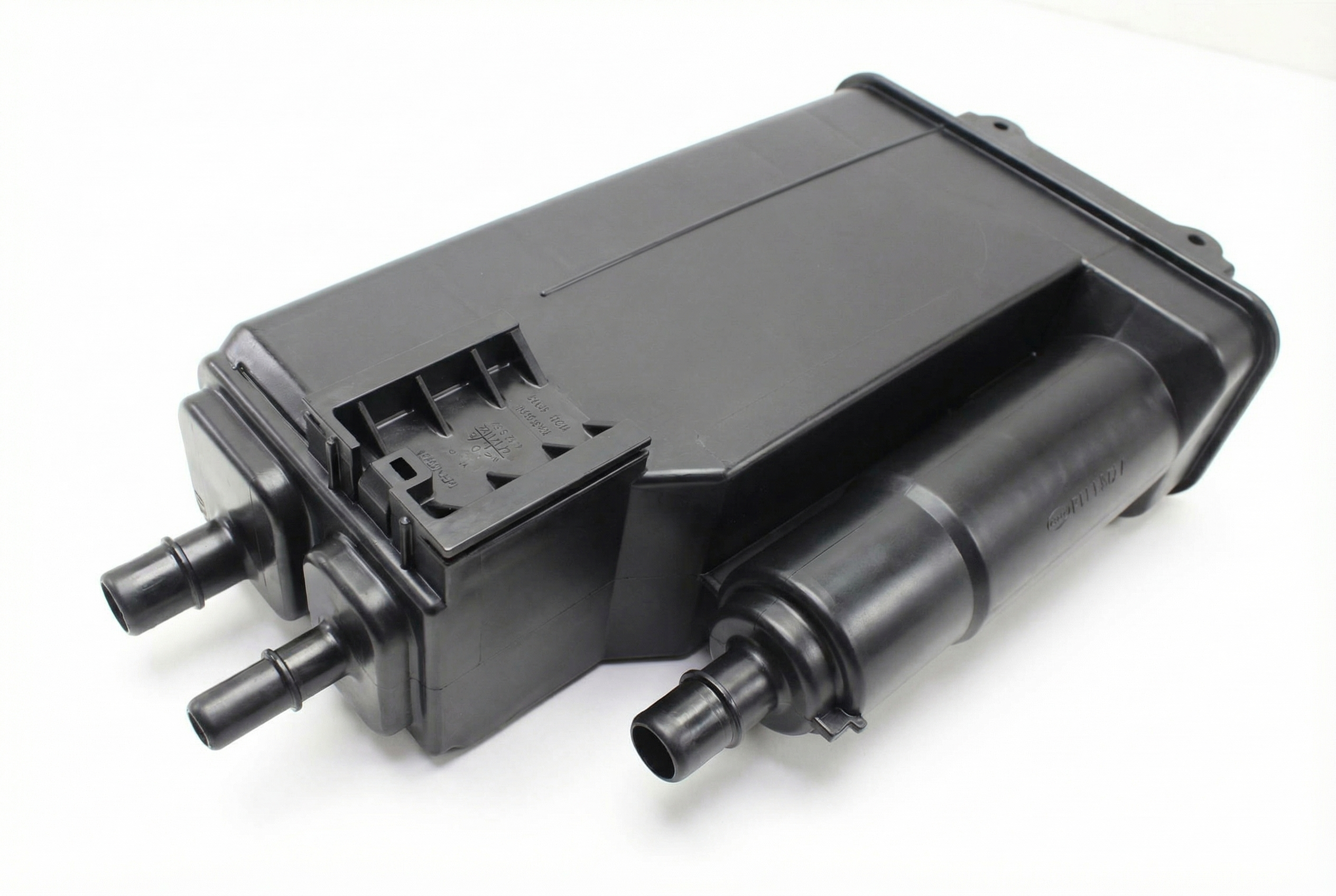
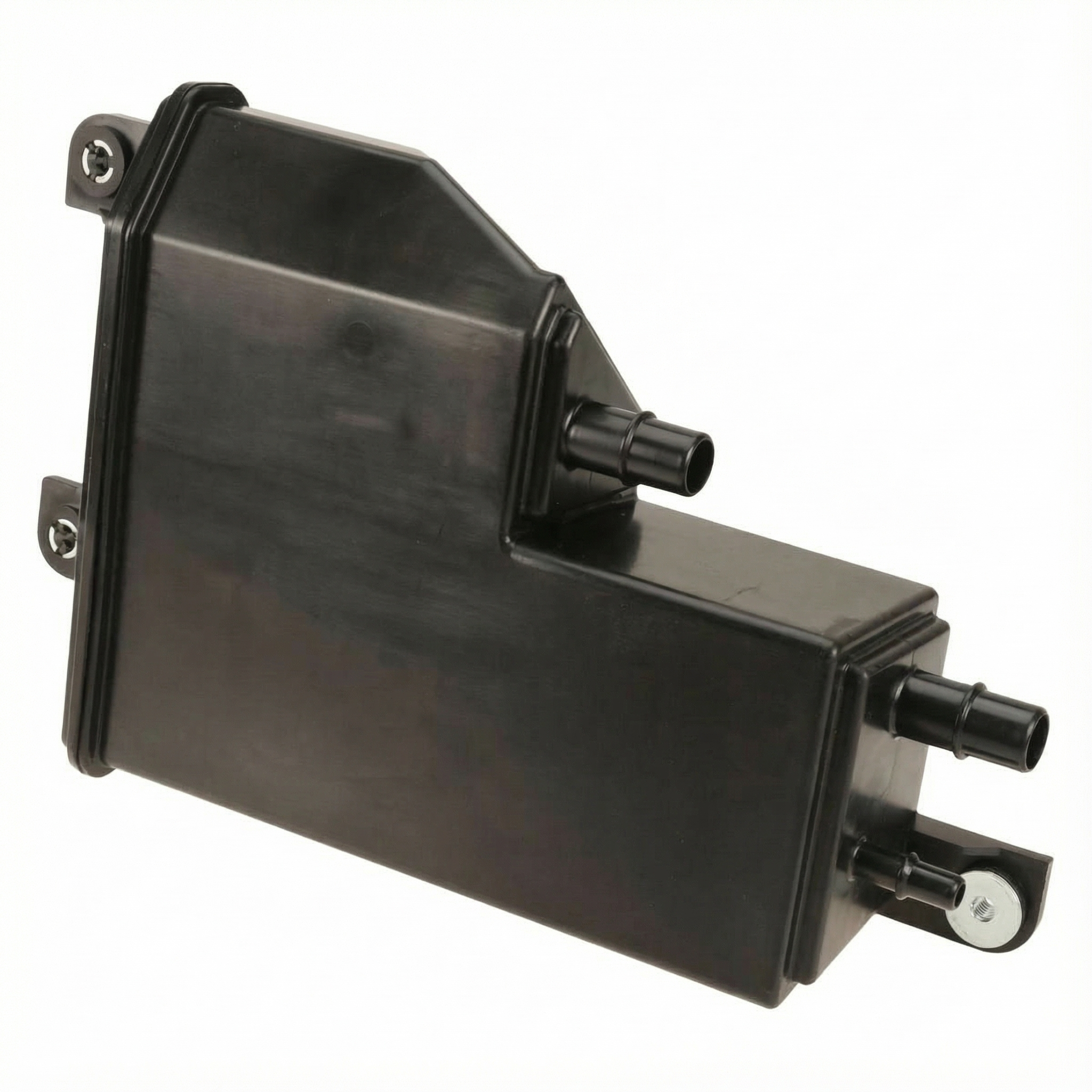
New Aftermarket Parts Available

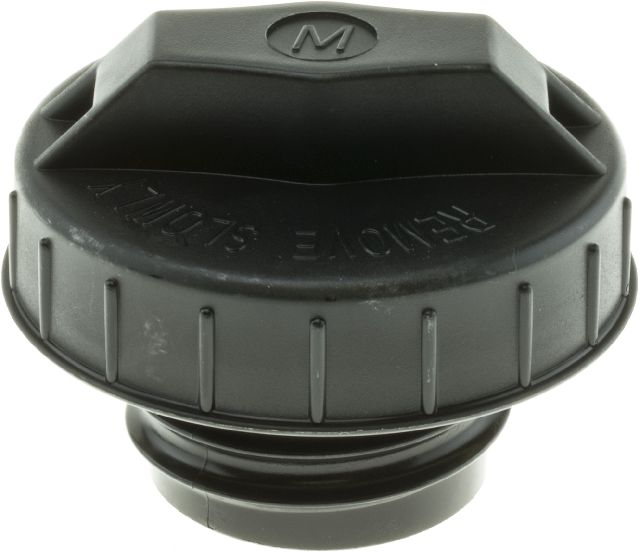

The information in this article is provided for general reference and educational purposes only. Vehicle specifications, procedures, and part compatibility can vary by production date, trim level, and region. Always consult your vehicle's factory service manual and verify part numbers before purchasing or performing repairs. Safety-critical components such as airbags, seat belts, and braking systems should be installed by a qualified professional.
- Subaru Impreza:
- 🧭 Diagnostic Flowchart
- 🎬 Helpful Videos
- 🛍️ Shop This Part
- What's Unique About the 2012-2016 Subaru Impreza
- Symptoms You May Notice
- Most Likely Causes
- Rare But Worth Checking
- Diagnosis Steps
- Parts You'll Likely Need
- Related Codes That Often Appear With This One
- Technical Service Bulletins (TSBs) & Recalls
- Platform-Specific Known Issues
- Mechanic-Grade Diagnostic Values
- Scan Tool Commands That Help
- Wiring & Ground Locations
- Real Owner Repair Stories
- Model Year Variations Within This Range
- Other Known Issues on This Vehicle
- Used vs. New Parts: Buying Guide for This Vehicle
- Real Owner Stories
- 2013 Subaru Impreza Sport
- 2012 Subaru Impreza
- Related OBD-II Codes
- Frequently Asked Questions
- 🎟️ Get 5% Off