

P0455 on 2010-2014 Subaru Outback: EVAP Large Leak Causes and Fixes
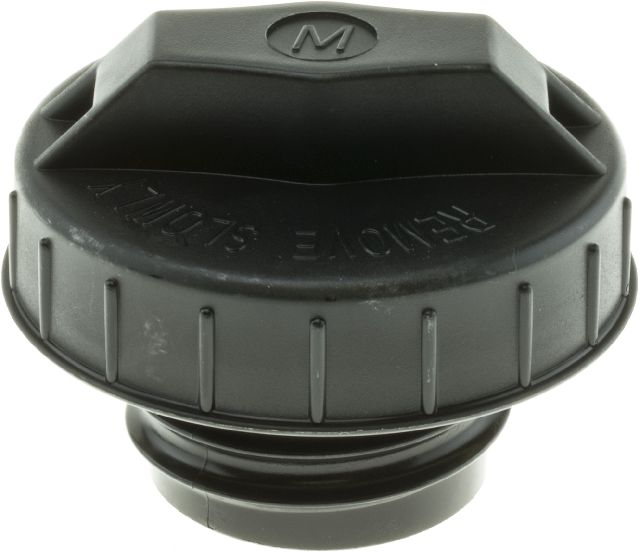
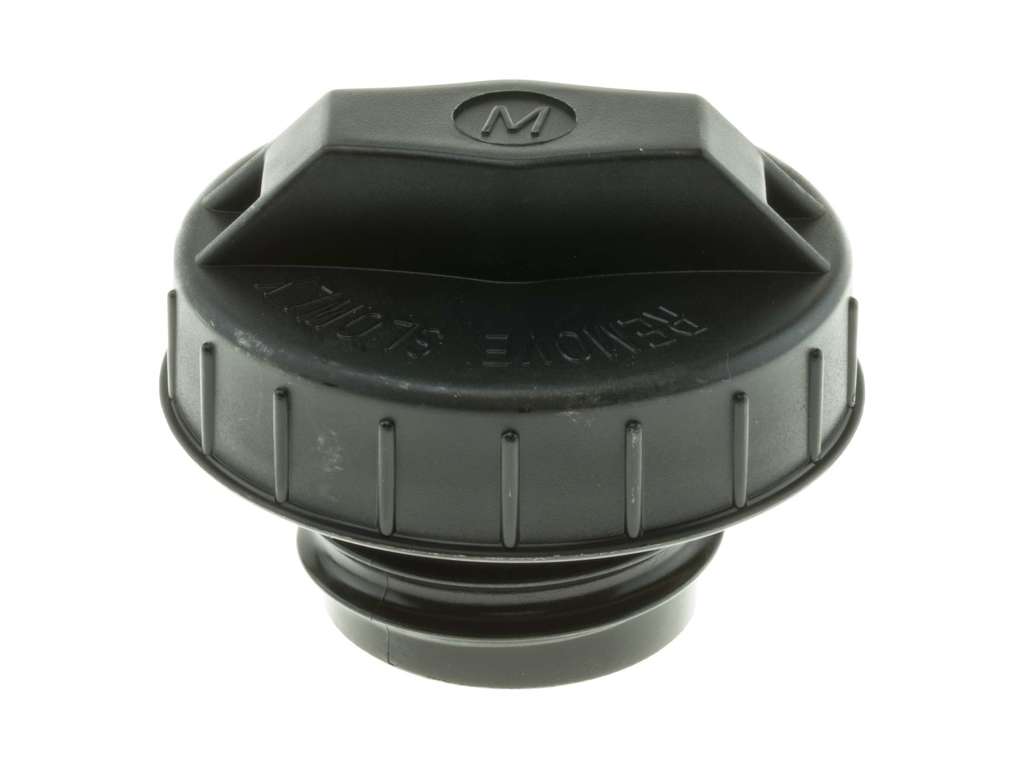
For a 2010-2014 Subaru Outback, a P0455 code is most often caused by a loose or faulty gas cap. Before buying any parts, check that the cap is tight and clicks multiple times. If the light returns, a new OEM gas cap (Part No. 42052AJ02A) is an inexpensive first step, costing around $25-$40.
- Always check your gas cap first for a P0455 code. Ensure it is tight and the seal is in good condition. This solves the problem a majority of the time.
- Driving with a P0455 code is not harmful to your engine, but it will cause an automatic failure of any emissions test.
- If a new gas cap doesn't fix the issue, the next most likely culprits are the purge valve in the engine bay or a cracked EVAP hose.
- A professional smoke test is the fastest and most accurate way to diagnose a persistent EVAP leak if the cause isn't obvious.
What's Unique About the 2010-2014 Subaru Outback
On this 4th generation Subaru Outback, the P0455 code is a straightforward emissions issue. Unlike newer Subarus that disable features like EyeSight and auto-braking when the check engine light comes on, this generation typically only illuminates the check engine light and a flashing cruise control light. The causes are standard for most vehicles from this era, with no overly complex or unique systems to consider, making diagnosis relatively direct. A notable issue for this platform, especially in the rust belt, is the potential for the fuel filler neck to rust through, creating a large leak.
Symptoms You May Notice
- Check Engine Light is on
- Flashing cruise control light
- A noticeable smell of fuel, especially around the gas tank area or after being parked in a garage.
- Slight decrease in fuel economy.
- Vehicle will fail an emissions/smog test.
- Replacing the charcoal canister when the actual problem is a small, hard-to-see cracked hose connected to it.
- Replacing O2 sensors or other unrelated engine components before properly diagnosing the EVAP system.
Most Likely Causes
- Loose, Damaged, or Incorrect Gas Cap 🔴 High Probability → Shop Fuel Tank Cap This is the most common cause for a P0455 code on any vehicle, often due to not tightening the cap enough after refueling or the rubber seal degrading over time. Many owner reports confirm this is the first and most frequent fix.
How to confirm: Remove the gas cap and inspect the rubber O-ring for cracks, stiffness, or damage. Ensure you tighten it until it clicks several times. If the cap is old or the seal is compromised, replacement is the best confirmation.
Typical fix: Replace the fuel cap with a new OEM part. 🎬 Watch: A quick DIY hack to fix P0455 fast.
Est. part cost: $25-$40 - Faulty Canister Purge Valve / Solenoid 🟡 Medium Probability → Shop Vapor Canister This valve is located in the engine bay and cycles frequently. Over time, it can fail by sticking open, creating a constant leak path from the EVAP system to the engine intake.
How to confirm: Locate the valve in the engine bay, attached to the intake manifold. Disconnect its electrical connector and hoses. With the valve unpowered, try to blow through it. If air passes through, the valve is stuck open and needs to be replaced.
Typical fix: Replace the vapor canister purge valve. 🎬 Watch: Step-by-step guide to replacing the purge solenoid.
Est. part cost: $40-$160 - Cracked or Disconnected EVAP Hoses 🟡 Medium Probability Rubber hoses throughout the EVAP system can become brittle, crack, or disconnect over time due to age and heat exposure, creating a leak. A large leak is often a hose that has completely disconnected.
How to confirm: Visually inspect all accessible EVAP lines running from the fuel tank area, along the underbody, to the charcoal canister and purge valve in the engine bay. The most definitive way to find a hose leak is with a smoke test, which forces smoke through the system to reveal the leak's location.
Typical fix: Replace the cracked or broken section of hose and secure with clamps.
Est. part cost: $10-$50 - Faulty Canister Vent Valve / Solenoid ⚪ Low Probability → Shop Vapor Canister This valve, typically located near the charcoal canister at the rear of the vehicle, is responsible for sealing the EVAP system during self-tests. It can fail or stick open, preventing the system from sealing properly.
How to confirm: This valve is normally open and closes when powered. Diagnosis often requires a bi-directional scan tool to command the valve closed while performing a smoke test. If smoke escapes from the vent valve when it's commanded shut, it has failed. It is the second most common part to fail after the gas cap.
Typical fix: Replace the canister vent valve/solenoid.
Est. part cost: $50-$150
Rare But Worth Checking
- Cracked Charcoal Canister: → Shop Vapor Canister The canister body, located near the fuel tank, can be damaged by road debris or become saturated with fuel from consistently overfilling the gas tank ('topping off'), leading to cracks and a large leak.
- Leaking Fuel Filler Neck: → Shop Fuel Filler Neck In regions with heavy road salt use, the metal fuel filler neck can rust and develop holes, creating a significant leak in the EVAP system. A visual inspection is usually sufficient to spot significant corrosion. This is a known issue on Subarus of this era.
Diagnosis Steps
- Read the code with an OBD-II scanner to confirm P0455 is the primary code present.
- Inspect the gas cap. Remove it, check the seal for cracks or damage, and reinstall it, ensuring it clicks multiple times.
- If the code returns, replace the gas cap with a new OEM part (Subaru P/N: 42052AJ02A). This is the most common and cheapest fix.
- If the new gas cap does not resolve the issue, perform a thorough visual inspection of all accessible EVAP hoses in the engine bay and under the vehicle, looking for obvious cracks, disconnections, or damage. Pay close attention to the fuel filler neck for signs of rust in salt-prone regions.
- Locate the purge valve in the engine bay. Test it by disconnecting it and attempting to blow through it. It should be closed at rest (no airflow).
- If no obvious faults are found, the most effective next step is to have a professional smoke test performed. This test fills the EVAP system with a harmless, visible smoke under low pressure, making even large leaks easy to spot.
- Based on the smoke test results, replace the leaking component, which could be a hose, the purge valve, the vent valve, the charcoal canister, or the fuel filler neck.
Parts You'll Likely Need
- Fuel Cap
(OEM #42052AJ02A)— This is the most frequent cause of a P0455 code due to a worn seal or not being tightened properly.
Trusted brands: Subaru (OEM), Stant
OEM price range: $25-$40
Aftermarket price range: $15-$30 - Vapor Canister Purge Valve / Solenoid
(OEM #42084FG020)— This valve is a common failure item that sticks open, creating a large leak. It is located in the engine bay and is relatively easy to replace.
Trusted brands: Subaru (OEM), Denso, Dorman
OEM price range: $100-$160
Aftermarket price range: $40-$90
Related Codes That Often Appear With This One
- P0457 — This code specifically indicates 'Evaporative Emission System Leak Detected (Fuel Cap Loose/Off),' which is a very common cause of the more general P0455 large leak code.
- P0442 — This code indicates a small EVAP leak. A component may be failing intermittently or be on the threshold between what the computer considers a small and a large leak, causing either or both codes to appear.
Platform-Specific Known Issues
- While not a TSB for this specific code, Subaru has noted that on later models, using a smoke machine can damage the Electronic Leak Check Module (ELCM). While this generation is less sensitive, it's wise to use low pressure and follow proper procedure if smoke testing.
- Rust on the fuel filler neck is a common source of P0455/P0457 codes on Subarus of this era, particularly in the 'rust belt'. A visual inspection of the pipe leading from the gas cap area to the tank is recommended.
Mechanic-Grade Diagnostic Values
- Vapor Canister Purge Valve Coil Resistance — expected: Approximately 20-40 ohms at room temperature.. Failure: A reading of infinite ohms (open circuit) or zero ohms (short circuit) indicates a failed coil.
- Canister Vent Valve / Solenoid Coil Resistance — expected: Approximately 20-50 ohms.. Failure: A reading significantly outside this range, or an open/shorted circuit, points to a faulty solenoid.
- Fuel Tank Pressure (FTP) Sensor Voltage (Key On, Engine Off) — expected: Approximately 1.4V to 1.5V with the gas cap off (no pressure in the system).. Failure: Voltage stuck high (e.g., 5V) or low (e.g., 0V), or voltage that does not change when a light pressure/vacuum is applied to the tank, suggests a faulty sensor or wiring issue.
Scan Tool Commands That Help
- Subaru Select Monitor (SSM) or equivalent bidirectional scanner: Evaporative System Leak Test — This is the official Subaru-recommended function to run before a smoke test. The ECM commands the EVAP system sealed (closes vent and purge valves) and monitors the FTP sensor for vacuum decay to confirm a leak is present.
- Subaru Select Monitor (SSM) or equivalent bidirectional scanner: Vent Valve (or Drain Valve) ON/OFF Command — Used to isolate a faulty vent valve. A technician commands the valve closed (ON) and then introduces smoke. If the system still leaks, but sealing the vent hose manually stops the leak, the vent valve itself is faulty.
- Subaru Select Monitor (SSM) or equivalent bidirectional scanner: Purge Valve Duty Cycle Control — Allows a technician to manually command the purge valve open while the engine is running to verify its mechanical operation and its effect on fuel trims, confirming it's not stuck.
Wiring & Ground Locations
- Engine-to-Chassis Ground Straps — There are several braided ground straps. Key ones are located on the passenger side of the engine bay, connecting the engine block and cylinder head to the chassis/frame rail. One is often visible near the alternator.. Corroded or broken ground straps can cause erratic voltage for all engine sensors and actuators, including the EVAP solenoids and the fuel tank pressure sensor. This can lead to false codes or intermittent component failure. Cleaning or replacing these is a crucial step in troubleshooting persistent, hard-to-diagnose electrical issues.
- ECM Ground — The Engine Control Module (ECM) itself is grounded to the chassis, typically under the passenger side dashboard area. The main sensor grounds, however, are often bundled and grounded to the top of the intake manifold.. A poor ground at the intake manifold can directly affect the readings from the Fuel Tank Pressure sensor and the operation of the Purge Valve, leading to incorrect diagnostics by the ECM.
Real Owner Repair Stories
- Reddit user in r/AskMechanics (Subaru (model not specified, but behavior is common to Outback of this era)) — Persistent EVAP leak code that kept returning.
❌ Tried (didn't work) Smoke test (did not reveal the leak initially)
✅ What actually fixed it The fuel filler neck had a tiny, web-like rust hole near one of the bends. It was small enough that smoke would bypass it and exit the normal vent, making it very hard to spot during a standard smoke test. The fix was to replace the entire fuel filler neck assembly. - subaruoutback.org forum member (2011 Subaru Outback 2.5i) — P0455 code returned shortly after clearing.
❌ Tried (didn't work) Replacing the gas cap with an aftermarket one., Clearing the code multiple times.
✅ What actually fixed it After an aftermarket gas cap failed to solve the issue, the owner purchased a genuine OEM Subaru gas cap (P/N 42052AJ02A). Installing the OEM cap resolved the code, and it did not return. This highlights potential fitment issues with some aftermarket caps. - NHTSA ODI #11637451 (Subaru Forester - Cross-Manufacturer Reference) — An owner reported that a technician found error code P0455 even though the gas cap was found to be secured. In this instance, the technician reset the code for further monitoring.
"I Checked Everything" — The Actual Cause
- In some cases, a smoke test may not reveal a leak, yet the P0455 code persists. This can happen if the Fuel Tank Pressure (FTP) sensor itself is faulty. If the sensor is electrically failed and reporting a constant value (e.g., atmospheric pressure) to the ECM, the computer will interpret this as a massive leak because it never sees the pressure change when it tries to pull a vacuum, even if the system is perfectly sealed. The fix is to replace the FTP sensor.
OEM Part Supersession History
Not specified in findings→42084FG020— Standard part evolution and supplier changes.
Heads up: Part number 42084FG020 is listed as the correct Canister Vent Valve (also called Valve Pressure Control) for the 2010-2014 Subaru Outback range.
Diagnostic Flowchart
Other Known Issues on This Vehicle
Issues unrelated to this code that are worth knowing about as an owner of this generation:
- Excessive Oil Consumption (2.5L FB25 Engine) 🔴 High — Common on 2013-2014 models with the FB25 engine. Can start at any mileage. (Ref: TSB 02-157-14R (and subsequent revisions) led to a warranty extension and, in verified cases, a short block replacement.)
- CVT Transmission Issues 🔴 High — Includes issues like torque converter shudder, hesitation, and potential chain slip. More prevalent in earlier years of the generation. (Ref: Multiple TSBs exist, including 16-90-13R for torque converter issues and others for reprogramming or diagnosing slipping.)
- Head Gasket Leaks (2.5L EJ253 Engine) 🟠 Medium — Less common than prior generations but still a possibility on the 2010-2012 models with the EJ253 engine. Typically occurs at higher mileage (over 100k miles).
- Steering Wheel Vibration / "Shimmy" 🟡 Low — Reported by some owners of 2010-2011 models at highway speeds. (Ref: TSB 05-48-10 addressed this with modifications to steering and suspension components.)
- Extended Engine Cranking (2013 Models) 🟡 Low — Some 2013 models experienced a long crank time before starting. (Ref: TSB 11-131-13 provided an ECM reprogramming to fix the issue.)
- Headlight Bulbs Burn Out Frequently 🟡 Low — A very common complaint across the generation; bulbs are also difficult to access for replacement.
Used vs. New Parts: Buying Guide for This Vehicle
When a used part is the smart pick: For this repair, used parts are generally not recommended for electronic or rubber components like valves, sensors, and hoses, as their remaining lifespan is unknown. A used charcoal canister or fuel filler neck from a dry, non-rust-belt region could be a cost-effective option if inspected carefully for cracks and corrosion.
Donor-vehicle mileage cap: roughly under 80000 miles for the part to have meaningful remaining life.
What to inspect on the donor part:
- For a fuel filler neck: Check for any signs of rust, especially at welds and bends. The mounting flange must be flat and clean.
- For a charcoal canister: Ensure the plastic housing has no cracks or signs of physical impact. Shake it to ensure it doesn't rattle, which could indicate broken internal media.
- Check the donor vehicle's history if possible to avoid parts from flood-damaged or high-corrosion areas.
OEM-only on this vehicle (don't cheap out):
- Fuel Cap: Owner forums frequently report that only OEM Subaru gas caps provide a reliable, long-term seal. Aftermarket caps are a common point of failure and can cause the code to return.
Aftermarket brands forum-validated for this vehicle:
- Denso (for Purge Valve): Denso is a major OEM supplier to Subaru, and their aftermarket parts are often identical to the factory part.
- Dorman (for Canister/Valves): Dorman is a widely available aftermarket option that often provides a cost-effective alternative, though OEM is still preferred for best fit and longevity.
Brands owners have reported issues with on this vehicle:
- Generic/unbranded gas caps from online marketplaces are frequently cited as failing to seal properly and should be avoided.
Real Owner Stories
Aggregated from forums and TSBs cited above. Mileages and costs reflect what owners reported in those sources.
2013 Subaru Outback
Symptoms: Check Engine Light with code P0455 after driving 12-15 miles to work.
What fixed it: Putting the gas cap back on (it had been left off after refueling).
Source hint: r/MechanicAdvice thread titled 'Das Auto geht während der Fahrt aus. Könnte es am Tankdeckel liegen?'
2010-2014 Subaru Outback
Symptoms: Check Engine Light and multiple other warning lights triggered.
What fixed it: Tightening a loose gas cap.
Source hint: YouTube video by user 'bruceyyyyy' titled 'Subaru Outback P0455 Code Fix! Disable Check Engine Light.'
Related OBD-II Codes
Frequently Asked Questions
What is the specific Subaru part number for a replacement gas cap for my 2010-2014 Outback?
Why is my cruise control light flashing along with the Check Engine Light for code P0455?
I live in the 'rust belt'; is there a specific area I should check for this leak on my Outback?
Can I use a standard smoke machine to find the leak on my 2013 Outback?
Is the P0455 code related to the oil consumption TSB 02-157-14R for my 2014 Outback?
Where is the purge valve located on the 2010-2014 Legacy or Outback?
Helpful Videos
Used OEM Parts in Stock
New Aftermarket Parts Available


The information in this article is provided for general reference and educational purposes only. Vehicle specifications, procedures, and part compatibility can vary by production date, trim level, and region. Always consult your vehicle's factory service manual and verify part numbers before purchasing or performing repairs. Safety-critical components such as airbags, seat belts, and braking systems should be installed by a qualified professional.
- Subaru Outback:
- 🧭 Diagnostic Flowchart
- 🎬 Helpful Videos
- 🛍️ Shop This Part
- What's Unique About the 2010-2014 Subaru Outback
- Symptoms You May Notice
- Most Likely Causes
- Rare But Worth Checking
- Diagnosis Steps
- Parts You'll Likely Need
- Related Codes That Often Appear With This One
- Platform-Specific Known Issues
- Mechanic-Grade Diagnostic Values
- Scan Tool Commands That Help
- Wiring & Ground Locations
- Real Owner Repair Stories
- "I Checked Everything" — The Actual Cause
- OEM Part Supersession History
- Other Known Issues on This Vehicle
- Used vs. New Parts: Buying Guide for This Vehicle
- Real Owner Stories
- 2013 Subaru Outback
- 2010-2014 Subaru Outback
- Related OBD-II Codes
- Frequently Asked Questions
- 🎟️ Get 5% Off