

P0455 on 2007-2011 Toyota Camry: EVAP Large Leak Causes and Fixes
For a 2007-2011 Toyota Camry, a P0455 code is most often caused by a loose or worn-out gas cap. Before buying any parts, ensure the cap is tight and the seal is not cracked. If the cap is good, the next most likely causes are a cracked charcoal canister, which is a known issue on this platform, or a faulty purge valve (VSV).
- Always check the gas cap first for a P0455 code. Make sure it's tight and the seal is intact. This solves the problem in a large percentage of cases.
- If the gas cap isn't the issue, the next most likely culprit on a 2007-2011 Camry is a cracked charcoal canister.
- Using an OEM Toyota gas cap is recommended, as some aftermarket caps do not seal correctly.
- The vehicle is safe to drive with this code, but you will not pass an emissions test until it is fixed.
- A smoke test is the most efficient way to find a leak if it is not visually obvious.
What's Unique About the 2007-2011 Toyota Camry
On the 2007-2011 (XV40 generation) Camry, the EVAP system components, particularly the charcoal canister and its associated hoses, are known to become brittle and crack over time. While a loose gas cap is the most common cause across all vehicles, these Camrys are specifically prone to developing physical cracks in the canister assembly (Part #77740-06210), which is located under the rear of the vehicle and exposed to the elements. Toyota's name for the vent valve is the Canister Close Valve (CCV), which is often integrated into the canister assembly and is a known wear item on models from this era.
Symptoms You May Notice
- Check Engine Light is on
- A faint smell of gasoline, especially near the rear of the car or after refueling
- Slight decrease in fuel economy (uncommon)
- The VSC/Trac light may also illuminate along with the Check Engine Light in some cases.
- Replacing the oxygen (O2) sensor
- Replacing the mass airflow (MAF) sensor
- Replacing the fuel pump without confirming a leak in the tank's seal
- Replacing other unrelated emissions components before performing a smoke test to find the leak source.
Most Likely Causes
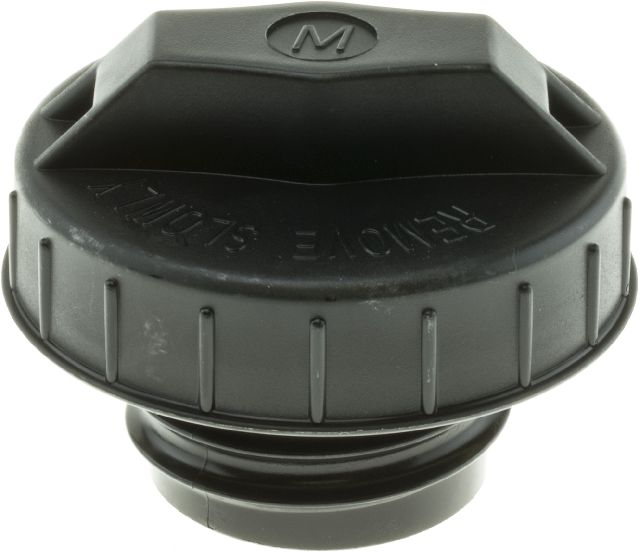
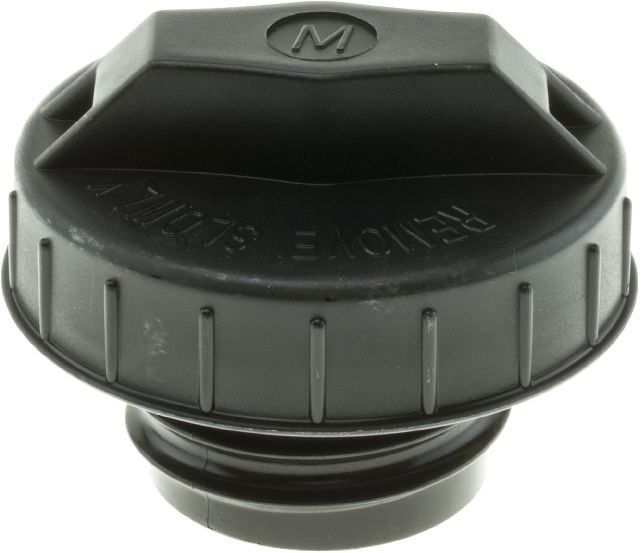
- Loose or Faulty Gas Cap 🔴 High Probability → Shop Fuel Tank Cap This is the most common cause for P0455 on any vehicle. The rubber O-ring on the cap can dry out, crack, or become hard over time, preventing a proper seal. Owners report having to fiddle with the cap to get it to click, which is a clear sign of a worn cap.
How to confirm: Inspect the gas cap for any visible cracks or damage to the seal. Ensure it is tightened until it clicks at least once. If the cap looks old or worn, replacement is a cheap and effective first step.
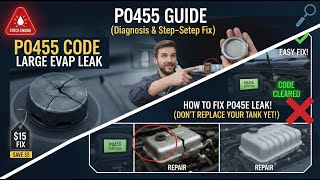
Typical fix: Tighten the cap or replace it with a new one. It is highly recommended to use an OEM (Original Equipment Manufacturer) gas cap 🎬 Watch: Complete fixing guide for Toyota P0455 error codes. from Toyota, as aftermarket caps can sometimes fail to seal properly, leading to a repeat code.
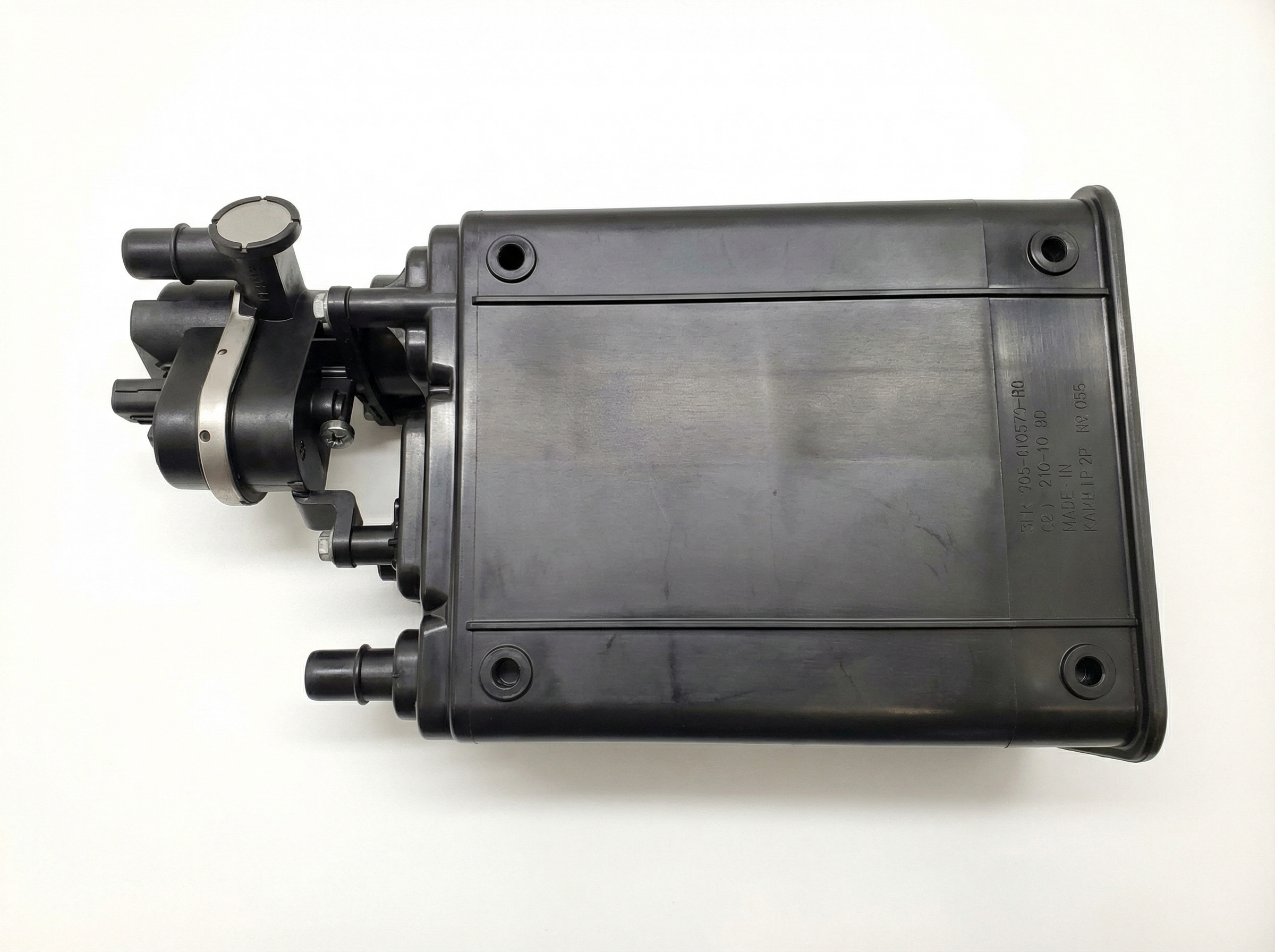
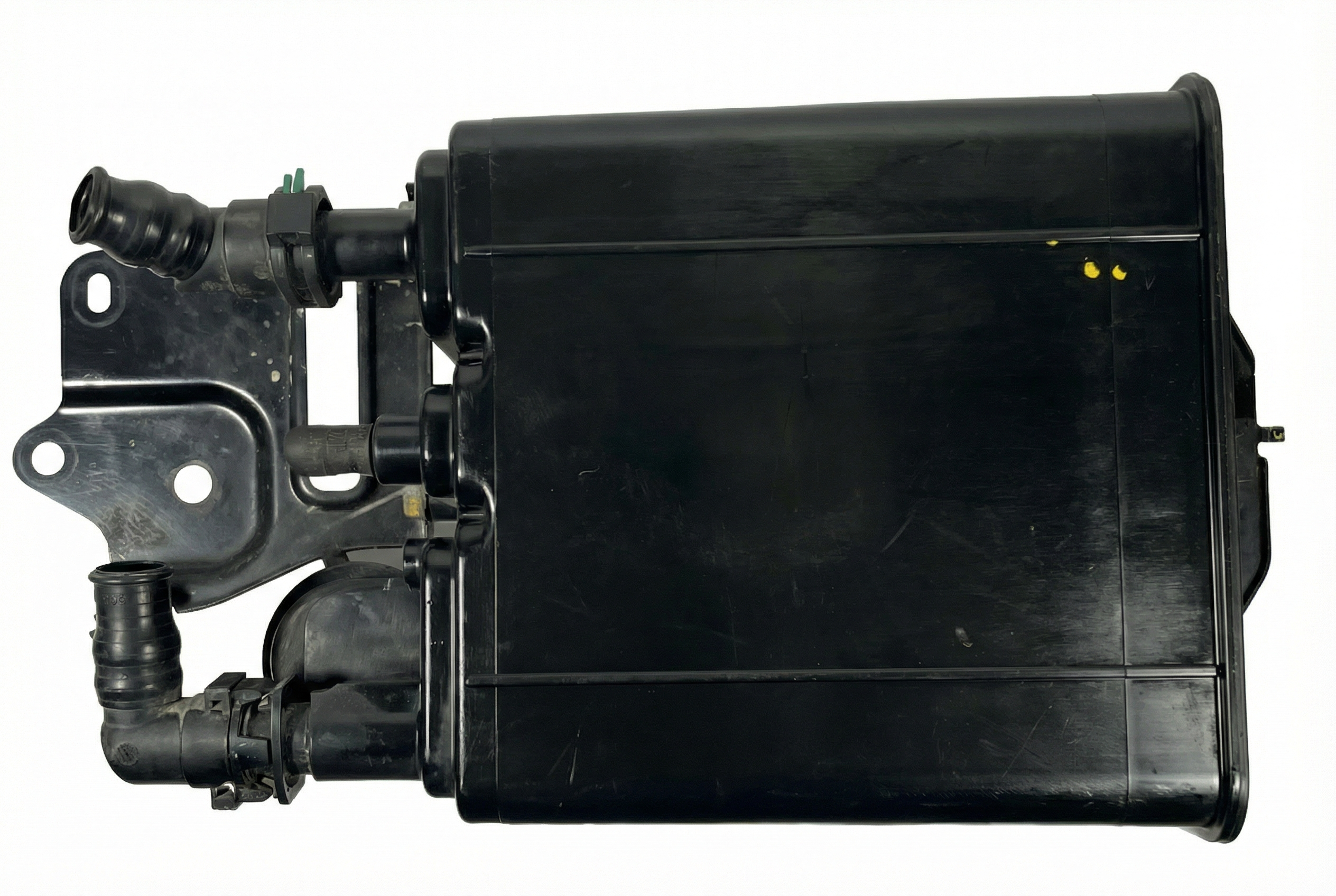
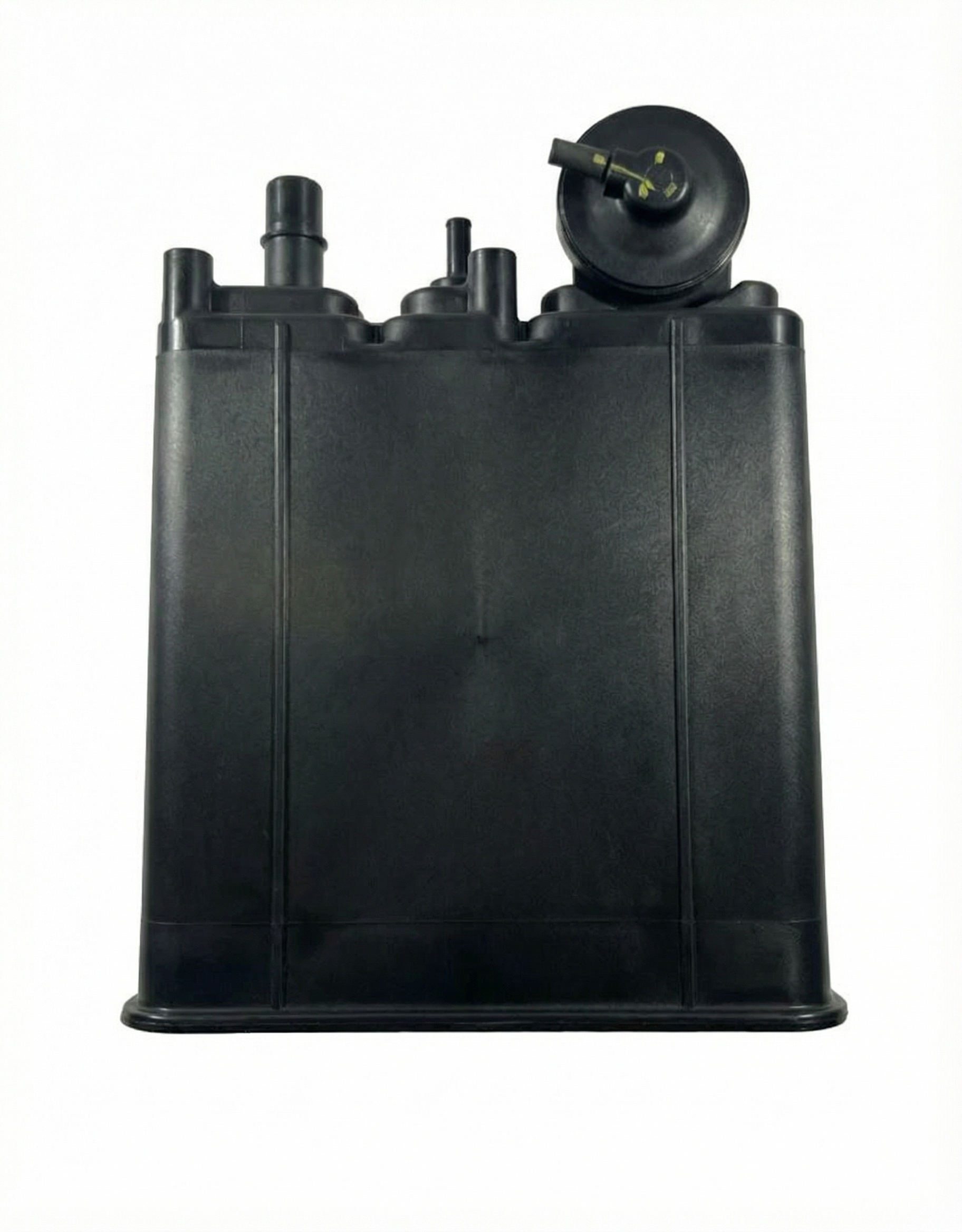
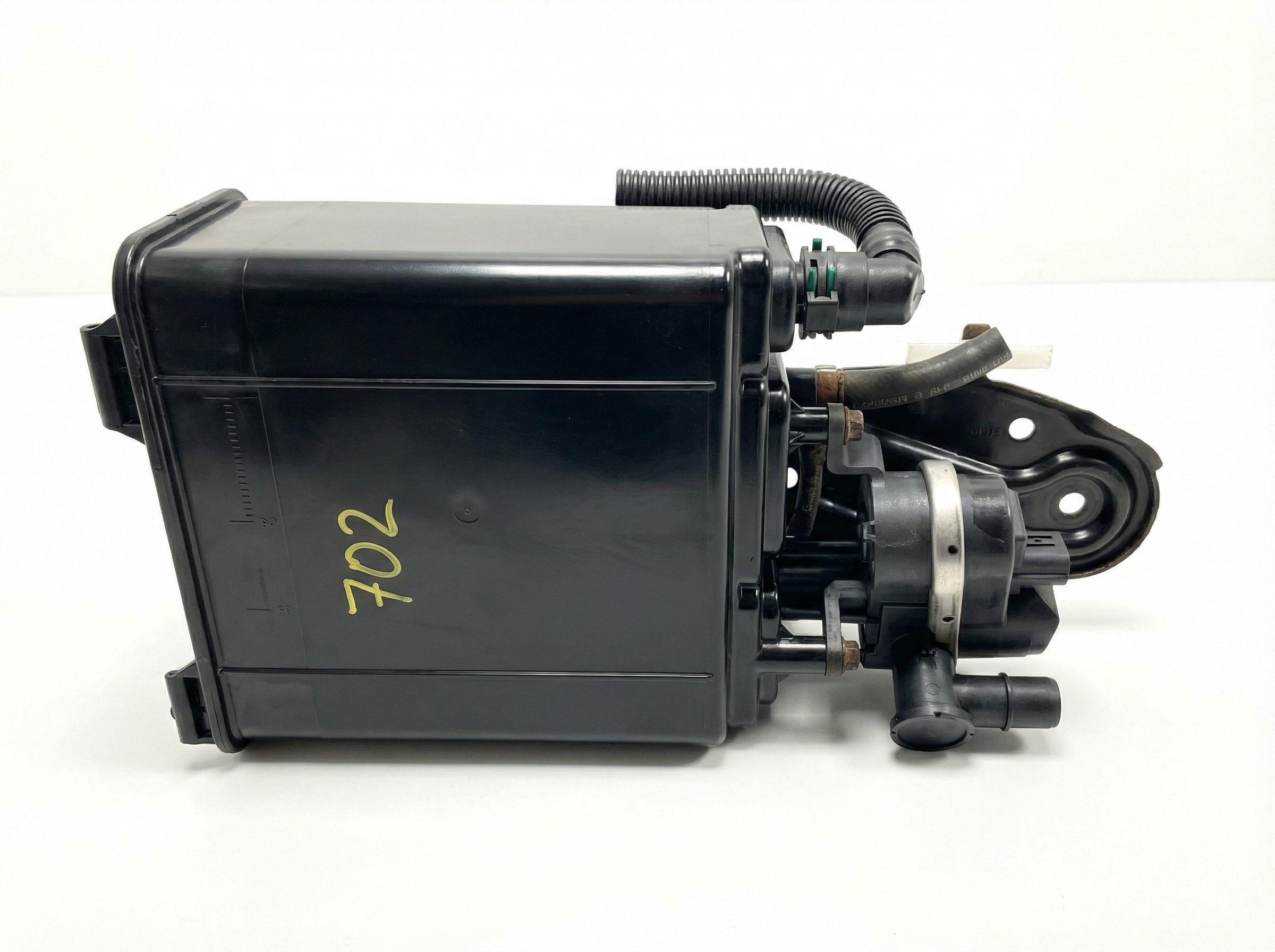
Est. part cost: $15-$40 - Cracked Charcoal Canister 🟡 Medium Probability → Shop Vapor Canister The canister on this Camry generation is located under the vehicle near the rear suspension, where it is exposed to road debris, moisture, and physical stress, making it prone to cracking. The plastic can become brittle with age. This is a widely documented failure point for this specific vehicle once the gas cap is ruled out.
How to confirm: Visually inspect the charcoal canister (a black plastic box located near the fuel tank) for any cracks or damage. A smoke test is the most definitive way to confirm a leak in the canister or its hoses.
Typical fix: Replace the entire charcoal canister assembly. 🎬 Watch: Step-by-step guide to replacing a leaking vapor canister. The part is a direct replacement, but accessing it may require lowering the rear subframe partially.
Est. part cost: $200-$350 - Faulty Purge Valve / Solenoid (VSV) ⚪ Low Probability → Shop Vapor Canister The purge valve, or Vapor Switching Valve (VSV) as Toyota calls it, can get stuck open, creating a constant vacuum leak that the system interprets as a large leak.
How to confirm: The purge valve is typically located in the engine bay. With the engine running, you can disconnect the vacuum hose from the valve; if you feel suction at idle, the valve is stuck open and needs replacement. A scan tool can also be used to command the valve open and closed to check for response.
Typical fix: Replace the purge valve/solenoid. This is generally an easy repair with simple hand tools.
Est. part cost: $40-$90 - Cracked or Disconnected EVAP Hoses ⚪ Low Probability Rubber hoses throughout the EVAP system can dry out, become brittle, and crack over time, especially in harsh climates. The connection points at the canister and purge valve are common failure points.
How to confirm: Visually inspect all accessible EVAP hoses in the engine bay and under the vehicle for cracks, splits, or loose connections. A smoke test is the most effective method for finding hard-to-see leaks.
Typical fix: Replace the damaged section of hose.
Est. part cost: $10-$50
Rare But Worth Checking
- Faulty Vent Valve / Canister Close Valve (CCV): → Shop Vapor Canister This valve is often integrated into the charcoal canister assembly for this model (part of 77740-06210). If it fails by sticking open, the entire canister assembly usually needs to be replaced.
- Damaged Fuel Filler Neck: → Shop Fuel Filler Neck Rust or physical damage can prevent the gas cap from sealing correctly, causing a large leak code. A visual inspection of the neck where the cap seals is recommended.
- Faulty Leak Detection Pump: → Shop Evaporative Emissions System Leak Detection Pump On some Toyota models, a leak detection pump is used to pressurize the system for testing. If this pump fails or its circuit has an issue, it can lead to EVAP codes. This can sometimes be purchased separately from the canister.
Technical Service Bulletins (TSBs) & Recalls
- Bulletin #T-SB-0086-16: While issued for other Toyota models, this bulletin highlights a common manufacturer issue where the fuel cap may exhibit a "No Click" and/or "No Spring Return" condition when seated. This bulletin notes that in some instances, the fuel filler neck may be out of position, leading to DTC P0455 and P0456.
Diagnosis Steps
- Read the code with an OBD-II scanner to confirm P0455 is the primary code. Note any other codes present.
- Inspect the gas cap. Ensure it is tightened properly (until it clicks). Remove it and check the rubber seal for cracks, stiffness, or damage. If in doubt, replace it with an OEM cap.
- Clear the code and drive for a few days to see if it returns. The EVAP monitor may take several drive cycles to run its self-test.
- If the code returns, perform a visual inspection of the EVAP system. Look under the rear of the car near the gas tank for the black plastic charcoal canister (part #77740-06210) and its connected hoses. Check for any obvious cracks or disconnected lines.
- Inspect the purge valve (VSV) in the engine bay. Check for cracked hoses connected to it and test its function if possible.
- If no visible damage is found, the most effective next step is a professional smoke test. A mechanic will inject smoke into the EVAP system, and the smoke will exit from the point of the leak, making it easy to identify. 🎬 See how to find an EVAP leak using a smoke tester. This is the most reliable way to find leaks in hoses, the canister, or the fuel tank.
- Using a capable scan tool, a technician can command the EVAP system to perform a self-test, which can help pinpoint the faulty component without waiting for the automatic test cycle.
Parts You'll Likely Need
- Gas Cap
(OEM #77300-06050)— This is the most frequent and cheapest fix. The seal wears out over time, preventing the system from holding pressure. Using an OEM part is critical for a proper seal.
Trusted brands: Toyota OE
OEM price range: $25-$40
Aftermarket price range: $15-$25 - Charcoal Canister
(OEM #77740-06210)— A common failure point on this specific Camry model due to cracking from age and exposure. It fits all 2007-2011 Camry models with 2.4L, 2.5L, and 3.5L engines. Often, the vent valve is integrated, requiring replacement of the whole assembly.
Trusted brands: Toyota OE, Dorman (e.g., 911-447)
OEM price range: $250-$350
Aftermarket price range: $150-$250 - Purge Valve (VSV)
(OEM #25860-0V040 (for 2.5L, check VIN for others))— Can get stuck open, causing a large, constant leak. It's located in the engine bay and is relatively easy to replace.
Trusted brands: Toyota OE, Denso, Dorman
OEM price range: $60-$90
Aftermarket price range: $30-$60
Related Codes That Often Appear With This One
- P0441 — Indicates incorrect purge flow, often pointing towards a faulty purge valve (VSV) which can also cause a P0455 if stuck open.
- P0456 — Indicates a 'small' EVAP leak. Sometimes a deteriorating system can present as a small leak before it worsens into a large one, or a failing component can be intermittent.
- P2401, P2402, P2419 — These codes are related to the EVAP leak detection pump circuit, which is part of the canister assembly. If you see these alongside P0455, it strongly points to a problem with the canister/pump module.
Platform-Specific Known Issues
- The charcoal canister (part #77740-06210) for the 2007-2011 Camry is a frequently replaced item for P0455 codes that are not resolved by a new gas cap. This part number fits all engine variants for this generation.
- Hoses connected directly to the canister assembly are prone to becoming brittle and cracking at the connection point. When replacing the canister, it is wise to inspect these hoses carefully.
- Some owners report the VSC/Trac light coming on simultaneously with the P0455 code. This appears to be a software quirk where certain engine faults will also disable the traction control system as a precaution. Resolving the EVAP leak will also turn off the VSC light.
Scan Tool Commands That Help
- Toyota Techstream: EVAP System Check (Automatic) — To command the ECM to perform a full, automated EVAP system self-test, which seals the system and checks for pressure decay without needing to complete a full drive cycle. This can confirm the presence of a leak.
- Toyota Techstream: Connect-the-CAN VSV (Purge VSV) — This bidirectional control allows a technician to manually command the purge valve open and closed to check for a response. A valve that doesn't click or respond is faulty. This is used to isolate a stuck-open or electrically failed purge valve.
- Toyota Techstream: Pump Module (Vent Valve & Pump) — Allows for individual control of the leak detection pump and the canister close valve (vent valve). This is critical for isolating a failure in the canister assembly, determining if the vent valve is stuck open or if the pump itself is non-functional, which can help differentiate between a canister leak and a component failure within the assembly.
Wiring & Ground Locations
- Purge Valve (VSV) Connector — In the engine bay, typically near the intake manifold. It is a 2-wire connector.. A poor connection, corrosion, or damaged wire at this connector can prevent the purge valve from closing, creating a large leak condition identical to a failed valve. The harness and connector should be inspected when diagnosing a P0455, especially if the valve itself tests good.
- E1 / E3 — E1 is located on the left side of the dash; E3 is on the right side of the dash.. These are major ground distribution points for various interior and dash-located ECUs. While not a primary cause, a poor ground at these locations can cause erratic behavior in modules that interpret sensor data, including the Main Body ECU which is involved in system diagnostics.
- S1 — Located behind the rear bumper.. This is a ground point for several rear components. The charcoal canister assembly with its integrated valves and pump is located in the rear of the vehicle, and a compromised ground at S1 could potentially affect the operation of the canister close valve or leak detection pump, leading to failed EVAP tests.
Real Owner Repair Stories
- YouTube channel 'Ah Duuu' (2012 Toyota Camry Hybrid (XV50, but diagnosis is analogous to XV40)) — Check Engine Light with codes P0455 and P0441 (Incorrect Purge Flow).
❌ Tried (didn't work) A smoke test of the EVAP system from the purge line back to the tank showed no leaks; the system held pressure perfectly.
✅ What actually fixed it The original purge valve (VSV) was tested with a power probe and was clicking, but it was audibly slow and weak compared to a new OEM part. The technician concluded the valve was not closing fast or forcefully enough, causing an 'incorrect purge flow' (P0441) and intermittently failing to seal, which the ECU interpreted as a large leak (P0455). Replacing the purge valve with a new OEM part resolved both codes. - YouTube channel 'DIY-Save' (2007-2011 generation Toyota Camry) — Check Engine Light with code P0455.
❌ Tried (didn't work) Initial inspection did not reveal obvious issues.
✅ What actually fixed it The owner replaced the original gas cap with a new OEM gas cap. After clearing the code and driving for a month, the code did not return, confirming the worn-out seal on the original cap was the cause of the large leak. - NHTSA ODI #11331260 — An owner reported the car was not performing properly and a scanner showed multiple codes including P0171, P0505, P117B, P0441, and P0455. The owner noted a lean fuel/air mixture and heard noises from the fuel pump indicating it may be failing.
- NHTSA ODI #11415574 — In a cross-manufacturer report, an owner replaced the leak detection pump and vapor canister purge solenoid to address codes P0441, P0455, P1604, P1605, and P0171, though these repairs did not initially resolve the issue.
- NHTSA ODI #10525700 — A Toyota owner reported a Check Engine Light with codes P0441 and P0455. The dealership resolved the issue by replacing the fuel tank cap assembly, the fuel pipe sub-assembly, and the vacuum valve assembly.
"I Checked Everything" — The Actual Cause
- In one documented case on a similar platform, a smoke test of the entire EVAP system passed with no leaks found. The root cause was determined to be a slow-to-respond purge valve (VSV). Although it would eventually close and allow the system to hold pressure for the smoke test, its weak/slow operation during the vehicle's self-test was flagged by the ECU, setting both P0441 and P0455 codes. The fix was replacing the purge valve despite the clean smoke test.
OEM Part Supersession History
77740-33180→77740-06210— This is a direct supersession for the charcoal canister assembly. The newer part number is the current replacement for the original.77404-33120→77404-06150— This is a supersession for the EVAP vent hose sub-assembly connected to the canister.
Model Year Variations Within This Range
- 2010-2011: For the 2010 model year, Toyota introduced a new 2.5-liter 2AR-FE four-cylinder engine paired with a 6-speed automatic transmission, replacing the previous 2.4-liter 2AZ-FE with a 5-speed automatic. While the primary EVAP components like the charcoal canister (77740-06210) remained the same, some engine-bay components like the purge valve (VSV) and its associated hoses may have different part numbers or locations. For example, the purge valve for the 2.5L is listed as 25860-0V040.
Diagnostic Flowchart
Real Owner Stories
Aggregated from forums and TSBs cited above. Mileages and costs reflect what owners reported in those sources.
2007 Camry LE, 4cyl, 5-speed
Symptoms: Check engine light illuminated with codes PO171, PO441, and PO455 after an oil and air filter change. Initially, the car had a rough time starting and holding an idle for the first minute after filling the gas tank, but that symptom later disappeared.
What fixed it: The user did not report a final fix in the thread. A moderator suggested checking the gas cap and looking for a vacuum line that could have been accidentally pulled off during the oil change.
Source hint: camryforums.com - PO171, PO441, and PO455 after some simple service
2010 Toyota Camry
Symptoms: Check Engine Light came on with codes P0441 and P0455. The owner immediately checked the gas cap and found it was very loose.
What fixed it: Tightening the loose gas cap and having a friend erase the codes with a scanner.
Source hint: Reddit r/MechanicAdvice
Related OBD-II Codes
Frequently Asked Questions
Why did the VSC/Trac light come on at the same time as the P0455 code on my 2007-2011 Camry?
What is the correct charcoal canister part number for the 2007-2011 Camry?
Should I buy an aftermarket gas cap to fix the P0455 code on my Camry?
Where is the charcoal canister located on my 2007-2011 Camry?
Can a P0455 code cause my Camry to have trouble starting after getting gas?
Helpful Videos
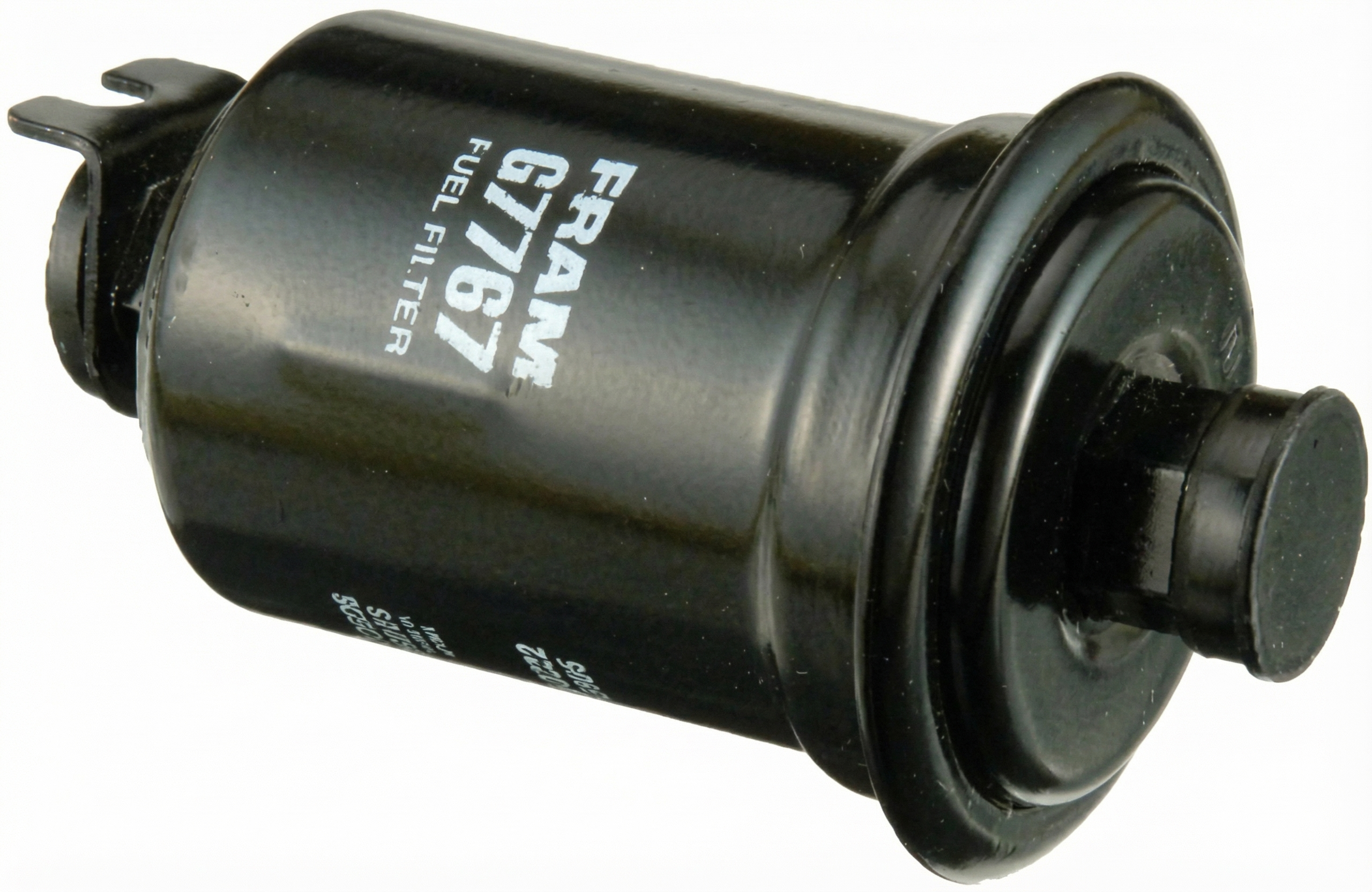
Used OEM Parts in Stock
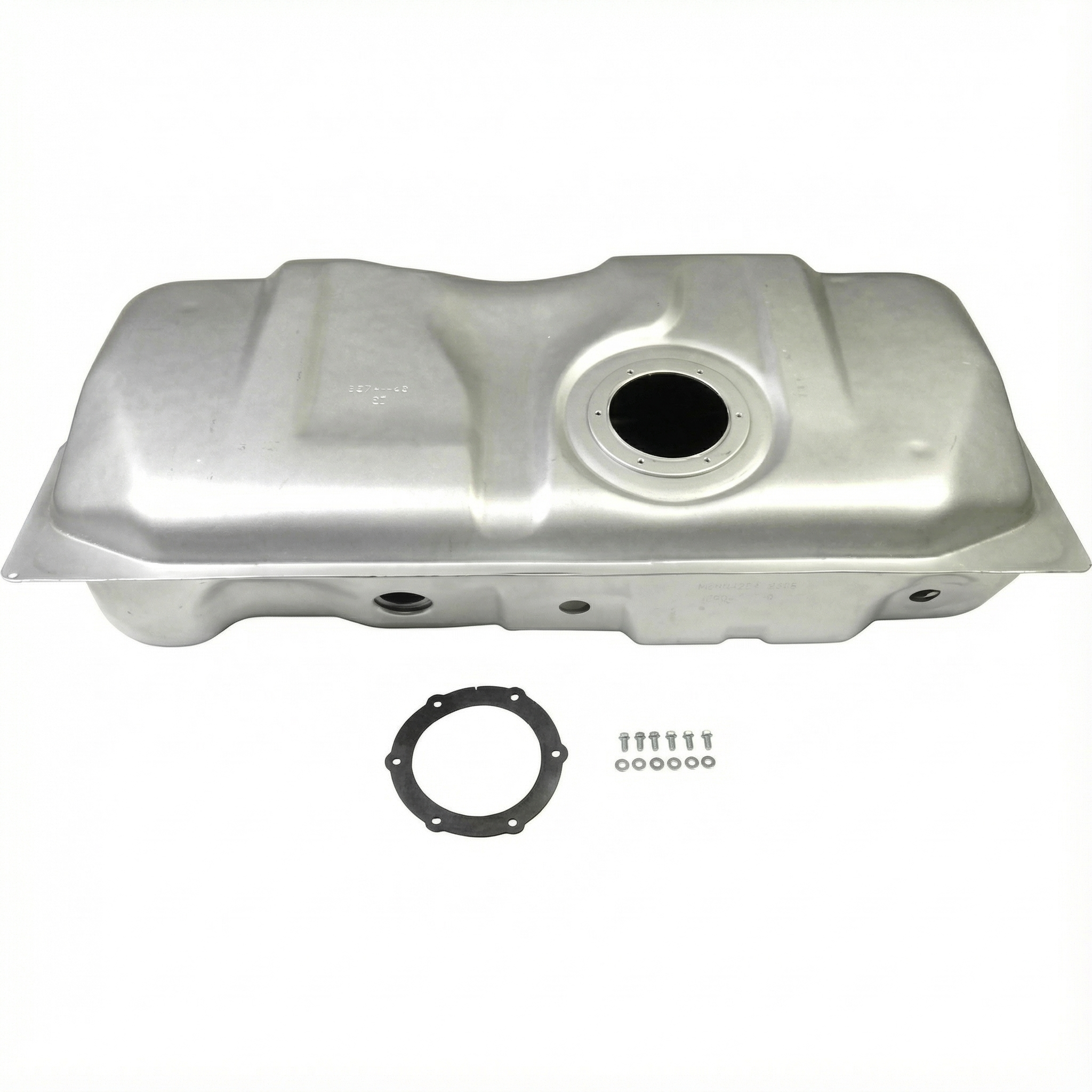
New Aftermarket Parts Available


The information in this article is provided for general reference and educational purposes only. Vehicle specifications, procedures, and part compatibility can vary by production date, trim level, and region. Always consult your vehicle's factory service manual and verify part numbers before purchasing or performing repairs. Safety-critical components such as airbags, seat belts, and braking systems should be installed by a qualified professional.
- Toyota Camry:
- 🧭 Diagnostic Flowchart
- 🎬 Helpful Videos
- 🛍️ Shop This Part
- What's Unique About the 2007-2011 Toyota Camry
- Symptoms You May Notice
- Most Likely Causes
- Rare But Worth Checking
- Technical Service Bulletins (TSBs) & Recalls
- Diagnosis Steps
- Parts You'll Likely Need
- Related Codes That Often Appear With This One
- Platform-Specific Known Issues
- Scan Tool Commands That Help
- Wiring & Ground Locations
- Real Owner Repair Stories
- "I Checked Everything" — The Actual Cause
- OEM Part Supersession History
- Model Year Variations Within This Range
- Real Owner Stories
- 2007 Camry LE, 4cyl, 5-speed
- 2010 Toyota Camry
- Related OBD-II Codes
- Frequently Asked Questions
- 🎟️ Get 5% Off