

P0455 on 2014-2019 Toyota Highlander: EVAP Large Leak Causes and Fixes
On a 2014-2019 Toyota Highlander, the P0455 code is most often caused by a loose or worn-out gas cap. Before buying parts, tighten the cap and check its seal. A new OEM gas cap is an inexpensive first step, costing around $25-$40. If that doesn't fix it, the next most likely culprit is the purge valve solenoid on the engine, a common failure item on this platform.
- Always check your gas cap first for code P0455. Make sure it's tight and the seal is not cracked. This simple check solves the problem a majority of the time.
- If the gas cap is fine, the purge valve on top of the engine is the next most likely culprit and is a DIY-friendly replacement.
- Do not 'top off' your fuel tank. Consistently adding fuel after the nozzle clicks off can saturate and ruin the expensive charcoal canister.
- While you can drive with this code, you will not pass an emissions test, so it's best to address it promptly.
- If the leak isn't obvious, a professional smoke test is the fastest and most accurate way to find the source of the problem.
What's Unique About the 2014-2019 Toyota Highlander
For the third-generation Highlander (2014-2019), which uses the 3.5L 2GR-FE (2014-2016) and 2GR-FKS (2017-2019) V6 engines, the P0455 code follows a familiar pattern seen across many Toyota models, with the gas cap and purge valve being primary suspects. The purge valve, in particular, is a known failure point. A key advantage for DIY repair is its location: it's conveniently situated on top of the engine, making inspection and replacement far more accessible than on vehicles where components are buried deep in the engine bay.
Symptoms You May Notice
- Check Engine Light is on
- A noticeable smell of fuel, especially near the gas cap area or after refueling
- Slight decrease in fuel economy
- Difficulty starting the engine immediately after refueling (often points to a faulty purge valve)
- Rough idle (can be caused by a stuck-open purge valve)
- Replacing the charcoal canister when the actual problem is a small, inexpensive cracked hose nearby.
- Replacing other fuel system components before checking if the gas cap is tight and its seal is intact.
- Using a cheap aftermarket gas cap, which fails to seal properly and continues to trigger the code, leading to unnecessary further diagnosis.
Most Likely Causes
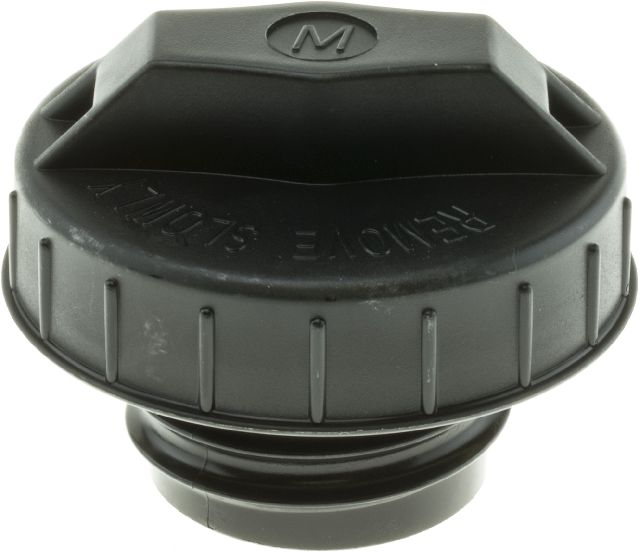
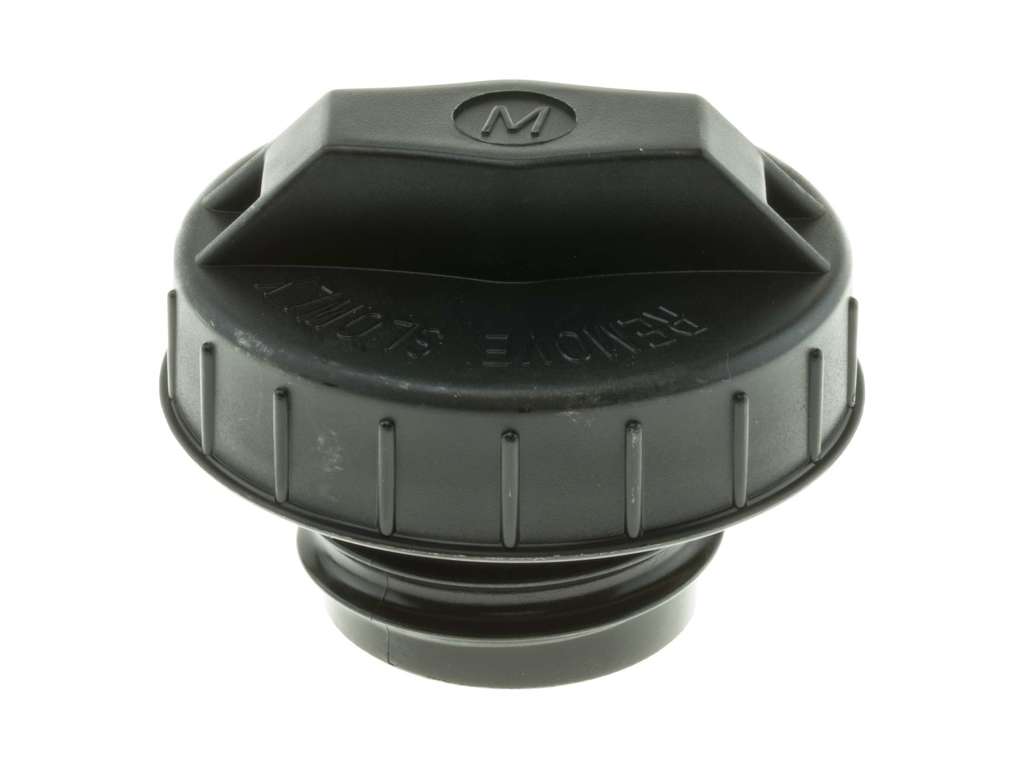
- Loose, Damaged, or Incorrect Gas Cap 🔴 High Probability → Shop Fuel Tank Cap This is the most common cause for P0455 on virtually all modern vehicles, including the Highlander. The rubber O-ring on the cap can crack and dry out over time, preventing a proper seal.
How to confirm: Ensure the cap is tightened until it clicks at least once. Remove the cap and inspect the rubber seal for any cracks, stiffness, or damage. It is highly recommended to use a genuine OEM cap, as many aftermarket caps (even from reputable brands like Stant) are known to cause EVAP codes on Toyotas.
Typical fix: Tighten the cap. If the seal is bad or you're using an aftermarket cap, replace it with a genuine Toyota gas cap.
Est. part cost: $25-$40 (OEM) - Faulty Vapor Canister Purge Valve (Solenoid) 🟡 Medium Probability → Shop Vapor Canister The purge valve is a common failure point on this platform. It can get stuck open, creating a constant vacuum leak that the system interprets as a large leak.
How to confirm: The purge valve is located on top of the engine. With the engine off, you can remove the valve and try to blow through it; if air passes through, it is stuck open and faulty. A stuck-open valve is a very strong suspect if you also experience a rough idle or difficulty starting after getting gas. 🎬 Watch: How a bad purge valve causes these specific symptoms.
Typical fix: Replace the purge valve solenoid. It is typically held on by one screw and has two hoses and one electrical connector, making it a 15-minute DIY job for many. 🎬 See this step-by-step walkthrough for replacing the purge valve.
Est. part cost: $50-$150 - Cracked or Disconnected EVAP Hoses ⚪ Low Probability Rubber hoses become brittle with age and exposure to engine heat. Hoses connected to the purge valve in the engine bay or the charcoal canister under the vehicle are susceptible to cracking.
How to confirm: Visually inspect all accessible EVAP lines for obvious cracks, splits, or loose connections. Pay close attention to the hoses around the purge valve and the charcoal canister assembly near the fuel tank. A professional smoke test is the most reliable way to find a hard-to-see leak.
Typical fix: Replace the cracked section of hose.
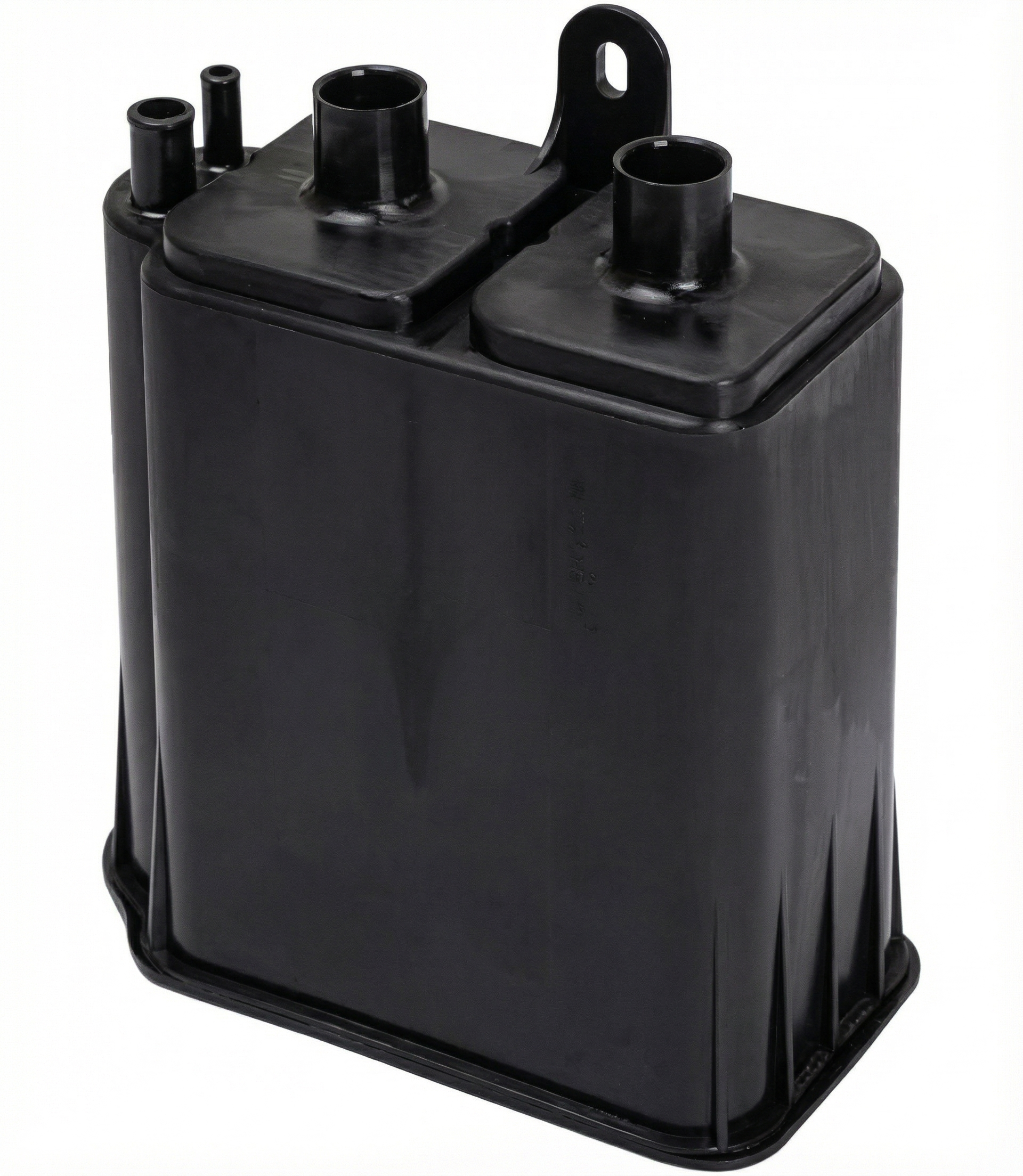
Est. part cost: $10-$50 - Cracked Charcoal Canister ⚪ Low Probability → Shop Vapor Canister The plastic canister, located near the fuel tank, can be damaged by road debris or develop cracks from age. Habitually 'topping off' the fuel tank after the pump clicks off can also flood the canister with liquid fuel, damaging the charcoal media and potentially the canister itself.
How to confirm: Visually inspect the canister for any physical cracks or damage. A smoke test is the definitive way to confirm a leak in the canister body.
Typical fix: Replace the entire charcoal canister assembly.
Est. part cost: $300-$800
Rare But Worth Checking
- Leaking Fuel Filler Neck: → Shop Fuel Filler Neck The metal pipe leading to the gas tank can develop rust and pinhole leaks over time, especially in regions that use road salt. A smoke test is the best way to identify this issue, as smoke will be seen escaping from the filler neck area. Manufacturer TSB Bulletin #T-SB-0086-16 notes that in some vehicles, the fuel filler neck may be out of position, leading to a "No Click" or "No Spring Return" condition from the fuel cap and triggering P0455.
- Faulty EVAP Vent Valve/Solenoid: → Shop Vapor Canister This valve is typically located on or near the charcoal canister. If it gets stuck open, it will prevent the system from sealing for its pressure test, causing a P0455 code.
Diagnosis Steps
- Check the Gas Cap: This is the number one cause. Ensure it is tight by turning it until it clicks multiple times. Remove it and inspect the rubber O-ring for cracks or damage. If you have an aftermarket cap, replace it with a genuine Toyota part before proceeding.
- Visual Inspection: Look over the EVAP hoses in the engine bay, especially those connected to the purge valve on top of the engine. Also, inspect the hoses around the charcoal canister near the fuel tank for any obvious cracks or disconnections.
- Consider the Purge Valve: Given its commonality on this model, if you experience rough idle or trouble starting after refueling, the purge valve is a strong suspect. Test it by removing it and attempting to blow through it; no air should pass.
- Perform a Smoke Test: If the leak isn't obvious, the most effective diagnostic step is to have a mechanic perform a smoke test. This involves feeding low-pressure smoke into the EVAP system and watching where it escapes, pinpointing the exact location of the leak. 🎬 Watch: How to use a smoke machine to find leaks.
- Scan for Other Codes: Check for other related codes like P0441 or P0456, which can help narrow down the problem to a specific component like the purge or vent valve.
Parts You'll Likely Need
- Fuel Tank Cap
(OEM #77300-06040)— This is the most frequent and cheapest fix for a P0455 code. The seal fails over time. Using an OEM cap is highly recommended as aftermarket versions are notorious for having sealing issues on Toyota vehicles.
Trusted brands: Toyota Genuine
OEM price range: $25-$40
Aftermarket price range: $15-$30 - Vapor Canister Purge Valve / Solenoid
(OEM #90910-12276)— A common failure item on this platform that gets stuck open, causing a large leak code and often running issues like rough idle or hard starts after fueling.
Trusted brands: Toyota Genuine, Denso, Aisin
OEM price range: $90-$150
Aftermarket price range: $40-$80 - Charcoal Canister Assembly — Replaced if it is cracked from road debris or saturated with fuel from repeatedly overfilling the gas tank. This is a less common but expensive cause.
Trusted brands: Toyota Genuine
OEM price range: $400-$800
Aftermarket price range: $250-$500
Related Codes That Often Appear With This One
- P0441 — Indicates 'Incorrect Purge Flow'. A faulty purge valve can cause both a large leak (P0455) and incorrect flow, so these codes often appear together and strongly point to a bad purge valve.
- P0456 — Indicates a 'Small EVAP Leak'. Sometimes a problem can be intermittent or on the borderline between a small and large leak, causing both codes to be stored. It can also appear with P0441.
Platform-Specific Known Issues
- A recall was issued for the fuel pump on 2017-2019 Highlanders. While this recall (for potential stalling) does not directly cause the P0455 code, it is a significant issue related to the vehicle's fuel system.
- According to TSB Bulletin #T-SB-0086-16, some Toyota models may exhibit a "No Click" or "No Spring Return" condition from the fuel cap when fully seated, which can trigger P0455 and P0456 codes.
Mechanic-Grade Diagnostic Values
- Vapor Canister Purge Valve / Vent Valve Solenoid Coil Resistance — expected: 20 - 50 Ohms. Failure: A reading of infinity (open circuit) or zero (short circuit) indicates a failed solenoid coil.
Scan Tool Commands That Help
- Toyota Techstream: Evaporative System Check — This utility allows a technician to manually command the EVAP system to run its self-test. You can close the canister vent valve and command the purge valve to pull the system into a vacuum, then monitor the fuel tank pressure sensor data to watch for vacuum decay. This is the factory method for confirming a leak exists and verifying a repair without waiting for the monitor to run on its own.
- Toyota Techstream: VSV for Evap & VSV for CCV Control — Techstream allows for bidirectional control of individual solenoids. You can command the purge valve ('VSV for Evap') and vent valve ('VSV for CCV') to open or close while monitoring system pressure or performing a smoke test. This helps isolate a faulty, non-responsive solenoid.
Real Owner Repair Stories
- YouTube video 'How to Use a Smoke Machine to Find Evap Leaks P0442 P0455 Toyota Highlander' (2006 Toyota Highlander (demonstrates a common issue applicable to the 2014-2019 generation)) — Multiple EVAP codes including P0455.
❌ Tried (didn't work) Replacing the gas cap. Even with a new cap, the smoke test still showed a leak in the same area.
✅ What actually fixed it A smoke test revealed pinhole rust leaks in the fuel filler neck, hidden from view by the wheel well liner. The entire fuel filler neck assembly had to be replaced to fix the leak. - An owner reported in NHTSA ODI #11415574 that replacing the leak detection pump and vapor canister purge solenoid did not resolve their P0455 and P0441 codes, suggesting a deeper system fault.
- NHTSA ODI #10525700 describes a repair where a dealership replaced the fuel tank cap assembly, fuel filler pipe sub-assembly, and vacuum valve assembly to resolve P0441 and P0455 codes.
"I Checked Everything" — The Actual Cause
- In cases where a smoke test shows no leaks, the cause is often not a physical hole but an electronic or intermittent component failure. A common scenario is a purge valve solenoid that is not fully stuck open but fails to seal correctly only under specific vacuum conditions, or a vent valve that intermittently fails to close when commanded by the ECU during the test cycle. These issues won't show up as a visible smoke leak but will still cause the system to fail its pressure/vacuum test.
OEM Part Supersession History
90910-12276→90910-TC001— Standard part revision and consolidation by Toyota.
Heads up: The new part number 90910-TC001 is the direct replacement for 90910-12276 and is fully compatible.
Model Year Variations Within This Range
- 2017-2019: The 2017 model year introduced a major refresh, including the new 3.5L 2GR-FKS direct-injection V6 engine, replacing the 2014-2016 2GR-FE. This was paired with a new 8-speed automatic transmission instead of the previous 6-speed. While the fundamental EVAP system components and common P0455 causes remain the same, some part numbers and specific engine bay hose routings may differ slightly.
Documented NHTSA Reports
- NHTSA ODI #11331260 describes a situation where a vehicle exhibited P0455 and P0441 codes alongside a lean fuel/air mixture (P0171) and a noisy fuel pump, indicating the car was not performing properly.
Diagnostic Flowchart
Other Known Issues on This Vehicle
Issues unrelated to this code that are worth knowing about as an owner of this generation:
- 8-Speed Transmission Hesitation and Shudder 🟠 Medium — Common on 2017-2019 models with the 8-speed automatic. Owners report hesitation, rough/delayed shifting, and a shudder or vibration, often between 40-55 mph. (Ref: While no specific recall exists, Toyota has issued software updates to improve shift logic. Some owners report success with a transmission fluid flush or using an anti-shudder additive.)
- Entune Infotainment System Glitches 🟡 Low — Widespread on 2014-2019 models. Symptoms include the system randomly rebooting, the screen freezing, Bluetooth connectivity dropping, and GPS errors. (Ref: Toyota issued TSB SB0035-16 for 2014-2015 models and TSB B004522Rev1 for later models, authorizing dealers to perform a software update to fix these glitches.)
- Sunroof/Moonroof Water Leaks 🟠 Medium — Affects models equipped with a sunroof. The front drain tubes can become clogged or, more commonly, the drain hose terminates inside a body cavity that can fill with debris and overflow into the cabin, soaking the floorboards and headliner.
- Timing Cover Oil Leak 🔴 High — A notorious issue on the 2GR V6 engines. The sealant on the front timing cover can fail, leading to a significant oil leak. This is a very expensive repair as the engine often needs to be removed from the vehicle to access and reseal the cover.
Used vs. New Parts: Buying Guide for This Vehicle
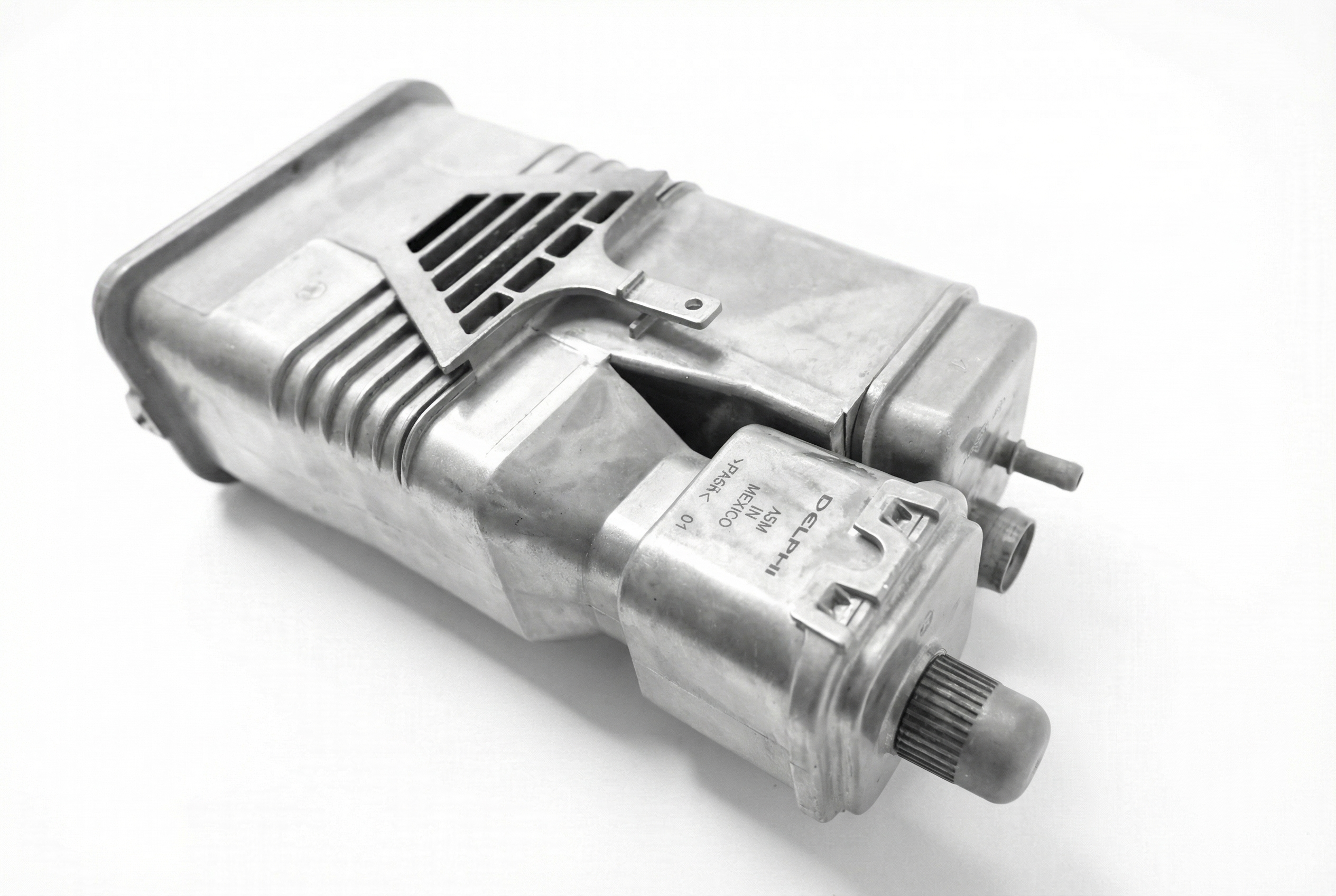
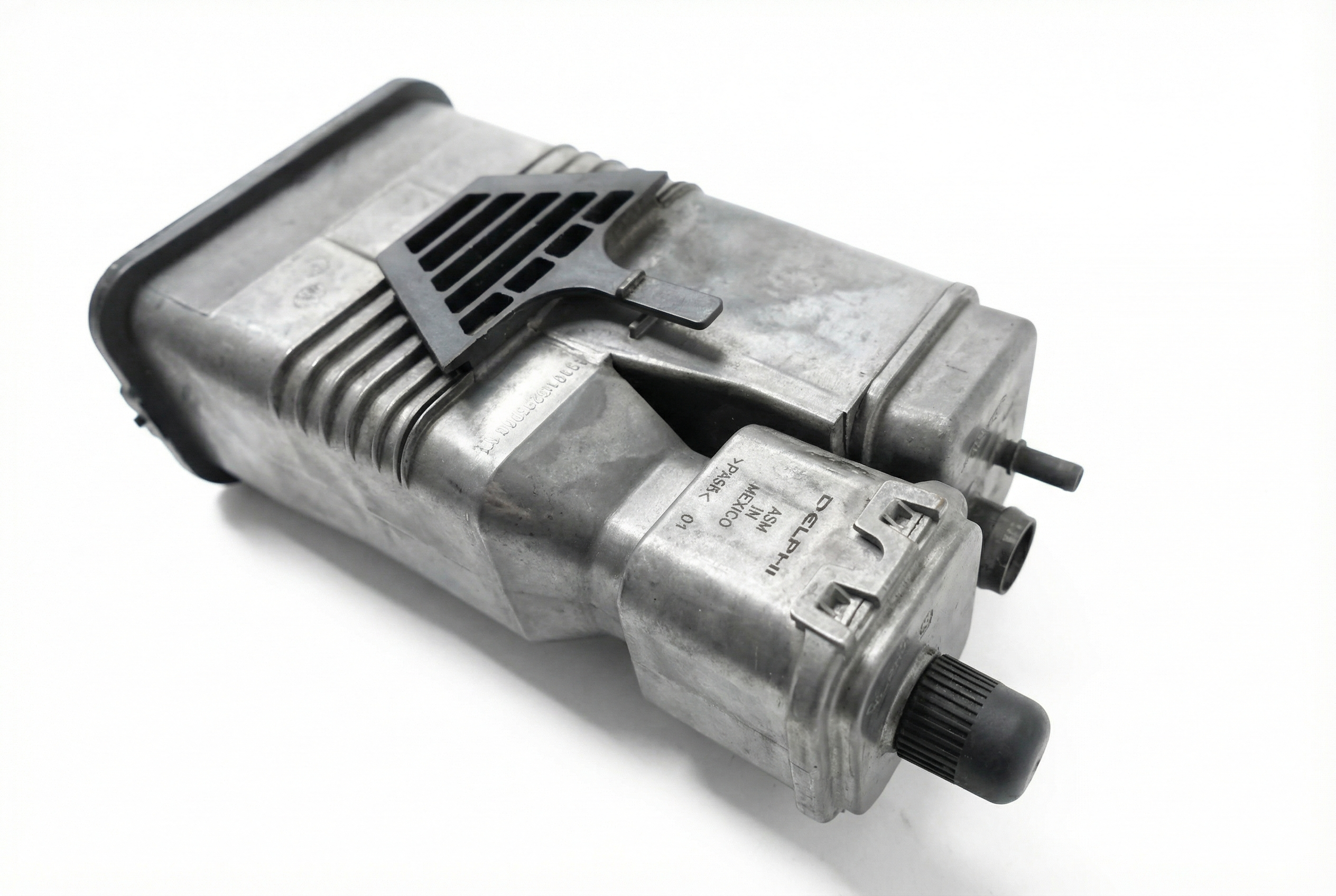
When a used part is the smart pick: For expensive, non-wear components like the charcoal canister assembly, a used part from a low-mileage, newer model year donor vehicle can be a cost-effective option, especially if the failure is due to physical damage (cracks) rather than internal saturation.
Donor-vehicle mileage cap: roughly under 75000 miles for the part to have meaningful remaining life.
What to inspect on the donor part:
- Visually inspect the used canister for any cracks, broken hose nipples, or signs of physical impact.
- Ask the seller if the donor vehicle had any EVAP-related trouble codes.
- Avoid parts from vehicles in the rust belt if possible, as associated valves and lines may have corrosion issues.
OEM-only on this vehicle (don't cheap out):
- Fuel Cap: Aftermarket gas caps are notoriously problematic on Toyota vehicles and are a frequent cause of recurring EVAP codes even when new. Always use a genuine OEM Toyota cap.
- Purge and Vent Solenoids: While some aftermarket brands like Denso (often the OEM supplier) or Aisin are reliable, cheap, unbranded electronic solenoids have a high failure rate. Given the relatively low cost of the OEM part and the labor to re-diagnose, OEM is the safest bet.
Aftermarket brands forum-validated for this vehicle:
- Denso (for purge/vent valves)
- Aisin (for purge/vent valves)
Brands owners have reported issues with on this vehicle:
- Unbranded or 'white-box' electronic solenoids from online marketplaces.
- Aftermarket gas caps (Stant has been specifically mentioned by owners as causing issues on this platform).
Real Owner Stories
Aggregated from forums and TSBs cited above. Mileages and costs reflect what owners reported in those sources.
2011 Toyota Highlander
Symptoms: Vehicle pulling codes P0441 and P0455; owner was unsure if the gas cap was the correct starting point.
What fixed it: The context suggests starting with the gas cap as it is the most common cause for these codes on the Highlander platform.
Source hint: ToyotaHighlander subreddit - r/ToyotaHighlander/comments/1boc1j9/2011_toyota_highlander_pulling_p0441_and_p0455/
2012 Toyota Highlander
Symptoms: Check engine light with codes P0441, P0455, and P0456 (small, large, and incorrect flow).
What fixed it: Commenters suggested the gas cap as the first check for this combination of EVAP codes.
Source hint: Toyota subreddit - r/Toyota/comments/18kiz5d/check_engine_light_codes_p0441_p0455_p0456_on/
Toyota Highlander
Symptoms: Owner installed a brand new aftermarket Stant gas cap which immediately threw an EVAP code.
What fixed it: The issue was resolved by switching to a genuine OEM Toyota gas cap.
Source hint: Car Talk Community - community.cartalk.com/t/aftermarket-gas-cap/141010
2017 Toyota Highlander
Symptoms: Hard starting after refueling.
What fixed it: Replacement of the Vapor Canister Purge Valve, which is noted as a 15-minute job.
Source hint: YouTube - How to Replace Canister Purge Valve on 2017 Toyota Highlander
Related OBD-II Codes
Frequently Asked Questions
Can I use an aftermarket gas cap like a Stant on my 2014-2019 Highlander to fix P0455?
My 2017 Highlander is hard to start after I fill up the tank. Is this related to P0455?
Is there a recall for the 2017-2019 Highlander that causes the P0455 code?
Where is the purge valve located on the 2014-2019 Highlander for a DIY fix?
Does 'topping off' my gas tank affect the EVAP system on this vehicle?
Are there any TSBs for the infotainment system or transmission that I should check while fixing my EVAP code?
Helpful Videos
Used OEM Parts in Stock
New Aftermarket Parts Available


The information in this article is provided for general reference and educational purposes only. Vehicle specifications, procedures, and part compatibility can vary by production date, trim level, and region. Always consult your vehicle's factory service manual and verify part numbers before purchasing or performing repairs. Safety-critical components such as airbags, seat belts, and braking systems should be installed by a qualified professional.
- Toyota Highlander:
- 🧭 Diagnostic Flowchart
- 🎬 Helpful Videos
- 🛍️ Shop This Part
- What's Unique About the 2014-2019 Toyota Highlander
- Symptoms You May Notice
- Most Likely Causes
- Rare But Worth Checking
- Diagnosis Steps
- Parts You'll Likely Need
- Related Codes That Often Appear With This One
- Platform-Specific Known Issues
- Mechanic-Grade Diagnostic Values
- Scan Tool Commands That Help
- Real Owner Repair Stories
- "I Checked Everything" — The Actual Cause
- OEM Part Supersession History
- Model Year Variations Within This Range
- Documented NHTSA Reports
- Other Known Issues on This Vehicle
- Used vs. New Parts: Buying Guide for This Vehicle
- Real Owner Stories
- 2011 Toyota Highlander
- 2012 Toyota Highlander
- Toyota Highlander
- 2017 Toyota Highlander
- Related OBD-II Codes
- Frequently Asked Questions
- 🎟️ Get 5% Off