

P0455 on 2010-2015 Toyota Prius: EVAP Large Leak Causes and Fixes
On a 2010-2015 Prius, code P0455 almost always points to a loose or faulty gas cap. Before any repairs, tighten the cap until it clicks at least once. If that doesn't work, a new OEM gas cap is the next cheapest step, costing around $25-$40. Using a non-OEM cap is a common reason for repeat codes.
- Always check that your gas cap is tightened until it clicks before assuming a larger problem exists.
- If a new gas cap doesn't fix the issue, a professional smoke test is the most efficient way to find the leak.
- The code does not affect vehicle safety or performance, but it will cause an automatic failure on an emissions test.
- Using a genuine OEM Toyota gas cap is highly recommended, as aftermarket caps may not seal properly.
- The problem can sometimes be more complex than a single part, potentially involving both hoses and the charcoal canister assembly.
What's Unique About the 2010-2015 Toyota Prius
The third-generation Prius (2010-2015) uses a flexible bladder-style fuel tank, which adds some complexity to the EVAP system compared to a traditional rigid tank. While the most common cause is still a simple gas cap issue, diagnosing further can be complex. Problems can sometimes involve multiple components, such as cracked hoses integrated into the fuel tank assembly and a failed leak detection pump located within the charcoal canister, making a simple parts swap ineffective without proper testing. In some documented cases, damaged hoses near the tank required replacing the entire fuel tank assembly to resolve the leak.
Symptoms You May Notice
- Check Engine Light is on
- A faint smell of gasoline, sometimes more noticeable after refueling or near the rear of the car.
- Vehicle will fail a smog or emissions test.
- Slightly reduced fuel economy in some cases.
- Replacing the charcoal canister or purge valve without performing a smoke test. The gas cap is the most likely culprit, and if it's not, a smoke test is the fastest way to accurately locate the leak, saving time and money on unnecessary parts.
Most Likely Causes
- Loose, Incorrect, or Worn Gas Cap 🔴 High Probability → Shop Fuel Tank Cap This is the most frequent cause for P0455 on all vehicles, often due to user error (not tightening enough) or a worn-out rubber seal on the cap.
How to confirm: Ensure the gas cap is tightened until it clicks at least once. Inspect the rubber O-ring on the cap for cracks, stiffness, or damage. An aftermarket cap may not seal correctly; using a genuine Toyota cap is highly recommended by owners on forums to prevent persistent issues.
Typical fix: Tighten the cap correctly. If the seal is bad or the cap is incorrect, replace it with a new OEM part. Manufacturer service bulletin T-SB-0086-16 notes that a "No Click" or "No Spring Return" condition from the fuel cap can lead to P0455.
Est. part cost: $25-$40 - Faulty Purge Valve (Vacuum Switching Valve) 🟡 Medium Probability → Shop Vapor Canister This solenoid valve, located in the engine bay, can get stuck open over time, creating a constant vacuum leak that the ECM interprets as a large system leak. This can also lead to other codes like P0171 (System Too Lean) as unmetered air enters the intake.
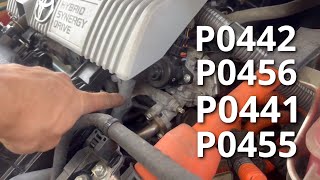
How to confirm: The valve is located under the air filter box. 🎬 See this video to quickly locate the purge valve. When removed from the vehicle, you should not be able to blow air through it (it is normally closed). A professional can use a scan tool to command the valve to open and close while observing system pressure.
Typical fix: Replace the purge valve assembly.
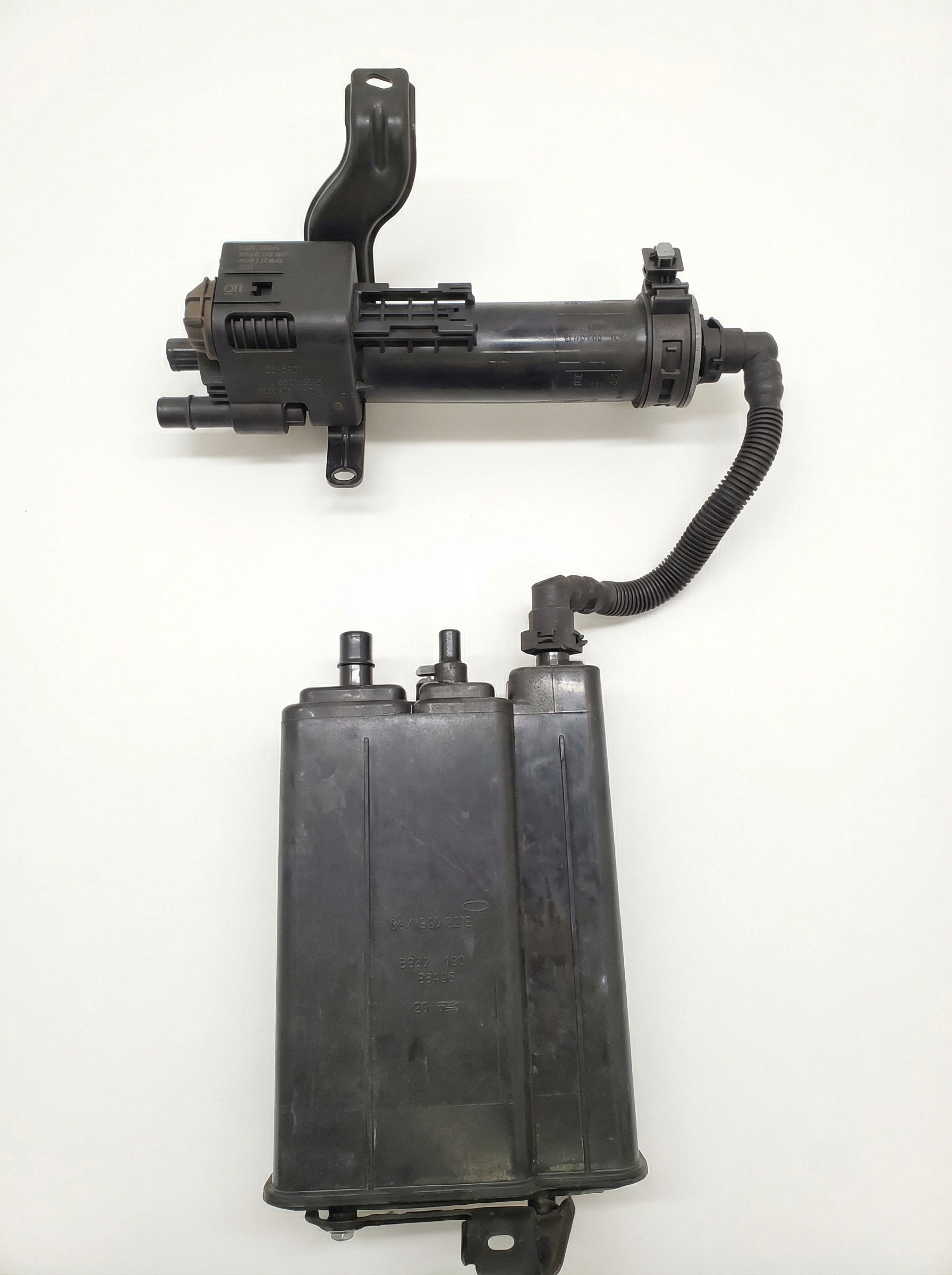
Est. part cost: $90-$140 - Cracked or Damaged Charcoal Canister Assembly ⚪ Low Probability → Shop Vapor Canister The canister is a plastic housing located at the rear of the car, making it susceptible to cracks from road debris impact or age-related brittleness. The assembly also contains the leak detection pump, which can fail internally. Toyota issued TSB T-SB-0130-12 for some models which pointed to a faulty canister for P0455, P0456, and P0441 codes.
How to confirm: A visual inspection may reveal obvious cracks or damage. A professional smoke test is the most effective method; smoke will be seen exiting from any cracks in the canister body or its connections.
Typical fix: Replace the entire charcoal canister assembly. This repair often requires lowering the fuel tank for access.
Est. part cost: $400-$600 - Cracked or Disconnected EVAP Hoses ⚪ Low Probability Rubber hoses can become brittle and crack with age and exposure to the elements. This can happen to hoses near the purge valve in the engine bay or around the charcoal canister at the rear of the car. In some cases, hoses integrated into the fuel tank assembly itself can crack, requiring a full tank replacement.
How to confirm: Visually inspect all accessible EVAP hoses for visible cracks, splits, or loose connections. A smoke test will quickly reveal leaks from any compromised hose.
Typical fix: Replace the specific cracked or broken hose.
Est. part cost: $15-$50
Rare But Worth Checking
- Damaged Fuel Tank or Filler Neck: → Shop Fuel Tank While uncommon, physical damage to the fuel tank or the filler neck where the gas cap seals can cause a large leak. TSB Bulletin #T-SB-0086-16 notes that in some vehicles the fuel filler neck may be out of position, leading to a failure to seal.
- Spiders in Vent Line: A well-documented, though strange, cause for EVAP codes on various vehicles is spiders building webs inside the EVAP vent hose, typically near the canister. This blockage can disrupt the system's ability to regulate pressure, triggering a fault.
Diagnosis Steps
- Check the Gas Cap: This is the most common cause. Remove and reinstall the gas cap, ensuring it is tightened until it clicks at least once. Inspect the cap's rubber seal for any signs of cracking or wear. If the seal is damaged or you are using an aftermarket cap, replace it with an OEM part, as forum users report aftermarket caps often fail to seal properly.
- Clear the Code and Drive: After checking the cap, clear the code with an OBD-II scanner. It may take a few days of normal driving for the EVAP monitor to run its self-test again. If the light does not return, the problem is solved.
- Visual Inspection: If the light returns, perform a visual inspection of the EVAP system. Check the purge valve and its hoses under the airbox in the engine bay. Then, inspect the charcoal canister and its associated hoses at the rear of the vehicle for any obvious cracks or damage.
- Perform a Smoke Test: If the visual inspection reveals no obvious issues, the next step is a smoke test. This involves injecting pressurized smoke into the EVAP system. The smoke will escape from the location of the leak, 🎬 Watch: How to perform a professional EVAP smoke test. making it easy to pinpoint whether the issue is a cracked hose, a faulty canister, or another component.
- Test Components with a Scan Tool: A professional-grade scan tool (like Toyota Techstream) can be used to command EVAP components like the purge valve and vent valve to open and close. This helps determine if the components are functioning electrically, even if they are mechanically stuck.
Parts You'll Likely Need
- Fuel Tank Cap
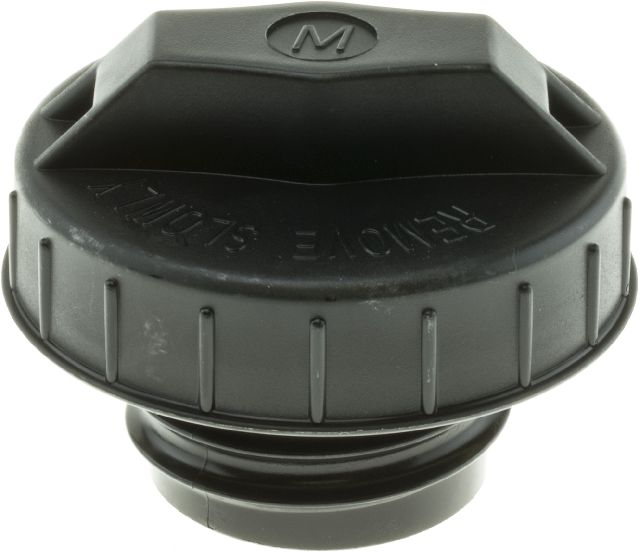
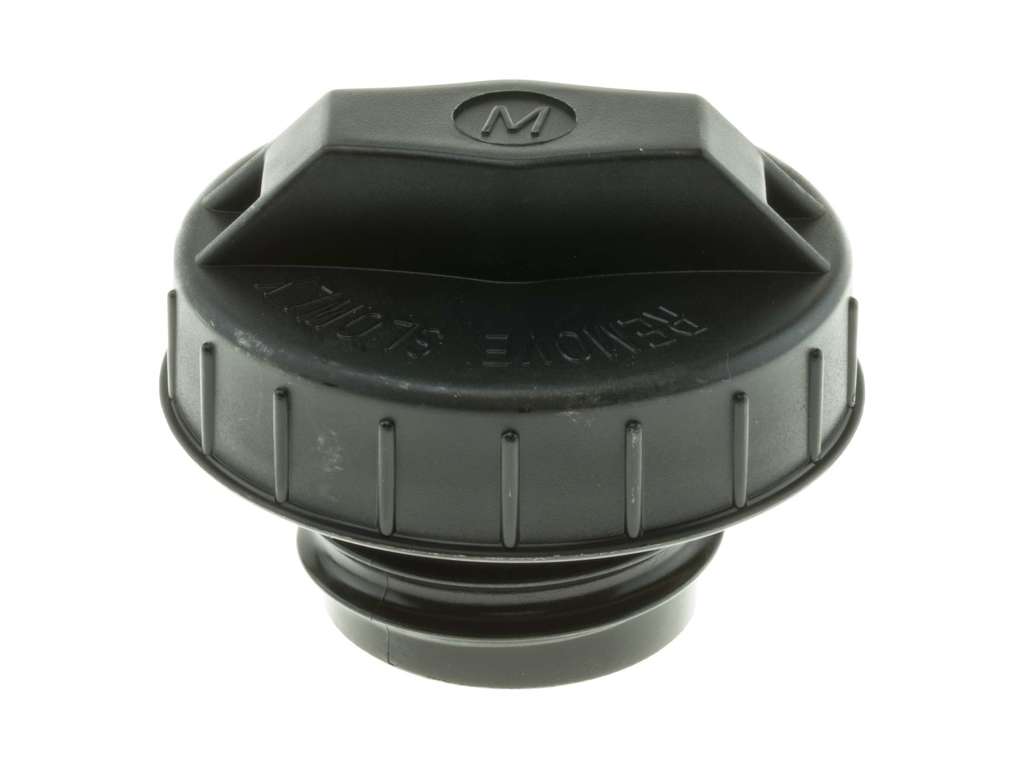
(OEM #77300-07020)— This is the most common failure point, either from not being tightened properly or from a worn-out seal. Aftermarket caps are a known source of repeat failures.
Trusted brands: Toyota (OEM)
OEM price range: $25-$40
Aftermarket price range: $15-$30 - Vapor Canister Purge Valve (Vacuum Switching Valve)
(OEM #25860-37020)— This valve in the engine bay can get stuck open, causing a leak. It's the second most likely component to fail after the gas cap.
Trusted brands: Toyota (OEM), Denso, Standard Motor Products
OEM price range: $90-$140
Aftermarket price range: $60-$100 - Charcoal Canister Assembly
(OEM #77740-47060)— The canister body can crack from road debris, or the internal leak detection pump can fail. This is a less common but significant potential cause, sometimes requiring tank removal to replace.
Trusted brands: Toyota (OEM)
OEM price range: $400-$600
Aftermarket price range: $250-$450
Related Codes That Often Appear With This One
- P0441 — P0441 (Incorrect Purge Flow) often appears with P0455. A component that is stuck open, like the purge valve, or a major leak can cause both a large leak detection and an incorrect flow reading.
- P0171 — P0171 (System Too Lean) can sometimes accompany EVAP codes if the purge valve is stuck open, creating a vacuum leak that allows unmetered air into the intake manifold, causing the engine to run lean.
Technical Service Bulletins (TSBs) & Recalls
- T-SB-0130-12: Addresses MIL ON with DTCs P0455, P0456, and/or P0441, pointing to a potential charcoal canister assembly malfunction in some 2010-2012 Prius models.
- T-SB-0086-16: Describes a condition where the fuel cap exhibits a "No Click" or "No Spring Return" when seated, potentially causing DTC P0455 or P0456.
Mechanic-Grade Diagnostic Values
- 12v Auxiliary Battery Voltage (Key On, Engine Off) — expected: 12.5v or higher. Failure: A reading below 12.5v, such as 11.7v, indicates a weak battery that can cause various spurious electronic faults, including EVAP codes.
Scan Tool Commands That Help
- Toyota Techstream: EVAP System Check (Active Test) — This is a crucial diagnostic step after a visual inspection. The software automatically commands the purge valve and canister vent valve to cycle, sealing the system and running a pressure test to confirm a leak or verify a repair without waiting for the vehicle's own monitor to run.
Real Owner Repair Stories
- Atomic Auto repair shop case study (2014 Toyota Prius) — Persistent Check Engine Light with codes P0441 (Incorrect Purge Flow) and P0455 (Gross Leak). Also present were P0171 (Lean), P0505, P050A, and P2196.
❌ Tried (didn't work) Replacing the gas cap, Replacing the purge solenoid valve
✅ What actually fixed it A multi-step repair was required. First, the entire fuel tank assembly was replaced because integrated hoses were found to be damaged. After this, the codes returned. A subsequent smoke test with the vent valve activated revealed a leak past the leak detection pump, which is part of the charcoal canister. Replacing the charcoal canister assembly was the final step that resolved the EVAP codes. - PriusChat forum user (2011 Toyota Prius) — Check Engine Light with codes P0171, P0441, and P0455. Engine occasionally behaved strangely, and black smoke was seen from the tailpipe.
❌ Tried (didn't work) Cleaning the MAF sensor, Initially suspecting the gas cap seal and attempting a temporary fix with an extra O-ring.
✅ What actually fixed it The user ultimately concluded the issue was the EVAP purge valve being stuck open, which caused both the lean condition (P0171) and the EVAP leaks. Replacing the purge valve resolved the issue. - NHTSA ODI #10525700 — An owner reported a check engine light with codes P0441 and P0455; the dealer resolved the issue by replacing the fuel tank cap assembly, the fuel pipe sub-assembly, and the vacuum valve assembly.
Documented NHTSA Reports
- NHTSA ODI #11331260: An owner reported the car was not performing properly and a scanner showed multiple codes including P0171, P0505, P0441, and P0455, indicating a lean fuel/air mixture and a noisy fuel pump.
- NHTSA ODI #11415574: A report describes a vehicle with codes P0441, P0455, P0171, and others where replacing the leak detection pump and vapor canister purge solenoid did not resolve the issue.
"I Checked Everything" — The Actual Cause
- In a documented case on a 2014 Prius, the system passed a static smoke test after the fuel tank assembly (with its integrated hoses) was replaced. However, the P0455 code persisted. The technician then used a scan tool (Techstream) to activate the vent valve while the smoke machine was running. This revealed a leak past the leak detection pump, which is housed inside the charcoal canister. The canister itself was not cracked, but the internal pump/valve mechanism was faulty, a failure a standard smoke test would miss.
OEM Part Supersession History
25860-37020→— This part number for the Purge Valve (VSV) appears to be consistent across the entire 2010-2015 generation and fits later models as well. No supersession is noted.77740-47060→— This part number for the Charcoal Canister Assembly is listed for all 2010-2015 Prius models (non-plug-in). No supersession is noted.
Model Year Variations Within This Range
- 2010-2012: A visual facelift occurred in 2012, and some parts like the EGR valve were redesigned. While the main EVAP components and causes for P0455 remained the same, Toyota issued TSB T-SB-0130-12 for 2010-2012 models specifically, pointing to a potential charcoal canister malfunction for P0455/P0456/P0441, suggesting early-generation canisters may have been more prone to this failure.
- 2014-2015: Later models (approx. 2014+) received updated piston rings to address oil consumption issues. This is unrelated to the EVAP system but is a notable change within the generation. The EVAP system components and diagnosis for P0455 remain consistent with earlier years.
Diagnostic Flowchart
Other Known Issues on This Vehicle
Issues unrelated to this code that are worth knowing about as an owner of this generation:
- Excessive Oil Consumption 🔴 High — More common in 2010-2014 models. Can start around 100k miles. Caused by faulty piston rings. (Ref: T-SB-0168-16 (Inspection) and T-SB-0169-16 (Repair) were issued, outlining a test and replacement of pistons/rings for qualifying vehicles.)
- Brake Booster / Actuator Failure 🔴 High — Can occur at various mileages, leading to a loss of braking assist and multiple warning lights. It's a well-documented and expensive failure. (Ref: Toyota issued recalls (e.g., for 2010 models) and warranty extension programs (Customer Support Program ZJB) for certain years to cover the brake booster and pump assembly.)
- EGR System Clogging 🟠 Medium — Very common across the generation, typically needing service every 60k-90k miles. A clogged EGR cooler, valve, and intake manifold passages can lead to engine knocking, hesitation, and eventual head gasket failure.
- Inverter Failure 🔴 High — Caused by thermal stress on Intelligent Power Module (IPM) transistors, leading to stalling or entering limp-home mode. (Ref: Multiple recalls and a significant Warranty Enhancement Program (ZE3) were issued, extending coverage for the inverter assembly to 15 years/unlimited miles and later up to 20 years as part of a class-action settlement.)
- Head Gasket Failure 🔴 High — Often a consequence of a clogged EGR system causing engine overheating. Symptoms include a rough, shaky start-up (the 'death rattle').
Used vs. New Parts: Buying Guide for This Vehicle
When a used part is the smart pick: A used charcoal canister assembly from a junkyard can be a cost-effective option, as a new OEM unit is very expensive ($400-$600). Given that it is often damaged by impact, a used part from a vehicle with no rear-end damage is a viable repair.
Donor-vehicle mileage cap: roughly under 120000 miles for the part to have meaningful remaining life.
What to inspect on the donor part:
- Inspect the plastic housing of the canister for any hairline cracks, especially around mounting tabs and hose connections.
- Ensure the donor vehicle was not in a rear-end collision.
- Check that all electrical connectors and hose ports are intact and not broken or brittle.
- If possible, inquire about the donor vehicle's history to avoid parts from a car that had the same EVAP codes.
OEM-only on this vehicle (don't cheap out):
- Fuel Tank Cap: Aftermarket gas caps are a widely reported cause of persistent or recurring P0455 codes on Prius forums. The cost savings are minimal, and the risk of a poor seal is high. Always use a genuine Toyota cap (PN 77300-07020).
Aftermarket brands forum-validated for this vehicle:
- Denso (for Purge Valve): Denso is an original equipment manufacturer for Toyota, so their parts are generally considered equivalent to OEM quality.
Brands owners have reported issues with on this vehicle:
- Generic/No-Name Gas Caps: Many forum posts mention that cheap, unbranded gas caps from online marketplaces or auto parts stores fail to seal correctly and cause the P0455 code to return.
Real Owner Stories
Aggregated from forums and TSBs cited above. Mileages and costs reflect what owners reported in those sources.
2014 Toyota Prius
Symptoms: Large EVAP system leak detected (P0455).
What fixed it: A complex repair involving the replacement of the fuel tank hoses and the charcoal canister's leak detection pump.
Source hint: PriusChat.com forum citation
2010-2015 Toyota Prius
Symptoms: Check engine light with codes P0171, P0441, and P0455; vehicle running lean.
What fixed it: Replacement of the faulty purge valve and ensuring the use of an OEM gas cap.
Source hint: PriusChat - Thread 'P0171 P0441 P0455 | System too lean AND Evap leak detected'
2010-2015 Toyota Prius
Symptoms: Check engine light (P0441 and P0455) after the vehicle sat for an extended period.
What fixed it: Troubleshooting the sensitive EVAP monitor which triggered due to the car sitting.
Source hint: PriusChat - Thread 'CEL; P0441 and P0455'
Related OBD-II Codes
Frequently Asked Questions
Does TSB T-SB-0130-12 apply to my 2010 Prius for code P0455?
Can I use an aftermarket gas cap to fix the P0455 code on my Prius?
Is it true that a faulty purge valve can cause a 'System Too Lean' code alongside P0455?
Where is the charcoal canister located on the 2010-2015 Prius?
How can I confirm if my Prius purge valve is failing?
Why did my P0455 code appear after my Prius sat for a long time?
Helpful Videos
Used OEM Parts in Stock
New Aftermarket Parts Available


The information in this article is provided for general reference and educational purposes only. Vehicle specifications, procedures, and part compatibility can vary by production date, trim level, and region. Always consult your vehicle's factory service manual and verify part numbers before purchasing or performing repairs. Safety-critical components such as airbags, seat belts, and braking systems should be installed by a qualified professional.
- Toyota Prius:
- 🧭 Diagnostic Flowchart
- 🎬 Helpful Videos
- 🛍️ Shop This Part
- What's Unique About the 2010-2015 Toyota Prius
- Symptoms You May Notice
- Most Likely Causes
- Rare But Worth Checking
- Diagnosis Steps
- Parts You'll Likely Need
- Related Codes That Often Appear With This One
- Technical Service Bulletins (TSBs) & Recalls
- Mechanic-Grade Diagnostic Values
- Scan Tool Commands That Help
- Real Owner Repair Stories
- Documented NHTSA Reports
- "I Checked Everything" — The Actual Cause
- OEM Part Supersession History
- Model Year Variations Within This Range
- Other Known Issues on This Vehicle
- Used vs. New Parts: Buying Guide for This Vehicle
- Real Owner Stories
- 2014 Toyota Prius
- 2010-2015 Toyota Prius
- 2010-2015 Toyota Prius
- Related OBD-II Codes
- Frequently Asked Questions
- 🎟️ Get 5% Off