

P0455 on 2000-2006 Toyota Tundra: EVAP Gross Leak Causes and Fixes
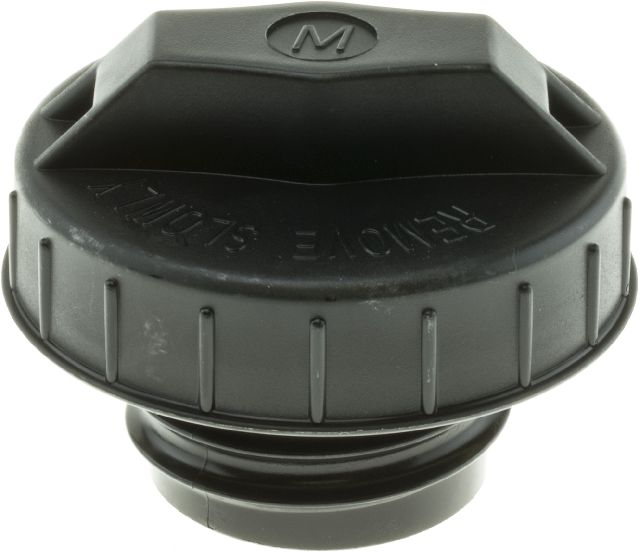
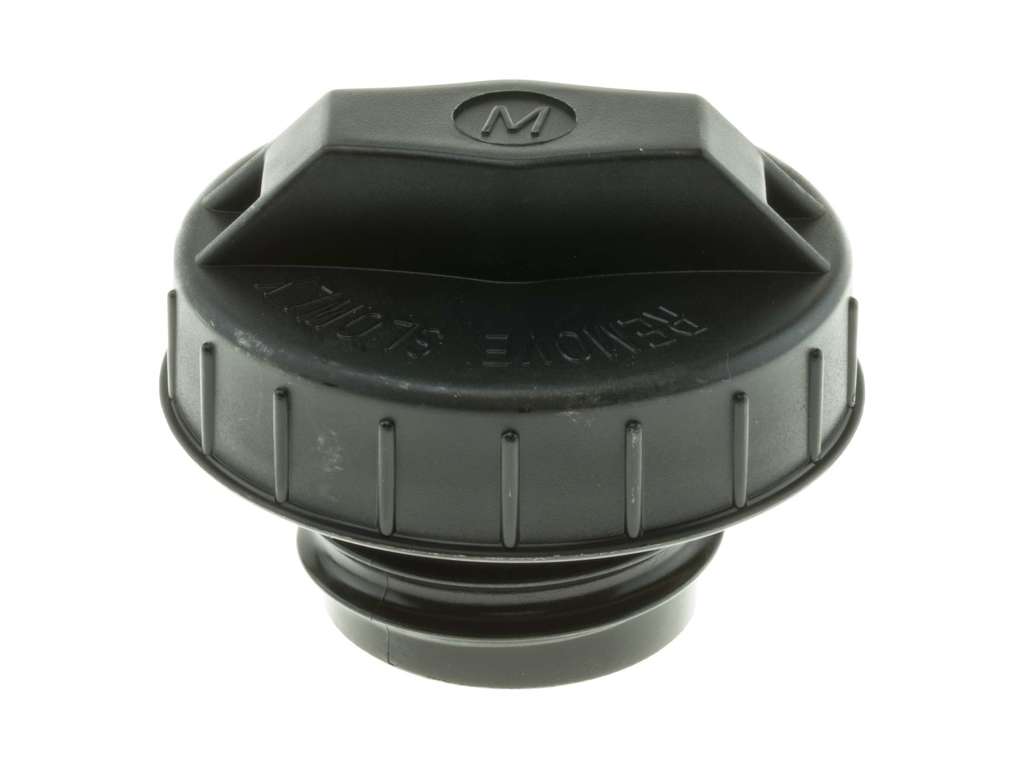
For a 2000-2006 Tundra, P0455 almost always means a loose or faulty gas cap. Before buying parts, tighten the cap until it clicks and inspect its seal. A new OEM gas cap is under $40 and is the most common fix. Avoid cheap or locking aftermarket caps, as they are a known source of EVAP codes.
- Always check the gas cap first. It's the cheapest, easiest, and most likely solution.
- If the gas cap isn't the issue, visually inspect all rubber EVAP hoses for cracks before buying any parts.
- A professional smoke test is the fastest way to find a leak if it's not obvious.
- Use a genuine OEM Toyota gas cap for the best reliability; some aftermarket caps do not seal properly.
- This code will not stop you from driving the truck, but it will prevent you from passing an emissions test.
What's Unique About the 2000-2006 Toyota Tundra
On the first-generation Toyota Tundra, the EVAP system components are generally robust but are now aging. Rubber hoses become brittle and are a frequent source of leaks. The charcoal canister is located near the spare tire, making it susceptible to damage from road debris or rust in snowy climates. A unique and common issue is spiders building webs inside the canister's vent hose, causing a blockage that can lead to various EVAP codes. While the causes are typical for most vehicles, the specific locations of the purge valve in the engine bay and the canister assembly in the rear are key for diagnosis on this truck.
Symptoms You May Notice
- Check Engine Light is on
- A noticeable smell of gasoline, especially around the fuel tank area or after refueling.
- Slight decrease in fuel economy over time
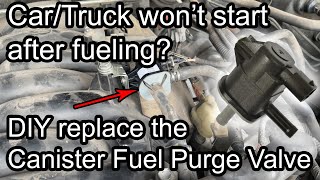
- In rare cases, a rough idle or difficulty starting immediately after refueling if the purge valve is stuck open, flooding the intake with fuel vapors. 🎬 Watch: How to replace the purge valve if you have starting issues.
- Replacing the charcoal canister before performing a smoke test. The canister is expensive, and the leak is often a simple hose or gas cap.
- Replacing O2 sensors or other unrelated parts without proper diagnosis.
- Trusting an aftermarket locking gas cap. Many owners have chased EVAP codes for weeks only to find their non-OEM cap was the culprit.
Most Likely Causes
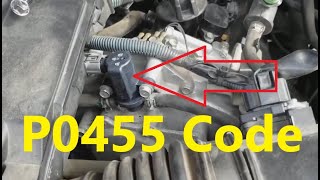
- Loose, Worn, or Incorrect Gas Cap 🔴 High Probability → Shop Fuel Tank Cap This is the most common cause on all vehicles. The rubber O-ring on the cap degrades over time, preventing a proper seal. 🎬 Watch this overview of common causes and fixes for the P0455 code. Aftermarket locking gas caps are a frequent culprit for throwing this code on Tundras. Manufacturer service bulletin #T-SB-0086-16 notes that a "no click" or "no spring return" condition from the fuel cap when seated can trigger P0455.
How to confirm: Ensure the cap is tightened until it clicks at least once. Remove the cap and inspect the rubber seal for cracks, stiffness, or damage. Ensure you are using a genuine OEM or high-quality aftermarket cap, not a cheap or locking version.
Typical fix: Tighten or replace the gas cap. It is highly recommended to use a genuine Toyota part (77300-47010 or its successor).
Est. part cost: $15-$40 - Cracked or Disconnected EVAP Hoses 🟡 Medium Probability After 20+ years, the rubber vacuum and vapor hoses in the engine bay and near the charcoal canister become brittle, crack, or slip off their fittings. The lines running along the frame to the canister are particularly vulnerable.
How to confirm: Visually inspect all accessible EVAP hoses. Look for obvious cracks, especially at connection points to the purge valve and charcoal canister. A smoke test is the definitive method to find a leak that isn't visually obvious. A large leak should be fairly easy to spot with smoke.
Typical fix: Replace the cracked section of hose. You can often use bulk vacuum hose of the correct diameter.
Est. part cost: $10-$50 - Faulty Vapor Canister Purge Valve (VSV) 🟡 Medium Probability → Shop Vapor Canister The purge valve, located in the engine bay, can fail by getting stuck open, creating a constant vacuum leak that the system interprets as a large leak. Owners report that these valves can fail intermittently, testing good when cold but sticking open after the engine warms up.
How to confirm: With the engine off, disconnect the valve and try to blow through it. If air passes through, it is stuck open and faulty. You can also apply 12V power to the terminals and listen for a click. One owner reported their valve tested fine until they tapped it with a screwdriver, at which point the stuck internal part released.
Typical fix: Replace the purge valve. One owner reported a successful fix by replacing a valve that seemed to be working fine but was intermittently failing.
Est. part cost: $40-$100 - Cracked Charcoal Canister or Faulty Vent Valve ⚪ Low Probability → Shop Vapor Canister The canister is a large plastic box located near the spare tire. It can be damaged by road debris or impacts. The vent valve, often attached to the canister, can also fail or the vent line can get clogged, often by spider webs, which is a known issue.
How to confirm: Visually inspect the canister for any cracks or physical damage. A smoke test will show smoke billowing from a crack if one exists. Check the vent line opening for obstructions like spider webs or mud.
Typical fix: Replace the entire charcoal canister assembly, which usually includes a new vent valve. In some cases, owners have successfully repaired cracks in the canister body with epoxy.
Est. part cost: $300-$600
Rare But Worth Checking
- Cracked Fuel Filler Neck: → Shop Fuel Filler Neck TSB EG014-04 was issued for 2003-2004 models due to cracks developing in the fuel filler neck, typically causing P0441, P0442, and P0446. While not the primary code, a significant crack could be large enough to trigger P0455. Additionally, Bulletin #T-SB-0086-16 notes that in some vehicles the fuel filler neck may be out of position, leading to a failure to seal properly.
- Rodent Damage: Rodents are known to chew on the soy-based plastic EVAP lines and wiring harnesses on 1st Gen Tundras, especially on top of the fuel tank or in the engine bay, creating a large leak.
Diagnosis Steps
- Check the Gas Cap: This is the most common fix. Ensure your gas cap is tight and clicked. If the light persists, remove the cap and inspect the rubber seal for cracks or wear. When in doubt, replace it with a genuine OEM cap. Immediately suspect any aftermarket or locking gas caps.
- Visual Inspection: Carefully inspect all visible EVAP hoses in the engine bay, particularly around the purge solenoid (on the driver's side of the intake manifold), and the hoses connected to the charcoal canister near the rear of the truck. Look for any signs of cracking, disconnection, or brittleness.
- Inspect the Purge Valve (VSV): Locate the purge valve in the engine bay. Disconnect it and test if it's stuck open by trying to blow through it. It should be closed when no power is applied. Even if it tests good, consider it may be failing intermittently when hot.
- Inspect the Charcoal Canister Area: Raise the rear of the vehicle and inspect the charcoal canister (a black plastic box near the spare tire) for any obvious cracks or damage from road debris. Also, check the vent hose outlet for any blockages like mud or spider webs.
- Perform a Smoke Test: If the leak is not obvious, the most effective way to find it is with an EVAP smoke machine. A mechanic will introduce pressurized smoke into the EVAP system. The leak will be revealed by the escaping smoke. A P0455 'gross leak' should be very apparent during a smoke test. 🎬 See how a smoke test quickly identifies a large EVAP leak.
- Clear Codes and Drive: After any repair, clear the trouble codes with an OBD-II scanner and drive the vehicle for a few days to ensure the Check Engine Light does not return. The EVAP monitor runs under specific conditions (fuel level between 1/4 and 3/4, after a cold soak), so it may take time.
Parts You'll Likely Need
- Fuel Tank Cap
(OEM #77300-47010 (Supersedes 77300-0C010))— This is the most frequent cause of P0455. The seal wears out over time, preventing the system from holding pressure. Using the genuine Toyota part is highly recommended.
Trusted brands: Toyota (Genuine OEM)
OEM price range: $25-$40
Aftermarket price range: $15-$30 - Vapor Canister Purge Valve / Solenoid (VSV)
(OEM #90910-12271)— A common failure point that gets stuck open, creating a large, permanent leak. Can fail intermittently.
Trusted brands: Denso, Aisan, Standard Motor Products
OEM price range: $70-$110
Aftermarket price range: $30-$80 - Charcoal Canister Assembly
(OEM #77740-0C030)— The plastic canister can crack from age or impact, and the integrated vent valve can fail. It is usually replaced as a complete assembly.
Trusted brands: Toyota (Genuine OEM)
OEM price range: $450-$600
Aftermarket price range: $250-$400
Related Codes That Often Appear With This One
- P0441 — Indicates incorrect purge flow, often pointing towards a faulty purge valve, which can also cause a P0455 if stuck open.
- P0446 — Indicates a fault in the vent control circuit, pointing towards the vent valve or charcoal canister assembly, which are common areas for large leaks.
- P0456 — This code is for a 'small' EVAP leak. Seeing it with P0455 is unusual but could indicate multiple leak points or an intermittent issue that the ECU is struggling to classify.
- P0171 — A lean fuel mixture code that can sometimes appear alongside P0455 if a large EVAP leak is affecting the air/fuel ratio, as noted in NHTSA ODI #11331260.
Technical Service Bulletins (TSBs) & Recalls
- TSB EG014-04: Addresses cracks in the fuel filler neck on 2003-2004 Tundras, which typically cause P0441, P0442, and P0446, but could potentially cause P0455.
- Bulletin #T-SB-0086-16: Describes a "No Click" or "No Spring Return" condition from the fuel cap when fully seated, which can cause DTC P0455 and P0456.
Platform-Specific Known Issues
- A forum post noted a Technical Service Bulletin (TSB EG014-04) for cracked fuel filler necks on 2003-2004 models, which could be a potential, though less common, cause of a large leak.
- Multiple owners on Tundras.com and TundraSolutions.com report that cheap aftermarket or locking gas caps are a primary cause of stubborn P0455 codes, which are resolved by switching to an OEM cap.
- Spiders building nests in the EVAP canister vent hose is a surprisingly common issue that can cause blockages and lead to various EVAP codes.
Mechanic-Grade Diagnostic Values
- EVAP Canister Vent Solenoid (VSV) Coil Resistance — expected: 30 - 40 Ohms. Failure: A reading outside this range indicates a failed solenoid coil.
- Vapor Pressure Sensor Signal Voltage — expected: 0.5V - 4.5V (relative to system pressure). Failure: Voltage should be around 3.2V with the system at atmospheric pressure (key on, engine off) and decrease as vacuum is applied. A static or out-of-range voltage suggests a failed sensor.
- Vapor Pressure Sensor Reference Voltage — expected: 5V. Failure: No voltage at the sensor's power pin indicates a wiring or ECM issue, not a sensor failure.
Scan Tool Commands That Help
- Toyota Techstream (or equivalent professional scanner): EVAP System Test (Automatic Mode) — This function, found under Engine Control Module -> System Tests, forces the EVAP monitor to run without waiting for the 5-hour 'cold soak'. It commands the valves and pump (if equipped) to seal and test the system, confirming a repair or helping to set a pending code if a fault still exists.
- Toyota Techstream (or equivalent professional scanner): Active Test: Purge VSV & Vent Valve — This bidirectional control allows a technician to manually command the purge and vent valves open or closed while observing system pressure data. This is used to confirm if a specific valve is physically stuck or not responding to ECM commands.
Wiring & Ground Locations
- ECM (Engine Control Module) — Behind the glove box.. The ECM controls all EVAP solenoids and interprets data from the pressure sensor. A bad connection here could mimic a component failure.
- BECU (Body Electronic Control Unit) — Located above the driver's side kick panel, next to the firewall.. The BECU manages various body-related electrical functions and can share junction connectors with engine control systems.
- J/C 36 & 37 — Junction Connectors located behind the left (driver's side) kick panel.. These connectors are common points where multiple harnesses meet. Corrosion or a loose pin in a shared ground or power circuit could cause intermittent EVAP faults.
- Purge Valve Connector — On the purge valve (VSV) in the engine bay.. This is a 2-pin oval connector. Checking for 12V power and a ground signal here is a key diagnostic step. The pigtail is a common replacement part if the connector is damaged.
Real Owner Repair Stories
- Pine Hollow Auto Diagnostics on YouTube (2007 Toyota Tundra (similar 2nd Gen system, but identical failure mode)) — Check Engine Light with codes P0441 and P0455. A distinct fuel smell was noticeable near the rear of the truck.
❌ Tried (didn't work) Initial visual scan did not reveal the issue immediately.
✅ What actually fixed it A visual inspection underneath the truck revealed a chewed EVAP line on top of the fuel tank. This was identified as classic rodent damage. The mechanic repaired the damaged section of the plastic line using a barbed fitting and clamps, which resolved the gross leak and cleared the codes. - Tundras.com Forum User (2003 Toyota Tundra) — Persistent P0455 code.
❌ Tried (didn't work) Replaced gas cap., Replaced charcoal canister., Had a smoke test performed which found and fixed one leak, but the code returned.
✅ What actually fixed it The user was advised that the next likely causes were either a cracked fuel filler neck (per TSB EG014-04) or rodent damage on top of the gas tank, both of which can be missed during a standard smoke test. While the user did not post the final resolution, these steps represent the expert-level advice for a P0455 that survives common fixes. - NHTSA Report Anecdote — An owner reported in NHTSA ODI #10525700 that after a P0441 and P0455 diagnostic, the dealership replaced the fuel tank cap assembly, the fuel pipe sub-assembly, and the vacuum valve assembly to resolve the issue.
"I Checked Everything" — The Actual Cause
- In some cases, a P0455 will persist even after a smoke test comes back clean or after a small leak is found and fixed. This often happens when the leak is in a location that is difficult to test or see. The two most common culprits are a cracked fuel filler neck, which may only leak when flexed or when the smoke machine isn't connected directly to it, and rodent damage to lines on the very top of the fuel tank, an area completely hidden from view without lowering the tank.
Documented NHTSA Reports
- NHTSA ODI #11415574 describes a situation where an owner replaced the leak detection pump and vapor canister purge solenoid, but the P0441 and P0455 codes persisted, suggesting a deeper system fault.
- NHTSA ODI #11331260 notes that a vehicle with P0441 and P0455 codes also exhibited a lean fuel mixture (P0171) and a noisy fuel pump, indicating the car was not performing properly.
OEM Part Supersession History
77300-0C010→77300-47010— Standard part update and consolidation by Toyota.77740-0C021→77740-0C050 (for later years)— Change in the EVAP system design during the generation.
Heads up: The charcoal canister for 2000-2002 models (77740-0C021) is different from the one used on 2003-2006 models (77740-0C050). They are not interchangeable.
Model Year Variations Within This Range
- 2000-2002 vs. 2003-2006: The charcoal canister assembly has different part numbers and is not interchangeable between these year groups. 2000-2002 models use part #77740-0C021, while 2003-2006 models use a different design, such as #77740-0C050.
- 2003-2004: These model years were subject to Technical Service Bulletin EG014-04 for a potential crack in the fuel filler neck, making it a more likely cause of EVAP codes on these specific years.
- 2005-2006: The 4.7L V8 engine (2UZ-FE) received VVT-i and was paired with a 5-speed automatic transmission. While this did not fundamentally change the EVAP system's function, some hose routing and electrical components in the engine bay may differ slightly from earlier models.
Diagnostic Flowchart
Other Known Issues on This Vehicle
Issues unrelated to this code that are worth knowing about as an owner of this generation:
- Frame Rust/Rot 🔴 High — Extremely common, especially in Salt Belt states. Led to a massive recall/Limited Service Campaign, but many trucks still have issues or were improperly treated. A thorough frame inspection is mandatory before purchase. (Ref: Toyota Frame Rust Recall (Multiple Campaigns))
- Lower Ball Joint Failure 🔴 High — A well-documented catastrophic failure point where the ball joint can separate, causing the wheel to detach from the suspension. It is highly recommended to replace them with OEM parts preventatively, approximately every 90,000-100,000 miles. Aftermarket parts are strongly discouraged by the owner community. (Ref: NHTSA Recall 05V-225 (for 2002-2004 models, though all years are affected))
- Secondary Air Injection System (SAIS) Failure 🟠 Medium — Affects 2005-2006 models with the 4.7L V8. The air pump or switching valves fail, causing a check engine light and forcing the truck into 'limp mode'. It's an expensive repair if not covered by a warranty extension that primarily targeted later models. (Ref: TSB-0153-12 (Addresses related DTCs for 2005-2006 models))
Used vs. New Parts: Buying Guide for This Vehicle
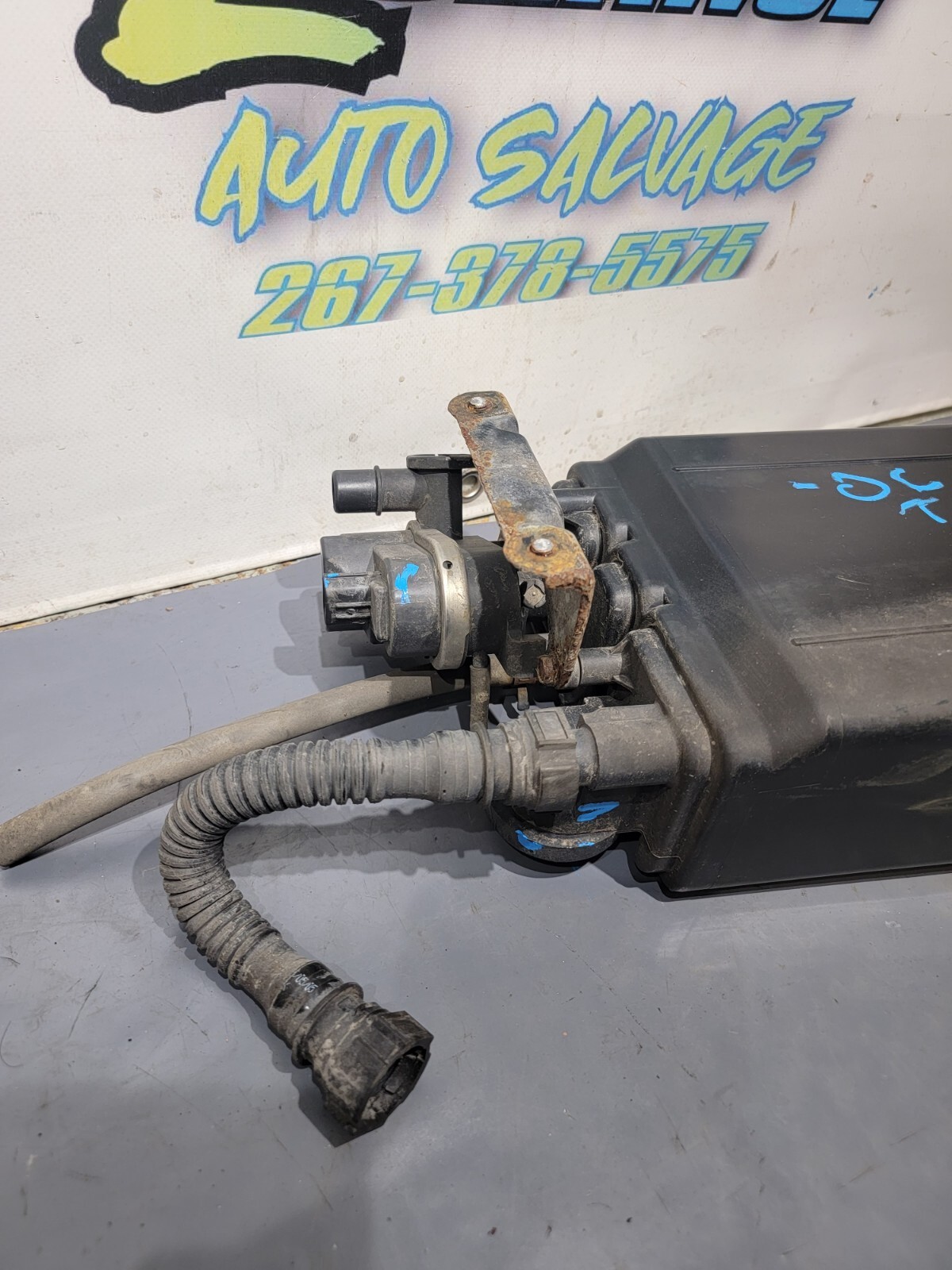
When a used part is the smart pick: For this repair, obtaining used parts like the charcoal canister assembly, fuel filler neck, or specific EVAP hoses from a junkyard can be a cost-effective option, especially if the donor vehicle is from a dry, salt-free climate to minimize rust and plastic degradation.
Donor-vehicle mileage cap: roughly under 150000 miles for the part to have meaningful remaining life.
What to inspect on the donor part:
- Check rubber hoses for any signs of cracking, stiffness, or swelling.
- Inspect the plastic body of the charcoal canister for cracks, especially around the mounting tabs and hose ports.
- Examine the fuel filler neck for any signs of deep rust, pitting, or visible cracks near the welds.
- Ensure electrical connectors are free of corrosion and the locking tabs are intact.
OEM-only on this vehicle (don't cheap out):
- Fuel Tank Cap: Aftermarket gas caps, especially cheap or locking versions, are a widely reported cause of persistent EVAP codes on this Tundra. Always use a genuine Toyota (OEM) cap to ensure a proper seal.
Aftermarket brands forum-validated for this vehicle:
- Denso: Denso is an OEM supplier for Toyota, and their branded purge valves and pressure sensors are considered equivalent to genuine parts.
- Standard Motor Products (SMP): A well-regarded aftermarket brand that offers reliable replacement solenoids and sensors for the EVAP system.
Brands owners have reported issues with on this vehicle:
- Unbranded or 'white-box' gas caps.
- Locking gas caps from generic brands.
Real Owner Stories
Aggregated from forums and TSBs cited above. Mileages and costs reflect what owners reported in those sources.
2000-2006 Toyota Tundra
Symptoms: Check engine light with codes P0455 and P0441; the purge valve initially tested as good.
What fixed it: Replacing the purge valve (VSV) that was intermittently sticking open even though it passed initial testing.
Source hint: Tundras.com: 'P0455 and P0441' - A user details their successful repair by replacing a purge valve that was intermittently sticking open
2003-2004 Toyota Tundra
Symptoms: Persistent P0455 large leak code that wouldn't clear with standard fixes.
What fixed it: Repairing or replacing a cracked fuel filler neck as described in TSB EG014-04.
Source hint: Tundras.com: 'P0455 evap leak code problem tried everything nothing is working'
2000-2006 Toyota Tundra
Symptoms: P0441, P0446, and P0455 codes appearing together.
What fixed it: Following a diagnostic path starting with the gas cap and moving to other EVAP components.
Source hint: Tundras.com: 'SOLVED!! -P0441 & P0446 & P0455'
Related OBD-II Codes
Frequently Asked Questions
Does TSB EG014-04 apply to my 2003 Toyota Tundra regarding the P0455 code?
I bought a locking gas cap for my Tundra and now I have a P0455 code. Could that be the cause?
My purge valve tested fine with a multimeter, but I still have the code. Should I replace it?
Can spiders really cause a P0455 large leak code on a 2000-2006 Tundra?
Where is the charcoal canister located on the first-generation Tundra?
Is there a specific way I need to drive to clear the P0455 code after a repair?
Helpful Videos
Used OEM Parts in Stock
New Aftermarket Parts Available


The information in this article is provided for general reference and educational purposes only. Vehicle specifications, procedures, and part compatibility can vary by production date, trim level, and region. Always consult your vehicle's factory service manual and verify part numbers before purchasing or performing repairs. Safety-critical components such as airbags, seat belts, and braking systems should be installed by a qualified professional.
- Toyota Tundra:
- 🧭 Diagnostic Flowchart
- 🎬 Helpful Videos
- 🛍️ Shop This Part
- What's Unique About the 2000-2006 Toyota Tundra
- Symptoms You May Notice
- Most Likely Causes
- Rare But Worth Checking
- Diagnosis Steps
- Parts You'll Likely Need
- Related Codes That Often Appear With This One
- Technical Service Bulletins (TSBs) & Recalls
- Platform-Specific Known Issues
- Mechanic-Grade Diagnostic Values
- Scan Tool Commands That Help
- Wiring & Ground Locations
- Real Owner Repair Stories
- "I Checked Everything" — The Actual Cause
- Documented NHTSA Reports
- OEM Part Supersession History
- Model Year Variations Within This Range
- Other Known Issues on This Vehicle
- Used vs. New Parts: Buying Guide for This Vehicle
- Real Owner Stories
- 2000-2006 Toyota Tundra
- 2003-2004 Toyota Tundra
- 2000-2006 Toyota Tundra
- Related OBD-II Codes
- Frequently Asked Questions
- 🎟️ Get 5% Off