

P0455 on 2001-2009 Volvo S60: EVAP Large Leak Causes and Fixes
For a 2001-2009 Volvo S60, code P0455 is most often caused by a loose or faulty gas cap, a cracked EVAP 'J-hose' near the charcoal canister, or a failed leak detection pump (LDP). Start by tightening the gas cap until it clicks multiple times, then inspect the hoses near the rear driver's side wheel well.
- Always check the gas cap first; ensure it's tight and the seal is in good condition.
- The most likely cause after the gas cap on a 2001-2009 S60 is a cracked rubber EVAP hose, especially the 'J-hose' near the rear driver's side wheel.
- If hoses are intact, the Leak Detection Pump (LDP) is the next most probable failure item.
- A smoke test is the most efficient way to find the leak if it's not visually obvious.
- This code does not affect vehicle safety or performance, but it will cause an emissions test failure.
What's Unique About the 2001-2009 Volvo S60
On the first-generation Volvo S60 (P2 platform), the EVAP system components are known to be susceptible to age-related failures. Unlike many cars where a loose gas cap is the overwhelming cause, these Volvos frequently suffer from brittle, cracked rubber hoses, particularly a specific 'J-hose' near the charcoal canister. Additionally, the system uses a Bosch-made Leak Detection Pump (LDP) to pressurize the system for testing, and this pump itself is a common failure point that can trigger the P0455 code when other components are intact.
Symptoms You May Notice
- Check Engine Light is on
- A message on the dashboard information center, such as 'CHECK GAS CAP' or 'EMISSIONS SYSTEM SERVICE REQUIRED'
- A noticeable smell of gasoline, particularly around the rear of the car near the fuel tank.
- Difficulty starting the car immediately after refueling. 🎬 Watch: Overview of common P0455 causes and fixes
- Slightly rough idle in some cases if the purge valve is stuck open.
- Replacing the charcoal canister when only a connected hose is bad. The canister itself is durable; the rubber hoses attached to it are the weak point.
- Replacing the fuel tank pressure sensor. While this sensor is part of the system, it is more likely to trigger its own specific fault codes (like P0452) if it fails.
Most Likely Causes
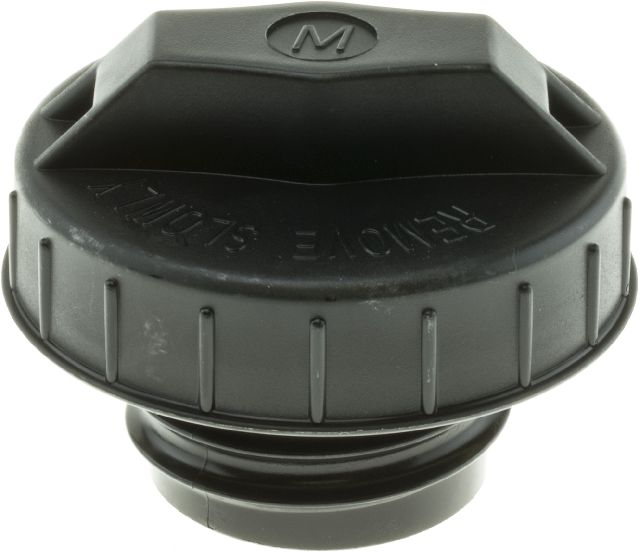
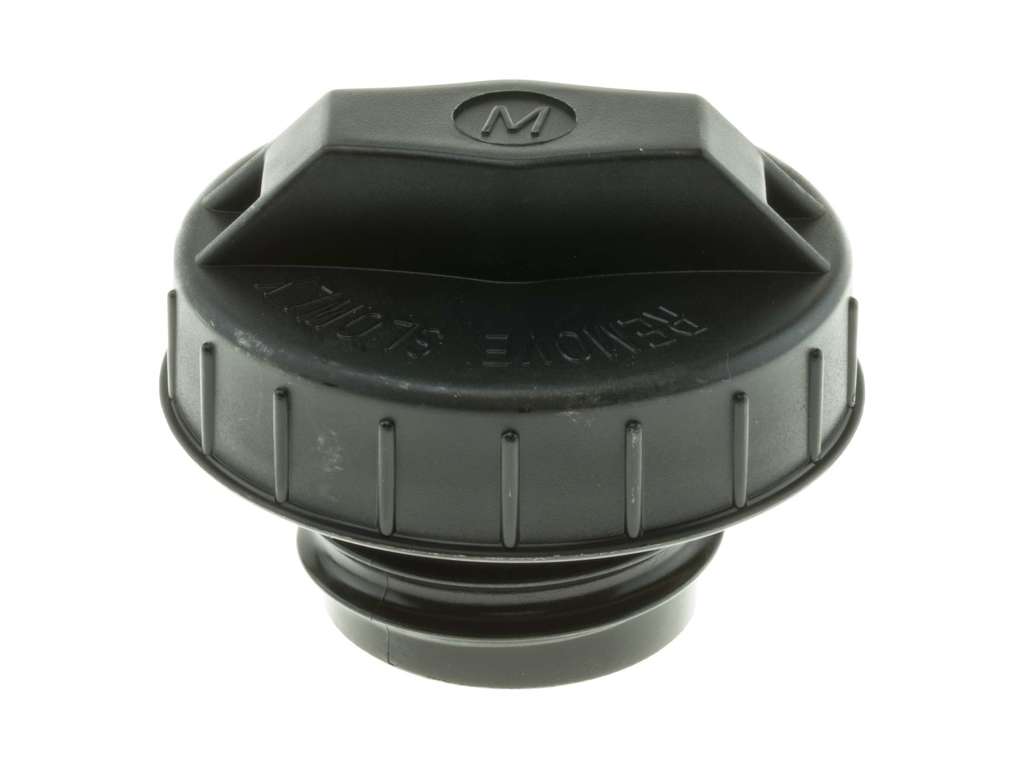
- Loose or Faulty Gas Cap 🔴 High Probability → Shop Fuel Tank Cap This is the simplest and most common cause for any vehicle. The cap's seal can degrade over time or it may not have been tightened correctly after refueling. Many owners recommend using a Genuine Volvo cap as some aftermarket caps are known to cause issues.
How to confirm: Ensure the gas cap is tightened until it clicks at least three times. Inspect the rubber O-ring on the cap for cracks, stiffness, or damage. If the seal is worn, replacing the cap is the easiest first step. After replacing or tightening, the code may take a few drive cycles to clear on its own, or you can clear it with a scanner.
Typical fix: Tighten or replace the gas cap.
Est. part cost: $15-$45 - Cracked EVAP Hoses (especially the 'J-Hose') 🔴 High Probability After years of exposure to heat and the elements, the rubber hoses in the EVAP system become brittle and crack. A specific U-shaped or 'J-hose' connected to the charcoal canister is a very frequent failure point on this platform. This hose is located near the rear driver's side wheel.
How to confirm: Visually inspect the EVAP hoses. The most critical ones are located near the charcoal canister, which is situated near the rear driver's side wheel, just forward of the fuel tank. You may need to remove the wheel and fender liner for a clear view. Look for obvious cracks or crumbling sections. A smoke test is the definitive way to find the leak if it's not visible.
Typical fix: Replace the cracked section of hose. The J-hose is a common replacement part, often cited as Volvo P/N 8687980.
Est. part cost: $10-$50 - Failed Leak Detection Pump (LDP) 🟡 Medium Probability → Shop Evaporative Emissions System Leak Detection Pump The LDP is a key component in how this specific Volvo system tests for leaks. It contains a small motor and diaphragm that can fail over time, causing the system to incorrectly report a large leak. The original part is made by Bosch and is a known failure item.
How to confirm: The LDP is mounted on the same bracket as the charcoal canister near the rear driver's side wheel. Diagnosis is difficult without a bi-directional scan tool to command the pump. However, if hoses and the gas cap are confirmed good via a smoke test, the LDP is a very strong suspect. Some owners report hearing a buzzing or clicking from the pump when it fails.
Typical fix: Replace the Leak Detection Pump. This often involves lowering the exhaust heat shield for access but does not typically require dropping the subframe.
Est. part cost: $100-$300 - Stuck-Open EVAP Purge Valve ⚪ Low Probability → Shop Vapor Canister The purge valve (or purge solenoid) controls the flow of stored vapors from the charcoal canister to the engine's intake manifold. If it gets stuck open, it creates a constant vacuum leak that the system interprets as a large leak.
How to confirm: The purge valve is located in the engine bay. On 2001-2002 models, it's typically on the radiator fan shroud. On 2003+ models, it's under the intake manifold. With the engine running, disconnect the hose coming from the charcoal canister side. There should be no vacuum present at the valve's inlet port when it's not being commanded open by the ECM. If you feel suction, the valve is stuck open.
Typical fix: Replace the EVAP purge valve.
Est. part cost: $50-$120
Rare But Worth Checking
- Cracked Charcoal Canister: → Shop Vapor Canister The plastic housing of the canister itself can develop cracks from age or impact from road debris, creating a large leak. This is less common than hose or pump failure but should be checked during a smoke test if other causes are ruled out. A fuel smell or difficulty refueling can also be symptoms.
- Damaged Fuel Filler Neck: → Shop Fuel Filler Neck Rust or damage to the metal filler neck where the gas cap seals can prevent a proper seal, even with a new cap. This is more common in areas with heavy road salt usage. Inspect the sealing surface for corrosion or deformities when you check the gas cap.
- Cracked Fuel Tank Seam: → Shop Fuel Tank While less common on the S60, other Volvo models of similar design have documented issues where the fuel tank itself fails. For instance, NHTSA ODI #10714113 describes a vehicle with a P0455 code where a certified repair facility verified a crack at a seam of the gas tank.
Diagnosis Steps
- Read the code with an OBD-II scanner to confirm P0455 is present.
- Inspect the gas cap. Ensure it is tight (3+ clicks) and the rubber seal is intact and pliable. If in doubt, replace it with a Genuine Volvo cap, clear the codes, and drive for a few days.
- If the code returns, perform a thorough visual inspection of the EVAP system. Focus on the area around the rear driver's side wheel. Look for the charcoal canister and inspect the attached rubber hoses, especially the 'J-hose' (Volvo P/N 8687980), for cracks or rot.
- Inspect the EVAP purge valve in the engine bay. On 2001-2002 models, it's on the fan shroud; on 2003+ models, it's under the intake manifold. Check to ensure it is not stuck open by checking for vacuum at the inlet port with the engine running.
- If no visual faults are found, the most effective next step is to have a smoke test performed. This involves injecting pressurized smoke into the EVAP system (usually via the purge valve line) to quickly reveal the exact location of any leaks.
- If the smoke test reveals no leaks in any hoses, the canister, or the filler neck, the Leak Detection Pump (LDP) is the most likely culprit.
- For advanced diagnosis, a bi-directional scanner like Volvo's VIDA software can be used to command the LDP and purge/vent valves to operate, helping to isolate the faulty component.
Parts You'll Likely Need
- Gas Cap
(OEM #31392044)— This is the most frequent and easiest fix. The seal wears out, preventing the system from holding pressure. An OEM cap is highly recommended.
Trusted brands: Genuine Volvo
OEM price range: $30-$45
Aftermarket price range: $15-$25 - Evaporative Emissions System Leak Detection Pump
(OEM #30774518)— This pump is a known failure point on P2 platform Volvos and is a common cause for P0455 when the gas cap and hoses are good. The OEM is Bosch.
Trusted brands: Bosch (OEM), Dorman, SKP
OEM price range: $250-$325
Aftermarket price range: $90-$150 - EVAP System J-Hose / Connector Hose
(OEM #8687980)— This specific hose near the charcoal canister is notorious for becoming brittle and cracking, causing a large leak. It's a very common fix for P0455 on these cars.
Trusted brands: Genuine Volvo, URO Parts
OEM price range: $20-$40
Aftermarket price range: $10-$20 - EVAP Canister Purge Valve
(OEM #30757307 (Verify by VIN))— Less common than other causes, but can get stuck open, creating a large leak and potentially a lean engine code (P0171).
Trusted brands: Bosch (OEM), Standard Motor Products
OEM price range: $70-$100
Aftermarket price range: $40-$60
Related Codes That Often Appear With This One
- P0442 — P0442 indicates a small EVAP leak. Sometimes a deteriorating component will first cause a small leak code before it worsens and triggers the large leak code P0455.
- P0171 — P0171 indicates the engine is running too lean. If the EVAP purge valve is stuck open, it can create a vacuum leak that allows unmetered air into the intake, causing a lean condition along with the EVAP code.
Platform-Specific Known Issues
- Accessing the J-Hose and LDP: A common repair story involves a DIYer successfully replacing the J-hose and/or LDP. Access can be tricky. One owner on YouTube documented removing the heat shield above the center muffler to gain much better access to the charcoal canister and its connections. This involved removing a few bolts and drilling out two rivets, which were then replaced. This method avoids dropping the rear subframe, which some guides suggest is necessary.
Mechanic-Grade Diagnostic Values
- EVAP Canister Purge Valve Solenoid Resistance — expected: 15 to 30 Ohms. Failure: A reading that is significantly higher (open circuit) or lower (short circuit) than the expected range. A demonstration on a Volvo valve showed a good reading of 21.3 Ohms.
Hidden / Shadow Codes Worth Checking
- ECM-400B: This is the Volvo-specific Diagnostic Trouble Code (DTC) that directly corresponds to the generic P0455 code, indicating a large leak in the fuel system. (see via This code is visible using Volvo-specific diagnostic software like VIDA.)
Scan Tool Commands That Help
- Volvo VIDA: Quick test of fuel tank — This is a guided diagnostic function within VIDA that activates the EVAP system components to test for leaks. The software commands the LDP to pressurize the system and monitors for pressure loss, reporting back whether the system is 'fine', has a 'minor leak', or a 'major leak'. This is the dealer-level method for confirming a P0455 condition without a smoke machine.
Wiring & Ground Locations
- Primary Engine Ground Strap — Attaches to the top of the engine near the timing cover and runs to the chassis on the passenger side strut tower.. While not directly part of the EVAP harness, a corroded or loose main engine ground can cause a host of intermittent electrical issues and phantom codes for various solenoids and sensors, including the EVAP purge valve and LDP. Ensuring this ground is clean and tight is a crucial step zero in any electrical diagnosis on this platform.
- 8/18 — This is the component designator for the EVAP valve (purge valve) in Volvo wiring diagrams for this platform.. When tracing wiring diagrams for the purge valve circuit to check for power, ground, or signal from the ECM, this is the component you are looking for.
- 6/67 — This is the component designator for the Leak Detection Pump (LDP) in Volvo wiring diagrams.. When diagnosing a suspected LDP failure, this identifier helps locate the correct wires and connector in the vehicle's electrical schematics to test for power and ground.
Real Owner Repair Stories
- Volvo Forums (volvoforums.com) (1998 Volvo S70 (P80 platform, but shares similar EVAP principles and frustrations with the P2 S60)) — Persistent P0455 code.
❌ Tried (didn't work) Replaced gas cap, Replaced EVAP valve (purge valve), Replaced most of the vacuum lines, Took to a Volvo dealer who charged for diagnostics but could not find the leak
✅ What actually fixed it The thread ends without a definitive 'what fixed it' post from the original author, which is a common outcome for frustrating intermittent leaks. A senior technician in the thread suggested the next step was to pressurize the system with a low-pressure air regulator to find a leak near the fuel tank that a visual inspection and parts-swapping didn't find. This highlights that even after replacing all common parts, a hard-to-find physical leak is often the true culprit.
"I Checked Everything" — The Actual Cause
- In the context of the 2001-2009 S60, if a smoke test is performed correctly and comes back clean (no visible smoke from hoses, canister, or filler neck), the cause of P0455 is almost always a faulty Leak Detection Pump (LDP). The LDP's internal diaphragm can fail or its solenoid can cease to function, meaning it can't seal the system for the test or can't generate pressure, but it won't 'leak' smoke externally. The smoke test proves the integrity of the passive components, leaving the active pump as the prime suspect.
OEM Part Supersession History
Unknown→30774518— This is the most commonly cited OEM part number for the Leak Detection Pump for the entire 2001-2009 S60 range. It is cross-referenced with Bosch part number 0261222019 or 026122201U.
Model Year Variations Within This Range
- 2001-2002 vs 2003-2009: The location of the EVAP Canister Purge Valve. On earlier models (approx. 2001-2002), the valve is located in the engine bay on the radiator fan shroud, making it relatively easy to access. On later models (approx. 2003-2009), the valve was moved to a much less accessible position under the intake manifold.
- 2005-2009 (Facelift): The 2005 model year introduced a significant facelift with a redesigned interior, new headlights, and engine updates (e.g., the T5 engine was increased from 2.3L to 2.4L). While the fundamental EVAP system components (LDP, canister, J-hose) remained the same, service intervals for petrol engines were extended, indicating some changes in engine management software which could subtly affect how and when the EVAP monitor runs.
Diagnostic Flowchart
Other Known Issues on This Vehicle
Issues unrelated to this code that are worth knowing about as an owner of this generation:
- Electronic Throttle Module (ETM) Failure 🔴 High — Very common on 1999-2002 models. Symptoms include erratic idle, stalling, and 'limp mode'. Volvo extended the warranty to 10 years/200,000 miles and issued recalls/service actions for software updates. (Ref: Recall 06V-441)
- Automatic Transmission Issues (Geartronic) 🔴 High — Common on earlier 2001-2003 models. Problems include harsh shifting, slipping, and complete failure, often related to internal valve body wear or software issues.
- Clogged PCV / Breather System 🟠 Medium — Common across all years, especially on turbo models. A clogged PCV box and passages cause high crankcase pressure, leading to blown engine seals (cam, main) and oil leaks. A 'glove test' on the oil filler neck is a common diagnostic.
- AWD Angle Gear Collar Sleeve Failure 🟠 Medium — Affects AWD models. The splines on the sleeve connecting the transmission to the angle gear wear out, resulting in a loss of AWD. This is a common failure point, though the part itself is not expensive, the labor can be.
- Front Upper Strut Mount / Spring Seat Failure 🟡 Low — Very common. The rubber spring seats and strut mounts degrade, causing clunking or popping noises from the front suspension when going over bumps or turning the steering wheel.
Used vs. New Parts: Buying Guide for This Vehicle
When a used part is the smart pick: For this repair, using used parts is generally not recommended for the most common failure items. However, if the charcoal canister itself is confirmed to be cracked (a rare event), a used canister from a low-mileage, non-corroded donor car is a viable and cost-effective option, as it is a passive component with no moving parts.
Donor-vehicle mileage cap: roughly under 80000 miles for the part to have meaningful remaining life.
What to inspect on the donor part:
- For a charcoal canister, check for any visible cracks or damage to the plastic housing and hose ports.
- Ensure the donor vehicle is from a dry climate to minimize the risk of associated rust and corrosion on fittings.
- Avoid parts from vehicles that show signs of a major rear-end collision.
OEM-only on this vehicle (don't cheap out):
- Gas Cap: While aftermarket caps are available, many Volvo owners report persistent EVAP codes until a Genuine Volvo cap is installed. The seal tolerances are critical.
- Leak Detection Pump (LDP): The OEM part is made by Bosch. Given the high failure rate and the labor involved in replacement, using the proven OEM/Bosch unit is strongly advised over cheaper, unproven aftermarket brands.
Aftermarket brands forum-validated for this vehicle:
- Bosch (for LDP and Purge Valve - this is the Original Equipment Manufacturer)
- URO Parts (for the J-Hose, offers a budget-friendly alternative to Genuine Volvo)
Brands owners have reported issues with on this vehicle:
- Unbranded/white-box gas caps and Leak Detection Pumps from online marketplaces are frequently cited as being defective out of the box or failing shortly after installation.
Real Owner Stories
Aggregated from forums and TSBs cited above. Mileages and costs reflect what owners reported in those sources.
2001 Volvo S60
Symptoms: Large EVAP leak code P0455. Owner documented the process of accessing the charcoal canister to find the leak.
What fixed it: Removed the central exhaust heat shield (by removing bolts and drilling out two rivets) to gain direct access to the canister and replaced the J-hose.
Source hint: YouTube.com video titled '2001 Volvo S60 P0455 Large Evap Leak - Access to Charcoal Canister'
2001-2009 Volvo S60
Symptoms: P0455 Large EVAP Leak Saga. The owner went through a diagnostic process of eliminating parts starting with the cheapest options.
What fixed it: After replacing the gas cap and the purge valve without success, replacing the Leak Detection Pump (LDP) finally fixed the code.
Source hint: SwedeSpeed.com Forum thread titled 'P0455 Large EVAP Leak Saga'
2001-2009 Volvo S60
Symptoms: P0455 code present. A dealer was unable to find the leak during inspection.
What fixed it: The owner located a simple cracked vacuum line near the fuel filter and charcoal canister.
Source hint: VolvoForums.com thread from 2006 regarding P0455 code
Volvo 850 (Cross-Model Reference)
Symptoms: Check engine light on with code P0455 (Large Leak No Flow). An owner reported a fuel smell and a leak at a seam of the gas tank.
What fixed it: A certified Volvo repair facility verified a crack at the seam of the gas tank (NHTSA ODI #10714113).
Source hint: NHTSA ODI #10714113
Related OBD-II Codes
Frequently Asked Questions
Where is the charcoal canister located on my 2001-2009 Volvo S60?
Is there a specific part number for the common 'J-hose' failure on this model?
Should I use an aftermarket gas cap to fix the P0455 code?
Where is the EVAP purge valve located on a 2004 Volvo S60?
Does the P0455 code on my S60 mean I need to drop the rear subframe for repair?
Could my S60's P0455 code be related to the Electronic Throttle Module (ETM) recall?
Helpful Videos
We Have This Part in Stock


The information in this article is provided for general reference and educational purposes only. Vehicle specifications, procedures, and part compatibility can vary by production date, trim level, and region. Always consult your vehicle's factory service manual and verify part numbers before purchasing or performing repairs. Safety-critical components such as airbags, seat belts, and braking systems should be installed by a qualified professional.
- Volvo S60:
- 🧭 Diagnostic Flowchart
- 🎬 Helpful Videos
- 🛍️ Shop This Part
- What's Unique About the 2001-2009 Volvo S60
- Symptoms You May Notice
- Most Likely Causes
- Rare But Worth Checking
- Diagnosis Steps
- Parts You'll Likely Need
- Related Codes That Often Appear With This One
- Platform-Specific Known Issues
- Mechanic-Grade Diagnostic Values
- Hidden / Shadow Codes Worth Checking
- Scan Tool Commands That Help
- Wiring & Ground Locations
- Real Owner Repair Stories
- "I Checked Everything" — The Actual Cause
- OEM Part Supersession History
- Model Year Variations Within This Range
- Other Known Issues on This Vehicle
- Used vs. New Parts: Buying Guide for This Vehicle
- Real Owner Stories
- 2001 Volvo S60
- 2001-2009 Volvo S60
- 2001-2009 Volvo S60
- Volvo 850 (Cross-Model Reference)
- Related OBD-II Codes
- Frequently Asked Questions
- 🎟️ Get 5% Off