

P0456 on 2011-2013 Acura TSX: EVAP Small Leak Causes and Fixes
For a 2011-2013 Acura TSX, a P0456 code is most often caused by a loose or faulty gas cap. An OEM replacement cap (part #17670-T3W-A01) costs around $40-$60 and is a simple, 2-minute DIY fix. This should always be the first step before exploring other, more complex causes, as confirmed by Acura TSB 13-026.
- Always start with the gas cap. It's the cheapest, easiest, and most likely fix for a P0456 code on this Acura TSX, as documented in Acura TSB 13-026.
- Insist on a genuine Acura (OEM) gas cap (17670-T3W-A01). Aftermarket caps are cheaper but have a widespread reputation for not sealing correctly, which could lead you to waste time and money on unnecessary further diagnostics.
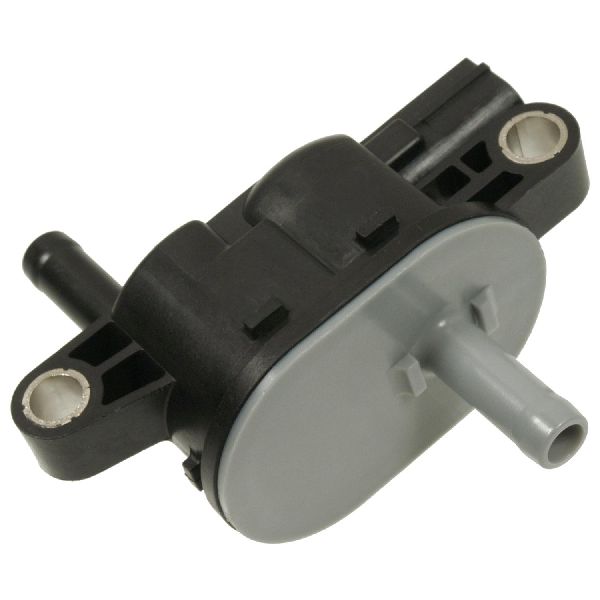
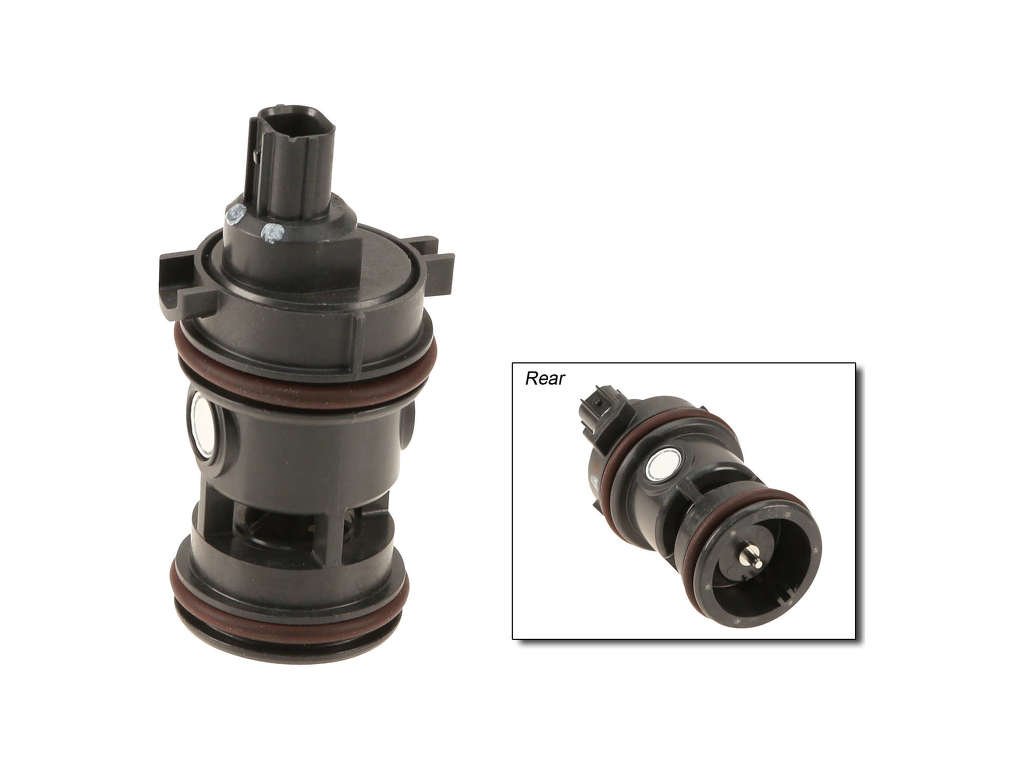
- If a new OEM gas cap doesn't solve the issue, the next most likely culprit is the EVAP canister purge valve (36162-RRA-A01), which can be tested at home before replacement.
- Do not replace more expensive parts like the charcoal canister without first performing a smoke test to confirm the exact location of the leak.
What's Unique About the 2011-2013 Acura TSX
For this specific generation of Acura, there is a known issue documented in Technical Service Bulletin (TSB) 13-026 where the fuel filler cap can feel like it's tightening properly but isn't creating a perfect seal. The TSB describes this as a "stick-slip feeling" when tightening. This makes the gas cap an even more likely culprit on the TSX than on other vehicles.
Diagnostic Flowchart
Tap your situation to follow the diagnostic path that matches what you're seeing on this vehicle.
Symptoms You May Notice
- Check Engine Light is on.
- A faint fuel smell may be noticeable, but this is rare with such a small leak.
- No noticeable impact on vehicle performance or drivability.
- Replacing the charcoal canister before performing a smoke test. The canister is expensive and rarely the cause of a small leak compared to the gas cap or valves.
- Using a cheap, aftermarket gas cap. Many owner reports on forums like Acurazine confirm that non-OEM caps often fail to create a proper seal, leading to a repeat P0456 code.
Most Likely Causes
- Loose or Faulty Fuel Filler Cap 🔴 High Probability → Shop Fuel Tank Cap Acura TSB 13-026 specifically mentions the fuel cap may have a 'stick-slip feeling' and not seal correctly, even when it feels tight. The rubber O-ring on the cap also degrades over time. This is the most common cause reported by owners.
How to confirm: Remove the cap, inspect the rubber seal for cracks or damage, and reinstall it, ensuring it clicks several times. If the seal is visibly worn or the code returns, replacement is the best confirmation. Many owners report that only a genuine OEM cap will solve the problem.
Typical fix: Replace the fuel filler cap with a new genuine OEM part (17670-T3W-A01).
Est. part cost: $40-$60 - EVAP Canister Purge Valve Failure 🟡 Medium Probability → Shop Vapor Canister The purge valve is a solenoid that opens and closes frequently and can get stuck slightly open over time, creating a small leak. It is a common failure point on many Honda/Acura products.
How to confirm: The valve is normally closed when the engine is off. Locate it in the engine bay, disconnect the electrical connector and hoses, and try to blow through it. If air passes through, it has failed. A scan tool can also be used to command the valve to cycle while checking for vacuum.
Typical fix: Replace the canister purge valve. For the 2.4L engine, the part number is typically 36162-RRA-A01.
Est. part cost: $65-$150 - Cracked or Disconnected EVAP Hoses ⚪ Low Probability Rubber hoses can become brittle and develop tiny, hard-to-see cracks due to age and heat exposure under the hood.
How to confirm: Visually inspect all accessible EVAP lines running from the fuel tank area to the engine bay. The definitive method is to have a professional perform a smoke test, which forces smoke through the system and makes even the smallest leaks visible from hoses, seals, or other components.
Typical fix: Replace the cracked section of hose and any worn clamps.
Est. part cost: $10-$50 - EVAP Vent Valve/Solenoid Failure ⚪ Low Probability → Shop Vapor Canister Located on the charcoal canister under the car near the driver's side rear wheel, this valve can get stuck or fail to seal completely, often due to dirt or age.
How to confirm: This valve is normally open and closes when the system runs its self-test. Diagnosis typically requires a scan tool to command the valve closed and then a smoke test to see if it's leaking.
Typical fix: Replace the EVAP vent valve.
Est. part cost: $60-$100
Rare But Worth Checking
- Cracked EVAP Charcoal Canister: → Shop Vapor Canister The plastic housing of the canister itself can develop hairline cracks. This is an expensive part, so it should only be replaced after a smoke test has definitively identified it as the source of the leak.
- Leaking Fuel Tank Pressure (FTP) Sensor Seal: → Shop Fuel Tank The sensor itself is usually reliable, but the O-ring or gasket that seals it to the fuel tank or canister can fail, creating a small leak.
Diagnosis Steps
- Tighten the Gas Cap: Remove the fuel cap, inspect the seal for any visible cracks or debris, and reinstall it, turning it until it clicks at least three times. Clear the code and drive for a few days to see if it returns. This simple step resolves the issue in many cases.
- Replace the Gas Cap: If the cap is old or the seal looks worn, replace it with a genuine OEM Acura cap (part #17670-T3W-A01). This is the most common and cheapest fix. A real-world owner on Acurazine.com reported that an aftermarket cap did not fix their P0456, but an OEM cap did.
- Visual Inspection: Carefully inspect all visible EVAP hoses in the engine bay and around the fuel tank area for obvious cracks, disconnections, or wet spots. Pay attention to the small hoses connected to the purge valve.
- Test the Purge Valve: Locate the EVAP purge valve in the engine bay, attached to the intake manifold area. 🎬 See this simple walkthrough for replacing the purge valve. With the engine off, disconnect it and try to blow through it. If air passes, the valve is stuck open and needs to be replaced.
- Perform a Smoke Test: This is the most effective way to find a small leak. A mechanic will use a smoke machine to fill the EVAP system with a harmless, visible vapor. Smoke will exit from the location of the leak, pinpointing the faulty hose, valve, or canister. A professional smoke test diagnostic typically costs between $60 and $150. 🎬 Watch: How to use a smoke machine to find leaks.
Parts You'll Likely Need
- Fuel Filler Cap
(OEM #17670-T3W-A01)— This is the most common cause of P0456, specifically cited in Acura TSB 13-026 for this vehicle. The seal wears out, and aftermarket versions are known to be unreliable. This part number supersedes several older numbers including 17670-SNA-A02.
Trusted brands: Acura (Genuine OEM)
OEM price range: $40-$60
Aftermarket price range: $15-$30 - Vapor Canister Purge Valve
(OEM #36162-RRA-A01)— This solenoid is a common failure point in many Honda/Acura EVAP systems. It can get stuck slightly open, causing a persistent small leak. This part is correct for the 2.4L engine.
Trusted brands: Acura (Genuine OEM), Dorman, Bosch, Standard Motor Products
OEM price range: $65-$90
Aftermarket price range: $40-$70
Related Codes That Often Appear With This One
- P0455 — This code indicates a large EVAP leak. If a small leak (P0456) worsens over time, it can eventually trigger a P0455. Acura TSB 13-026 also mentions both codes can appear for the same root cause (the fuel cap).
- P1456 — This is a Honda/Acura specific code for a leak detected in the fuel tank side of the EVAP system. It often shares the same causes as P0456, particularly a faulty gas cap.
Technical Service Bulletins (TSBs) & Recalls
- Acura TSB 13-026: 'MIL Comes On With DTC P0455 and/or P0456' - Directly links the fuel filler cap's failure to seal properly with this specific trouble code on the 2011-2013 TSX.
Platform-Specific Known Issues
- Acura Service Bulletin 13-026: Applies to 2009-2014 TSX models. It states the MIL may be on with DTC P0455 and/or P0456 and the fuel cap may have a 'stick-slip feeling' when tightened, leading to an improper seal. The fix is to replace the fuel filler cap.
Mechanic-Grade Diagnostic Values
- Fuel Tank Pressure (FTP) Sensor Voltage — expected: 1.3V - 1.7V with the gas cap removed (at atmospheric pressure).. Failure: A reading stuck low (e.g., ~0.3V) or high (e.g., ~5.0V) indicates a sensor or wiring fault.
- EVAP Canister Purge Valve Solenoid Resistance — expected: 15 - 30 Ohms (general specification for many vehicles).. Failure: A reading far outside this range, or an open circuit (infinite resistance), indicates a failed solenoid coil.
- EVAP Canister Vent Valve Solenoid Resistance — expected: 20 - 50 Ohms (general specification for many vehicles).. Failure: A reading far outside this range or an open circuit indicates a failed solenoid coil.
Scan Tool Commands That Help
- Honda HDS / Professional Bidirectional Scanner: EVAP System Test Function / Vent Solenoid Actuation — This command manually closes the normally-open EVAP vent valve, sealing the system. This is a required step before performing a smoke test to find the source of a leak.
- Honda HDS / Professional Bidirectional Scanner: Purge Solenoid Actuation — This command cycles the purge valve on and off, allowing a technician to audibly and physically check if the solenoid is functioning, clicking, and not stuck.
Wiring & Ground Locations
- G101 — Top left rear of the engine compartment.. This is a primary engine ground. A poor connection here could potentially affect the operation of engine-bay-mounted EVAP components like the purge valve.
- G302 — Under the left side of the dash, near the kick panel area.. This is an interior ground point. While less likely to be related to the EVAP system, it's part of the ground distribution that supports the PCM and other in-cabin electronics that monitor the system.
- FTP Sensor Connector — On the Fuel Tank Pressure sensor, located under the center rear of the vehicle.. This 3-pin connector provides the 5V reference, ground, and signal return for the FTP sensor. Checking for 5V and good ground at this connector is a key step in diagnosing a faulty sensor.
- EVAP Vent Valve Circuit — At the vent valve connector, near the charcoal canister under the rear of the vehicle.. On many Honda/Acura systems, one pin should have constant 12V power with the key in the ON position. The PCM supplies a switched ground to the other pin to close the valve. Verifying the 12V supply is a crucial wiring check.
OEM Part Supersession History
17670-SNA-A02, 17670-SJA-A02, and others→17670-T3W-A01— Part has been updated by the manufacturer over time for improved design or material.
Heads up: The latest part number, 17670-T3W-A01, is the correct and most reliable replacement for the 2011-2013 TSX and replaces numerous older part numbers. Using an older or aftermarket version is a common cause of repeat failures.
Model Year Variations Within This Range
- 2011-2013: No significant variations in the EVAP system components or diagnosis for the P0456 code have been identified within this specific model year range for the 2.4L engine. The primary cause related to the fuel filler cap is consistent across the entire second generation (2009-2014) as per TSB 13-026.
Helpful Videos

![How to Fix P0456 Engine Code in 7 Minutes [7 DIY Methods / Only $3.44]](https://img.youtube.com/vi/njt81AALI3U/mqdefault.jpg)
We Have This Part in Stock


The information in this article is provided for general reference and educational purposes only. Vehicle specifications, procedures, and part compatibility can vary by production date, trim level, and region. Always consult your vehicle's factory service manual and verify part numbers before purchasing or performing repairs. Safety-critical components such as airbags, seat belts, and braking systems should be installed by a qualified professional.
- Acura TSX:
- 🧭 Diagnostic Flowchart
- 🎬 Helpful Videos
- 🛍️ Shop This Part
- What's Unique About the 2011-2013 Acura TSX
- Symptoms You May Notice
- Most Likely Causes
- Rare But Worth Checking
- Diagnosis Steps
- Parts You'll Likely Need
- Related Codes That Often Appear With This One
- Technical Service Bulletins (TSBs) & Recalls
- Platform-Specific Known Issues
- Mechanic-Grade Diagnostic Values
- Scan Tool Commands That Help
- Wiring & Ground Locations
- OEM Part Supersession History
- Model Year Variations Within This Range
- 🎟️ Get 5% Off