

P0456 on 2009-2015 Audi A4: EVAP System Very Small Leak Causes and Fixes
For a P0456 code on a 2009-2015 Audi A4, the most likely cause is a worn-out gas cap seal. Replacing the gas cap is an easy, inexpensive first step (~$20-$50) that often resolves the issue. If that doesn't work, the next most common culprit is the EVAP Purge Valve (N80). If you have a 2013-2015 model, a faulty NVLD pressure sensor is also a strong possibility, as noted in a factory TSB.
- P0456 is a very common, non-critical code on the 2009-2015 Audi A4.
- Always start by inspecting and then replacing the gas cap; its seal is the most frequent point of failure.
- If a new gas cap doesn't fix it, the N80 EVAP Purge Valve is the next most likely culprit.
- For model years 2013-2015, be aware of the TSB regarding a faulty NVLD pressure sensor.
- A smoke test is the best way to find the leak if these common, inexpensive parts don't solve the problem.
What's Unique About the 2009-2015 Audi A4
On the B8 generation Audi A4, the P0456 code is a very common issue as the cars age. While the causes are typical for many vehicles, this platform has a particularly high incidence of failure for two specific parts: the gas cap, due to its rubber seal degrading, and the N80 EVAP Purge Valve. Additionally, Audi has issued Technical Service Bulletins (TSBs) for 2013-2015 models pointing to a faulty NVLD pressure sensor that can erroneously trigger this code, making it a known factory issue for that specific year range.
Generation note: The 2009-2015 year range covers the Audi A4 B8 generation (pre-facelift 2009-2012 and facelift 2013-2015, often called B8.5). The common causes for P0456 are largely the same across these years, however, a specific Technical Service Bulletin (TSB 2035073/12, also listed as 01 23 69 2071199/2) for a faulty NVLD pressure sensor applies specifically to 2013-2015 models.
Symptoms You May Notice
- Check Engine Light is on
- A faint fuel smell near the rear of the car (less common)
- No noticeable impact on drivability or fuel economy
- Difficulty starting after refueling (if the N80 purge valve is stuck open)
- Replacing the charcoal canister when the actual problem is a simple gas cap or N80 valve.
- Replacing the fuel tank pressure sensor without first performing a smoke test to locate the leak.
- Immediately assuming a complex leak exists before replacing the gas cap, which is the most frequent and cheapest fix.
Most Likely Causes
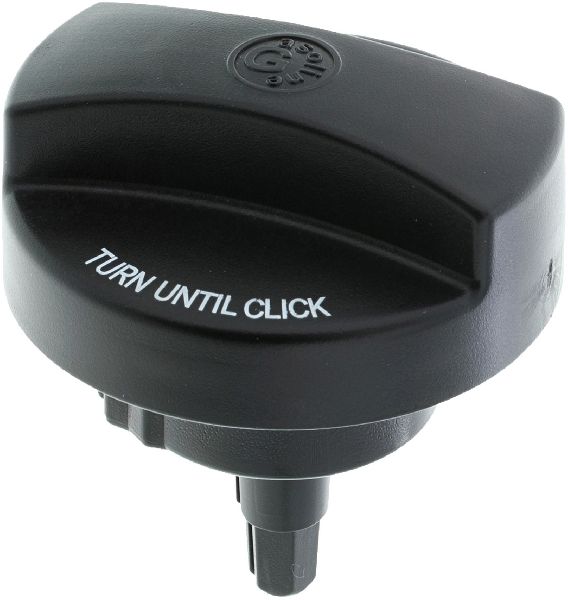
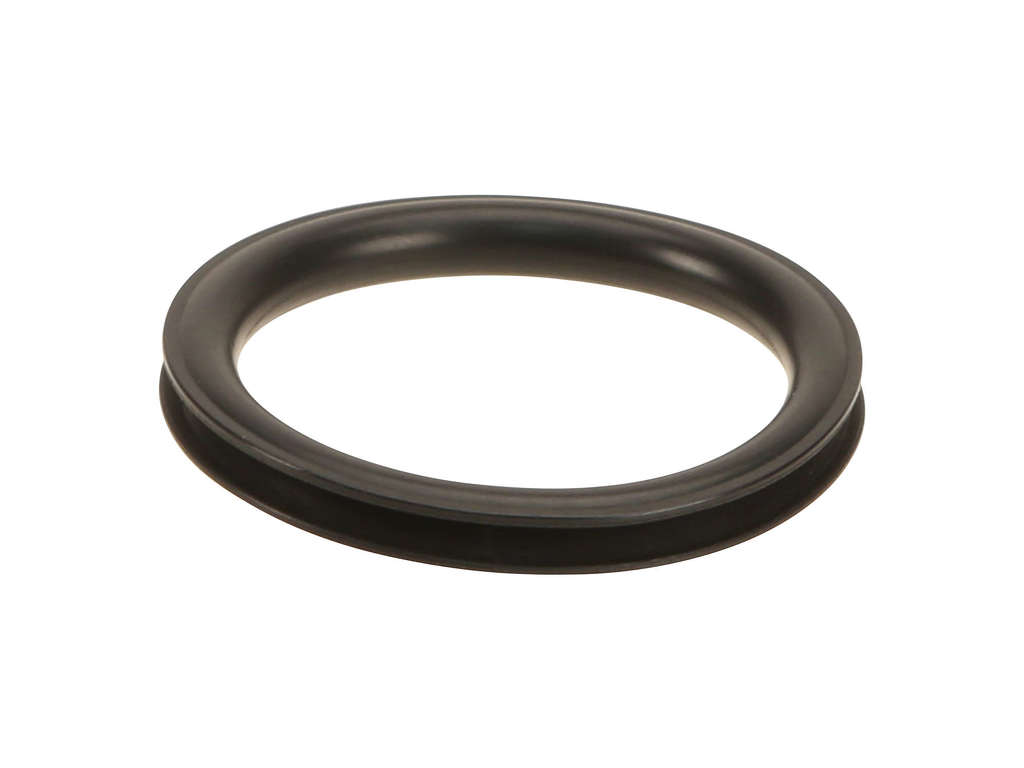
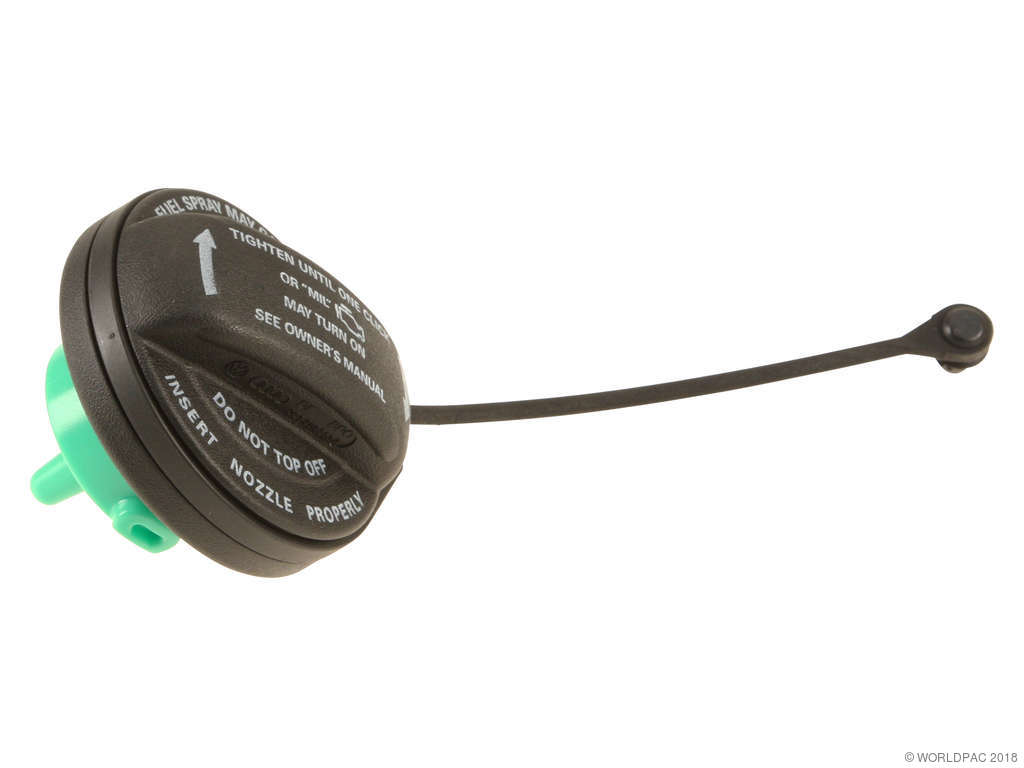
- Loose or Faulty Gas Cap 🔴 High Probability → Shop Fuel Tank Cap The rubber O-ring seal on the gas cap is known to dry out, crack, and fail over time, preventing a proper seal. The plastic tether can also break, leading to the cap being lost or not tightened correctly. This is the most common and simplest fix reported by owners.
How to confirm: First, ensure the cap is tightened until it clicks multiple times. If the code returns, visually inspect the rubber seal for any cracks, tears, or signs of hardening. Even if it looks okay, the seal may not be effective. A YouTube video by 'Handy Val DIY' shows a successful fix by simply replacing the cap after the code returned.
Typical fix: Replace the gas cap. This is the cheapest and easiest first step. An OEM cap is recommended as some aftermarket caps have sealing issues.
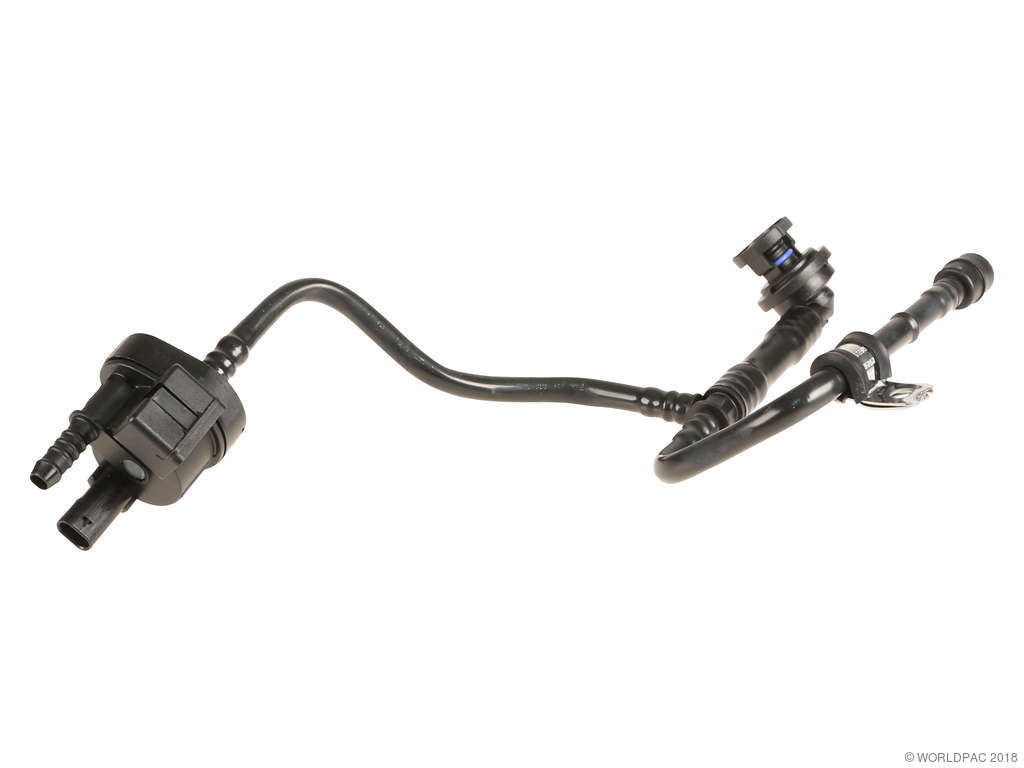
Est. part cost: $20-$60 - Faulty EVAP Purge Valve (N80 Valve) 🟡 Medium Probability → Shop Vapor Canister This solenoid valve is a very common failure item on VW and Audi vehicles of this era. It can get stuck open or closed, or leak intermittently due to internal wear. A stuck-open valve can also cause the P0441 (Incorrect Purge Flow) code.
How to confirm: With the engine running at idle, disconnect the hose from the valve and feel for suction; there should be none when the valve is commanded closed. You can also remove the valve and try to blow through it; if air passes, it's stuck open and faulty. A more definitive test can be done with a capable scan tool that can command the valve to open and close.
Typical fix: Replace the N80 purge valve. It is typically located in the engine bay, mounted on or near the intake manifold, and is relatively easy to access.
Est. part cost: $25-$75 - Faulty NVLD Pressure Switch (G400) 🟡 Medium Probability Audi issued a TSB (2035073/12, updated by 01 23 69 2071199/2) for 2013-2015 models because the original NVLD switch can erroneously detect a leak. A separate TSB (01 23 69 2071199/2) notes that contamination can cause an internal leak in the sensor.
How to confirm: This is difficult to confirm without a smoke test or following the TSB procedure. If you have a 2013-2015 model and have already replaced the gas cap and N80 valve, this becomes a likely suspect. The sensor is typically located near the charcoal canister at the rear of the vehicle.
Typical fix: Per TSB 01 23 69, first attempt to clean the sensor by blowing compressed air through it. If that fails, replace the NVLD pressure sensor and its associated filter per TSB 2035073/12.
Est. part cost: $50-$100 - Cracked or Disconnected EVAP Hoses ⚪ Low Probability Over time, the plastic and rubber hoses in the EVAP system can become brittle from engine heat and age, leading to small cracks. The lines around the N80 valve in the engine bay are particularly susceptible.
How to confirm: A visual inspection may reveal obvious cracks, especially on hoses in the engine bay. However, the definitive method for finding a very small leak in a hose is a smoke test, which forces smoke into the EVAP system to see where it escapes.
Typical fix: Replace the cracked section of hose. Sometimes just the rubber connector is at fault.
Est. part cost: $15-$50
Rare But Worth Checking
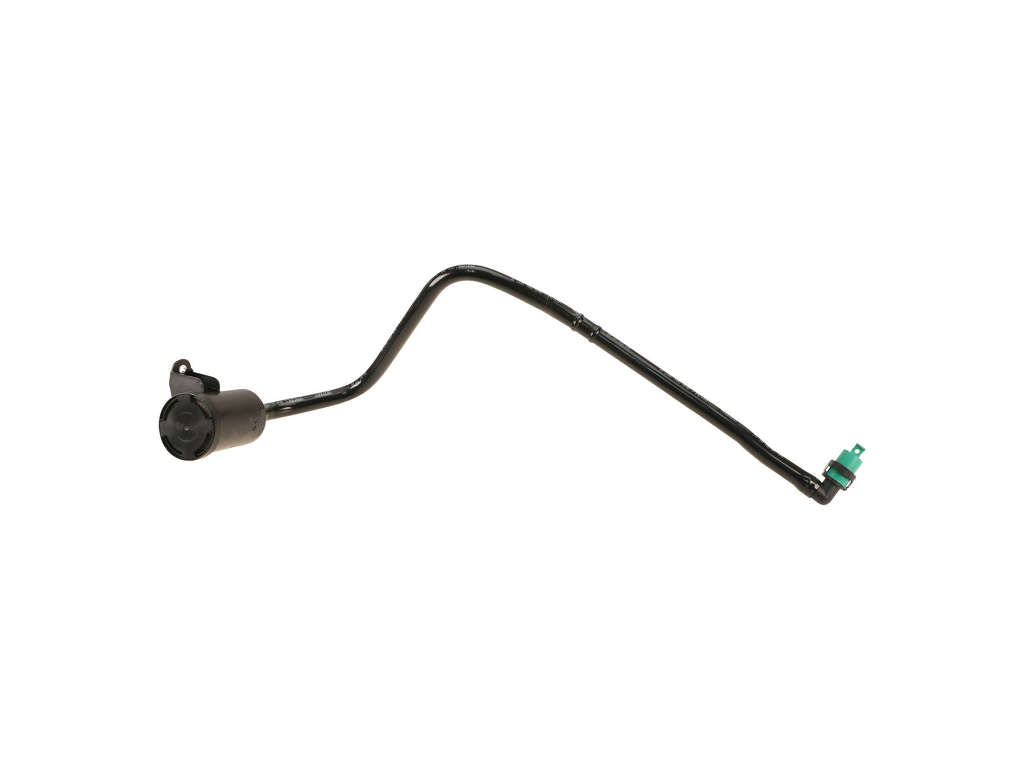
- Leaking Leak Detection Pump (LDP): → Shop Evaporative Emissions System Leak Detection Pump Audi TSB 01 16 51 2040924/1 notes that the LDP itself can develop an internal leak, causing this code. This should be considered after more common causes are ruled out.
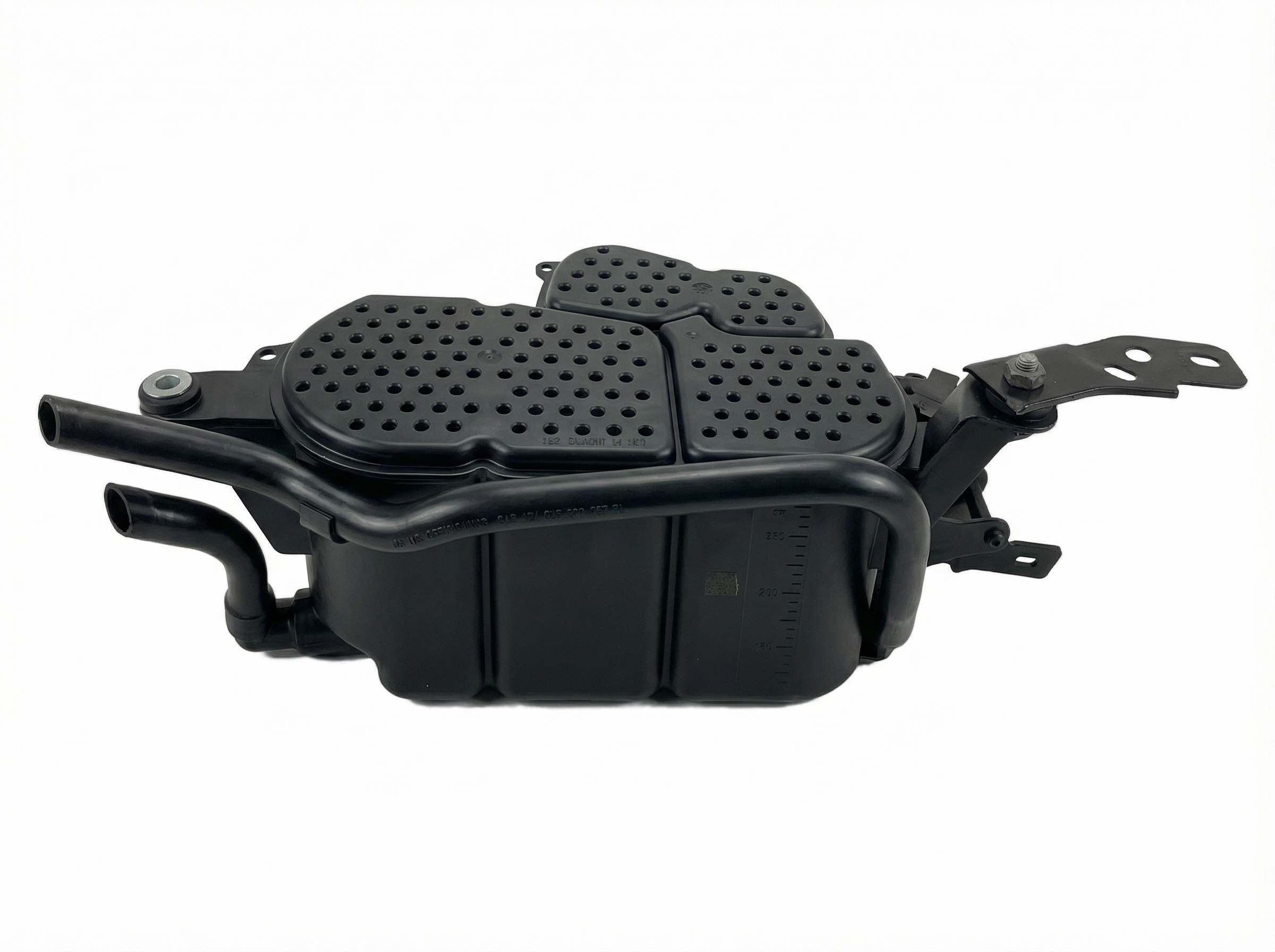
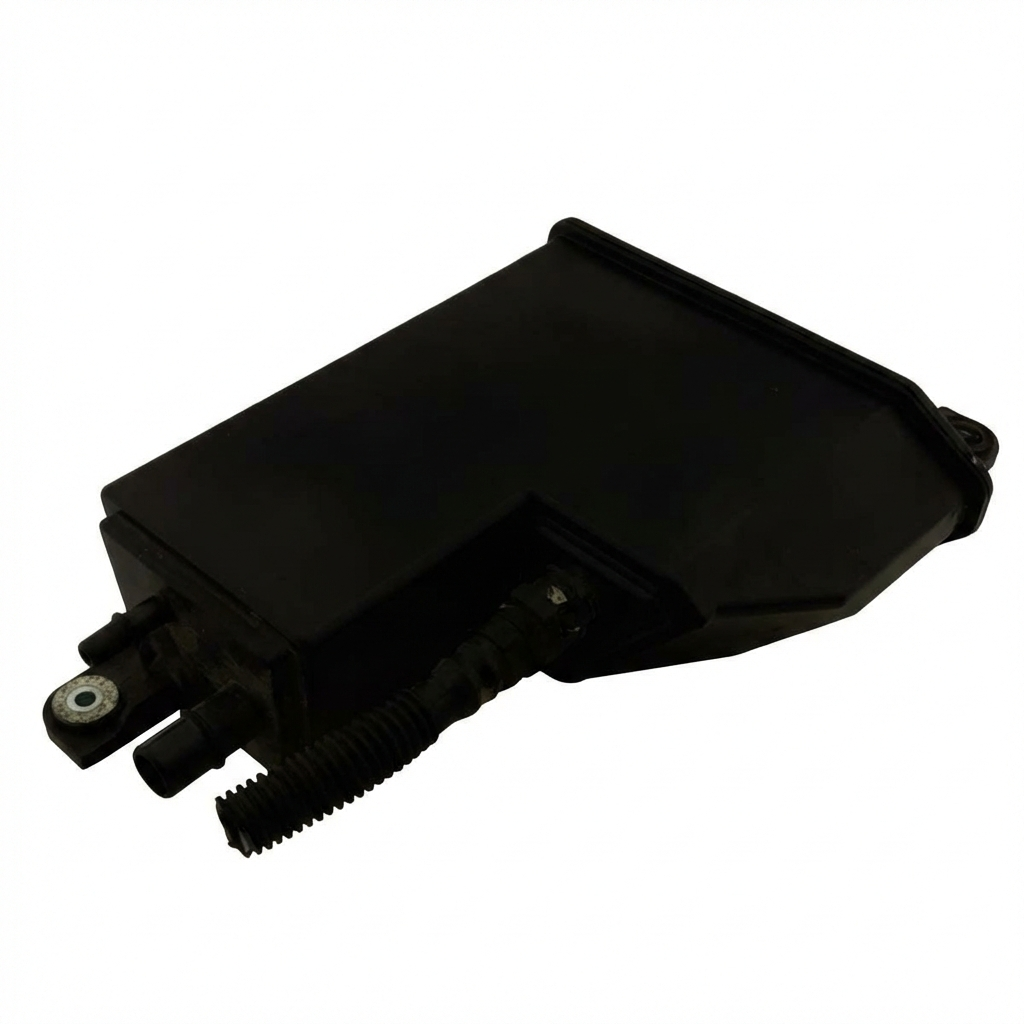
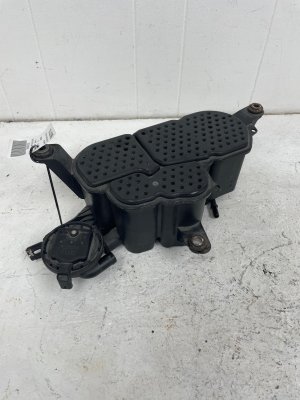
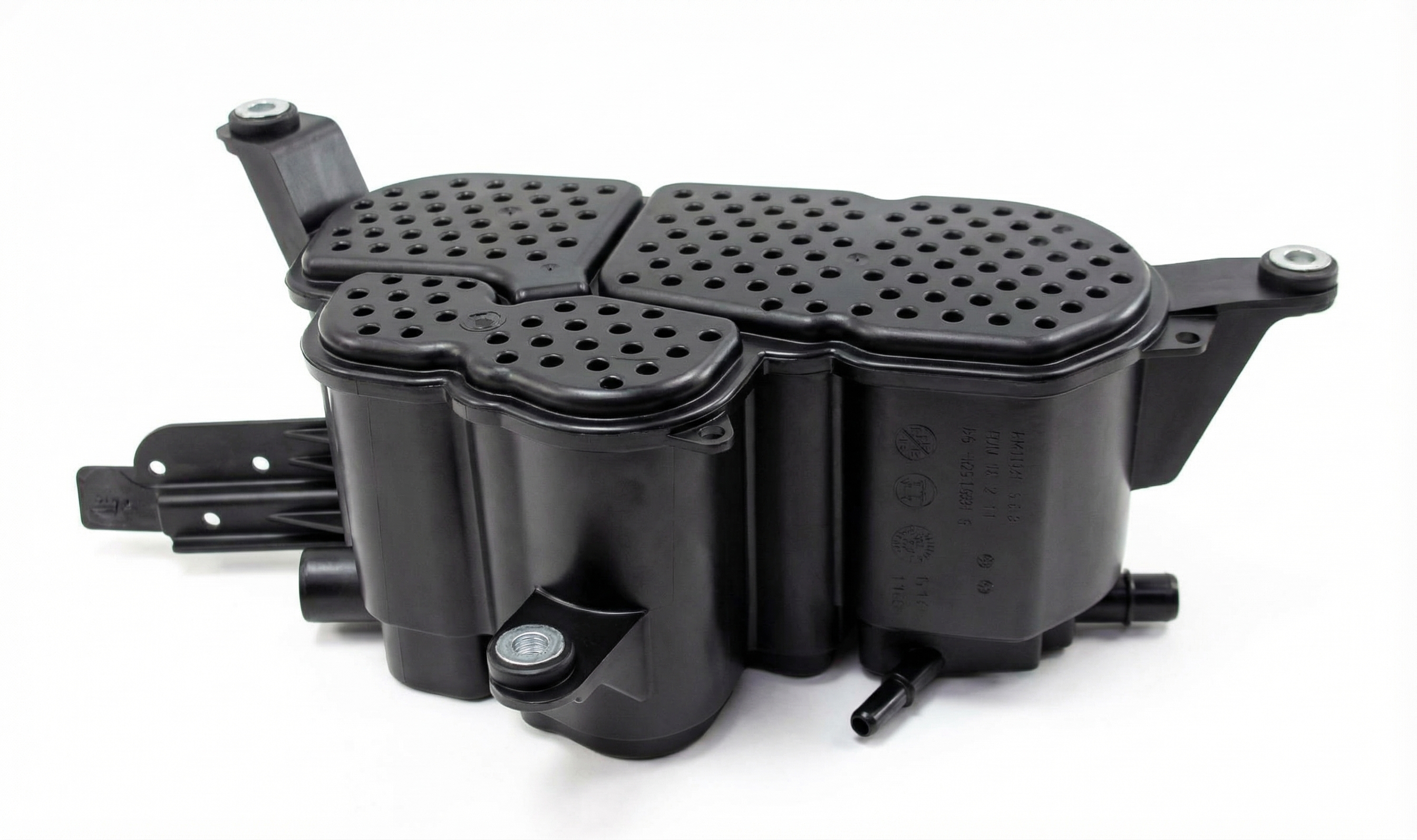
- Cracked Charcoal Canister: → Shop Vapor Canister While not common for a *very small* leak, a hairline crack can occur in the plastic housing. This is sometimes caused by habitually overfilling the fuel tank, which saturates the canister with liquid fuel and can damage it.
- Leaking Fuel Filler Neck: → Shop Fuel Filler Neck Though rare, the metal or plastic tube leading to the gas tank can develop rust or cracks, creating a leak that a smoke test would reveal.
Diagnosis Steps
- Read the code with an OBD-II scanner to confirm P0456 is present.
- Inspect the gas cap. Ensure it is tight and clicks several times. Clear the code and drive for a few days to see if it returns.
- If the code returns, carefully inspect the gas cap's rubber seal for cracks, stiffness, or damage. It's highly recommended to replace it with an OEM part as a low-cost, high-probability fix, even if it looks okay.
- Visually inspect the EVAP hoses in the engine bay, particularly around the N80 purge valve, for any obvious cracks or loose connections.
- If the code persists, the next most likely part to fail is the N80 EVAP Purge Valve. Test it by checking for vacuum at idle or by attempting to blow through it when removed. A resistance check should yield 22-30 Ohms.
- For 2013-2015 models, if the problem is still not resolved, investigate the NVLD pressure switch as described in TSB 2035073/12.
- If the leak source is still not found, the most effective next step is to have a professional mechanic perform a smoke test. This will pressurize the system with visible smoke, making even the smallest pinhole leak easy to spot. 🎬 Watch: What to check if a smoke test finds no leaks.
Parts You'll Likely Need
- Fuel Filler Cap
(OEM #8K0201550N)— This is the most common cause. The rubber seal degrades over time, causing a leak that the system detects. Part number 8K0201550N supersedes 8K0-201-550-C, 8K0-201-550-F, and 8T0-201-550-B.
Trusted brands: Audi (OEM), Febi Bilstein, Vaico
OEM price range: $40-$60
Aftermarket price range: $20-$35 - EVAP Canister Purge Valve (N80 Valve)
(OEM #06E906517A)— A very common failure point on this platform that gets stuck open or closed, causing a leak or flow fault. Bosch is the OEM supplier for this part.
Trusted brands: Bosch (OEM supplier), Pierburg, Genuine Audi/VW
OEM price range: $50-$75
Aftermarket price range: $25-$50 - NVLD Pressure Switch / Leak Detection Pump
(OEM #7L8906271A)— A known issue, especially on 2013-2015 models per a TSB. The switch itself can fail or become contaminated, falsely reporting a leak.
Trusted brands: Audi (OEM), Bosch
OEM price range: $70-$120
Aftermarket price range: $50-$90
Related Codes That Often Appear With This One
- P0441 — This code for 'Incorrect Purge Flow' often points directly to a failing N80 Purge Valve, which can also cause a P0456 leak code if it's not sealing correctly.
- P0442 — This code indicates a 'Small Leak Detected'. P0456 is for a 'Very Small Leak'. Seeing either code points to the same set of potential problems, just differing in the size of the leak detected by the system.
Technical Service Bulletins (TSBs) & Recalls
- 2035073/12 - MIL on (DTC P045600 - EVAP system leak detected NVLD)
- 01 23 69 2071199/2 - MIL on P045600 Very Small Leak Detected
Platform-Specific Known Issues
- TSB 2035073/12 (superseded by 01 23 69 2071199/2): Affects 2013-2015 A4 models. States the NVLD pressure switch may erroneously detect a very small leak. The fix is to replace the NVLD pressure sensor (G400) and its filter.
- TSB 01 23 69 2071199/2: Notes that contamination in the NVLD pressure sender (G400) can cause an internal leak, triggering P0456. The service procedure is to attempt cleaning the part with compressed air before resorting to replacement.
Mechanic-Grade Diagnostic Values
- N80 Purge Valve Coil Resistance — expected: 22 to 30 Ohms. Failure: A reading outside this range, especially an open loop (infinite resistance) or short (near zero ohms), indicates a failed coil.
- N80 Purge Valve Connector Voltage (Key On) — expected: Battery Voltage (~12V) at Pin 1. Failure: Significantly lower or no voltage at Pin 1 indicates a problem with the power supply, likely from the Engine Component Power Supply Relay (J757) or its fuse.
- NVLD System Pressure Hold Test — expected: System should hold at least 9 inch/water (22.4 mbar) after 3 minutes from an initial pressure of 12 inch/water (30 mbar).. Failure: If pressure drops below this threshold, a leak exists in the system. If it holds pressure, but the P0456 code persists, the NVLD sensor (G400) itself is likely faulty.
Scan Tool Commands That Help
- VCDS (VAG-COM): [Engine - 01] -> [Basic Settings - 04] -> Group 070 — This initiates the EVAP system leak test. The on-screen display will show the test progress and result (e.g., 'EVAP Test ON', 'System OK' or 'System NOT OK'). This is used to verify a repair or force the system to check for leaks without waiting for a full drive cycle.
- VCDS (VAG-COM): [Engine - 01] -> [Output Tests - 03] -> EVAP Canister Purge Regulator Valve (N80) — This command will cycle the N80 valve on and off, allowing a technician to hear it click and verify its electrical activation. It can be used in conjunction with a vacuum gauge to confirm it's opening and closing mechanically.
Wiring & Ground Locations
- N80 Valve Connector — In the engine bay, connected to the N80 valve, which is typically mounted on or near the intake manifold.. Pin 1 is the power supply (should have battery voltage with key on) and Pin 2 is the ground signal from the ECM. Testing voltage and continuity here is critical for diagnosing a non-functional N80 valve.
- Main Engine/Chassis Grounds — Primary ground points for the B8 platform are on the transmission bellhousing, firewall, and both left and right sides of the engine bay.. A corroded or loose engine ground can cause intermittent electrical issues and incorrect sensor readings across the board, potentially affecting the EVAP system components and their communication with the ECM. Cleaning these grounds is a good preventative measure for any electrical gremlins.
- ECM Connector T94 — At the Engine Control Module (ECM), which is typically housed in the plenum chamber at the base of the windshield.. For the N80 valve, the signal wire from Pin 2 of its connector runs to Pin 49 of the ECM's T94 connector. A continuity test between these two points can identify a broken wire in the harness.
Real Owner Repair Stories
- YouTube Commenter (Unspecified vehicle with P0456) — Persistent P0456 Check Engine Light.
❌ Tried (didn't work) Replaced charcoal canister, Replaced gas cap, Replaced vent valve, Replaced purge valve, Performed a smoke test that did not initially find the leak
✅ What actually fixed it The fuel filler neck was found to be the source of the leak. - AudiWorld Forums User (2009 Audi A4) — P0456 code appeared at only 3000km.
✅ What actually fixed it The user re-filled the gas tank, checked that the gas cap was tight, and cleared the code. The code did not return, indicating the cause was simply a loose gas cap.
"I Checked Everything" — The Actual Cause
- In some cases, a smoke test may not reveal a leak, but the P0456 code persists. For 2013-2015 models, this strongly points to the issue described in Audi TSB 2035073/12, where the NVLD pressure sensor (G400) itself is faulty and incorrectly reports a leak. Another TSB notes that microscopic contamination inside the sensor can cause an internal leak, which would not be found by a standard smoke test of the EVAP lines. The prescribed fix is to first try cleaning the sensor with compressed air before replacing it.
When the Usual Fixes Don't Work
- While the gas cap and N80 valve are the most common culprits, numerous owner reports exist where both parts were replaced without fixing the code. In these instances, the problem often turned out to be a less common issue, such as the NVLD pressure sensor on 2013-2015 models (per the TSB), a hairline crack in the fuel filler neck, or a faulty Leak Detection Pump (LDP). This highlights the importance of a smoke test before replacing more expensive components beyond the gas cap and N80 valve.
OEM Part Supersession History
8K0906253, 8K0906253B→8K0906253D— Updated design to address erroneous leak detection.
Heads up: The newer part is a direct replacement for the older versions on affected models.8K0-201-550-C, 8K0-201-550-F, 8T0-201-550-B→8K0201550N— Minor design revisions and consolidation of part numbers for the fuel filler cap.
Model Year Variations Within This Range
- 2013-2015 (B8.5 facelift): These model years are specifically called out in TSBs for having a high failure rate of the NVLD pressure sensor (G400), which can internally leak or send false signals, triggering a P0456 code even when no physical leak exists in the EVAP system.
Diagnostic Flowchart
Other Known Issues on This Vehicle
Issues unrelated to this code that are worth knowing about as an owner of this generation:
- Excessive Oil Consumption 🔴 High — Very common on 2009-2011 2.0T (CAEB engine code) models. Can occur as early as 30,000-50,000 miles. Less common but still present on 2012-2015 models. (Ref: Subject of multiple class-action lawsuits. Audi addressed this with updated pistons and rings.)
- Timing Chain Tensioner Failure 🔴 High — Common on 2.0T engines, typically between 80,000 and 150,000 km. Failure of the original tensioner design can lead to catastrophic engine damage. (Ref: No recall, but an updated tensioner part was released. A rattling noise on cold starts is the primary warning sign.)
- Water Pump Failure 🟠 Medium — Common failure item, often due to the plastic housing cracking or the gasket leaking. Can fail anywhere from 25,000 to 100,000+ miles. (Ref: A recall was issued for some models due to the coolant pump overheating, but general failure is also common. Symptoms include coolant leaks and overheating warnings.)
- Intake Manifold Carbon Buildup 🟠 Medium — An inherent issue with all direct-injection (FSI/TFSI) engines. Significant buildup can occur every 40,000-60,000 miles, causing misfires, rough idle, and power loss. (Ref: No recall; this is considered a maintenance item. Cleaning is typically done by walnut shell blasting.)
- PCV Valve Failure 🟡 Low — The diaphragm in the Positive Crankcase Ventilation (PCV) valve can tear, typically after 60,000 miles, causing a whistling noise, rough idle, and increased oil consumption.
Used vs. New Parts: Buying Guide for This Vehicle
When a used part is the smart pick: Structural parts like a fuel filler neck or a charcoal canister can be good candidates for used parts, provided they come from a low-mileage, non-corroded donor vehicle. Visually inspect for cracks or rust before purchasing.
Donor-vehicle mileage cap: roughly under 80000 miles for the part to have meaningful remaining life.
What to inspect on the donor part:
- For charcoal canisters, ensure there are no visible cracks in the plastic housing.
- For hoses, check for flexibility and ensure there are no hardened or brittle sections.
- For a fuel filler neck, inspect thoroughly for rust, especially around the sealing area where the gas cap sits.
OEM-only on this vehicle (don't cheap out):
- Fuel Filler Cap: Aftermarket caps are notorious for poor sealing, which can cause the P0456 code to return. Always use an OEM or OEM-supplier part.
- NVLD Pressure Sensor (G400): Given that this is a sensitive electronic sensor and a known failure point with a specific TSB, using a genuine OEM replacement is highly recommended to ensure correct calibration and avoid a repeat failure.
Aftermarket brands forum-validated for this vehicle:
- Bosch: Bosch is the Original Equipment Supplier for the N80 Purge Valve (part 06E906517A), making it a safe and reliable choice equivalent to the genuine Audi part.
- Febi Bilstein: Often cited as a quality aftermarket brand for parts like the fuel cap.
Brands owners have reported issues with on this vehicle:
- Unbranded/generic eBay or Amazon parts: For critical sealing components like the gas cap or electronic sensors like the N80 valve and NVLD switch, ultra-low-cost generic parts often have high failure rates and may not perform to OEM specifications.
Real Owner Stories
Aggregated from forums and TSBs cited above. Mileages and costs reflect what owners reported in those sources.
2013-2015 Audi A4
Symptoms: The Check Engine Light (MIL) was on with DTC P045600. The system was detecting a very small leak that was actually an erroneous reading from the pressure switch.
What fixed it: Replaced the NVLD pressure sensor (G400) and its associated filter as per the technical service bulletin.
Source hint: TSB 2035073/12 - MIL on (DTC P045600 - EVAP system leak detected NVLD)
2011 Audi S4 (B8 Platform)
Symptoms: Owner received their first Check Engine Light with code P0456.
What fixed it: The primary recommendation and fix was to check and ensure the gas cap was properly tightened.
Source hint: AudiWorld thread titled 'Got my first CEL today: P0456 EVAP system leak'
2014 Audi S4 (B8.5)
Symptoms: The owner experienced a P0456 code. They initially tried clearing the code, but it returned.
What fixed it: Replacing the gas cap with a new OEM unit resolved the issue after visual inspection and clearing the code failed to keep the light off.
Source hint: YouTube video by 'Handy Val DIY' (2024)
2013-2015 Audi A4
Symptoms: Check Engine Light on for a very small leak. Internal contamination was suspected in the pressure sender.
What fixed it: Attempted to clean the NVLD pressure sender (G400) using compressed air to remove contamination.
Source hint: TSB 01 23 69 2071199/2 - MIL on P045600 Very Small Leak Detected
Related OBD-II Codes
Frequently Asked Questions
Does TSB 2035073/12 apply to my 2014 Audi A4?
My 2010 A4 is hard to start after I fill up the gas tank; is this related to P0456?
Should I buy an aftermarket gas cap for my Audi A4 to save money?
What is the resistance specification for the N80 Purge Valve on this vehicle?
Can I clean the NVLD pressure sensor on my 2015 A4 instead of replacing it?
Is the P0456 code common on other Audi models similar to the A4?
Helpful Videos

Used OEM Parts in Stock

New Aftermarket Parts Available


The information in this article is provided for general reference and educational purposes only. Vehicle specifications, procedures, and part compatibility can vary by production date, trim level, and region. Always consult your vehicle's factory service manual and verify part numbers before purchasing or performing repairs. Safety-critical components such as airbags, seat belts, and braking systems should be installed by a qualified professional.
- Audi A4:
- 🧭 Diagnostic Flowchart
- 🎬 Helpful Videos
- 🛍️ Shop This Part
- What's Unique About the 2009-2015 Audi A4
- Symptoms You May Notice
- Most Likely Causes
- Rare But Worth Checking
- Diagnosis Steps
- Parts You'll Likely Need
- Related Codes That Often Appear With This One
- Technical Service Bulletins (TSBs) & Recalls
- Platform-Specific Known Issues
- Mechanic-Grade Diagnostic Values
- Scan Tool Commands That Help
- Wiring & Ground Locations
- Real Owner Repair Stories
- "I Checked Everything" — The Actual Cause
- When the Usual Fixes Don't Work
- OEM Part Supersession History
- Model Year Variations Within This Range
- Other Known Issues on This Vehicle
- Used vs. New Parts: Buying Guide for This Vehicle
- Real Owner Stories
- 2013-2015 Audi A4
- 2011 Audi S4 (B8 Platform)
- 2014 Audi S4 (B8.5)
- 2013-2015 Audi A4
- Related OBD-II Codes
- Frequently Asked Questions
- 🎟️ Get 5% Off