

P0456 on 2007-2015 Audi Q7 3.0T: Causes and Fixes for a Very Small EVAP Leak
For the Audi Q7 with a 3.0T engine, code P0456 is most often caused by a loose or faulty gas cap. Before purchasing any parts, inspect the cap's seal for cracks and ensure it clicks when tightened. If the issue persists, the next most likely culprit is a failing EVAP Purge Valve (N80), an affordable and accessible part for DIY replacement. If neither resolves the code, a smoke test is the best next step to find the source of the leak.
- P0456 is a minor issue that won't affect how your Audi Q7 drives.
- Always start diagnosis by inspecting and tightening the gas cap. A worn or cracked seal is the most common cause.
- If a new gas cap doesn't fix the problem, the N80 EVAP Purge Valve is the next most likely and affordable part to replace.
- If simple fixes fail, a smoke test is necessary to find the leak without guessing and replacing expensive parts.
- Be aware that Audi has a TSB for this code, which may point to a faulty Leak Detection Pump (LDP) or a software issue.
What's Unique About the 2007-2015 Audi Q7
On this generation of Audi Q7, the P0456 code is a straightforward "very small leak" warning. However, Audi has issued Technical Service Bulletins (TSBs) indicating that this code can sometimes be triggered by software sensitivity or minor faults within the Leak Detection Pump (LDP) itself, even without a physical leak in the hoses or gas cap. This makes a thorough diagnosis important before replacing more expensive components, as a simple software update or a specific pump replacement might be the required fix. The LDP is located behind the driver-side rear wheel arch liner, making it more susceptible to road debris and moisture.
Symptoms You May Notice
- Check Engine Light (MIL) is on.
- No noticeable change in drivability.
- A faint fuel smell may be present in rare cases, but is not typical for a very small leak.
- Difficulty starting after refueling, if the purge valve (N80) is stuck open.
- Replacing the oxygen sensors. O2 sensors are not related to the EVAP system.
- Replacing the fuel tank pressure sensor without proper diagnosis. While possible, it is a less common failure point than the gas cap or N80 valve for this specific code.
Most Likely Causes
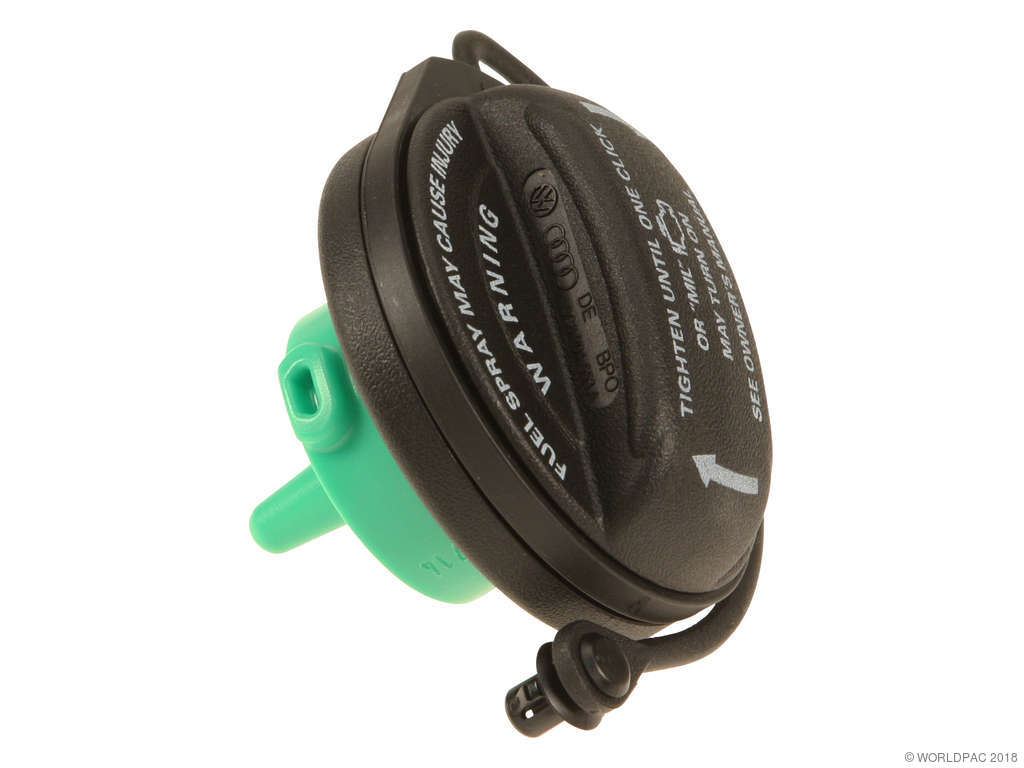
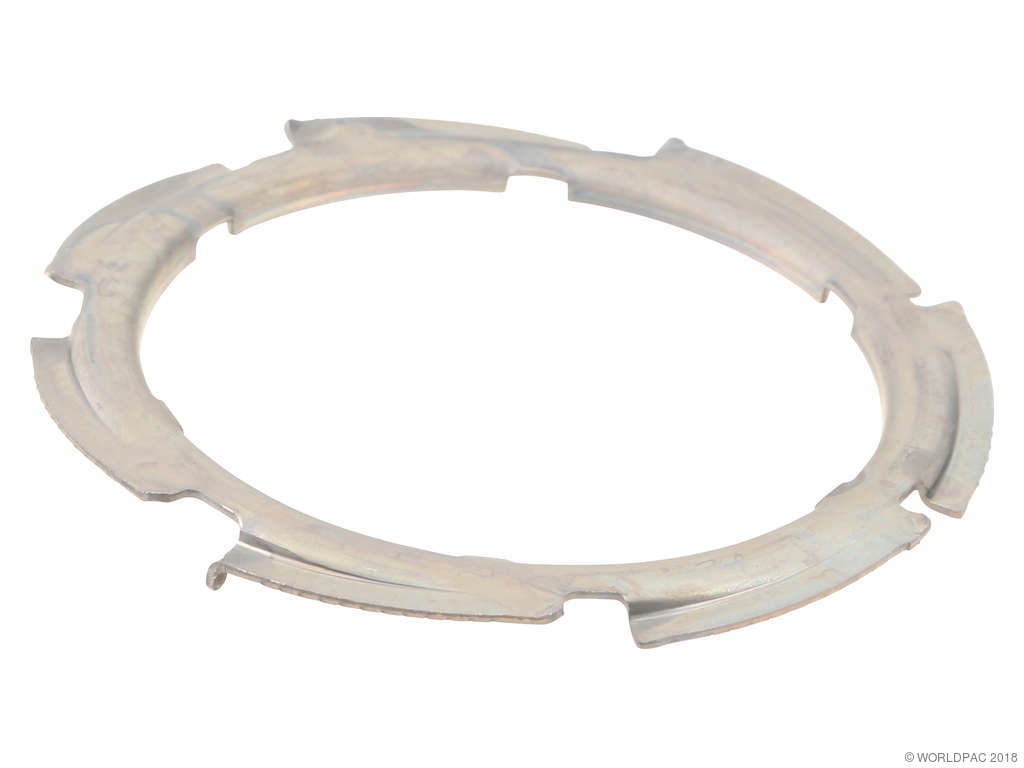
- Loose or Faulty Gas Cap 🔴 High Probability → Shop Fuel Tank Cap The gas cap seal is a rubber component that degrades over time due to fuel exposure and temperature changes, leading to a loss of sealing pressure. This is the most common cause for EVAP codes on most vehicles. Aftermarket caps are a known source of issues, so an OEM cap is strongly recommended.
How to confirm: Inspect the gas cap's rubber O-ring for cracks, brittleness, or signs of compression. Ensure the cap is tightened until it clicks several times. If the seal is damaged, replacement is necessary. Some owners have had success simply replacing the rubber seal instead of the entire cap. Aftermarket caps can sometimes cause sealing issues, so an OEM part is recommended.
Typical fix: Replace the gas cap or its seal.
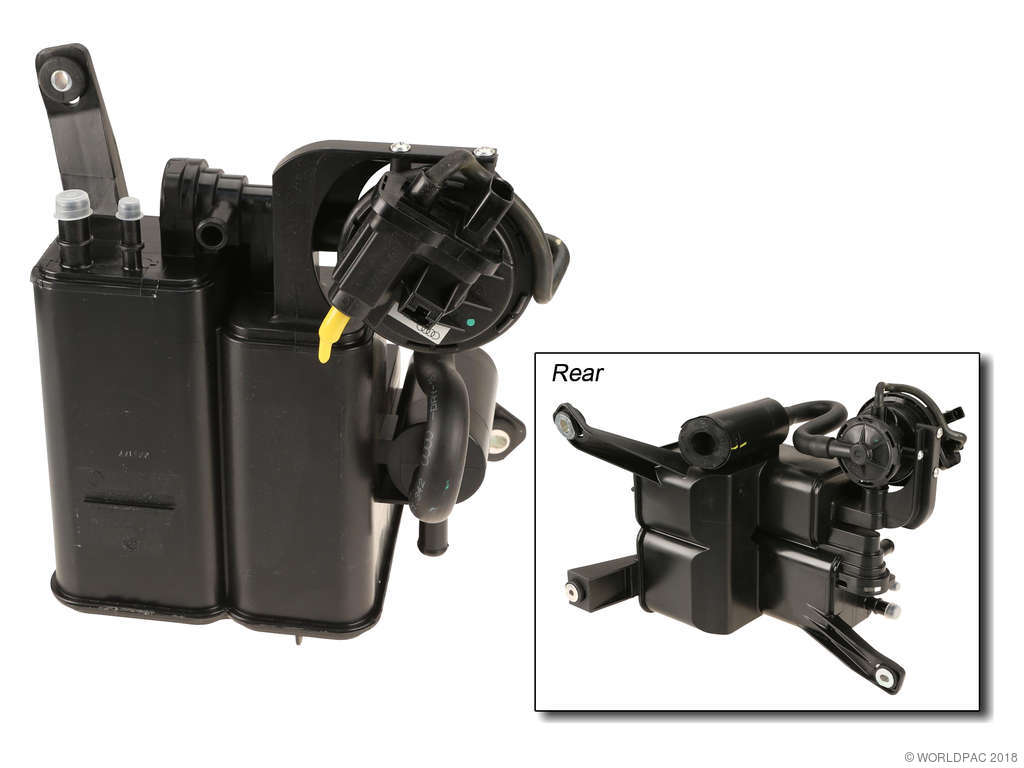
Est. part cost: $20-$75 - EVAP Purge Valve (N80) Failure 🟡 Medium Probability → Shop Vapor Canister The N80 valve is an electromechanical component that cycles frequently. Over time, it can get stuck partially open due to carbon buildup or internal failure, creating a constant small leak path. This is a very common failure point on many VW and Audi vehicles of this era.
How to confirm: The N80 valve should be closed when the engine is off. Remove the valve (located on top of the engine on the 3.0T, near the throttle body) and try to blow through it. If air passes through, the valve is stuck open and must be replaced. A scan tool can also be used to command the valve open and closed while listening for a click.
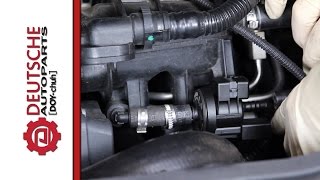
Typical fix: Replace the N80 EVAP Purge Valve. 🎬 Watch: This DIY walkthrough shows how to install a new N80 valve.
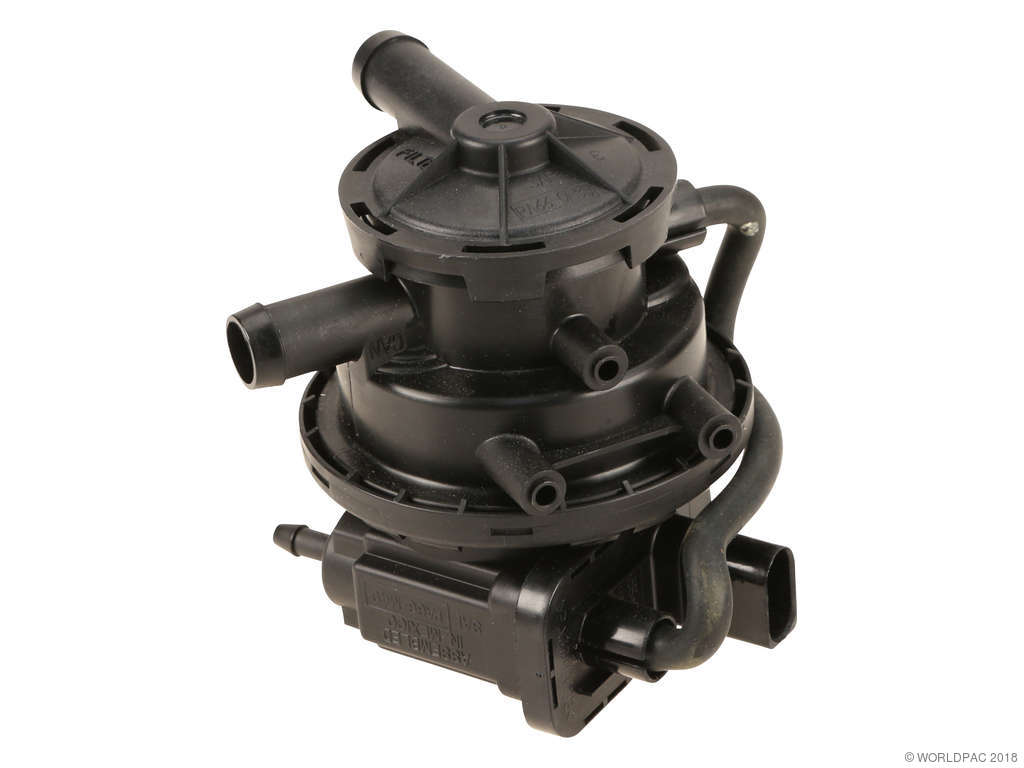
Est. part cost: $70-$110 - Leaking Leak Detection Pump (LDP) ⚪ Low Probability → Shop Evaporative Emissions System Leak Detection Pump Audi has a TSB (2040924) that specifically addresses the possibility of the LDP itself developing an internal leak, which can trigger a P0456 code. This can happen even if all external hoses and connections are secure. Its location behind the rear wheel liner exposes it to the elements, potentially accelerating failure.
How to confirm: This requires advanced diagnostics, typically a smoke test isolating the pump or using a VAG-COM (VCDS) to run specific EVAP tests as outlined in the TSB. If the system holds pressure but the code returns, or if a smoke test shows smoke emitting from the LDP body, the pump is faulty. The LDP is located behind the driver-side rear wheel arch liner.
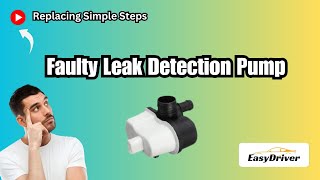
Typical fix: Replace the Leak Detection Pump. 🎬 Watch: A step-by-step guide on replacing a faulty leak detection pump.
Est. part cost: $150-$250 - Cracked or Disconnected EVAP Hoses ⚪ Low Probability Plastic and rubber hoses in the engine bay and under the vehicle can become brittle with age and heat cycles, leading to hairline cracks that cause very small leaks. The fuel filler neck area is a notable spot for leaks to develop due to rust or cracked vent hoses.
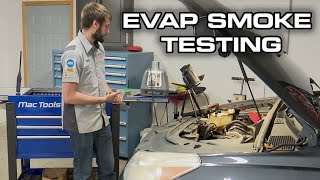
How to confirm: A visual inspection may reveal obvious cracks, but a professional smoke test is the most effective way to find a very small leak in the EVAP line network. The test involves filling the EVAP system with a visible vapor and looking for where it escapes. 🎬 See how to perform a professional smoke test to find leaks.
Typical fix: Replace the cracked hose section.
Est. part cost: $15-$100
Rare But Worth Checking
- Cracked Charcoal Canister: → Shop Vapor Canister The plastic housing of the charcoal canister can develop hairline cracks from age or impact from road debris, creating a leak. This is usually found during a smoke test. Overfilling the fuel tank is a common cause of premature canister failure by saturating it with liquid fuel.
- ECM Software Issue: Audi has issued TSBs for other models where an overly sensitive ECM logic can falsely trigger P0456. If no physical leak can be found, checking with a dealer for any available software updates for the Engine Control Module is a valid diagnostic step. TSB #A011510 2039888 has been noted for this issue.
- Leaking Fuel Filler Neck: → Shop Fuel Filler Neck The metal fuel filler neck or the smaller vent hoses connected to it can corrode or crack over time, creating a leak path. This can be difficult to detect without a smoke machine that has a proper filler neck adapter.
Diagnosis Steps
- Read the code with an OBD-II scanner to confirm P0456 is present.
- Inspect the gas cap. Remove it, check the rubber seal for cracks or brittleness, and ensure it's the correct cap for the vehicle.
- Tighten the gas cap until it clicks multiple times. Clear the code with the scanner.
- Drive for a few days. The EVAP monitor runs under specific conditions (often during cooldown with a specific fuel level), so it may take time for the light to return if the problem isn't fixed.
- If the light returns, the gas cap is the most likely cause. Replace it with a high-quality OEM part. Aftermarket caps are known to cause issues.
- If a new gas cap does not resolve the issue, test the N80 Purge Valve. Locate it on the 3.0T engine, disconnect it, and try to blow through it. If air passes, it has failed and needs replacement.
- If the gas cap and N80 valve are good, perform a visual inspection of all accessible EVAP hoses for obvious cracks or disconnections, paying special attention to the fuel filler neck area.
- If no visible issues are found, the most definitive next step is a professional smoke test to locate the source of the very small leak. This is the most reliable way to find hairline cracks in hoses, the canister, or the LDP.
Parts You'll Likely Need
- Fuel Tank Cap
(OEM #7L8201550D)— This is the most frequent cause of P0456. The rubber seal wears out over time, causing a pressure leak that the system detects.
Trusted brands: Audi Genuine, Blau, Motorad
OEM price range: $40-$75
Aftermarket price range: $20-$40 - EVAP Canister Purge Valve (N80 Valve)
(OEM #06E906517A)— This valve controls the flow of fuel vapors to the engine. It is a common failure item that gets stuck open, creating a constant small leak.
Trusted brands: Bosch, Audi Genuine
OEM price range: $70-$110
Aftermarket price range: $40-$80 - Leak Detection Pump (LDP)
(OEM #7L8906271A)— If other components are confirmed to be sealed, the pump itself may have an internal leak or fault, triggering the code. TSB 2040924 suggests this as a potential failure point and lists an updated part.
Trusted brands: Bosch, Audi Genuine
OEM price range: $200-$300
Aftermarket price range: $150-$220
Related Codes That Often Appear With This One
- P0441 — A P0441 (Incorrect Purge Flow) can sometimes accompany a P0456 if the N80 purge valve is failing intermittently, affecting both sealing and flow.
- P0442 — This code for a 'small leak' may appear if the leak size is on the borderline between the 'very small' and 'small' thresholds defined by the ECM.
Technical Service Bulletins (TSBs) & Recalls
- 01 16 51 / 2040924 / 2040924/2: MIL on (DTC P0456 (EVAP emission control system small leak detected)). This TSB provides a diagnostic flow to isolate the leak to the EVAP system or the LDP itself on 2014-2015 Q7 models. It has been revised, with the latest version being 2040924/2.
- A011510 / 2039888: This TSB notes that a P0456 code can be triggered due to ECM software sensitivity even when no physical leak exists, suggesting a software update as a potential fix.
Platform-Specific Known Issues
- A Technical Service Bulletin (TSB 01 16 51 / 2040924) exists for the 2014-2015 Q7 3.0T for DTC P0456. It outlines a detailed diagnostic procedure to determine if the leak is in the EVAP system or within the Leak Detection Pump (LDP) itself, and lists an updated LDP part number if required.
- Another TSB (#A011510 2039888) suggests that the P0456 code can be stored without any actual leak being present, potentially requiring a software update at a dealership.
Mechanic-Grade Diagnostic Values
- EVAP Purge Valve (N80) internal resistance — expected: 15 to 30 Ω. Failure: A reading significantly outside this range indicates a bad solenoid coil.
- Leak Detection Pump (LDP) V144 internal resistance — expected: Between pins 1 & 3: 640 to 720 Ω. Between pins 2 & 3: 15 to 17 Ω.. Failure: Readings outside of these ranges indicate a faulty LDP.
- Voltage supply to EVAP Purge Valve (N80) connector — expected: 12V+ (Battery Voltage) at Pin 1 with key on.. Failure: No voltage points to a wiring or fuse issue upstream of the valve.
- EVAP System Pressure Test (via VCDS Basic Settings) — expected: Max pressure should build to between 9-11 inches of water.. Failure: If pressure drops by 4 inches of water or more within 6 minutes, a leak is present.
Scan Tool Commands That Help
- VCDS (VAG-COM) or ODIS: Engine (01) -> Output Tests -> EVAP Canister Purge Regulator Valve (N80) — Use this to manually cycle the N80 valve. You should hear it click. With the valve removed, you can confirm it opens and closes by blowing through it during the test.
- VCDS (VAG-COM) or ODIS: Engine (01) -> Basic Settings -> Group 070/071 (EVAP System Leak Test) — This initiates the LDP-driven system leak test. It pressurizes the system and allows you to monitor pressure decay to confirm if a leak exists, as outlined in TSB 2040924.
Wiring & Ground Locations
- Fuse SB12 — Fuse panel B, located on the left side of the instrument panel.. This 10A fuse provides power to the EVAP Canister Purge Regulator Valve (N80). A blown fuse would prevent the valve from operating, though this would likely cause a circuit code rather than just a leak code.
- Fuse SA5 — In the primary fuse panel/relay plate.. This 15A fuse supplies power to the Leak Detection Pump (LDP). A blown fuse would prevent the LDP from running its self-test.
- Ground Connection 609 — On the right side of the plenum chamber (the area at the base of the windshield under the hood).. This is a key ground point for engine electronics. A corroded or loose ground here can cause intermittent issues with various sensors and solenoids, including those in the EVAP system.
- N80 Valve Connector Pin 1 — At the N80 valve connector on top of the engine.. This pin should have battery voltage with the key on. It is the power supply pin for the valve's solenoid.
- N80 Valve Connector Pin 2 — At the N80 valve connector on top of the engine.. This pin is the ground-side control from the ECM. The ECM pulses the ground to open and close the valve.
Real Owner Repair Stories
- AudiWorld Forums user (2011 Audi Q7) — Check Engine Light with code P2404 (LDP Sense Circuit), which is often related to P0456 causes.
❌ Tried (didn't work) Extensive diagnostics were performed without finding a clear fault.
✅ What actually fixed it The gas cap's rubber O-ring was found to be compressed and cracked. Replacing the gas cap for around $13 cleared the code immediately. - YouTube user comment (Not specified, but common P0456 scenario) — P0456 code present.
❌ Tried (didn't work) Replaced the purge valve (N80)., Replaced the gas cap.
✅ What actually fixed it A smoke test revealed the leak was actually coming from the fuel filler neck itself, which was not sealing against the cap properly.
"I Checked Everything" — The Actual Cause
- A common error during a smoke test is for the technician to pinch off the charcoal canister's vent hose to seal the system for the test. If the vent valve itself is the source of the leak, this action will bypass the fault, leading to a 'clean' test result. The correct procedure is to command the vent valve closed with a scan tool first, then introduce smoke to test the entire sealed system, including the valve.
- According to Audi TSB #A011510 2039888, the P0456 code can be stored with no physical leak present in the system. If a properly executed smoke test confirms the system is sealed, the root cause may be an overly sensitive ECM software calibration, which requires a dealer-installed update to fix.
OEM Part Supersession History
06E906517→06E906517A— Revision of the EVAP Canister Purge Valve (N80).
Heads up: The 'A' revision is the current replacement and is fully compatible.7L8906271→7L8906271A— Revision of the Leak Detection Pump (LDP).
Heads up: The 'A' revision is the current replacement and is fully compatible. TSB 2040924 may call for this updated part.
Model Year Variations Within This Range
- 2011-2015: The 3.0T supercharged engine was introduced in 2011, replacing the previous 3.6L and 4.2L engines. While the EVAP system principles are the same, the location of components like the N80 valve and specific hose routing are unique to the 3.0T engine bay.
- 2014-2015: TSB 2040924, which details the specific diagnostic procedure for an internal LDP leak, is explicitly for the 2014-2015 model year Q7 with the 3.0T engine.
Diagnostic Flowchart
Other Known Issues on This Vehicle
Issues unrelated to this code that are worth knowing about as an owner of this generation:
- PCV Valve / Oil Separator Failure 🟠 Medium — Common failure item, often after 50,000 miles. Can cause a whistling sound, high oil consumption, and lean codes. (Ref: TSB 2040058/3 was issued for some 3.0T engines for PCV failure.)
- Water Pump & Thermostat Leaks 🟠 Medium — Plastic components become brittle and leak, typically between 60,000-100,000 miles. Early (2011-2012) models were more prone to failure.
- Intake Valve Carbon Buildup 🔴 High — A consequence of direct injection. Significant buildup can occur by 60,000-80,000 miles, causing misfires, rough idle, and reduced power. Requires manual cleaning (e.g., walnut blasting).
- Timing Chain Tensioner Rattle 🔴 High — A brief rattle on cold startup can be normal, but persistent or worsening rattle indicates failing tensioners. Failure can be catastrophic. More common on higher-mileage vehicles.
- Panoramic Sunroof Drain Clogs 🟠 Medium — Drain tubes for the large sunroof frequently clog with debris, causing water to leak into the cabin, often damaging sensitive electronics like the MMI amplifier located in the rear.
- Supercharger Intercooler Leaks 🟠 Medium — The intercoolers (heat exchangers) located under the supercharger can develop slow coolant leaks internally, leading to coolant consumption and potential misfires if coolant enters the cylinders.
Used vs. New Parts: Buying Guide for This Vehicle
When a used part is the smart pick: Used parts are generally not recommended for fixing a P0456 code due to the nature of the failures. The most common causes are worn rubber seals (gas cap) and failing electromechanical valves (N80, LDP), which have a finite lifespan. A used part may have similar wear and fail soon after installation. The only exception might be a large plastic component like a charcoal canister if it was damaged by impact and a used one is visibly intact.
Donor-vehicle mileage cap: roughly under 50000 miles for the part to have meaningful remaining life.
What to inspect on the donor part:
- For any hose: Check for flexibility; avoid anything hard or brittle.
- For a charcoal canister: Ensure there are no visible cracks in the plastic housing and no signs of being saturated with liquid fuel (which would make it heavy).
- For a fuel filler neck: Inspect for rust or corrosion on the sealing surface where the gas cap sits.
OEM-only on this vehicle (don't cheap out):
- Fuel Tank Cap: Aftermarket gas caps are a notorious cause of P0456 codes because their seals or thread pitch may not match OEM specifications perfectly, preventing a proper seal.
- EVAP Purge Valve (N80): While a quality OEM-supplier brand like Bosch is acceptable, cheap unbranded aftermarket valves have high failure rates. Given the labor to access it, using a non-OEM part is a risk.
- Leak Detection Pump (LDP): This is a sensitive diagnostic component. An OEM or OEM-supplier (Bosch) part is strongly recommended to ensure it functions correctly with the vehicle's ECU.
Aftermarket brands forum-validated for this vehicle:
- Bosch (for N80 Valve and LDP, as they are an OEM supplier)
Brands owners have reported issues with on this vehicle:
- Unbranded or generic gas caps from online marketplaces.
- No-name electronic parts like purge valves or LDPs.
Real Owner Stories
Aggregated from forums and TSBs cited above. Mileages and costs reflect what owners reported in those sources.
2015 Audi Q7 3.0T TFSI
Symptoms: Check engine light on for a small EVAP leak.
What fixed it: Replacing the N80 purge valve.
Source hint: AudiWorld Forums thread '2015 Q7 3.0T TFSI EVAP system small leak P045'
2007-2015 Audi Q7 3.0T (similar Audi/VW platform)
Symptoms: P0456 code present after other checks failed.
What fixed it: Replacing the N80 purge valve (P/N 06E 906 517 A).
Source hint: AudiForums.com thread 'CEL - P0456 - EVAP Small Leak troubleshooting *SOLVED*'
2007-2015 Audi Q7 3.0T
Symptoms: Fault Code P0456: Evaporative System Emission Leak.
What fixed it: Advised to start with the gas cap and check vacuum lines before seeking a VAG-COM diagnosis.
Source hint: AudiWorld Forums thread 'Fault Code P0456: Evaporative System Emission Leak'
Related OBD-II Codes
Frequently Asked Questions
Does TSB 2040924 apply to my 2015 Audi Q7 3.0T?
Is it possible to have a P0456 code on my Q7 even if there isn't a physical leak?
Where is the N80 Purge Valve located on the 3.0T engine?
Where is the Leak Detection Pump (LDP) located on the Audi Q7?
Can I use an aftermarket gas cap to fix the P0456 code?
What are the symptoms of a stuck open N80 purge valve after refueling?
Helpful Videos

![How to Fix P0456 Engine Code in 7 Minutes [7 DIY Methods / Only $3.44]](https://img.youtube.com/vi/njt81AALI3U/mqdefault.jpg)
![How to Fix P0456 Engine Code in 3 Minutes [2 DIY Methods / Only $4.44]](https://img.youtube.com/vi/v_QDSjd1-Lw/mqdefault.jpg)
Used OEM Parts in Stock
New Aftermarket Parts Available


The information in this article is provided for general reference and educational purposes only. Vehicle specifications, procedures, and part compatibility can vary by production date, trim level, and region. Always consult your vehicle's factory service manual and verify part numbers before purchasing or performing repairs. Safety-critical components such as airbags, seat belts, and braking systems should be installed by a qualified professional.
- Audi Q7:
- 🧭 Diagnostic Flowchart
- 🎬 Helpful Videos
- 🛍️ Shop This Part
- What's Unique About the 2007-2015 Audi Q7
- Symptoms You May Notice
- Most Likely Causes
- Rare But Worth Checking
- Diagnosis Steps
- Parts You'll Likely Need
- Related Codes That Often Appear With This One
- Technical Service Bulletins (TSBs) & Recalls
- Platform-Specific Known Issues
- Mechanic-Grade Diagnostic Values
- Scan Tool Commands That Help
- Wiring & Ground Locations
- Real Owner Repair Stories
- "I Checked Everything" — The Actual Cause
- OEM Part Supersession History
- Model Year Variations Within This Range
- Other Known Issues on This Vehicle
- Used vs. New Parts: Buying Guide for This Vehicle
- Real Owner Stories
- 2015 Audi Q7 3.0T TFSI
- 2007-2015 Audi Q7 3.0T (similar Audi/VW platform)
- 2007-2015 Audi Q7 3.0T
- Related OBD-II Codes
- Frequently Asked Questions
- 🎟️ Get 5% Off