

P0456 on 2010-2017 BMW 5-Series: EVAP Very Small Leak Causes and Fixes
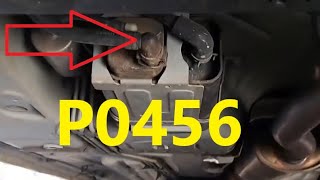
For a 2010-2017 BMW 5-Series, code P0456 is most often caused by a worn-out gas cap seal. Replacing the gas cap with a genuine BMW part is the easiest and most likely fix, costing around $30-$50. If that fails, the next most common causes are the fuel tank vent valve (purge valve) or the DMTL pump. A smoke test is the most reliable way to find the exact source of the leak.
- Start with the simplest fix: inspect and tighten the gas cap. If the seal is old or cracked, replace it with a genuine BMW part for about $30-$50.
- A P0456 code does not indicate a serious problem and will not affect how the car drives, but it will cause an emissions test failure.
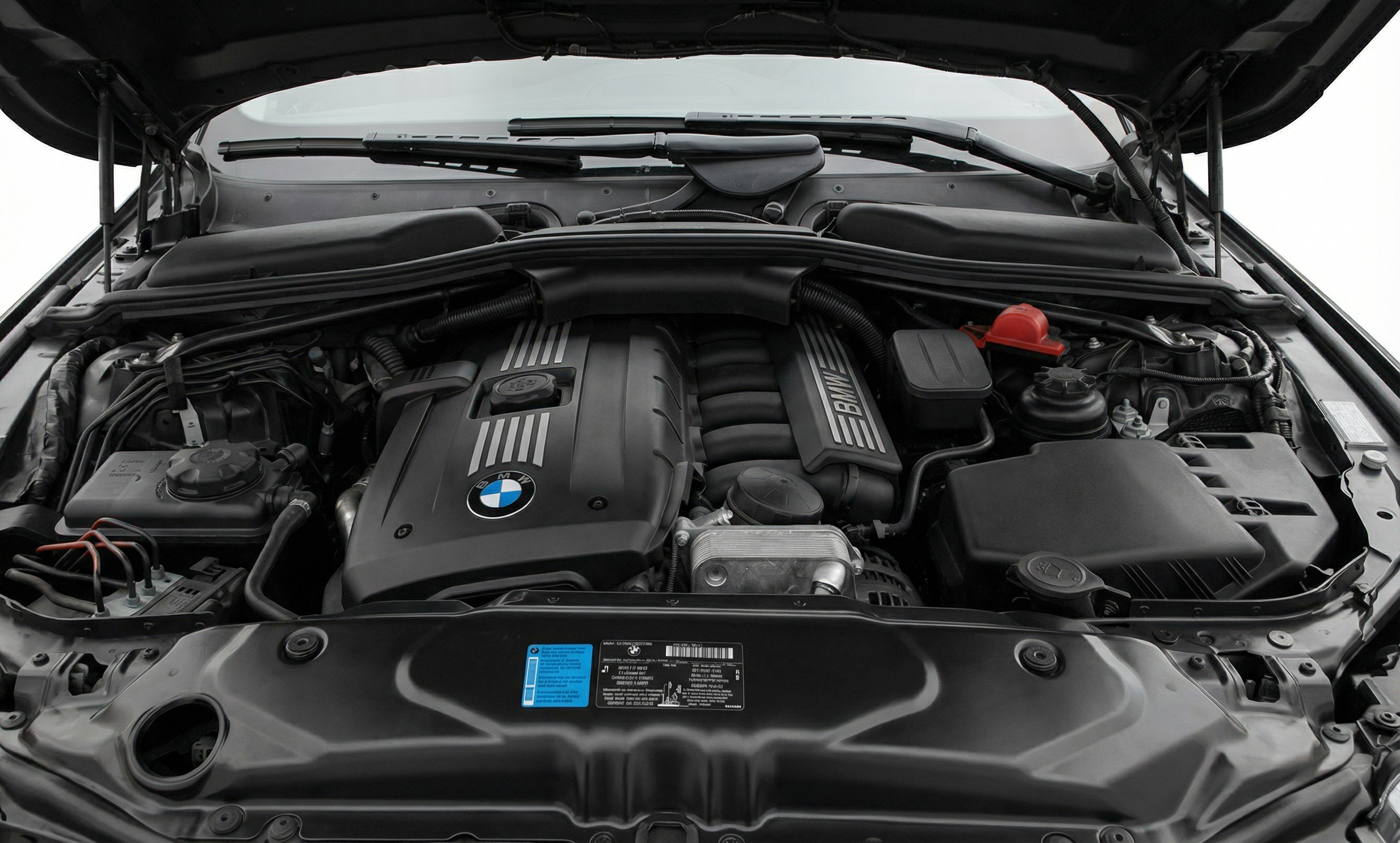
- If a new gas cap doesn't resolve the issue, the most likely culprits are the fuel tank vent valve (purge valve) in the engine bay or the DMTL pump in the rear wheel well.
- Do not simply clear the code and forget about it. The EVAP system test will run again, and the light will reappear until the physical leak is fixed.
- For leaks that aren't obvious, a professional smoke test is the fastest and most accurate way to pinpoint the exact location of the leak, saving time and money on replacing incorrect parts.
What's Unique About the 2010-2017 BMW 5-Series
The 2010-2017 5-Series (F10, F11, F07 generation) uses a DMTL pump to test the EVAP system, which is a common failure point on modern BMWs. Unlike many vehicles where a P0456 code is almost exclusively a loose gas cap, on this BMW platform, a faulty fuel tank vent valve (purge valve) or the DMTL pump itself are also highly probable causes. The diagnostic test often runs after the car is parked and has cooled down, which can cause the Check Engine Light to appear hours or even a day after the triggering event, confusing many owners. The diagnostic logic involves the DMTL pump drawing a reference amperage against a known orifice, then comparing that to the amperage required to pressurize the tank; this comparison determines the leak size.
Generation note: The 2010-2017 model years cover the F10 (Sedan), F11 (Touring/Wagon), and F07 (Gran Turismo) generation of the BMW 5-Series. The EVAP system design and common failure points for code P0456 are consistent across these chassis and their associated engines (e.g., N20, N55).
Symptoms You May Notice
- Check Engine Light is on
- Possible faint fuel smell near the rear of the car (less common)
- A 'Check Gas Cap' message may appear on the iDrive screen, though this is not always present with P0456.
- Replacing other EVAP components before checking or replacing the gas cap. The gas cap is the most common and least expensive fix and should always be the first step.
- Clearing the code and assuming the problem is fixed. The EVAP monitor may take several days and specific driving/idling conditions to run again, at which point the light will return if the leak is still present.
- Immediately blaming the DMTL pump without a smoke test. While a common failure, a cracked hose or faulty purge valve can produce the same code and are often easier to fix.
Most Likely Causes
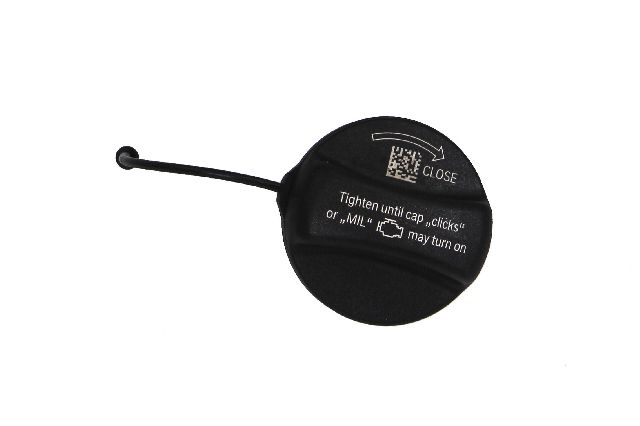
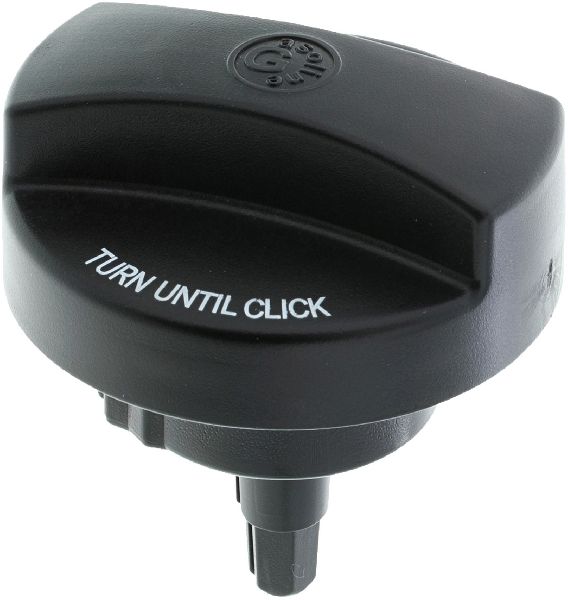
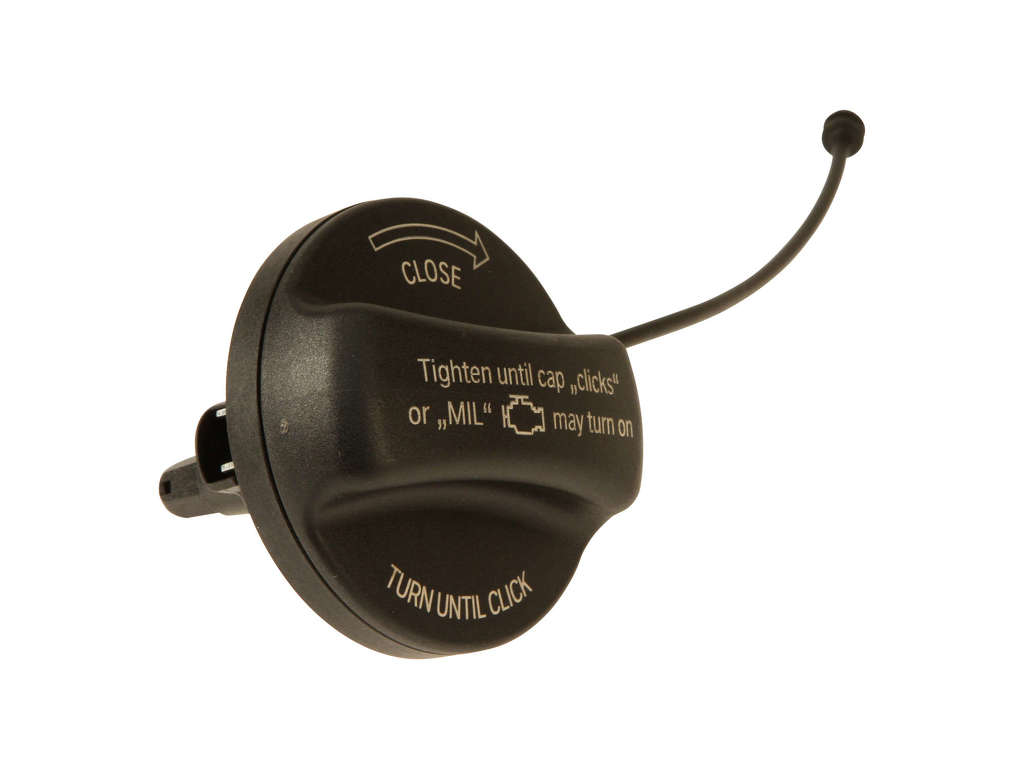
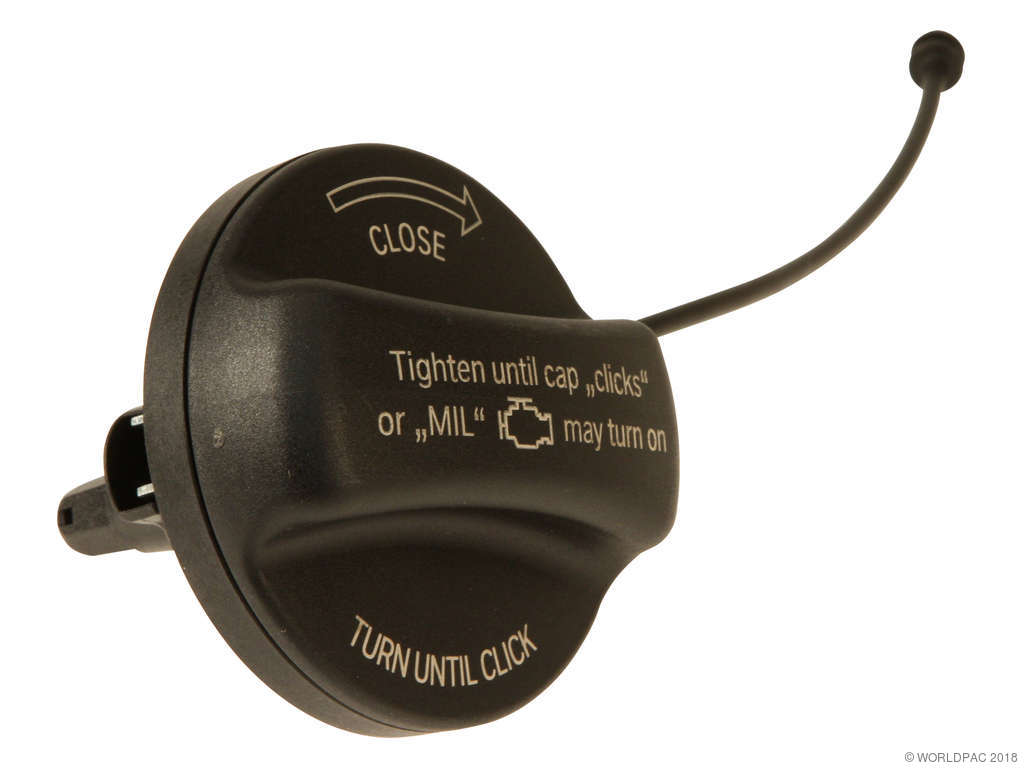
- Loose or Faulty Gas Cap 🔴 High Probability → Shop Fuel Tank Cap The rubber O-ring seal on the gas cap hardens, flattens, and cracks over time, preventing a perfect seal. This is a common wear-and-tear item and the most frequent trigger for P0456.
How to confirm: Inspect the gas cap's rubber seal for cracks, brittleness, or a flattened profile. Ensure the cap is tightened until it clicks at least once. If the seal looks worn, replacement is the best confirmation, as a visual inspection may not be sufficient to spot a micro-leak.
Typical fix: Replace the gas cap with a new, genuine OEM part. Aftermarket caps are known to cause sealing issues and may not resolve the code.
Est. part cost: $30-$50 - Faulty Fuel Tank Vent Valve (Purge Valve) 🟡 Medium Probability → Shop Fuel Tank Located in the engine bay, this valve is exposed to constant heat cycles that can cause it to fail internally and not seal completely, creating a small, constant leak. It can get stuck open or closed.
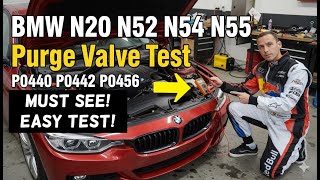
How to confirm: With the engine off, remove the valve and try to blow through it. It is a normally-closed valve, so if air passes through, it is faulty. You can also test its coil resistance with a multimeter; a healthy valve should read around 28 ohms. 🎬 Watch: How to test your purge valve with a multimeter. A significantly higher reading indicates a faulty coil. A smoke test will also definitively reveal a leak from this component.
Typical fix: Replace the fuel tank vent valve. This is often a straightforward DIY job.
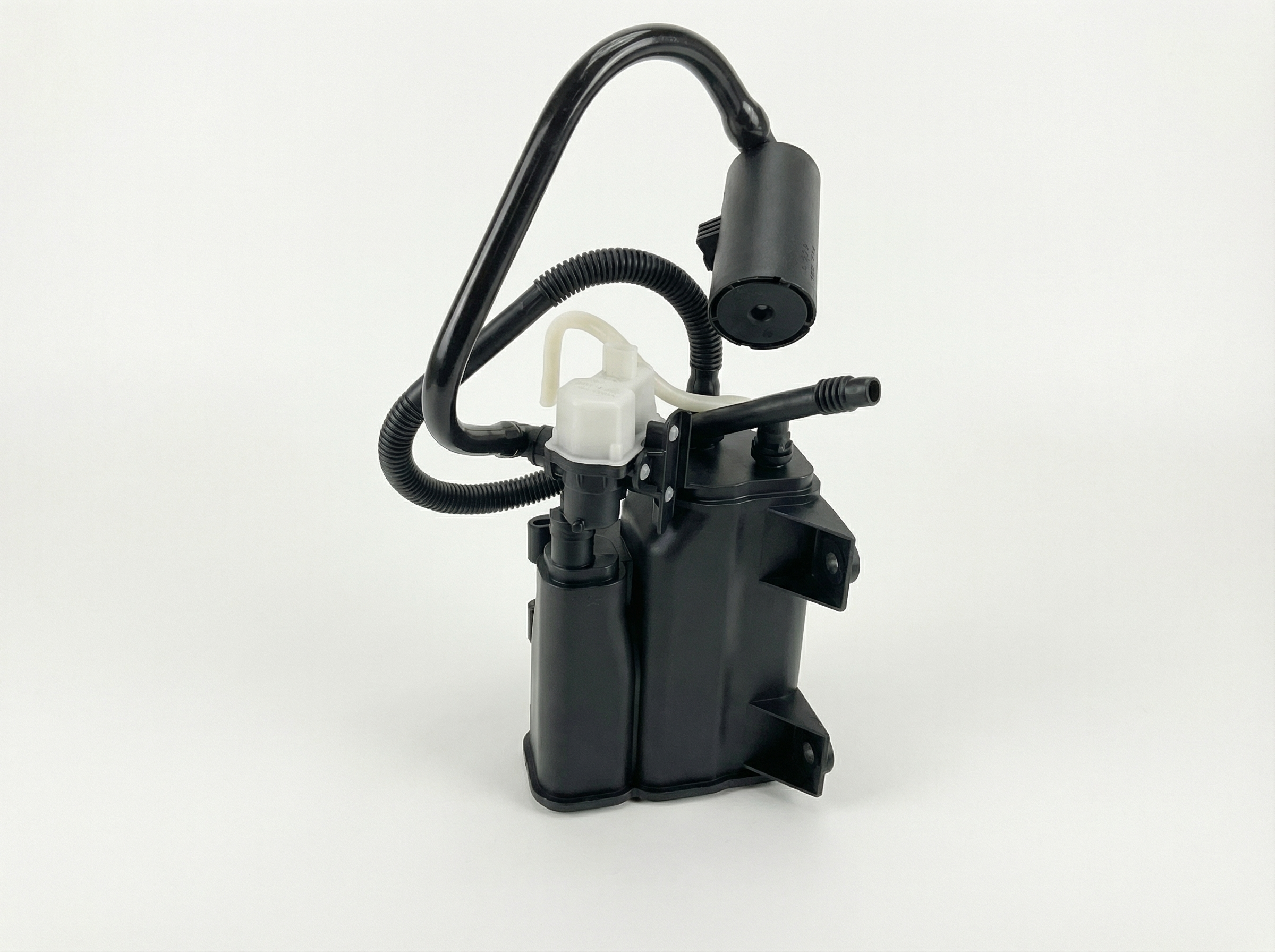
Est. part cost: $70-$150 - Faulty DMTL Pump 🟡 Medium Probability → Shop Evaporative Emissions System Leak Detection Pump The Diagnostic Module for Tank Leakage (DMTL) pump is a known failure point on many BMW platforms. The plastic housing can develop hairline cracks, or the internal pump motor can fail, preventing the system from being pressurized for the leak test.
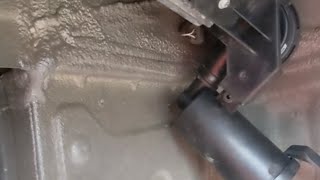
How to confirm: The DMTL pump is located in the rear passenger-side wheel well area, behind the fender liner. 🎬 See this walkthrough on accessing and replacing the DMTL pump. A smoke test is the most reliable way to confirm a leak from the pump housing. A BMW-specific scan tool can also run a functional test on the pump to check for motor failure (often triggering a separate fault).
Typical fix: Replace the DMTL pump assembly. Access requires removing the rear passenger wheel and fender liner.
Est. part cost: $100-$200 - Cracked or Disconnected EVAP Hoses ⚪ Low Probability Over time, rubber and plastic hoses in the engine bay and underneath the car can become brittle from heat and age, leading to small cracks. This is especially true for the lines connected to the purge valve and the charcoal canister.
How to confirm: A thorough visual inspection of all accessible EVAP lines is the first step. The definitive method is to perform a smoke test, which will force smoke out of any small cracks or loose connections. Pay close attention to the lines near the engine airbox, as they can be disturbed during air filter changes.
Typical fix: Replace the specific cracked hose or secure the loose connection.
Est. part cost: $20-$100
Rare But Worth Checking
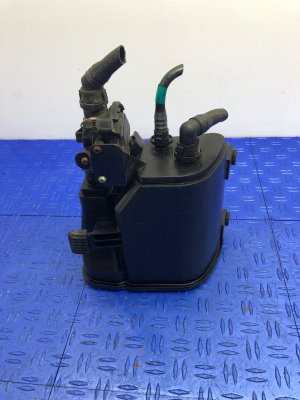
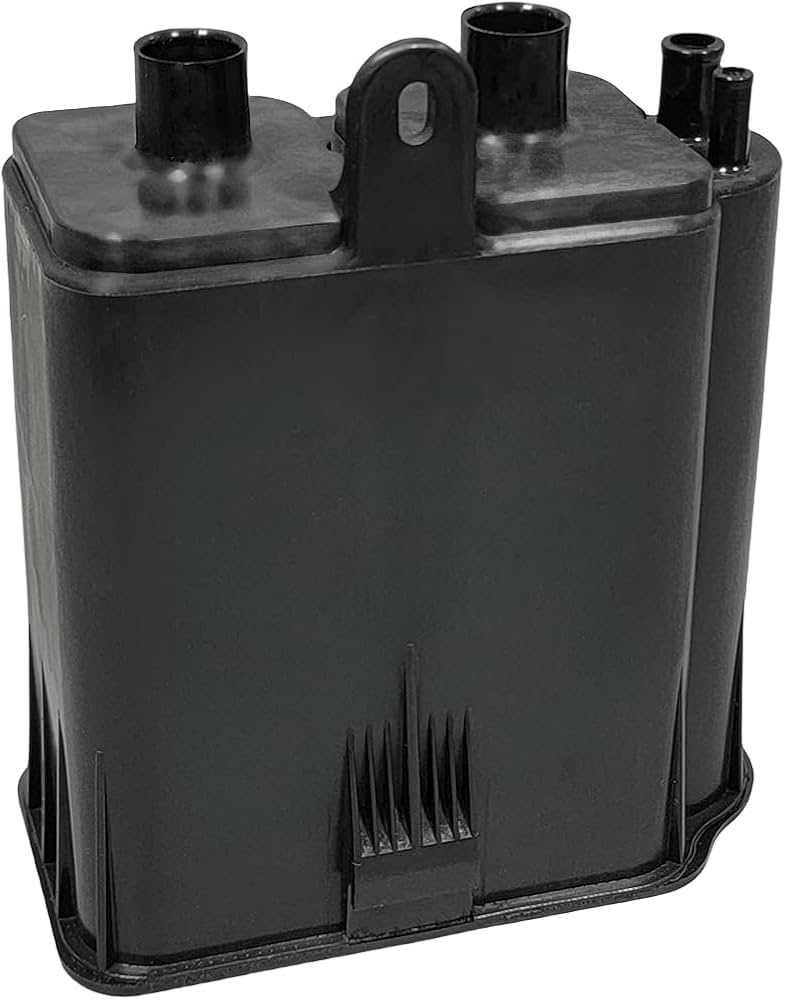
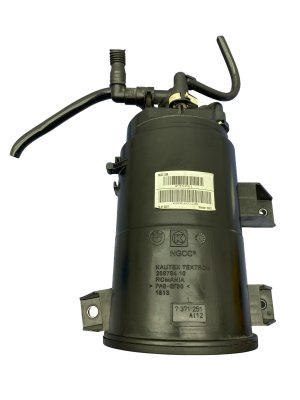
- Cracked Charcoal Canister: → Shop Vapor Canister This is most often caused by repeatedly overfilling the fuel tank after the pump clicks off, which forces liquid gasoline into the canister and ruins the charcoal media. A smoke test would be required to confirm a crack in the canister body.
- Leaking Fuel Pump or Level Sensor Seal: → Shop Fuel Pump The seal for the fuel pump assembly, located under the rear seat, can fail and cause an EVAP leak. This is usually accompanied by a strong fuel smell inside the car cabin. A smoke test can confirm this, as smoke will be seen entering the cabin from under the rear seat bench.
Diagnosis Steps
- Check the Gas Cap: Remove the gas cap, inspect the rubber seal for any cracks, flattening, or signs of wear, and ensure it is clean. Reinstall it and tighten until you hear at least one click. If the seal is suspect, replace it with a genuine BMW part.
- Clear the Code and Wait: After checking/replacing the gas cap, clear the P0456 code with an OBD-II scanner. Drive the vehicle for several days to allow the EVAP monitor to complete its self-test. The test often runs after the car has been parked for several hours with the fuel level between 15-85%.
- Visual Inspection: If the light returns, visually inspect the engine bay for the Fuel Tank Vent Valve (Purge Valve), typically located near the throttle body. Check its connected hoses for any obvious cracks or loose fittings. A user noted the code appeared after an air filter change, suggesting a nearby EVAP line was disturbed.
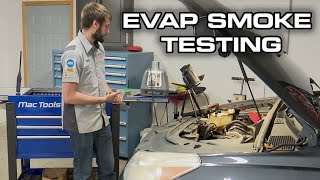
- Perform a Smoke Test: This is the most effective method for finding the source of a small leak. A smoke machine is connected to the EVAP system service port. The system is filled with a harmless, visible vapor, and the technician uses a light to look for smoke escaping 🎬 Watch: How to perform a professional EVAP smoke test. from any cracked components like hoses, the DMTL pump, the charcoal canister, or valve seals. Note: Do not externally pressurize the system; use a BMW scan tool to command the DMTL pump to run its test cycle.
- Test Components: Based on the smoke test results, test the specific component. The purge valve can be tested by attempting to blow through it when unpowered (it should be closed) or by checking its resistance (should be ~28 ohms). The DMTL pump can be commanded to run via a BMW-specific diagnostic tool (ISTA) to check for functionality.
Parts You'll Likely Need
- Gas Cap
(OEM #16117222391)— This is the most frequent cause of a P0456 code. The rubber seal degrades over time, causing a leak. Using an OEM cap is critical for a proper seal.
Trusted brands: BMW (OEM)
OEM price range: $30-$50
Aftermarket price range: $15-$30 (Not Recommended) - Fuel Tank Vent Valve (Purge Valve)
(OEM #13907618643)— A common failure item that sticks open due to heat and age, creating a persistent small leak in the system. It's located in the engine bay and is relatively easy to replace.
Trusted brands: Bosch (OEM), BMW
OEM price range: $90-$150
Aftermarket price range: $50-$90 - Diagnostic Module Tank Leakage (DMTL) Pump
(OEM #16137333301)— This BMW-specific pump is a known weak point. It can fail internally or its housing can crack, leading to a failed leak test. It is located behind the rear passenger wheel well liner.
Trusted brands: Bosch (OEM), BMW
OEM price range: $150-$220
Aftermarket price range: $80-$140
Related Codes That Often Appear With This One
- P0442 (EVAP System Small Leak Detected) - A slightly larger leak than P0456, but diagnosis is identical.
- 2A17 (DMTL Module Fault) - A BMW-specific code indicating the DMTL pump itself has an electrical or mechanical failure, rather than just detecting a leak.
- 190302 (Tank ventilation and purge air system, fine leak: leak greater than 0.5 mm) - This is the BMW-specific hexadecimal code that often corresponds to the generic P0456, viewable with BMW-specific scan tools.
Technical Service Bulletins (TSBs) & Recalls
- SIB B16 08 12: Addresses potential contamination of the pressure switch within the tank leakage diagnosis module on F10 vehicles with the N20 engine produced between July 2011 and November 2011, which can lead to incorrect EVAP leak faults.
Platform-Specific Known Issues
- Purge Valve Disturbance During Air Filter Change: → Shop Vapor Canister A user on the F10 Bimmerpost forum reported that the P0456 code appeared immediately after changing the engine air filter. It was suspected that the nearby purge valve or its vacuum lines were disturbed during the service, creating a small leak. This highlights the sensitivity of the EVAP lines in the engine bay.
- DMTL Pressure Switch Contamination: BMW issued Service Information Bulletin (SIB) B16 08 12 for some 2011 F10 models with the N20 engine. It notes that contamination inside the pressure switch of the leak diagnosis module could cause false leak codes. The fix involves replacing the module.
Mechanic-Grade Diagnostic Values
- Fuel Tank Vent Valve (Purge Valve) Coil Resistance — expected: ~28 Ohms. Failure: A significantly higher reading (e.g., 190 Ohms) or an open circuit (infinite resistance) indicates a failed coil.
- DMTL Pump Motor Current — expected: The DME/ECU monitors the amperage draw. First, it runs the pump against a reference orifice (0.5mm) to store a baseline amperage value. Then, it pressurizes the tank and compares the live amperage to the stored value.. Failure: If the amperage during the tank test is the same as the reference value, it indicates a small leak (P0456). If the amperage is significantly lower (fails to build pressure), it indicates a large leak.
Hidden / Shadow Codes Worth Checking
- 190302: Tank ventilation and purge air system, fine leak: leak greater than 0.5 mm. This is the manufacturer-specific fault code that directly corresponds to the generic P0456 code. (see via BMW-specific diagnostic software like ISTA or a capable scanner like BimmerLink.)
- 194804: This code may appear if the NVLD/DMTL pump is disconnected, indicating an open circuit. (see via BMW-specific diagnostic software like ISTA or a capable scanner.)
Scan Tool Commands That Help
- ISTA: DMTL Test Plan (Fuel tank leakage diagnostic module) — This is the primary function to diagnose the EVAP system. It commands the DMTL pump to perform its self-test sequence, pressurizing the system and allowing the technician to monitor its operation and leak status directly. The path is typically: Service Functions > Drive > Digital Motor Electronics > Activation, DMTL pump > Test plan.
- ISTA: Delete engine adaptation values — After replacing a component like the purge valve or DMTL pump, it is critical to reset the engine's learned adaptations. This ensures the DME (engine computer) recognizes the new part and operates it correctly from a clean slate. The path is: Vehicle management > Service function > Power train > Engine Electronics > Adjustment functions > Delete adaptations/variants.
Wiring & Ground Locations
- Engine-to-Chassis Ground Strap — On F10 models with the N55 engine, the main ground strap is located at the rear of the transmission, connecting the transmission case to a stud on the transmission tunnel/floor pan.. While not a direct cause, a corroded or failing main ground can cause a myriad of electrical issues and unpredictable behavior in various modules, including the DME which controls the EVAP system. Checking its condition is good preventative maintenance.
- Main Body Ground — In the trunk, near the negative terminal of the battery. Additional ground distribution points are located behind the trunk liner panels.. The DMTL pump is located in the rear of the vehicle and relies on a solid ground connection. A fault in the main body ground could potentially affect its operation.
- DMTL Pump Connector — On the DMTL pump itself, located behind the rear passenger-side wheel well liner.. The connector has three wires: power, ground, and a communication line to the DME. A poor connection or corrosion at this connector can cause DMTL-related faults, and a break or high resistance in the communication wire can set codes even if the pump itself is good.
Real Owner Repair Stories
- BIMMERPOST user 'burningmango' (2013 BMW X3 xDrive35i (F25) with N55 engine, 131k miles) — Permanent P0456 code, preventing passing of smog test. BMW-specific code was 190302.
❌ Tried (didn't work) Replacing the gas cap with an aftermarket one.
✅ What actually fixed it The NVLD (Natural Vacuum Leak Detection) switch was faulty. The user replaced only the switch component of the DMTL assembly with a used part from a low-mileage 2018 Alpina B7. After replacement and driving about 50 miles, the permanent code cleared. - BMW Repair Guide (YouTube) (2011 BMW 335i (E90)) — Service Engine Soon light with EVAP leak codes (P0455/P0456/P0442).
❌ Tried (didn't work) Replacing the gas cap., Smoke testing the system from the engine bay, which showed no leaks from the canister or DMTL pump area.
✅ What actually fixed it After removing the rear seat, a smoke test revealed smoke pouring out from the fuel level sensor's sealing O-ring on the fuel tank. Replacing this inexpensive seal fixed the leak. - BIMMERPOST user 'ivstealth' (BMW F30) — Check Engine Light for EVAP system.
❌ Tried (didn't work) The dealership replaced the DMTL pump under warranty, but the check engine light returned after a week.
✅ What actually fixed it The issue was not resolved in the thread, but the dealership technician diagnosed high resistance on the communication wire between the DMTL pump and the ECU, suspecting a wiring fault somewhere in the harness rather than a faulty component. This highlights a potential electrical failure path.
OEM Part Supersession History
13902366609→13907636156— Standard part revision and update by BMW.
Heads up: The new part number (13907636156) is the correct replacement for the Fuel Tank Vent Valve (Purge Valve) on applicable N55 models.
Diagnostic Flowchart
Other Known Issues on This Vehicle
Issues unrelated to this code that are worth knowing about as an owner of this generation:
- N20 Engine Timing Chain Guide Failure 🔴 High — Common on models produced from 2012 to early 2015. Failure can occur around 70,000-100,000 miles, often preceded by a distinct whining noise. (Ref: Subject of a class-action lawsuit and an extended warranty program in some regions.)
- N55 Electric Water Pump Failure 🔴 High — Prone to sudden failure without much warning, typically between 50,000 and 80,000 miles. Can cause rapid overheating.
- Oil Filter Housing Gasket Leak 🟠 Medium — Extremely common across most BMW engines of this era, including N20 and N55. The gasket hardens and leaks oil onto the serpentine belt, which can cause belt failure and further damage.
- N63 Engine (550i) Excessive Oil Consumption & Timing Chain Issues 🔴 High — Pre-LCI (2010-2013) 550i models with the N63 engine are known for numerous issues including high oil consumption, timing chain stretch, and cooling system problems. (Ref: BMW initiated a 'Customer Care Package' (N63CCP) to address some of these issues, but it's not a formal recall.)
- Thrust Arm Bushing (Control Arm) Failure 🟠 Medium — The front thrust arm bushings are fluid-filled and prone to leaking and failing, causing steering wheel vibration during braking and a clunking noise over bumps. Typically requires replacement every 60,000-80,000 miles.
Used vs. New Parts: Buying Guide for This Vehicle
When a used part is the smart pick: For electronic components like the DMTL pump or the integrated NVLD switch, a used part from a known low-mileage donor car can be a cost-effective option. One owner successfully used a switch from a 4-year-old car to fix their 10-year-old car. Since these parts can have a long service life (an original DMTL pump lasted nearly 150,000 miles in one case), a used part is a reasonable gamble.
Donor-vehicle mileage cap: roughly under 75000 miles for the part to have meaningful remaining life.
What to inspect on the donor part:
- Verify the part number on the used component matches the required part for your vehicle.
- Visually inspect the plastic housing for any hairline cracks or signs of heat stress.
- Check electrical connector pins for corrosion or damage.
- If possible, source from a vehicle in a dry, salt-free climate to minimize corrosion risk.
OEM-only on this vehicle (don't cheap out):
- Gas Cap: Aftermarket gas caps are notoriously unreliable and often fail to seal correctly, causing the very code you are trying to fix. Always use a genuine BMW OEM gas cap.
Aftermarket brands forum-validated for this vehicle:
- Bosch: Bosch is the Original Equipment Manufacturer (OEM) for many BMW parts, including the DMTL pump and purge valve. Buying a Bosch-branded part is often identical to the Genuine BMW part but at a lower cost.
Brands owners have reported issues with on this vehicle:
- Unbranded/white-box gas caps and electronic sensors from online marketplaces are highly likely to be poor quality and should be avoided.
Real Owner Stories
Aggregated from forums and TSBs cited above. Mileages and costs reflect what owners reported in those sources.
2011 BMW 5-Series (F10) N20
Symptoms: Check engine light for a small EVAP leak appeared; the vehicle was produced in the latter half of 2011.
What fixed it: Replaced the leak diagnosis module (DMTL) due to internal pressure switch contamination as per SIB B16 08 12.
Source hint: SIB B16 08 12
2014 BMW 5-Series (F10)
Symptoms: The P0456 code appeared immediately after performing routine maintenance on the engine air filter.
What fixed it: Inspected the engine bay and found that the purge valve or its connected vacuum lines had been disturbed during the air filter service.
Source hint: Bimmerpost (f10.5post.com)
2013 BMW M5 (F10)
Symptoms: Check engine light with code P0456; owner attempted to replace the gas cap first but the light remained.
What fixed it: Further diagnosis beyond the gas cap was required, involving a smoke test to identify leaks in other components like the purge valve or DMTL pump.
Source hint: M5Post (m5post.com)
Related OBD-II Codes
Frequently Asked Questions
I have a 2011 BMW 5-Series with the N20 engine and a P0456 code. Is there a specific technical bulletin for this?
Can I use an aftermarket gas cap to fix the P0456 code on my 5-Series?
I just changed my air filter and now the Check Engine Light is on with P0456. Is this a coincidence?
How can I test if my BMW's fuel tank vent valve is actually bad?
Where is the DMTL pump located on the 2010-2017 BMW 5-Series?
What are the specific conditions required for my BMW to run the EVAP self-test after a repair?
Helpful Videos

Used OEM Parts in Stock
New Aftermarket Parts Available


The information in this article is provided for general reference and educational purposes only. Vehicle specifications, procedures, and part compatibility can vary by production date, trim level, and region. Always consult your vehicle's factory service manual and verify part numbers before purchasing or performing repairs. Safety-critical components such as airbags, seat belts, and braking systems should be installed by a qualified professional.
- BMW 5-Series:
- 🧭 Diagnostic Flowchart
- 🎬 Helpful Videos
- 🛍️ Shop This Part
- What's Unique About the 2010-2017 BMW 5-Series
- Symptoms You May Notice
- Most Likely Causes
- Rare But Worth Checking
- Diagnosis Steps
- Parts You'll Likely Need
- Related Codes That Often Appear With This One
- Technical Service Bulletins (TSBs) & Recalls
- Platform-Specific Known Issues
- Mechanic-Grade Diagnostic Values
- Hidden / Shadow Codes Worth Checking
- Scan Tool Commands That Help
- Wiring & Ground Locations
- Real Owner Repair Stories
- OEM Part Supersession History
- Other Known Issues on This Vehicle
- Used vs. New Parts: Buying Guide for This Vehicle
- Real Owner Stories
- 2011 BMW 5-Series (F10) N20
- 2014 BMW 5-Series (F10)
- 2013 BMW M5 (F10)
- Related OBD-II Codes
- Frequently Asked Questions
- 🎟️ Get 5% Off