

P0456 on 2011-2017 BMW X3: Causes and Fixes for a Very Small EVAP Leak
For a 2011-2017 BMW X3, code P0456 is most often caused by a failing DMTL pump or a loose/bad gas cap. Always check the gas cap first. If that doesn't fix it, the DMTL pump is the next likely culprit, costing between $120-$260 for the part.
- Always start with the gas cap. Tighten it, inspect it, and if in doubt, replace it with an OEM part for about $40.
- If the gas cap isn't the fix, the DMTL pump (located behind the rear passenger wheel well liner) is the most likely culprit on this specific vehicle.
- A professional smoke test is the fastest way to accurately diagnose the leak and avoid replacing unnecessary parts.
- This code does not affect how the car drives, but it will cause an automatic failure on an emissions test.
- Check with a BMW dealer to see if your vehicle's VIN has any open recalls or warranty extensions related to the EVAP system before paying for repairs.
What's Unique About the 2011-2017 BMW X3
On modern BMWs like the F25 X3, the EVAP system uses a specific component called a Diagnostic Module - Tank Leakage (DMTL) pump to pressurize the system for its leak test. This pump, also referred to as the NVLD, is a very common failure point and a frequent cause of the P0456 code, more so than on many other vehicle makes. While the gas cap is always the first suspect, many owners of this X3 generation find the DMTL pump to be the ultimate source of the leak, as documented in owner forums.
Symptoms You May Notice
- Check Engine Light is on.
- A faint fuel smell near the rear of the vehicle (less common for a very small leak).
- Failure to pass an emissions/smog test due to a 'permanent' code, even if the Check Engine Light is currently off.
- Replacing the purge valve or other components before checking or replacing the gas cap, which is the simplest and most common fix.
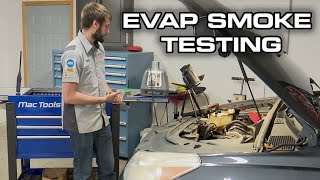
- Replacing parts randomly without performing a smoke test. 🎬 Watch: How to perform a smoke test to find leaks. A smoke test is the most reliable way to pinpoint the exact location of a physical leak, saving time and money.
- Using a cheap aftermarket gas cap that does not seal correctly, leading the owner to believe the gas cap was not the problem.
Most Likely Causes
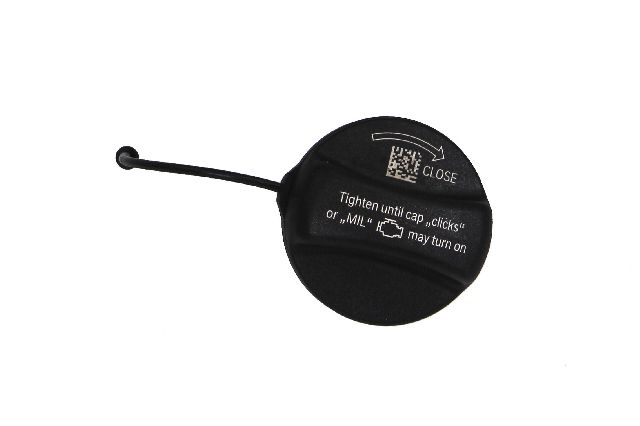
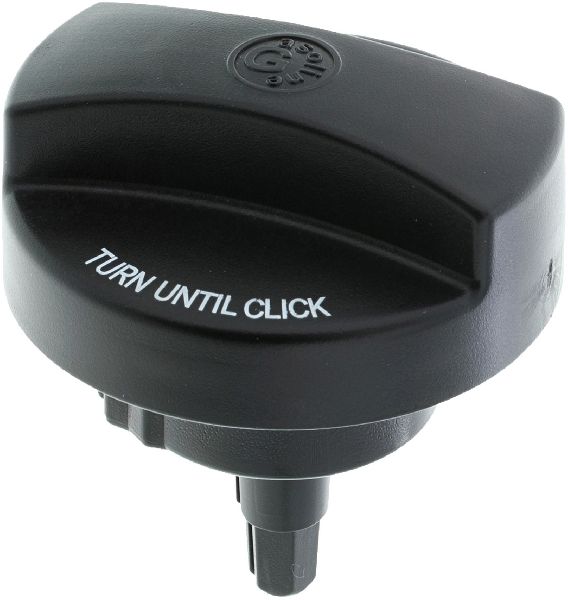
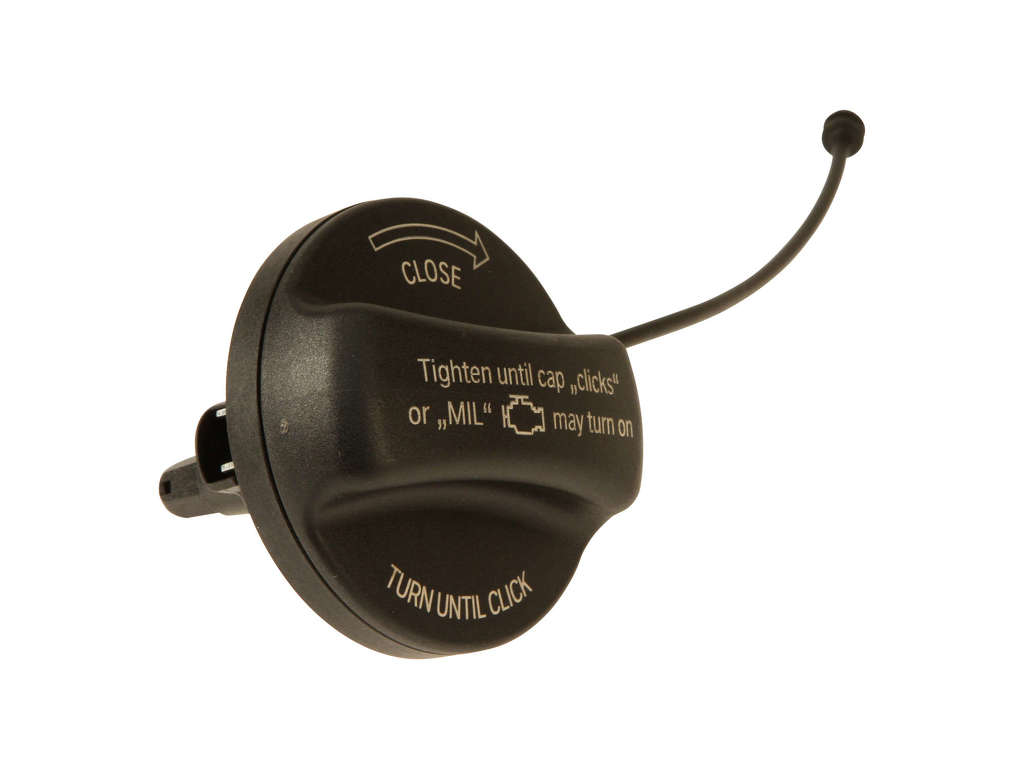
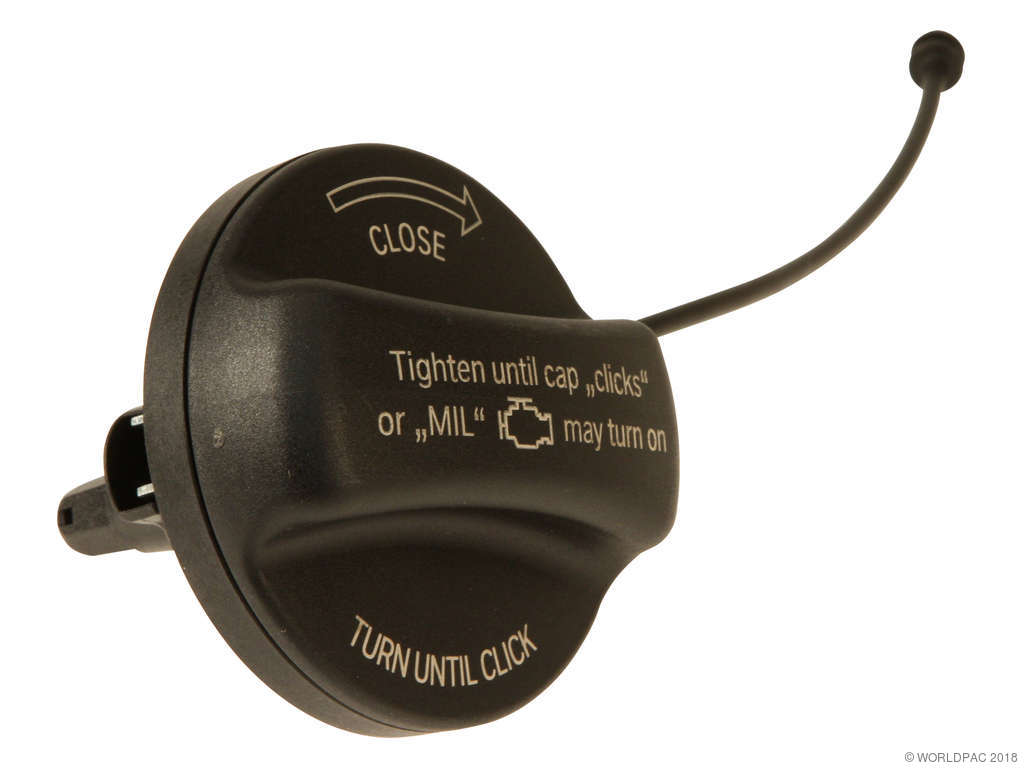
- Faulty or Loose Gas Cap 🔴 High Probability → Shop Fuel Tank Cap The rubber O-ring on the gas cap can dry out, crack, or become dirty over time, preventing a proper seal. It's also common for the cap to simply not be tightened correctly after refueling.
How to confirm: Inspect the gas cap for cracks or damage to the seal. Ensure it is tightened until it clicks. If the seal looks worn, replacement is the best confirmation. Cleaning a dirty cap and seal can sometimes resolve the issue.
Typical fix: Replace the gas cap. It is highly recommended to use a Genuine BMW or OEM-quality cap (like Blau or Rein), as some aftermarket caps may not seal correctly and can perpetuate the problem.
Est. part cost: $25-$45 - Faulty DMTL (Leak Diagnosis) Pump 🔴 High Probability → Shop Evaporative Emissions System Leak Detection Pump The DMTL pump is a known failure item on many BMW models of this era. The internal motor, pressure switch (NVLD), or housing can fail, causing either a leak or an incorrect reading that triggers the code.
How to confirm: Diagnosis often requires a specialized scan tool to command the pump to run. The definitive method is to perform a smoke test on the EVAP system; if no other leaks are found, the DMTL pump is the likely cause. The pump is located behind the passenger-side rear wheel well liner.
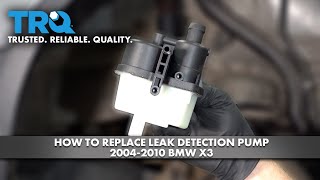
Typical fix: Replace the DMTL pump. This involves removing the rear passenger wheel and wheel well liner to access the pump, which is attached to the charcoal canister. One-time-use plastic rivets for the fender liner may need to be replaced.
Est. part cost: $120-$265 - Faulty Fuel Tank Vent Valve (Purge Valve) 🟡 Medium Probability → Shop Fuel Tank This solenoid valve, located in the engine bay, can get stuck partially open, creating a constant small leak in the EVAP system. This is a common issue across many BMW engines, including the N20 and N55.
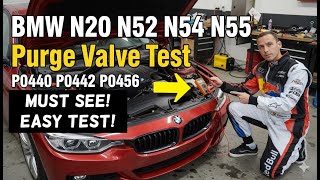
How to confirm: With the engine off, the valve should be closed. You can remove it and try to blow through it; if air passes, it's faulty. A multimeter can be used to check for proper resistance (around 28 ohms is typical for a good valve). 🎬 See this walkthrough on how to test your purge valve. A professional can test it with a scan tool and vacuum gauge.
Typical fix: Replace the fuel tank vent valve. It is located under the engine cover/air filter box in the engine compartment.
Est. part cost: $85-$145 - Cracked or Disconnected EVAP Hoses ⚪ Low Probability With age and exposure to heat cycles, the plastic and rubber hoses in the EVAP system can become brittle and develop small cracks. This is especially true for connections near the engine.
How to confirm: A visual inspection may reveal obvious cracks, but a smoke test is the most effective way to find a small hose leak.
Typical fix: Replace the specific cracked hose or connector.
Est. part cost: $30-$100
Rare But Worth Checking
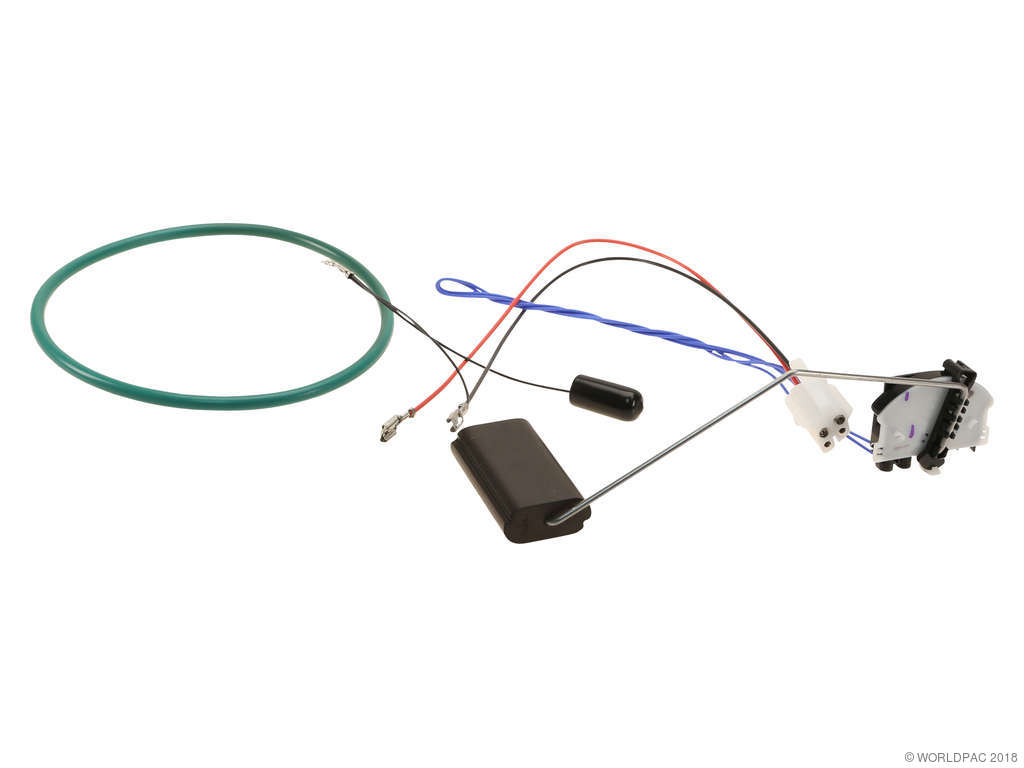
- Cracked Charcoal Canister: → Shop Vapor Canister The plastic housing of the charcoal canister can develop hairline cracks over time. This is usually found during a smoke test when smoke is seen emitting from the canister body itself.
- Leaking Fuel Filler Neck: → Shop Fuel Filler Neck The seal where the fuel filler neck meets the gas tank can degrade, or the neck itself can develop corrosion or cracks, leading to a leak detectable by a smoke test.
Diagnosis Steps
- Check the gas cap. Remove it, inspect the seal for cracks or debris, and reinstall it, ensuring it clicks at least once. Clear the code and drive for a few days to see if it returns. The EVAP monitor runs only under specific conditions, so it may take time.
- If the code returns, replace the gas cap with a Genuine BMW or high-quality OEM part as a low-cost, high-probability next step.
- If the gas cap replacement does not solve the issue, the next step is a professional smoke test. This involves injecting pressurized smoke into the EVAP system to visually identify the source of the leak. This is the most effective way to find cracks in hoses, the charcoal canister, or the DMTL pump housing.
- Visually inspect all accessible EVAP hoses in the engine bay and around the charcoal canister (behind the rear passenger wheel well) for obvious cracks or disconnections.
- Based on the smoke test results, replace the leaking component. If no external leak is found, the DMTL pump's internal switch (NVLD) is the primary suspect.
- The fuel tank vent (purge) valve can also be tested for proper operation. Remove it and try to blow through it (it should be closed). Check its electrical resistance with a multimeter (should be around 28 ohms).
Parts You'll Likely Need
- Gas Cap
(OEM #16117222391)— This is the most common and easiest part to replace. The seal fails over time, causing a leak. This part number is widely used across many BMW models from the 2000s and 2010s.
Trusted brands: Genuine BMW, Blau, Rein
OEM price range: $35-$45
Aftermarket price range: $22-$35 - DMTL Pump (Leak Diagnosis Pump)
(OEM #16137333301)— This is a very common failure point on the F25 X3 that causes a P0456 code when the internal pump motor or pressure switch fails.
Trusted brands: Genuine BMW, Bosch
OEM price range: $230-$265
Aftermarket price range: $120-$180 - Fuel Tank Vent Valve (Purge Valve)
(OEM #13907618643)— This valve can stick open, causing a persistent small leak. Note that part numbers can vary slightly by engine (N20, N52, N55), so confirm with your VIN.
Trusted brands: Genuine BMW, Bosch, Febi Bilstein
OEM price range: $115-$145
Aftermarket price range: $85-$110
Related Codes That Often Appear With This One
- P0442 — P0442 indicates a 'small leak,' while P0456 indicates a 'very small leak.' They point to the same type of problem, just with a different leak rate detected. An intermittent fault could trigger either code, and the diagnostic process is identical.
- 190302 — This is a BMW-specific fault code that often accompanies the generic P0456, pointing to the tank ventilation system and its pressure-holding capability.
- 118002 — This BMW-specific code for the fuel tank vent valve can be stored alongside P0456, suggesting the purge valve itself may be the root cause.
Technical Service Bulletins (TSBs) & Recalls
- While no specific TSB number was found in the search, multiple sources reference a service bulletin for the leak detection pump module pressure switch (NVLD) for certain years/models, including those with the N20 engine.
- Multiple sources also reference a warranty extension for the EVAP purge valve on many BMW models, potentially covering this issue for up to 15 years or 150,000 miles.
Platform-Specific Known Issues
- BMW of North America has issued service bulletins and extended warranties for EVAP components on some models/engines. For example, a bulletin exists for the NVLD pressure switch (part of the DMTL pump) on some N20 engines, and a warranty extension for the purge valve may apply to certain vehicles. It is worth checking with a BMW dealer with your VIN to see if any coverage applies.
- A real-world owner experience on Bimmerpost for a 2013 X3 xDrive35i with 131k miles documented solving a persistent P0456 code by replacing the NVLD switch (part of the DMTL pump assembly) after a new gas cap did not fix the issue. This confirms the DMTL pump as a common culprit.
Mechanic-Grade Diagnostic Values
- Fuel Tank Vent Valve (Purge Valve) Resistance — expected: 27 - 29 Ohms. Failure: A significantly higher reading (e.g., 190 Ohms) or an open circuit indicates a failed internal coil.
- EVAP System Leakdown Rate (Micro-leak Test) — expected: Vacuum decay must not exceed 0.1 to 0.15 mbar per second.. Failure: A faster vacuum reduction will trigger a micro-leak fault like P0456.
Hidden / Shadow Codes Worth Checking
- 190302: Tank ventilation system, micro-leak: leak greater than 0.5 mm. This is the direct BMW-specific equivalent to the generic P0456 code. (see via BMW-specific diagnostic software like ISTA or a high-end scanner capable of reading manufacturer codes.)
- 118002: Mixture control: fuel-air mixture too rich. This code can appear alongside EVAP codes if a faulty purge valve is stuck open, allowing un-metered fuel vapors into the intake manifold at the wrong time. (see via BMW-specific diagnostic software like ISTA or a high-end scanner.)
Scan Tool Commands That Help
- ISTA (Integrated Service Technical Application): EVAP System Leak Test (DMTL Test Plan) — This is the dealer-level procedure to command the DMTL pump to pressurize the fuel tank and monitor for pressure decay. It's the definitive way to confirm the system's ability to hold pressure and will confirm or deny the presence of a leak before performing a smoke test.
Wiring & Ground Locations
- Engine Ground Strap — On the F25 X3, a primary engine-to-chassis ground strap is located on the driver's side, connecting the transmission housing area to the vehicle frame.. While not a direct cause of EVAP leaks, a corroded or loose main ground strap can cause a myriad of electrical issues and phantom codes. Ensuring all grounds are clean and tight is a fundamental step in diagnosing any electrical fault on a modern BMW.
- DMTL Pump Connector — Behind the passenger-side rear wheel well liner, attached to the DMTL pump.. Corrosion or a loose connection at this plug can cause the DMTL pump to fail to run or report its status correctly, triggering a fault code even if there is no physical leak in the system.
Real Owner Repair Stories
- Bimmerpost user on F25 X3 Forum (2013 BMW X3 xDrive35i (N55) with 131,000 miles) — Persistent P0456 code causing a failed smog inspection, even when the Check Engine Light was intermittently off.
❌ Tried (didn't work) Replacing the gas cap with a new one.
✅ What actually fixed it Replacing the NVLD switch, which is part of the DMTL pump assembly (PN 16137333301). After replacement, the permanent code cleared after approximately 50 miles of driving, and the vehicle passed its emissions test.
"I Checked Everything" — The Actual Cause
- If a smoke test reveals no external leaks, the cause is almost certainly an internal failure of a component. For the F25 X3, this points strongly to either the Fuel Tank Vent Valve (purge valve) in the engine bay not closing completely, or a failure of the internal switch/motor within the DMTL pump itself. The DMTL pump's job is to create pressure and measure it; if its internal sensor is faulty, it can report a leak that doesn't physically exist.
OEM Part Supersession History
16137274147, 16137448091→16137333301— Standard part evolution and revision by BMW.
Heads up: The older part numbers have been fully replaced by 16137333301. When ordering, use the latest part number to ensure you get the most current revision.
Diagnostic Flowchart
Other Known Issues on This Vehicle
Issues unrelated to this code that are worth knowing about as an owner of this generation:
- N20 Engine Timing Chain Failure 🔴 High — Common on pre-2015 models, typically between 60,000-100,000 miles. Caused by failure of plastic timing chain guides. (Ref: BMW issued extended warranties and there was a class-action lawsuit settlement for this issue.)
- N55/N52/N20 Oil Filter Housing Gasket Leak 🟠 Medium — Very common after 60,000 miles. The gasket degrades, causing oil to leak onto the serpentine belt. (Ref: No recall, but a well-documented common repair. If the belt gets oil-soaked, it can slip off and be ingested by the main crank seal, causing catastrophic engine damage.)
- VANOS Solenoid Failure 🟡 Low — Fairly common at higher mileage (80,000+ miles). Solenoids get clogged with oil debris, causing rough idle, poor acceleration, and check engine lights. (Ref: No recall. Cleaning the solenoids can sometimes be a temporary fix, but replacement is often necessary.)
- Water Leaks from Panoramic Sunroof 🟡 Low — Common issue where the sunroof drain channels get clogged with debris, causing water to overflow into the cabin and potentially damage electronics. (Ref: No recall. Requires periodic cleaning of the drain tubes as preventative maintenance.)
- N20 Oil Pump Drive Chain Failure 🔴 High — Related to the timing chain issue on pre-2015 N20 engines. Plastic guide fragments can clog the oil pump pickup, or the oil pump chain itself can fail, leading to total oil pressure loss. (Ref: Covered under the same class-action lawsuit and extended warranty as the main timing chain.)
Used vs. New Parts: Buying Guide for This Vehicle
When a used part is the smart pick: For this specific repair, used parts are generally not recommended. The key components (DMTL pump, purge valve, gas cap) contain rubber seals, plastic housings, and sensitive electronics that degrade with age and exposure to fuel vapors. The cost savings of a used part are minimal compared to the risk of it failing soon after installation.
Donor-vehicle mileage cap: roughly under 40000 miles for the part to have meaningful remaining life.
What to inspect on the donor part:
- If considering a used part, verify it comes from a low-mileage, non-accident vehicle.
- Inspect any rubber O-rings for pliability and lack of cracks.
- Ensure plastic housings have no hairline fractures or signs of heat stress.
OEM-only on this vehicle (don't cheap out):
- Gas Cap: While seemingly simple, many forum users report that cheap aftermarket gas caps fail to seal properly on BMWs, causing the P0456 code to persist. Using a Genuine BMW or a high-quality OEM (Original Equipment Manufacturer) part is critical.
Aftermarket brands forum-validated for this vehicle:
- Bosch: Bosch is the original manufacturer for many BMW electronic components, including the DMTL pump and purge valve. Buying a Bosch-branded part is often identical to the Genuine BMW part but without the dealer markup.
- Rein: Known for producing quality OEM-equivalent rubber and plastic parts, including gas caps.
Brands owners have reported issues with on this vehicle:
- Unbranded/generic 'white box' parts from online marketplaces. For EVAP system components, the precision of the seals and calibration of the electronics are critical, and these parts often fail to meet BMW's specifications.
Real Owner Stories
Aggregated from forums and TSBs cited above. Mileages and costs reflect what owners reported in those sources.
2013 BMW X3 xDrive35i (N55) — 131000 miles
Symptoms: Persistent P0456 code and failure to pass smog test due to a permanent code.
What fixed it: Replacing the NVLD switch (part of the DMTL pump assembly) after a new gas cap failed to resolve the issue.
Source hint: BIMMERPOST - F25 X3 Forum - Thread 'Emissions code p0456'
Related OBD-II Codes
Frequently Asked Questions
Is there a warranty extension for the EVAP system on my 2011-2017 BMW X3?
Where is the DMTL (Leak Diagnosis) pump located on the F25 X3?
Can I use an aftermarket gas cap to fix the P0456 code on my X3?
How can I test the fuel tank vent valve (purge valve) in my engine bay?
Why does my X3 fail the emissions test even if the Check Engine Light is off?
What specific part of the DMTL pump usually fails on the N20 engine?
Helpful Videos
![How to Fix P0456 Engine Code in 7 Minutes [7 DIY Methods / Only $3.44]](https://img.youtube.com/vi/njt81AALI3U/mqdefault.jpg)
We Have This Part in Stock


The information in this article is provided for general reference and educational purposes only. Vehicle specifications, procedures, and part compatibility can vary by production date, trim level, and region. Always consult your vehicle's factory service manual and verify part numbers before purchasing or performing repairs. Safety-critical components such as airbags, seat belts, and braking systems should be installed by a qualified professional.
- BMW X3:
- 🧭 Diagnostic Flowchart
- 🎬 Helpful Videos
- 🛍️ Shop This Part
- What's Unique About the 2011-2017 BMW X3
- Symptoms You May Notice
- Most Likely Causes
- Rare But Worth Checking
- Diagnosis Steps
- Parts You'll Likely Need
- Related Codes That Often Appear With This One
- Technical Service Bulletins (TSBs) & Recalls
- Platform-Specific Known Issues
- Mechanic-Grade Diagnostic Values
- Hidden / Shadow Codes Worth Checking
- Scan Tool Commands That Help
- Wiring & Ground Locations
- Real Owner Repair Stories
- "I Checked Everything" — The Actual Cause
- OEM Part Supersession History
- Other Known Issues on This Vehicle
- Used vs. New Parts: Buying Guide for This Vehicle
- Real Owner Stories
- 2013 BMW X3 xDrive35i (N55) — 131000 miles
- Related OBD-II Codes
- Frequently Asked Questions
- 🎟️ Get 5% Off