

P0456 on 2012-2016 Chrysler 300C: EVAP Small Leak Causes and Fixes
For a P0456 code on a 2012-2016 Chrysler 300C, the most likely cause is a loose or faulty gas cap. If tightening or replacing the cap with an OEM Mopar part doesn't work, the next most common failures are the EVAP purge valve in the engine bay or a cracked EVAP hose. However, a very high-failure item on this platform is the Evaporative System Integrity Monitor (ESIM) located on the charcoal canister, which often fails and falsely reports a leak.
- Always start with the simplest fix: check that your gas cap is tight. If it's old or the seal is cracked, replace it with a genuine Mopar cap.
- If the gas cap isn't the issue, the EVAP purge valve in the engine bay is the next most likely and affordable part to replace.
- A unique symptom for the Chrysler 300C is that the remote start will not work while the P0456 code is active.
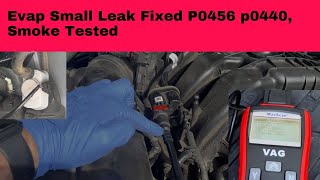
- For leaks that are hard to find, a professional smoke test is the most reliable way to find the source and avoid replacing unnecessary parts.
What's Unique About the 2012-2016 Chrysler 300C

On the Chrysler 300C and its platform mates (Dodge Charger, Dodge Challenger), this code is frequently a straightforward issue like a gas cap, but the platform has two other very common failure points: the EVAP purge valve and the Evaporative System Integrity Monitor (ESIM). The ESIM is a Chrysler-specific device that tests the system for leaks, and it is a known high-failure part that can break internally or get clogged with dust. A unique and frustrating symptom on many 300C models is that the remote start feature is automatically disabled when the Check Engine Light is on for this code. Chrysler also issued TSB #18-048-23, which mandates the use of the dealer's wiTECH Small Leak Verification Test (SLVT) to accurately diagnose and confirm a P0456 repair, as a simple road test is not sufficient.
Diagnostic Flowchart

Tap your situation to follow the diagnostic path that matches what you're seeing on this vehicle.
Symptoms You May Notice
- Check Engine Light is on
- Remote start feature is disabled
- A faint fuel smell near the gas cap or engine bay may be present
- "Gas Cap" message may appear on the dashboard
- Replacing parts randomly without performing a smoke test. After checking the gas cap, a smoke test is the most efficient way to find the true source 🎬 Watch: How to perform a smoke test for small leaks. of the leak and avoid wasting money on unneeded parts.
- Using a cheap, aftermarket gas cap. Many aftermarket caps do not meet Chrysler's sealing specifications and will cause the code to return.
- Replacing the gas cap or purge valve when the ESIM is the actual culprit. Many owners report replacing both before discovering the ESIM was the problem.
Most Likely Causes

- Loose, Worn, or Incorrect Gas Cap 🔴 High Probability → Shop Fuel Tank Cap The gas cap is the most frequently handled part of the EVAP system. Aftermarket caps are notorious for not sealing correctly on Chrysler vehicles, and the original cap's seal can dry out and crack over time. Rust or pitting on the fuel filler neck can also prevent a good seal.
How to confirm: Ensure the cap is tight (clicks at least three times). Inspect the cap's rubber O-ring for cracks, stiffness, or damage. Clean the sealing surface on the fuel filler neck and inspect it for rust or damage.
Typical fix: Tighten the cap. If the code returns or the seal is visibly bad, replace it with a genuine OEM Mopar gas cap.
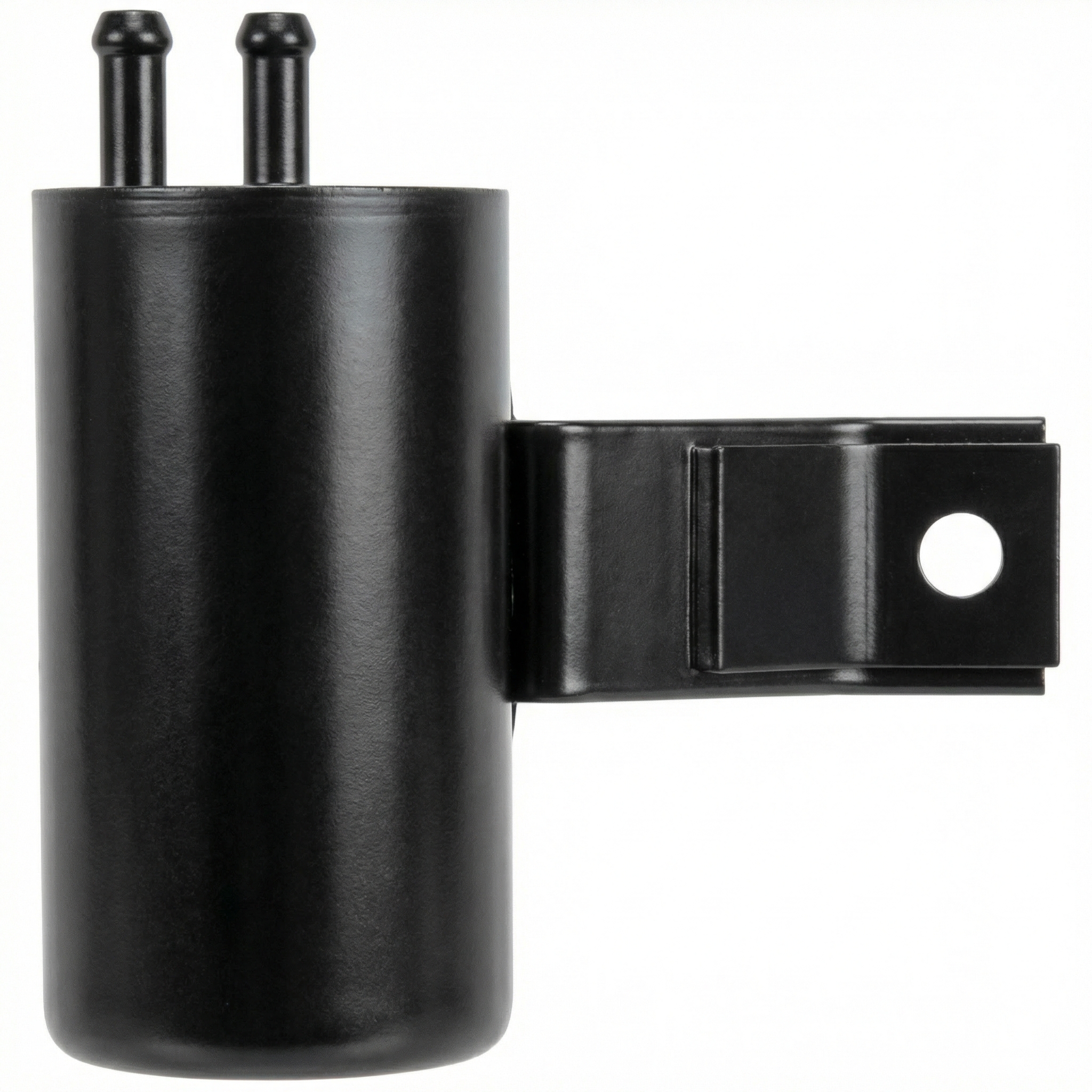
Est. part cost: $15-$35 - Faulty EVAP Purge Valve/Solenoid 🟡 Medium Probability → Shop Vapor Canister This valve is a very common failure point on Chrysler/Dodge products. It can get stuck slightly open due to carbon buildup or wear, creating a small, constant leak.
How to confirm: The valve is located in the engine bay, typically on the intake manifold. For the 3.6L V6, it's on the passenger side. With the engine off, disconnect the hose leading from the valve to the intake manifold and attempt to blow through it. If air passes through, the valve is stuck open and faulty.
Typical fix: Replace the purge valve. It is typically mounted on the engine with two hoses and an electrical connector.
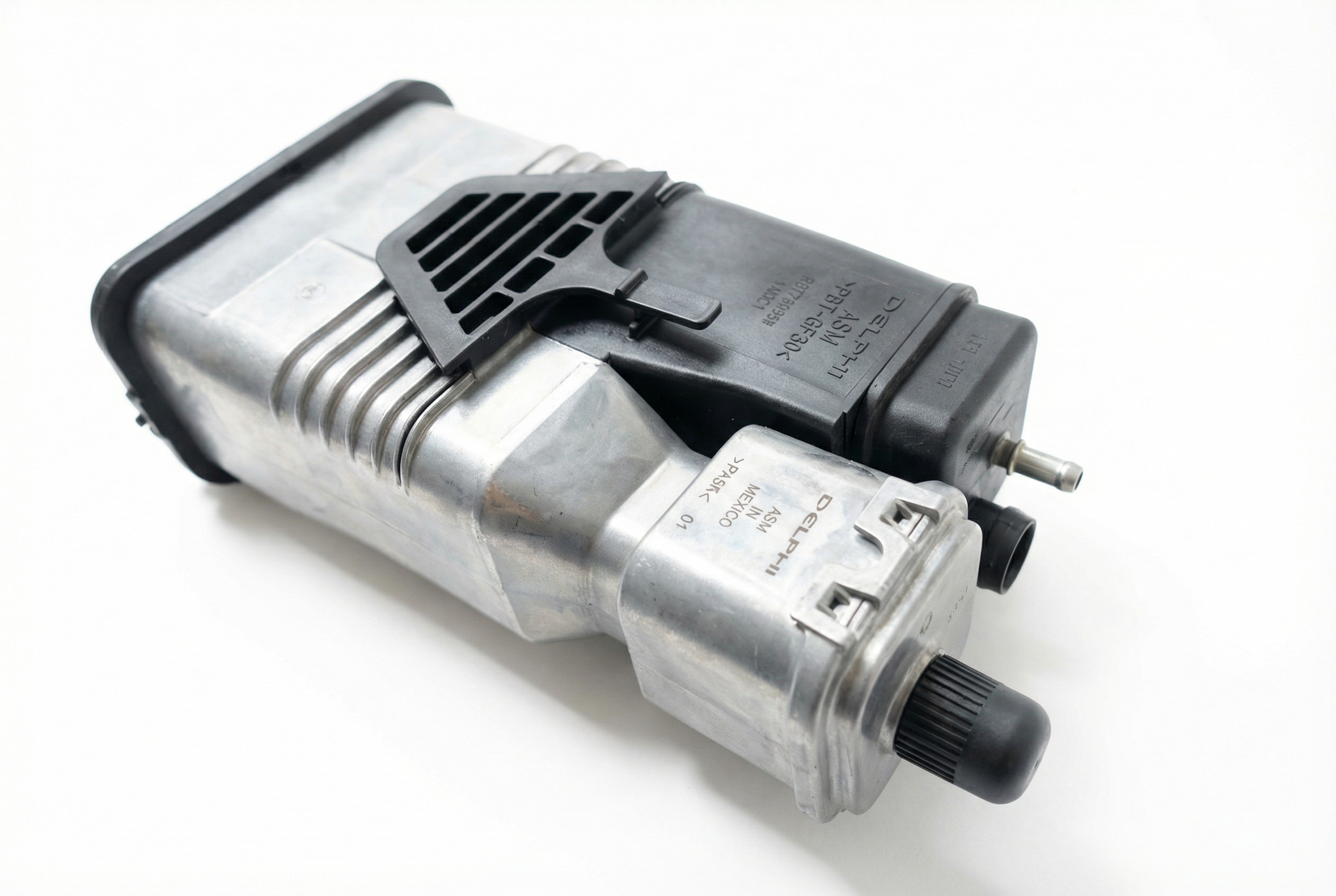
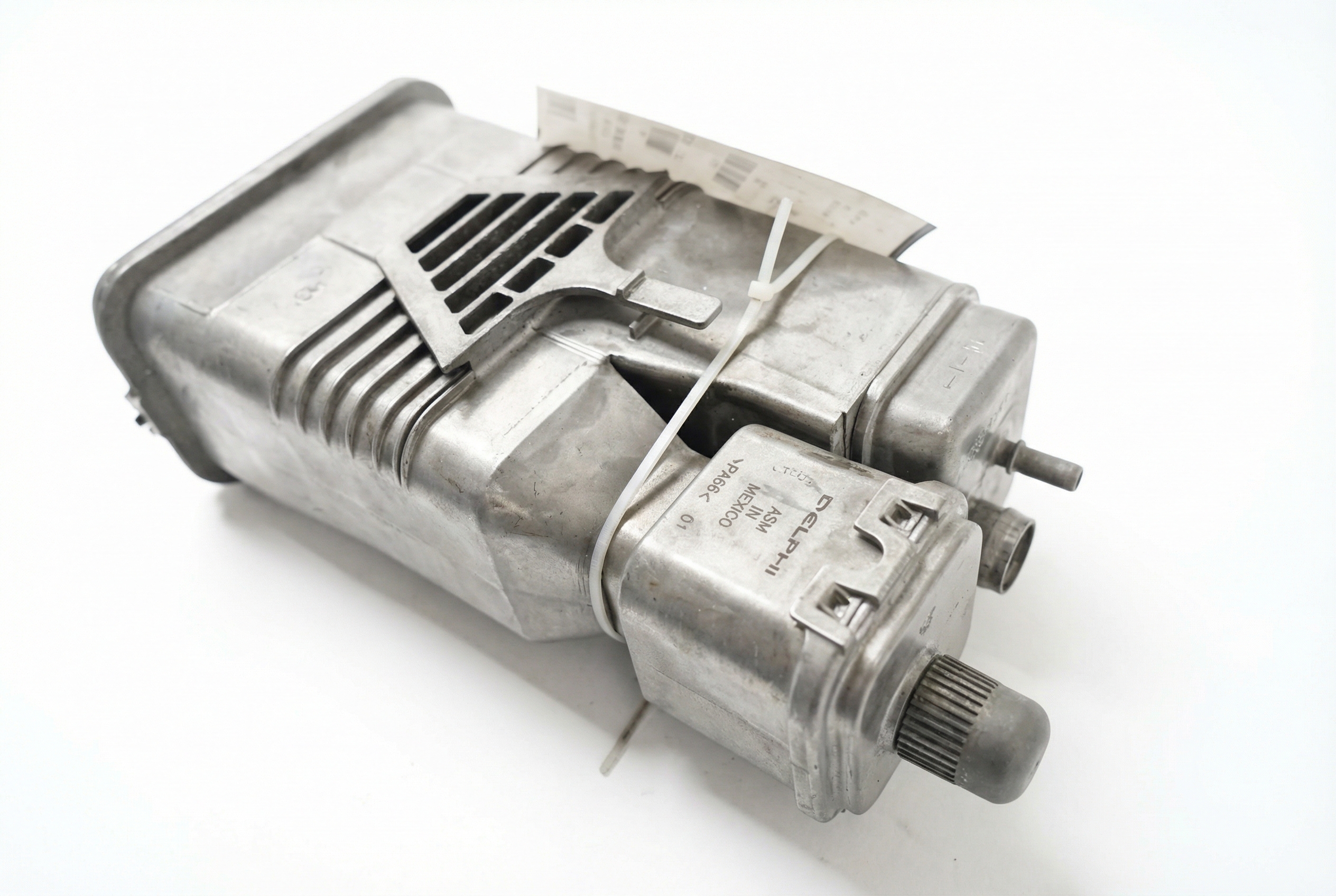
Est. part cost: $30-$75 - Faulty Evaporative System Integrity Monitor (ESIM) 🔴 High Probability → Shop Vapor Canister The ESIM, which performs the leak test, is a known high-failure item on Chrysler platforms. The internal switch or diaphragm can fail or get clogged with dust, causing it to falsely report a leak when none exists or to get stuck. A Reddit user identifying as a Dodge Service Advisor stated it is 'hardly ever the gas cap' and almost always the ESIM.
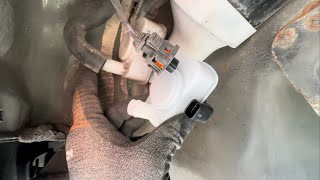
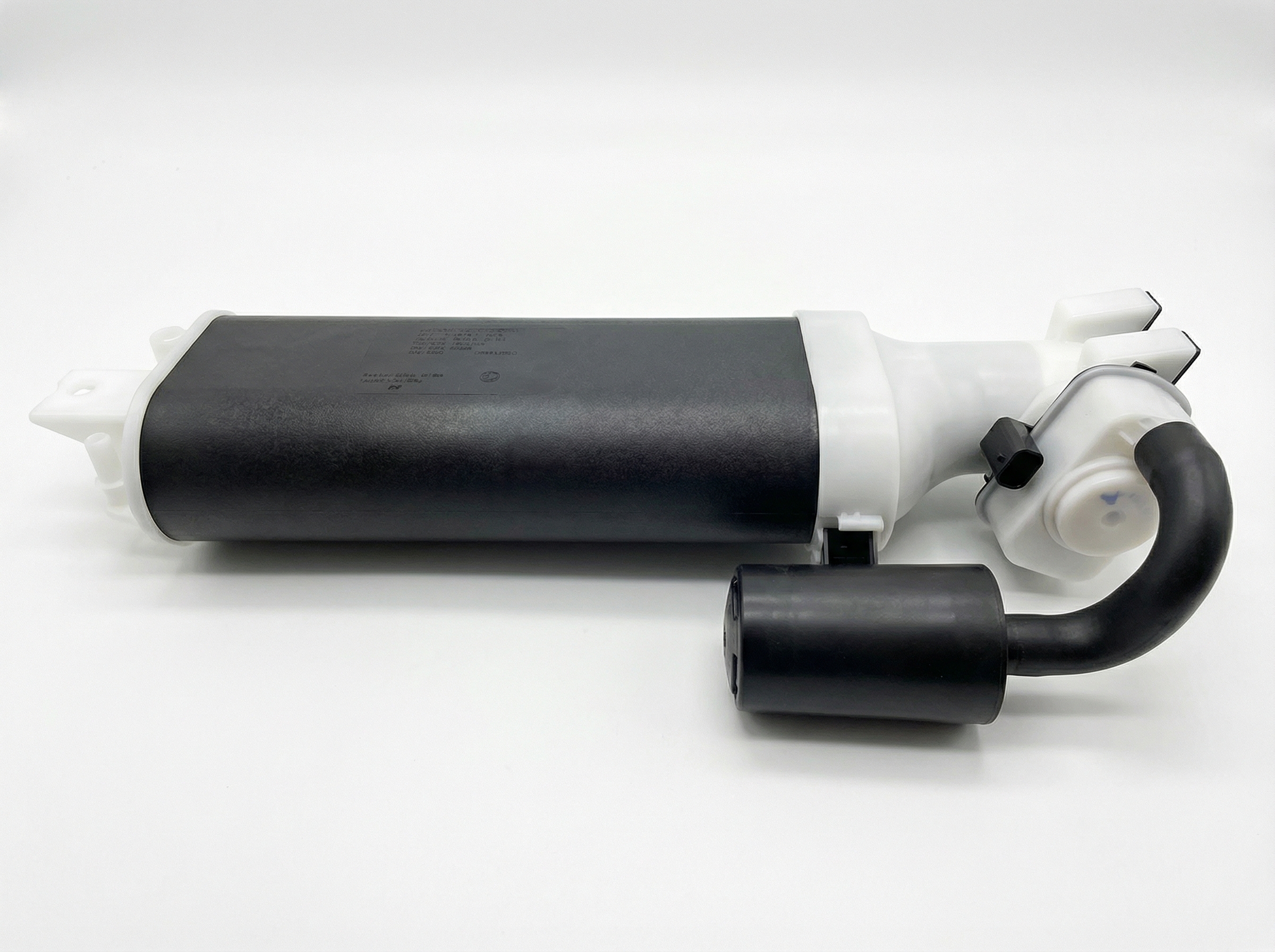
How to confirm: The ESIM is located on the charcoal canister, accessed by removing the rear passenger-side wheel well liner. A definitive sign of failure is if the old part rattles when shaken, while a new one does not. If a smoke test shows no leaks and the gas cap and purge valve are good, the ESIM is the most likely suspect. Advanced scan tools can also run an 'ESIM forced test'.
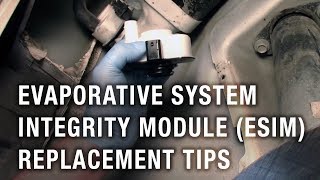
Typical fix: Replace the ESIM. It twists into the charcoal canister with a quarter-turn lock after disconnecting one hose and one electrical connector. 🎬 Watch: Step-by-step guide to replacing the ESIM unit.
Est. part cost: $30-$110 - Cracked or Disconnected EVAP Hose 🟡 Medium Probability Rubber and plastic hoses become brittle with age and heat cycles. A common failure spot is a line near the rear passenger-side wheel well that can get chafed or damaged. Another spot is the hoses connected to the purge valve in the engine bay.
How to confirm: Visually inspect all accessible EVAP lines in the engine bay and around the charcoal canister (near the rear wheel). A smoke test is the most reliable method to find a small crack that isn't obvious.
Typical fix: Replace the cracked section of the hose. In some cases, a small crack can be repaired with fuel-rated hose and clamps as a temporary fix.
Est. part cost: $10-$50
Rare But Worth Checking
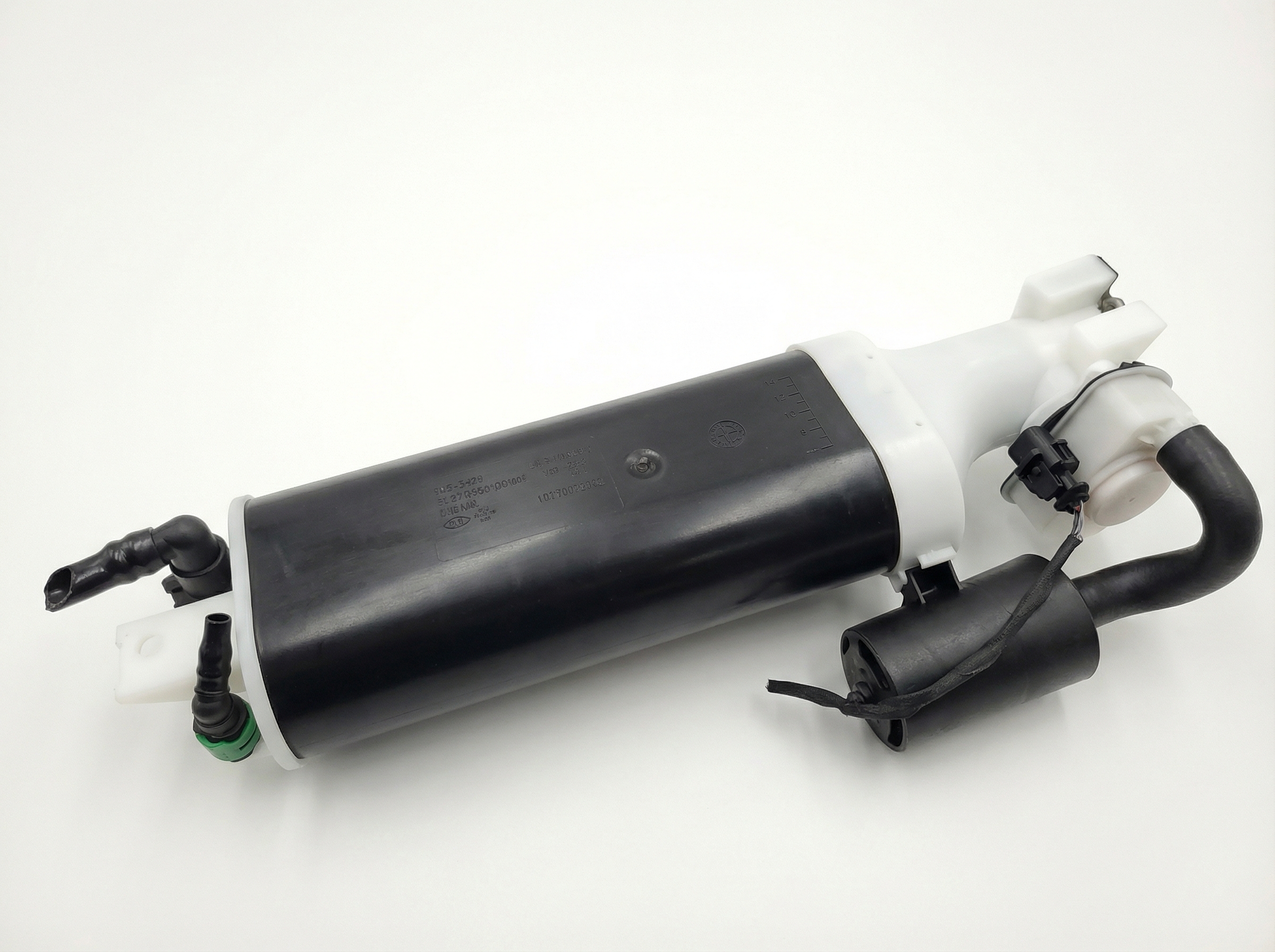
- Cracked Charcoal Canister: → Shop Vapor Canister The canister itself can develop a hairline crack from road debris or age, creating a leak. This is usually found only with a smoke test. Damage can also occur during ESIM replacement if not careful.
- Leaking Fuel Filler Neck: → Shop Fuel Filler Neck The metal tube leading to the gas tank can rust and develop small pinhole leaks, especially in regions that use road salt. This prevents the gas cap from sealing properly. A smoke test will quickly reveal a leak in this area.
- PCM Software Glitch: In some cases, particularly on newer platform mates, the PCM's software logic for detecting leaks is too sensitive and can trigger a false P0456 code. Checking for TSBs related to PCM updates for your specific VIN can be a valid diagnostic step before replacing hardware.
Diagnosis Steps

- Check the Gas Cap: Ensure it is tight and clicks several times. Remove it and inspect the rubber seal for any cracks, stiffness, or damage. Also, inspect the fuel filler neck for rust or debris that could prevent a seal.
- Clear the Code and Drive: After checking the cap, clear the code with a scanner and drive the vehicle for a few days. The EVAP monitor runs under specific conditions (often during cool-down after driving), so it may take time for the light to return if the problem isn't fixed.
- Inspect the Purge Valve: If the code returns, locate the purge valve in the engine bay. Disconnect its hoses and electrical connector. Try to blow through the valve; if any air passes, it's faulty and needs replacement.
- Visual Inspection: Carefully inspect all visible EVAP hoses in the engine bay and around the rear of the vehicle for obvious cracks, chafing, or loose connections.
- Perform a Smoke Test: If no obvious issues are found, the most effective next step is a smoke test. This involves feeding low-pressure smoke into the EVAP system (usually via a service port) and watching for where it escapes. This will pinpoint the exact location of the leak.
- Inspect ESIM: If the smoke test reveals no leaks, the Evaporative System Integrity Monitor (ESIM) on the charcoal canister is a highly likely culprit. Access it via the rear passenger wheel well and check if it rattles when shaken, which indicates internal failure.
Parts You'll Likely Need
- Fuel Cap
(OEM #52030380AB (replaces 52124596AA))— This is the most common cause of a P0456 code due to improper tightening or a worn-out seal. Using an OEM Mopar cap is highly recommended for a reliable seal.
Trusted brands: Mopar
OEM price range: $20-$35
Aftermarket price range: $15-$25 - Vapor Canister Purge Valve / Solenoid
(OEM #04891738AD (fits 3.6L, 5.7L, 6.4L); 04627973AD (alternate for 5.7L))— A very common failure item on Chrysler products that gets stuck slightly open, causing a persistent small leak.
Trusted brands: Mopar, Dorman, Standard Motor Products
OEM price range: $50-$80
Aftermarket price range: $30-$60 - Evaporative System Integrity Monitor (ESIM)
(OEM #04861963AD (for vehicles built after 09-04-2013); 4861962AD (common service part))— This Chrysler-specific testing unit is a known weak point. It can fail internally and falsely report a system leak when none exists. Many owners and technicians report this as the final fix after replacing the gas cap and purge valve.
Trusted brands: Mopar, Dorman
OEM price range: $65-$110
Aftermarket price range: $20-$50
Related Codes That Often Appear With This One
- P0455 — Indicates a large EVAP leak. A component that starts with a small leak (P0456) can fail further, creating a large leak.
- P0457 — Indicates a leak specifically detected due to a loose or missing fuel cap. This code often appears with P0456 if the gas cap is the primary issue.
- P0441 — Indicates incorrect purge flow, which often points directly to a problem with the purge valve. A purge valve that doesn't seal correctly can cause both a P0441 and a P0456.
- P0440 — A general EVAP system malfunction code. It is often triggered alongside P0456 when the ESIM fails.
Technical Service Bulletins (TSBs) & Recalls
- TSB #18-048-23 (April 15, 2023): Applies to all 2012-2023 Stellantis vehicles. Mandates the use of the wiTECH Small Leak Verification Test (SLVT) for diagnosing and confirming repairs for P0456. It explicitly states that a road test is insufficient to verify the fix and that the SLVT must be run even after PCM software updates.
Platform-Specific Known Issues
- The remote start system is often disabled by the vehicle's computer when a P0456 code is present.
- Chrysler issued TSB #18-048-23 regarding P0456, which mandates the use of a specific dealer-level tool, the 'wiTECH Small Leak Verification Test (SLVT)', to confirm a leak exists and that a repair was successful. A road test is not considered a valid confirmation by the manufacturer.
- The ESIM is a disproportionately high failure item on this platform compared to other brands, with many owners on forums reporting it as the final fix after other parts were replaced.
Mechanic-Grade Diagnostic Values
- EVAP Purge Valve Solenoid Resistance — expected: 15 to 38 Ohms at room temperature.. Failure: A reading of 0 Ohms indicates a short, while an infinite (O.L.) reading indicates an open circuit. Readings significantly outside the expected range suggest a faulty coil.
Scan Tool Commands That Help
- wiTECH (Dealer Tool): Small Leak Verification Test (SLVT) — Mandatory for diagnosing P0456 per TSB #18-048-23. Use this test to definitively confirm a small leak is present before replacing parts and to verify the repair is successful afterward. A standard road test will not confirm the fix.
- Professional Scan Tool: EVAP Purge Solenoid Activation — To functionally test the purge solenoid. Command the valve to cycle on and off while checking for an audible click and verifying it seals correctly when commanded closed.
Wiring & Ground Locations
- EVAP System Fuses (Front Fuse Box) — Under the hood, in the power distribution center.. For 2014+ models, check fuses F31, F34, F35, F37, and relay 63, as they are related to engine management and can supply power to EVAP components.
- EVAP System Relay (Rear Fuse Box) — In the trunk, behind the battery.. For 2014+ models, check relay R29, which can be involved in the EVAP system's power circuit.
- G305 — Right side of the luggage compartment (trunk).. This is a primary ground point for various rear-body electrical components on 2014 models. A poor ground here could potentially affect the ESIM or other nearby sensors.
Real Owner Repair Stories
- Reddit user on r/GrandCherokee (2018 Jeep Grand Cherokee Limited (similar platform)) — P0456 Check Engine Light. A smoke test revealed smoke coming from a component attached to the ESIM.
❌ Tried (didn't work) Initial smoke test pointed to the ESIM area but the exact cause was unclear.
✅ What actually fixed it Replacing the ESIM module. The owner concluded the old ESIM valve was stuck open, allowing smoke (and vapor) to escape through its filtered vent, which is normal operation for the vent but not when the system is supposed to be sealed. - YouTube video by 'Charles & Cars' (2015 Dodge Dart (similar Chrysler platform)) — P0456 Check Engine Light.
❌ Tried (didn't work) Replacing the gas cap, Replacing the purge valve solenoid
✅ What actually fixed it Replacing the Evaporative System Integrity Module (ESIM). The fix was confirmed successful after driving over 1,000 miles without the code returning. - YouTube video by 'Zac Wade' (2014 Jeep Grand Cherokee SRT (similar platform)) — P0456 Check Engine Light.
❌ Tried (didn't work) Checking gas cap.
✅ What actually fixed it Replacing the ESIM. The old, faulty ESIM rattled when shaken due to a broken internal component, while the new part was silent.
"I Checked Everything" — The Actual Cause
- A technician noted that on a 2013+ Chrysler vehicle, the standard EVAP smoke/pressure tester may pass the system, yet the code can still be valid. The dealer-level wiTECH Small Leak Verification Test (SLVT), which uses vacuum, can fail when the pressure test passes, indicating an extremely small leak that only shows up under vacuum.
- The ESIM can fail internally, causing it to send a false signal to the PCM that a leak is present. In this scenario, a smoke test will show no leaks because the system is physically sealed, but the faulty sensor itself is the root cause of the code.
- On some models, the PCM software logic for detecting leaks is overly sensitive and can set a P0456 code when no leak exists. In these cases, a PCM update (flash) is the correct fix, which is often discovered after a smoke test comes back clean.
OEM Part Supersession History
4861962A_ (AA, AB, AC)→04861962AD— Part revision and consolidation.
Heads up: This part is for early-production second-generation models. It is not compatible with later models.4861963A_ (AA, AB, AC), 4891729AA→04861963AD— Part revision and consolidation.
Heads up: This part is for later-production second-generation models. It is not compatible with earlier models.
Model Year Variations Within This Range
- 2012 - Early 2014 (built on/before 09-04-2013): These models use the ESIM part number 04861962AD. The 2012 models in particular do not have a fuel tank pressure (FTP) sensor, and the EVAP test relies solely on the ESIM's internal switch.
- Late 2014 - 2016 (built after 09-04-2013): These models use the updated ESIM part number 04861963AD. They also include a Fuel Tank Pressure (FTP) sensor in the EVAP system. While the FTP sensor is not used for the primary leak detection that sets the P0456 code, it is used by the dealer's wiTECH scan tool for the mandatory Small Leak Verification Test (SLVT).
Helpful Videos
Used OEM Parts in Stock
New Aftermarket Parts Available


The information in this article is provided for general reference and educational purposes only. Vehicle specifications, procedures, and part compatibility can vary by production date, trim level, and region. Always consult your vehicle's factory service manual and verify part numbers before purchasing or performing repairs. Safety-critical components such as airbags, seat belts, and braking systems should be installed by a qualified professional.
- Chrysler 300C:
- 🧭 Diagnostic Flowchart
- 🎬 Helpful Videos
- 🛍️ Shop This Part
- What's Unique About the 2012-2016 Chrysler 300C
- Symptoms You May Notice
- Most Likely Causes
- Rare But Worth Checking
- Diagnosis Steps
- Parts You'll Likely Need
- Related Codes That Often Appear With This One
- Technical Service Bulletins (TSBs) & Recalls
- Platform-Specific Known Issues
- Mechanic-Grade Diagnostic Values
- Scan Tool Commands That Help
- Wiring & Ground Locations
- Real Owner Repair Stories
- "I Checked Everything" — The Actual Cause
- OEM Part Supersession History
- Model Year Variations Within This Range
- 🎟️ Get 5% Off