

P0456 on 2012-2019 Dodge Challenger: EVAP Small Leak Causes & Fixes
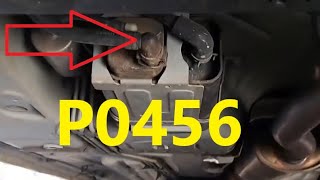
P0456 on a Dodge Challenger indicates a small leak in the evaporative emissions (EVAP) system. The most common cause is a loose or faulty gas cap. If that doesn't fix it, the next most likely culprits are the ESIM switch on the charcoal canister or the purge valve in the engine bay. A new gas cap is under $30, while an ESIM or purge valve can range from $40 to $100. Many owners and even service advisors report the ESIM is a very frequent failure point on this platform.
- P0456 on your Challenger is an emissions-related code for a small EVAP leak and is not a critical mechanical issue.
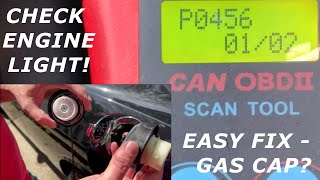
- Always start with the simplest fix: check that your gas cap is tight. If that doesn't work, replace it with a quality OEM Mopar cap.
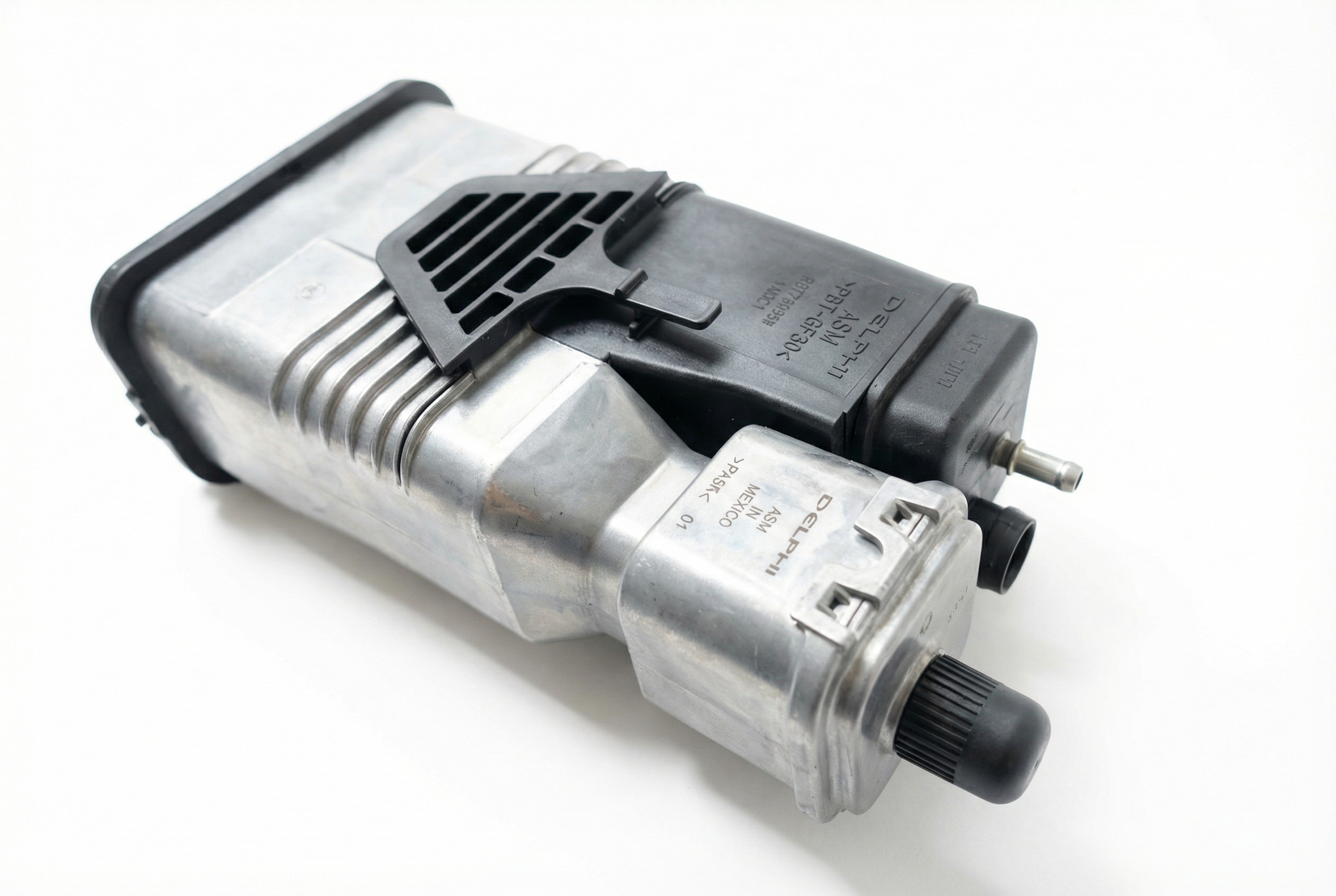
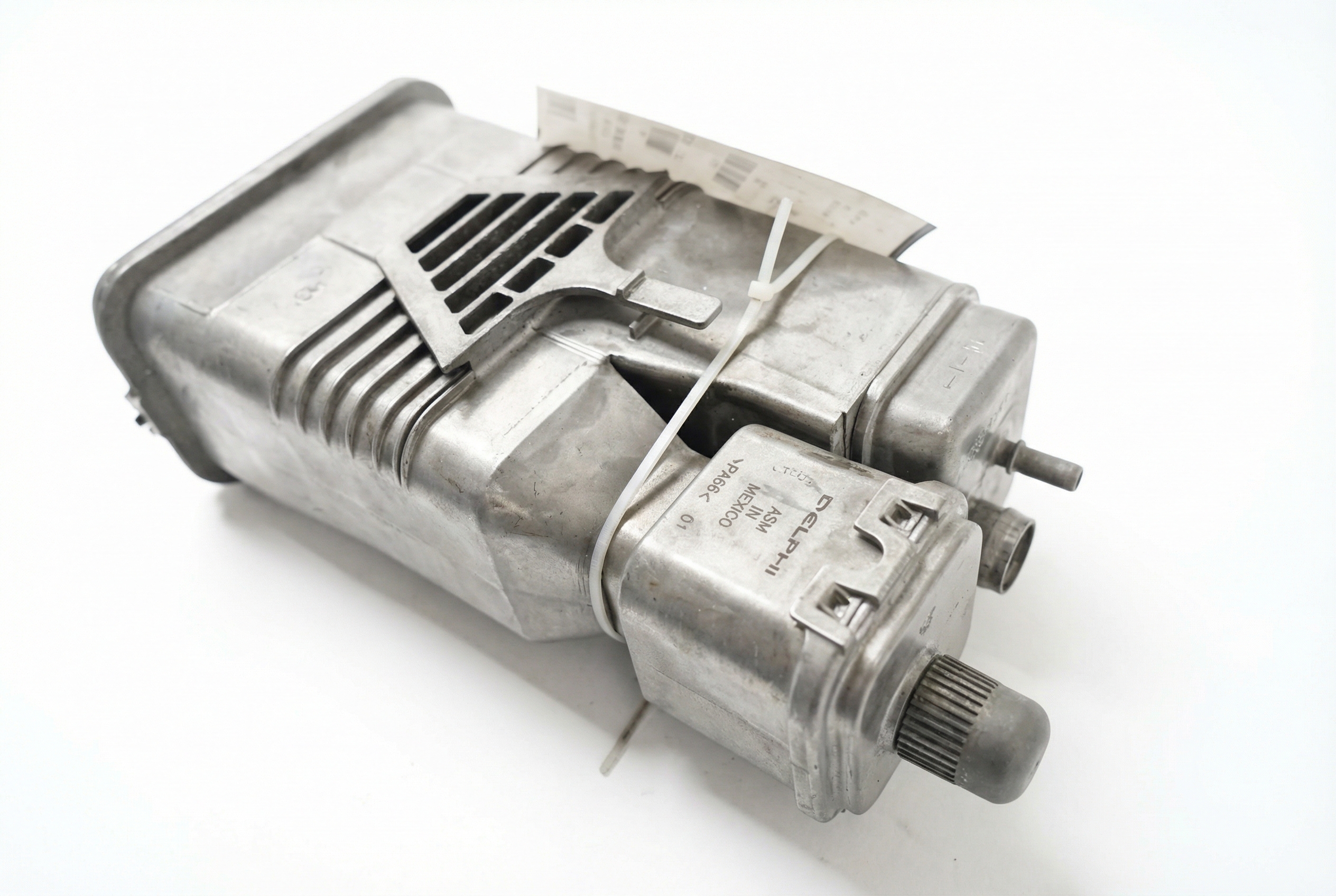
- If a new gas cap doesn't resolve the code, the next most likely culprit is the Evaporative System Integrity Module (ESIM), located on the charcoal canister in the rear passenger wheel well.
- Other potential causes include a faulty purge valve in the engine bay or cracked EVAP hoses, which are best found with a smoke test.
- You can continue driving the car, but you will fail an emissions inspection until the leak is repaired.
What's Unique About the 2012-2019 Dodge CHALLENGER

For this generation of Dodge Challenger and its platform mates (Dodge Charger, Chrysler 300), the P0456 code is frequently traced back to the Evaporative System Integrity Module (ESIM). This is a known weak point, with a Reddit user identifying as a Dodge Service Advisor stating, 'Replace the ESIM or Evaporative System Integrity Module and the green seal on it. I've been a Dodge Service advisor for 10+ years. It is hardly ever the gas cap.' The ESIM is a delicate switch that can fail internally, causing a false leak reading even when no physical leak exists. Another common issue is a failing purge valve on the engine. Several Technical Service Bulletins (TSBs) from Dodge specifically mention using the dealer-level wiTECH Small Leak Verification Test (SLVT) to diagnose this code, indicating a known pattern of issues requiring specific diagnostic software.
Diagnostic Flowchart

Tap your situation to follow the diagnostic path that matches what you're seeing on this vehicle.
Generation note: The 2012-2019 model years span the third generation of the Dodge Challenger, but include a significant facelift for the 2015 model year. While the core EVAP system components are similar, their exact location or part numbers may differ slightly between the 2012-2014 (pre-facelift) and 2015-2019 (post-facelift) models. However, the common causes (gas cap, ESIM, purge valve) and diagnostic approaches for P0456 are consistent across this entire range and its platform mates.
Symptoms You May Notice

- Check Engine Light is on
- A message on the dashboard may indicate a "loose fuel cap".
- A faint smell of gasoline, particularly around the rear of the vehicle (less common).
- Slight decrease in fuel economy over time.
- Replacing the O2 sensors. O2 sensors are related to exhaust gases, not the fuel vapor system, and will not fix a P0456 code.
- Replacing the fuel pump. While the fuel tank pressure sensor can sometimes be located near the pump, the pump itself is not a cause for this specific leak code.
Most Likely Causes

- Loose or Faulty Gas Cap 🔴 High Probability → Shop Fuel Tank Cap The gas cap seal is a simple rubber O-ring that can crack, shrink, or get dirty over time, preventing a proper seal. This is the most common first step for any EVAP leak code. Aftermarket caps are a notorious cause of this code, as they may not seal with the same precision as the OEM part.
How to confirm: First, ensure the cap is tightened until it clicks multiple times. If the light returns, remove the cap and inspect the rubber seal for any visible cracks, tears, or brittleness. Also, clean the rim of the fuel filler neck with a cloth or light abrasive pad to ensure a clean sealing surface.
Typical fix: Replace the gas cap. It is highly recommended to use an OEM Mopar gas cap, as many owners report that aftermarket caps fail to resolve the issue.
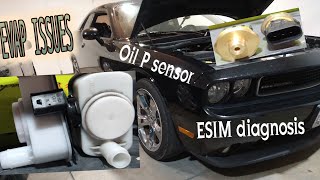
Est. part cost: $15-$35 - Faulty Evaporative System Integrity Module (ESIM) 🔴 High Probability → Shop Vapor Canister The ESIM is a widely reported weak point on many Chrysler/Dodge/Jeep products of this era, including the Challenger. It uses a delicate internal weight and switch mechanism to detect pressure changes, and this mechanism can break or get stuck, causing the computer to incorrectly report a leak. Many owners report this as the definitive fix after trying a new gas cap.
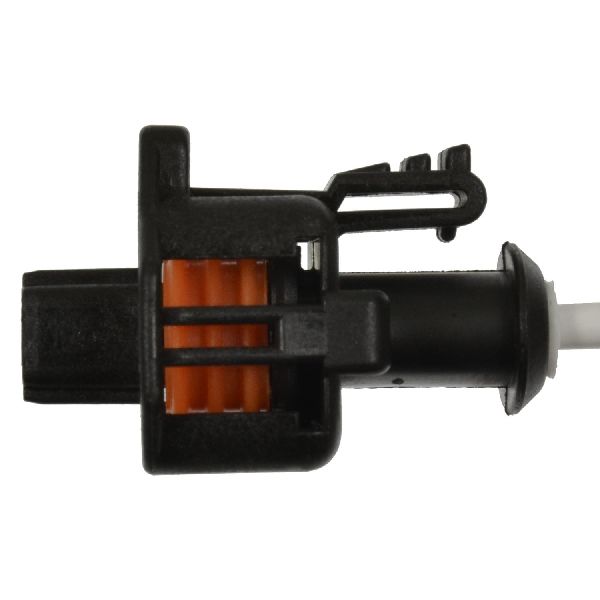
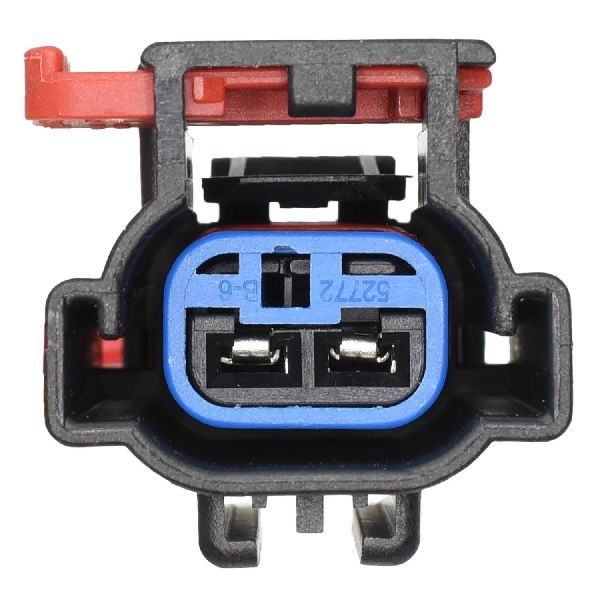
How to confirm: The ESIM is located on the charcoal canister, accessible by removing the passenger-side rear wheel and wheel well liner. After ruling out the gas cap, this is the next logical part to replace due to its high failure rate. A smoke test may not show a leak if the ESIM has failed internally, as the part itself is what's sending the bad signal. A DIY test involves applying ground to one pin and checking for ground signal on the other pin when pressure or vacuum is applied to the port; a bad ESIM will not pass the ground signal.
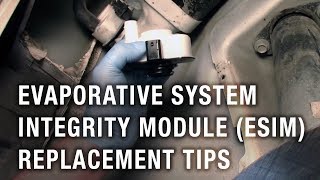
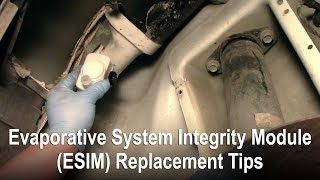
Typical fix: Replace the ESIM and its seal. This involves removing the wheel and liner, unplugging the electrical connector, and giving the module a quarter-turn to release it from the canister.
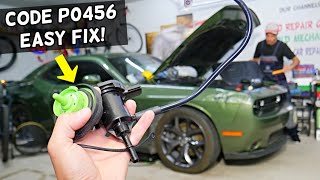
Est. part cost: $40-$75 - Faulty EVAP Purge Valve/Solenoid 🟡 Medium Probability → Shop Vapor Canister The purge valve, located in the engine bay, controls the flow of fuel vapors to the engine. It can get stuck slightly open due to carbon buildup or wear, creating a small, constant leak in the system.
How to confirm: The purge valve is located on the engine, with two hoses and an electrical connector. A common DIY test is to remove it and try to blow through it; a healthy, unpowered purge valve should be closed and not allow air to pass. A professional smoke test can also definitively identify a leaking purge valve.
Typical fix: Replace the purge valve solenoid.
Est. part cost: $30-$60 - Cracked or Disconnected EVAP Hoses ⚪ Low Probability The plastic and rubber hoses that make up the EVAP system can become brittle and crack over time due to heat cycles and age, especially at connection points.
How to confirm: A visual inspection of all accessible EVAP lines between the engine bay and the charcoal canister may reveal obvious cracks or damage. The most effective way to find a small hose leak is with a professional-grade smoke machine, which fills the system with visible vapor to pinpoint the exact source of the leak.
Typical fix: Replace the damaged section of hose or the entire hose assembly.
Est. part cost: $20-$100
Rare But Worth Checking
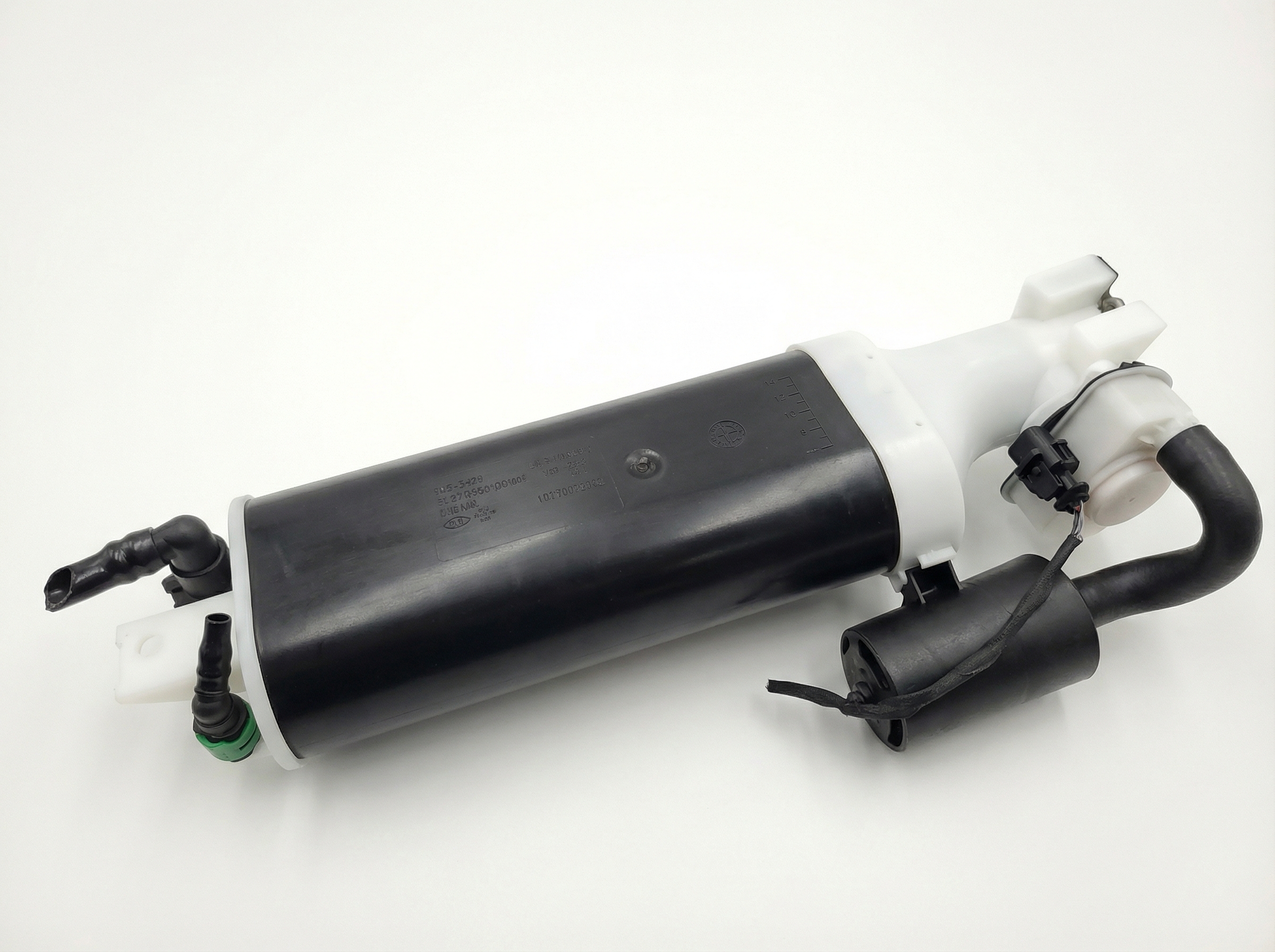
- Cracked Charcoal Canister: → Shop Vapor Canister While less common, the plastic body of the charcoal canister itself can develop a hairline crack, causing a small leak. This is usually found with a smoke test after all other components have been checked.
- Leaking Fuel Filler Neck: → Shop Fuel Filler Neck Corrosion or damage to the metal tube leading to the gas tank can cause a leak by preventing the gas cap from sealing properly. This is more common in regions that use road salt in the winter. Thoroughly cleaning the sealing surface is a key diagnostic step.
Diagnosis Steps
- Check the gas cap. Remove it, inspect the seal for cracks, and retighten it until it clicks at least three times. Clean the filler neck sealing surface. Clear the code and drive for a few days to see if it returns.
- If the code returns, replace the ESIM. Given its high failure rate on this platform, many owners and mechanics consider this the next logical step before more complex diagnostics.
- To access the ESIM, safely jack up the rear of the vehicle, remove the passenger-side rear wheel, and take out the plastic wheel well liner (typically held by bolts and plastic push pins). The ESIM is the small electronic part attached to the large black charcoal canister. Disconnect the electrical plug, press the release tab, and give the module a quarter-turn to remove it.
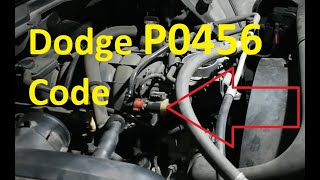
- Visually inspect the EVAP purge valve in the engine bay. It's typically mounted on the side of the intake manifold or on the engine itself. Check for any obvious cracks in its housing or the connected hoses.
- If replacing common parts doesn't solve the issue, a smoke test is required. This involves feeding low-pressure, vaporized mineral oil into the EVAP system's service port. Smoke will exit from the location of the leak, making it easy to spot cracked hoses, a faulty canister, or a bad seal.
- For dealership-level diagnosis, follow the manufacturer's recommended procedure, which involves using a wiTECH scan tool to perform a Small Leak Verification Test (SLVT), as noted in multiple TSBs.
Parts You'll Likely Need
- Fuel Cap
(OEM #52030377AB)— This is the most frequent and cheapest first attempt to fix a P0456 code. The seal wears out over time, causing a leak.
Trusted brands: Mopar (highly recommended)
OEM price range: $25-$35
Aftermarket price range: $15-$25 - Evaporative System Integrity Module (ESIM)
(OEM #04861963AD)— A very common failure point on Challengers and other Chrysler products that causes a false P0456 code. Often the true culprit if a new gas cap doesn't work. This part supersedes previous numbers 4861963AA, 4861963AB, and 4861963AC.
Trusted brands: Mopar
OEM price range: $40-$75
Aftermarket price range: $30-$50 - EVAP Purge Valve/Solenoid — This valve in the engine bay can stick open, creating a constant small leak. It's a common failure item after the gas cap and ESIM have been ruled out.
Trusted brands: Mopar, Dorman
OEM price range: $40-$60
Aftermarket price range: $30-$50
Related Codes That Often Appear With This One
- P0455 — This code indicates a 'Large EVAP Leak'. If a small leak (P0456) worsens, or if a component fails more significantly, it can trigger the P0455 code. They are often caused by the same faulty components and are grouped in TSBs.
- P0457 — This code specifically means 'EVAP System Leak Detected (Fuel Cap Loose/Off)'. It often appears with P0456 if the gas cap is the root cause, and many owners report seeing both codes simultaneously.
- P0440 — This is a general 'EVAP System Failure' code. TSB #1807422 and #18-090-23 group it with P0456, suggesting a related diagnostic path or a potential software update fix.
- P0452 — This code for 'EVAP Pressure Switch Stuck Closed' is also mentioned in TSB #1807422, indicating it can be related to the same system faults, particularly a malfunctioning ESIM or pressure sensor.
Technical Service Bulletins (TSBs) & Recalls
- 18-090-24
- 1804823
- 18-073-20
- 1807422
- 18-090-23
Platform-Specific Known Issues
- A 2013 Challenger owner reported the P0456 code appearing at 68,000 miles, noting it leads to increased emissions and fuel loss. [ OWNER COMPLAINT]
- Multiple Technical Service Bulletins (TSBs) exist for this code on the Challenger, including #18-090-24, #1804823, #18-073-20, and #1807422. They all point towards a systematic diagnostic approach using a dealer scan tool (wiTECH) to perform a Small Leak Verification Test (SLVT), confirming this is a recognized issue by the manufacturer. [⭐ MANUFACTURER TSB — highest authority, ⭐ MANUFACTURER TSB — highest authority, ⭐ MANUFACTURER TSB — highest authority, ⭐ MANUFACTURER TSB — highest authority]
Mechanic-Grade Diagnostic Values
- EVAP Purge Valve Solenoid Resistance — expected: 14-22 Ohms. Failure: A reading significantly outside this range indicates a faulty solenoid coil.
- ESIM Switch State (Key-On Engine-Off) — expected: 1.8 Volts on the signal wire when back-probed.. Failure: No voltage or an inconsistent signal when testing can indicate a faulty ESIM.
Scan Tool Commands That Help
- wiTECH: Small Leak Verification Test (SLVT) — This is the mandatory dealer-level test to confirm a small leak is present before replacing parts and to verify the fix afterward. It uses the fuel tank pressure sensor and ESIM switch state to run a 5-minute vacuum test. It can also identify an internally leaking purge valve.
- wiTECH: EVAP System Monitor Test — Used to force the EVAP monitor to run and confirm the system can seal and hold pressure/vacuum after a repair, without waiting for multiple drive cycles.
Wiring & Ground Locations
- G14a — Under the right side of the luggage compartment floor, near the battery and rear fuse box.. This is a primary ground point for several rear-body components. A corroded or loose G14a could potentially affect the electrical circuits for the ESIM or other nearby EVAP components, causing erratic behavior.
- EVAP System Fuses (Underhood) — In the front fuse box (passenger side of engine bay).. Specifically, fuses F31, F34, F35, and F36 have been identified as potentially related to the EVAP system on 2014+ models. A blown fuse here would de-power a component like the purge solenoid.
- EVAP System Relays (Trunk) — In the rear fuse box, behind the battery in the trunk.. Relay 29 is a key relay for the EVAP system. A faulty relay could prevent a component from receiving power.
Real Owner Repair Stories
- YouTube channel 'Rainman Rays Repairs' (2014 Dodge Challenger R/T) — Check engine light with code P0456.
❌ Tried (didn't work) A full system smoke test was performed and showed NO leaks.
✅ What actually fixed it The Evaporative System Integrity Module (ESIM) was found to be internally faulty. The technician tested the old part with a multimeter and found it had continuity (12.92 kOhms) between the two corner pins when it should have been an open loop. The new ESIM tested as an open loop, confirming the old part's internal switch had failed. - Reddit user 'CraigNdayday' (Dodge Service Advisor) (2017 Dodge Challenger R/T) — Check engine light with code P0456.
❌ Tried (didn't work) The user was advised to skip the gas cap replacement as the first step.
✅ What actually fixed it The user, a self-identified 10+ year Dodge Service Advisor, stated the fix is almost always the Evaporative System Integrity Module (ESIM) and its green seal, noting it is 'hardly ever the gas cap' on these cars.
"I Checked Everything" — The Actual Cause
- A very common scenario for the P0456 code on this platform is for the vehicle to pass a smoke test, showing no physical leaks. The actual cause is often an internal failure of the Evaporative System Integrity Module (ESIM). The ESIM contains a delicate switch mechanism that can fail, causing it to send an incorrect signal to the computer, which interprets it as a leak. Technicians have demonstrated that even with no visible smoke, testing the ESIM electronically with a multimeter reveals the internal fault.
OEM Part Supersession History
4861963AA, 4861963AB, 4861963AC→04861963AD— Standard part revision and improvement by the manufacturer for the Evaporative System Integrity Module (ESIM).
Model Year Variations Within This Range
- 2013+: Starting around 2013, Chrysler vehicles implemented the 'Small Leak Verification Test' (SLVT) as a specific function in the wiTECH scan tool. This test is considered mandatory for diagnosing P0456 on these later models and uses the fuel tank pressure sensor in a way that pre-2013 models do not for this specific diagnostic routine.
Helpful Videos
Used OEM Parts in Stock
New Aftermarket Parts Available


The information in this article is provided for general reference and educational purposes only. Vehicle specifications, procedures, and part compatibility can vary by production date, trim level, and region. Always consult your vehicle's factory service manual and verify part numbers before purchasing or performing repairs. Safety-critical components such as airbags, seat belts, and braking systems should be installed by a qualified professional.
- Dodge CHALLENGER:
- 🧭 Diagnostic Flowchart
- 🎬 Helpful Videos
- 🛍️ Shop This Part
- What's Unique About the 2012-2019 Dodge CHALLENGER
- Symptoms You May Notice
- Most Likely Causes
- Rare But Worth Checking
- Diagnosis Steps
- Parts You'll Likely Need
- Related Codes That Often Appear With This One
- Technical Service Bulletins (TSBs) & Recalls
- Platform-Specific Known Issues
- Mechanic-Grade Diagnostic Values
- Scan Tool Commands That Help
- Wiring & Ground Locations
- Real Owner Repair Stories
- "I Checked Everything" — The Actual Cause
- OEM Part Supersession History
- Model Year Variations Within This Range
- 🎟️ Get 5% Off