

P0456 on 2020-2022 Dodge Durango: Causes and Fixes for EVAP Small Leaks
For a 2020-2022 Dodge Durango with the 3.6L V6, code P0456 is overwhelmingly caused by a cracked, brittle plastic EVAP purge line under the engine cover, specifically Mopar Part #68250915AD. A faulty capless fuel filler flap is the next most likely cause. The hose is an inexpensive part (~$30-$60) and is a very common DIY fix that takes 15-20 minutes.
- P0456 on a 2020-2022 Durango indicates a small leak in the EVAP (emissions) system.
- The most common cause is a cracked plastic EVAP hose located under the engine cover, which is a known weak point.
- The second most likely cause is a poor seal at the capless fuel filler neck.
- The vehicle is safe to drive, but the issue should be fixed to pass an emissions test and prevent fuel odors.
- Diagnosis starts with a visual inspection of the fuel filler and under-hood hoses, but a smoke test is the most reliable way to find the leak.
What's Unique About the 2020-2022 Dodge DURANGO

On this generation of Dodge Durango (and its platform-mate, the Jeep Grand Cherokee), a specific brittle plastic hose connected to the EVAP purge valve is a notoriously common failure point. This hose, made of a stiff, unforgiving plastic, becomes brittle from engine heat cycles and vibrations, leading to hairline cracks that are difficult to see without removing the engine cover. Additionally, these models use a capless fuel filler system, so instead of a loose gas cap, the leak can come from a faulty or dirty seal on the filler flap. A manufacturer TSB also notes that this code can be accompanied by a fuel smell in the left rear of the vehicle, sometimes due to a disconnected fuel vapor hose from the factory on certain 2020 models.
Diagnostic Flowchart

Tap your situation to follow the diagnostic path that matches what you're seeing on this vehicle.
Symptoms You May Notice
- Check Engine Light is on
- A faint smell of gasoline, sometimes specifically noticeable in the left rear of the vehicle.
- Remote start may be disabled by the system when the Check Engine Light is active.
- Replacing the gas cap, which these vehicles do not have.
- Replacing the charcoal canister when the leak is a simple cracked hose nearby or a faulty ESIM switch attached to it.
- Immediately assuming a major component failure before thoroughly inspecting the purge hose under the engine cover.
Most Likely Causes


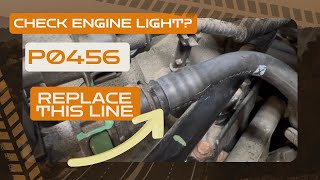
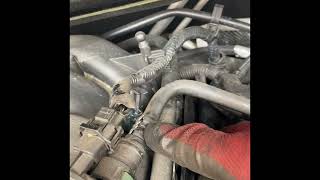
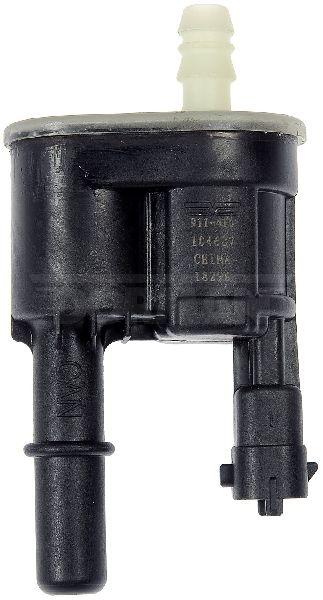
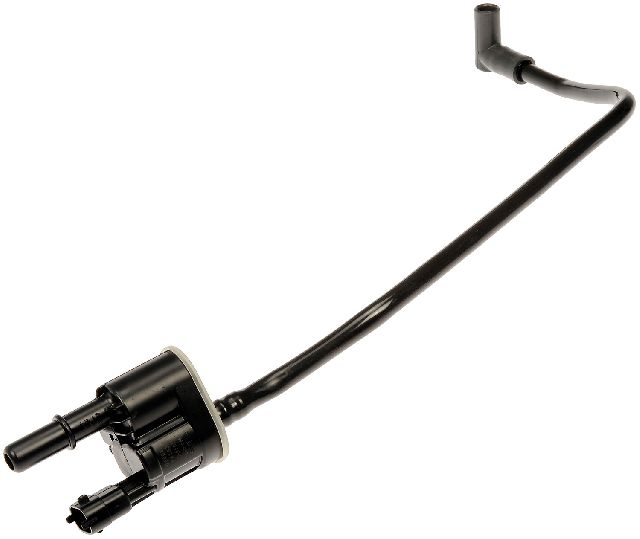
- Cracked EVAP Purge Valve Hose 🔴 High Probability → Shop Vapor Canister The plastic hose assembly (Mopar #68250915AD) is made of 🎬 Watch: See why this specific hose is the #1 failure point. a rigid material that becomes extremely brittle from constant engine heat and vibrations, leading to small cracks, often near the connectors. This is a widely documented failure point on the 3.6L Pentastar V6 engine used in the Durango and Jeep Grand Cherokee.
How to confirm: Remove the plastic engine cover (it pulls straight off). Carefully inspect the plastic lines connected to the EVAP purge valve, located on the driver's side of the engine. The cracks are often very fine and may be on the underside of the hose where it bends. In many cases, the hose will be visibly broken or fall apart when touched.
Typical fix: Replace the entire purge valve hose assembly. It is sold as a single unit with new connectors and is a simple DIY job involving a few push-to-connect fittings.
Est. part cost: $30 - $60 - Faulty Capless Fuel Filler Neck Seal 🟡 Medium Probability → Shop Fuel Filler Neck Instead of a traditional gas cap, these vehicles have a spring-loaded flap. Dirt, debris, or wear can prevent the flap from sealing correctly, creating a small leak that the system detects.
How to confirm: Visually inspect the fuel filler opening for any debris, damage, or warping of the seal. You can use the funnel that comes with the vehicle to gently work the flap open and closed to check for smooth operation and to help clean it. A forum user on BobIsTheOilGuy detailed having to replace the entire filler neck assembly after cleaning didn't resolve the code.
Typical fix: Clean the sealing area thoroughly with a rag and a solvent like denatured alcohol or WD-40, then lubricate the seal. If the seal is damaged or cleaning doesn't work, the entire fuel filler neck assembly must be replaced.
Est. part cost: $100 - $250 - Faulty EVAP Purge Valve 🟡 Medium Probability → Shop Vapor Canister The purge valve (or solenoid) can get stuck slightly open or fail intermittently, causing a constant small leak that the system detects. This is a common failure on many vehicles, and sometimes fails along with the cracked hose.
How to confirm: With the engine off, disconnect the hose from the purge valve. It should be closed and not allow air to pass through. If you can blow air through it, it is stuck open and needs to be replaced. A ticking sound from the valve when the engine is running is normal, but an absence of ticking could indicate failure.
Typical fix: Replace the EVAP purge valve. It is located on top of the engine and held by one or two bolts and electrical/hose connectors.
Est. part cost: $40 - $80 - Leaking EVAP Hoses or Lines ⚪ Low Probability TSB #18-035-20 specifically calls out a potentially disconnected fuel vapor hose in the left rear wheel well area on some 2020 models built between Nov 2019 and March 2020. Other rubber and plastic hoses throughout the EVAP system can also degrade, crack, or become disconnected.
How to confirm: For the issue in TSB #18-035-20, the vehicle must be raised and the left rear wheel and wheel well liner removed to inspect the connection. For other general leaks, a visual inspection may reveal obvious cracks, but the most effective method is a smoke test. A mechanic injects low-pressure smoke into the EVAP system and looks for where it escapes. 🎬 Watch: How to perform a smoke test to find small leaks.
Typical fix: Reconnect the loose hose or replace the specific section of hose that is leaking.
Est. part cost: $10 - $50
Rare But Worth Checking
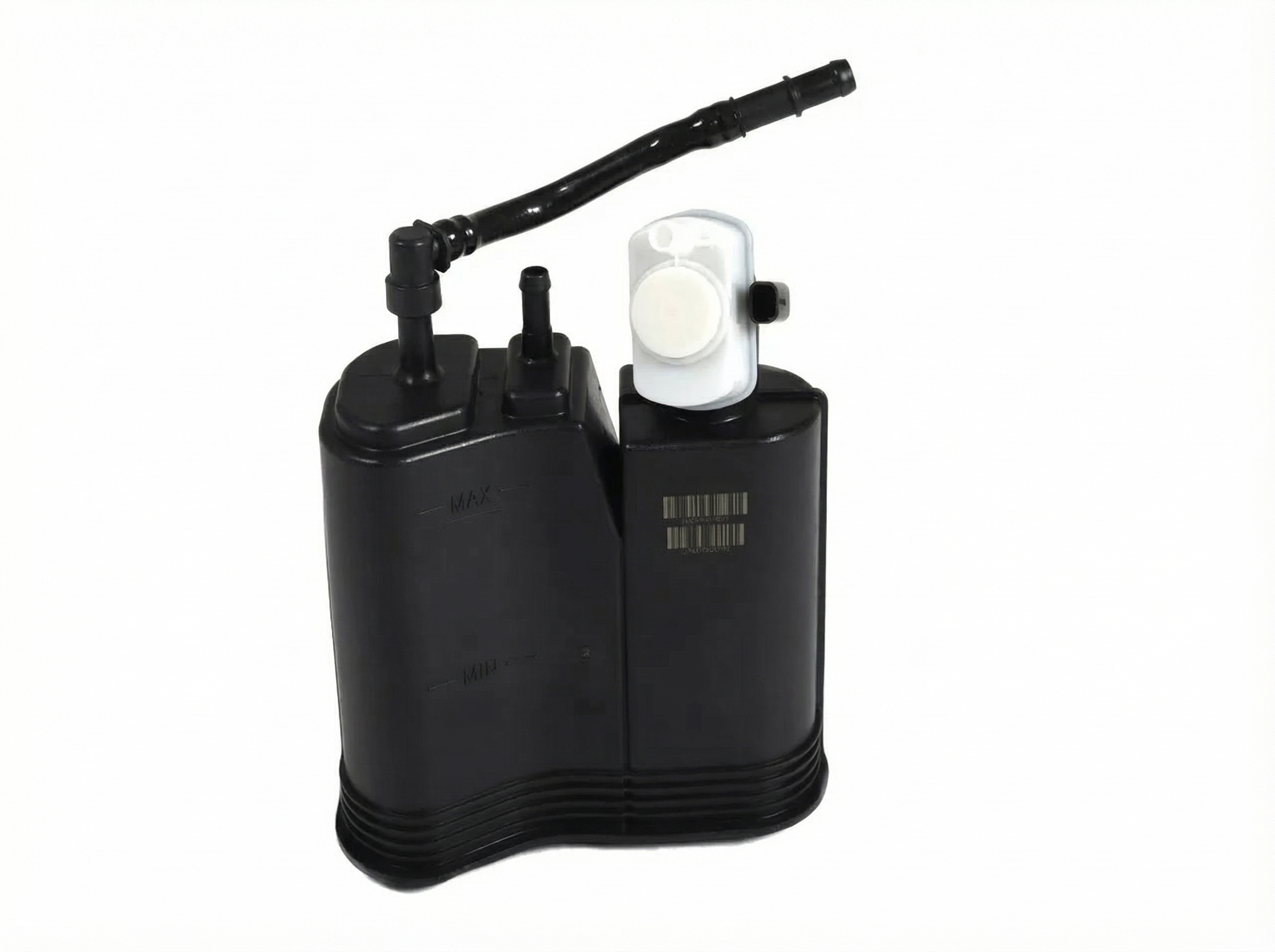
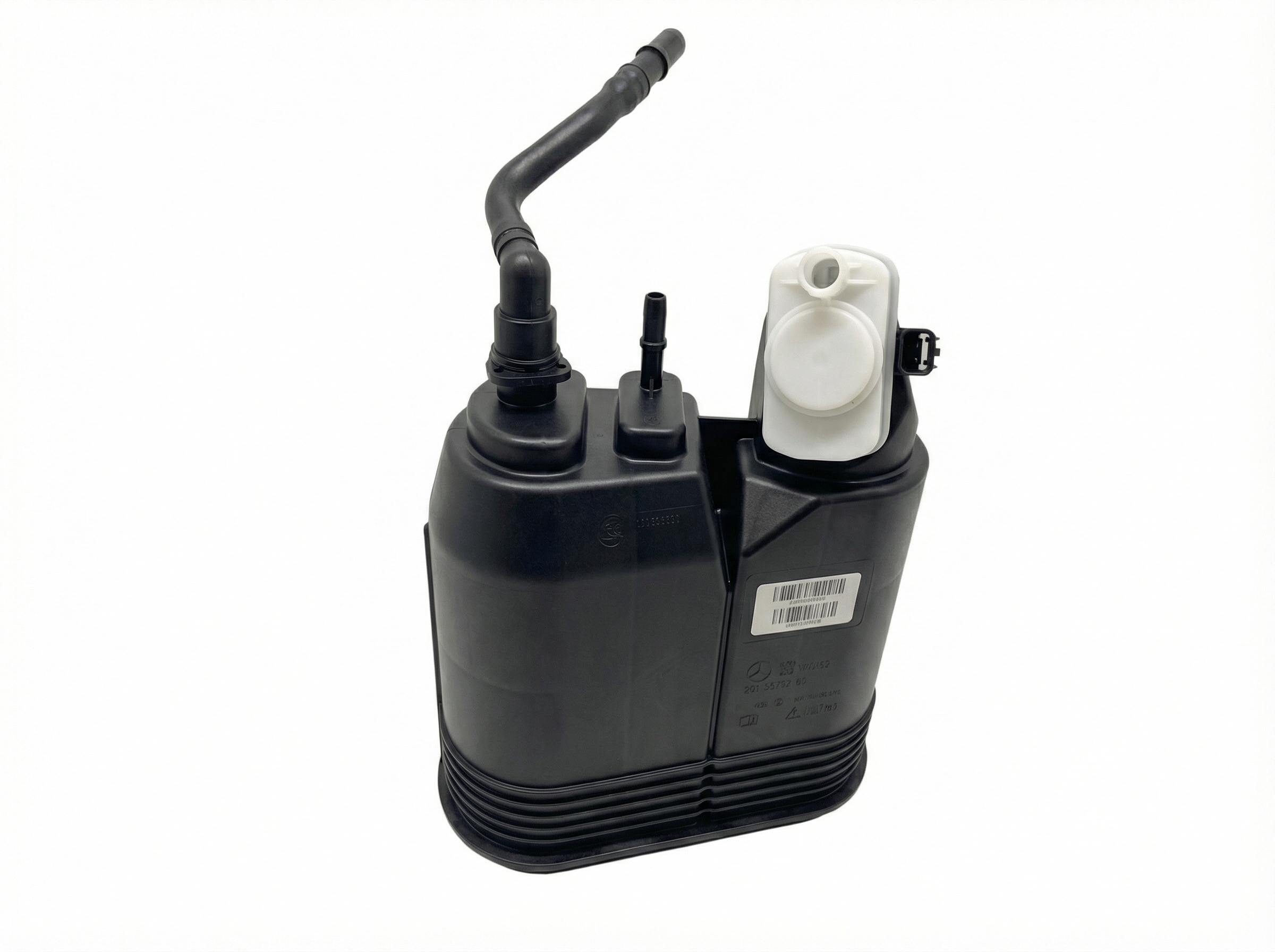
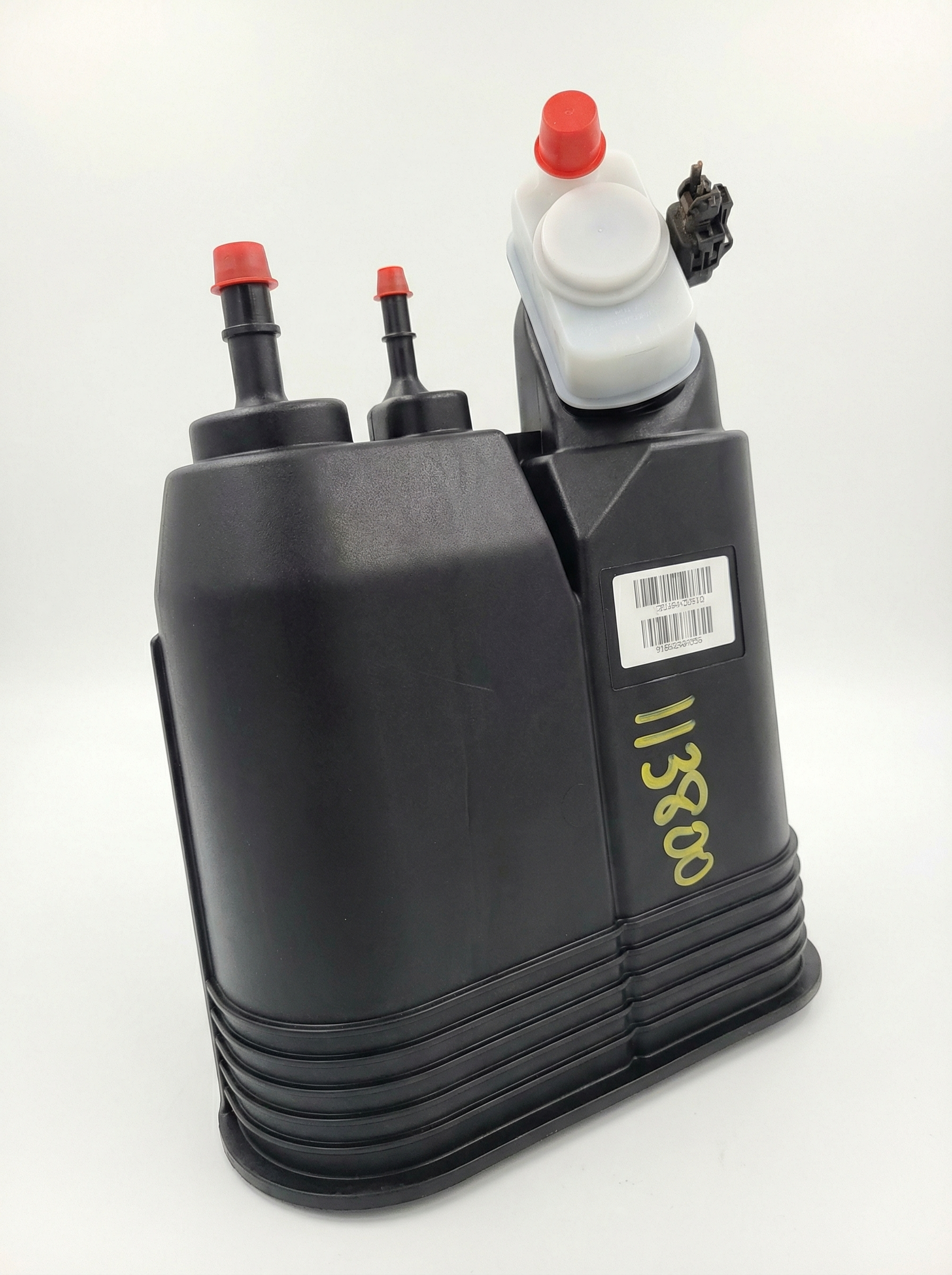
- Faulty EVAP Canister Vent Valve: → Shop Vapor Canister This valve, located near the charcoal canister by the fuel tank, can fail to seal properly during the system self-test, causing a leak code. It is often part of the charcoal canister assembly.
- Cracked Charcoal Canister: → Shop Vapor Canister While less common for a small leak, a hairline crack in the plastic body of the charcoal canister can trigger a P0456 code. This is more likely if the vehicle has sustained an underbody impact.
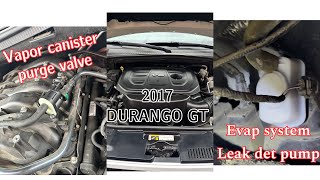
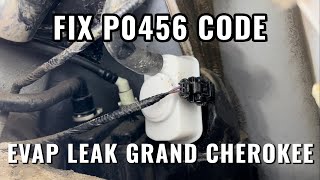
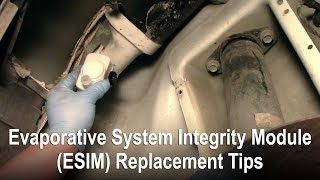
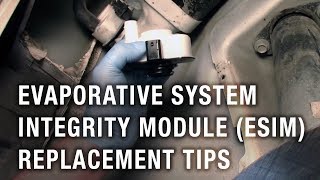
- Faulty ESIM (Evaporative System Integrity Monitor) Switch: Later model Dodge vehicles use an ESIM (also called a leak detection pump) to detect pressure changes. If this switch fails, has a bad seal, or is installed incorrectly (it is gravity-sensitive), it can cause a false code. The part is located on the charcoal canister. 🎬 Watch: Expert tips for replacing the ESIM switch correctly.
- Leaking Fuel Pump Seal: → Shop Fuel Pump The large O-ring that seals the fuel pump module to the top of the fuel tank can degrade or get damaged, causing an EVAP leak. This was noted as a cause on an older Durango in a DodgeForum thread.
Diagnosis Steps
- Check the capless fuel filler neck for debris and proper sealing. Clean the area with a cloth and solvent, then lubricate the seal. Use the vehicle's emergency funnel to operate the flap a few times.
- Remove the plastic engine cover (pulls straight up). Carefully inspect the EVAP purge valve and its associated plastic hoses (especially Mopar #68250915AD) for fine cracks or obvious breaks. This is the most likely point of failure.
- Test the purge valve for proper operation. When de-energized (unplugged), it should be fully closed and not allow air to pass through.
- If a visual inspection reveals no obvious faults, the next step is a professional smoke test. This involves injecting smoke into the EVAP system's service port to pinpoint the exact location of the leak.
- Inspect the EVAP canister, ESIM switch, and vent valve, usually located near the fuel tank, for any visible damage or cracks.
Parts You'll Likely Need
- EVAP Purge Valve Hose
(OEM #68250915AD)— This specific hose is made of a plastic that becomes brittle and cracks, making it the most common cause of P0456 on this platform. It's a well-documented, high-failure-rate part.
Trusted brands: Mopar
OEM price range: $30-$60
Aftermarket price range: $25-$50 - EVAP Purge Valve / Solenoid
(OEM #4627694AB)— This valve can get stuck partially open, causing a persistent small leak. It's a frequent point of failure in many EVAP systems and is sometimes replaced preventatively with the hose.
Trusted brands: Mopar, Bosch, Standard Motor Products
OEM price range: $50-$90
Aftermarket price range: $30-$60 - Fuel Filler Neck — Required if the seal on the capless fuel door is damaged and cannot be cleaned or repaired, preventing the system from sealing. A confirmed repair story on a forum showed this was the fix.
Trusted brands: Mopar
OEM price range: $150-$250
Aftermarket price range: $100-$180 - ESIM (Evaporative System Integrity Monitor) Switch
(OEM #04861963AD)— This sensor, located on the charcoal canister, is responsible for detecting pressure changes to test the EVAP system. It's a high-failure part and can cause a P0456 code even if there are no actual leaks in the system.
Trusted brands: Mopar, Standard Motor Products
OEM price range: $35-$60
Aftermarket price range: $25-$50
Related Codes That Often Appear With This One
- P0441 — Incorrect Purge Flow. This often appears with P0456 if the purge valve is malfunctioning, causing both a leak and improper flow. TSB #18-035-20 lists this as a possible accompanying code.
- P0455 — EVAP System Large Leak. If a small leak worsens over time, or if a component like the purge hose breaks completely, the system may also log a large leak code. TSB #18-035-20 also lists this code.
Technical Service Bulletins (TSBs) & Recalls
- 1804823: wiTECH Small Leak Verification Test (SLVT) - P0456-EVAP SYSTEM SMALL LEAK
- 18-035-20: Links P0456 with other EVAP codes and a potential fuel odor symptom due to a disconnected hose on specific 2020 models.
Platform-Specific Known Issues
- TSB #18-035-20: Fuel Vapor Hose Not Connected: Applies to some 2020 Durango and Grand Cherokee models with the 3.6L engine built between Nov 4, 2019, and March 9, 2020. A fuel vapor hose in the left rear wheel well may not have been connected at the factory, causing P0456, P0455, or P0441 and a fuel odor. The fix involves removing the wheel and liner to connect the hose.
- TSB #1804823: Diagnostic Procedure: This is not a repair bulletin, but an internal document referencing the use of the dealer's wiTECH diagnostic tool to perform a Small Leak Verification Test (SLVT) to confirm that a P0456 fault is active.
Mechanic-Grade Diagnostic Values
- EVAP Purge Valve Solenoid Coil Resistance — expected: 14 to 30 Ohms. Failure: A reading that is significantly higher, lower, or infinite (open circuit) indicates a faulty solenoid coil.
- Fuel Tank Pressure (FTP) Sensor Voltage (via Scan Tool) — expected: Approximately 2.5V at atmospheric pressure (e.g., when the system is open).. Failure: Voltage should decrease as vacuum is applied and increase as pressure is applied during a smoke test. A static or unresponsive voltage suggests a faulty sensor.
Scan Tool Commands That Help
- wiTECH (Dealer Tool): Small Leak Verification Test (SLVT) — This is the mandatory dealer procedure to verify a small leak is present before starting repairs and to confirm the fix is successful afterward. A road test will not confirm the repair, as the P0456 monitor requires multiple specific drive cycles to run.
- wiTECH (Dealer Tool): ESIM Switch Stuck Closed Monitor — This function can be used to force the monitor for the ESIM switch to run, helping to diagnose a faulty switch without waiting for a full drive cycle.
Wiring & Ground Locations
- G901a / G903a — G901a is located on the left rear of the engine compartment; G903a is on the right front of the engine compartment.. The EVAP Purge Solenoid is grounded through one of these main engine compartment ground points. A corroded or loose ground here could cause intermittent or faulty operation of the purge solenoid.
- EVAP Purge Solenoid Connector — On top of the engine, driver's side, connected to the purge solenoid.. This is the electrical connection for the purge solenoid. The pins can be checked for power (12V) and the control signal from the PCM. Poor contact or corrosion here will prevent the valve from operating correctly.
- ESIM Switch Connector — On the EVAP canister, which is typically located behind the driver's side rear wheel well liner.. The ESIM switch is gravity-dependent and must be installed with the electrical connector in the 3 o'clock position to function correctly. An incorrect installation or a bad connection here will cause a false P0456 code.
Real Owner Repair Stories
- DodgeForum.com user (Older Model Durango (similar EVAP design)) — Persistent P0456 code.
❌ Tried (didn't work) Replaced Purge valve, Replaced leak detection pump, Replaced vacuum hoses, Replaced fuel pump, Replaced gas cap
✅ What actually fixed it The rusted steel locking ring that holds the fuel pump module to the gas tank was causing the leak. Replacing the rusted ring resolved the code. - YouTube video by 'How To Fix' (Dodge Durango (unspecified year)) — P0456 code.
❌ Tried (didn't work) The owner had previously replaced the EVAP canister for a P0440 code.
✅ What actually fixed it A visual inspection revealed the plastic EVAP hose behind the purge valve was broken at the quick-connect fitting. Replacing the hose assembly fixed the issue.
"I Checked Everything" — The Actual Cause
- In many cases for Dodge/Chrysler vehicles, a smoke test will show no leaks, yet the P0456 code persists. This often points to a faulty ESIM (Evaporative System Integrity Monitor) or leak detection pump. The ESIM contains internal weights and a switch to test the system pressure when the vehicle is off. If the internal switch fails, the PCM believes there is a leak when there isn't one. Technicians often prove this by testing the switch's function directly after a clean smoke test.
OEM Part Supersession History
68250915AA, 68250915AB, 68250915AC→68250915AD— Likely material or manufacturing process improvements to address the brittleness and cracking issue of the original design.
Model Year Variations Within This Range
- 2020-2024: A technical service bulletin (FSAR-TSB-4516) was issued for 2020-2024 Durangos with the 3.6L engine concerning the MIL light, which involves inspecting and potentially replacing the vapor purge line from the canister to the purge solenoid, indicating this issue is persistent across these model years.
Helpful Videos
Used OEM Parts in Stock
New Aftermarket Parts Available


The information in this article is provided for general reference and educational purposes only. Vehicle specifications, procedures, and part compatibility can vary by production date, trim level, and region. Always consult your vehicle's factory service manual and verify part numbers before purchasing or performing repairs. Safety-critical components such as airbags, seat belts, and braking systems should be installed by a qualified professional.
- Dodge DURANGO:
- 🧭 Diagnostic Flowchart
- 🎬 Helpful Videos
- 🛍️ Shop This Part
- What's Unique About the 2020-2022 Dodge DURANGO
- Symptoms You May Notice
- Most Likely Causes
- Rare But Worth Checking
- Diagnosis Steps
- Parts You'll Likely Need
- Related Codes That Often Appear With This One
- Technical Service Bulletins (TSBs) & Recalls
- Platform-Specific Known Issues
- Mechanic-Grade Diagnostic Values
- Scan Tool Commands That Help
- Wiring & Ground Locations
- Real Owner Repair Stories
- "I Checked Everything" — The Actual Cause
- OEM Part Supersession History
- Model Year Variations Within This Range
- 🎟️ Get 5% Off