

P0456 on 2021-2023 Ford Bronco: Causes and Fixes for a Small EVAP Leak
For a 2021-2023 Ford Bronco, P0456 often points to a dirty or faulty capless fuel filler neck, which can be cleaned as a first step. On 2.7L EcoBoost models, the cause is frequently a software glitch fixed by a dealer PCM update under TSB 24-2409. Other possibilities include a faulty EVAP purge valve, though this is a commonly misdiagnosed part.
- For 2.7L EcoBoost engines, your first step should be to check with a Ford dealer about TSB 24-2409, as a free software update may be the fix.
- The most common DIY fix is to thoroughly clean the capless fuel filler neck seal with a cloth and lubricant.
- Do not replace the EVAP purge valve without confirming it has failed, as it is a common point of misdiagnosis for this vehicle.
- A professional smoke test is the most reliable way to find the physical leak if cleaning the fuel inlet doesn't solve the problem.
- The vehicle is safe to drive with this code, but you won't be able to pass an emissions inspection.
What's Unique About the 2021-2023 Ford BRONCO

What's unique about the 2021-2023 Bronco is that Ford has issued specific Technical Service Bulletins (TSBs) for the P0456 code, particularly for models with the 2.7L EcoBoost engine. TSB 24-2409 and its predecessor, TSB 24-2086, state that this code can be triggered by a software sensitivity in the PCM that has no effect on vehicle operation and is fixed with a simple reprogram. Additionally, a broader Special Service Message (SSM 50306) warns technicians that returned EVAP canister purge valves from various Fords, including the Bronco, have tested fully functional, cautioning against replacing this part without thorough diagnosis like a smoke test.
Diagnostic Flowchart

Tap your situation to follow the diagnostic path that matches what you're seeing on this vehicle.
Symptoms You May Notice
- Check Engine Light is on
- Possible "Check Fuel Fill Inlet" message on the dashboard
- A faint fuel smell (in rare cases)
- Hard starting after refueling (if purge valve is stuck open)
- Replacing the EVAP canister purge valve without proper testing. Ford TSB SSM 50306 specifically warns against this, as many returned valves from 2021+ Broncos were found to be working correctly. A smoke test is recommended first.
Most Likely Causes

- PCM Software Issue (2.7L EcoBoost Models) 🔴 High Probability Ford has identified a software sensitivity in the PCM for 2021-2023 Broncos with the 2.7L engine, as documented in TSB 24-2409. The bulletin explicitly states the code may be due to the software level and has no effect on vehicle operation.
How to confirm: A Ford dealer can check if your vehicle's VIN is covered by TSB 24-2409. The fix is a PCM reprogram, which takes approximately 0.3 labor hours. A smoke test that comes back clean can also point towards a software issue rather than a physical leak.
Typical fix: The dealer will reprogram the Powertrain Control Module (PCM) to the latest software level using the Ford Diagnostic & Repair System (FDRS).
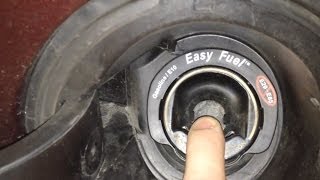
Est. part cost: $0 (if covered by warranty) - Debris or Faulty Seal in Capless Fuel Filler Neck 🔴 High Probability → Shop Fuel Filler Neck The capless 'Easy Fuel' system can accumulate dirt, dust, or debris on its spring-loaded seal, preventing it from closing completely and creating a small leak. This is a very common issue on modern Fords.
How to confirm: Visually inspect the fuel filler inlet for any debris. Use the plastic emergency funnel that came with the vehicle to work the internal flap open and closed 10-20 times, which can dislodge debris. You can also blow the area out with compressed air before using the funnel.
Typical fix: Clean the seal inside the filler neck. First, blow out any loose debris with compressed air. Then, use a clean cloth and a plastic-safe lubricant like silicone spray or WD-40 on the funnel to clean and lubricate the internal seal. If cleaning doesn't work, the entire fuel filler neck assembly may need replacement.
Est. part cost: $0 for cleaning, $150-$205 for a replacement assembly. - Faulty EVAP Canister Purge Valve 🟡 Medium Probability → Shop Vapor Canister The purge valve is a common failure point in many modern EVAP systems. It can get stuck slightly open, causing a small, persistent leak. However, TSB SSM 50306 warns that this part is often misdiagnosed on Broncos.
How to confirm: A common DIY test is to remove the valve (usually on the intake manifold) and try to blow air through it when it's unpowered; you should not be able to. A mechanic can use a scan tool to command the valve closed while monitoring fuel tank pressure; a drop in pressure indicates a leak.
Typical fix: Replace the canister purge valve. This is often located in the engine bay and is relatively easy to access. 🎬 See this step-by-step guide for replacing the purge valve.
Est. part cost: $40-$80 - Cracked or Disconnected EVAP Hose ⚪ Low Probability Hoses can become brittle over time or get damaged from off-road use, which is common for the Bronco. The thin vapor lines can develop hairline cracks, especially at connection points.
How to confirm: The most effective method is a professional smoke test. A mechanic pumps low-pressure, UV-dyed smoke into the EVAP system and looks for where it escapes, which can reveal tiny, hard-to-see leaks.
Typical fix: Replace the damaged section of hose or secure a loose connection.
Est. part cost: $10-$50
Rare But Worth Checking
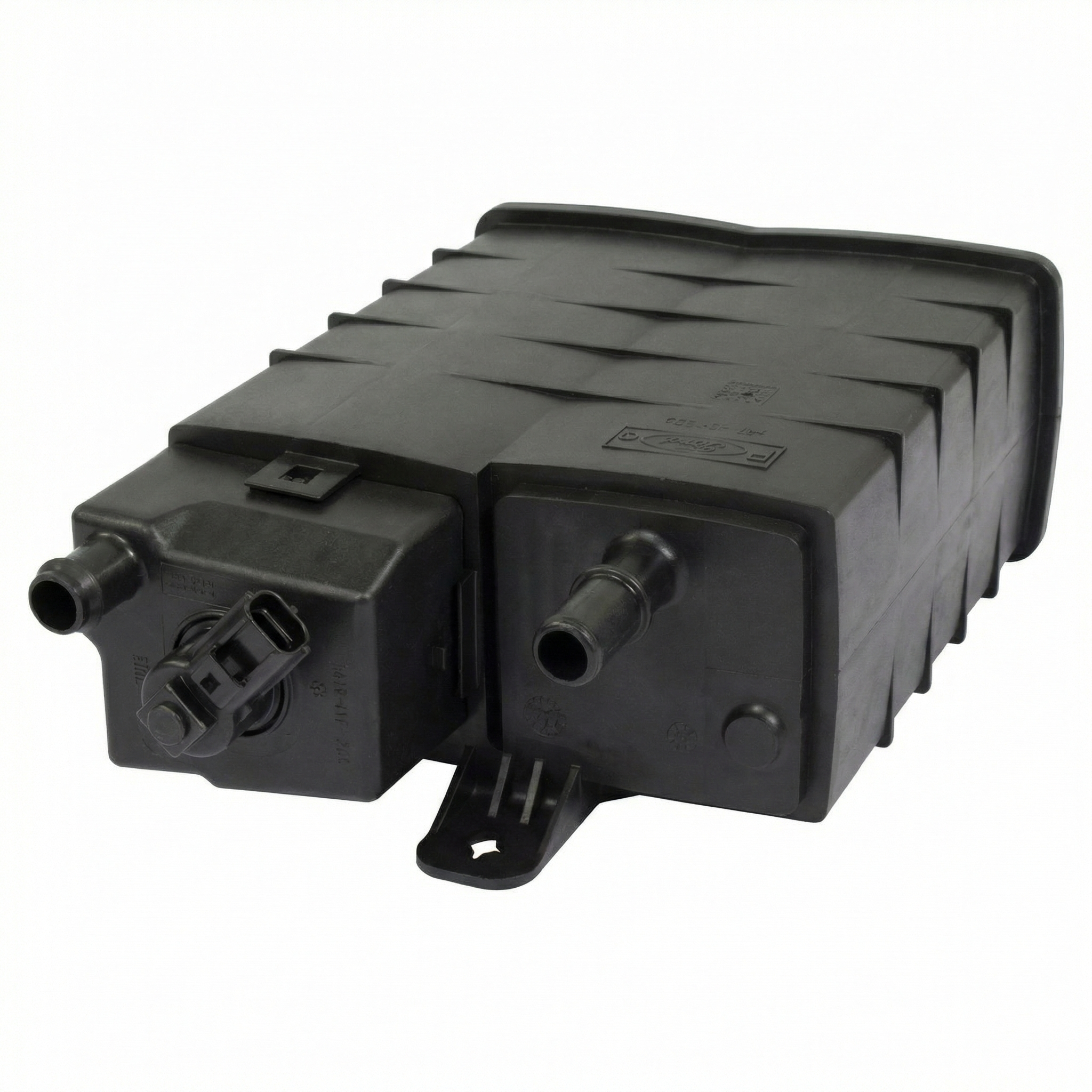
- Leaking Charcoal Canister: → Shop Vapor Canister The canister itself can develop hairline cracks from impacts or age, leading to a leak. This is almost always found with a smoke test.
- Faulty Fuel Tank Pressure (FTP) Sensor: → Shop Fuel Tank The sensor that detects the leak can fail and give a false reading. One owner on Bronco6G reported this part being replaced, though the code returned, suggesting it was a misdiagnosis. An out-of-spec voltage reading with the gas cap off can indicate a bad sensor.
- Faulty Canister Vent Valve: → Shop Vapor Canister Located near the charcoal canister, this valve is normally open but closes during EVAP self-tests. If it fails to seal properly, it can cause a leak code.
Diagnosis Steps

- If you have a 2.7L engine, the first step is to contact a Ford dealer with your VIN to check for TSB 24-2409. A PCM software update may be the only fix needed.
- Thoroughly inspect and clean the capless fuel filler inlet. Use compressed air to blow out debris, then use the vehicle's emergency fuel funnel to cycle the internal flap 15-20 times. 🎬 Watch: How to properly clean and maintain your capless filler. Applying a little silicone spray or WD-40 to the funnel can help clean and lubricate the seal.
- Clear the code with a scanner and drive for several days. The EVAP monitor runs under specific conditions (often during cooldown with a fuel level between 15-85%), so it may take time for the code to reappear or for the system to pass its self-test.
- If the code returns, perform a basic check of the EVAP purge valve. Remove it and try to blow through it; if air passes, it's stuck open and needs replacement.
- Visually inspect all accessible EVAP hoses between the engine bay and the fuel tank for obvious cracks or loose connections.
- If no visual faults are found, the definitive next step is a professional smoke test to pinpoint the exact location 🎬 Watch: A breakdown of common Ford P0456 causes and fixes. of the small leak. This avoids unnecessary parts replacement.
- Based on the smoke test results, replace the specific leaking component, which could be a hose, the filler neck, the charcoal canister, or the vent valve.
Parts You'll Likely Need
- Capless Fuel Filler Neck Assembly
(OEM #MB3Z-9034-A)— If the internal seal is damaged and cannot be fixed by cleaning, the entire assembly must be replaced to fix the leak. This part fits 2021-2025 Bronco models.
Trusted brands: Motorcraft
OEM price range: $150-$205
Aftermarket price range: $70-$150 - EVAP Canister Purge Valve
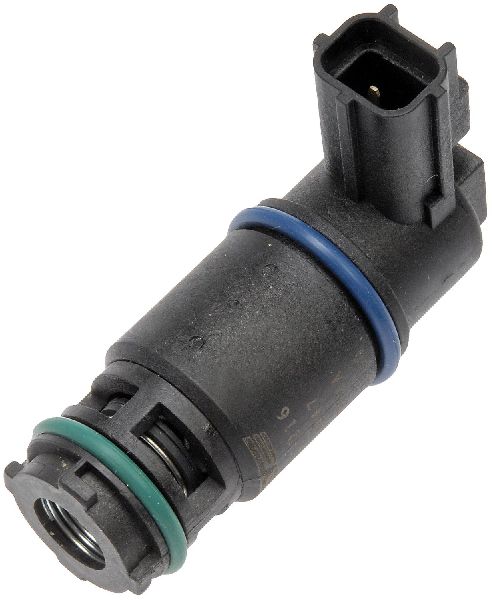
(OEM #CX-2776 (Motorcraft))— This is a common failure point that can get stuck partially open, causing a small leak. It's often located on the intake manifold in the engine bay for easy access.
Trusted brands: Motorcraft, Standard Motor Products
OEM price range: $50-$90
Aftermarket price range: $30-$60
Related Codes That Often Appear With This One
- P0455 — Indicates a large EVAP leak. If both codes appear, it could point to a component that is failing intermittently or has a variable leak, such as the capless filler neck seal.
- P0457 — Indicates a leak due to a loose or missing fuel cap. On a Bronco, this points directly to a significant sealing issue with the capless filler neck.
- P0496 — Indicates high purge flow, often seen with P0456 on the related Bronco Sport platform. This combination strongly suggests a purge valve stuck open, causing both a leak and hard starting after refueling.
Technical Service Bulletins (TSBs) & Recalls
- TSB 24-2409: 2.7L EcoBoost - Illuminated Malfunction Indicator Lamp (MIL) With Diagnostic Trouble Code (DTC) P0456
- TSB 24-2086: (Superseded by 24-2409) 2.7L engine may exhibit an illuminated MIL with DTC P0456 due to the software level of the PCM.
- SSM 50306: Warns against unnecessarily replacing the EVAP canister purge valve on various 2021-2022 Ford models, including the Bronco, for P0456 and other EVAP codes.
Platform-Specific Known Issues
- TSB 24-2409: Some 2021-2023 Bronco vehicles with a 2.7L EcoBoost engine may show an illuminated MIL with DTC P0456 due to the PCM software level. This has no effect on vehicle operation and is corrected by a software update.
- SSM 50306: Ford has noted that on many 2021+ vehicles, including the Bronco, EVAP canister purge valves are often replaced unnecessarily. Technicians are advised to perform full system leak tests before replacing this part.
- Owner Frustration Loop: A thread on Bronco6G.com details an owner's experience where the dealer first performed a software update, which didn't fix the issue. They then replaced the purge valve, but the code returned 1000 miles later, illustrating the difficulty in diagnosing this code without a smoke test.
Mechanic-Grade Diagnostic Values
- Fuel Tank Pressure (FTP) Sensor Voltage (KOEO, atmospheric pressure) — expected: 2.4V - 2.6V. Failure: A voltage reading significantly outside this range with the gas cap off (or filler neck open) suggests a faulty sensor or wiring issue.
- FTP Sensor Reference Voltage — expected: 5V. Failure: Lack of 5V reference at the sensor connector points to a wiring or PCM issue.
- FTP Sensor Voltage during Purge — expected: Slight negative pressure reading, approx. -2.0 to -4.0 in-H2O.. Failure: Pressure greater than -8.0 in-H2O may indicate a restriction.
Hidden / Shadow Codes Worth Checking
- Mode $06, Test ID $82 (EONV): Ford's Engine Off Natural Vacuum (EONV) test is the primary monitor that detects the 0.020-inch leak for P0456. It runs after the vehicle is shut off, using temperature changes to create a vacuum and monitor for decay via the FTP sensor. (see via Advanced scan tools that can display Mode $06 data. A failure of this specific monitor test points directly to the P0456 fault condition.)
Scan Tool Commands That Help
- Ford IDS/FDRS, Forscan, or equivalent: EVAP System Leak Test / Small Leak Verification Test — This function commands the canister vent valve closed and may command the purge valve to draw a slight vacuum, sealing the system to verify a leak is present or has been fixed.
- Ford IDS/FDRS, Forscan, or equivalent: Canister Vent (CV) Solenoid - ON/OFF — Command the valve ON (closed) to seal the system at the canister side. This is a required step before performing a smoke test to ensure the smoke doesn't just exit through the vent.
- Ford IDS/FDRS, Forscan, or equivalent: Vapor Management Valve (VMV) / Purge Valve - Duty Cycle % — While monitoring FTP sensor voltage, command the purge valve OFF (0% duty cycle) and the vent valve ON (closed). If the tank pressure (vacuum) still drops, the purge valve is mechanically stuck open and leaking.
Wiring & Ground Locations
- Engine Bay Grounds — Along the seam between the cowl and the firewall, there are factory body grounds screwed into welded nuts on both sides of the engine compartment.. A poor ground for the PCM or related EVAP components can cause erratic sensor readings or solenoid operation, potentially mimicking a fault.
- Cabin Grounds (Front) — Behind the kick panels in the passenger and driver side footwells, near the speakers.. These are accessible ground points for interior electronics and can be checked if diagnosing a complex electrical issue related to the PCM.
- Cabin Grounds (Rear) — Behind the trim panels in the cargo area, at least one on each side.. Relevant for checking the ground path for components located near the fuel tank, such as the canister vent valve or the fuel pump module which houses the FTP sensor.
- Purge Valve Connector — On the EVAP canister purge valve, typically in the engine bay. A replacement pigtail is available as Standard Motor Products S2860.. Corrosion or damage to the connector or its wiring can cause a P0443 (purge circuit fault) but could also lead to intermittent valve operation that triggers a leak code.
Real Owner Repair Stories
- Reddit user on r/BroncoSport (2022 Bronco Sport, 34k miles) — P0456 Check Engine Light that was on for over a month and persisted through multiple fuel fill-ups.
❌ Tried (didn't work) Driving for over a month and multiple refueling cycles did not clear the code.
✅ What actually fixed it Used one bottle of 'Cataclean' fuel system cleaner as instructed. The Check Engine Light turned off within a week and the code did not return. It was theorized that the solvent in the additive cleaned debris from the capless fuel filler neck seal as it was being poured in. - Reddit user on r/BroncoSport (2021 Bronco Sport Big Bend 1.5L, 108k miles) — P0456 Check Engine Light.
✅ What actually fixed it Replaced the EVAP canister purge valve with a new part from RockAuto. The repair took about 15 minutes and resolved the code.
"I Checked Everything" — The Actual Cause
- In some cases, a P0456 code can be present even when a professional smoke test (or leak-down test) passes, indicating no physical leak in the EVAP system. A technician documented a case where a vehicle repeatedly passed the physical leak test, but the code persisted. The actual cause was a software glitch in the Powertrain Control Module (PCM). The final repair was to perform a software flash update on the PCM to the latest calibration, which resolved the issue. This aligns with Ford's TSBs for the 2.7L Bronco.
OEM Part Supersession History
7U5Z-9F945-D, 7U5Z-9F945-E, 9U5Z-9F945-C→CX-2776 (Motorcraft)— Part consolidation and potential design updates over many model years.
Heads up: CX-2776 is the current service part for a wide range of Ford vehicles, including the 2021-2023 Bronco. Using the older part numbers is not recommended.
Model Year Variations Within This Range
- 2021-2023: The likely cause of P0456 differs significantly by engine. For the 2.7L EcoBoost V6, Ford TSB 24-2409 points to a PCM software sensitivity as a primary cause. For the 2.3L I-4 engine, which is not covered by this TSB, the cause is more likely to be a traditional physical leak (e.g., capless filler neck, purge valve, hose).
Helpful Videos
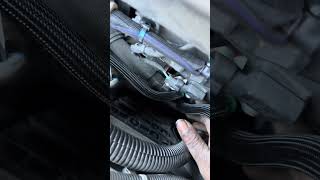
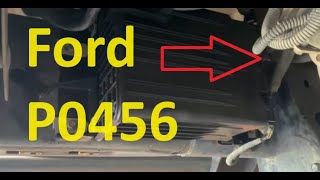
![How to Fix P0456 Engine Code in 7 Minutes [7 DIY Methods / Only $3.44]](https://img.youtube.com/vi/njt81AALI3U/mqdefault.jpg)
Used OEM Parts in Stock
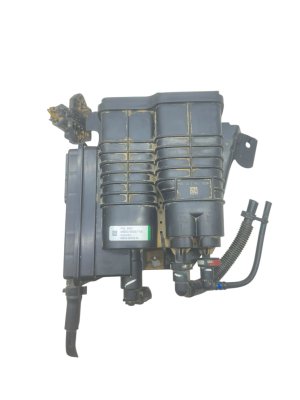
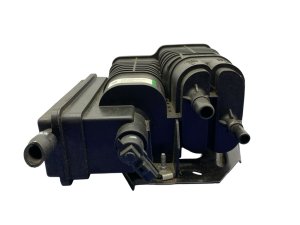
New Aftermarket Parts Available


The information in this article is provided for general reference and educational purposes only. Vehicle specifications, procedures, and part compatibility can vary by production date, trim level, and region. Always consult your vehicle's factory service manual and verify part numbers before purchasing or performing repairs. Safety-critical components such as airbags, seat belts, and braking systems should be installed by a qualified professional.
- Ford BRONCO:
- 🧭 Diagnostic Flowchart
- 🎬 Helpful Videos
- 🛍️ Shop This Part
- What's Unique About the 2021-2023 Ford BRONCO
- Symptoms You May Notice
- Most Likely Causes
- Rare But Worth Checking
- Diagnosis Steps
- Parts You'll Likely Need
- Related Codes That Often Appear With This One
- Technical Service Bulletins (TSBs) & Recalls
- Platform-Specific Known Issues
- Mechanic-Grade Diagnostic Values
- Hidden / Shadow Codes Worth Checking
- Scan Tool Commands That Help
- Wiring & Ground Locations
- Real Owner Repair Stories
- "I Checked Everything" — The Actual Cause
- OEM Part Supersession History
- Model Year Variations Within This Range
- 🎟️ Get 5% Off