

P0456 on 2007-2014 Ford Edge: Causes and Fixes for Small EVAP Leak
For a 2007-2014 Ford Edge, P0456 is most often caused by a faulty canister purge valve or an issue with the fuel filler area. On 2011-2014 models, cleaning the capless fuel filler neck is the first step. On 2007-2010 models, check the gas cap. If that doesn't work, the purge valve is the next likely culprit, costing around $40-$70 for a DIY replacement.
- For 2011-2014 models, always start by cleaning the capless fuel filler neck; it's free and a very common fix.
- For 2007-2010 models, check that the gas cap is tight and its seal is intact before trying anything else.
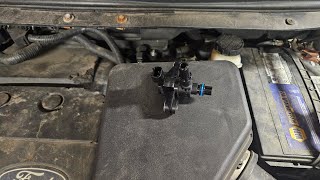
- The canister purge valve, located on top of the engine, is the most likely part to have failed if the fuel filler/cap is not the issue.
- You can test the purge valve yourself by removing it and trying to blow through it; if air passes, it's bad.
- This code indicates a minor issue that won't affect driving, but it will cause an emissions test failure.
What's Unique About the 2007-2014 Ford Edge
The first-generation Ford Edge (2007-2014) has a significant change that affects P0456 diagnosis. The 2007-2010 models use a traditional gas cap, which is a common leak point. However, the 2011-2014 facelift models feature Ford's "Easy Fuel" capless system. This capless filler neck is a very frequent source of small EVAP leaks due to dirt and debris preventing a proper seal, making it a platform-specific first check for later models. This exact issue is also seen on its direct platform mate, the Lincoln MKX.
Generation note: While this is all the first generation Ford Edge, the 2011 model year facelift introduced a key change. 2007-2010 models have a standard twist-on gas cap. 2011-2014 models have the 'Easy Fuel' capless fuel filler. This distinction is critical, as the diagnostic starting point for a P0456 code changes from the gas cap on early models to cleaning the capless filler neck on later models.
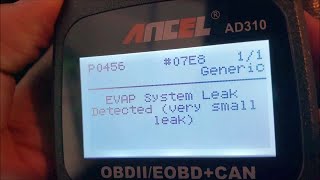
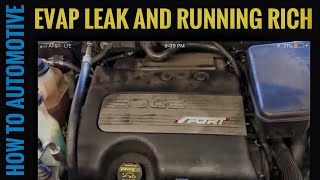
🎬 See this walkthrough for fixing P0456 on 2011-2014 models.Symptoms You May Notice
- Check Engine Light is on.
- A faint smell of fuel may be noticeable, particularly around the rear of the vehicle.
- Difficulty starting the vehicle immediately after refueling (this strongly points to a stuck-open purge valve). 🎬 Watch: How to replace the purge valve to fix starting issues.
- Disabled remote start feature.
- Vehicle stalling upon starting the ignition specifically after filling up with unleaded gas (as reported in NHTSA ODI #11114618).
- Replacing the charcoal canister or vent valve before checking the gas cap/filler neck and purge valve. Always start with the simplest and most common causes first.
- Using a cheap, aftermarket gas cap which fails to seal properly, leading the owner to believe the cap was not the issue.
Most Likely Causes
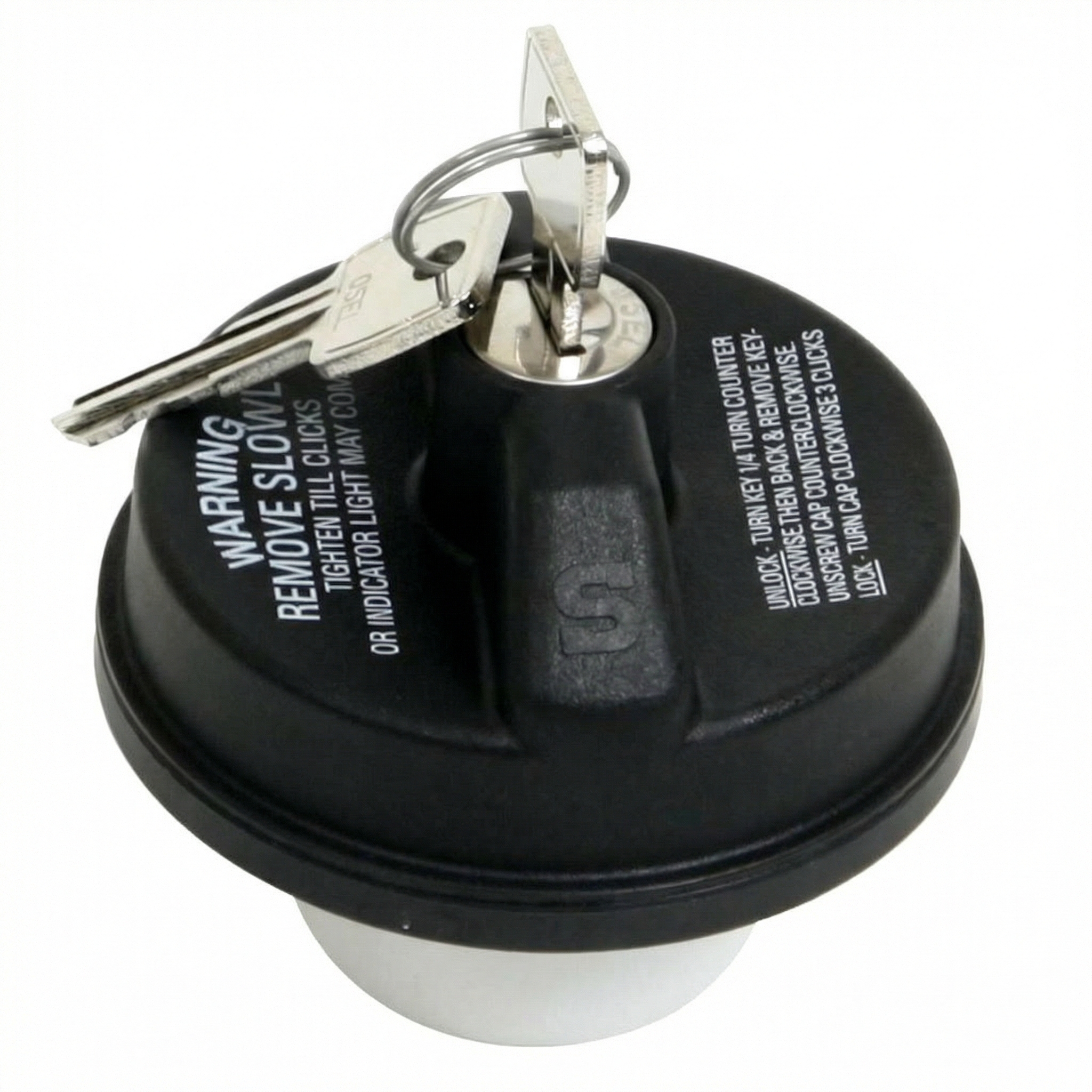
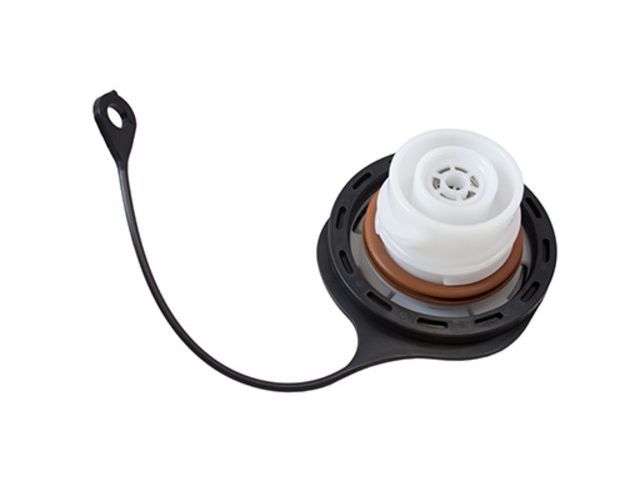
- Loose/Faulty Gas Cap (2007-2010 models) 🔴 High Probability → Shop Fuel Tank Cap Gas caps are a common failure item on all vehicles as the seal degrades over time. It's crucial to use a high-quality OEM cap, as aftermarket versions are known to seal poorly and cause this code.
How to confirm: Inspect the gas cap for cracks or damage to the seal. Ensure it is tightened until it clicks. A replacement is inexpensive and a good starting point.
Typical fix: Replace the gas cap, preferably with an OEM Motorcraft part (FC1082 / 8L3Z-9030-E) to ensure a proper seal.
Est. part cost: $15-$30 - Dirty or Faulty Capless Fuel Filler Neck (2011-2014 models) 🔴 High Probability → Shop Fuel Filler Neck The spring-loaded flap in the 'Easy Fuel' system can accumulate dirt, corrosion, and fuel residue, preventing it from sealing completely after refueling. NHTSA ODI #11114618 highlights issues with the fuel neck filler on capless tanks specifically associated with code P0456.
How to confirm: Use the special funnel that came with the vehicle to insert and remove it from the filler neck 5-10 times to dislodge debris. For a more thorough cleaning, use a clean cloth with a small amount of WD-40 or silicone spray to wipe the seal and work the spring mechanism. A can of compressed air can also be used to blow out debris.
Typical fix: Clean the filler neck sealing area. If cleaning doesn't work, the entire filler neck assembly (OEM Part # AT4Z-9034-C) may need replacement.
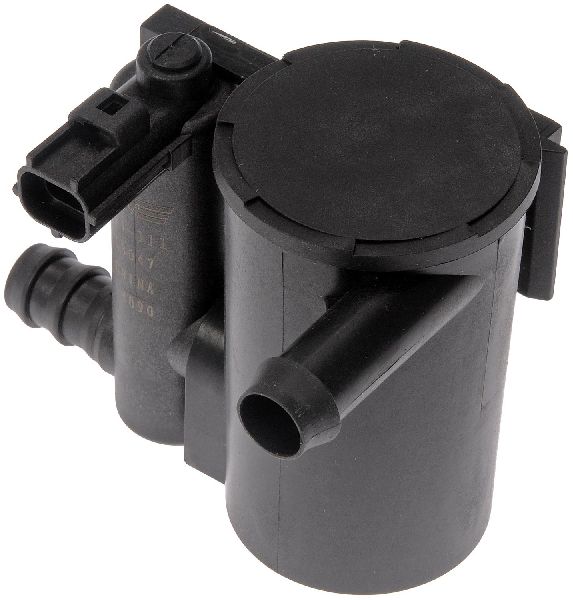
Est. part cost: $0 (for cleaning) - $150 (for filler neck assembly) - Faulty Canister Purge Valve (Vapor Canister Purge Valve) 🔴 High Probability → Shop Vapor Canister This valve is cited as the number one cause for P0456 on the 1st-gen Edge. It can get stuck slightly open, creating a constant small leak. This is a known issue on many Ford products using this valve.
How to confirm: Remove the valve (located on the top/rear of the engine, near the firewall) and try to blow through it. It is a normally-closed valve, so if any air passes through, it is faulty and needs to be replaced. A stuck-open purge valve can also cause rich running conditions and codes P2196/P2198.
Typical fix: Replace the canister purge valve. This is a simple repair with two bolts and two connectors.
Est. part cost: $40-$70 - Cracked or Disconnected EVAP Hoses 🟡 Medium Probability Rubber and plastic hoses become brittle over time with exposure to heat and elements, leading to small cracks, especially at connection points.
How to confirm: Visually inspect all accessible EVAP lines between the engine bay, charcoal canister, and fuel tank. A smoke test is the most effective way to find a hairline crack that isn't visible.
Typical fix: Replace the damaged section of hose.
Est. part cost: $10-$50
Rare But Worth Checking
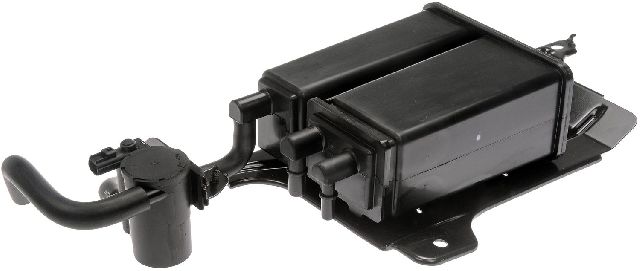
- Faulty EVAP Canister Vent Solenoid: → Shop Vapor Canister This valve is located near the charcoal canister under the vehicle. It's less common to fail than the purge valve in the engine bay, but it can get stuck and cause a leak.
- Cracked EVAP Charcoal Canister: → Shop Vapor Canister Physical damage from road debris or age can cause the plastic canister housing to crack, creating a leak. This is usually found during a smoke test.
- Faulty Fuel Tank Pressure Sensor: → Shop Fuel Tank While rare, the sensor that monitors system pressure can fail and give false readings, leading the computer to believe there is a leak when there isn't one.
Diagnosis Steps
- Check the Fuel Filler Area: For 2007-2010 models, inspect the gas cap seal for damage and ensure it's tight. For 2011-2014 models, use the provided funnel to clean the capless filler neck, then clear the code and drive. NHTSA ODI #11209727 notes that the check engine light for P0456 may reappear every time the vehicle is driven if the leak persists.
- Test the Canister Purge Valve: Locate the purge valve on the engine. Disconnect it and attempt to blow through it. If air passes, it's faulty and must be replaced. This is a very common failure point.
- Visual Inspection: Carefully inspect all visible EVAP hoses in the engine bay and under the vehicle for any obvious cracks, damage, or loose connections.
- Perform a Smoke Test: If the above steps do not reveal the issue, the most reliable method to find a very small leak is a smoke test. In NHTSA ODI #11064505, a technician used a smoke check to successfully identify a minor fuel leak after a P0456 code was triggered.
- Inspect Vent Solenoid and Canister: During the smoke test, pay close attention to the EVAP canister and vent solenoid under the car, as these can also be sources of leaks.
Parts You'll Likely Need
- Canister Purge Valve
(OEM #AU5Z-9C915-B (Superseded by AU5Z-9C915-E))— This is the most frequently cited cause for P0456 on this platform. It often gets stuck slightly open, causing a persistent small leak.
Trusted brands: Motorcraft, Dorman
OEM price range: $50-$70
Aftermarket price range: $35-$60 - Gas Cap (2007-2010)
(OEM #Motorcraft FC1082 / 8L3Z-9030-E)— For models with a traditional cap, a worn-out seal is a primary and simple-to-fix cause of EVAP leaks.
Trusted brands: Motorcraft, Stant
OEM price range: $20-$30
Aftermarket price range: $15-$25 - Capless Fuel Filler Funnel
(OEM #8U5Z-17B068-B)— Not a replacement part, but essential for cleaning the filler neck on 2011-2014 models. It should be located with the spare tire tools. If missing, a replacement is needed for proper cleaning.
OEM price range: $10-$15
Aftermarket price range: $5-$10
Related Codes That Often Appear With This One
- P1450 — This code means 'Unable to Bleed Up Fuel Tank Vacuum' and is very commonly seen with a failing canister purge valve that is stuck open on Ford vehicles.
- P0455 — Indicates a large EVAP leak. This can appear if a component fails completely, like a purge valve stuck wide open or a hose becoming fully disconnected. Sometimes both P0455 and P0456 will appear if the leak is intermittent.
- P2196 / P2198 — These are 'O2 Sensor Signal Stuck Rich' codes. A purge valve stuck open allows un-metered fuel vapors to be constantly drawn into the engine, causing a rich condition that the O2 sensors detect. 🎬 Watch: Diagnosing Ford Edge rich codes and EVAP leaks together.
Technical Service Bulletins (TSBs) & Recalls
- TSB 19-2207: While officially for newer Fusion/MKZ/C-Max hybrids, this TSB addresses P0456 caused by the same family of canister purge valve (AU5Z-9C915-E), confirming Ford's awareness of the part's tendency to fail and cause this specific code.
Platform-Specific Known Issues
- The transition from a standard gas cap (2007-2010) to a capless system (2011-2014) is the most significant platform-specific issue. The capless system is known to cause P0456 codes due to debris in the sealing mechanism, a problem that doesn't exist on earlier models.
- The canister purge valve (AU5Z-9C915-B) is a high-failure item across many Ford vehicles from this era, not just the Edge, but it is the most probable cause of P0456 on this specific platform.
Mechanic-Grade Diagnostic Values
- Canister Purge Valve (solenoid) resistance — expected: 30 to 38 Ohms. Failure: A reading outside this range, or an infinite (OL) reading, indicates a faulty valve.
- Canister Vent Solenoid resistance — expected: 48 to 65 Ohms. Failure: A reading outside this range indicates a faulty solenoid.
- Fuel Tank Pressure (FTP) Sensor Voltage, Key On Engine Off (KOEO) — expected: Approximately 2.6 Volts. Failure: A significantly different static voltage can indicate a biased sensor. If the voltage drops immediately upon starting the engine, it can point to a purge valve that is stuck open.
- Fuel Tank Pressure (FTP) Sensor reading during purge — expected: Slight negative pressure, approx. -2.0 to -4.0 in-H2O. Failure: Failure to achieve negative pressure or achieving excessive negative pressure (-8.0 in-H2O or more) indicates other system faults like a gross leak (P0455) or a blockage (P1450).
Hidden / Shadow Codes Worth Checking
- Mode $06, Test ID $39: This is not a DTC but a test result from the onboard EVAP leak test monitor. It shows the measured leak value from the last test cycle. A value just above the calibrated limit can confirm a borderline small leak condition that sets P0456. (see via A scan tool capable of reading Mode $06 data is required. This is a standard feature on many professional and high-end DIY scanners.)
Scan Tool Commands That Help
- Ford IDS / Forscan: EVAP System Test (or Manual EVAP Test) — This is a guided functional test that commands the purge and vent solenoids and monitors the FTP sensor to check the system's ability to seal and hold a vacuum. It's the factory-level procedure to verify system integrity after a repair or when a smoke test is inconclusive.
- Ford IDS / Forscan: Output State Control (OSC) for Vapor Management Valve (Purge Valve) & Canister Vent Valve — This allows a technician to manually command the purge and vent valves open or closed while monitoring FTP sensor voltage or listening for clicks. It is essential for confirming if a valve is responding to commands or is mechanically stuck.
Wiring & Ground Locations
- G101 — Right rear of the engine compartment.. This is a primary engine compartment ground. While not exclusive to the EVAP system, a poor connection here can cause erratic behavior for various engine sensors and solenoids, including the canister purge valve.
- G405 — Top of the fuel tank.. This is the ground point for the Fuel Pump Module Shield. A compromised ground here could potentially affect the Fuel Tank Pressure sensor readings, as the components are in close proximity.
- EVAP Canister Purge Valve Connector — On the purge valve itself, located at the right rear of the engine.. One pin will have constant power with the key on, and the other pin is ground-controlled by the PCM. Verifying power at the connector is a key step in diagnosing a non-responsive valve. A noid light can be used to check if the PCM is commanding the valve to open.
- EVAP Canister Vent Solenoid Connector — Under the left side of the vehicle, near the charcoal canister.. Similar to the purge valve, this connector should be checked for power and signal from the PCM if the vent solenoid is suspected of failing or not responding to scan tool commands.
Real Owner Repair Stories
- Reddit user Aedan916 (2014 Ford Edge 3.5L) — P0456 code and 'Check Fuel Inlet' message.
❌ Tried (didn't work) Replaced purge valve, Replaced vent solenoid
✅ What actually fixed it Repeated, thorough cleaning of the capless fuel filler neck. The user spent 15 minutes inserting the funnel, spraying with WD-40, and using compressed air to finally get it to seal properly and clear the code. - Ford Edge Forum user (2011-2014 Ford Edge (model with capless filler)) — P0456 code recurring for months.
❌ Tried (didn't work) Replacing the purge valve, Basic cleaning of the capless fuel filler neck
✅ What actually fixed it The user eventually had the fuel filler hose (neck assembly) replaced, which resolved the code for a period, suggesting the sealing surface itself was warped or damaged beyond what cleaning could fix. - CarComplaints.com user (2011 Ford Edge) — P0456 code, strong fuel leak when tank is full.
✅ What actually fixed it The root cause was a cracked fuel tank at the top near the rollover valve. This is an extreme and rare cause for P0456 but highlights that a physical inspection of the tank is warranted if a strong fuel smell is present. The fix required replacing the entire fuel tank. This aligns with NHTSA ODI #11488913, where an owner discovered a large fuel leak emanating from the fuel tank area when the tank was full. - NHTSA ODI #11166736 — An owner reported the engine light coming on with a diagnostic test showing gas vapor escaping (leak) code P0456 while driving.
"I Checked Everything" — The Actual Cause
- A common scenario is a canister purge valve that is mechanically sticking but not enough to be a large, obvious leak. It may hold against the very low pressure of a smoke machine (typically ~0.5 PSI) but will leak under engine vacuum. A definitive test is to apply vacuum with a hand pump to the disconnected valve; if it cannot hold vacuum, it is faulty, even if it passes a smoke test.
OEM Part Supersession History
AU5Z-9C915-B→AU5Z-9C915-E— Ford has gone through multiple revisions of this purge valve (A, B, C, D, E) to improve reliability and address high failure rates causing EVAP codes. The 'E' revision is the latest and most robust version.
Heads up: All previous versions (A, B, C, D) are replaced by the -E part. They are physically and electrically compatible, but using an older stock part is not recommended as it will be prone to the original failure.
Model Year Variations Within This Range
- 2011-2014: The introduction of the 'Easy Fuel' capless system in 2011 created a new, very common failure point for P0456 that does not exist on the 2007-2010 models. Diagnosis for 2011+ models must always start with cleaning and inspecting the fuel filler neck.
- 2010-2014: The fuse for the purge control valve is located in the under-hood fuse box. It is one of several fuses (67, 68, 69, 70, and possibly 96) that may power the circuit, as documentation is limited. Checking these fuses is a prerequisite to diagnosing an electrically dead valve.
Diagnostic Flowchart
Other Known Issues on This Vehicle
Issues unrelated to this code that are worth knowing about as an owner of this generation:
- Internal Water Pump Failure (3.5L/3.7L Duratec) 🔴 High — Can occur as early as 60,000 miles, but becomes a significant risk after 100,000 miles. Failure allows coolant to mix with engine oil, leading to catastrophic engine damage if not caught immediately.
- Power Transfer Unit (PTU) Failure (AWD Models) 🔴 High — Common across all model years. The PTU is located next to the hot exhaust, which cooks the 'lifetime' fluid, leading to seal and bearing failure. Recommended fluid change every 30,000 miles to prevent. (Ref: SSM 47230)
- Door Ajar Sensor Failure 🟡 Low — Extremely common. The switch inside the door latch mechanism fails, causing the 'Door Ajar' light to stay on, which can drain the battery. (Ref: TSB 14-0011)
- Brake Booster Failure 🟠 Medium — Common enough to warrant a Customer Satisfaction Program (13N02). The internal diaphragm can tear, causing a hissing noise and a hard brake pedal. (Ref: Customer Satisfaction Program 13N02 (Extended Warranty))
Used vs. New Parts: Buying Guide for This Vehicle
When a used part is the smart pick: For a larger, more expensive component like the capless fuel filler neck assembly, a used part from a low-mileage, non-corrosion-region donor vehicle can be a cost-effective option if simple cleaning fails.
Donor-vehicle mileage cap: roughly under 80000 miles for the part to have meaningful remaining life.
What to inspect on the donor part:
- For a fuel filler neck, inspect the spring-loaded flap for smooth operation and the sealing surface for any visible nicks or warping.
- For any used electronic valve (purge/vent), check that the electrical connector pins are clean, straight, and free of corrosion.
- Physically test a used purge valve before purchase by attempting to blow through it; if any air passes, it is already faulty.
OEM-only on this vehicle (don't cheap out):
- Canister Purge Valve: Given the extremely high failure rate and multiple OEM part revisions, using a new Motorcraft part (latest revision AU5Z-9C915-E) is strongly recommended to ensure a lasting repair.
- Gas Cap (2007-2010): Aftermarket gas caps are notorious for poor sealing and are a common cause of repeat P0456 codes. Always use an OEM Motorcraft cap.
Aftermarket brands forum-validated for this vehicle:
- Standard Motor Products (SMP): Often considered a higher-quality aftermarket alternative for sensors and valves, though OEM is still preferred for the purge valve on this model.
Brands owners have reported issues with on this vehicle:
- Dorman: While widely available, some owners and technicians report issues with fitment, particularly with the hose connectors on their purge valves, and general longevity concerns compared to OEM. However, some users report success.
Real Owner Stories
Aggregated from forums and TSBs cited above. Mileages and costs reflect what owners reported in those sources.
2011-2014 Ford Edge
Symptoms: Check engine light (P0456) on a vehicle with a capless fuel system.
What fixed it: Using the provided funnel to insert and remove it from the filler neck 5-10 times to dislodge debris and cleaning the seal area.
Source hint: Article Context - common_causes: Dirty or Faulty Capless Fuel Filler Neck
2007-2014 Ford Edge
Symptoms: P0456 code; the user was looking for the purge valve location to address the leak.
What fixed it: Replacing the canister purge valve, which the community confirmed as the most likely culprit.
Source hint: fordedgeforum.com - 'P0456 Code' and '2.0 Turbo Purge Valve location.'
2011 Ford Edge
Symptoms: Check engine light (P0456) and a small leak in the evaporative emissions system on a capless model.
What fixed it: Cleaning the capless filler neck or replacing the canister purge valve.
Source hint: r/MechanicAdvice - 'I own a Ford Edge and the engine light recently came on...'
Related OBD-II Codes
Frequently Asked Questions
My 2013 Ford Edge doesn't have a gas cap. How can I have a P0456 leak code?
Is there a specific part number for the purge valve on my Ford Edge?
I have a 2009 Edge; should I buy an aftermarket gas cap to fix this?
Does TSB 19-2207 apply to my Ford Edge?
Why does my remote start stop working when the Check Engine Light is on for P0456?
Can a bad purge valve cause other engine issues on my Edge?
Helpful Videos
Used OEM Parts in Stock
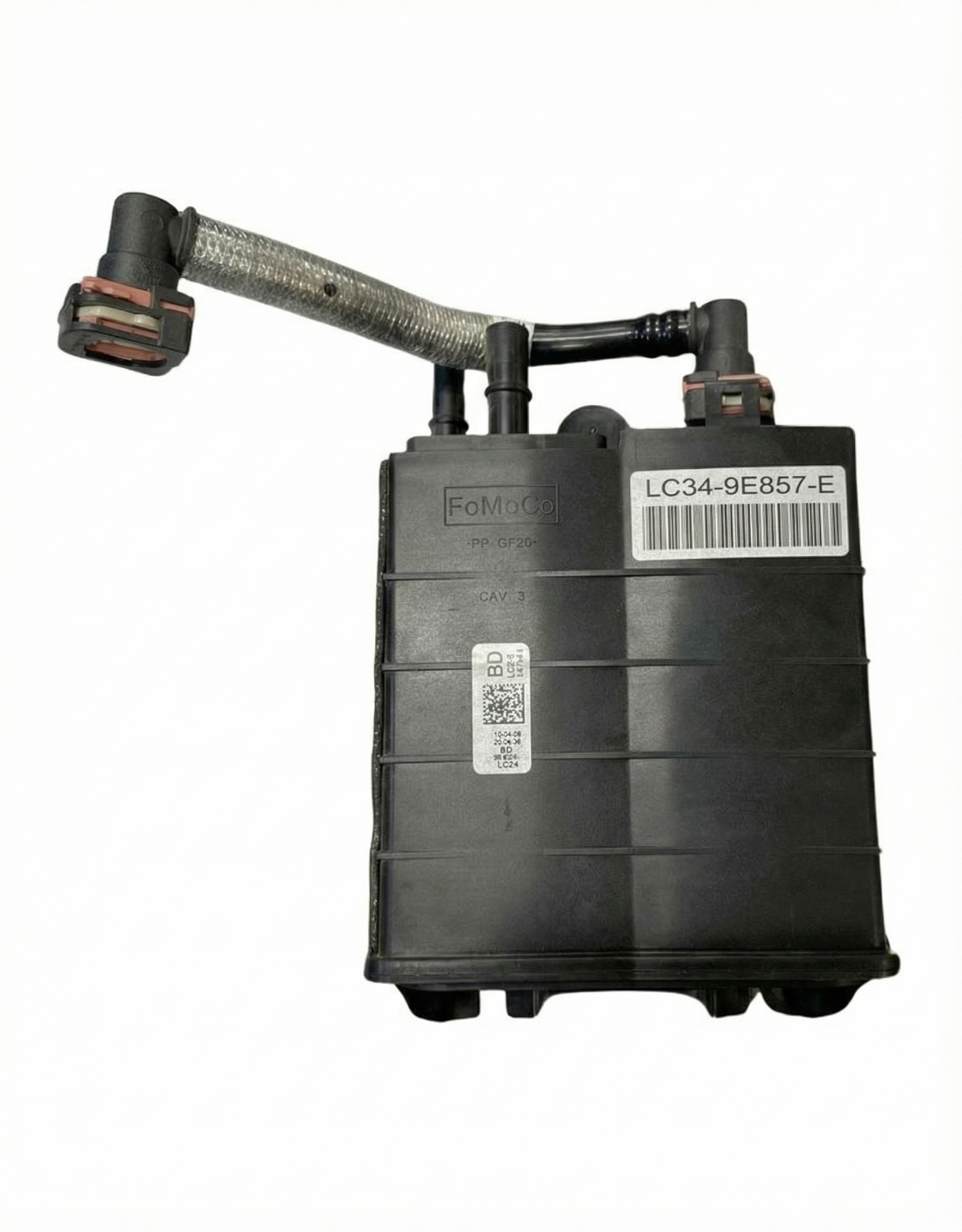
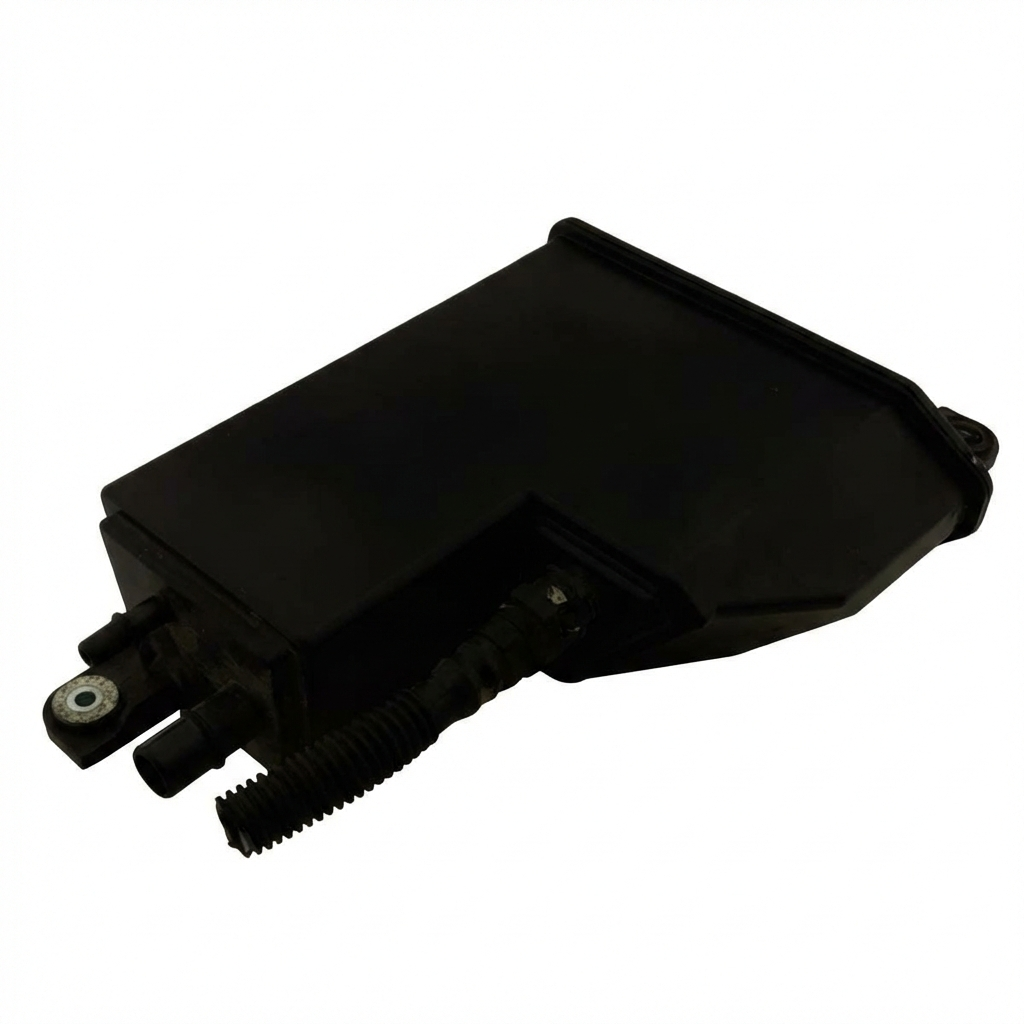
New Aftermarket Parts Available


The information in this article is provided for general reference and educational purposes only. Vehicle specifications, procedures, and part compatibility can vary by production date, trim level, and region. Always consult your vehicle's factory service manual and verify part numbers before purchasing or performing repairs. Safety-critical components such as airbags, seat belts, and braking systems should be installed by a qualified professional.
- Ford Edge:
- 🧭 Diagnostic Flowchart
- 🎬 Helpful Videos
- 🛍️ Shop This Part
- What's Unique About the 2007-2014 Ford Edge
- Symptoms You May Notice
- Most Likely Causes
- Rare But Worth Checking
- Diagnosis Steps
- Parts You'll Likely Need
- Related Codes That Often Appear With This One
- Technical Service Bulletins (TSBs) & Recalls
- Platform-Specific Known Issues
- Mechanic-Grade Diagnostic Values
- Hidden / Shadow Codes Worth Checking
- Scan Tool Commands That Help
- Wiring & Ground Locations
- Real Owner Repair Stories
- "I Checked Everything" — The Actual Cause
- OEM Part Supersession History
- Model Year Variations Within This Range
- Other Known Issues on This Vehicle
- Used vs. New Parts: Buying Guide for This Vehicle
- Real Owner Stories
- 2011-2014 Ford Edge
- 2007-2014 Ford Edge
- 2011 Ford Edge
- Related OBD-II Codes
- Frequently Asked Questions
- 🎟️ Get 5% Off