

P0456 on 2011-2014 Ford Edge: Causes and Fixes for a Small EVAP Leak
For a 2011-2014 Ford Edge, code P0456 is most often caused by a dirty capless fuel filler neck or a faulty canister purge valve. Cleaning the fuel filler neck is the first step and costs nothing. If that fails, the purge valve is a common DIY fix costing around $35-$60. This code is very common on this platform.
- Start with the simplest and free solution: thoroughly clean the capless fuel filler neck.
- If cleaning doesn't work, the EVAP canister purge valve is the next most likely culprit and is a relatively inexpensive and easy part to replace yourself.
- This code indicates a minor emissions issue and does not affect the vehicle's safety or performance, so it is safe to drive while you diagnose the problem.
- If the code is accompanied by P1450, the purge valve is almost certainly the problem.
What's Unique About the 2011-2014 Ford Edge
The 2011-2014 Ford Edge uses a capless fuel filler system, which is a very common source for this specific code. Unlike traditional gas caps that can be lost or improperly tightened, the capless system's internal spring-loaded flap can accumulate dirt and debris, preventing a proper seal. Owners often find that simply cleaning this area resolves the P0456 code without needing to replace any parts. 🎬 Watch: How to fix P0456 on a 2013 Ford Edge Ford issued a Technical Service Bulletin (TSB 12-3-5) acknowledging this issue on various models.
Symptoms You May Notice
- Check Engine Light is on
- A 'Check Fuel Filler Inlet' message may appear on the dash
- Remote start may be disabled
- A faint smell of gasoline (rare)
- Rough start or hesitation immediately after refueling (if purge valve is stuck open)
- Vehicle stalling upon starting the ignition specifically after filling up with gas (as reported in NHTSA ODI #11114618)
- Replacing the gas cap. This vehicle does not have a traditional gas cap; the issue would be with the capless filler neck assembly.
- Immediately replacing the charcoal canister. While part of the EVAP system, the canister itself is not a common failure point for a P0456 code unless physically damaged.
Most Likely Causes
- Dirty or Debris-Filled Capless Fuel Filler Neck 🔴 High Probability → Shop Fuel Filler Neck The capless system's sealing flap is susceptible to getting stuck slightly open due to dirt, road grime, or fuel residue, creating a small leak. NHTSA ODI #11114618 highlights issues specifically with the fuel neck filler in conjunction with this code.
How to confirm: Visually inspect the fuel filler opening for any debris. The flap should close tightly and be flush. A 'Check Fuel Filler Inlet' warning is a strong indicator.
Typical fix: Use the special funnel that came with the vehicle to open and close the flap several times to dislodge debris. Clean the sealing area and the flap with a clean cloth and a small amount of a lubricant like WD-40. This often resolves the code immediately.
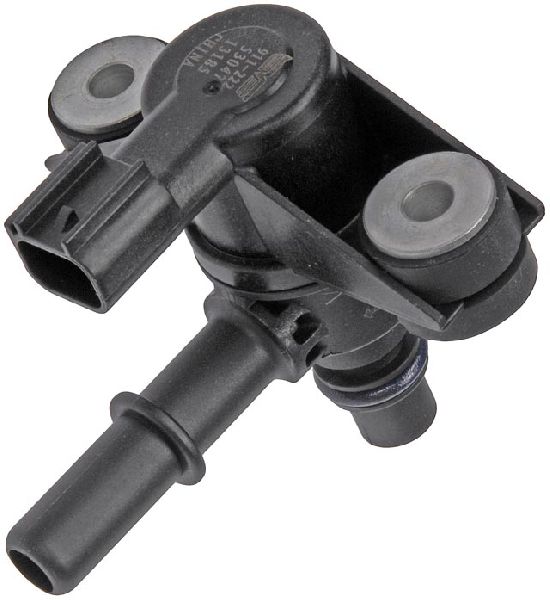
Est. part cost: $0 - Faulty EVAP Canister Purge Valve 🔴 High Probability → Shop Vapor Canister The purge valve (or purge solenoid) is a very common failure point on many Ford vehicles. It can get stuck open, creating a constant vacuum leak within the EVAP system that the PCM interprets as a small leak during testing.
How to confirm: Remove the valve from the engine (located on top, near the throttle body). With the vehicle off, try to blow through it. If air passes through, the valve is stuck open and needs to be replaced. A properly functioning valve is normally closed.
Typical fix: Replace the canister purge valve. It is located on top of the engine and is easily accessible, held by two bolts and two connectors, making it a 10-15 minute DIY job. 🎬 See this quick walkthrough on replacing the purge valve
Est. part cost: $35-$60 - Cracked or Loose EVAP Hoses ⚪ Low Probability Over time, rubber and plastic hoses can become brittle and crack, especially those exposed to engine heat. The lines connecting to the purge valve are the most common suspects.
How to confirm: Visually inspect all EVAP system hoses for cracks, brittleness, or loose connections. A smoke test is the most effective way to find a small leak in a hose. NHTSA ODI #11064505 describes a case where a technician performed a smoke check and noticed smoke leaking, confirming a minor fuel vapor leak.
Typical fix: Replace the damaged section of hose.
Est. part cost: $10-$30
Rare But Worth Checking
- Faulty EVAP Vent Solenoid: → Shop Vapor Canister The vent solenoid, located near the charcoal canister by the fuel tank, can fail and get stuck, but it is less common than the purge valve for this specific code.
- Cracked Charcoal Canister: → Shop Vapor Canister Physical damage to the canister can cause a leak, but this is usually the result of an impact and is not a common failure.
- Faulty Fuel Tank Pressure Sensor: → Shop Fuel Tank The sensor that detects the leak could be faulty, sending incorrect data to the PCM. This is rare and usually accompanied by other codes.
- Leaking Capless Fuel Filler Neck Assembly: → Shop Fuel Filler Neck In rare cases, cleaning the filler neck is not enough because the internal seal has failed. The entire assembly (Part # 8U5Z-9034-J or similar) must be replaced. 🎬 Watch: How to replace the fuel filler neck assembly
- Fuel Tank Area Leaks: → Shop Fuel Tank NHTSA ODI #11488913 reports a case where a P0456 reading led to the discovery of a large fuel leak emanating from the fuel tank area when the tank was full.
Diagnosis Steps
- Read the code with an OBD-II scanner to confirm P0456 and check for any other related codes like P1450. Owners have reported the check engine light appearing every time the vehicle is driven when this code is present (NHTSA ODI #11209727).
- Inspect the capless fuel filler neck for debris. Clean it thoroughly with a cloth and lubricant (like WD-40), using the vehicle's funnel to actuate the flap 5-10 times.
- Clear the code and drive the vehicle for a few days to see if the light returns. The EVAP monitor runs under specific conditions (e.g., certain fuel level, ambient temperature), so it may take time.
- If the code returns, locate the EVAP canister purge valve on the top of the engine.
- Disconnect the purge valve and attempt to blow through it. If air passes, it is faulty and must be replaced. This is the most common failure mode.
- If the purge valve is good, visually inspect all accessible EVAP hoses, especially around the purge valve and intake manifold, for cracks or loose connections.
- If no obvious issues are found, the most reliable next step is to have a professional mechanic perform a smoke test on the EVAP system to pinpoint the exact location of the small leak.
Parts You'll Likely Need
- EVAP Canister Purge Valve
(OEM #AU5Z-9C915-B (may be superseded by AU5Z-9C915-E). Also cross-references to 9U5Z-9C915-H.)— This is the most common part to fail that causes a P0456 code, often getting stuck open.
Trusted brands: Motorcraft (OEM), Dorman, ACDelco
OEM price range: $40-$60
Aftermarket price range: $25-$45
Related Codes That Often Appear With This One
- P1450 — This code means 'Unable to Bleed Up Fuel Tank Vacuum' and is very commonly seen with a failing purge valve that is stuck open. If you have P0456 and P1450 together, the purge valve is almost certainly the problem.
- P0455 — Indicates a large EVAP leak. This can appear if the purge valve fails completely and is stuck wide open, or if a hose becomes disconnected.
- P2196 / P2198 — These are 'O2 Sensor Signal Stuck Rich' codes. A stuck-open purge valve can pull un-metered fuel vapors into the engine, causing a rich condition that these codes detect.
Technical Service Bulletins (TSBs) & Recalls
- TSB 12-3-5: Addresses debris in the capless fuel system causing the fuel filler flap not to close. The procedure involves using a cleaning tool and compressed air to clear the debris.
Platform-Specific Known Issues
- The capless fuel filler neck is a well-documented source of EVAP leaks on many Ford models, including the Edge. Regular cleaning is often recommended as preventative maintenance. Ford TSB 12-3-5 was issued to address cleaning debris from this system.
Mechanic-Grade Diagnostic Values
- Fuel Tank Pressure Sensor (FTPS) voltage, Key On Engine Off (KOEO) — expected: Approximately 2.6 to 2.65 Volts.. Failure: A significant deviation from this static voltage may indicate a faulty sensor or wiring issue. During a commanded vacuum test, this voltage should drop, and when released, it should return to the baseline.
- EVAP System Pressure during PCM-commanded leak test — expected: The PCM pulls the system into a vacuum of approximately -8.0 inches of H2O to perform the test.. Failure: If the system cannot achieve or hold this level of vacuum, the PCM will log a leak code. The size of the leak is determined by the rate of vacuum decay.
Hidden / Shadow Codes Worth Checking
- Mode $06, Test ID for 0.020" leak: This is not a separate code, but a specific monitor within the OBD-II system that shows the raw test data from the EVAP leak self-test before a fault code is officially set. A technician can view the measured leak value and compare it to the maximum allowable limit. A value that is close to the limit indicates a borderline leak that may be intermittent. (see via Requires a professional scan tool or an advanced OBD-II app capable of reading Mode $06 data.)
Scan Tool Commands That Help
- Ford IDS (or equivalent professional scan tool): EVAP System Leak Test (Manual) — This is the definitive professional diagnostic step after visual checks fail. The technician commands the canister vent valve closed and the purge valve open to apply engine vacuum to the system. By monitoring the Fuel Tank Pressure (FTP) sensor PID, they can determine if the system is sealed or where the leak is occurring.
- Ford IDS (or equivalent professional scan tool): Purge Valve Duty Cycle Command — To test the functionality of the purge valve itself. A technician can command the valve to open at various percentages and should see a corresponding drop in FTP sensor voltage and a change in short-term fuel trims as the fuel vapors are introduced to the engine.
Wiring & Ground Locations
- EVAP System Fuses — In the under-hood fuse box (on the driver's side), check fuses F67, F68, F69, F70, and F96.. While a blown fuse is unlikely to cause a small leak code (it would more likely cause a circuit code), checking these fuses is a fundamental step in diagnosing any electrical component of the EVAP system.
Real Owner Repair Stories
- YouTube user, 2018 Ford Edge Sport (newer model, same components) (2018 Ford Edge Sport 2.7L at 87,000 miles) — Check Engine Light with code P0456.
❌ Tried (didn't work) Cleaning the capless fuel inlet flap with WD-40 and clearing the code. The light returned a few days later.
✅ What actually fixed it Replacing the EVAP canister purge valve with a Dorman part (994-073). The owner noted this was the second time the purge valve had failed; the original and the first Ford replacement part each lasted about 45,000 miles. - Reddit user, self-identified Ford Senior Master Tech (General advice for Ford vehicles with P0456) — P0456 code
✅ What actually fixed it The user states that 99.99% of the time, the cause is the EVAP purge valve. They provided a mechanic-grade diagnostic tip: disconnect the EVAP line at the firewall, unplug the purge valve electrically, and start the engine. Check the engine-side of the disconnected line for any vacuum. There should be absolutely no vacuum; any suction at all indicates the valve is stuck open and is the cause of the leak. - NHTSA Report, Owner Complaint (NHTSA ODI #11166736) — An owner reported the engine light coming on while driving, with a diagnostic test confirming gas vapor escaping due to code P0456.
"I Checked Everything" — The Actual Cause
- In some cases where a smoke test reveals no leaks, the root cause can be a faulty or 'biased' Fuel Tank Pressure (FTP) sensor. The sensor itself provides an incorrect pressure reading to the PCM, tricking the computer into thinking there is a leak when the system is perfectly sealed. This often requires replacing the sensor, which may be located on top of the fuel tank.
OEM Part Supersession History
AU5Z-9C915-A→AU5Z-9C915-B, then AU5Z-9C915-C, then AU5Z-9C915-D, and now AU5Z-9C915-E.— Ford has released multiple revisions of this part, likely to improve reliability and address the common failure mode of the valve sticking open.
Heads up: All revisions are generally interchangeable, but it is always recommended to use the latest available part number (AU5Z-9C915-E) to benefit from the most recent design improvements.
Model Year Variations Within This Range
- 2011-2014: The primary variation is the engine offered: 3.5L V6, 3.7L V6 (Sport), and the 2.0L I4 EcoBoost (from 2012-on). While the EVAP system principles are identical, the exact location and hose routing for the purge valve on the engine may vary slightly between the V6 and I4 models. However, the common failure points (capless filler neck, purge valve part number) are shared across these engine options within this generation.
Diagnostic Flowchart
Other Known Issues on This Vehicle
Issues unrelated to this code that are worth knowing about as an owner of this generation:
- Power Transfer Unit (PTU) Failure (AWD Models) 🔴 High — Widespread issue. The PTU is located near the hot exhaust with no cooling and non-serviceable fluid, leading to overheating, fluid breakdown into 'black goo', seal leaks, and eventual gear failure. Often occurs between 60,000-120,000 miles.
- Persistent 'Door Ajar' Light 🟠 Medium — Very common across 2011-2013 models. A faulty microswitch inside the door latch assembly fails, causing the light to stay on, draining the battery, and preventing doors from locking. (Ref: TSB 18-2013)
- Brake Booster Failure 🔴 High — Common enough to warrant a recall. A diaphragm inside the booster can tear, allowing brake fluid to leak into it, resulting in a hard pedal, increased stopping distance, and a hissing noise. (Ref: Safety Recall 20S31 (NHTSA 20V-332))
- Water Leaks into Cabin/Liftgate 🟡 Low — Frequently reported. Leaks can occur from poorly sealed body seams, especially around the liftgate hinges or rear quarter panels, allowing water to pool in the spare tire well and potentially damage electronics.
Used vs. New Parts: Buying Guide for This Vehicle
When a used part is the smart pick: For this repair, a used part is only advisable for the capless fuel filler neck assembly. If the entire neck needs replacement (a rare event), a low-mileage donor part from a salvage yard can be a cost-effective option.
Donor-vehicle mileage cap: roughly under 75000 miles for the part to have meaningful remaining life.
What to inspect on the donor part:
- For a fuel filler neck, inspect the internal flap for smooth operation and check that the sealing surface is free of corrosion or damage.
- Avoid parts from regions with heavy road salt use, as corrosion is more likely.
OEM-only on this vehicle (don't cheap out):
- While not strictly 'OEM-only', it is highly recommended to use a genuine Motorcraft part or a reputable aftermarket equivalent for the purge valve. Avoid cheap, unbranded electronic solenoids as they have a high failure rate.
Aftermarket brands forum-validated for this vehicle:
- Dorman is cited by owners as a viable alternative to the OEM Motorcraft purge valve, with at least one owner switching to it after repeated OEM failures.
Brands owners have reported issues with on this vehicle:
- Generic, no-name, or 'white box' purge valves sold on online marketplaces. The internal valve mechanism is precise, and cheap alternatives often fail to seal properly, leading to the code returning.
Real Owner Stories
Aggregated from forums and TSBs cited above. Mileages and costs reflect what owners reported in those sources.
2013 Ford Edge — 100000 miles
Symptoms: Check engine light with P0456, which eventually led to rough idle and stalling.
What fixed it: Replaced the canister purge valve.
Source hint: r/FordEdge owner report
2013 Ford Edge
Symptoms: Check Engine Light on with code P0456.
What fixed it: Thoroughly cleaning the capless fuel filler neck with WD-40, a rag, and the funnel.
Source hint: Reddit r/FordEdge - P0456 Fix Confirmation
2011 Lincoln MKX
Symptoms: P0456 and P0455 codes along with a 'Check Fuel Inlet' message.
What fixed it: Replacing the entire fuel filler neck assembly after cleaning failed.
Source hint: YouTube - Lincoln MKX (Platform Mate) P0456 & P0455 Fix
2011-2014 Ford Edge
Symptoms: P0456 - Evaporative Emissions System - Small leak detected.
What fixed it: Replacing the purge valve.
Cost: $22-$22
Source hint: Ford Edge Forum - P0456 - Evaporative Emissions System - Small leak detected
Related OBD-II Codes
Frequently Asked Questions
My 2011-2014 Ford Edge has a 'Check Fuel Filler Inlet' message on the dash. Is this related to code P0456?
Is there a technical service bulletin for the capless fuel system on my Ford Edge?
Why does my Ford Edge hesitate or have a rough start only after I fill up the gas tank?
Can I fix the P0456 code on my Edge without buying any parts?
Where is the purge valve located on the 2011-2014 Edge, and is it a difficult repair?
Will a P0456 code affect my Ford Edge's remote start system?
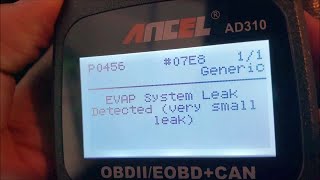
Helpful Videos




Used OEM Parts in Stock
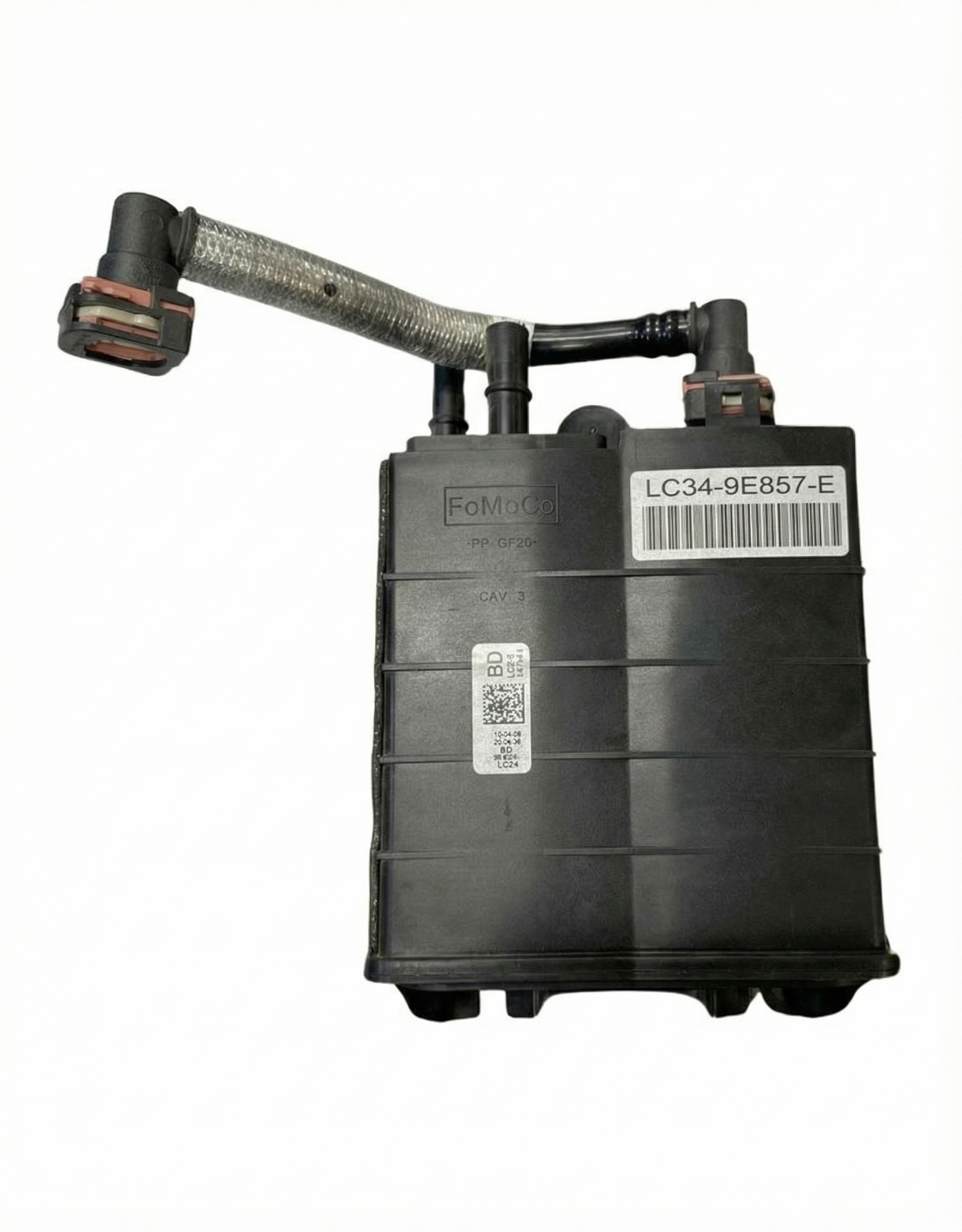
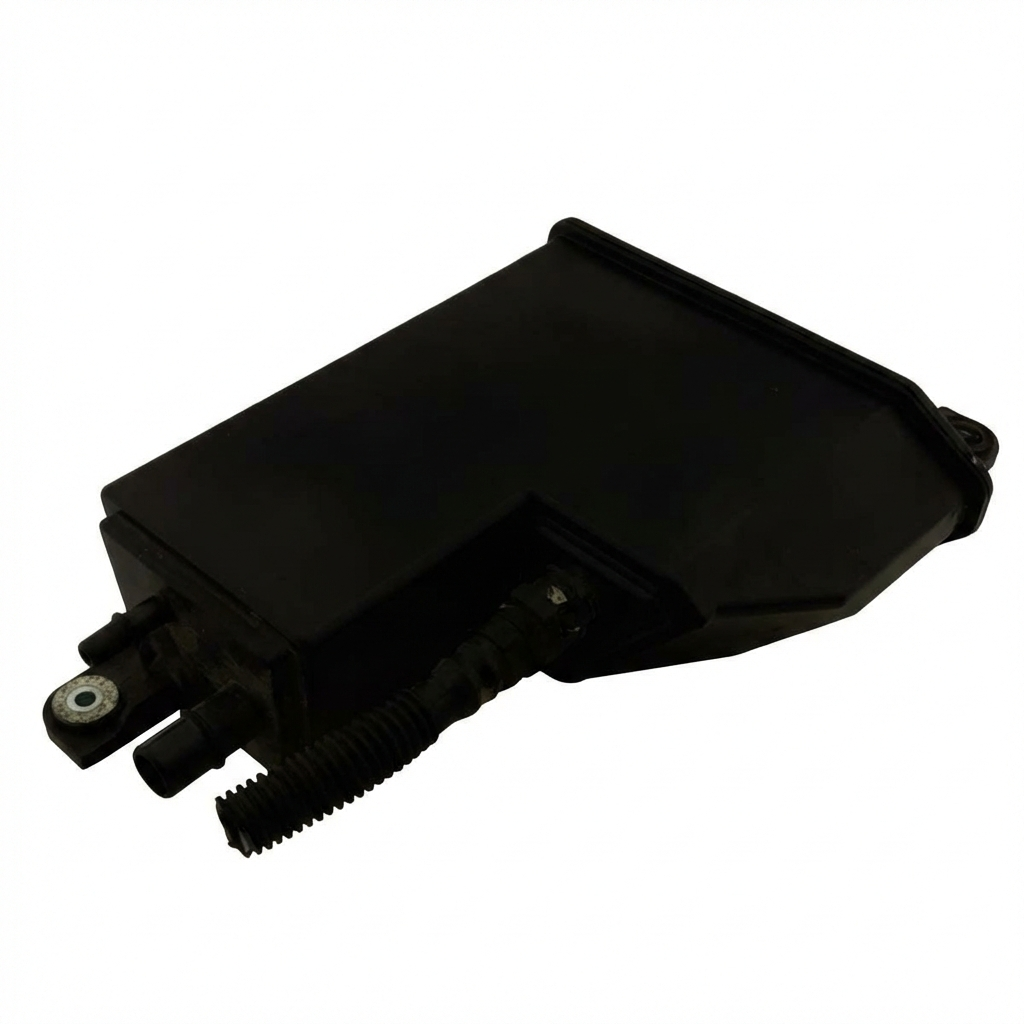
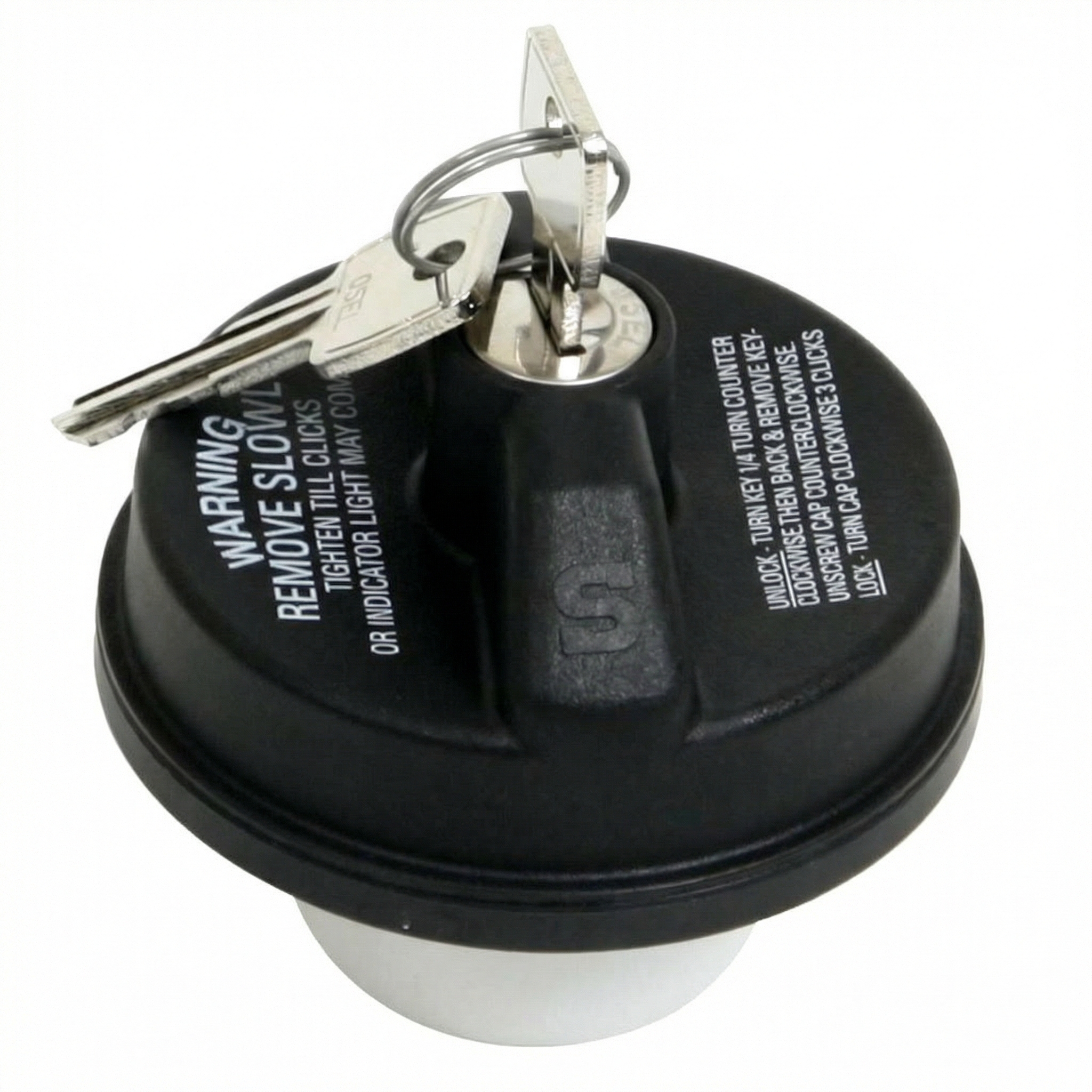
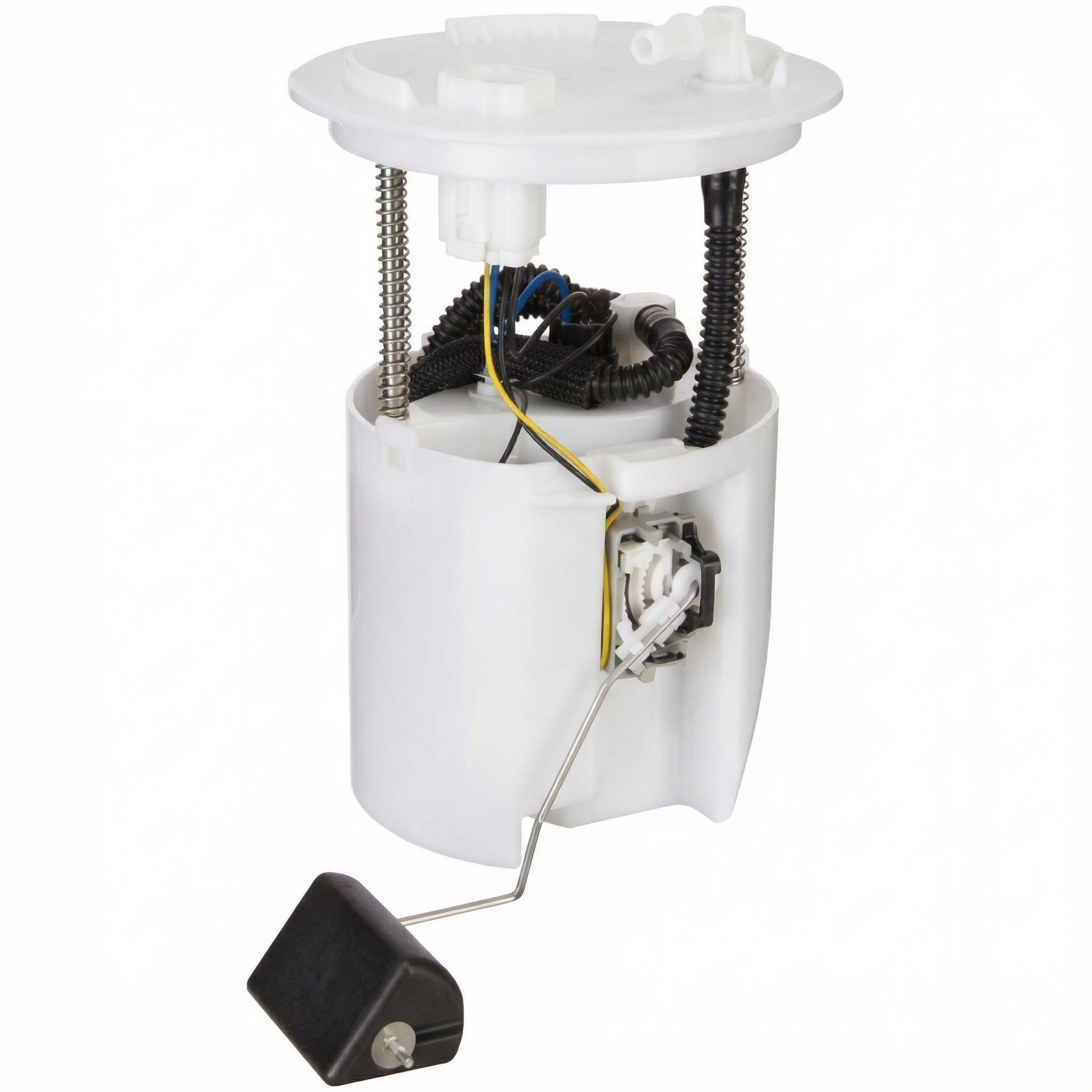
New Aftermarket Parts Available


The information in this article is provided for general reference and educational purposes only. Vehicle specifications, procedures, and part compatibility can vary by production date, trim level, and region. Always consult your vehicle's factory service manual and verify part numbers before purchasing or performing repairs. Safety-critical components such as airbags, seat belts, and braking systems should be installed by a qualified professional.
- Ford Edge:
- 🧭 Diagnostic Flowchart
- 🎬 Helpful Videos
- 🛍️ Shop This Part
- What's Unique About the 2011-2014 Ford Edge
- Symptoms You May Notice
- Most Likely Causes
- Rare But Worth Checking
- Diagnosis Steps
- Parts You'll Likely Need
- Related Codes That Often Appear With This One
- Technical Service Bulletins (TSBs) & Recalls
- Platform-Specific Known Issues
- Mechanic-Grade Diagnostic Values
- Hidden / Shadow Codes Worth Checking
- Scan Tool Commands That Help
- Wiring & Ground Locations
- Real Owner Repair Stories
- "I Checked Everything" — The Actual Cause
- OEM Part Supersession History
- Model Year Variations Within This Range
- Other Known Issues on This Vehicle
- Used vs. New Parts: Buying Guide for This Vehicle
- Real Owner Stories
- 2013 Ford Edge — 100000 miles
- 2013 Ford Edge
- 2011 Lincoln MKX
- 2011-2014 Ford Edge
- Related OBD-II Codes
- Frequently Asked Questions
- 🎟️ Get 5% Off