

P0456 on 2005-2006 Ford Mustang: EVAP Small Leak Causes and Fixes
For a 2005-2006 Mustang, code P0456 is most often a loose or worn gas cap. If the cap is tight, the next most likely causes are a failing canister purge valve or a specific fuel pump issue covered by a Ford TSB for vehicles built before Jan 1, 2006. A genuine Motorcraft gas cap is ~$30, while a purge valve is ~$60.
- First, check that your gas cap is tight. If the seal looks old or cracked, replace it with a Ford/Motorcraft part.
- If the gas cap doesn't fix it, the canister purge valve on the driver's side of the engine is the next most likely and affordable part to replace.
- For vehicles built before January 2006, be aware of TSB 07-3-9. If common fixes don't work and a smoke test shows no leaks, the fuel pump assembly may be the culprit.
- A professional smoke test is the fastest way to pinpoint the physical location of a small leak in a hose or at a component seal.
What's Unique About the 2005-2006 Ford Mustang
While most P0456 causes are universal (gas cap, hoses), the 2005-2006 Mustang has a unique issue documented by Ford. A Technical Service Bulletin (TSB 07-3-9) was issued for vehicles built before January 1, 2006, where an oversized orifice inside the fuel pump assembly can generate excess fuel vapor, tricking the system into reporting a small leak. This means that even with a perfectly sealed EVAP system, this code can appear, leading to misdiagnosis if a technician only looks for external leaks. The diagnostic procedure for this TSB requires a Ford-specific scan tool (IDS) and a specific test comparing vapor generation with the engine on versus off.
Symptoms You May Notice
- Check Engine Light is on.
- A faint fuel odor may be noticeable near the rear of the car.
- In some cases, difficulty filling the fuel tank (gas pump nozzle clicks off repeatedly) can occur, which often points to a saturated charcoal canister or a stuck vent valve.
- A rough or hanging idle shortly after starting the car can sometimes be caused by a stuck-open purge valve, which creates a vacuum leak.
- An owner reported higher gas consumption occurring alongside the P0456 code in NHTSA ODI #11352407.
- Replacing the Fuel Tank Pressure (FTP) sensor. While possible, it's uncommon for the sensor itself to fail in a way that causes a P0456 code. It's more likely to set other codes or fail completely.
- Immediately assuming a complex leak exists before thoroughly checking the gas cap and its sealing surface on the filler neck. Many owners replace the cap but don't clean the filler neck, leading the code to return.
- Replacing parts without testing; manufacturer bulletin SSM 50306 notes that many returned EVAP canister purge valves were found to be fully functional upon testing, despite the presence of P0456.
Most Likely Causes
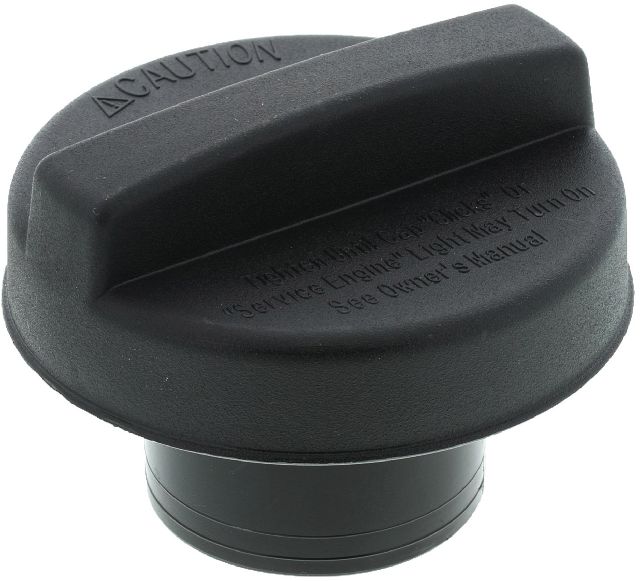
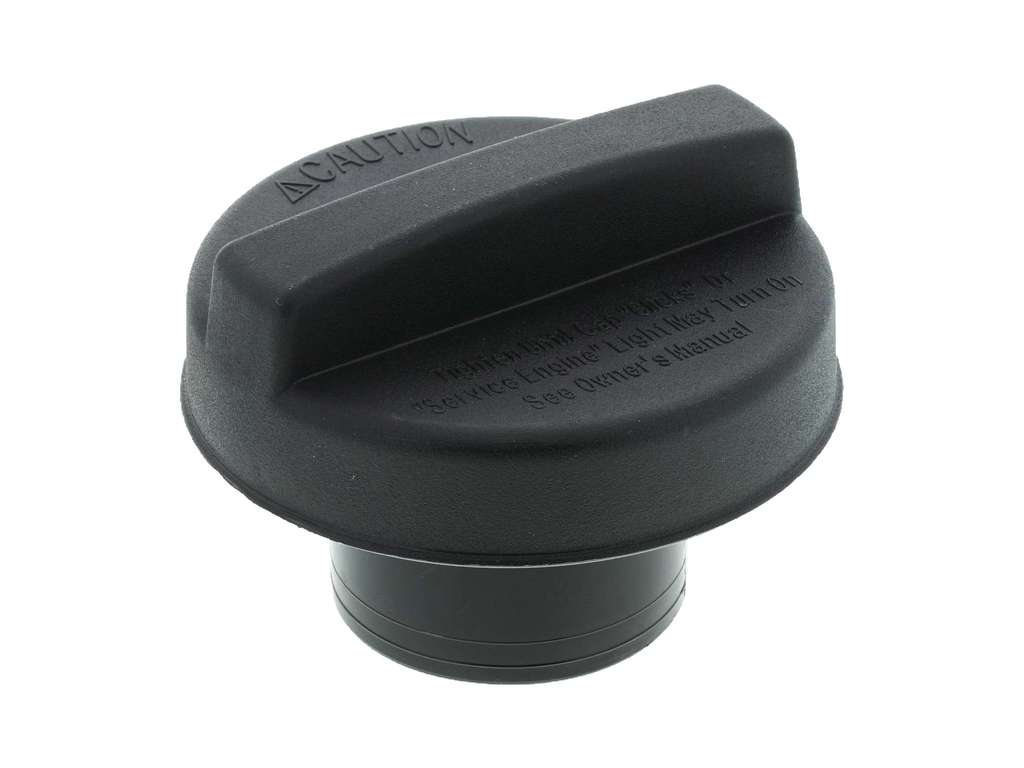
- Loose or Worn Gas Cap 🔴 High Probability → Shop Fuel Tank Cap The gas cap is a frequent point of failure on any vehicle as its seal degrades over time with use and exposure to fuel vapors. Aftermarket caps are a notorious source of P0456 codes as they often use inferior materials or have slight molding differences that prevent a perfect seal.
How to confirm: Ensure the gas cap is tightened until it clicks at least three times. Inspect the rubber O-ring on the cap for cracks, stiffness, or damage. Also, clean the metal rim of the fuel filler neck with a cloth or light abrasive pad to ensure a clean sealing surface. If the seal looks worn, it's a likely culprit.
Typical fix: Replace the gas cap. It is highly recommended to use a genuine OEM (Motorcraft) part to avoid sealing issues common with aftermarket caps. Clear the code and drive for a few days to see if it returns.
Est. part cost: $25-$40 - Faulty Canister Purge Valve 🟡 Medium Probability → Shop Vapor Canister This solenoid valve, located in the engine bay, cycles frequently during engine operation and can get stuck partially open over time, creating a small leak path into the engine intake.
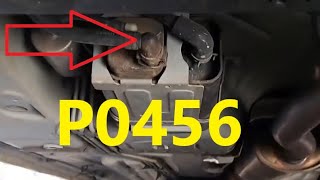
How to confirm: The purge valve is located on the driver's side of the engine bay, near the inner fender. When unpowered, it should be closed. Disconnect the valve and its hoses and try to blow through it; if air passes, it has failed. A rough idle can sometimes accompany a failing purge valve.
Typical fix: Replace the canister purge valve. The OEM part number is 4R3Z-9C915-AA. 🎬 Watch: See this purge valve replacement walkthrough for your Mustang.
Est. part cost: $40-$80 - Cracked or Disconnected EVAP Hoses 🟡 Medium Probability
How to confirm: Visually inspect all EVAP system hoses, from the engine bay to the charcoal canister at the rear of the car. Pay close attention to rubber elbows and connection points, which can become brittle and crack. A smoke test is the most effective way to find a hard-to-see crack.
Typical fix: Replace the cracked section of hose or re-secure the connection.
Est. part cost: $10-$50 - Faulty Canister Vent Valve/Solenoid ⚪ Low Probability → Shop Vapor Canister
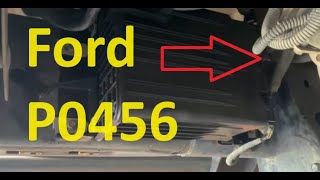
How to confirm: This valve is located near the charcoal canister under the rear of the car, near the spare tire well. 🎬 See this video to locate the canister vent valve. It is normally open but must close to seal the system for testing. If it gets stuck with debris or fails electronically, it won't seal properly. A scan tool can command it closed to check its function.
Typical fix: Replace the canister vent valve. The OEM part number is 6R3Z-9F945-AA.
Est. part cost: $50-$80
Rare But Worth Checking
- Internal Fuel Pump Issue (TSB 07-3-9): → Shop Fuel Pump For vehicles built before Jan 1, 2006, an oversized orifice in the fuel pump can cause this code without an actual leak. This should be investigated if all other common causes are ruled out. Diagnosis requires a Ford-specific scan tool (IDS) to perform a 'Vapor Generation Test' as outlined in the TSB. If the test fails, the entire fuel pump assembly must be replaced with part number 7R3Z-9H307-C.
- Cracked Charcoal Canister: → Shop Vapor Canister The plastic housing of the canister itself can develop hairline cracks over time. This is usually found with a smoke test. The canister is located in the rear driver's side wheel well area, near or under the spare tire well.
- Cracked Fuel Filler Neck: → Shop Fuel Filler Neck While less common than the gas cap, the fuel filler neck itself can corrode or develop cracks where the cap seals, preventing a proper seal even with a new cap. A thorough cleaning with a mild abrasive is recommended when replacing the cap, but if the neck is damaged, it will need replacement.
Diagnosis Steps
- Check the gas cap. Ensure it is tight (3+ clicks) and the seal is not cracked or worn. Clean the filler neck sealing surface. If in doubt, replace it with an OEM Motorcraft cap, clear the code, and drive for a few days.
- If the code returns, perform a thorough visual inspection of all accessible EVAP hoses in the engine bay and under the car, near the fuel tank.
- Locate the canister purge valve on the driver's side inner fender. Disconnect it and test if it's sealed when off. If air passes through, it needs replacement (Part No. 4R3Z-9C915-AA).
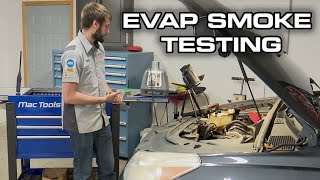
- If no obvious issues are found, the most effective next step is a professional smoke test. This involves feeding low-pressure smoke into the EVAP service port and looking for where it escapes. 🎬 Watch: How to perform an EVAP smoke test for leaks. This is the definitive way to find tiny leaks in hoses or the canister itself. NHTSA ODI #11438585 describes a scenario where a smoke test confirmed the presence of fuel vapor leaks.
- If the smoke test reveals no leaks, and the vehicle was built before 01/01/2006, investigate TSB 07-3-9. This requires a capable scan tool to perform the specific vapor generation test to see if the fuel pump is the root cause.
- The smoke test will also reveal leaks from less common parts like the canister vent valve (Part No. 6R3Z-9F945-AA) or the charcoal canister itself.
Parts You'll Likely Need
- Fuel Cap
(OEM #FC953 (Motorcraft))— This is the most common failure point and the easiest and cheapest part to replace first. Aftermarket caps are a frequent cause of this code.
Trusted brands: Motorcraft
OEM price range: $25-$40
Aftermarket price range: $15-$25 - Canister Purge Valve / Solenoid
(OEM #4R3Z-9C915-AA)— This valve is a common failure item that gets stuck open, causing a persistent small leak. It is relatively easy to access and replace in the engine bay.
Trusted brands: Motorcraft, Bosch, Standard Motor Products
OEM price range: $60-$90
Aftermarket price range: $35-$60 - Canister Vent Valve / Solenoid
(OEM #6R3Z-9F945-AA)— This valve can fail or get stuck with dirt, preventing the EVAP system from sealing properly for its self-test. It is located at the rear of the vehicle near the charcoal canister.
Trusted brands: Motorcraft
OEM price range: $50-$75
Aftermarket price range: $40-$60
Technical Service Bulletins (TSBs) & Recalls
- TSB 07-3-9: Malfunction Indicator Lamp (MIL) on with Diagnostic Trouble Code (DTC) P0456. Specifies diagnostic procedure for an internal fuel pump issue on pre-2006 models.
- TSB 05-15-12: Notes slow or difficult fuel fill issues on early 2005 models, which can be related to EVAP system components like a saturated canister.
- TSB 17-0019: While for a different model year, this bulletin highlights that Mustangs may exhibit an illuminated MIL with DTC P0456 and provides specific service procedures to correct the condition.
- SSM 50306: A manufacturer service bulletin noting that technicians should verify purge valve failure before replacement, as many returned valves for P0456 were found to be fully functional.
Platform-Specific Known Issues
- TSB 07-3-9: On vehicles built before January 1, 2006, an oversized orifice in the fuel pump assembly can generate excessive fuel vapor, causing a P0456 code even if no leak exists. The fix is to replace the fuel pump assembly with part number 7R3Z-9H307-C.
Mechanic-Grade Diagnostic Values
- Canister Purge Valve (Solenoid) Resistance — expected: 30 to 38 ohms. Failure: A reading outside of this range indicates a faulty internal coil.
- Canister Vent Valve (Solenoid) Resistance — expected: 48 to 65 ohms. Failure: A reading outside of this range indicates a faulty internal coil.
- Fuel Tank Pressure (FTP) Sensor Voltage — expected: Approximately 1.5V - 2.5V at atmospheric pressure (KOEO, gas cap off). Voltage decreases as vacuum increases.. Failure: Voltage stuck high (near 5V) or low (near 0V), or not changing when the system is tested.
Scan Tool Commands That Help
- Ford IDS (Integrated Diagnostic System): EVAP System Test — This is a comprehensive, automated test that commands the vent solenoid closed, the purge solenoid open, and monitors the FTP sensor to check for leaks and proper function. It's the primary professional diagnostic step.
- Ford IDS (Integrated Diagnostic System): Output State Control: Canister Vent (CV) Solenoid — Allows a technician to manually command the canister vent solenoid closed (it is normally open). This is used during a smoke test to seal the system or to verify the solenoid's electronic and mechanical function.
- Ford IDS (Integrated Diagnostic System): Datalogger PIDs for TSB 07-3-9 — When diagnosing the fuel pump TSB, the technician must monitor specific PIDs: FLI% (fuel level), FRP (fuel rail pressure), VMV # (Vapor Management Valve current), FTP voltage, and CVV # (Canister vent valve duty cycle) to perform the vapor generation test.
Wiring & Ground Locations
- Canister Purge Valve Connector — On the driver's side inner fender in the engine bay.. The connector has two pins. One wire (typically Red) should have 12V+ with the key on. The other wire (e.g., Yellow/Light Blue) is the control wire that the PCM grounds to activate the valve. Checking for power here is a key step in diagnosing a non-responsive valve.
- Canister Vent Valve Connector — Near the charcoal canister at the rear of the vehicle, by the spare tire well.. This connector provides power and ground to the vent solenoid. A wiring diagram shows one wire providing 12V+ (from the same circuit as the purge valve) and the other being the PCM control wire. Corrosion here is common due to its location.
- G100 / G103 — G100 is on the right side of the radiator support. G103 is on the right front of the engine compartment.. These are primary engine bay ground points. While not exclusive to the EVAP system, a poor ground at these locations can cause a wide range of intermittent electrical issues for various engine sensors and actuators, including the purge valve.
Real Owner Repair Stories
- Reddit user (2005-2006 Ford Mustang (inferred)) — Check Engine Light with P0456 code.
❌ Tried (didn't work) Clearing the code without fixing the part.
✅ What actually fixed it The user replaced the EVAP purge valve. After replacement, the check engine light turned off on its own after some driving and did not return. - NHTSA ODI #11703290 — An owner reported the engine light came on due to a P0456 EVAP small leak at approximately 32,885 miles; diagnostics at both an auto shop and a Ford dealer confirmed the condition.
"I Checked Everything" — The Actual Cause
- For 2005-2006 Mustangs built before January 1, 2006, the most famous 'smoke test clean' scenario is TSB 07-3-9. A smoke test will show no leaks because there are none. The root cause is an oversized orifice in the fuel pump assembly generating excess vapor, which the PCM interprets as a small leak. The only way to confirm this is with a Ford IDS scan tool performing the specific vapor generation test outlined in the TSB.
OEM Part Supersession History
5U5Z-9F945-AA→6R3Z-9F945-AA— Standard part revision/update by Ford.
Heads up: This is the Canister Vent Valve. The parts are interchangeable for this application.N/A→4R3Z-9C915-AA— This is the original part number for the Canister Purge Valve for the 2005-2006 model years.
Heads up: This part is specific to 2005-2007 Mustangs and is not directly interchangeable with later purge valves (e.g., AU5Z-9C915-B) without potential loss of the EVAP test port.
Model Year Variations Within This Range
- 2005-2006: The canister purge valve (or VMV - Vacuum Management Valve as it was sometimes called) on 2005-2006 models includes an integrated EVAP test port with a green cap, located on the valve body itself. This port was removed on purge valves for 2007-2010 models. While a later valve might fit electrically and physically, using it on an '05-'06 would eliminate the factory-intended service port for smoke testing.
- 2005: Early 2005 models (built before April 26, 2005) were subject to TSB 05-15-12 for slow fuel fill issues, which can be related to the EVAP system canister and vent valve. While not directly causing P0456, a saturated canister from this issue could contribute to EVAP system faults.
Diagnostic Flowchart
Other Known Issues on This Vehicle
Issues unrelated to this code that are worth knowing about as an owner of this generation:
- Passenger Footwell Water Leak 🔴 High — Extremely common. Caused by clogged cowl drains under the passenger-side windshield wiper, allowing water to overflow into the cabin air filter opening and onto the floor. Can damage the Smart Junction Box (SJB) located in the passenger kick panel, causing major electrical problems. (Ref: A TSB was issued for this, but it's a widely known design flaw.)
- Alternator Failure (4.6L GT) 🟠 Medium — Common on 2005-2009 models with the 4.6L V8. The original 6G alternator is prone to premature failure of the voltage regulator, leading to 'Check Charging System' warnings, battery drain, or overcharging. (Ref: TSB 06-19-12 addresses related DTCs P0340/P0349 caused by a faulty alternator diode.)
- Timing Chain Rattle (4.0L V6) 🔴 High — A notorious issue for the 4.0L SOHC V6. Plastic-housed timing chain tensioners wear out, causing a startup rattle ('death rattle'). If ignored, the guides can break, leading to chain failure and potentially severe engine damage. There are two sets of chains/tensioners (front and rear), with the rear requiring engine removal to service.
- Thermostat Housing Leak (4.6L GT) 🟠 Medium — The original two-piece plastic thermostat housing is prone to developing cracks or leaking from its seal, causing coolant loss. It's a common failure point as the vehicle ages.
Used vs. New Parts: Buying Guide for This Vehicle
When a used part is the smart pick: Used parts are generally not recommended for fixing a P0456 code due to the nature of the components. However, a complete charcoal canister assembly from a very low-mileage, accident-free donor car could be a cost-effective option if the original is physically cracked, as new ones can be expensive. Large plastic EVAP lines or the fuel filler neck could also be sourced used.
Donor-vehicle mileage cap: roughly under 50000 miles for the part to have meaningful remaining life.
What to inspect on the donor part:
- For a charcoal canister, inspect the plastic housing for any hairline cracks, especially around mounting tabs and hose ports.
- Ensure all hose connection nipples are intact and not brittle or broken.
- Check for signs of fuel saturation (strong, wet fuel smell or discoloration), which indicates it may be faulty.
- For a filler neck, ensure the sealing surface is perfectly smooth, free of rust, pitting, or cracks.
OEM-only on this vehicle (don't cheap out):
- Fuel Cap: Aftermarket gas caps are the #1 cause of a P0456 code returning after a 'fix'. The seals and click mechanism on the OEM Motorcraft cap are superior and designed to hold the specific pressure required.
- Canister Purge Valve: While some aftermarket brands work, the OEM Motorcraft valve is proven. Given the relatively low cost, sticking with OEM avoids potential issues with flow rates or premature failure.
- Canister Vent Valve: Similar to the purge valve, the OEM part is recommended to ensure correct sealing and longevity, especially given its exposure to road debris at the rear of the car.
Aftermarket brands forum-validated for this vehicle:
- Bosch (for Canister Purge Valve)
- Standard Motor Products (SMP)
Brands owners have reported issues with on this vehicle:
- No-name, unbranded gas caps from online marketplaces.
- Ultra-cheap, generic solenoid valves that do not list specific vehicle compatibility.
Real Owner Stories
Aggregated from forums and TSBs cited above. Mileages and costs reflect what owners reported in those sources.
2005 Mustang GT
Symptoms: The P0456 code appeared, went away after tightening the gas cap, and then returned.
What fixed it: Replacing the gas cap with a new one to address a worn seal.
Source hint: Reddit r/Mustang thread titled 'P0456 Evaporative Emmision Leak on 2005 Mustang GT'
2005 Mustang 4.6L
Symptoms: P0456 code accompanied by difficulty filling the gas tank (gas pump nozzle clicks off repeatedly).
What fixed it: Replacing a saturated charcoal canister.
Source hint: Car Talk Community thread titled '2005 Mustang 4.6L, P0456 code, gas won't fill'
2005 Mustang (Pre-2006 build)
Symptoms: Check Engine Light (MIL) on with Diagnostic Trouble Code P0456; internal vapor generation issue.
What fixed it: Replacing the fuel pump assembly (Part No. 7R3Z-9H307-C) as per TSB 07-3-9.
Source hint: TSB 07-3-9
Mustang Owner Report
Symptoms: Check engine light for P0456 Evaporative Emission Leak; a smoke test confirmed fuel vapor was escaping.
What fixed it: Professional diagnosis via smoke test identified the leak source.
Source hint: NHTSA ODI #11438585
Related OBD-II Codes
Frequently Asked Questions
Does TSB 07-3-9 apply to my 2006 Ford Mustang?
Why does the gas pump nozzle keep clicking off when I try to fill my 2005 Mustang?
Can I use an aftermarket gas cap to fix the P0456 code?
Where is the canister purge valve located on the 2005-2006 Mustang?
Is there a specific part number for the fuel pump fix mentioned in the TSB?
How many times should I click my gas cap to ensure it is sealed?
Helpful Videos
Used OEM Parts in Stock
New Aftermarket Parts Available


The information in this article is provided for general reference and educational purposes only. Vehicle specifications, procedures, and part compatibility can vary by production date, trim level, and region. Always consult your vehicle's factory service manual and verify part numbers before purchasing or performing repairs. Safety-critical components such as airbags, seat belts, and braking systems should be installed by a qualified professional.
- Ford Mustang:
- 🧭 Diagnostic Flowchart
- 🎬 Helpful Videos
- 🛍️ Shop This Part
- What's Unique About the 2005-2006 Ford Mustang
- Symptoms You May Notice
- Most Likely Causes
- Rare But Worth Checking
- Diagnosis Steps
- Parts You'll Likely Need
- Technical Service Bulletins (TSBs) & Recalls
- Platform-Specific Known Issues
- Mechanic-Grade Diagnostic Values
- Scan Tool Commands That Help
- Wiring & Ground Locations
- Real Owner Repair Stories
- "I Checked Everything" — The Actual Cause
- OEM Part Supersession History
- Model Year Variations Within This Range
- Other Known Issues on This Vehicle
- Used vs. New Parts: Buying Guide for This Vehicle
- Real Owner Stories
- 2005 Mustang GT
- 2005 Mustang 4.6L
- 2005 Mustang (Pre-2006 build)
- Mustang Owner Report
- Related OBD-II Codes
- Frequently Asked Questions
- 🎟️ Get 5% Off