

P0456 on 2009-2014 Honda Fit: EVAP Small Leak Causes and Fixes
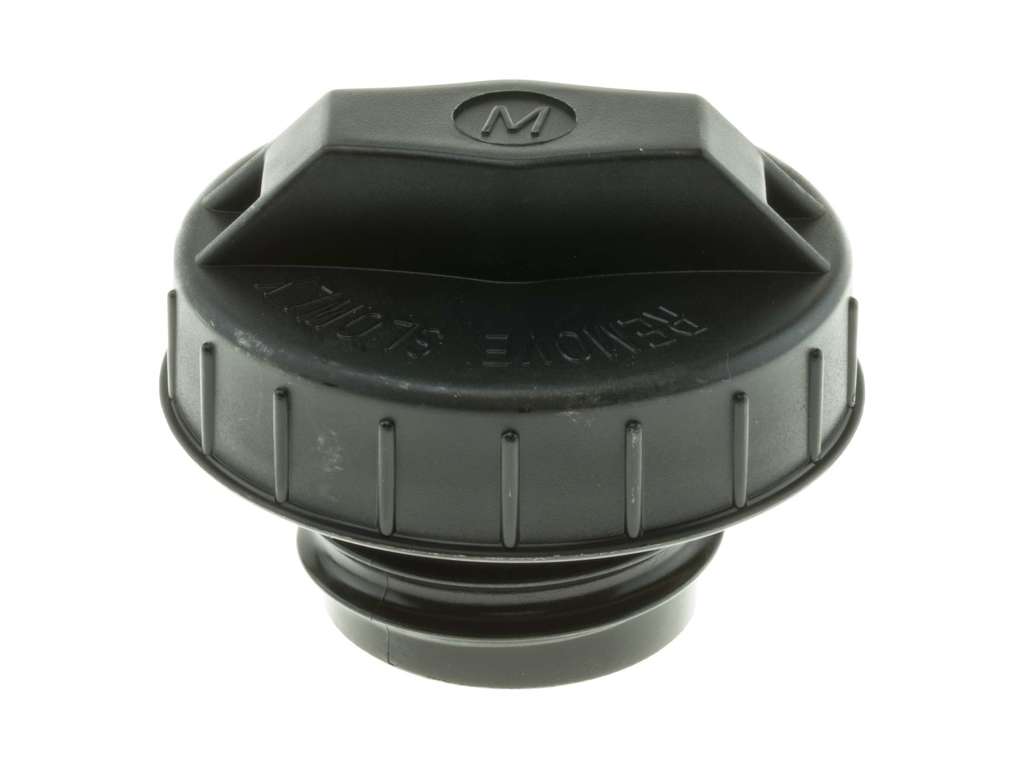
On a 2009-2014 Honda Fit, code P0456 is most often caused by a loose or faulty gas cap. Before buying any parts, tighten the cap until it clicks several times. If the light returns, a new OEM gas cap is a common, inexpensive fix. Aftermarket caps are a frequent source of repeat failures.
- P0456 is a minor issue; your car is safe to drive, but you'll need to fix it to pass an emissions test.
- Always start with the simplest fix: tighten your gas cap until it clicks multiple times. This resolves the issue more often than not.
- If you need to replace the gas cap, buy a genuine Honda (OEM) part. Aftermarket caps are a frequent cause of repeat failures for this code on Hondas.
- If the gas cap isn't the problem, the next most likely causes are a faulty EVAP purge valve or a cracked vacuum hose.
- For hard-to-find leaks, a professional smoke test is the quickest and most accurate diagnostic method.
What's Unique About the 2009-2014 Honda Fit
For the second-generation Honda Fit (2009-2014), the P0456 code follows a classic diagnostic path, with no unusual design quirks like the capless fuel fillers found on newer models. The most common culprit is a simple, traditional gas cap that is either loose or has a worn-out seal. Owners and mechanics consistently report that using a genuine Honda OEM replacement cap is crucial, as aftermarket caps often fail to seal correctly and can cause the code to return. While the primary causes are straightforward, some owners have reported obscure leaks, such as one case involving a poorly sealed connector O-ring in the rear wheel well, which can collect dirt and fail over time.
Symptoms You May Notice
- Check Engine Light is on
- A message on the dash to "Check Fuel Cap" may appear (though P0456 can set without it)
- A faint fuel smell, especially around the gas cap area or after parking in a garage (uncommon)
- In some instances, a P0456 code may be accompanied by drivability issues; NHTSA ODI #11132314 describes a situation where a vehicle experienced lurching around 20 MPH while the code was present.
- Replacing the charcoal canister when the problem is just a loose gas cap.
- Using a cheap aftermarket gas cap that doesn't seal properly, leading to the code returning.
- Replacing parts without performing a smoke test, which can definitively locate the source of a small leak.
Most Likely Causes
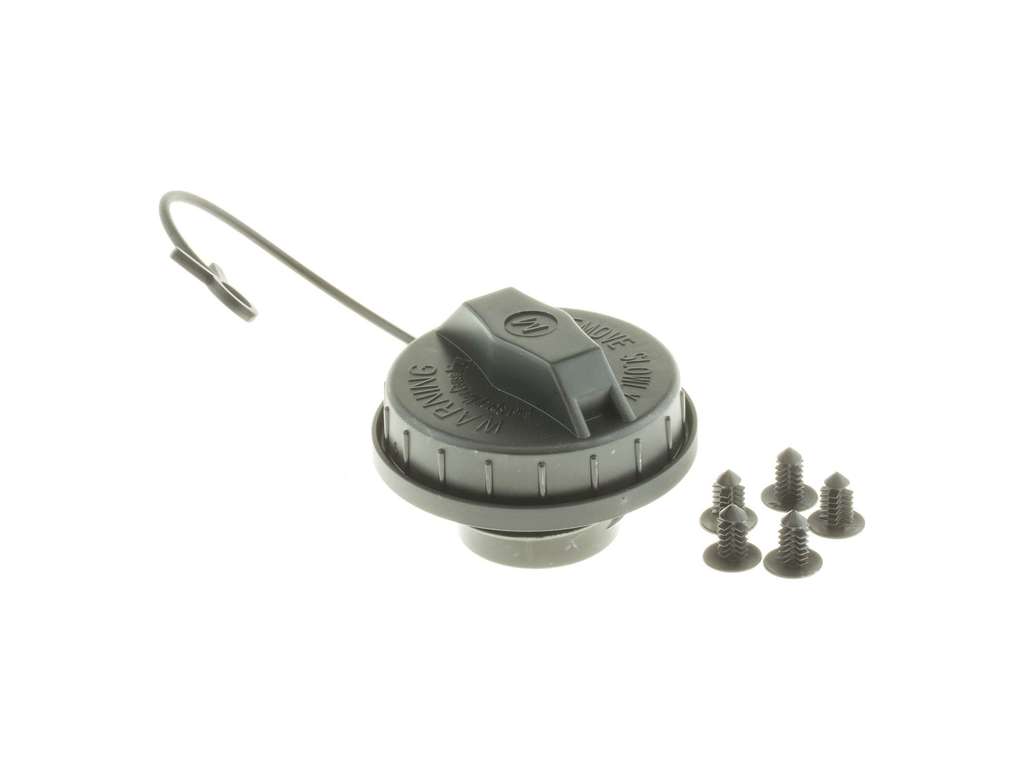
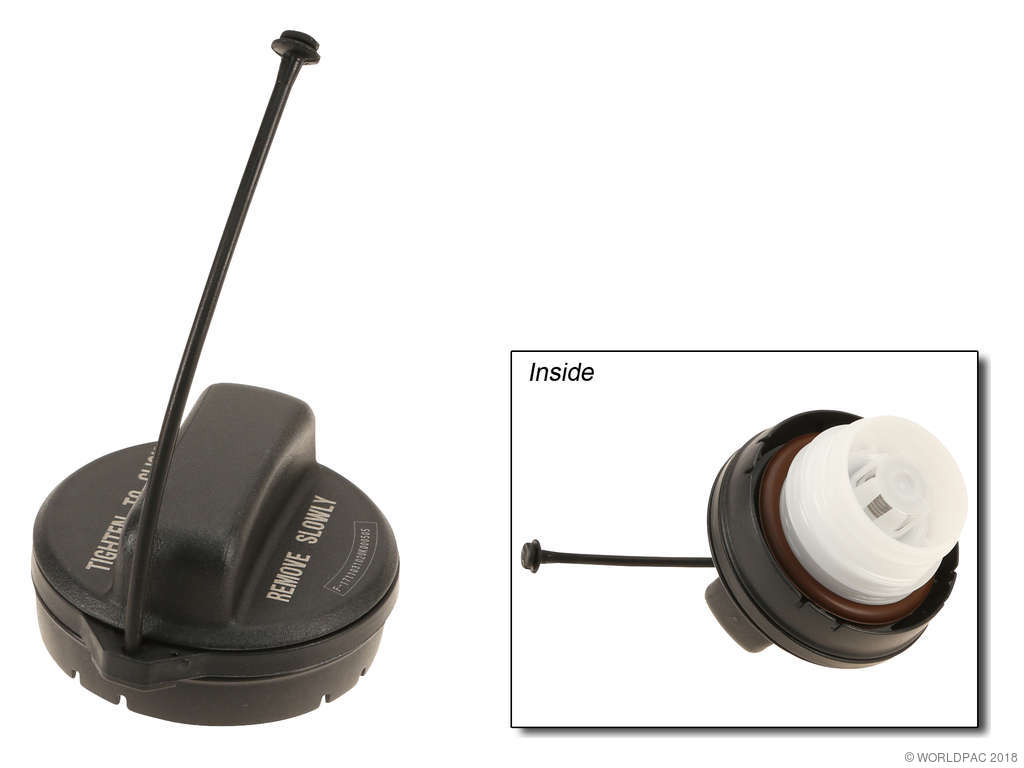
- Loose or Faulty Gas Cap 🔴 High Probability → Shop Fuel Tank Cap The rubber O-ring on the gas cap can dry out, crack, or become deformed over time, preventing a proper seal. It's also very common for the cap to simply not be tightened enough after refueling, or for the tether to get caught under the seal.
How to confirm: Ensure the gas cap is tightened until it clicks multiple times. Inspect the rubber seal on the cap for any cracks, stiffness, or damage. If the seal is compromised, the cap needs replacement. Also, clean the filler neck sealing surface with a mild abrasive pad to remove grit or corrosion.
Typical fix: Tighten the cap and clear the code. If it returns, replace the gas cap. 🎬 Watch: Two simple DIY methods to fix a P0456 code It is highly recommended to use a genuine Honda (OEM) part, as aftermarket caps are known to cause sealing issues.
Est. part cost: $25-$50 - Failed EVAP Canister Purge Valve 🟡 Medium Probability → Shop Vapor Canister This solenoid valve cycles frequently during engine operation and can wear out or get stuck open over time, creating a leak path.
How to confirm: The purge valve is normally closed. You can remove it from the engine bay and try to blow through it; if air passes, it's stuck open and faulty. A mechanic can also command it open and closed with a scan tool to check for proper function. Resistance should be between 15-50 Ohms.
Typical fix: Replace the EVAP canister purge valve. It is located in the engine bay and is a relatively simple replacement, typically held by one bolt 🎬 See how the Honda EVAP system works and how to fix leaks and two hose clamps.
Est. part cost: $40-$90 - Cracked or Disconnected EVAP Hoses 🟡 Medium Probability Rubber hoses become brittle and crack with age and exposure to heat and the elements. Rodents have also been known to chew through these lines, especially on cars parked outdoors.
How to confirm: Visually inspect all accessible EVAP hoses between the engine, charcoal canister, and fuel tank for obvious cracks, splits, or loose connections. A smoke test is the most effective way to find a small, hard-to-see leak in a hose.
Typical fix: Replace the damaged section of hose or the entire hose assembly.
Est. part cost: $10-$50 - Failed EVAP Vent Valve/Solenoid ⚪ Low Probability → Shop Vapor Canister Located near the charcoal canister under the car, this valve is exposed to road grime and moisture, which can cause it to fail or stick.
How to confirm: This valve is normally open and closes when the system runs a test. It can get stuck or its seal can fail. A smoke test is the best way to confirm a leak at the vent valve, which is usually located near the charcoal canister by the fuel tank. Resistance should be between 48-65 Ohms.
Typical fix: Replace the vent valve assembly.
Est. part cost: $50-$100
Rare But Worth Checking
- Leaking O-ring on EVAP Line Connector: A Fit owner on FitFreak.net documented a P0456 code caused by a leaking O-ring on a connector in the rear wheel well. The connector's upward-facing design allowed dirt to accumulate and compromise the seal over time. Cleaning the connector and O-ring resolved the leak.
- Cracked EVAP Charcoal Canister: → Shop Vapor Canister While less common for a small leak, the plastic body of the charcoal canister can develop hairline cracks, especially from road debris impact or age. A smoke test will reveal smoke seeping from the canister body if it is cracked.
- Rodent Damage: A Honda Fit owner on FitFreak.net reported that a mouse chewed a small 1/16" hole in a fuel tank vapor tube located on top of the gas tank, leading to P0455 and P0456 codes. This is worth considering if the vehicle is parked outdoors.
Diagnosis Steps
- Check the gas cap. Remove it, inspect the tether to ensure it's not caught, and retighten the cap, ensuring you hear several clicks. Clear the code with a scanner and drive for a few days to see if the light returns.
- If the light comes back, inspect the gas cap's rubber seal for cracks, tears, or signs of being worn out. If it looks bad, replace it with an OEM Honda cap.
- Perform a visual inspection of the EVAP hoses in the engine bay and around the fuel tank area for any obvious cracks, disconnections, or damage.
- Locate and test the EVAP canister purge valve in the engine bay. It is a small solenoid with two hoses and an electrical connector. It should be closed at rest (no power). If you can blow air through it, it has failed.
- If the simple checks do not reveal the issue, the most effective next step is to have a smoke test performed. A machine fills the EVAP system with a harmless, visible smoke under low pressure. The leak will be found wherever the smoke escapes. 🎬 Watch: How to perform a smoke test to find hidden leaks
- The smoke test will pinpoint leaks from the vent valve, charcoal canister, fuel tank filler neck, or any hard-to-see hose cracks.
Parts You'll Likely Need
- Fuel Tank Cap
(OEM #17670-T3W-A01 (supersedes 17670-SNA-A02))— This is the most frequent cause. The seal wears out over time, and owners often don't tighten it sufficiently. Using an OEM cap is critical for a proper seal on Hondas.
Trusted brands: Honda (Genuine OEM)
OEM price range: $25-$40
Aftermarket price range: $15-$25 - EVAP Canister Purge Valve
(OEM #36162-RB0-005)— This valve can get stuck open, creating a constant small leak in the system. It's located in the engine bay for easy access.
Trusted brands: Honda (Genuine OEM), Denso, Standard Motor Products
OEM price range: $50-$75
Aftermarket price range: $40-$90
Related Codes That Often Appear With This One
- P0455 — Indicates a large EVAP leak. Sometimes a failing component can cause either code to appear. A very loose gas cap can trigger P0455, while a slightly loose one might trigger P0456.
- P0442 — Indicates a medium-sized EVAP leak. These codes are all related to the same system, and the specific code triggered depends on the size of the leak detected during the self-test.
Technical Service Bulletins (TSBs) & Recalls
- NHTSA Recall 11V106000 / Honda Recall 11-010: Addresses failure of Lost Motion Springs in 2009-2010 models, which is a separate, but significant, issue for this vehicle generation.
- TSB Bulletin #Service Bulletin (dated 2014-02-18): Notes that the MIL may come on with DTC P0455 and/or P0456 set. The bulletin indicates the fuel fill cap may be loose or have a "stick-slip" feeling when tightened.
Mechanic-Grade Diagnostic Values
- EVAP Canister Purge Valve Resistance — expected: 15 - 50 Ohms. Failure: A reading outside this range (e.g., open circuit or short) indicates a faulty valve coil.
- EVAP Canister Vent Valve/Solenoid Resistance — expected: 48 - 65 Ohms. Failure: A reading outside this range suggests the solenoid coil is bad.
- Mode 6 Test ID $B4 Value — expected: A non-zero value after the monitor runs.. Failure: A value of zero indicates the specific test for a very small leak has not successfully run, which can prevent a permanent code from clearing.
Hidden / Shadow Codes Worth Checking
- Permanent DTC (PDTC) P0456: A version of the trouble code stored in non-volatile memory that cannot be cleared by a standard scan tool or by disconnecting the battery. It is intended to ensure a repair is verified. (see via A generic OBD-II scanner can often see permanent codes even when a professional (Honda HDS) scanner might not display them. To clear it, the vehicle's onboard diagnostic monitor for the EVAP system must run and pass, which may require a specific drive cycle.)
Scan Tool Commands That Help
- Honda HDS (or equivalent professional scanner): EVAP System Test — To force the EVAP monitor to run and complete. This is often required to verify a repair and clear a Permanent DTC (PDTC) without having to perform a lengthy, specific drive cycle.
- Bidirectional Scan Tool (e.g., Autel): EVAP Purge Valve On/Off — To test the functionality of the purge valve. The valve is normally closed, and this command forces it open. When used with a smoke machine, it helps verify if the valve is sealing properly when closed and opening correctly on command.
Wiring & Ground Locations
- G101 — On the thermostat housing, at the rear of the engine.. This is a primary power and logic ground for the ECU/PCM. A poor connection here can cause erratic behavior from sensors and solenoids controlled by the computer, including the EVAP system components.
- EVAP Canister Purge Valve Connector — In the engine bay, on top of or near the engine, connected to the purge valve.. This connector provides power and signal to the purge valve. Check for 12V with the key on and for a command signal from the PCM during operation. The valve is located on the right rear of the engine itself.
- G501 / G502 — Under the left side of the dash, near the fuse box.. These are major interior ground points. While less likely to be the primary cause, a fault here could affect power to the PCM or other related interior electronics.
Real Owner Repair Stories
- FitFreak.net user 'Cebolla' (2009-2014 Honda Fit (parked outdoors)) — Initial 'Check Gas Cap' message, followed by P0455 and P0456 codes.
❌ Tried (didn't work) Replacing the gas cap.
✅ What actually fixed it A two-part fix was required. First, a 1/16" hole chewed by a mouse in the fuel tank vapor recirculation tube on top of the gas tank was patched. Second, after the large leak was fixed, a small leak (P0456) remained, which was traced to a dirty O-ring on an upward-facing EVAP line connector in the rear wheel well. Cleaning the connector and O-ring resolved the final issue. - Reddit user 'Canon_Cowboy' (Honda Fit (year not specified, but behavior is consistent with 2nd gen)) — Check Engine Light with code P0456.
❌ Tried (didn't work) Initial diagnosis was uncertain.
✅ What actually fixed it The user replaced the EVAP purge valve. After the replacement, the check engine light turned off on its own after a few days of driving and did not return. - NHTSA ODI #11132314 — An owner reported finding two codes: P0456 for an EVAP system small leak and P0847 for a transmission fluid pressure switch. The report noted that the vehicle experienced lurching around 20 MPH while driving.
"I Checked Everything" — The Actual Cause
- On a similar Honda platform, a persistent P0456 was traced to a loose fuel pump lock ring on the top of the gas tank. This type of leak can be missed by a standard smoke test if the technician does not gain access to the top of the tank (often requiring removal of the rear seat) to check for smoke.
OEM Part Supersession History
17670-SNA-A02→17670-T3W-A01— Updated design for better sealing and longevity.17011-SLN-000→
Heads up: This is the vapor canister part number for 2007-2013 Honda Fit models, indicating consistency across most of this generation.
Diagnostic Flowchart
Other Known Issues on This Vehicle
Issues unrelated to this code that are worth knowing about as an owner of this generation:
- Lost Motion Spring Failure 🔴 High — Common enough on 2009-2010 models to trigger a safety recall. Broken springs can lead to abnormal engine noise, engine damage, or stalling. (Ref: NHTSA Recall 11V106000 (Honda Recall 11-010).)
- VTC Actuator Rattle on Cold Start 🟠 Medium — A common issue where the engine rattles loudly for a few seconds on a cold start. While more prominent on the next generation, the underlying VTC design can cause this on earlier models as well. It is often considered an annoyance but can be a precursor to more significant timing issues if ignored. (Ref: Honda TSB 16-088 (applies to 2015-16, but describes the same issue).)
- Loose Spark Plugs 🟠 Medium — Some owners report spark plugs loosening over time, which can lead to a misfire (P030x codes) and damage to the ignition coil. (Ref: Honda TSB ATS160714 discusses loose spark plugs found before the first service interval.)
- Ignition Coil Failure 🟡 Low — Often related to the loose spark plug issue, failing ignition coils are a widely reported problem that can cause stuttering, loss of power, and stalling.
- Cracked Front Door Armrest 🟡 Low — The plastic on the interior front door armrests is known to crack over time on 2007-2010 models.
Used vs. New Parts: Buying Guide for This Vehicle
When a used part is the smart pick: For this repair, used parts are generally not recommended due to the age-sensitive nature of rubber and plastic EVAP components. However, hard plastic parts with no moving elements, like mounting brackets, are safe to source from a junkyard. A complete charcoal canister assembly could be considered if it comes from a low-mileage, rust-free donor vehicle and is carefully inspected for cracks.
Donor-vehicle mileage cap: roughly under 75000 miles for the part to have meaningful remaining life.
What to inspect on the donor part:
- For solenoids (purge/vent): check that electrical pins are clean and free of corrosion.
- For hoses: bend the hose to check for any signs of dry rot or cracking.
- For the charcoal canister: inspect the plastic body for any hairline cracks or signs of impact/stress, especially around mounting tabs.
OEM-only on this vehicle (don't cheap out):
- Fuel Tank Cap - Aftermarket caps are the number one cause of repeat P0456 failures on Hondas due to improper seal design.
Aftermarket brands forum-validated for this vehicle:
- Denso (for EVAP Canister Purge Valve)
- Standard Motor Products (for EVAP Canister Purge Valve)
Brands owners have reported issues with on this vehicle:
- Any non-OEM or unbranded aftermarket Fuel Tank Cap.
Real Owner Stories
Aggregated from forums and TSBs cited above. Mileages and costs reflect what owners reported in those sources.
2nd Generation (2008-2013) Honda Fit
Symptoms: First I got the 'Check gas cap' message and then the engine light. The gas cap was Ok but I replaced it and that didn't fix it.
What fixed it: A multi-step repair: first, fixing a 1/16" hole in the fuel tank vapor recirculation tube caused by a mouse nest on top of the gas tank using a glue gun. Second, cleaning dirt off a green O-ring on a plastic hose connector located in the rear wheel well behind a plastic shield and applying grease to the seal.
Source hint: fitfreak.net - Thread 'Honda Fit P0455 and P0456 by mice.' user 'Cebolla'
Related OBD-II Codes
Frequently Asked Questions
Does the recall for the 2009-2010 Honda Fit (Recall 11-010) address the P0456 code?
Should I use an aftermarket gas cap to fix the 'Check Fuel Cap' message on my 2012 Fit?
Where is the EVAP canister purge valve located on the 2009-2014 Honda Fit?
What are the specific resistance specifications for testing EVAP solenoids on this car?
Can I use a cleaning agent on the filler neck to help the gas cap seal better?
Is there a specific area in the wheel well I should check for leaks?
Helpful Videos
![How to Fix P0456 Engine Code in 3 Minutes [2 DIY Methods / Only $4.44]](https://img.youtube.com/vi/v_QDSjd1-Lw/mqdefault.jpg)
We Have This Part in Stock


The information in this article is provided for general reference and educational purposes only. Vehicle specifications, procedures, and part compatibility can vary by production date, trim level, and region. Always consult your vehicle's factory service manual and verify part numbers before purchasing or performing repairs. Safety-critical components such as airbags, seat belts, and braking systems should be installed by a qualified professional.
- Honda Fit:
- 🧭 Diagnostic Flowchart
- 🎬 Helpful Videos
- 🛍️ Shop This Part
- What's Unique About the 2009-2014 Honda Fit
- Symptoms You May Notice
- Most Likely Causes
- Rare But Worth Checking
- Diagnosis Steps
- Parts You'll Likely Need
- Related Codes That Often Appear With This One
- Technical Service Bulletins (TSBs) & Recalls
- Mechanic-Grade Diagnostic Values
- Hidden / Shadow Codes Worth Checking
- Scan Tool Commands That Help
- Wiring & Ground Locations
- Real Owner Repair Stories
- "I Checked Everything" — The Actual Cause
- OEM Part Supersession History
- Other Known Issues on This Vehicle
- Used vs. New Parts: Buying Guide for This Vehicle
- Real Owner Stories
- 2nd Generation (2008-2013) Honda Fit
- Related OBD-II Codes
- Frequently Asked Questions
- 🎟️ Get 5% Off