

P0456 on 2016-2021 Hyundai Tucson: Causes and Fixes for a Very Small EVAP Leak
For a 2016-2021 Hyundai Tucson, the P0456 code is most often caused by a loose or faulty gas cap. Check that it's tight and the seal is clean. If the light returns, a new OEM gas cap (P/N: 31010-3L600) is a ~$25 fix. The next most likely cause is a failing canister purge valve in the engine bay (P/N: 28910-2E000 for 2.0L), which can be replaced for under $40 with an OEM part. If neither fixes the issue, a smoke test is recommended to find the leak, which could be a cracked hose or a faulty canis
- Always check your gas cap first. Make sure it's tight and the seal is clean before spending any money.
- If you need a new gas cap, buy an OEM part from Hyundai. Aftermarket caps are a known cause of this specific code.
- The second most likely fix is replacing the canister purge valve in the engine bay, which is an accessible and affordable DIY job.
- If simple fixes don't work, a smoke test is necessary to avoid guessing and replacing the wrong parts. The leak could be a cheap hose or a more expensive valve.
- The Check Engine Light will not turn off immediately after a fix. You must clear the code with a scanner or complete several drive cycles over a few days for the system to re-test itself.
What's Unique About the 2016-2021 Hyundai Tucson
On modern Hyundai vehicles like the third-generation Tucson, the EVAP system uses a Natural Vacuum Leak Detection (NVLD) unit. While the most common causes remain simple (gas cap, purge valve), some related Hyundai/Kia models have shown a pattern where fine salt or dust can enter the EVAP system's air filter, causing the NVLD to malfunction and trigger a P0456 code, particularly in coastal regions. A TSB for the Sonata Hybrid (20-FL-003H) details this exact issue, and while no specific TSB for the Tucson was found, the underlying system design is similar, making it a plausible cause if simpler fixes fail. Additionally, manufacturer records such as TSB Bulletin #22-FL-006H indicate that software updates for the ECU and TCU may be necessary for vehicles experiencing P0456 alongside other sensor codes.
Symptoms You May Notice
- Check Engine Light is on.
- A faint fuel smell, particularly around the rear of the vehicle or after refueling.
- Slightly reduced fuel economy over a long period.
- Gas pump nozzle clicks off repeatedly when refueling (if the canister or vent is clogged).
- Replacing the charcoal canister when the actual problem is a much cheaper part like the gas cap or purge valve.
- Replacing the fuel tank pressure sensor before performing a smoke test to confirm there isn't an actual physical leak elsewhere.
- Assuming an aftermarket gas cap is sealing correctly. Many forum posts cite cheap aftermarket caps as the root cause after other parts were replaced.
Most Likely Causes
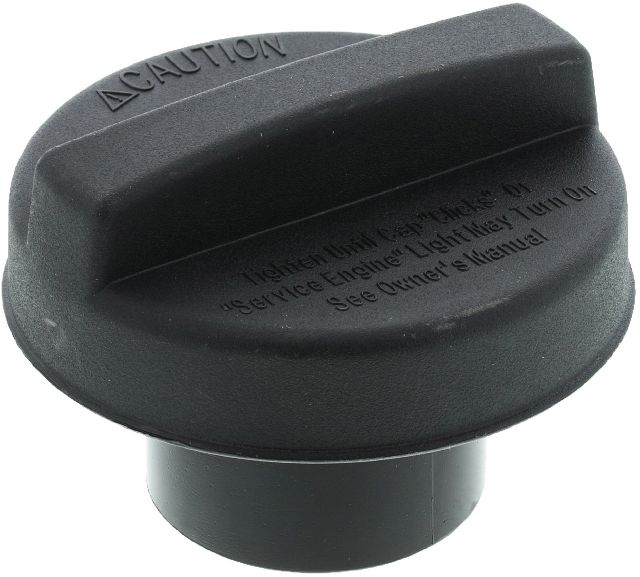
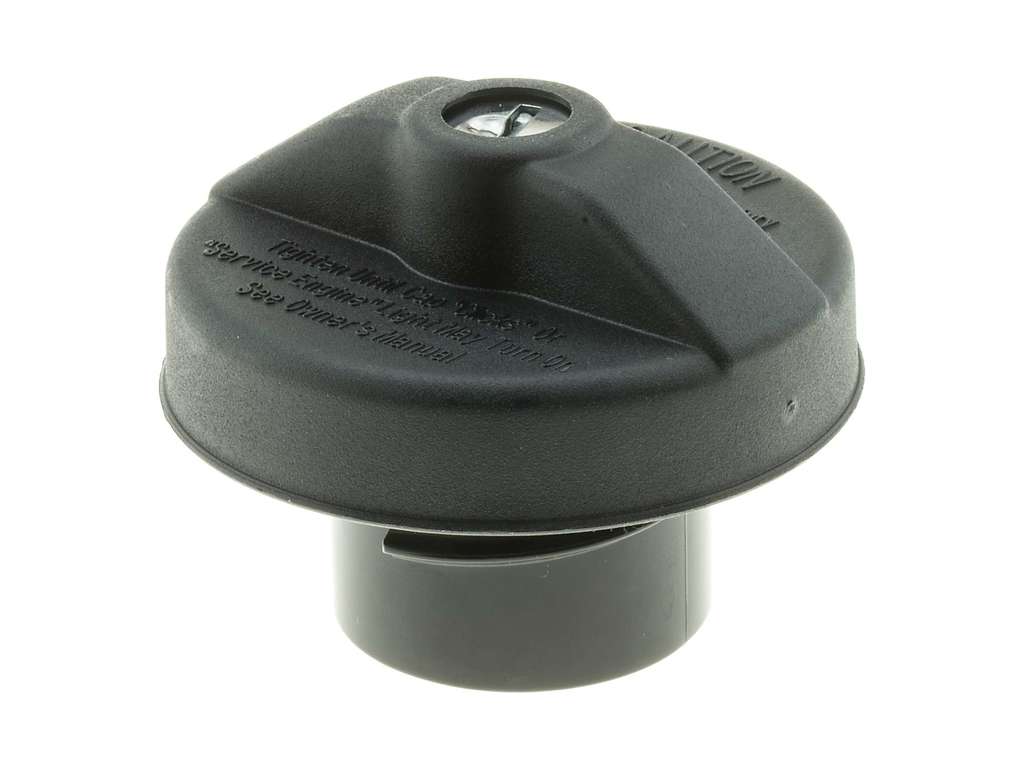
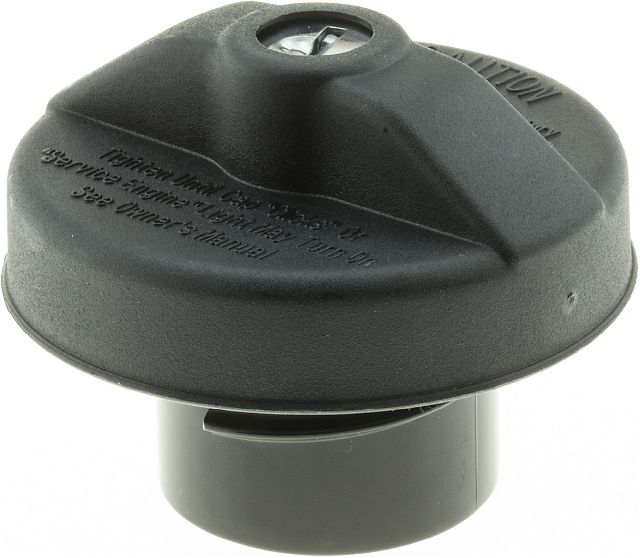
- Loose or Faulty Gas Cap 🔴 High Probability → Shop Fuel Tank Cap This is the most common cause across all vehicles, as the seal can wear out, get dirty, or the cap can simply be left loose after refueling. Aftermarket gas caps are a frequent source of sealing problems, as noted by owners on forums.
How to confirm: Ensure the cap is tightened until it clicks multiple times. Remove the cap and inspect the rubber O-ring for cracks, stiffness, or debris. Also, wipe the fuel filler neck's sealing surface clean.
Typical fix: Tighten the cap. If the seal is damaged or the cap is an aftermarket model, replace it with a genuine OEM Hyundai gas cap (P/N: 31010-3L600).
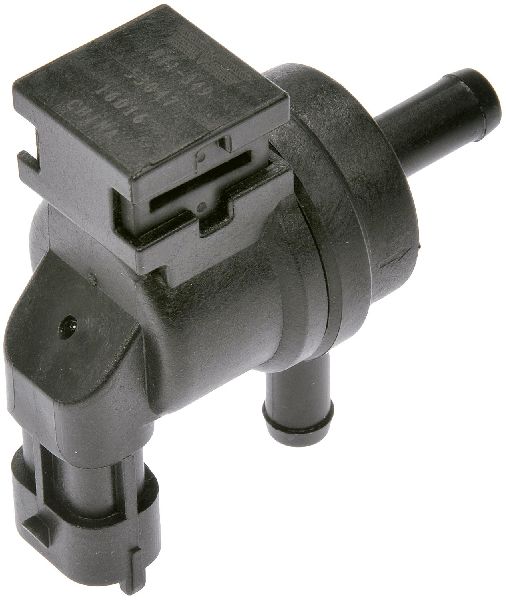
Est. part cost: $20-$35 - Faulty Canister Purge Valve (Purge Solenoid) 🟡 Medium Probability → Shop Vapor Canister This valve is located in the hot engine bay and cycles thousands of times, leading to eventual failure where it can stick slightly open, creating a small leak. This is a very common failure part on many Hyundai models.
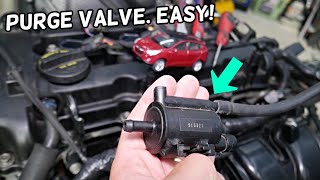
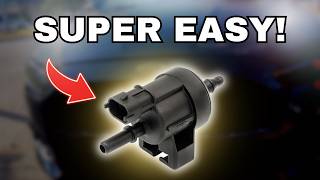
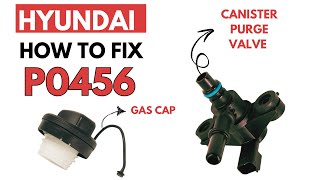
How to confirm: Locate the valve in the engine bay, typically on or near the intake manifold. 🎬 Watch: See the exact location and how to replace the valve. Disconnect it and try to blow through it. If any air passes through, the valve is stuck open and faulty. You can also test it with the engine running by placing a finger on the vacuum port; if you feel suction, it's stuck open.
Typical fix: Replace the canister purge valve. This is generally a straightforward DIY job involving disconnecting two hoses and an electrical connector.
Est. part cost: $30-$60 - Faulty Canister Close Valve (CCV) / NVLD Unit 🟡 Medium Probability → Shop Vapor Canister Located near the charcoal canister at the rear of the vehicle, this valve is exposed to road debris. It can get stuck open or its internal diaphragm can fail, preventing the system from sealing for its self-test. On related models like the Sonata Hybrid, this part is known to fail due to contamination from road salt.
How to confirm: This is more difficult to confirm without a capable scan tool to command the valve closed or by performing a smoke test. A visual inspection may reveal cracks in the housing or damaged wiring. You may hear a 'click' when commanding it with a scan tool, which usually indicates it is working.
Typical fix: Replace the canister close valve/NVLD assembly. This is located near the fuel tank and may require removing the driver's side rear wheel and wheel well liner for access.
Est. part cost: $50-$150 - Cracked or Disconnected EVAP Hose ⚪ Low Probability Over time, rubber hoses in the engine bay and underneath the car can become brittle from heat and age, developing small cracks that are just large enough to cause a P0456 code.
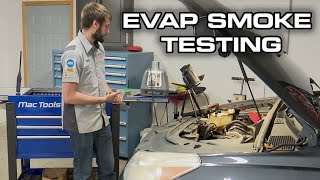
How to confirm: A visual inspection may reveal obvious cracks, but the most effective method is to have a smoke test performed. This involves injecting harmless, visible vapor into the EVAP system to see where it escapes.
Typical fix: Replace the cracked section of hose. Ensure the replacement hose is rated for fuel vapor.
Est. part cost: $10-$40
Rare But Worth Checking
- Faulty Fuel Tank Pressure Sensor: → Shop Fuel Tank This sensor tells the computer the pressure in the EVAP system. If it gives a false reading, the computer may think there's a leak when there isn't one. It's less common than a valve or hose failure but should be considered if other parts have been replaced without success.
- Cracked Charcoal Canister: → Shop Vapor Canister The plastic housing of the charcoal canister can develop hairline cracks from age or impact from road debris, creating a leak. This is usually found during a smoke test.
- Pinhole Leak in Fuel Filler Neck: → Shop Fuel Filler Neck Repeated impacts from gas pump nozzles over the years can cause a tiny, hard-to-find pinhole leak in the metal fuel filler neck. This often won't show up in a standard smoke test unless the area is specifically targeted.
Diagnosis Steps
- Read the code with an OBD-II scanner to confirm P0456 is the only code present.
- Inspect the gas cap. Remove it, check the seal for damage, and clean the filler neck. Reinstall it and ensure it clicks several times.
- Clear the code with the scanner. Drive the vehicle for a few days to see if the Check Engine Light returns. The EVAP monitor needs specific conditions to run its test, so the light may not come back on immediately.
- If the light returns, consider replacing the gas cap with a genuine OEM part (31010-3L600) as it's an inexpensive and very common culprit.
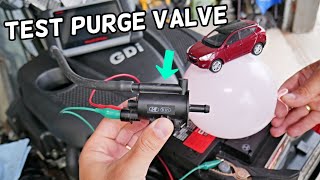
- If the code persists, locate the canister purge valve in the engine bay. Visually inspect its hoses for cracks. Test the valve by removing it and attempting to blow through it; it should be sealed shut.
- If the purge valve and gas cap are confirmed good, the next step is a professional smoke test. This is the most reliable way to find the exact location of a small leak in any of the system's hoses or components like the canister close valve or charcoal canister.
- Based on the smoke test results, replace the leaking component. If no leak is found, investigate the canister close valve (NVLD) or consider the possibility of a dealer software update, as mentioned by some owners.
Parts You'll Likely Need
- Fuel Cap
(OEM #31010-3L600)— This is the most frequent cause of P0456 due to a worn, dirty, or improperly installed seal. Using an OEM cap is critical as aftermarket versions often fail to seal correctly, a common complaint in owner forums.
Trusted brands: Hyundai (OEM)
OEM price range: $25-$35
Aftermarket price range: $15-$25 - Canister Purge Valve / Solenoid
(OEM #28910-2E000)— A very common failure point on Hyundai vehicles that causes a small leak when it sticks open. It's an easy DIY replacement located in the engine bay. This part fits the 2.0L engine found in many Tucson models.
Trusted brands: Hyundai (OEM), Dorman, Standard Motor Products, Carquest
OEM price range: $30-$60
Aftermarket price range: $25-$50 - Canister Close Valve (CCV) / NVLD Assembly
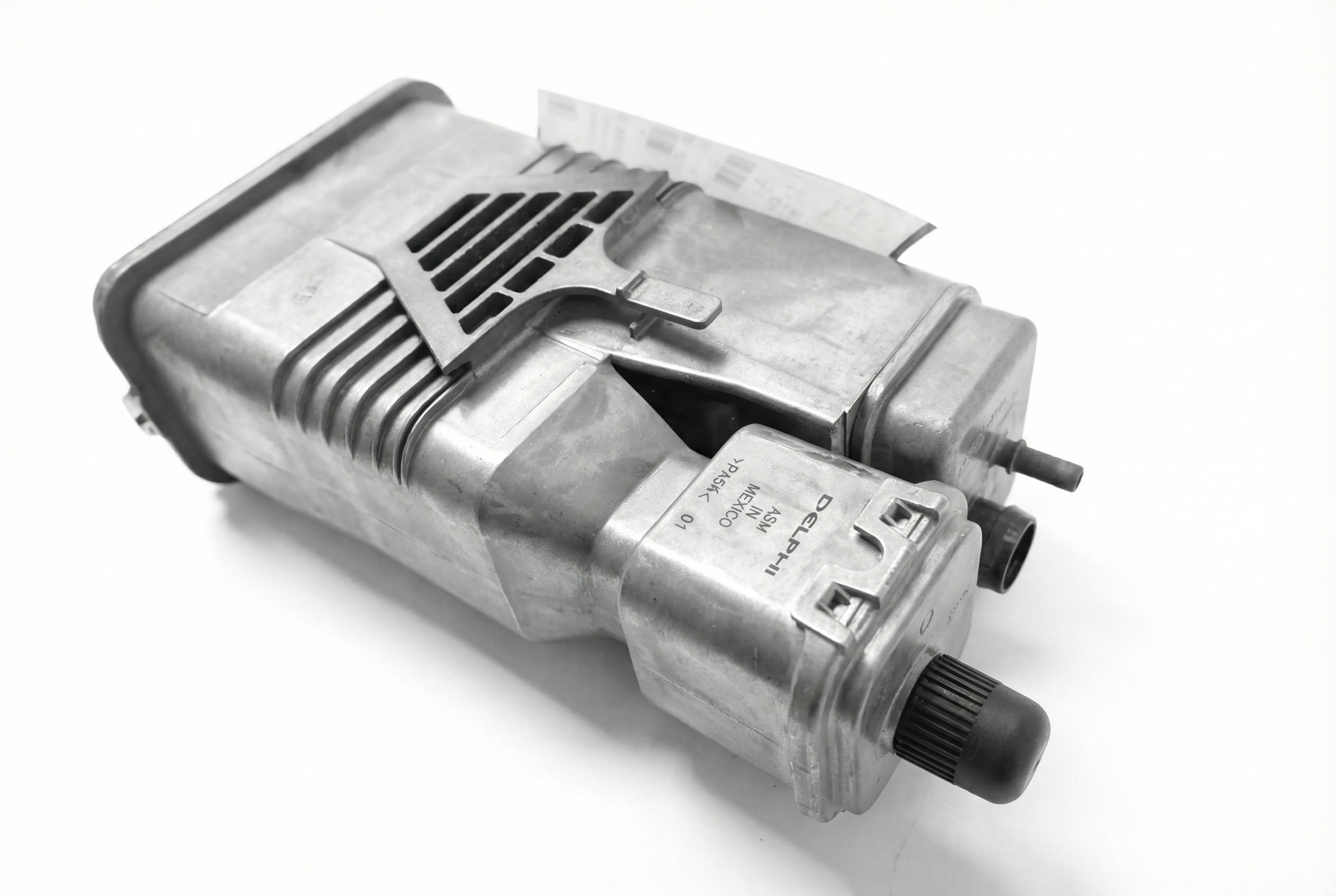
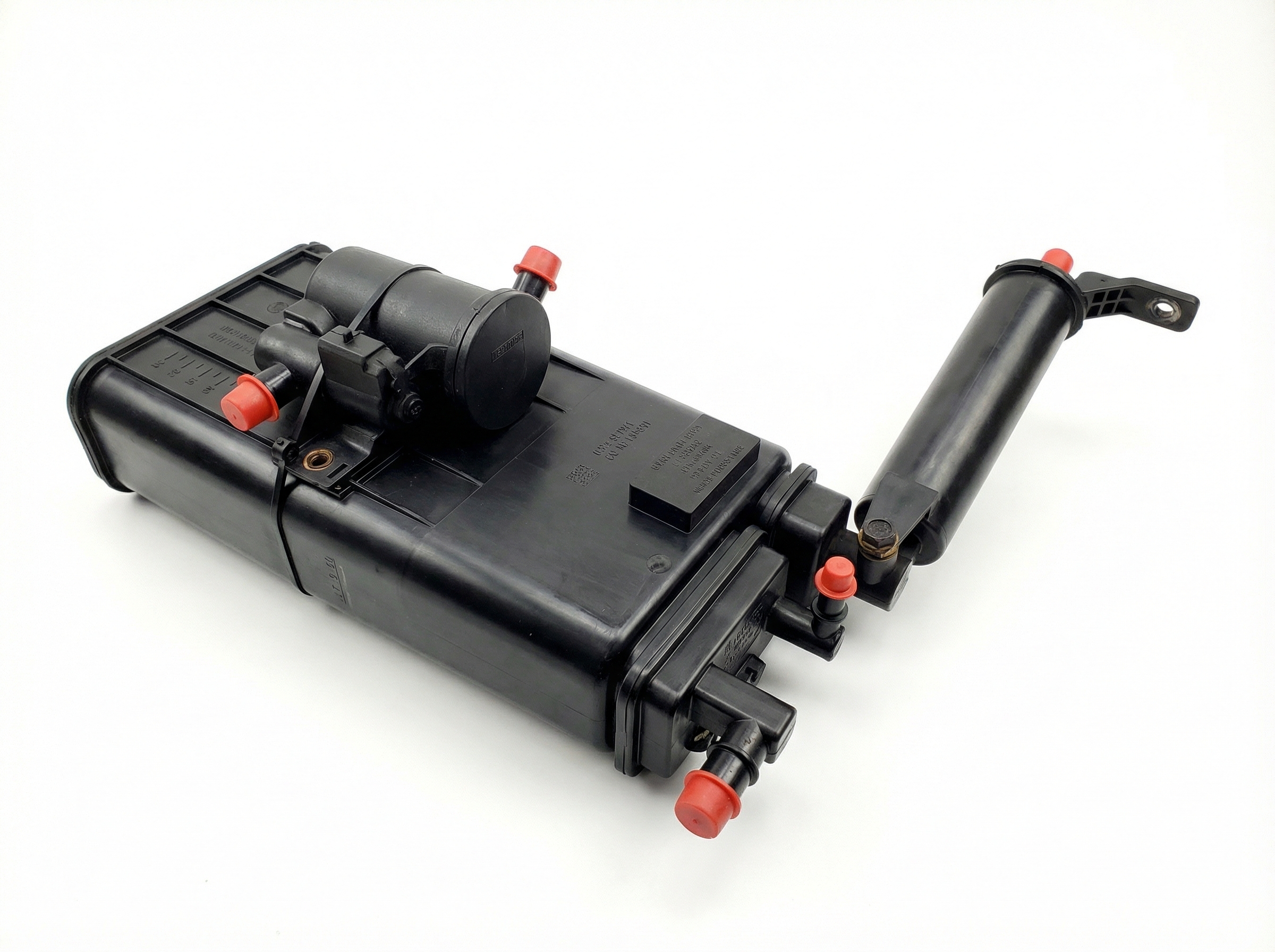
(OEM #31420-D3500)— This part, which includes the charcoal canister and close valve, is another potential failure point. It's located at the rear of the car and can get stuck or clogged, preventing the EVAP system from sealing. The part number listed is for the entire canister assembly.
Trusted brands: Hyundai (OEM), Bosch
OEM price range: $280-$350
Aftermarket price range: $150-$250
Technical Service Bulletins (TSBs) & Recalls
- 19-01-030H (for Hyundai Ioniq): Describes P0456 caused by salt particulate clogging the NVLD unit, requiring a new air filter kit and possible NVLD. This condition primarily occurs in California coastal areas subject to marine layer clouds.
- 20-FL-003H (for Hyundai Sonata Hybrid): A more detailed TSB describing the same NVLD failure from salt particulate contamination, with specific part numbers for the fix.
- 20-01-005H (for Hyundai Sonata 1.6T): Details an ECM software update to revise the logic for detecting P0456, suggesting some triggers may be erroneous without a physical leak.
- TSB Bulletin #22-FL-006H: Outlines a procedure to update the ECU and TCU for vehicles experiencing DTC P0456 or P013E (O2 Sensor Delayed Response).
- TSB Bulletin #20-FL-002H: Provides instructions to install an Air Filter Kit and a Natural Vacuum Leak Detection system to address P0456 on certain hybrid models.
- TSB Bulletin #Campaign T4C Dea: Describes a service campaign to install a new Air Filter Kit with an updated filter to help prevent DTC P0456.
- TSB Bulletin #Campaign T5A Dea: Relates to an ECM software update to revise the logic for DTC P0456 and P030X (misfire) detection.
Platform-Specific Known Issues
- A Technical Service Bulletin (TSB 20-FL-003H) for the related Hyundai Sonata Hybrid notes that salt particulates in coastal areas can enter the EVAP system and cause the Natural Vacuum Leak Detection (NVLD) unit to fail, triggering code P0456. The fix is an updated air filter kit and a new NVLD. This issue may also affect the Tucson due to similar system design.
- Some owners on forums have reported that a software update from the dealer was required to fix false P0456 codes. One technician on Reddit mentioned, 'Take it to the dealer for the TSB on this exact code, it'll give false readings but the software upgrade will correct this fault, I update these Tucsons with this issue all the time.' TSB 20-01-005H for the 2020 Sonata confirms such an update exists to revise the P0456 detection logic, suggesting similar updates may be available for the Tucson.
Mechanic-Grade Diagnostic Values
- Canister Purge Valve (Solenoid) Resistance — expected: 18.9 to 22.5 Ohms. Failure: A reading outside this range indicates a faulty solenoid coil.
- Canister Close Valve (Solenoid) Resistance — expected: 19.8 to 22.5 Ohms. Failure: A reading outside this range suggests the close valve's solenoid coil is bad.
Scan Tool Commands That Help
- Hyundai GDS (Global Diagnostic System) or equivalent professional scan tool: Actuation Test: Canister Shut Off Valve (Canister Close Valve) — This command is used to manually close the vent valve at the rear of the vehicle. A technician can listen for an audible 'click' to confirm the solenoid is activating. This is a primary step before a smoke test to ensure the system can be sealed for the test.
- Hyundai GDS (Global Diagnostic System) or equivalent professional scan tool: Actuation Test: Canister Purge Valve — This command manually opens and closes the purge valve in the engine bay. While performing a smoke test, a technician can command the valve open to verify that smoke flows from the EVAP system into the engine's intake, confirming the valve's operation and the line's integrity.
- Hyundai GDS (Global Diagnostic System): Vehicle S/W Management - Resetting Adaptive Values — After replacing an EVAP component or performing a software update, this function can be used to reset the Engine Control Module's learned adaptations, which may help the system relearn parameters faster and prevent the code from returning due to old data.
Wiring & Ground Locations
- Canister Purge Valve Connector — In the engine bay, on the engine near the intake manifold. For the 2.4L GDI, it's on the right side of the cylinder head (when facing the engine).. The connector has two wires (e.g., yellow with black tracer and a white wire on a 2018 model) that supply power and ground to the valve. Checking for voltage here with the key on is a key step in diagnosing a non-responsive valve.
- EVAP System Wiring Diagrams — Available through dealer resources or online repositories.. For a 2017 Tucson, specific wiring diagrams are needed to trace circuits for the purge valve, close valve, and pressure sensor to check for breaks or shorts that could mimic a component failure.
Real Owner Repair Stories
- Reddit user in /r/MechanicAdvice (2017 Hyundai Tucson, 115k miles) — Check engine light with code P0456.
❌ Tried (didn't work) The user first suspected an aftermarket gas cap they bought on Amazon after losing the original.
✅ What actually fixed it The user later confirmed in a comment that the final fix was replacing the EVAP purge valve. After replacement, the check engine light turned off on its own and did not return. - YouTube video by 'Fix It All' (Vehicle not specified, but a common P0456 repair story applicable to the Tucson.) — Check engine light with code P0456.
❌ Tried (didn't work) Checking the gas cap.
✅ What actually fixed it The canister purge valve was replaced. The part cost less than $25 from Rock Auto, took 5 minutes to replace, and the code did not return after 1,000 miles of driving.
Diagnostic Flowchart
Other Known Issues on This Vehicle
Issues unrelated to this code that are worth knowing about as an owner of this generation:
- Theta II Engine Failure (2.0L & 2.4L GDI) 🔴 High — Widespread issue leading to a class-action lawsuit and recalls. Problems like engine knocking, excessive oil consumption, and catastrophic failure can occur, sometimes before 100,000 miles. (Ref: Multiple recalls (e.g., NHTSA 21V-137) and a lifetime warranty extension for the engine block for certain vehicles after a Knock Sensor Detection System (KSDS) software update is performed.)
- Dual-Clutch Transmission (DCT) Hesitation (1.6L Turbo) 🟠 Medium — Common on 2016-2018 models with the 1.6T engine. Owners report significant hesitation, shuddering, or a complete lack of acceleration from a stop. (Ref: Hyundai issued recalls (e.g., NHTSA 16V-628) and TSBs (e.g., 16-01-058) to update the Transmission Control Module (TCM) software to address the issue.)
- Excessive Oil Consumption 🟠 Medium — Affects multiple Hyundai engines, including those in the Tucson. Owners report needing to add oil between changes, which can lead to engine damage if not monitored closely. This is a subject of ongoing class-action lawsuits. (Ref: No specific recall for oil consumption itself, but it is often a symptom related to the larger Theta II engine issues. Dealers may perform consumption tests.)
Used vs. New Parts: Buying Guide for This Vehicle
When a used part is the smart pick: For this repair, using used parts is generally not recommended for the valves and sensors. However, a used fuel filler neck or charcoal canister assembly from a low-mileage, non-corroded donor vehicle can be a cost-effective option if a smoke test confirms a crack in these larger components.
Donor-vehicle mileage cap: roughly under 60000 miles for the part to have meaningful remaining life.
What to inspect on the donor part:
- For a charcoal canister, ensure there are no visible cracks or signs of impact on the plastic housing.
- Check that all hose connection nipples are intact and not brittle.
- Avoid parts from vehicles located in the salt belt, as corrosion can damage integrated components like the canister close valve.
- Verify the part number on the used component matches the required part for your specific vehicle year and engine.
OEM-only on this vehicle (don't cheap out):
- Fuel Cap: Aftermarket gas caps are a notorious cause of P0456 codes due to poor sealing. Always use a genuine Hyundai OEM cap for this replacement.
- Canister Purge Valve: While some aftermarket brands work, the OEM part is relatively inexpensive and has the highest compatibility and longevity record.
Brands owners have reported issues with on this vehicle:
- Unbranded/generic gas caps from online marketplaces.
- Some users have reported mixed results with certain Dorman purge valves, though they are a common aftermarket choice.
Real Owner Stories
Aggregated from forums and TSBs cited above. Mileages and costs reflect what owners reported in those sources.
2020 Hyundai Tucson
Symptoms: The Check Engine Light was giving false readings for a very small EVAP leak.
What fixed it: A dealer software upgrade to correct the fault logic as per the TSB for this exact code.
Source hint: Reddit r/MechanicAdvice thread titled 'P0456 evap leak very small'
2017 Hyundai Tucson
Symptoms: Check Engine Light on with code P0456; owner noted the vehicle has the DCT transmission.
What fixed it: Professional diagnosis suggested a smoke test to find the leak, often leading to the replacement of the gas cap or purge valve.
Source hint: https://community.cartalk.com/t/2017-hyundai-tucson-dct/121015
2016-2021 Hyundai Tucson (Coastal Region)
Symptoms: P0456 code triggered by environmental contamination.
What fixed it: Installation of an updated air filter kit and a new Natural Vacuum Leak Detection (NVLD) unit to prevent salt particulate intrusion.
Source hint: TSB 20-FL-003H / TSB 19-01-030H
Related OBD-II Codes
Frequently Asked Questions
Could a software update fix the P0456 code on my 2016-2021 Hyundai Tucson?
What is the specific OEM part number for a replacement gas cap for my Tucson?
Is it true that road salt can cause EVAP system failures on this model?
Where is the canister purge valve located on the 2016-2021 Tucson?
Why does the gas pump nozzle keep clicking off when I try to refuel my Tucson?
Does the 2016-2021 Tucson share EVAP components with any other vehicles?
Helpful Videos
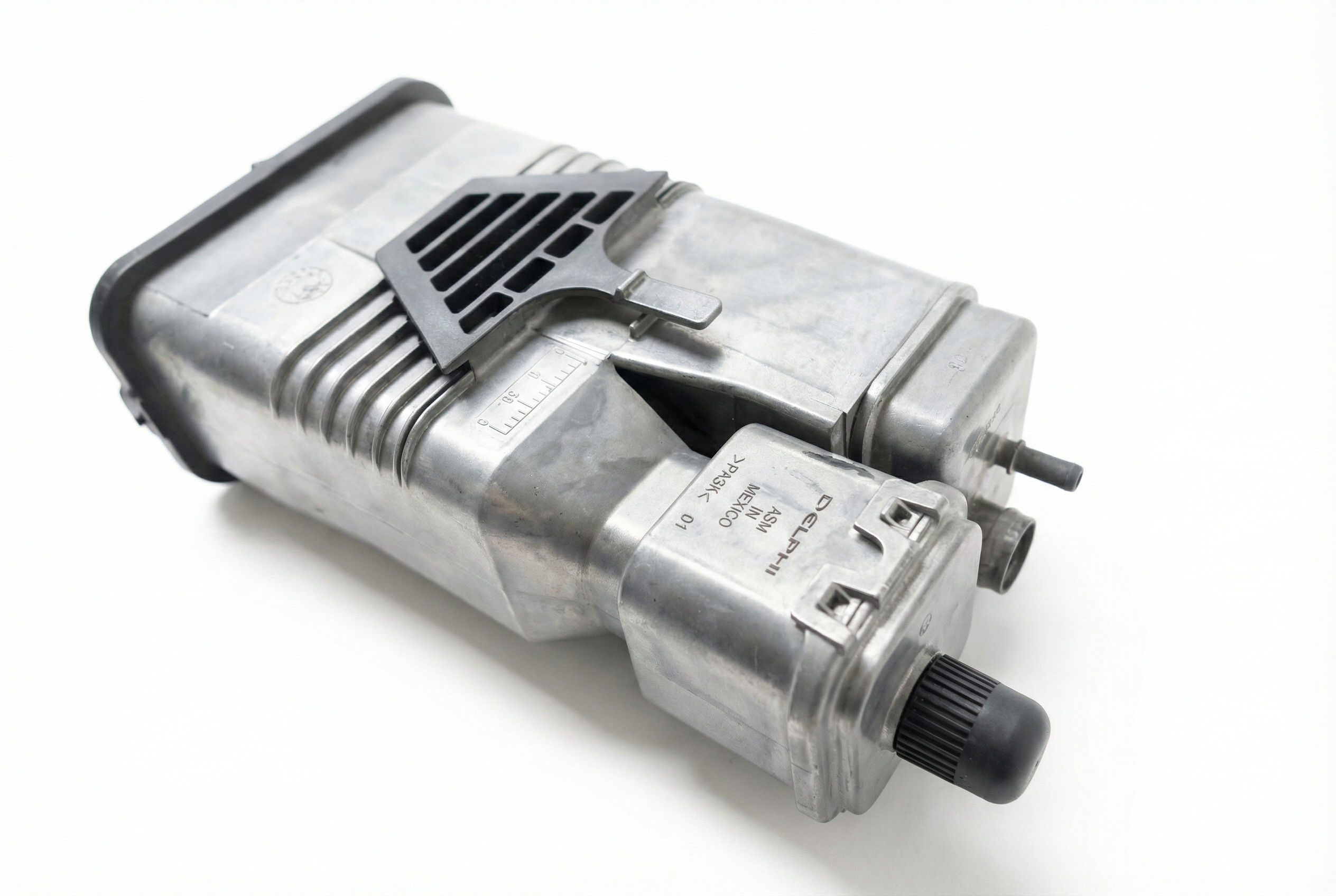
Used OEM Parts in Stock
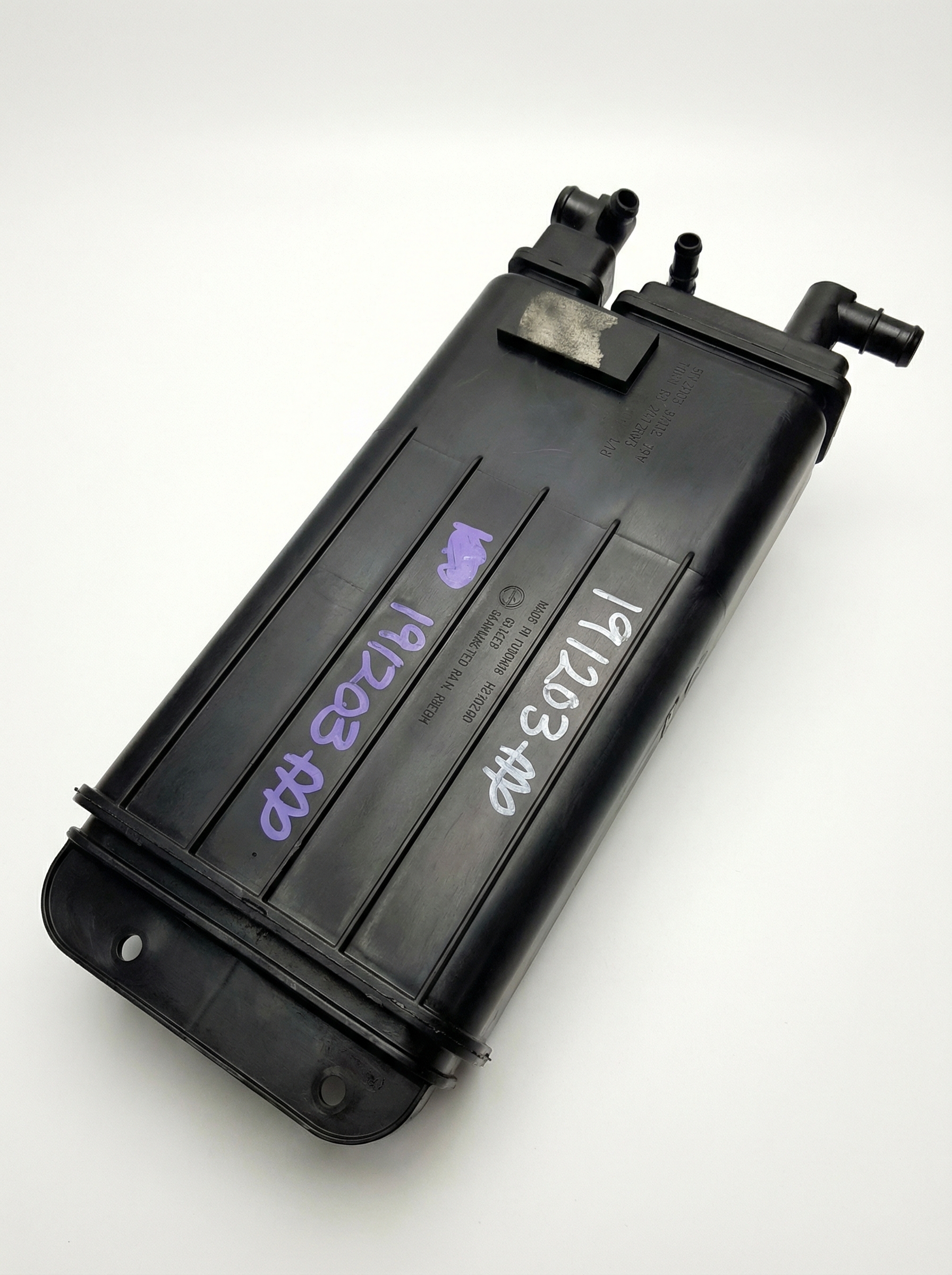
New Aftermarket Parts Available


The information in this article is provided for general reference and educational purposes only. Vehicle specifications, procedures, and part compatibility can vary by production date, trim level, and region. Always consult your vehicle's factory service manual and verify part numbers before purchasing or performing repairs. Safety-critical components such as airbags, seat belts, and braking systems should be installed by a qualified professional.
- Hyundai Tucson:
- 🧭 Diagnostic Flowchart
- 🎬 Helpful Videos
- 🛍️ Shop This Part
- What's Unique About the 2016-2021 Hyundai Tucson
- Symptoms You May Notice
- Most Likely Causes
- Rare But Worth Checking
- Diagnosis Steps
- Parts You'll Likely Need
- Technical Service Bulletins (TSBs) & Recalls
- Platform-Specific Known Issues
- Mechanic-Grade Diagnostic Values
- Scan Tool Commands That Help
- Wiring & Ground Locations
- Real Owner Repair Stories
- Other Known Issues on This Vehicle
- Used vs. New Parts: Buying Guide for This Vehicle
- Real Owner Stories
- 2020 Hyundai Tucson
- 2017 Hyundai Tucson
- 2016-2021 Hyundai Tucson (Coastal Region)
- Related OBD-II Codes
- Frequently Asked Questions
- 🎟️ Get 5% Off