

P0456 on 2011-2012 Infiniti G25: EVAP Very Small Leak Causes and Fixes
For a 2011-2012 Infiniti G25, code P0456 is most often caused by a loose gas cap or a failed O-ring on the EVAP vent control valve. Always check the gas cap first. If the light returns, the next most likely cause is the vent control valve assembly, a known issue covered by Infiniti Technical Service Bulletins (TSBs). Later TSBs recommend replacing the entire valve, not just the O-ring.
- P0456 on a 2011-2012 G25 indicates a very small leak in the emissions system.
- Always check that the gas cap is tight and its seal is intact before attempting any other repairs. Use an OEM replacement if needed.
- Due to specific Infiniti TSBs, the most likely cause after the gas cap is a faulty EVAP vent control valve assembly, located at the rear of the car on the charcoal canister.
- The vehicle is safe to drive with this code, but it will not pass an emissions inspection.
- A smoke test is the most effective way for a mechanic (or a well-equipped DIYer) to find the exact source of the leak if it's not the gas cap.
What's Unique About the 2011-2012 Infiniti G25
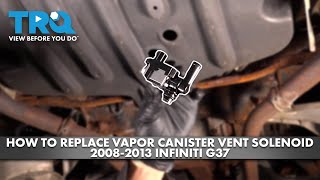
What makes the Infiniti G25 and related V36 platform models (like the G37 and Nissan 370Z) unique regarding P0456 is a well-documented weakness in the EVAP vent control valve's O-ring. Infiniti has issued multiple Technical Service Bulletins (TSBs) specifically identifying this O-ring as the primary culprit for this code after ruling out the gas cap. While earlier TSBs (like ITB17-042b) advised replacing just the O-ring, later revisions (like ITB17-042D, provided in the prompt) recommend replacing the entire vent control valve assembly 🎬 Watch: Step-by-step guide to replacing the vent control valve., as the O-ring is often no longer sold separately by the dealer.
Diagnostic Flowchart
Tap your situation to follow the diagnostic path that matches what you're seeing on this vehicle.
Symptoms You May Notice
- Check Engine Light is on
- A 'Loose Fuel Cap' message may appear on the dash
- A faint fuel smell (in rare cases, often near the rear of the vehicle).
- No longer hearing a 'hiss' sound when opening the gas cap after the car has been sitting.
- Replacing the purge valve in the engine bay before checking the gas cap and the rear vent control valve, which are far more common failure points for this specific code on a G25.
- Replacing the entire charcoal canister when only the vent control valve or its O-ring is bad.
- Assuming a smoke test that shows no leaks is definitive. One owner reported a shop's smoke test missed the leak, which was later found to be a bad vent valve.
Most Likely Causes
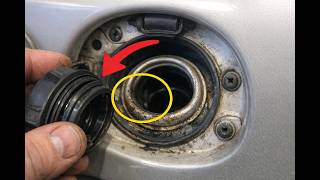
- Loose or Faulty Gas Cap 🔴 High Probability → Shop Fuel Tank Cap This is the most common cause on any vehicle. The rubber seal on the cap can degrade over time, or the cap may not have been tightened properly after refueling. It is the first recommended check in numerous owner forums.
How to confirm: Ensure the gas cap is tightened until it clicks at least once. Inspect the rubber gasket on the cap for cracks, stiffness, or damage. If it looks worn, it's a likely suspect. If the code returns after tightening, the cap seal is likely faulty.
Typical fix: Replace the gas cap. It is highly recommended to use an OEM (Original Equipment Manufacturer) cap, as aftermarket caps can sometimes have sealing issues and cause the code to return.
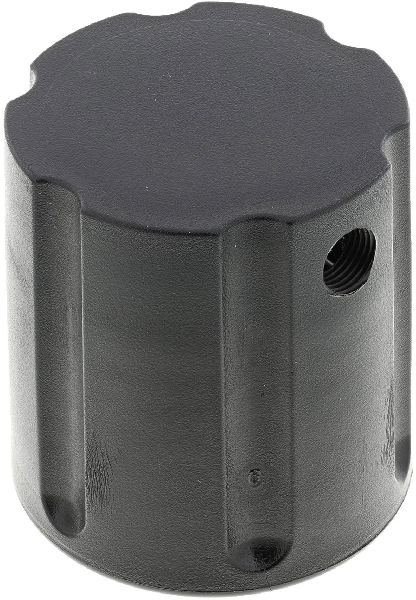
Est. part cost: $25-$40 - Failed EVAP Vent Control Valve or O-Ring 🔴 High Probability → Shop Vapor Canister Vent Valve Infiniti has issued multiple TSBs (including ITB17-042E, ITB17-042D) that directly name the O-ring for the vent control valve as a primary failure point for the P0456 code on the G25. The O-ring dries out and cracks, causing a small leak where the valve mounts to the charcoal canister. This is a very common failure on the V36 platform.
How to confirm: After confirming the gas cap is good, this is the next logical part to inspect. A smoke test is the definitive way to confirm the leak is at the valve's seal. The valve is located near the EVAP canister at the rear of the vehicle, typically mounted directly to the canister itself. Visually inspect the valve and its mounting point for any signs of cracking or damage.
Typical fix: Replace the EVAP vent control valve assembly. While older service bulletins (pre-2021) suggested replacing only the O-ring (Part #16618-JF00A), updated guidance from Infiniti TSB ITB17-042D recommends replacing the entire valve, noting the O-ring was no longer available as a separate service part. Ensure the mounting surface on the canister is clean before installing the new valve.
Est. part cost: $65-$120 - Cracked or Disconnected EVAP Hose ⚪ Low Probability Hoses can become brittle and crack over time due to heat and exposure to the elements. This is a general vehicle issue, not specific to the G25. A user on MyG37.com found a rusted fuel vent return line near the filler neck was the cause.
How to confirm: Visually inspect all accessible EVAP lines running from the fuel tank, to the charcoal canister, and to the purge valve in the engine bay. A smoke test will quickly reveal any cracks or disconnections. Pay close attention to the fuel filler neck area for rusted lines.
Typical fix: Replace the cracked section of hose. In some cases, a specific line may be discontinued, requiring a custom fix with fuel-rated hose.
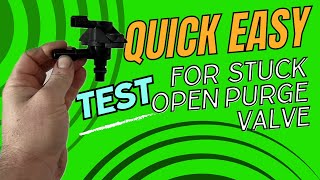
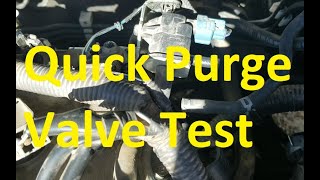
Est. part cost: $10-$50 - Faulty EVAP Canister Purge Valve ⚪ Low Probability → Shop Vapor Canister This valve, located in the engine bay, can sometimes get stuck partially open, creating a leak. While less common than the vent valve issue for this specific code, it's still a possibility.
How to confirm: The purge valve is normally closed. With the engine off, disconnect the valve and try to blow through it. If air passes through, the valve is stuck open and needs to be replaced. You can also check for vacuum at the hose while the engine is running; there should not be constant vacuum.
Typical fix: Replace the purge valve solenoid.
Est. part cost: $50-$100
Rare But Worth Checking
- Cracked EVAP Charcoal Canister: → Shop Vapor Canister The plastic housing of the canister itself can develop hairline cracks from age or impact from road debris, leading to a small leak. This is usually found only with a smoke test after all other common causes are ruled out.
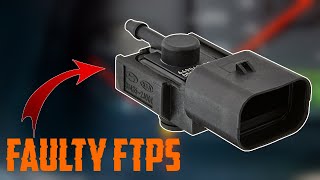
- Faulty Fuel Tank Pressure Sensor: → Shop Fuel Tank The sensor that detects the leak could be faulty, sending incorrect data to the computer. This is rare and usually accompanied by other fault codes. A faulty sensor can cause the computer to think there is a leak when there isn't one.
- Rusted Fuel Filler Neck or Vent Line: → Shop Fuel Filler Neck A less common but documented issue is the metal fuel filler neck or an adjacent vent line rusting through, creating a leak. One owner on MyG37.com reported this as the root cause after replacing other common parts.
Diagnosis Steps
- Read the code with an OBD-II scanner to confirm P0456 is present.
- Inspect the gas cap. Ensure it is tight and clicks when closed. Check the cap's seal for any signs of cracking or wear. If in doubt, replace it with an OEM part, as aftermarket caps are a known source of issues.
- Clear the code and drive the vehicle for a few days to see if the Check Engine Light returns. The EVAP monitor runs under specific conditions (often with the fuel tank between 1/4 and 3/4 full, during a cool-down period), so it may take time.
- If the light returns, perform a thorough visual inspection of all accessible EVAP hoses in the engine bay and under the vehicle for any obvious cracks, disconnections, or damage. Pay special attention to the lines around the fuel filler neck.
- Given the TSBs for this vehicle, the next step is to inspect the EVAP vent control valve, located on the charcoal canister at the rear of the car.
- The most definitive diagnostic method is to perform a smoke test. This involves feeding low-pressure smoke into the EVAP system's service port. Smoke will exit from the location of the leak, making it easy to pinpoint whether it's the vent valve O-ring, a hose, the canister, or the filler neck.
- If no leak is found with a smoke test, test the purge valve in the engine bay for proper operation (it should be closed with the engine off).
Parts You'll Likely Need
- EVAP Vent Control Valve
(OEM #14935-JF00E)— This is the most common failure point for code P0456 on this vehicle, as identified by multiple Infiniti TSBs. The O-ring seal degrades, or the valve itself fails. This part number has been superseded multiple times; previous versions include 14935-JF00A/B/C/D, and the latest replacement may be 14935-JF02C.
Trusted brands: Hitachi (Often the OEM supplier), Dorman, Standard Motor Products, Genuine Infiniti/Nissan
OEM price range: $80-$120
Aftermarket price range: $65-$100 - Fuel Cap
(OEM #17251-JK60D)— A loose or worn gas cap is the simplest and a very frequent cause of a P0456 code on any car. It is always the first part to check and replace.
Trusted brands: Genuine Infiniti
OEM price range: $25-$40
Aftermarket price range: $15-$30
Technical Service Bulletins (TSBs) & Recalls
- ITB17-042E: "DTC P0456 CAUSED BY EVAP LEAK AT VENT CONTROL VALVE O-RING"
- ITB17-042D: "INFINITI; DTC P0456 CAUSED BY EVAP LEAK AT VENT CONTROL VALVE O-RING" - This revision states the O-ring is no longer a separate service part and to replace the valve assembly.
- ITB13-044J: "EVAP LEAK DTC P0442, P0455, P0456 INFORMATION"
- NTB17-082E: The equivalent Nissan TSB for the 370Z, which also points to the vent valve O-ring.
Platform-Specific Known Issues
- Infiniti TSB ITB17-042E and its predecessors specifically call out the 2011-2012 G25 as being prone to code P0456 due to a leak at the vent control valve O-ring.
- Later versions of the TSB, such as ITB17-042D (issued March 2021), updated the repair procedure from replacing just the O-ring to replacing the entire vent control valve assembly, noting the O-ring was no longer available as a separate service part from Infiniti.
- A forum member on MyG37.com with a 2012 G37x (a direct platform mate) discovered their persistent P0456 was caused by a rusted-out fuel vent return line at its holding bracket, just behind the gas filler tube, suggesting a potential corrosion weak point.
Mechanic-Grade Diagnostic Values
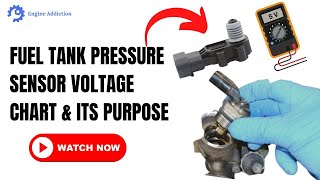
- Fuel Tank Pressure (FTP) Sensor Voltage — expected: Approximately 1.5V with the system at atmospheric pressure (e.g., gas cap off). A normal operating range is generally 0.5V to 4.5V.. Failure: A voltage reading stuck high (near 5V) or low (near 0V) can indicate a faulty sensor or wiring issue.
- EVAP Canister Purge Volume Control Solenoid Valve Resistance — expected: Typically between 15 and 30 ohms for most vehicles.. Failure: A reading far outside this range (open circuit or short) indicates a failed solenoid coil.
Scan Tool Commands That Help
- Infiniti CONSULT-III Plus: EVAP System Leak Check (Active Test) — This is the dealer-level procedure to verify a repair without a smoke machine. The tool commands the vent valve to close, seals the system, and monitors pressure sensor data to confirm the system is holding pressure.
- Infiniti CONSULT-III Plus: Data Monitor — Used to monitor live data from the Fuel Tank Pressure Sensor ('MAS A/F SE-B1' and 'MAS A/F SE-B2' are unrelated A/F sensors, but the same monitor is used for the FTP sensor) to check for correct voltage readings during testing.
Wiring & Ground Locations
- EVAP Canister Purge Volume Control Solenoid Valve — Located at the rear of the engine compartment.. This is the valve in the engine bay. While less likely to be the cause than the rear vent valve for P0456, a fault here (stuck open) can cause a leak. Its location is needed for testing.
- EVAP Vent Control Valve & EVAP control system pressure sensor — Under the vehicle, near or mounted directly on the EVAP canister at the rear of the car.. This is the location of the most common failure point (the vent valve O-ring) according to TSBs. Technicians need to locate this area for smoke testing and replacement.
- BCM (Body Control Module) — Located in the passenger kick panel area.. The BCM is involved in various vehicle functions and can sometimes be related to CAN communication for diagnostic purposes, though it is not a primary component of the EVAP system itself.
- ECM (Engine Control Module) — Located under the right (passenger) side of the dash.. The ECM is the computer that receives data from the EVAP pressure sensor, controls the purge and vent valves, and ultimately triggers the P0456 code.
Real Owner Repair Stories
- MyG37 Forum User (2011 Infiniti G37 Journey Sedan (platform mate)) — P0456 (EVAP very small leak) error code.
❌ Tried (didn't work) Initial diagnosis from a shop suggested the entire EVAP canister was bad.
✅ What actually fixed it The owner replaced the hose clamps on the EVAP canister hoses. This resolved the leak, and the car passed emissions tests for 8 years and 100k miles afterward without the code returning.
OEM Part Supersession History
14935-AM60A→14935-JF00A, 14935-JF00B, 14935-JF00C, 14935-JF00D, 14935-JF00E— Standard part revisions by Nissan/Infiniti to improve reliability or change suppliers.
Heads up: Later part numbers (e.g., 14935-JF00E) are generally backward-compatible and are the recommended replacement for the EVAP Vent Control Valve.
Model Year Variations Within This Range
- 2011-2012: There are no significant documented differences in the EVAP system or the common causes of code P0456 between the 2011 and 2012 Infiniti G25 models. They share the same engine (VQ25HR) and V36 platform architecture.
Helpful Videos
![How to Fix P0456 Engine Code in 3 Minutes [2 DIY Methods / Only $4.44]](https://img.youtube.com/vi/v_QDSjd1-Lw/mqdefault.jpg)
We Have This Part in Stock


The information in this article is provided for general reference and educational purposes only. Vehicle specifications, procedures, and part compatibility can vary by production date, trim level, and region. Always consult your vehicle's factory service manual and verify part numbers before purchasing or performing repairs. Safety-critical components such as airbags, seat belts, and braking systems should be installed by a qualified professional.
- Infiniti G25:
- 🧭 Diagnostic Flowchart
- 🎬 Helpful Videos
- 🛍️ Shop This Part
- What's Unique About the 2011-2012 Infiniti G25
- Symptoms You May Notice
- Most Likely Causes
- Rare But Worth Checking
- Diagnosis Steps
- Parts You'll Likely Need
- Technical Service Bulletins (TSBs) & Recalls
- Platform-Specific Known Issues
- Mechanic-Grade Diagnostic Values
- Scan Tool Commands That Help
- Wiring & Ground Locations
- Real Owner Repair Stories
- OEM Part Supersession History
- Model Year Variations Within This Range
- 🎟️ Get 5% Off