

P0456 on 2015 Infiniti Q40: Causes and Fixes for a Small EVAP Leak
For a 2015 Infiniti Q40, code P0456 is most often caused by a loose gas cap or a failing EVAP vent control valve. Always check the gas cap first. If the light returns, the vent control valve assembly is the next most likely culprit, a known issue documented in Infiniti TSBs. The original valve (14935-JF00E) has been superseded; the current OEM replacement is part number 14935-JF02C. Expect to pay $60-$100 for the OEM valve.
- Always check the gas cap first for code P0456. Ensure it's tight and the seal is not cracked.
- On the 2015 Q40, the most likely cause after the gas cap is a faulty EVAP vent control valve, as confirmed by multiple Infiniti TSBs.
- The official repair from Infiniti is to replace the entire vent control valve assembly (Part No. 14935-JF00E), not just the O-ring.
- A smoke test is the most reliable diagnostic method to confirm the leak's location before buying parts.
- This code does not affect vehicle safety or performance, but it will prevent you from passing an emissions inspection.
What's Unique About the 2015-2015 Infiniti Q40
The 2015 Infiniti Q40 is a rebadged G37 sedan (V36 platform), and it shares a well-documented issue with many other Infiniti and Nissan models of the era. Infiniti issued a series of Technical Service Bulletins (TSBs) that specifically point to the O-ring on the EVAP canister vent control valve as the primary cause for code P0456. Early bulletins (like ITB17-042a/b) instructed technicians to replace only the O-ring. However, later versions (ITB17-042D/E) updated the procedure to replace the entire vent control valve assembly, making the diagnosis more direct than on other vehicles where the cause might be less obvious.
Diagnostic Flowchart
Tap your situation to follow the diagnostic path that matches what you're seeing on this vehicle.
Symptoms You May Notice
- Check Engine Light is on
- A 'Loose Fuel Cap' message may appear on the dash
- A faint fuel smell (in rare cases, potentially indicating a more significant leak or a different issue)
- No hiss sound when opening the gas cap after the car has been sitting (as reported by some owners, indicating the system is not holding pressure)
- Replacing the charcoal canister when only the vent control valve is bad. The TSBs make it clear the valve/O-ring is the common failure point, not the entire canister.
- Replacing parts without performing a smoke test. Owners have reported replacing the cap, purge valve, and vent valve only to have the code return because the leak was in a hose or the filler neck.
Most Likely Causes
- Loose or Faulty Gas Cap 🔴 High Probability → Shop Fuel Tank Cap This is the most common cause for P0456 on any vehicle. The cap's seal can wear out, or it may not have been tightened properly after refueling. Using a non-OEM cap can also lead to sealing issues.
How to confirm: Ensure the gas cap is tightened until it clicks at least once. Inspect the rubber seal on the cap for cracks or damage. If the seal is worn, replace the cap. Using an OEM replacement is highly recommended.
Typical fix: Tighten or replace the fuel cap.
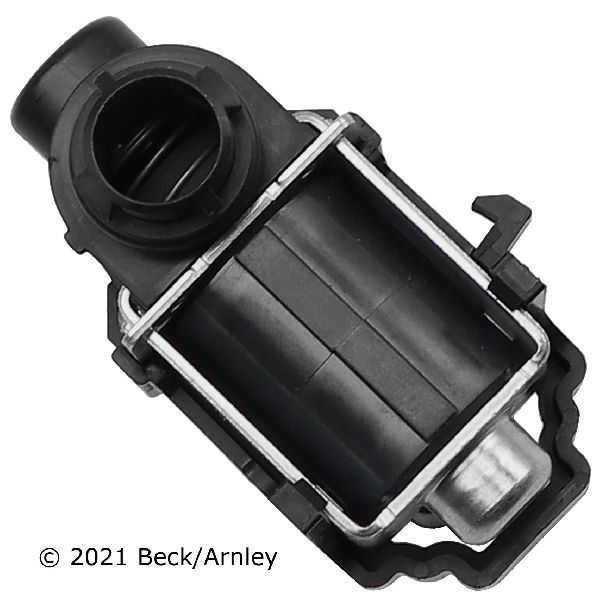
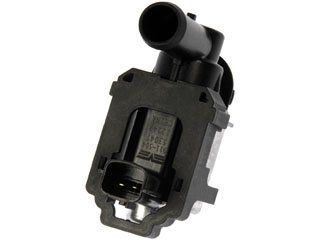
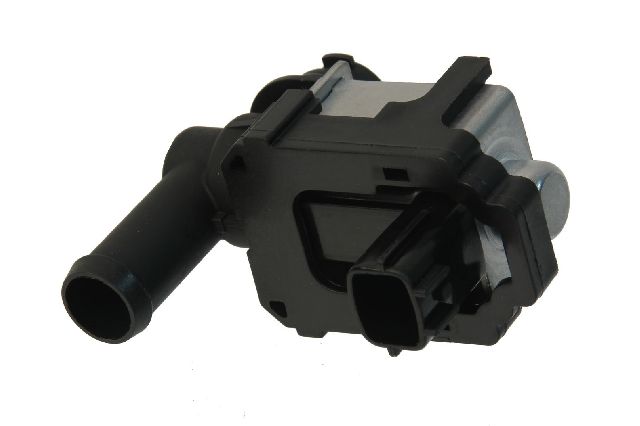
Est. part cost: $20-$45 - Failing EVAP Canister Vent Control Valve 🔴 High Probability → Shop Vapor Canister Vent Valve Infiniti TSBs (e.g., ITB17-042E) specifically identify a leak at the vent control valve's O-ring as the cause for P0456 on the V36 platform. The rubber O-ring degrades over time, causing a leak. The official repair was updated from replacing just the O-ring to replacing the entire valve assembly, as the O-ring is often no longer sold separately.
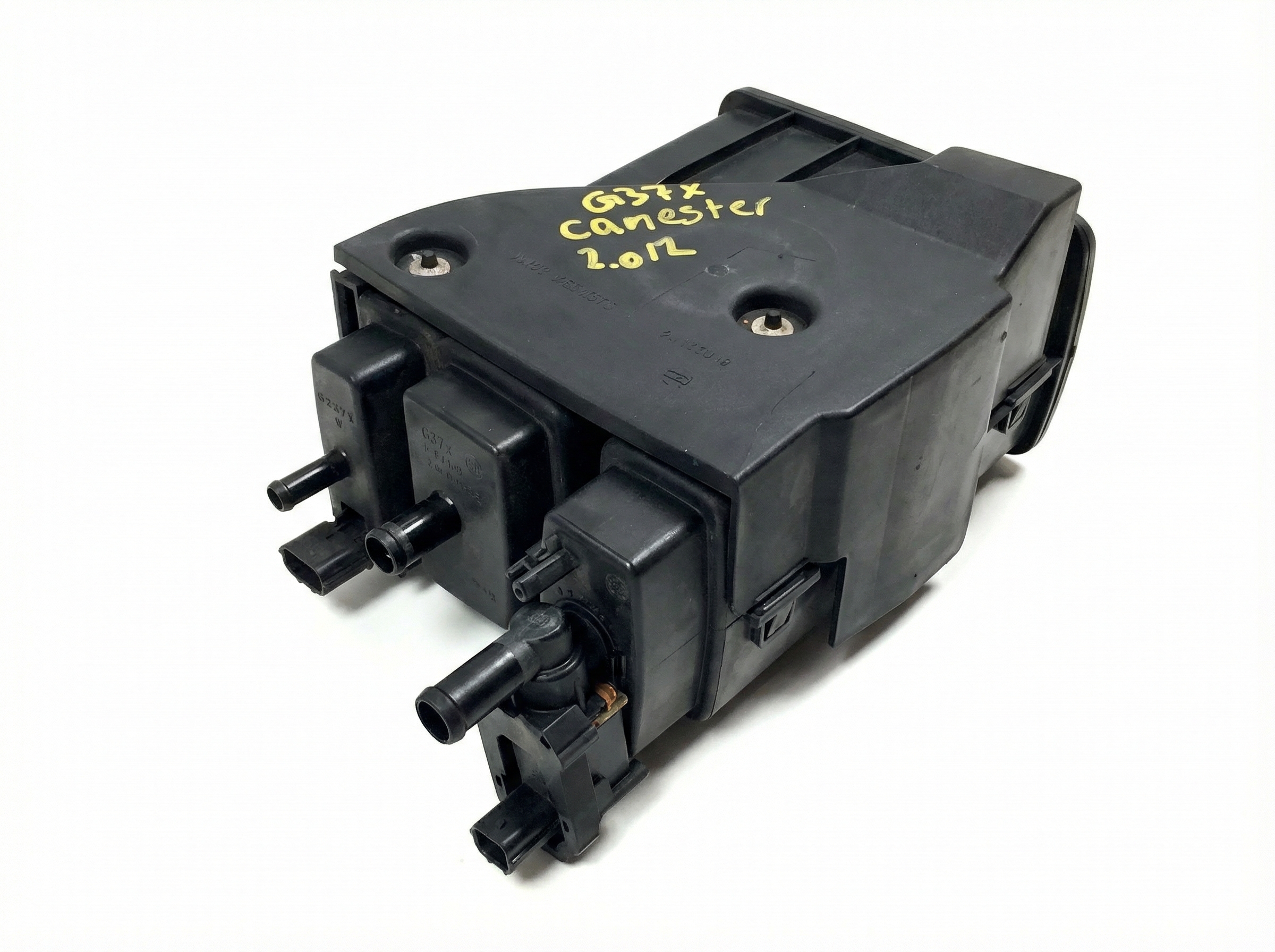
How to confirm: After ruling out the gas cap, a smoke test is the best method. A technician will introduce smoke into the EVAP system and look for it leaking from the vent control valve, which is mounted on the charcoal canister at the rear of the vehicle, under the bumper area. The valve can also be tested by applying 12V power; it should click closed and prevent air from being blown through it.
Typical fix: Replace the EVAP canister vent control valve assembly. The current part number is a superseded version.
Est. part cost: $60-$110 - Cracked or Disconnected EVAP Hose 🟡 Medium Probability Rubber hoses can become brittle and crack over time due to age and exposure to the elements. A small crack in any of the system's many hoses can cause this code.
How to confirm: A visual inspection may reveal an obviously disconnected or cracked hose. A smoke test is the most reliable way to find a small, hard-to-see leak in a hose.
Typical fix: Replace the cracked section of hose or reconnect it if it has come loose.
Est. part cost: $10-$50 - Faulty EVAP Canister Purge Valve ⚪ Low Probability → Shop Vapor Canister This valve, located in the engine bay, can fail by sticking slightly open, creating a leak path that the system detects during its self-test. It is a less common cause than the rear vent valve for this specific code on this platform.
How to confirm: With the engine off, apply vacuum to the valve; it should hold. When voltage is applied, the valve should open and release the vacuum. A simpler test is to remove the valve and try to blow through it; if air passes, it is stuck open and faulty.
Typical fix: Replace the purge valve.
Est. part cost: $50-$160
Rare But Worth Checking
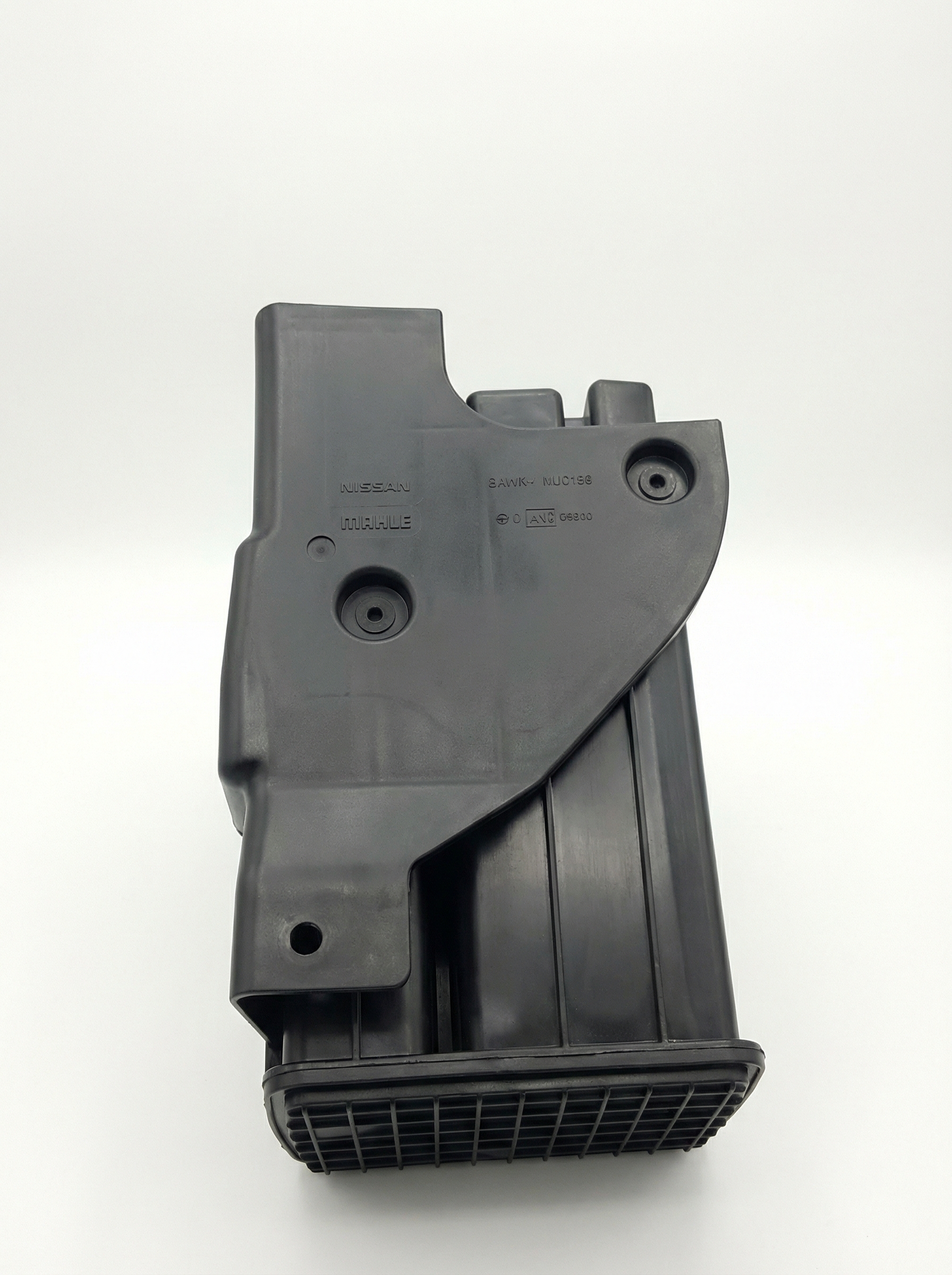
- Cracked Charcoal Canister: → Shop Vapor Canister The canister itself can develop a hairline crack, causing a leak. This is much less common than the attached vent valve failing and should only be suspected if a smoke test shows smoke emitting from the body of the canister itself.
- Faulty Fuel Tank Pressure Sensor: → Shop Fuel Tank In rare cases, the sensor that detects the leak may be faulty, sending incorrect data to the computer. This usually triggers other codes alongside P0456.
- Rusted Fuel Vent Return Line: As documented by an owner on a MyG37.com forum, the metal fuel vent line can rust through where it is held by a bracket, causing a persistent small leak. This is a difficult-to-find leak that may only be revealed after a thorough smoke test when other common parts have already been replaced.
- Corroded Fuel Filler Neck: → Shop Fuel Filler Neck Rust or grit on the lip of the fuel filler neck can prevent the gas cap from creating a perfect seal, even if the cap itself is new. This is more common in areas that use road salt.
Diagnosis Steps
- Check the dashboard for a 'Loose Fuel Cap' warning.
- Inspect the fuel cap. Ensure it is tight and clicks when turned. Check the cap's seal for any cracks or signs of wear. If in doubt, an OEM cap is an inexpensive first part to replace.
- Clear the code with a scanner and drive for a few days to see if it returns. The EVAP monitor runs under specific conditions, so it may take time.
- If the code returns, perform a thorough visual inspection of all accessible EVAP hoses between the engine bay and the charcoal canister at the rear of the car. Look for any cracks, loose connections, or damage.
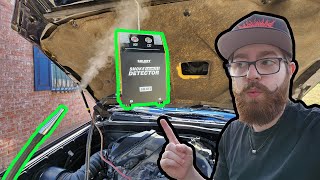
- The most effective next step is a smoke test. This involves injecting pressurized smoke into the EVAP system's service port to visually identify the leak source. 🎬 See how to use a smoke machine to find small leaks.
- Focus the smoke test on the EVAP canister and vent control valve area at the rear of the vehicle, as this is the most likely leak point according to Infiniti TSBs.
- If smoke is seen leaking from where the vent control valve mounts to the canister, the valve assembly needs to be replaced. Per TSBs, ensure the mounting surface is clean and the new O-ring is not twisted or lubricated upon installation.
- If no leak is found at the vent valve, trace the smoke to other components like the purge valve, hoses, fuel filler neck, or the fuel tank itself. One owner found a leak in a rusted fuel vent line.
Parts You'll Likely Need
- EVAP Canister Vent Control Valve
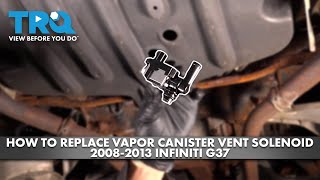
(OEM #14935-JF02C)— This is the most common cause of P0456 on this vehicle, as documented by multiple Infiniti TSBs. The original O-ring fails, and the official fix is to replace the entire valve assembly. 🎬 Watch: See this step-by-step vent solenoid replacement walkthrough. This part number supersedes previous versions including 14935-JF00E, 14935-JF00D, 14935-JF00C, etc.
Trusted brands: Hitachi, Dorman, Standard Motor Products
OEM price range: $60-$110
Aftermarket price range: $30-$70 - Fuel Filler Cap
(OEM #17251-1VZ0A)— A worn or improperly tightened gas cap is the simplest and a very common reason for a small EVAP leak code on any car. An OEM replacement is recommended as aftermarket caps can sometimes cause sealing issues.
Trusted brands: Infiniti OE, Stant
OEM price range: $25-$45
Aftermarket price range: $15-$25
Related Codes That Often Appear With This One
- P0442 — This code indicates a 'small leak' (larger than P0456). They can appear together if the leak size is borderline or if there are multiple leaks.
- P0455 — This code indicates a 'gross leak'. It can appear if the vent valve is stuck wide open or a major hose is disconnected, but it's less common to see with P0456 unless the gas cap was left off entirely.
Technical Service Bulletins (TSBs) & Recalls
- ITB17-042E: DTC P0456 CAUSED BY EVAP LEAK AT VENT CONTROL VALVE O-RING
- ITB17-042D: An amendment to the above, revising the action to replace the entire vent control valve assembly.
- ITB17-042a / ITB17-042b: Earlier versions of the TSB which instructed to replace only the O-ring, not the entire valve.
- ITB13-044J: General information bulletin regarding EVAP leak codes P0442, P0455, and P0456, which notes that P0456 is not typically caused by a loose fuel fill cap.
Platform-Specific Known Issues
- Technical Service Bulletin ITB17-042E and its predecessors are the key documents for this issue. Early versions (e.g., ITB17-042a, ITB17-042b) instructed technicians to replace only the vent control valve O-ring, which was made available as a separate part. Later bulletins revised this, instructing technicians to replace the entire vent control valve assembly. This change suggests that either the O-ring became unavailable separately or that replacing the whole valve proved to be a more reliable long-term repair.
Mechanic-Grade Diagnostic Values
- EVAP Canister Vent Control Valve Solenoid Resistance — expected: 20 - 50 Ohms. Failure: A reading of 0 Ohms (short circuit) or infinite/OL (open circuit) indicates a failed solenoid coil.
- EVAP Purge Volume Control Solenoid Valve Resistance — expected: 15 - 30 Ohms. Failure: A reading outside this range indicates a faulty solenoid coil.
- Fuel Tank Pressure (FTP) Sensor Voltage — expected: Approximately 1.3V - 2.5V with the key on, engine off.. Failure: A voltage stuck at 0V or 5V suggests a faulty sensor or wiring issue. The voltage should change in response to pressure/vacuum.
- EVAP Canister Vent Control Valve Power Supply — expected: Battery Voltage (approx. 12V) at the connector with the ignition ON.. Failure: No voltage indicates a wiring or fuse issue upstream of the valve.
Scan Tool Commands That Help
- Infiniti CONSULT-III plus: Active Test: 'VENT CONTROL/V' — This command allows a technician to manually open and close the EVAP canister vent control valve to check for an audible click and proper sealing during a smoke or vacuum test.
- Infiniti CONSULT-III plus: Active Test: 'PURG VOL CONT/V' — This command manually operates the EVAP purge volume control solenoid in the engine bay, allowing a technician to check its function and its effect on system vacuum.
- Infiniti CONSULT-III plus: DTC WORK SUPPORT: 'EVAPORATIVE SYSTEM' — This is a guided diagnostic routine within the factory scan tool that performs a system leak check to confirm if a repair was successful without needing to complete a full drive cycle.
- Advanced OBD2 Scanners (Bi-Directional): EVAP System Test — Many professional-grade aftermarket scanners can command the vent and purge valves to close, sealing the system. The scanner then monitors the fuel tank pressure sensor to see if the system holds a vacuum, directly testing for leaks.
Wiring & Ground Locations
- Engine Bay Ground Point (Passenger Side) — On the passenger side strut tower assembly in the engine compartment, near the battery. Often a 10mm bolt.. A poor ground connection for the main engine harness can cause erratic behavior in various sensors and solenoids, including those in the EVAP system.
- Engine Bay Ground Point (Driver Side) — On the driver's side inner fender, near the air intake box.. Provides a ground path for components on the driver's side of the engine bay. Ensuring this is clean and tight is part of good electrical diagnostic practice.
- EVAP Canister Vent Control Valve Connector — At the rear of the vehicle, attached to the EVAP canister. It is a 2-pin connector.. This is the direct electrical connection for the most common failure part. Technicians will test for 12V power and ground at this connector's pins to diagnose a wiring issue versus a failed valve.
Real Owner Repair Stories
- MyG37.com forum user (2011 Infiniti G37 Journey Sedan) — P0456 (Very Small Leak)
❌ Tried (didn't work) Replacing the gas cap.
✅ What actually fixed it The user found a hose connected to the EVAP canister was missing its spring clamp. After a shop quoted $1100 for a new canister, the user replaced the missing clamp for a few dollars, which resolved the code permanently. - Reddit user r/MechanicAdvice (2009 Infiniti G37 Coupe, 124,000 miles (Texas car, no rust)) — Persistent P0456 code
❌ Tried (didn't work) Replacing the gas cap seal., Replacing the EVAP canister vent valve., Replacing the vapor canister purge solenoid valve.
✅ What actually fixed it The user had not found a fix after replacing all common components, highlighting a scenario where a smoke test is essential to find an obscure leak, as the common parts were not the cause.
"I Checked Everything" — The Actual Cause
- In some cases, a smoke test may not reveal a leak if it is very small or intermittent. A common cause that can be missed is corrosion or debris on the fuel filler neck's sealing surface. Even with a new gas cap, if the neck itself isn't perfectly clean, a seal won't form. Cleaning the filler neck lip with a mild abrasive pad has been reported to fix the code when other methods fail.
OEM Part Supersession History
14935-JF00A, 14935-JF00B, 14935-JF00C, 14935-JF00D, 14935-JF00E→14935-JF02C— Part has been revised multiple times by the manufacturer to improve reliability.
Heads up: The newest part number, 14935-JF02C, is the correct and most reliable replacement for all previous versions on this platform.
Model Year Variations Within This Range
- 2015: The 2015 Infiniti Q40 is a single-year model and is mechanically identical to the 2009-2013 G37 sedan. There are no significant variations within the 2015 model year that affect the diagnosis or repair of code P0456.
Helpful Videos
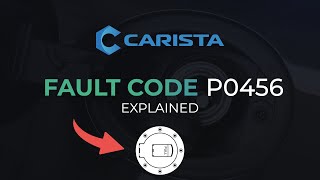
![How to Fix P0456 Engine Code in 7 Minutes [7 DIY Methods / Only $3.44]](https://img.youtube.com/vi/njt81AALI3U/mqdefault.jpg)
Used OEM Parts in Stock

New Aftermarket Parts Available


The information in this article is provided for general reference and educational purposes only. Vehicle specifications, procedures, and part compatibility can vary by production date, trim level, and region. Always consult your vehicle's factory service manual and verify part numbers before purchasing or performing repairs. Safety-critical components such as airbags, seat belts, and braking systems should be installed by a qualified professional.
- Infiniti Q40:
- 🧭 Diagnostic Flowchart
- 🎬 Helpful Videos
- 🛍️ Shop This Part
- What's Unique About the 2015-2015 Infiniti Q40
- Symptoms You May Notice
- Most Likely Causes
- Rare But Worth Checking
- Diagnosis Steps
- Parts You'll Likely Need
- Related Codes That Often Appear With This One
- Technical Service Bulletins (TSBs) & Recalls
- Platform-Specific Known Issues
- Mechanic-Grade Diagnostic Values
- Scan Tool Commands That Help
- Wiring & Ground Locations
- Real Owner Repair Stories
- "I Checked Everything" — The Actual Cause
- OEM Part Supersession History
- Model Year Variations Within This Range
- 🎟️ Get 5% Off