

P0456 on 2022-2023 Jeep Cherokee: EVAP Small Leak Causes and Fixes
P0456 on a 2022-2023 Jeep Cherokee indicates a small leak in the evaporative emissions system. The most common fixes are tightening or cleaning the capless fuel filler port, or replacing the Evaporative System Integrity Module (ESIM) located near the rear driver's side wheel. The ESIM part costs about $30-$60 and is a frequent failure point.
- P0456 is a minor issue that won't stop you from driving, but it will cause an emissions test failure.
- Always check the gas cap first. Ensure it's tight and the seal is intact. This is the easiest and cheapest fix.
- On the 2022-2023 Cherokee, the most likely culprit after the gas cap is the Evaporative System Integrity Module (ESIM) located behind the driver's side rear wheel.
- A smoke test is the most reliable way to find the exact source of the leak and avoid replacing parts that aren't broken.
What's Unique About the 2022-2023 Jeep CHEROKEE
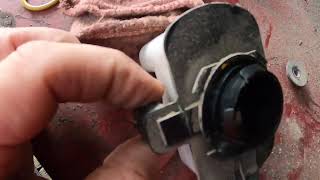
The 2022-2023 Jeep Cherokee (KL generation) uses an Evaporative System Integrity Module (ESIM) to test for EVAP leaks, which is a common failure point. Unlike some systems that use a complex leak detection pump, the ESIM is a simpler, gravity-and-pressure-based switch that contains internal weights. Owners often find that the plastic housing of the ESIM itself cracks or its O-ring seal degrades, causing the small leak that triggers the P0456 code. In some cases, internal components of the ESIM can break loose, causing a rattling sound when shaken 🎬 Watch: See how a failed ESIM sounds and looks., which is a clear sign of failure.
Diagnostic Flowchart
Tap your situation to follow the diagnostic path that matches what you're seeing on this vehicle.
Symptoms You May Notice
- Check engine light is on
- A 'Check Gas Cap' or 'Gascap Loose' message may appear on the dashboard, even on capless systems
- A faint fuel smell, especially around the rear of the vehicle
- Slight decrease in fuel economy
- Failure to pass a state emissions inspection
- Replacing the purge valve when the actual leak is the ESIM or a cracked hose. A proper diagnosis with a smoke machine is recommended to avoid replacing unnecessary parts.
- Replacing the gas cap repeatedly when the issue is a cracked hose or faulty ESIM. If a new gas cap doesn't solve the issue after a few drive cycles, the leak is elsewhere.
Most Likely Causes
- Loose or Faulty Gas Cap / Dirty Capless Fuel Filler 🔴 High Probability → Shop Fuel Tank Cap For vehicles with a traditional gas cap, a worn seal or improper tightening is the most common cause of P0456. For the many Cherokees with a capless system, dirt and debris can accumulate around the spring-loaded flap, preventing a proper seal.
How to confirm: For traditional caps, inspect the rubber O-ring for cracks or stiffness and ensure it's tightened until it clicks. For capless systems, visually inspect the filler neck for debris. A common owner fix involves cleaning the port with a rag and solvent, then lubricating the seal by working the provided funnel 🎬 Watch: How to clean and lubricate a capless fuel filler. in and out several times.
Typical fix: Tighten or replace the gas cap, or clean the capless fuel filler port.
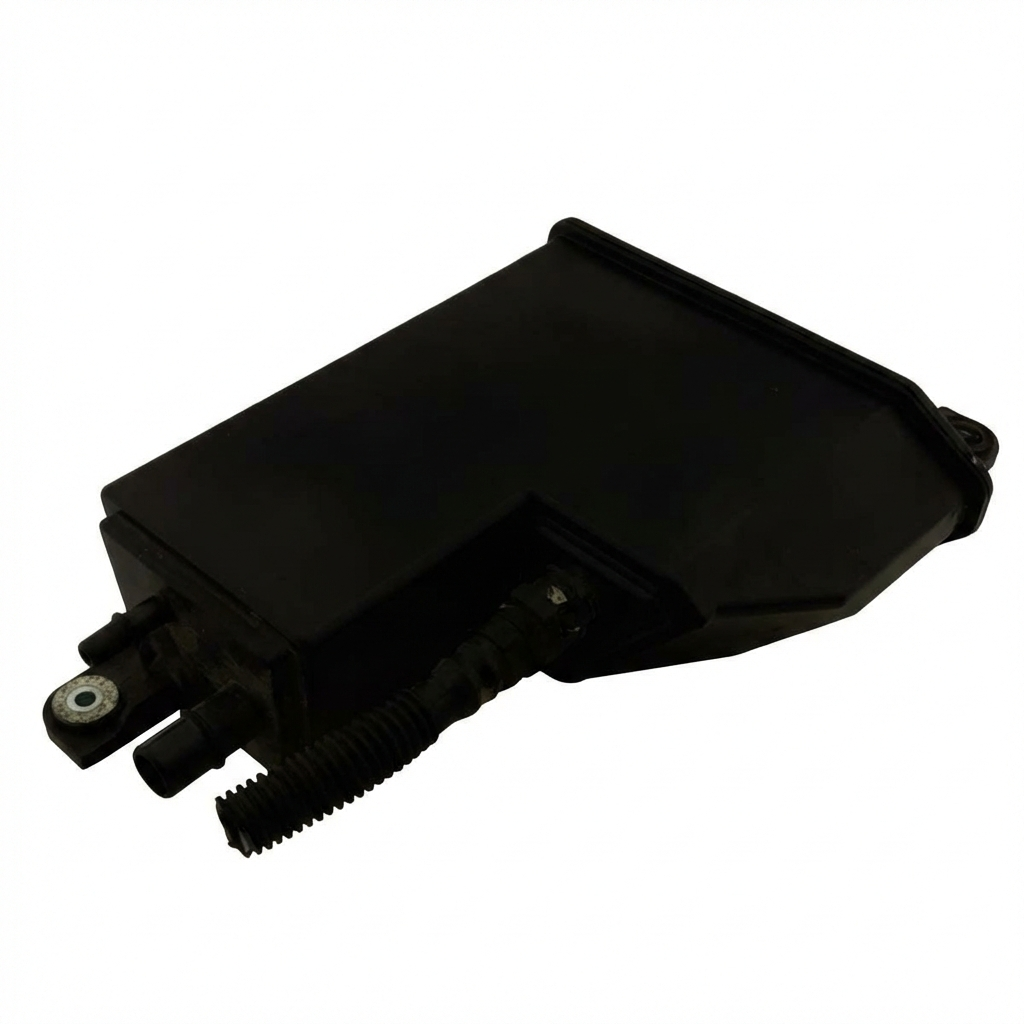
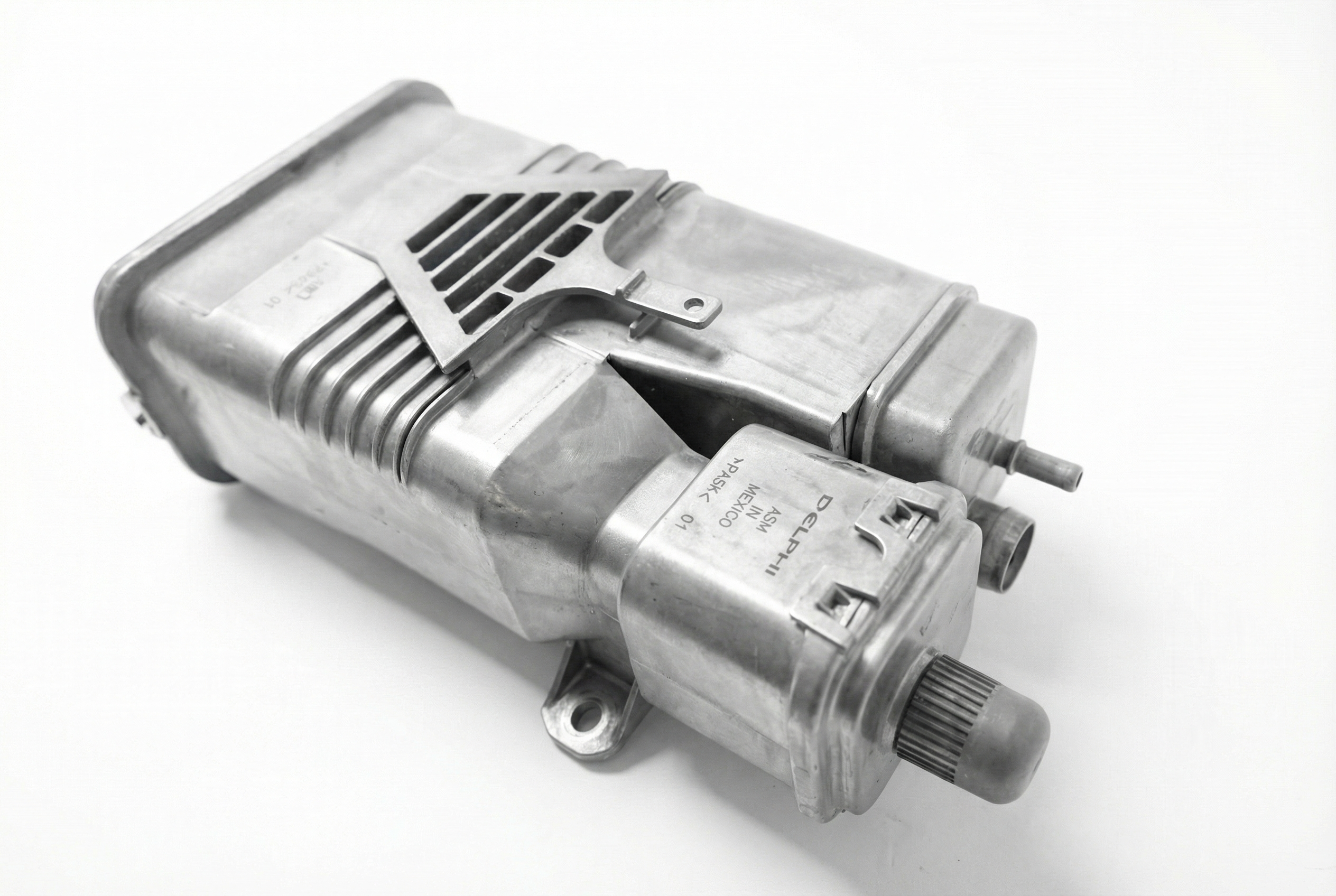
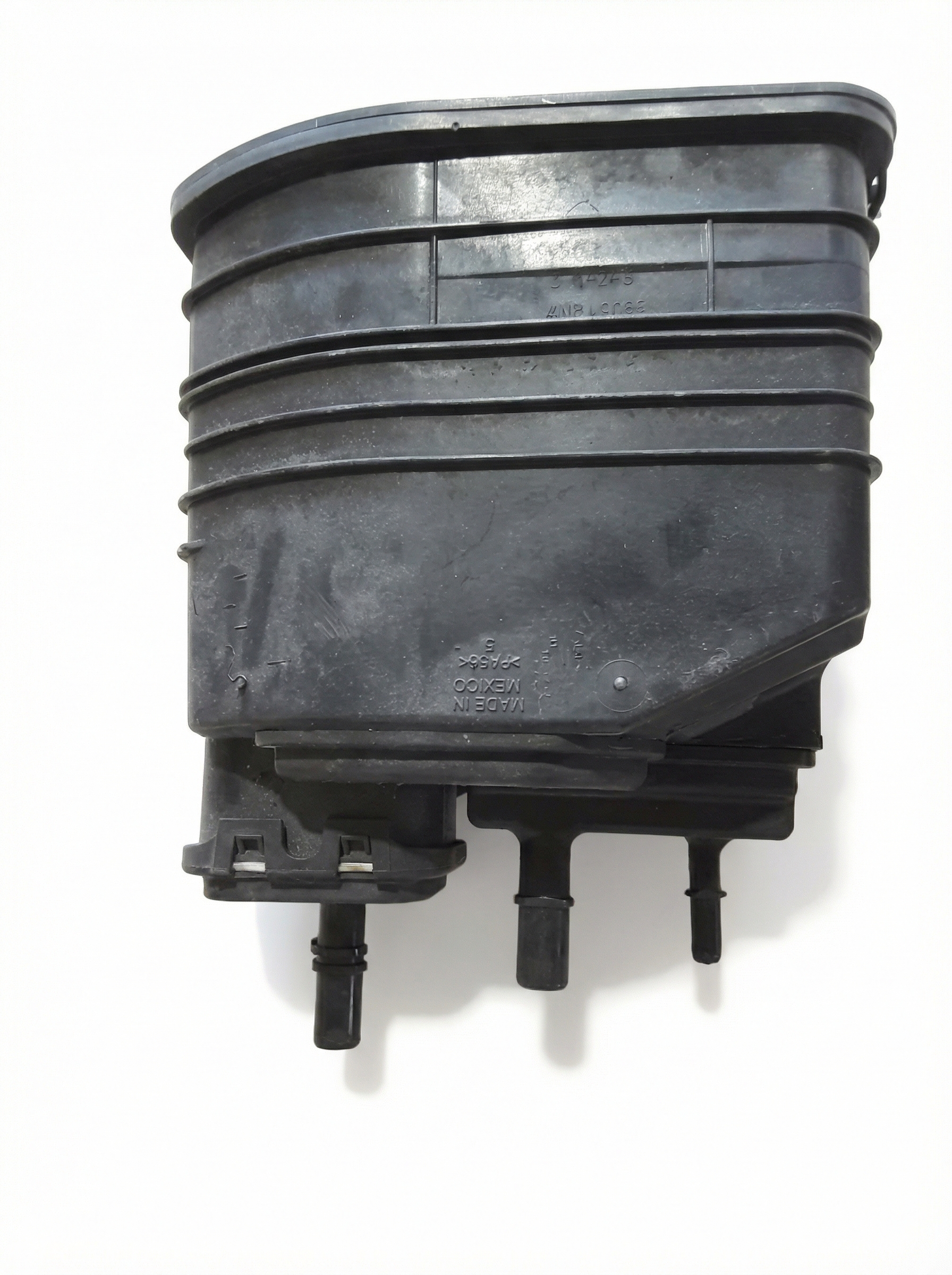
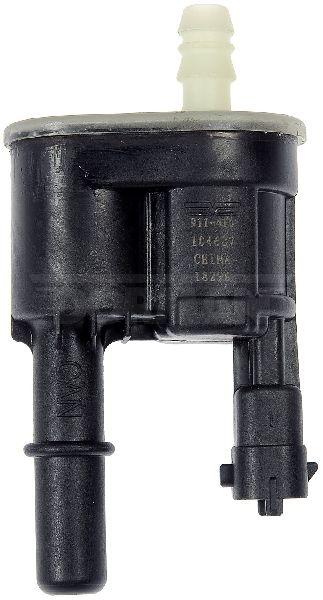
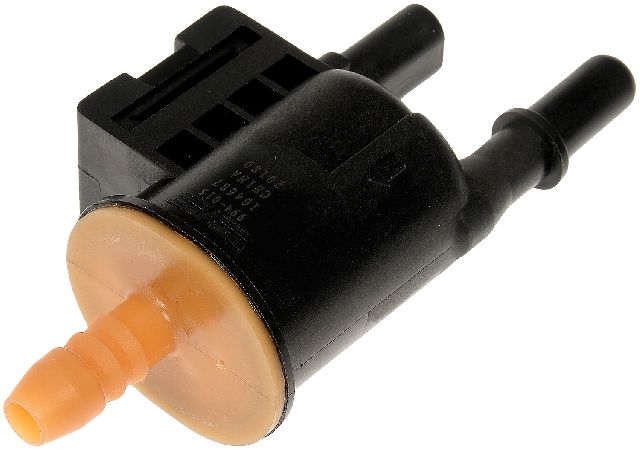
Est. part cost: $0 - $35 - Faulty Evaporative System Integrity Module (ESIM) 🔴 High Probability → Shop Vapor Canister The ESIM, a white plastic module mounted on the charcoal canister, is a known high-failure part on this platform. The plastic housing can crack, the O-ring that seals it to the canister can fail, or internal components can break.
How to confirm: A smoke test is the definitive way to confirm, showing smoke escaping from the ESIM housing or its seal. A simple DIY test is to remove the module and shake it; if it rattles, it is broken internally and needs replacement. The ESIM is located behind the rear driver's side wheel well liner.
Typical fix: Replace the ESIM and its O-ring. This involves removing the rear driver's side wheel and liner, disconnecting the electrical connector and hose, pressing a tab, and twisting the module counter-clockwise to remove it.
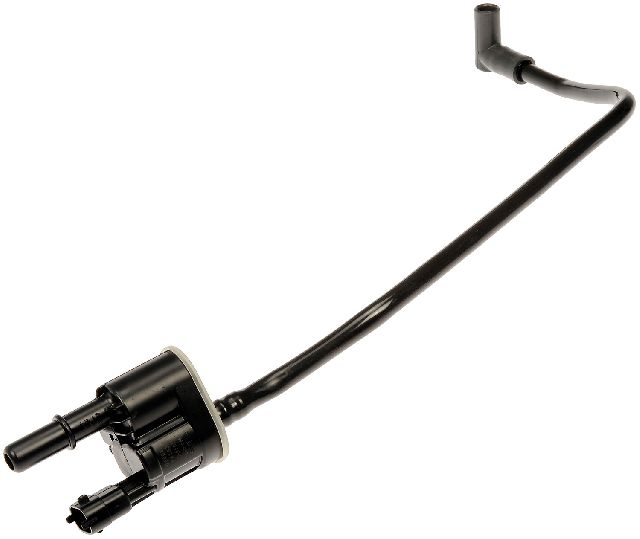
Est. part cost: $30-$60 - Cracked or Disconnected EVAP Hoses/Lines 🟡 Medium Probability The rigid plastic EVAP lines, especially those in the engine bay exposed to heat, can become brittle and crack over time. A common failure point is the hose connected to the purge valve.
How to confirm: Visually inspect all accessible EVAP lines, from the engine bay to the charcoal canister. Pay close attention to connection points and bends. A smoke test will quickly reveal leaks from any cracked hoses.
Typical fix: Replace the damaged section of the hose. Some hoses are pre-formed and must be bought as an assembly from the dealer. Some owners perform a temporary fix using a piece of rubber hose to splice the broken line.
Est. part cost: $20-$100 - Faulty EVAP Purge Valve (Purge Solenoid) ⚪ Low Probability → Shop Vapor Canister The purge valve, located in the engine bay under the plastic engine cover, can fail by sticking slightly open, creating a leak path that the system detects during its self-test.
How to confirm: With the engine off, the valve should be closed and not allow air to pass. A scan tool can command the valve to open and close to test its function. A smoke test may also reveal smoke exiting the purge valve if it is not sealing correctly. A technician can test it by applying 10 in. Hg of vacuum to the canister side; it should hold the vacuum for at least 15 seconds.
Typical fix: Replace the purge valve. It is typically held in place by a simple bracket and has two hoses and an electrical connector.
Est. part cost: $25-$75
Rare But Worth Checking
- Cracked Charcoal Canister: → Shop Vapor Canister While the ESIM attached to it is more likely to fail, the canister body itself can develop cracks from road debris or stress, causing a leak.
- Leaking Fuel Filler Neck: → Shop Fuel Filler Neck The metal or plastic tube leading to the gas tank can rust or crack, preventing the gas cap or capless system from sealing properly and causing a leak.
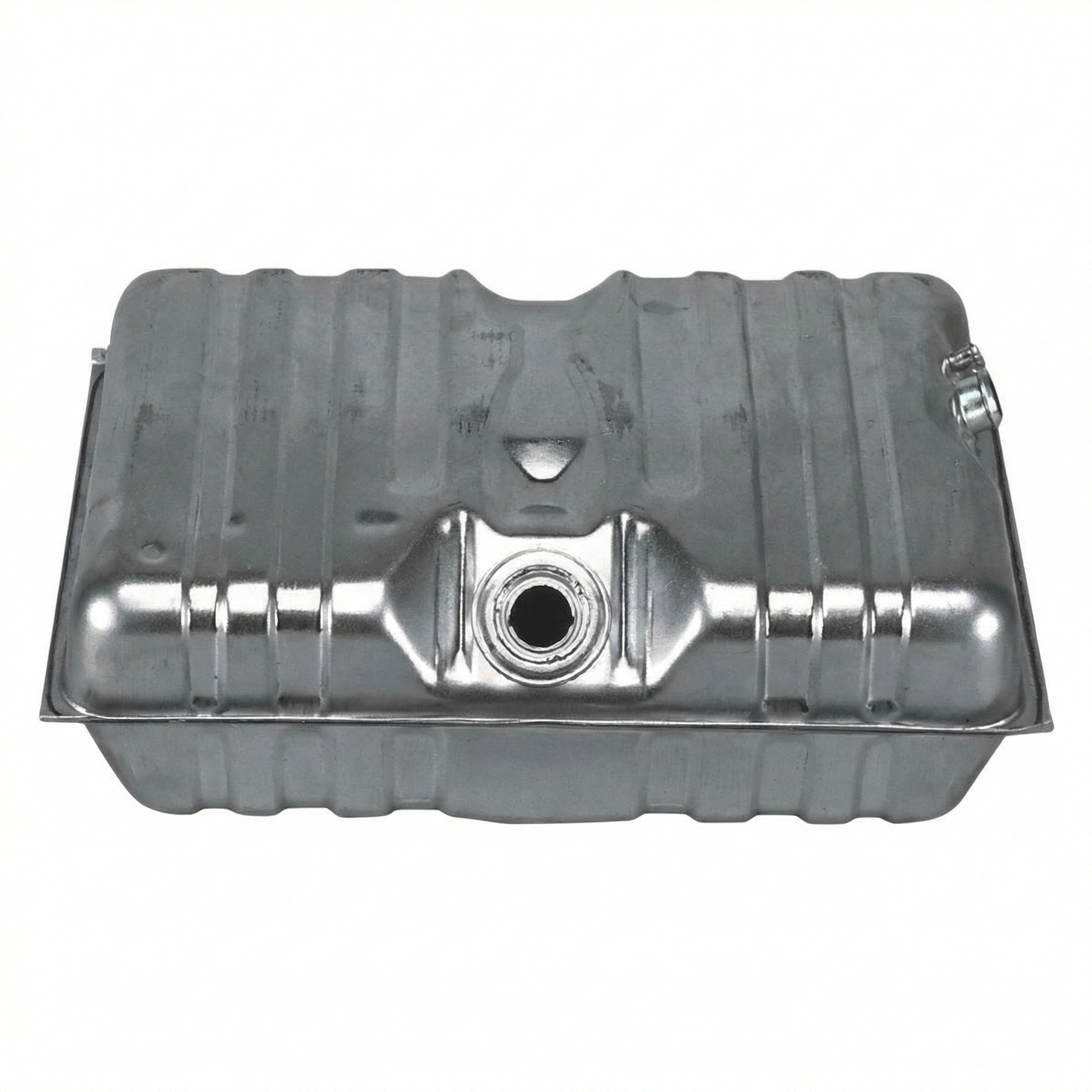
- Leaking Fuel Tank or Fuel Pump Seal: → Shop Fuel Pump Less common for a small leak code, but a compromised seal on the fuel pump assembly or a crack in the fuel tank itself can be the source of the leak.
Diagnosis Steps
- Check the gas cap or capless filler. For a cap, remove it, inspect the seal for damage, and retighten it until it clicks. For capless, clean the opening with a cloth and work the emergency funnel in and out to clean the internal seal. Clear the code and drive for a few days to see if it returns.
- If the code returns, perform a visual inspection of all accessible EVAP hoses in the engine bay and around the rear of the vehicle for obvious cracks or disconnections, especially near the purge valve.
- Locate the ESIM behind the driver's side rear wheel well. Remove it (twist-off) and shake it. If it rattles, the internal mechanism is broken, and it needs to be replaced.
- The most effective next step is to have a smoke test performed. A mechanic will inject pressurized smoke into the EVAP system's green-cap service port 🎬 Watch: A mechanic's guide to smoke testing for small leaks., often found in the engine bay.
- Observe where the smoke escapes. Common leak points are the ESIM on the charcoal canister, the purge valve in the engine bay, or any of the connecting hoses.
- Based on the location of the smoke, replace the faulty component.
- After the repair, clear the codes. Some owners disconnect the battery for 15 minutes to reset the light immediately. Otherwise, the vehicle's computer will need to complete several drive cycles to confirm the fix and turn off the check engine light on its own.
Parts You'll Likely Need
- Evaporative System Integrity Module (ESIM)
(OEM #4861962AD)— This module and its O-ring are the most common failure points on the KL Cherokee for code P0456. The plastic housing is prone to cracking and internal failure.
Trusted brands: Mopar, Dorman (p/n 310-233), Standard Motor Products
OEM price range: $40-$75
Aftermarket price range: $30-$50 - Gas Cap
(OEM #52100552AG)— A worn-out gas cap seal is a very frequent and inexpensive cause of small EVAP leaks. It's often the first part to check and replace on models that are not capless.
Trusted brands: Mopar, Stant
OEM price range: $25-$35
Aftermarket price range: $15-$25 - EVAP Purge Valve / Solenoid — Can get stuck partially open, causing a persistent small leak. It's a common cause, though less so than the ESIM on this specific vehicle.
Trusted brands: Mopar, Bosch, Dorman
OEM price range: $50-$75
Aftermarket price range: $25-$50
Related Codes That Often Appear With This One
- P0457 — This code indicates a 'Loose Fuel Cap' or a gross leak and often appears with P0456, reinforcing that the issue could be as simple as the gas cap or a leak in that immediate area.
- P0455 — This indicates a 'Large EVAP Leak.' Sometimes a component failure, like a cracked hose, can initially present as a small leak (P0456) and worsen into a large leak (P0455) over time.
- P0440 — This is a general 'EVAP System Malfunction' code. It can accompany P0456 when the control module detects a general fault in addition to the specific small leak.
Technical Service Bulletins (TSBs) & Recalls
- 1804823: 'wiTECH Small Leak Verification Test (SLVT) - P0456-EVAP SYSTEM SMALL LEAK'
- 18-161-22: Recommends using the wiTECH Small Leak Verification test (SLVT) for DTC P0456. This TSB also addresses other PCM updates for the 2.0L Turbo engine.
- 1807722: Recommends using the wiTECH Small Leak Verification Test (SLVT) if P0456 is present along with other unrelated DTCs.
- 1802021: Recommends using the wiTECH Small Leak Verification Test (SLVT) if P0456 is present.
- 1808420REVA: Recommends using the wiTECH Small Leak Verification Test (SLVT) if P0456 is present.
Platform-Specific Known Issues
- The provided NHTSA Technical Service Bulletins for Jeep Cherokee models, including #1804823, repeatedly instruct technicians to use the 'wiTECH Small Leak Verification Test (SLVT)' when P0456 is present. This is a dealer-level scan tool function that can confirm the leak and sometimes pinpoint the faulty component without a smoke machine.
Mechanic-Grade Diagnostic Values
- EVAP Purge Solenoid leak test — expected: Solenoid should hold 10 in. Hg of vacuum for a minimum of 15 seconds.. Failure: If vacuum drops faster than the specified rate, the solenoid is leaking internally and must be replaced.
Scan Tool Commands That Help
- wiTECH (Dealer Tool): Small Leak Verification Test (SLVT) — This is the mandatory first step in diagnosis at a dealership, per TSB #18-048-23. It must be run to verify a leak is present before replacing parts and run again after the repair to confirm the fix, as a road test is not sufficient to clear the monitor quickly.
- Professional Scan Tool: Actuate EVAP Purge Solenoid — Used to command the purge solenoid to the ON position during testing to verify its electrical and mechanical function.
Wiring & Ground Locations
- F07 Fuse — In the main engine bay fuse box, located on the driver's side of the engine.. This 15A fuse powers the EVAP Purge Valve Solenoid. If this fuse is blown, the purge valve cannot operate, which can lead to EVAP system faults.
- PCM Ground Wires — At the Powertrain Control Module (PCM) connector. On similar models, these are typically black wires.. A poor ground connection to the PCM can cause a wide range of erroneous sensor readings and fault codes, including P0456. Ensuring the PCM has a solid ground is a critical step in diagnosing electrical gremlins.
- Chassis Grounds — Common locations on Jeeps include the inner fenders in the engine bay and under the front seats.. The various components of the EVAP system, such as the ESIM and fuel tank pressure sensor, rely on clean chassis grounds to function correctly. Corrosion or looseness at these points can cause intermittent issues.
Real Owner Repair Stories
- YouTube channel 'Evolved Jeepin' (2019 Jeep Wrangler JL Rubicon) — Persistent P0456 check engine light.
❌ Tried (didn't work) Replaced the ESIM module, Replaced the EVAP purge valve, Replaced the gas cap
✅ What actually fixed it The final fix was replacing both the main and auxiliary vehicle batteries. The owner theorized that the old, weak batteries were causing electrical issues that led the computer to erroneously set the P0456 code. - YouTube channel 'The G Automotive and More' (2019 Jeep Cherokee 3.2L) — P0456 small evaporative leak code.
❌ Tried (didn't work) Pinching off vent line to isolate leak.
✅ What actually fixed it A smoke test revealed smoke coming from the ESIM module. Upon removal, a visible crack was found where the white and black plastic sections of the module meet. Replacing the ESIM resolved the leak and the code.
"I Checked Everything" — The Actual Cause
- In one documented case for a similar Jeep model, a persistent P0456 code that was not resolved by replacing common EVAP parts was ultimately fixed by replacing the vehicle's aging main and auxiliary batteries. A weak battery can cause unpredictable electrical behavior and trigger false codes, which a smoke test would not detect.
- A faulty Fuel Tank Pressure (FTP) sensor can send incorrect data to the PCM, making it believe a leak exists when the system is perfectly sealed. A smoke test would come back clean, leading a technician to overlook the sensor itself as the root cause.
OEM Part Supersession History
4861962AA, 4861962AB, 4861962AC→4861962AD— Standard part revision and improvement by the manufacturer.
Heads up: The newest part number, 4861962AD, is the correct direct replacement for the earlier versions and should be used for repairs.
Helpful Videos
Used OEM Parts in Stock
New Aftermarket Parts Available


The information in this article is provided for general reference and educational purposes only. Vehicle specifications, procedures, and part compatibility can vary by production date, trim level, and region. Always consult your vehicle's factory service manual and verify part numbers before purchasing or performing repairs. Safety-critical components such as airbags, seat belts, and braking systems should be installed by a qualified professional.
- Jeep CHEROKEE:
- 🧭 Diagnostic Flowchart
- 🎬 Helpful Videos
- 🛍️ Shop This Part
- What's Unique About the 2022-2023 Jeep CHEROKEE
- Symptoms You May Notice
- Most Likely Causes
- Rare But Worth Checking
- Diagnosis Steps
- Parts You'll Likely Need
- Related Codes That Often Appear With This One
- Technical Service Bulletins (TSBs) & Recalls
- Platform-Specific Known Issues
- Mechanic-Grade Diagnostic Values
- Scan Tool Commands That Help
- Wiring & Ground Locations
- Real Owner Repair Stories
- "I Checked Everything" — The Actual Cause
- OEM Part Supersession History
- 🎟️ Get 5% Off