

P0456 on 2012-2019 Jeep Wrangler: EVAP Small Leak Causes and Fixes
P0456 on a 2012-2019 Jeep Wrangler indicates a small leak in the EVAP system. The most common fixes are tightening or replacing the gas cap (Mopar P/N 52030377AB or 52030387AB), or replacing the EVAP purge valve on the engine. These are typically low-cost, DIY-friendly repairs confirmed by numerous owner experiences.
- P0456 is a minor issue that won't stop you from driving, but it will cause you to fail an emissions test.
- Always start with the simplest fix: check that your gas cap is tight. If the light comes back, replace the gas cap with an OEM part.
- The next most likely culprit is the EVAP purge valve located on the engine, which is an easy DIY replacement.
- If simple fixes don't work, a smoke test is the most reliable way to find the leak, which could be a cracked hose or a damaged EVAP canister.
- On JK models (2012-2018), pay special attention to the exposed EVAP canister underneath and the plastic nipple on top of the fuel tank, as both are known failure points.
What's Unique About the 2012-2019 Jeep WRANGLER

The 2012-2019 range covers two Wrangler generations: the JK (2012-2018) and the JL (2018-2019). On JK models, the EVAP canister is notoriously exposed underneath the vehicle, making it highly susceptible to damage from rocks and debris during off-roading. This vulnerability has led to a strong aftermarket for protective skid plates from brands like Rough Country and Rock Hard 4x4. The JL generation relocated the canister to a more protected spot inside the rear passenger-side wheel well. Additionally, a cracked plastic nipple on the fuel tank's rollover valve is a widely known issue on JK models that can cause this code, often discussed in owner forums.
Diagnostic Flowchart

Tap your situation to follow the diagnostic path that matches what you're seeing on this vehicle.
Generation note: This range includes the Jeep Wrangler JK (2012-2018) and the Jeep Wrangler JL (2018-2019). The location of the EVAP canister is a key difference: it's exposed under the body on the JK and protected within the rear passenger wheel well on the JL. A cracked fuel tank rollover valve nipple is a common failure point specific to the JK generation. Aftermarket skid plates are a popular modification for JK owners to protect the canister.
Symptoms You May Notice
- Check Engine Light is on
- A 'gascap' message may appear on the dashboard display, a symptom frequently reported by owners.
- Slight fuel odor
- Slight decrease in fuel economy
- Replacing the O2 sensors. O2 sensors are not related to the EVAP system.
- Replacing the catalytic converter. This is related to efficiency codes like P0420/P0430, not EVAP leak codes.
Most Likely Causes


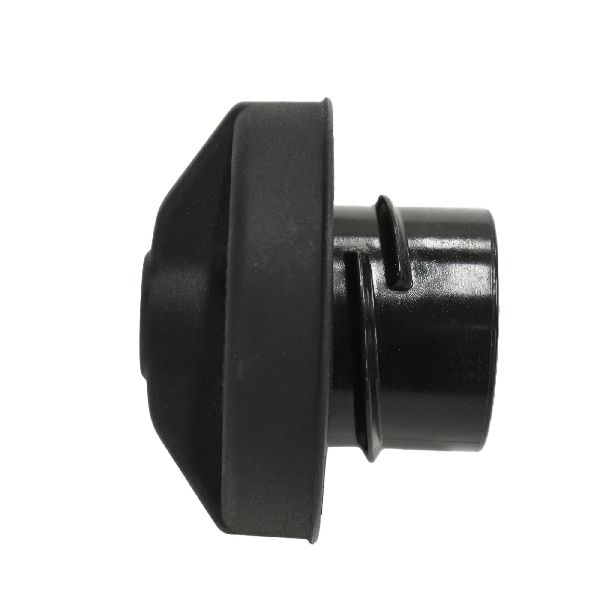
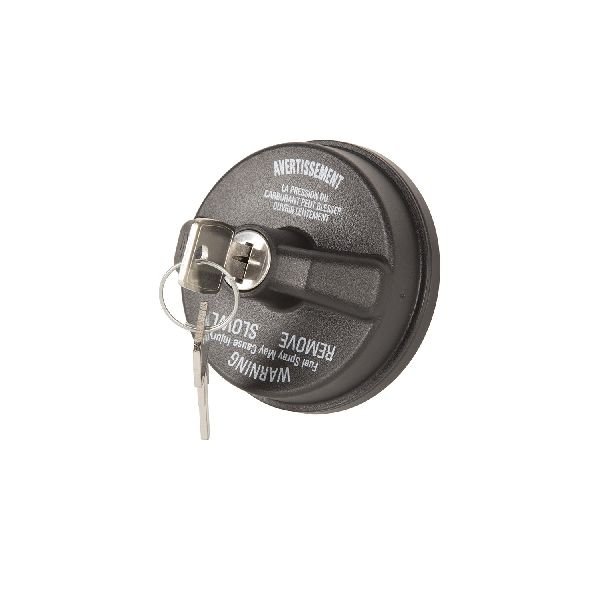
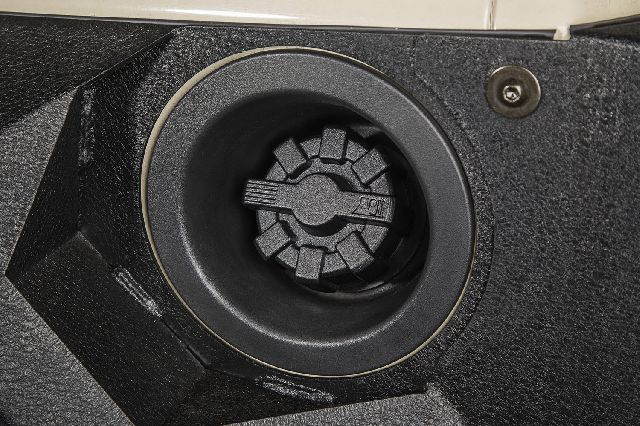
- Loose or Faulty Gas Cap 🔴 High Probability → Shop Fuel Tank Cap The gas cap seal degrades over time or may not be tightened correctly. It's the simplest and most common cause for any EVAP leak code. Many owners on forums report that using a non-OEM cap causes issues, making a genuine Mopar cap the recommended replacement.
How to confirm: First, ensure the gas cap is tightened until it clicks. Inspect the rubber O-ring for cracks or wear. If the light returns after clearing the code, replacing the gas cap is an inexpensive and highly effective diagnostic step. Note that it may take several drive cycles for the light to turn off on its own.
Typical fix: Tighten or replace the gas cap. Use an OEM Mopar part for best results.
Est. part cost: $25-$40 - Faulty EVAP Purge Valve/Solenoid 🟡 Medium Probability → Shop Vapor Canister The purge valve, located on the engine, can get stuck partially open, causing a small leak. This is a common failure point across many vehicles with the 3.6L Pentastar engine.
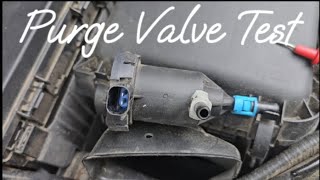
How to confirm: The valve is located on the driver's side of the engine under the plastic cover. With the engine off, you can remove the valve and try to blow through it; if air passes, it's stuck open and faulty. A scan tool can also command the valve to check for a clicking sound, indicating function.
Typical fix: Replace the EVAP purge valve.
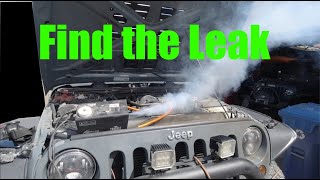
Est. part cost: $25-$60 - Cracked or Disconnected EVAP Hoses 🟡 Medium Probability Rubber and plastic hoses become brittle and crack from heat and age. A specific line running near the battery on JK models is a known weak point, as battery acid or heat can cause a small hole. Off-roading can also cause hoses to be knocked loose or damaged. A user on YouTube demonstrated finding such a leak with a party smoke machine.
How to confirm: Visually inspect all accessible EVAP lines, paying close attention to the one near the battery (on JKs) and the connections to the purge valve and canister. A smoke test is the most effective way to find a small leak in a hose.
Typical fix: Replace the cracked section of hose or the entire hose assembly. Sometimes a simple hose clamp can fix a loose connection.
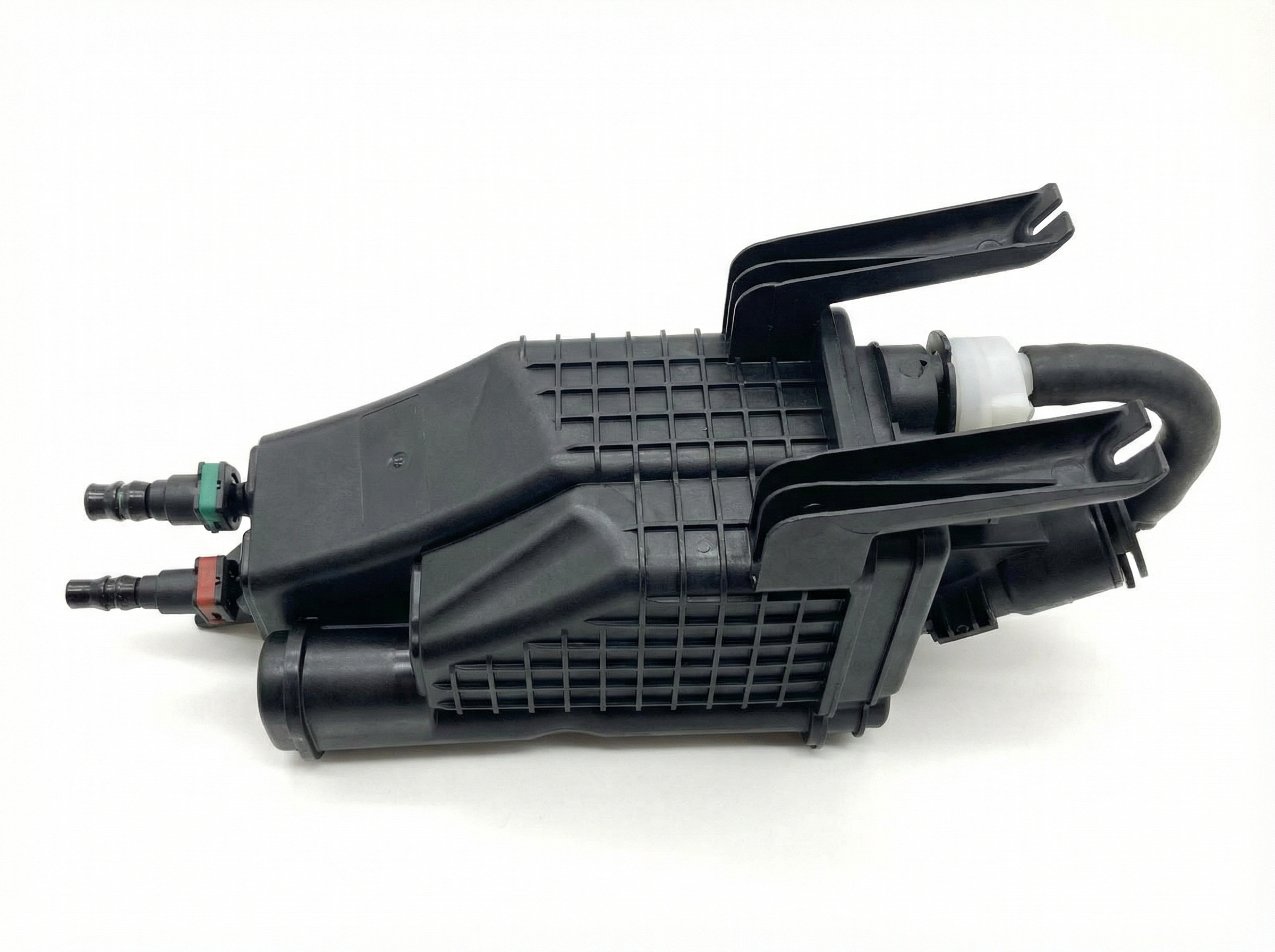
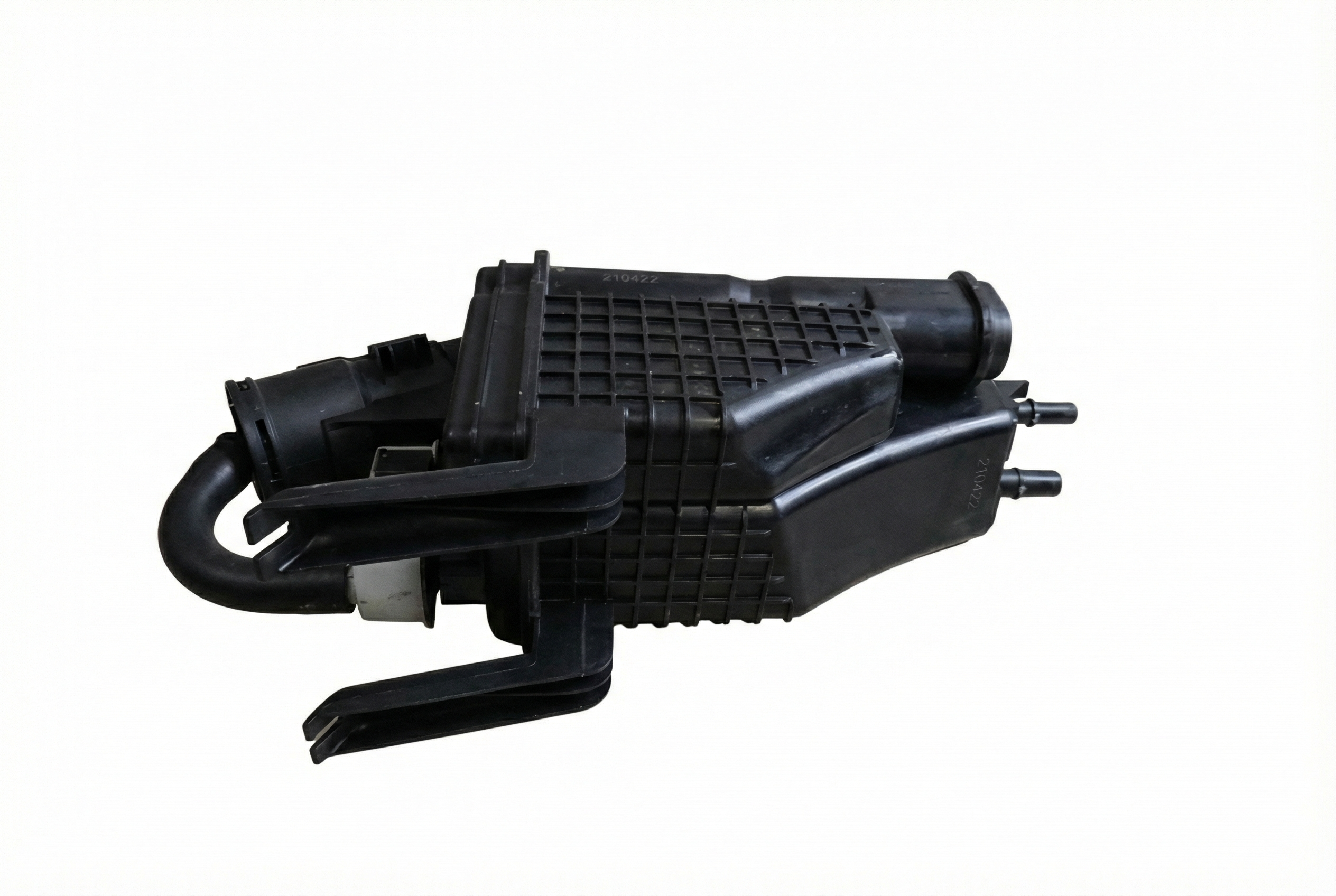
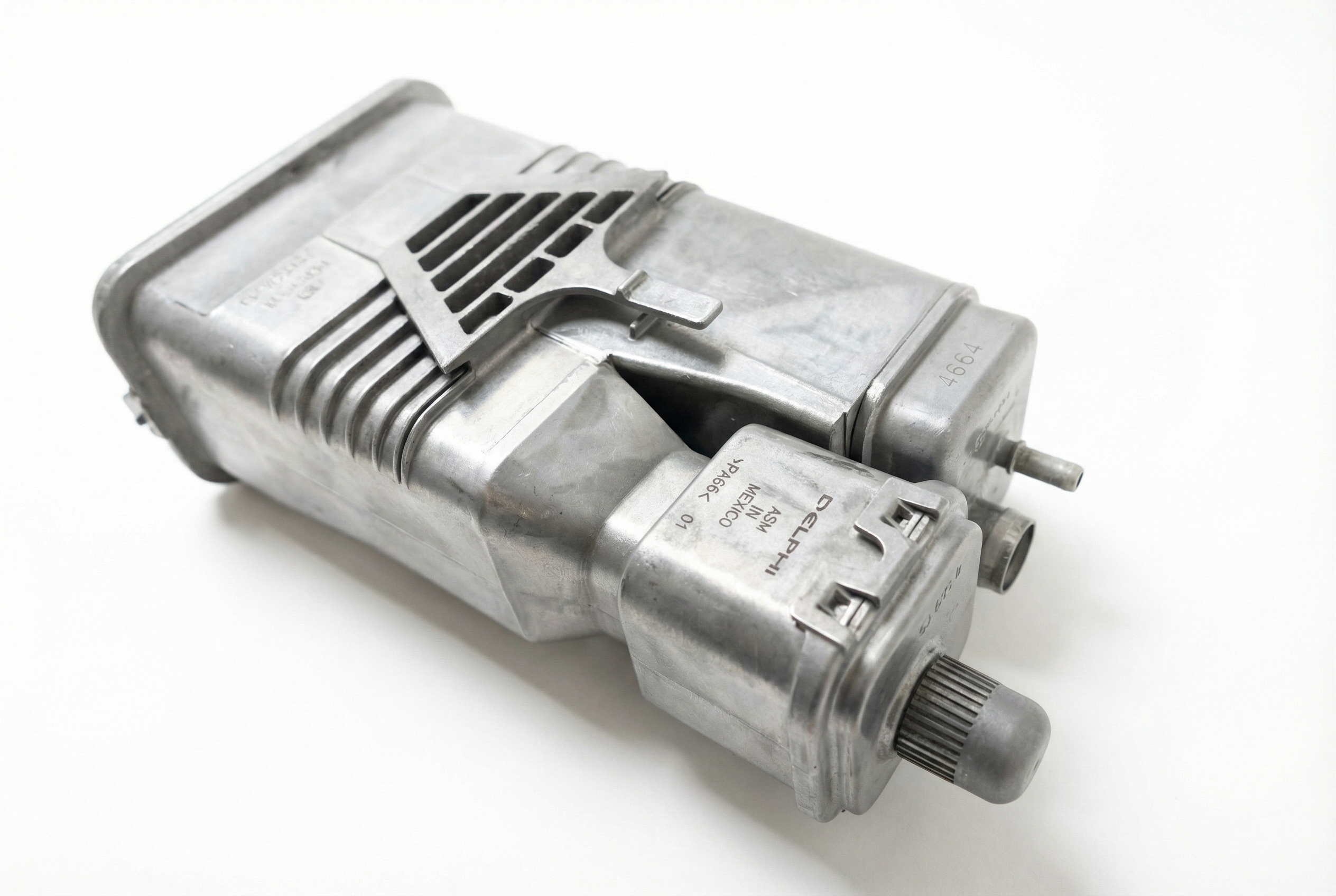
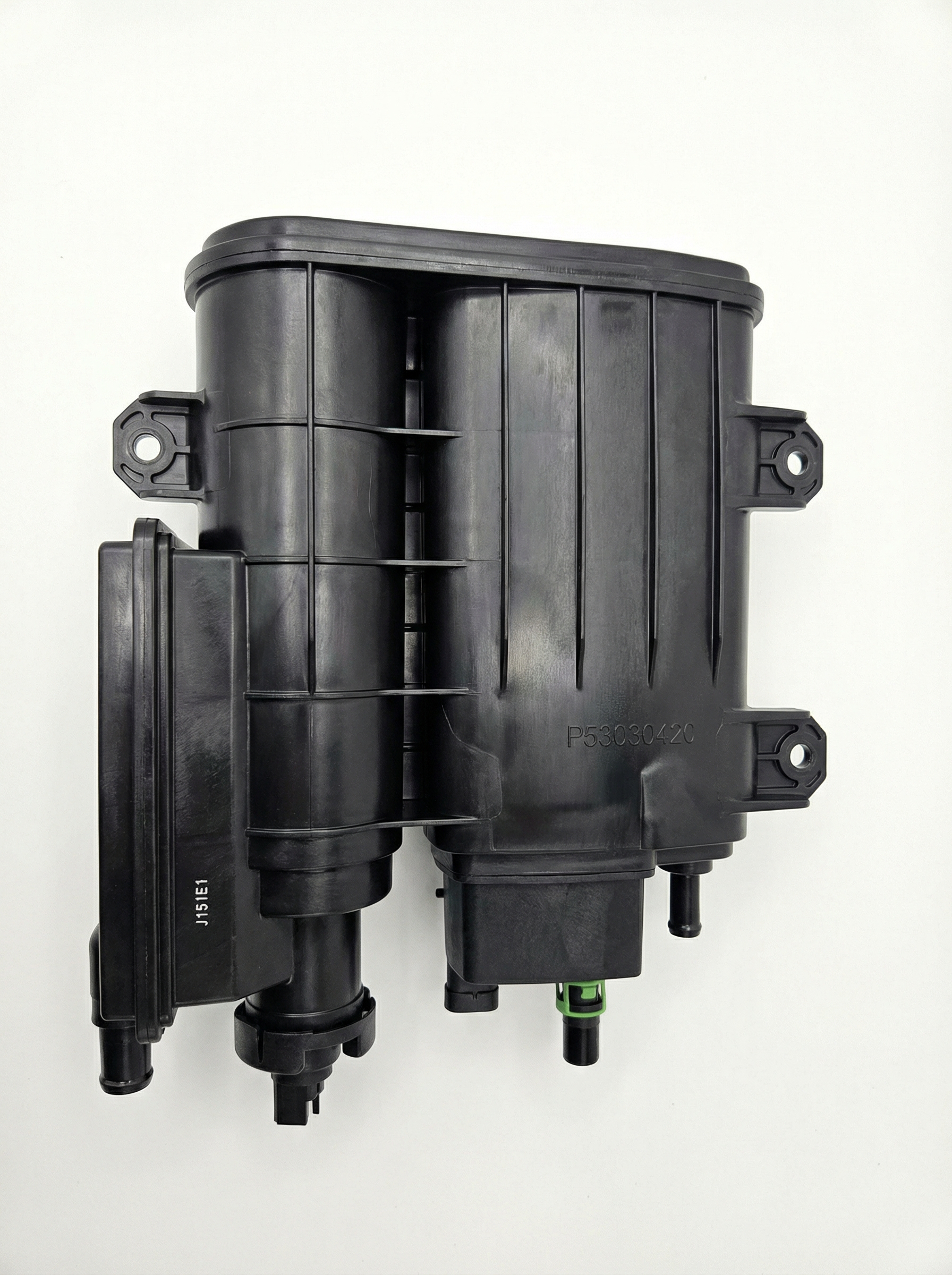
Est. part cost: $10-$50 - Faulty EVAP Canister / Leak Detection Pump (ESIM) ⚪ Low Probability → Shop Evaporative Emissions System Leak Detection Pump On JK models, the canister is exposed and can be damaged by debris. On all models, the attached Leak Detection Pump (also called an Evaporative System Integrity Module or ESIM) can fail. Several owners on Reddit and forums have confirmed that replacing the ESIM fixed their P0456 code after a new gas cap did not.
How to confirm: Inspect the canister for physical cracks or damage, especially on a JK. The ESIM can be replaced as a diagnostic step if other common causes are ruled out. A smoke test will definitively show a leak from the canister body or the ESIM seal.
Typical fix: Replace the ESIM module (Mopar P/N 04861962AD) or the entire EVAP canister assembly if it's cracked.
Est. part cost: $30-$75 for ESIM, $100-$200 for canister
Rare But Worth Checking
- Cracked Fuel Tank Rollover Valve Nipple (JK Models): → Shop Fuel Tank A plastic nipple on top of the fuel tank where an EVAP line connects is known to crack. This is a common issue discussed extensively in forums. The official fix is to replace the entire fuel tank, which can cost over $1,400. However, many owners successfully repair it by dropping the tank slightly for access and applying a high-quality plastic epoxy like J-B Weld around the cracked nipple.
- Failing Battery (JL Models): → Shop Vehicle Battery In some cases on JL models, which have both a main and an auxiliary battery, a failing battery with low voltage can cause sensors in the EVAP system to malfunction and trigger a false P0456 code. One owner documented a 6-month battle with the code that was only resolved after replacing both batteries.
Diagnosis Steps
- Read the code with an OBD-II scanner to confirm P0456 is present.
- Inspect the gas cap. Ensure it is tight (clicks 3+ times) and the seal is not cracked or worn. If in doubt, replace it with an OEM Mopar cap (P/N 52030377AB or 52030387AB).
- Clear the code and drive for a few days. The EVAP monitor runs only under specific conditions, so it may take time for the code to clear or return.
- If the code returns, inspect the EVAP purge valve on the engine and its connecting hoses for any visible cracks or damage.
- Visually inspect the EVAP canister (under the vehicle on JK, in the rear passenger wheel well on JL) and all connected hoses for damage. On JKs, pay special attention to the EVAP hose routed near the battery for corrosion damage.
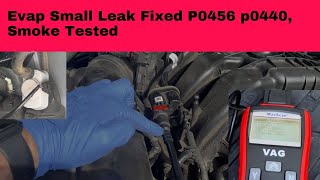
- If no obvious issues are found, the most effective next step is a smoke test. This involves injecting pressurized smoke into the EVAP system to visually pinpoint the leak's location. This can be done professionally or with a DIY setup.
- Based on the smoke test results, replace the faulty component (hose, valve, ESIM, canister, etc.).
- If all else fails, especially on a JL model older than 4-5 years, test the battery voltage. A weak battery can cause false codes.
Parts You'll Likely Need
- Gas Cap
(OEM #52030377AB or 52030387AB (verify by VIN))— This is the most frequent and cheapest fix. The seal wears out over time. Using an OEM cap is highly recommended by the community.
Trusted brands: Mopar
OEM price range: $25-$40
Aftermarket price range: $15-$25 - EVAP Purge Valve / Solenoid
(OEM #4891735AC (verify by VIN))— A very common failure point that gets stuck open, causing a persistent small leak. It's located on the engine and is easy to replace.
Trusted brands: Mopar, Bosch, Standard Motor Products
OEM price range: $40-$60
Aftermarket price range: $25-$45 - Evaporative System Integrity Module (ESIM)
(OEM #04861962AD (verify by VIN))— This module, also called a leak detection pump, is attached to the canister and is a known failure point that will set a P0456 code.
Trusted brands: Mopar, Duralast
OEM price range: $65-$85
Aftermarket price range: $30-$50
Related Codes That Often Appear With This One
- P0455 — P0455 indicates a large EVAP leak. If both codes are present, it suggests a significant leak that the system may sometimes interpret as small, such as a very loose gas cap or a completely disconnected hose.
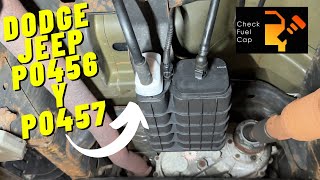
- P0457 — P0457 specifically means 'Evaporative Emission System Leak Detected (Fuel Cap Loose/Off)'. If seen with P0456, it strongly points to the gas cap as the primary suspect.
Technical Service Bulletins (TSBs) & Recalls
- 1804823: 'wiTECH Small Leak Verification Test (SLVT) - P0456-EVAP SYSTEM SMALL LEAK'
- 1814422: Mentions P0456 and recommends using the wiTECH Small Leak Verification Test (SLVT).
- 1811422: Recommends using the wiTECH Small Leak Verification Test (SLVT) if DTC P0456 is present.
- 18-036-21: Recommends using the wiTECH Small Leak Verification Test (SLVT) if DTC P0456 is present.
- S2008000112: A TSB that specifically addresses MIL illumination for codes P0441, P0456, P0457, and P0440, indicating a known pattern of EVAP system faults.
Platform-Specific Known Issues
- Exposed JK EVAP Canister: → Shop Vapor Canister On JK models (2012-2018), the EVAP canister is mounted in a vulnerable position under the body, making it prone to damage from rocks and trail debris. Many owners install an aftermarket skid plate for protection.
- Cracked JK Fuel Tank Rollover Valve: → Shop Fuel Tank A plastic nipple on the fuel tank's rollover valve is a known weak point on JK models that can crack and cause a leak. The official fix is a full tank replacement, but many owners report success with an epoxy repair.
- Corroded JK EVAP Hose: An EVAP hose routed next to the battery on JK models can be damaged by corrosion or heat from the battery, causing a small pinhole leak that triggers P0456.
- False JL Code from Failing Battery: → Shop Vehicle Battery On JL models with dual batteries, a failing main or auxiliary battery can cause low voltage, leading to false sensor readings and triggering a P0456 code when no leak is present.
Mechanic-Grade Diagnostic Values
- EVAP Purge Valve Solenoid Resistance — expected: 15 to 75 Ohms, with many sources citing a narrower range of 20-30 Ohms as typical for a good valve.. Failure: A reading that is too high, too low, or infinite (open circuit) indicates a faulty valve that needs replacement.
Scan Tool Commands That Help
- wiTECH (Mopar Dealer Tool): Small Leak Verification Test (SLVT) — This is the mandatory first step in dealer diagnostics for P0456. It verifies if a small leak is currently present. It must also be run after a repair to confirm the fix, as a standard road test will not immediately verify the repair due to the specific drive cycle conditions needed to run the EVAP monitor.
Real Owner Repair Stories
- JK-Forum.com user '10frank9' (Jeep JK Wrangler (year not specified)) — Persistent P0456 code after resetting.
❌ Tried (didn't work) Replacing the gas cap.
✅ What actually fixed it Found a small hole in the EVAP vacuum line located right next to the battery, likely caused by corrosion or heat. A temporary fix with electrical tape confirmed it was the source of the leak, and the code did not return after 500 miles. The permanent fix is to replace that section of hose. - YouTube channel 'Evolved Jeeping' (2019 Jeep Wrangler JL Rubicon) — 6-month battle with a recurring P0456 check engine light.
❌ Tried (didn't work) Replacing the ESIM module., Replacing the EVAP purge valve., Replacing the gas cap.
✅ What actually fixed it Replacing both the main and auxiliary batteries. The owner concluded that low voltage from the aging (5-year-old) batteries was causing a sensor in the EVAP system to malfunction and throw a false code. The code disappeared immediately after the battery replacement and did not return. - Reddit user on r/JeepWrangler (2011 Jeep Wrangler with <80k miles) — Persistent P0456 code.
❌ Tried (didn't work) Smoke test that found and fixed a loose hose., Replacing the gas cap with an OEM part., A second smoke test which showed no leaks.
✅ What actually fixed it Replacing the ESIM module, even though the smoke test passed. The mechanic replaced it as a next logical step, and the code did not return in the short term (4 days). This highlights that the ESIM can fail electrically without creating a physical leak detectable by smoke. - YouTube channel 'Evolved Jeeping' (follow-up video) (2019 Jeep Wrangler JL Rubicon) — P0456 code returned even after replacing batteries, purge valve, ESIM, and gas cap.
❌ Tried (didn't work) Replacing ESIM module, Replacing EVAP purge valve, Replacing gas cap, Replacing both main and auxiliary batteries
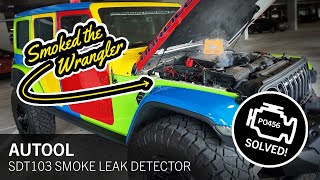
✅ What actually fixed it A smoke test using an Autool smoke machine revealed a small pinhole leak on the EVAP canister itself. The owner repaired the pinhole with J-B Weld, believing it was caused by a rock strike. This solved the code.
"I Checked Everything" — The Actual Cause
- A 2011 Wrangler owner reported that after a smoke test came back clean (after a previous test found and fixed a loose hose), the mechanic replaced the ESIM module as the next step, which resolved the P0456 code. This suggests the ESIM can fail internally/electrically without causing a physical leak.
- On a 2019 JL Wrangler, after replacing the purge valve, ESIM, and gas cap didn't work, the final solution was replacing the main and auxiliary batteries. The theory is that low voltage from the old batteries caused a false sensor reading, triggering the P0456 code even though no physical leak existed.
When the Usual Fixes Don't Work
- While the pass 2 information correctly identifies common causes, several real-world owner experiences highlight scenarios where those fixes fail. One 2019 JL owner replaced the ESIM, purge valve, and gas cap without success; the problem was ultimately solved by replacing the main and auxiliary batteries, which were causing low-voltage sensor errors. In a follow-up, the same owner's code returned, and the final culprit, found only with a smoke machine, was a tiny pinhole in the EVAP canister itself, which was then patched with epoxy. Another JK owner had a smoke test pass with no leaks found, yet replacing the ESIM module still fixed the code, indicating an electrical failure rather than a physical one. These cases show that for persistent P0456 codes, diagnosis must go beyond visual inspection and may require checking the electrical system (batteries) or using a smoke machine even if other parts have been replaced.
OEM Part Supersession History
4861962AA, 4861962AB, 4861962AC, 4891685AA, 4891685AB→04861962AD— Standard part revision and consolidation by Mopar.
Heads up: Part 04861962AD is the current recommended replacement for the ESIM / Leak Detection Pump across a wide range of Chrysler/Jeep/Dodge vehicles, including the Wrangler. Using the latest revision is recommended for reliability.
Helpful Videos
Used OEM Parts in Stock
New Aftermarket Parts Available


The information in this article is provided for general reference and educational purposes only. Vehicle specifications, procedures, and part compatibility can vary by production date, trim level, and region. Always consult your vehicle's factory service manual and verify part numbers before purchasing or performing repairs. Safety-critical components such as airbags, seat belts, and braking systems should be installed by a qualified professional.
- Jeep WRANGLER:
- 🧭 Diagnostic Flowchart
- 🎬 Helpful Videos
- 🛍️ Shop This Part
- What's Unique About the 2012-2019 Jeep WRANGLER
- Symptoms You May Notice
- Most Likely Causes
- Rare But Worth Checking
- Diagnosis Steps
- Parts You'll Likely Need
- Related Codes That Often Appear With This One
- Technical Service Bulletins (TSBs) & Recalls
- Platform-Specific Known Issues
- Mechanic-Grade Diagnostic Values
- Scan Tool Commands That Help
- Real Owner Repair Stories
- "I Checked Everything" — The Actual Cause
- When the Usual Fixes Don't Work
- OEM Part Supersession History
- 🎟️ Get 5% Off