

P0456 on 2011-2016 Kia Forte Koup: Causes and Fixes for Small EVAP Leaks
P0456 on a 2011-2016 Kia Forte Koup almost always indicates a very small leak in the emissions system, most commonly caused by a loose or worn-out gas cap. If a new OEM gas cap (~$25) doesn't solve it, the next likely culprits are the purge control valve or a cracked charcoal canister, a known issue on these models.
- Start with the simplest fix: check that your gas cap is tight. If it's old, replace it with an OEM part for about $25.
- P0456 will not affect how your car drives, but it will cause you to fail an emissions test.
- If a new gas cap doesn't fix the issue, the next most likely causes are a faulty purge valve in the engine bay or a cracked charcoal canister under the rear of the car.
- The most reliable way to find the exact source of a persistent small leak is to have a mechanic perform a smoke test on the EVAP system.
- Be aware that your 2011-2016 model falls into one of two generations (2011-2013 or 2014-2016), so double-check part compatibility before ordering.
What's Unique About the 2011-2016 Kia FORTE KOUP
The 2011-2016 Kia Forte Koup spans two distinct generations (TD and YD), which can lead to part differences. For this code, Kia has acknowledged that small leaks can be difficult to find through normal self-tests. A Technical Service Bulletin (TSB #PS469) specifically recommends a manual EVAP test, such as a smoke test, for hard-to-find P0456 leaks, suggesting that standard diagnostic procedures may not be sufficient. Furthermore, owner forums and videos specifically for the Forte show a pattern of the charcoal canister developing cracks near its mounting points, making it a vehicle-specific weak spot.
Diagnostic Flowchart
Tap your situation to follow the diagnostic path that matches what you're seeing on this vehicle.
Generation note: The specified year range covers two generations of the Kia Forte Koup: the first generation (TD, 2011-2013) and the second generation (YD, 2014-2016). While the common causes for P0456 are the same, the exact part numbers and locations for components like the purge valve and vapor canister differ between these generations. Always verify parts for your specific model year before purchasing.
Symptoms You May Notice
- Check Engine Light is on.
- A faint smell of fuel, though this is less common than with larger EVAP leaks.
- No noticeable impact on vehicle performance or drivability.
- Difficulty starting the engine immediately after refueling (a classic symptom of a stuck-open purge valve).
- Replacing the MAP sensor. A YouTube video shows a user replacing the MAP sensor for a P0456 code, but this is not a standard diagnostic step for an EVAP leak and is unlikely to fix the issue.
- Assuming an aftermarket gas cap will work. Many owners report that only a genuine OEM Kia gas cap provides a reliable seal to fix the P0456 code after a faulty cap diagnosis.
Most Likely Causes
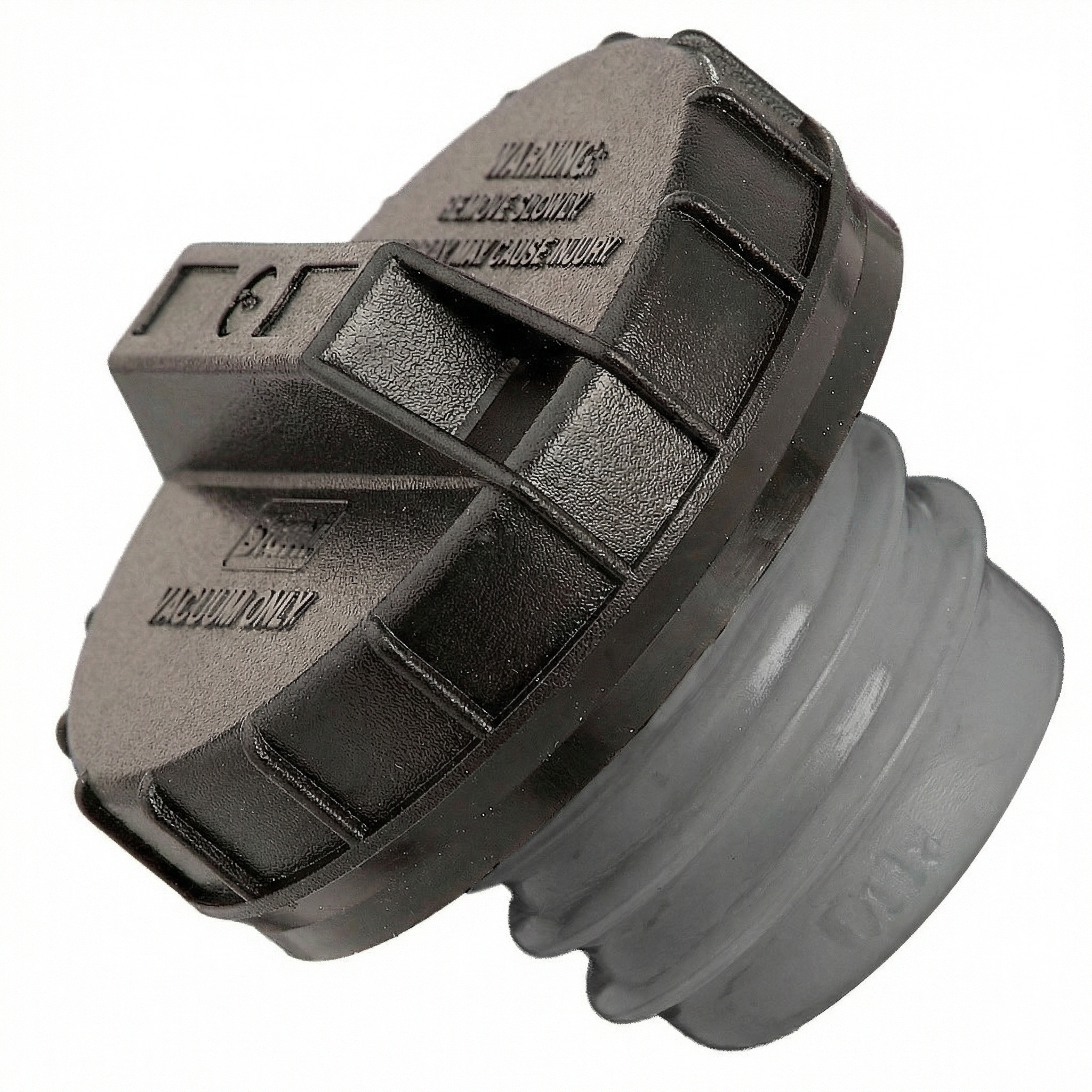
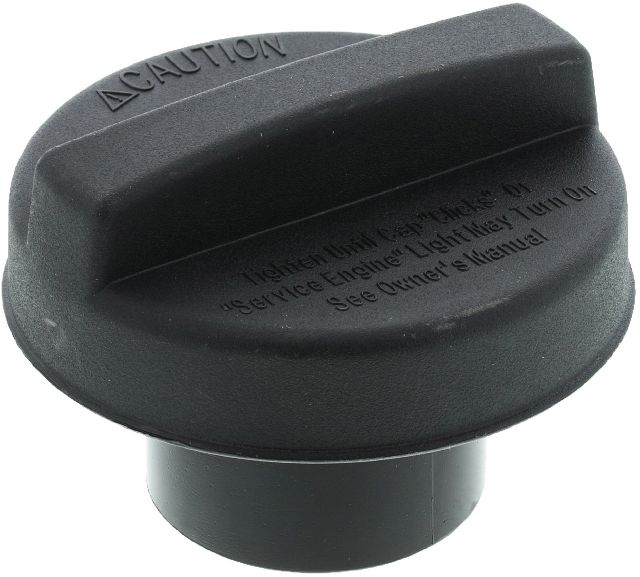
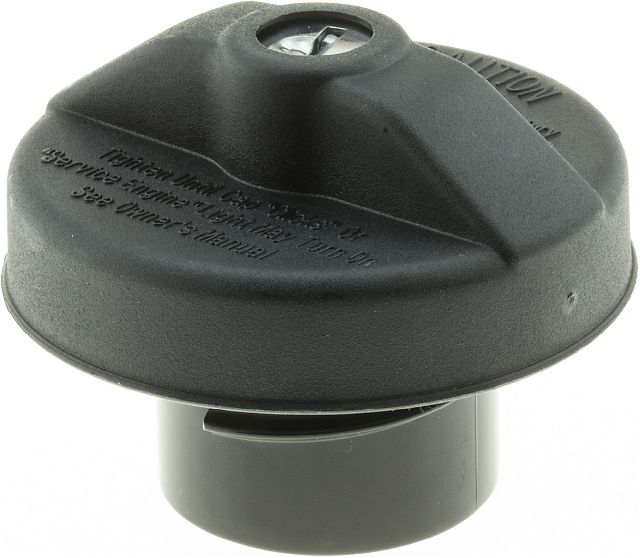
- Loose or Faulty Gas Cap 🔴 High Probability → Shop Fuel Tank Cap The gas cap's rubber O-ring seal degrades over time from exposure to fuel vapors and weather, causing it to crack or harden and lose its sealing ability. This is the most common and easiest-to-fix cause for P0456 on any vehicle. Using a non-OEM cap can also cause sealing issues.
How to confirm: First, ensure the cap is tightened until it clicks several times. If the light returns, inspect the rubber seal on the cap for cracks, dirt, or stiffness. If the cap doesn't click when tightened or the seal is visibly damaged, it should be replaced. Many owners on forums report that only an OEM cap will solve the problem.
Typical fix: Replace the gas cap with a new OEM (Original Equipment Manufacturer) part to ensure a perfect seal. Clear the code and drive for a few days.
Est. part cost: $15-$30 - Faulty Purge Control Valve (PCSV) 🟡 Medium Probability This valve controls the flow of fuel vapors from the charcoal canister to the engine. It can become stuck open or closed, creating a small leak or an incorrect flow condition within the system. It's a very common failure point on Kia/Hyundai vehicles.
How to confirm: A classic symptom is difficulty starting the car right after filling the gas tank. With the engine running, you can sometimes feel for vacuum at the valve's port. A more definitive test involves removing the valve and trying to blow through it; it should be closed (no air passes) when not powered.
Typical fix: Replace the purge control valve. It is typically located in the engine bay and is accessible for DIY replacement, often in under 30 minutes.
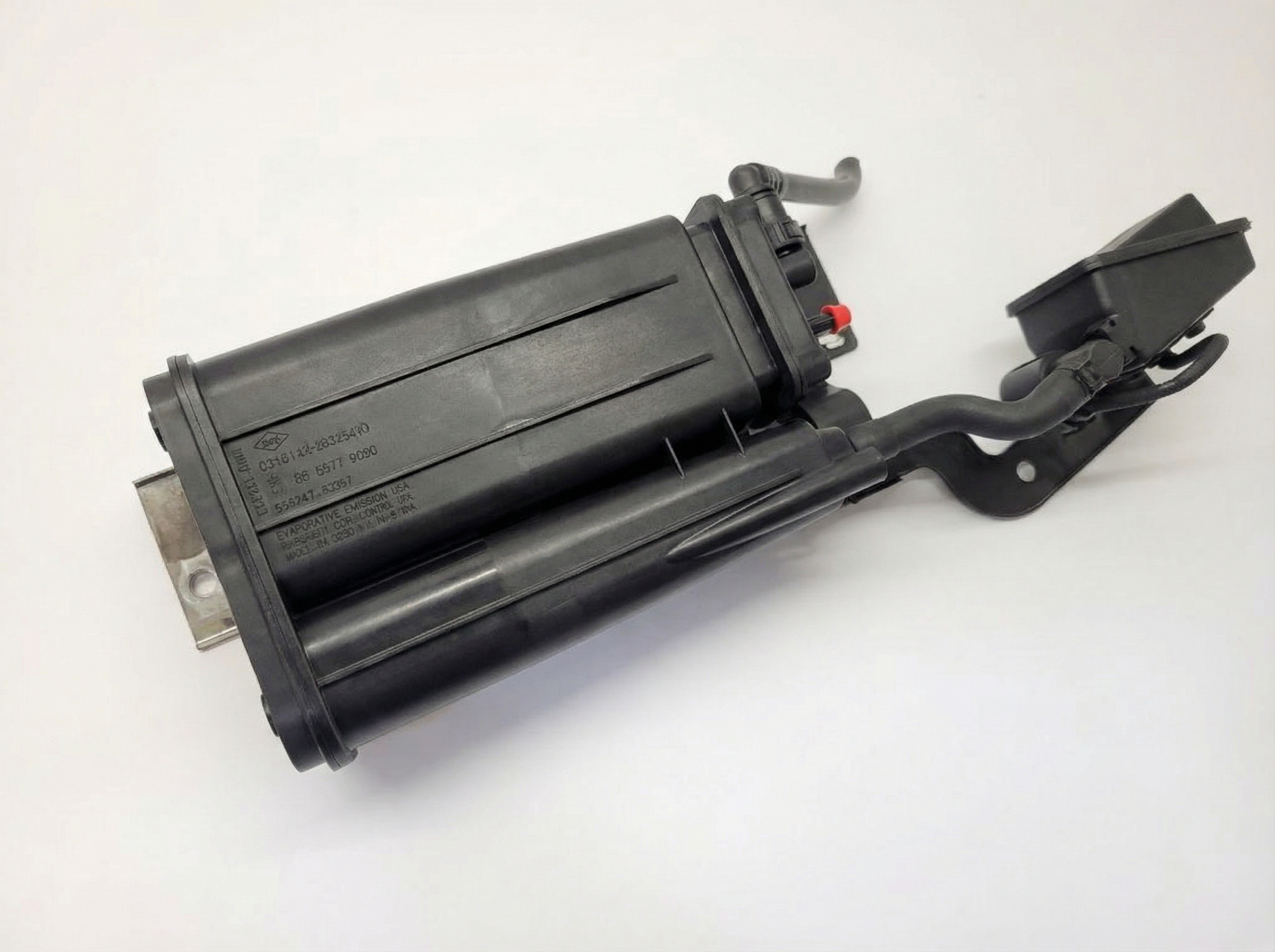
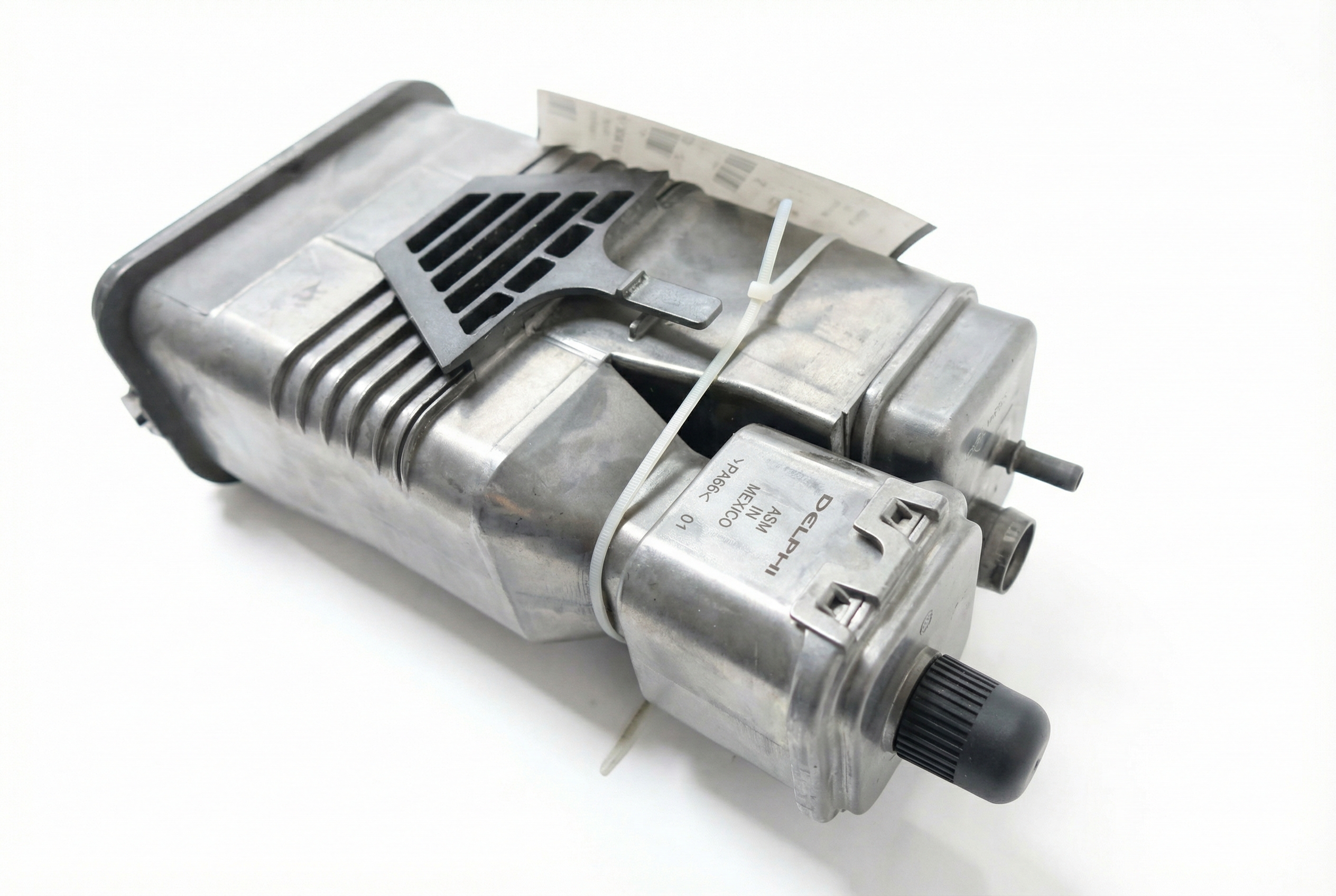
Est. part cost: $40-$80 - Cracked Charcoal/Vapor Canister 🟡 Medium Probability → Shop Vapor Canister The plastic housing of the charcoal canister, located under the rear of the vehicle, is known to develop small stress cracks, especially around the mounting brackets. This is a well-documented failure point on Fortes from this era, with multiple owners showing video evidence of the cracks.
How to confirm: A smoke test is the most effective method. A technician injects smoke into the EVAP system, and the smoke will escape from any cracks, making the leak visible. Visual inspection may also reveal hairline cracks on the canister body, particularly where the mounting bolts attach.
Typical fix: Replace the entire vapor canister assembly. This is a bolt-on part located under the rear of the car.
Est. part cost: $150-$250 - Cracked or Disconnected EVAP Hoses ⚪ Low Probability The rubber and plastic hoses that connect the EVAP system components can become brittle and crack over time due to heat and age, especially at connection points. In salt-belt regions, rust can destroy the metal hose clamps, allowing hoses to loosen.
How to confirm: Visually inspect all accessible EVAP hoses for signs of cracking, disconnection, or chafing. A smoke test is the most reliable way to find a small hose leak.
Typical fix: Replace the damaged section of the hose or the rusted clamp.
Est. part cost: $5-$20
Rare But Worth Checking
- Faulty Fuel Tank Pressure Sensor (FTPS): → Shop Fuel Tank In some cases, the sensor itself can fail internally, causing it to report a leak to the computer even when no physical leak exists. A dealer technician for a different Kia model with a persistent P0456 found an internal check valve in the FTPS was bleeding off pressure, causing the code despite smoke tests showing no leaks. This can be difficult to diagnose without advanced tools.
- Leaking Canister Close Valve (CCV) / Vent Valve: → Shop Vapor Canister This valve is normally open and closes to seal the system for testing. If it doesn't seal completely due to dirt or failure, it can cause a small leak code. On many Forte models, this valve is integrated into the charcoal canister assembly and is replaced with it. Some Kia TSBs for other models point to this valve (also called an NVLD) as a primary cause for P0456.
- Cracked Fuel Filler Neck: → Shop Fuel Filler Neck Though less common, the metal tube leading from the gas cap to the fuel tank can rust and develop small holes, creating a leak. A smoke test where smoke is seen coming from the filler neck area would confirm this. One owner was quoted over $400 for this repair.
Diagnosis Steps
- Check the gas cap. Ensure it is tight and clicks. If the seal looks worn or cracked, replace it with a genuine OEM cap. Clear the code and drive for a few days to see if it returns. This is the most common fix.
- If the code returns, perform a thorough visual inspection of all visible EVAP hoses in the engine bay and under the car for obvious cracks or disconnections.
- Consider the Purge Control Valve (PCSV). If you experience hard starting after refueling, this part is highly suspect. It can be tested or replaced as a relatively inexpensive next step.
- If no obvious issues are found, the most effective next step is a professional smoke test. This involves feeding low-pressure smoke into the EVAP system's service port.
- Observe where the smoke exits. Pay close attention to the charcoal canister body, especially near the mounting points, as this is a known weak spot on the Forte. Also check the purge valve, vent valve, and all hose connections.
- If the charcoal canister is leaking, it will need to be replaced.
- If the purge valve is suspected, it can be tested for functionality with a scan tool or by checking if it holds vacuum when de-energized.
- After replacing the faulty part, clear the code with a scan tool. The vehicle's EVAP monitor will need to run and complete its self-test (which can take several drive cycles) before you can be certain the fix was successful.
Parts You'll Likely Need
- Fuel Filler Cap (Gas Cap)
(OEM #31010-3L600 (or superseding part 31010-3L600U))— This is the most frequent cause of a P0456 code due to the seal wearing out over time. It's the cheapest and easiest part to replace first. Owners strongly recommend using an OEM part.
Trusted brands: Kia (OEM)
OEM price range: $20-$30
Aftermarket price range: $10-$20 - Canister Purge Valve
(OEM #Gen 1 (2011-2013): 28910-26900; Gen 2 (2014-2016): 29010-2E000 (Verify by VIN))— A common failure point that can stick open, creating a small, persistent leak in the system and often causing hard starts after refueling.
Trusted brands: Kia (OEM), Bosch, Standard Motor Products (SMP), Duralast (PV648)
OEM price range: $60-$90
Aftermarket price range: $30-$60 - Vapor Canister
(OEM #Gen 1 (2011-2013 Koup): 31410-1M600SJ; Gen 2 (2014-2016 Koup): 31420-A7000 (Verify by VIN))— The plastic housing is known to develop cracks near the mounting points on some Kia models, leading to a small leak that requires replacement of the canister.
Trusted brands: Kia (OEM), Duralast
OEM price range: $180-$250
Aftermarket price range: $120-$200
Related Codes That Often Appear With This One
- P0442 — P0442 indicates a 'medium' EVAP leak. If a small leak (P0456) worsens, it may eventually trigger a P0442.
- P0455 — P0455 indicates a 'large' EVAP leak. It's less common to see with P0456, but multiple issues or a completely failed component could lead to both codes being stored at different times.
- P0441 — P0441 indicates 'Incorrect Purge Flow' and often points directly to a faulty Purge Control Solenoid/Valve, which can also cause P0456 if it's stuck slightly open.
Technical Service Bulletins (TSBs) & Recalls
- PS469: Recommends a manual EVAP test (like a smoke test) for hard-to-find P0456, P0442, P0455, or P0457 leaks when the system's self-test does not find a fault.
- SA395 / SA421: While for other Kia models (Niro, Optima), these service actions show a pattern of Kia addressing P0456 by replacing the Natural Vacuum Leak Detector (NVLD) and its associated air filter, indicating this is a known problem area for the manufacturer.
Platform-Specific Known Issues
- Cracked Vapor Canister Housing: → Shop Vapor Canister Multiple owners of Kia Fortes from this era have documented, through videos and forum posts, that the plastic vapor canister develops hairline cracks near the metal mounting brackets. A smoke test will reveal smoke seeping from these cracks, confirming the canister must be replaced. This appears to be a design or material flaw making it a common failure point beyond normal wear and tear.
Mechanic-Grade Diagnostic Values
- Fuel Tank Pressure Sensor (FTPS) Signal Voltage — expected: ~2.5V with ignition on, engine off, and gas cap removed (atmospheric pressure).. Failure: Voltage is significantly different from 2.5V, or is stuck high (5V) or low (0.3V).
- Fuel Tank Pressure Sensor (FTPS) Voltage during PCM-commanded vacuum test — expected: Voltage should rise to around 3.0V as vacuum is applied, and hold steady or fall no lower than 1.5V after the system is sealed.. Failure: If the voltage falls below 1.5V after being sealed, a leak is present.
- Canister Purge Solenoid Valve (PCSV) Coil Resistance — expected: Approximately 30-36 Ohms at room temperature.. Failure: An open circuit (infinite resistance) or a reading far outside the expected range indicates a failed coil.
Hidden / Shadow Codes Worth Checking
- P0456pd: A 'pending' or 'permanent' DTC. It indicates the P0456 fault was detected on a previous drive cycle but hasn't met the full criteria to keep the MIL on. Its presence confirms an intermittent or recurring fault. (see via Most standard OBD-II scanners will show pending codes in a separate menu from active/stored codes.)
Scan Tool Commands That Help
- Kia KDS/GDS (or advanced aftermarket scanner): EVAP Leakage Test — This is a guided, automated test that commands the CCV and PCSV to seal and test the system, monitoring the FTPS for pressure drop. It's the factory-prescribed way to test the system electronically before resorting to a smoke machine.
- Advanced aftermarket scanner: Canister Close Valve (CCV) On/Off Command — Used to manually close the vent valve to seal the EVAP system. This is the first step before introducing smoke from a smoke machine or pulling a vacuum to check for leaks.
Wiring & Ground Locations
- ECM Connector Pin 71 — At the main Engine Control Module (ECM).. For the 2.0L NU engine, Pin 71 is the control wire for the Purge Control Solenoid Valve (PCSV). A technician can check for a control signal (a pulsing ground) at this pin to verify the ECM is commanding the valve to open.
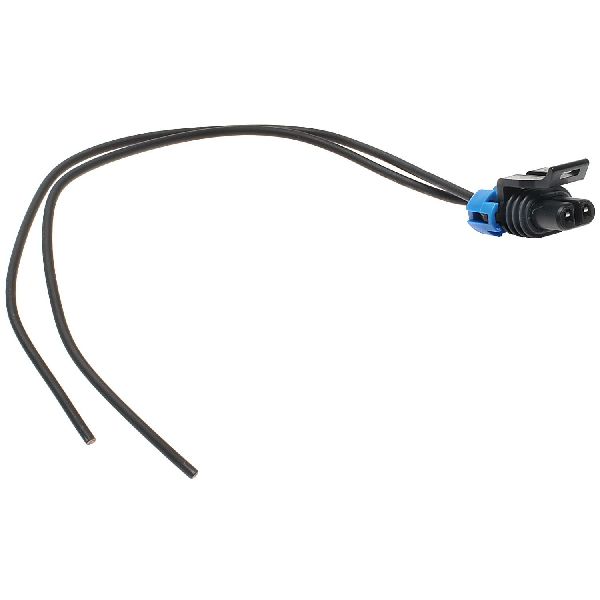
- Canister Close Valve (CCV) Connector — At the charcoal canister assembly, under the rear of the vehicle.. One of the wires (often blue on Kias) can be manually grounded to force the CCV closed, sealing the system for a manual vacuum test without a scan tool. This helps isolate leaks between the canister and the engine.
Real Owner Repair Stories
- YouTube channel 'JL's Auto Solution' (2014 Kia Forte) — Check Engine Light with code P0456.
❌ Tried (didn't work) The technician went straight for the most likely vehicle-specific cause, skipping the gas cap and purge valve initially.
✅ What actually fixed it The vapor canister was found to have multiple hairline cracks around the plastic mounting tabs. The technician confirmed the leak by pressurizing the canister slightly and spraying it with soapy water, which produced bubbles. Replacing the vapor canister resolved the P0456 code. - YouTube channel 'Evaporative Emission System Leak' (2015 Kia Rio (similar EVAP system design)) — Check Engine Light with code P0456.
❌ Tried (didn't work) Fuel cap inspection showed no issues.
✅ What actually fixed it Upon inspection under the vehicle, a steel hose clamp securing a vent hose to the charcoal canister was found to be completely rusted through and had broken apart. This allowed the hose to leak vapor. Replacing the small metal clamp with a new one and clearing the code fixed the issue. - Reddit user on r/KiaForte (2014 Kia Forte EX, 75k miles) — P0456 code that would return when the fuel tank was between 1/4 and 1/2 full.
❌ Tried (didn't work) Checking and re-tightening the gas cap., Replacing the gas cap.
✅ What actually fixed it The user did not post a final resolution, but the symptoms and failed attempts are a classic progression for this code, pointing towards the next steps of checking the purge valve or canister.
"I Checked Everything" — The Actual Cause
- A known, but rare, failure pattern for Kia/Hyundai vehicles is an internal failure of the Fuel Tank Pressure Sensor (FTPS). The sensor itself can have a micro-leak in its internal diaphragm or check valve. This will not show up on an external smoke test, as no smoke will be visible. However, the sensor will incorrectly report a pressure drop to the ECM during the vehicle's own self-test, triggering P0456. Diagnosis requires logging scan tool data during a test cycle or swapping the sensor as a last resort.
OEM Part Supersession History
28910-26900→28910-26900 (current)— This part number has remained stable but is shared across many Hyundai/Kia models from 2006-2013, including the Accent, Elantra, and Soul, indicating a widely used design.31010-3L600→31010-3L600U— Minor revision or update to the gas cap assembly. The 'U' suffix often denotes an updated part or a change in the supply chain.
Heads up: The parts are interchangeable, but using the latest '3L600U' version is recommended.
Model Year Variations Within This Range
- 2014-2016 (YD Generation): A Technical Service Bulletin exists for potential water contamination in the Canister Close Valve (CCV) for the YD generation Forte, which could lead to EVAP codes. The recommended fix involves inspecting the CCV and potentially replacing the 'Air Drain Case'.
- 2011-2013 (TD) vs 2014-2016 (YD): The Purge Control Valve (PCSV) and Vapor Canister have different part numbers and may have slightly different mounting locations between the first (TD) and second (YD) generations. PCSV Gen 1 is 28910-26900; Gen 2 is 29010-2E000. Canister Gen 1 is 31410-1M600SJ; Gen 2 is 31420-A7000.
Helpful Videos


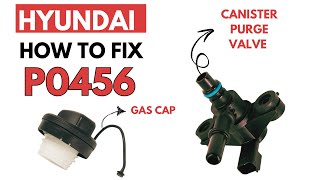

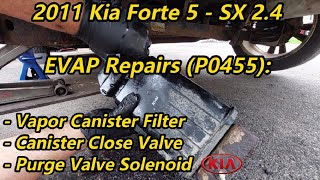
Used OEM Parts in Stock

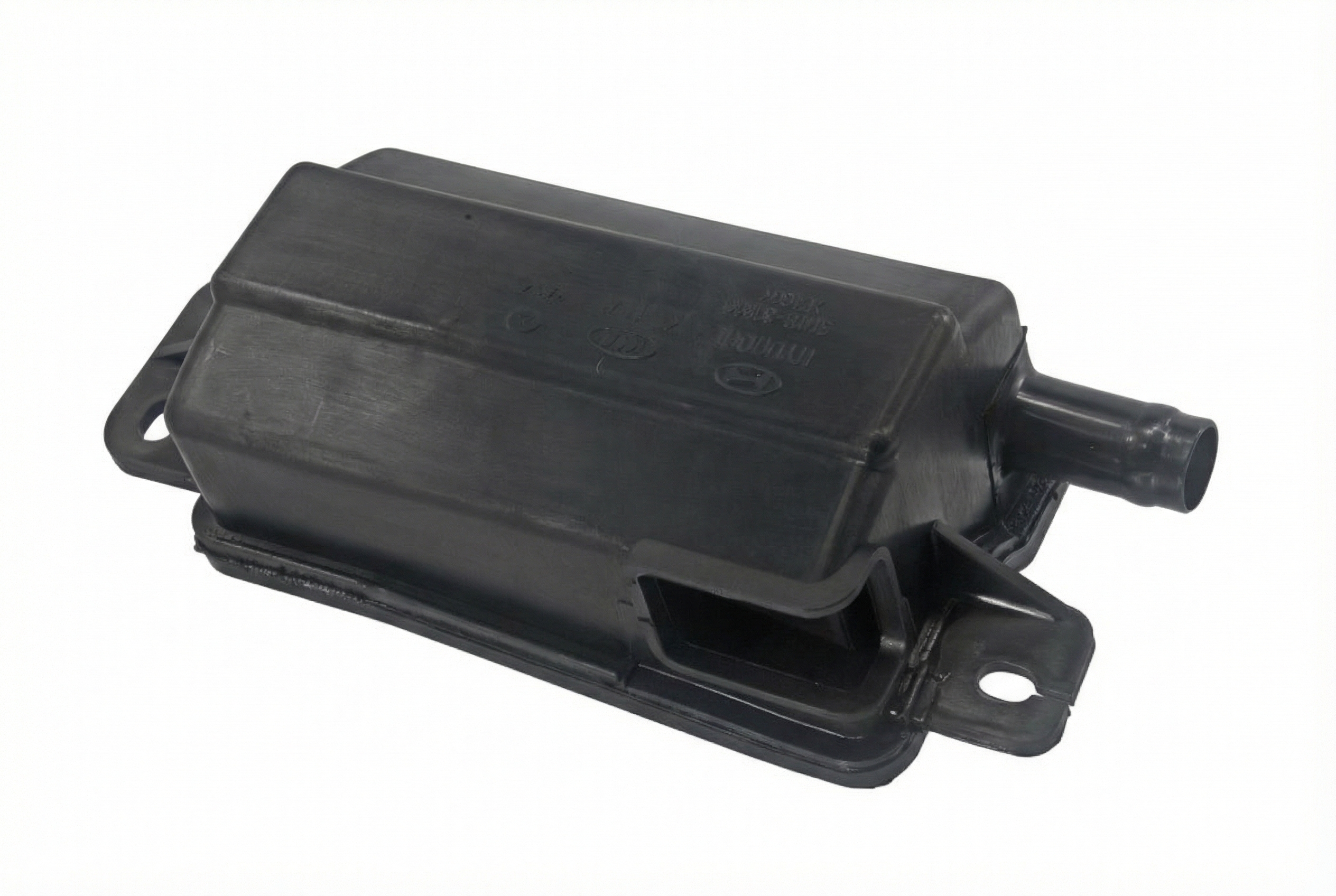
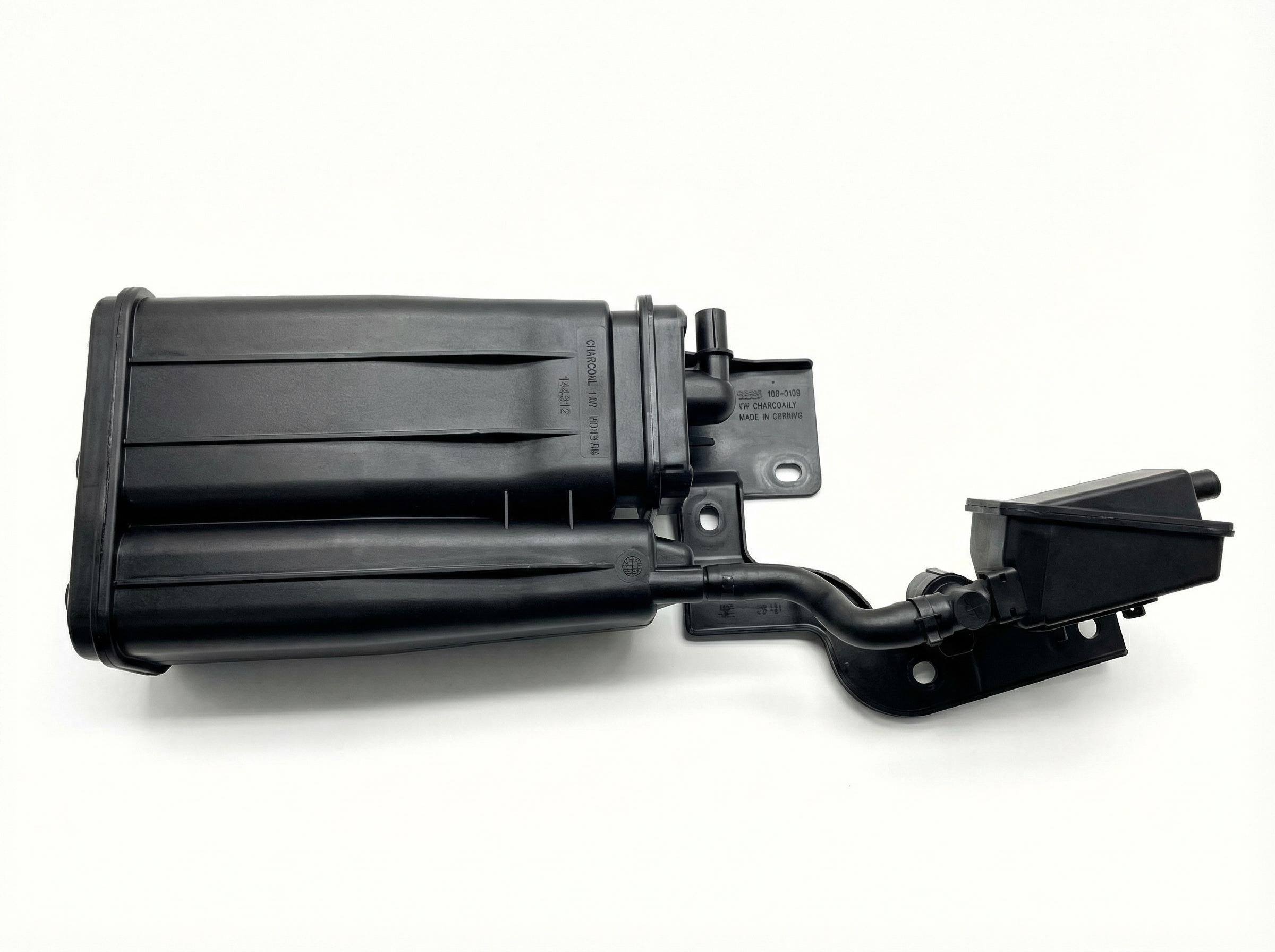
New Aftermarket Parts Available


The information in this article is provided for general reference and educational purposes only. Vehicle specifications, procedures, and part compatibility can vary by production date, trim level, and region. Always consult your vehicle's factory service manual and verify part numbers before purchasing or performing repairs. Safety-critical components such as airbags, seat belts, and braking systems should be installed by a qualified professional.
- Kia FORTE KOUP:
- 🧭 Diagnostic Flowchart
- 🎬 Helpful Videos
- 🛍️ Shop This Part
- What's Unique About the 2011-2016 Kia FORTE KOUP
- Symptoms You May Notice
- Most Likely Causes
- Rare But Worth Checking
- Diagnosis Steps
- Parts You'll Likely Need
- Related Codes That Often Appear With This One
- Technical Service Bulletins (TSBs) & Recalls
- Platform-Specific Known Issues
- Mechanic-Grade Diagnostic Values
- Hidden / Shadow Codes Worth Checking
- Scan Tool Commands That Help
- Wiring & Ground Locations
- Real Owner Repair Stories
- "I Checked Everything" — The Actual Cause
- OEM Part Supersession History
- Model Year Variations Within This Range
- 🎟️ Get 5% Off