

P0456 on 2016-2020 Kia Sorento: Causes and Fixes for Small EVAP Leaks
For a 2016-2020 Kia Sorento, a P0456 code is most often caused by a loose or faulty gas cap. If tightening or replacing the gas cap doesn't fix it, the next most common culprit is a faulty canister purge valve. A new OEM gas cap (Part No. 31010-3L600U) is about $20-$40, and a purge valve is around $25-$75.
- P0456 is not a serious code and will not affect your Sorento's drivability.
- Always check that your gas cap is tight before doing any repairs. If the light comes back, replacing the gas cap with an OEM part is the cheapest and most likely fix.
- If a new gas cap doesn't solve the issue, the canister purge valve is the next most likely culprit.
- Finding the exact source of a small leak can be difficult without a smoke test. If you replace the gas cap and purge valve and the code persists, a smoke test is the next logical step.
- In rare cases where a smoke test finds no leak, the Fuel Tank Pressure Sensor (FTPS) may have an internal fault.
What's Unique About the 2016-2020 Kia Sorento
While P0456 is a universal code, Kia and Hyundai vehicles of this era have a few known patterns. The canister purge valve is a frequent failure point. Additionally, some owners have reported persistent P0456 codes that were only resolved by replacing the Fuel Tank Pressure Sensor (FTPS) due to an internal, undetectable-by-smoke-test failure. While no specific TSBs for the Sorento in this year range were found in the search, related Kia/Hyundai models have TSBs (like 20-FL-003H for the Sonata Hybrid and SA421 for the Optima Hybrid) pointing to the Natural Vacuum Leak Detection (NVLD) sensor, suggesting a general sensitivity in the EVAP system components across the brand. Furthermore, manufacturer service bulletins for other Kia models, such as TSB Bulletin #TSB_FUE057 and TSB Bulletin #TSB_ENG328, indicate that the brand has frequently addressed P0456 through ECM software logic improvements and ECU upgrades.
Symptoms You May Notice
- Check Engine Light is on
- A faint fuel smell, in some cases, particularly around the rear of the vehicle.
- No noticeable impact on drivability or performance.
- Difficulty refueling (gas pump clicks off repeatedly), though this is more common with larger EVAP leaks or vent valve issues.
- Replacing the charcoal canister when the actual problem is a much cheaper vent valve or purge valve.
- Immediately assuming a major leak when the gas cap was simply not tightened correctly.
- Performing expensive smoke tests before replacing the inexpensive and high-probability gas cap.
Most Likely Causes
- Loose or Faulty Gas Cap 🔴 High Probability → Shop Fuel Tank Cap This is the most common cause for any vehicle, as the cap seal can degrade over time or the cap may not have been tightened properly after refueling.
How to confirm: Ensure the gas cap is tightened until it clicks at least once. Inspect the cap's O-ring seal for cracks, stiffness, or damage. If the light returns after clearing the code, this is the cheapest part to replace as a first step.
Typical fix: Replace the gas cap. It is highly recommended to use an OEM (Original Equipment Manufacturer) cap, as aftermarket caps can sometimes have sealing issues. The common OEM part number is 31010-3L600U.
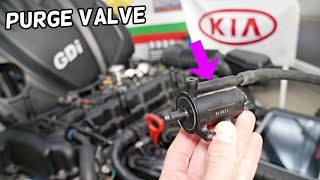
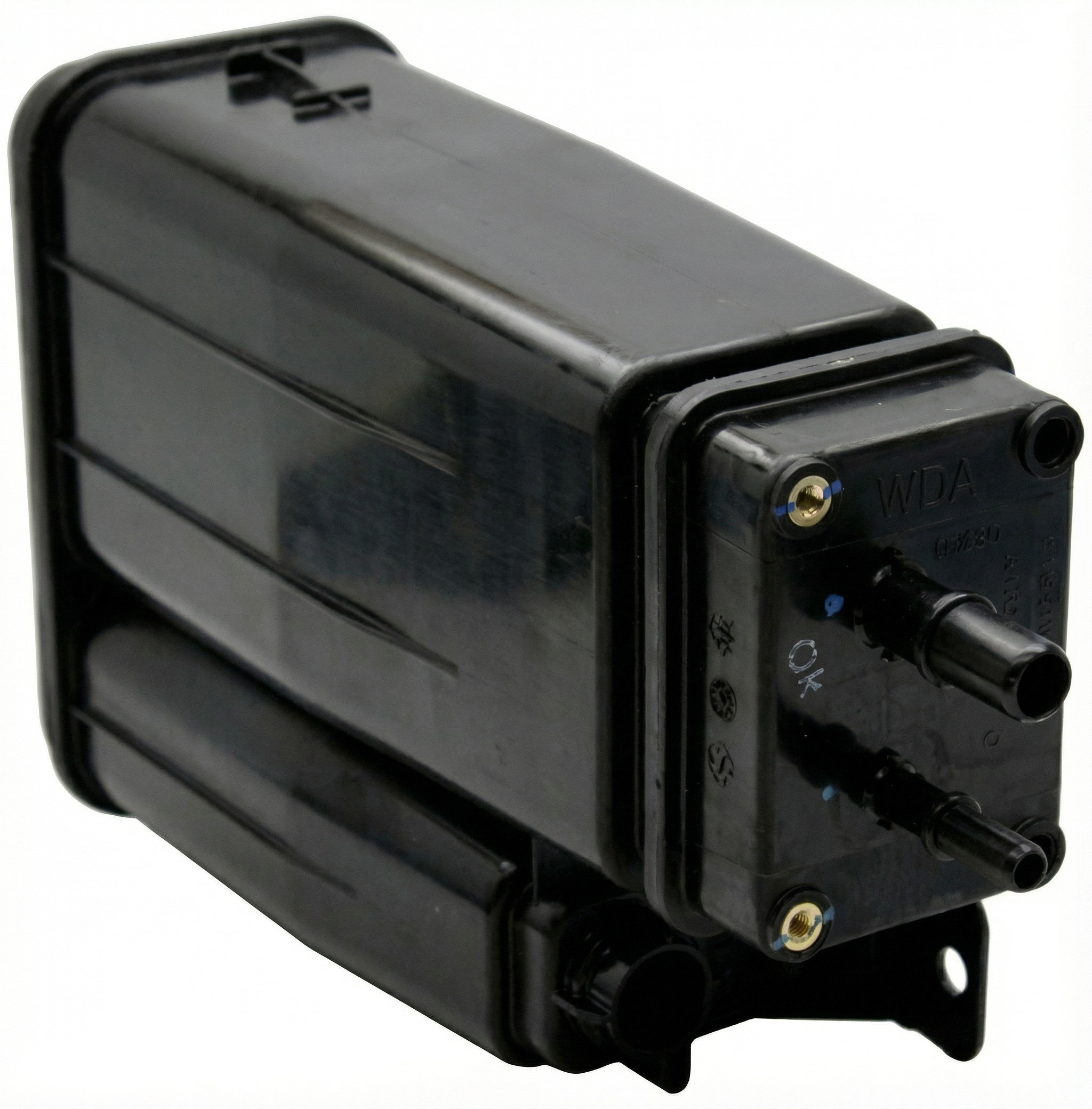
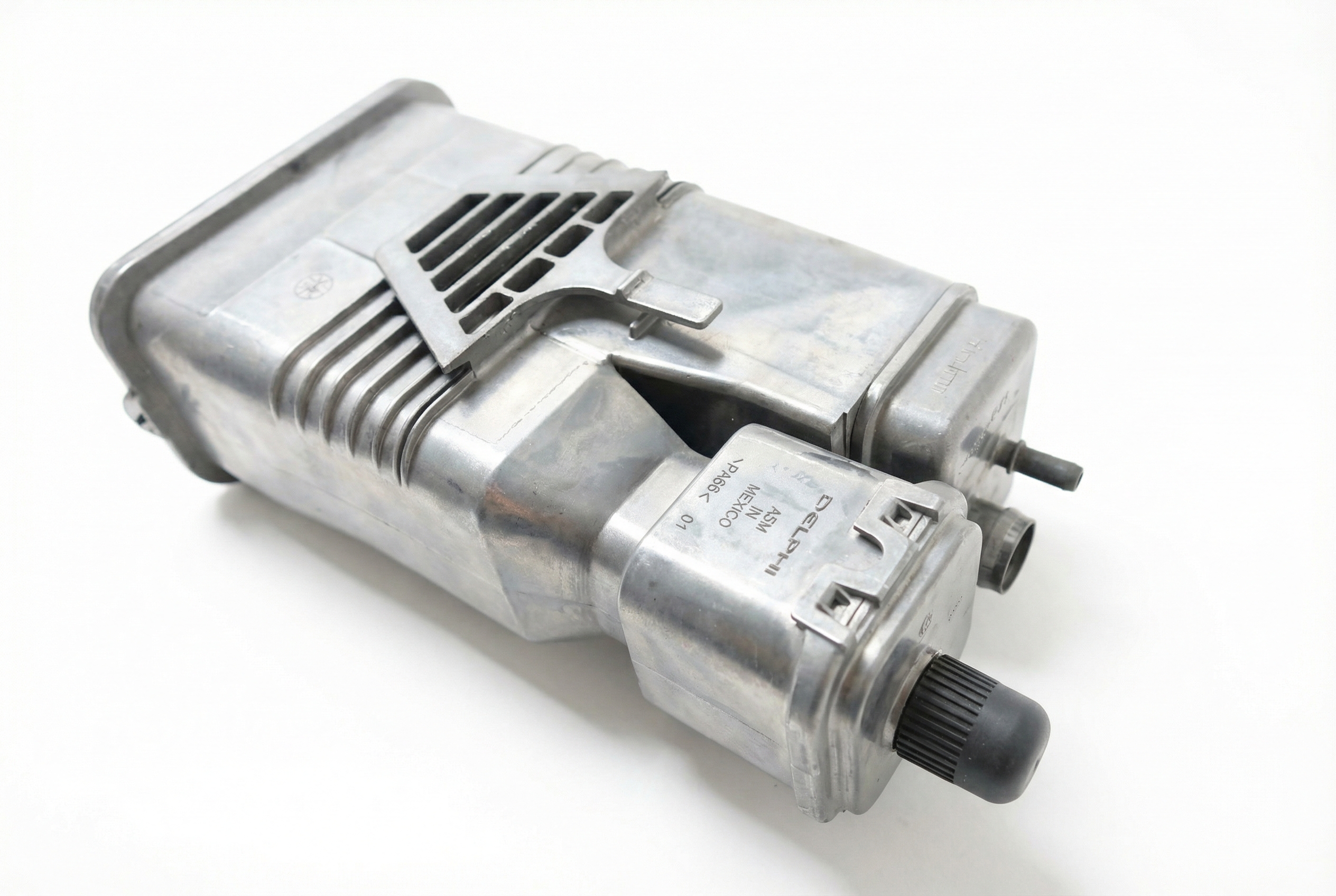
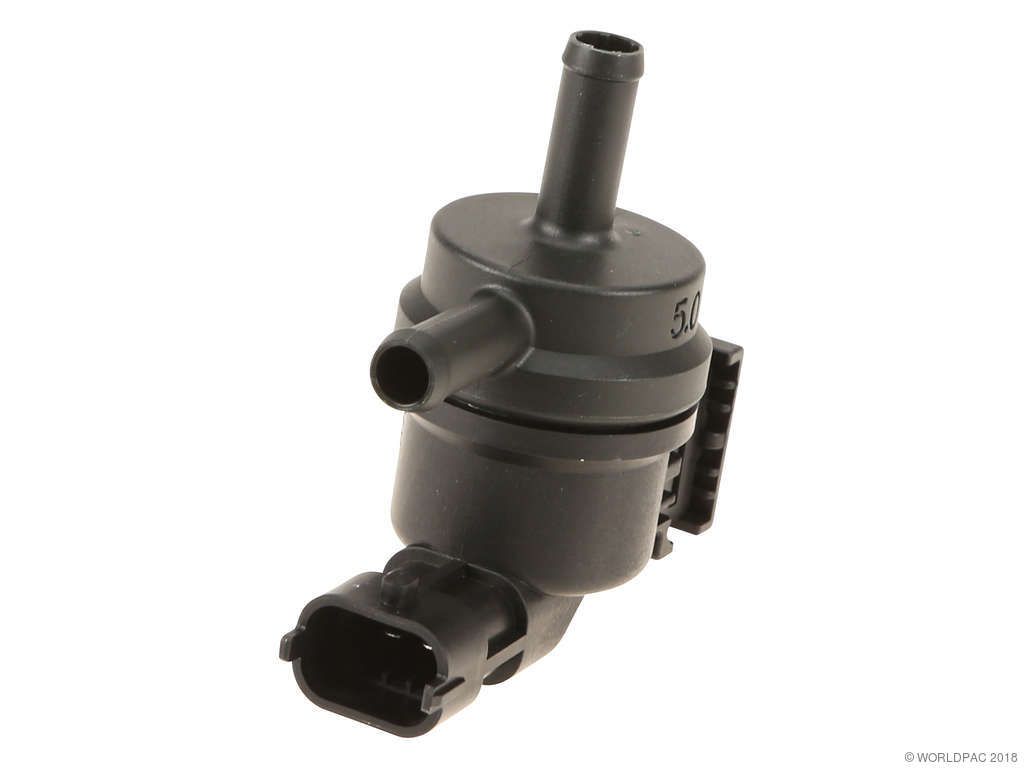
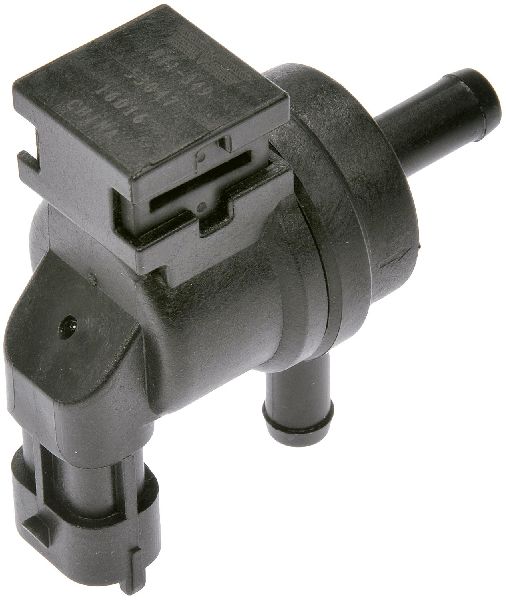
Est. part cost: $20-$40 - Faulty Canister Purge Valve (Purge Control Solenoid Valve - PCSV) 🟡 Medium Probability → Shop Vapor Canister This valve is a common failure point on many modern vehicles, including Kias. It can get stuck open, creating a small, constant vacuum leak within the EVAP system that the computer detects during self-tests.
How to confirm: The valve is typically located on the engine intake manifold. With the engine running at idle, disconnect the vapor line from the valve (the side going to the canister, not the intake). There should be no vacuum felt. If there is suction, the valve is stuck open and is faulty. A more definitive test involves applying 12V power to the valve's electrical pins to hear if it clicks open and closed.
Typical fix: Replace the canister purge valve. This is usually a straightforward repair involving disconnecting two hoses and an electrical connector. Part numbers can vary by engine, for example 28910-3C200 for the 3.3L V6. 🎬 See this walkthrough for replacing the purge control valve solenoid.
Est. part cost: $25-$75 - Cracked or Disconnected EVAP Hose 🟡 Medium Probability Rubber hoses become brittle over time due to heat cycles and age, leading to small cracks that are often hard to see, especially at connection points or bends.
How to confirm: Visually inspect all accessible EVAP hoses running from the engine bay to the charcoal canister near the fuel tank. A smoke test is the most effective way to find a leak in a hose or connection.
Typical fix: Replace the damaged section of hose or re-secure a loose connection.
Est. part cost: $10-$30 - Faulty Canister Vent Valve (Close Valve) ⚪ Low Probability → Shop Vapor Canister This valve, located near the charcoal canister under the car, can fail to close completely during the EVAP system's self-test, causing a leak. It is exposed to road debris, moisture, and corrosion, which can cause it to stick or fail.
How to confirm: A scan tool with bidirectional controls can command the valve to close for testing. A smoke test will quickly reveal if the valve is leaking when it's supposed to be sealed. You can also test the valve's coil resistance with a multimeter.
Typical fix: Replace the canister vent valve. It is often mounted on the charcoal canister itself.
Est. part cost: $40-$100
Rare But Worth Checking
- Faulty Fuel Tank Pressure Sensor (FTPS): → Shop Fuel Tank This is a tricky one. Some Kia owners have reported chasing a P0456 code with no success after smoke tests, only to find the FTPS was failing internally. The sensor's internal check valve can bleed off pressure, which the ECU correctly sees as a leak, even though no external leak exists.
- Cracked Charcoal Canister: → Shop Vapor Canister While not common for a *small* leak, a hairline crack in the plastic body of the charcoal canister can develop and cause a P0456 code. This is more likely if the vehicle has been in a rear-end collision or has significant underbody rust.
- Rusted Fuel Filler Neck: → Shop Fuel Filler Neck Corrosion on the metal surface where the gas cap seals can create an uneven surface, preventing a proper seal and causing a leak. This is more common in areas that use road salt. A user on YouTube mentioned this is a common cause that won't show up on a smoke test unless you really spray the area with soapy water.
- Fuel Pump Seal Damage: → Shop Fuel Pump A manufacturer pitstop bulletin, Bulletin #PS567_R2, notes that P0456 can be triggered by damage to the fuel pump seal, which may require inspection of the pump assembly mounting area.
Diagnosis Steps
- Read the code with an OBD-II scanner to confirm P0456 is the only code present.
- Inspect the gas cap. Remove it, check the seal for cracks or damage, and reinstall it, ensuring it clicks several times.
- Clear the code and drive for a few days to see if the Check Engine Light returns. The EVAP monitor often runs overnight after the vehicle has been sitting. If it does, proceed to the next step.
- Purchase and install a new OEM gas cap (Part No. 31010-3L600U). This is the most common fix and is inexpensive.
- If the light returns, visually inspect the canister purge valve (PCSV) in the engine bay and all connected vacuum lines for obvious cracks or damage. Test the purge valve for function (should be closed with no power).
- Inspect the EVAP lines running underneath the vehicle to the charcoal canister near the fuel tank for any visible damage or corrosion.
- If no visual issues are found, the next logical step is to test or replace the canister purge valve, as it is a known failure point and relatively accessible.
- If the problem persists, the most effective way to find the leak is with a professional smoke test. This involves injecting pressurized smoke into the EVAP system and looking for where it escapes. This will identify cracked hoses, a faulty vent valve, or a leaking canister.
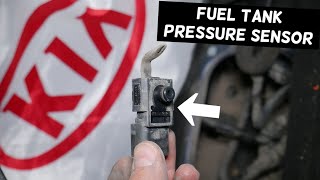
- If a smoke test reveals no leaks, the Fuel Tank Pressure Sensor (FTPS) should be investigated as a potential cause, 🎬 Watch: How to locate and replace the fuel tank pressure sensor. as it can fail internally without an external leak.
Parts You'll Likely Need
- Fuel Filler Cap (Gas Cap)
(OEM #31010-3L600U)— This is the most frequent cause of a P0456 code due to a worn seal or improper tightening. Always try this first.
Trusted brands: Kia (OEM)
OEM price range: $20-$40
Aftermarket price range: $15-$30 - Canister Purge Valve / Purge Control Solenoid Valve
(OEM #28910-3C200 (for 3.3L V6, verify by VIN))— This valve is a common failure point that gets stuck open, causing a leak that the system detects. It's a relatively easy and inexpensive part to replace.
Trusted brands: Kia (OEM), Bosch, Standard Motor Products, Carquest Premium
OEM price range: $50-$90
Aftermarket price range: $25-$75
Technical Service Bulletins (TSBs) & Recalls
- TSB 20-FL-003H (Sonata Hybrid): Details a procedure to replace the Natural Vacuum Leak Detection (NVLD) sensor and add an air filter kit to prevent particulate contamination causing P0456. While not for the Sorento, it shows a known issue pattern with this component type.
- Service Action SA421 (Optima Hybrid): A service action to replace the fuel tank air filter and, if P0456 is present, the NVLD assembly. This further points to the NVLD and related components as a weak point in Kia's EVAP systems of this era.
- Bulletin #TSB_FUE057: Describes a service action for an ECM logic improvement using the KDS ECU Upgrade function for vehicles exhibiting an MIL "ON" with DTC P0456.
- Bulletin #TSB_ENG328: Provides a procedure to update the software logic of the Engine Control Module (ECM) system specifically to address DTC P0456.
- Bulletin #PS567_R2: Identifies that DTC P0456 or P0442 may be caused by fuel pump seal damage.
Platform-Specific Known Issues
- source — A user on Reddit with a 2016 Sorento and a P0456 code was advised by the community that the most common cause is a loose or failing gas cap, corroborating the standard diagnostic path.
- source — In a thread for the platform-mate Hyundai Santa Fe, an owner with a P0456 code ultimately replaced the purge valve, which resolved the check engine light, demonstrating the commonality of this failure part across the Hyundai/Kia family.
Mechanic-Grade Diagnostic Values
- Fuel Tank Pressure Sensor (FTPS) Signal Voltage — expected: With Key On, Engine Off (KOEO) and the gas cap removed, the voltage should be at a specific baseline (approx. 2.5V, but must be verified on KGIS for the specific vehicle). During a forced purge, voltage should be > 1.5V.. Failure: If the baseline voltage is out of spec with the cap off, the sensor or its wiring/reference voltage is suspect. If voltage drops below 1.5V during a purge test, it indicates a restriction in the EVAP system.
Hidden / Shadow Codes Worth Checking
- Mode 6 Data: While not a hidden code in the traditional sense, Mode 6 provides raw data from the ECU's non-continuous self-tests, including the EVAP leak test. A technician can analyze the test results (Test ID and Component ID) to see how close the system was to the pass/fail threshold, which can help diagnose marginal components before they fail a full test cycle and set a code. (see via A professional-grade scan tool with Mode 6 capability, or the Kia GDS OEM tool under the 'Readiness Test' function.)
Scan Tool Commands That Help
- Kia GDS (Global Diagnostic System): Evap. Leakage Test — This is the primary diagnostic function. It commands the Canister Close Valve (CCV) to seal the system and monitors the FTPS to measure pressure decay, confirming if a leak is present without needing a smoke machine initially.
- Kia GDS (Global Diagnostic System): Active Test / Actuation Test — This allows a technician to individually command components like the Purge Control Solenoid Valve (PCSV) or Canister Close Valve (CCV) to open and close. This is used to verify if a solenoid is clicking and functioning electrically, or to seal the system for a smoke test.
- Kia GDS (Global Diagnostic System): Resetting Adaptive Values — After replacing a major engine or emissions component, resetting the ECU's learned adaptive values can help the system recalibrate faster and ensure proper operation.
Wiring & Ground Locations
- GF01, GF02, GF06 — These are chassis ground point designators shown on the floor harness wiring diagram for the 2018 Sorento. Their exact physical locations are not detailed, but they serve as grounding points for various modules and sensors.. A poor ground connection at a point used by the EVAP system's sensors or solenoids can cause erratic voltage readings, leading to false codes or improper component operation.
- Engine/Transmission Ground Cable (91865-C6010) — This is a specific ground wire assembly for 2016-2018 Sorento models with 2.0L and 3.3L engines.. While a main ground, ensuring all primary grounds are clean and secure is a fundamental step in diagnosing any electrical fault, including emissions system issues.
- Interior Fuse Panel Ground Bolt — On many Kia models, a primary grounding bolt with multiple ground wires attached is located on the chassis near the interior fuse panel (driver's side kick panel area).. This is a common and accessible ground point to check for corrosion or looseness if electrical issues are suspected.
Real Owner Repair Stories
- Reddit user on r/kiacarnivals (2025 Kia Carnival (demonstrates a known issue on the Hyundai/Kia platform)) — Persistent P0456 Check Engine Light.
❌ Tried (didn't work) Tightening the gas cap, Clearing the code, Dealer performed a smoke test, which found no external leaks
✅ What actually fixed it Replacement of the Fuel Tank Pressure Sensor (FTPS), OEM Part Number 31435-2J000. The technician found the sensor's internal one-way check valve was bleeding off pressure, which the ECU interpreted as a system leak. - YouTube Commenter (General Kia vehicles) — P0456 code
❌ Tried (didn't work) A standard smoke test sometimes misses this issue.
✅ What actually fixed it The cause was a pinhole leak in the fuel filler neck, often caused by damage from repeatedly inserting the gas pump nozzle. The leak was so small it was only found by spraying the area with soapy water during a smoke test. - YouTube video on a 2012-2016 Kia Rio/Hyundai Accent (Kia Rio (demonstrates a common failure mode)) — P0456 code
❌ Tried (didn't work) Gas cap inspection passed, Fuel filler neck inspection passed
✅ What actually fixed it A visual inspection under the vehicle revealed a completely rusted-out metal clamp on the vent hose attached to the charcoal canister. The clamp had disintegrated, causing a small leak at the hose connection. Replacing the clamp fixed the issue. - NHTSA ODI #11681001 — An owner reported that a dealership claimed a P0456 code only required a software update, but the vehicle subsequently went into limp mode.
- NHTSA ODI #11255755 — An owner expressed concern regarding a P0456 small leak code and its potential impact on the vehicle's gauges.
"I Checked Everything" — The Actual Cause
- The most notable 'smoke test clean' scenario for this code on Kia/Hyundai platforms is an internally failing Fuel Tank Pressure Sensor (FTPS). The sensor's internal check valve fails and bleeds off pressure, which the ECU correctly identifies as a leak. However, since the leak is internal to the sensor and not to the atmosphere, a smoke test will show no smoke escaping and the system will appear sealed. The fix is to replace the FTPS.
- A pinhole rust leak on the fuel filler neck, right on the sealing surface for the gas cap, can be missed by a smoke test. The volume of smoke is often too low to be visible, and technicians may not focus on that area. Spraying the filler neck with soapy water while the system is under smoke pressure is often required to see the bubbles and find the leak.
Model Year Variations Within This Range
- 2016-2018: For Sorento models equipped with the 2.0L Turbo-GDI engine, Kia issued a voluntary emissions service campaign. This involved installing an auxiliary evaporative canister to enhance the EVAP system's performance and ensure it met emissions standards. This is a hardware difference not present on other engines or later model years.
Diagnostic Flowchart
Other Known Issues on This Vehicle
Issues unrelated to this code that are worth knowing about as an owner of this generation:
- Theta II Engine Failure (2.0L & 2.4L) 🔴 High — Widespread across multiple model years. Can occur at various mileages, often cited between 60,000-120,000 miles. Subject to a major class-action settlement. (Ref: NHTSA Campaign 17V224, Kia Class Action Settlement (In re: Kia Engine Litigation))
- Excessive Oil Consumption (All Engines) 🟠 Medium — Common complaint, particularly on GDI engines. Owners report needing to add oil between changes. Kia considers over 1 quart per 1,000 miles to be excessive. (Ref: TSB ENG222)
- Peeling Paint (Especially 'Snow White Pearl') 🟡 Low — Very common issue, particularly with white paint. Paint bubbles and peels off in sheets, often starting on the roof or hood after 3-5 years. (Ref: No official recall, but numerous owner complaints and some reports of goodwill repairs from Kia.)
- Faulty Accelerator Pedal Position Sensor 🔴 High — Primarily affects 2016 models, causing loss of acceleration and limp mode. (Ref: NHTSA Recall 15V736000)
- Trailer Hitch Wiring Fire Risk 🔴 High — Affects vehicles with the factory or dealer-installed tow hitch wiring harness. Debris/moisture can short the module, causing a fire risk even when the vehicle is off. (Ref: NHTSA Recall 22V612000)
- Crankshaft Failure (3.3L V6) 🔴 High — Affects some 2017 models due to improper heat treatment of the crankshaft, which can lead to fracture and catastrophic engine failure. (Ref: NHTSA Recall 17V223000)
Used vs. New Parts: Buying Guide for This Vehicle
When a used part is the smart pick: Structural, non-electronic EVAP components can be a good value from a used source. This includes items like EVAP hoses, the plastic charcoal canister body, and mounting brackets, provided they come from a low-mileage vehicle from a dry climate to minimize rust and plastic degradation.
Donor-vehicle mileage cap: roughly under 75000 miles for the part to have meaningful remaining life.
What to inspect on the donor part:
- For a charcoal canister, inspect the plastic housing for any hairline cracks or signs of impact.
- Shake the canister; there should be no rattling sound, which would indicate broken internal baffles.
- Ensure there is no liquid fuel inside the canister, which would indicate a separate issue like a faulty purge valve or overfilling the tank.
- Check all hose connection nipples to ensure they are not cracked or brittle.
OEM-only on this vehicle (don't cheap out):
- Fuel Filler Cap (Gas Cap): Aftermarket caps are notorious for having incorrect seal tension, leading to a repeat P0456 code. Using an OEM cap is strongly recommended.
- Fuel Tank Pressure Sensor (FTPS): As a critical sensor for diagnosis, using an OEM part is advised to ensure accurate voltage readings and avoid chasing phantom issues caused by a poor-quality aftermarket sensor.
Real Owner Stories
Aggregated from forums and TSBs cited above. Mileages and costs reflect what owners reported in those sources.
2016 Kia Sorento
Symptoms: Check engine light on with code P0456; community advice suggested the gas cap as the primary suspect.
What fixed it: Inspection and potential replacement of the gas cap to ensure a proper seal.
Source hint: r/MechanicAdvice on Reddit thread titled '2016 kia sorento p0456 code inspection'
2009 Hyundai Santa Fe (Platform Mate)
Symptoms: Check engine light (CEL) present with code P0456.
What fixed it: Replacement of the purge valve resolved the check engine light.
Source hint: Hyundai Forum Discussion on P0456
Related OBD-II Codes
Frequently Asked Questions
What is the specific OEM gas cap part number I should use for my Kia Sorento to fix a P0456 code?
Is there a specific TSB for the P0456 code on the Sorento involving the NVLD sensor?
I have a 3.3L V6 Sorento; is there a specific part number for the purge valve?
Can I test the Canister Purge Valve (PCSV) myself before buying a new one?
Will a P0456 code affect how my Sorento drives?
Does the Sorento share this EVAP issue with other vehicles?
Helpful Videos

![How to Fix P0456 Engine Code in 7 Minutes [7 DIY Methods / Only $3.44]](https://img.youtube.com/vi/njt81AALI3U/mqdefault.jpg)
Used OEM Parts in Stock
New Aftermarket Parts Available


The information in this article is provided for general reference and educational purposes only. Vehicle specifications, procedures, and part compatibility can vary by production date, trim level, and region. Always consult your vehicle's factory service manual and verify part numbers before purchasing or performing repairs. Safety-critical components such as airbags, seat belts, and braking systems should be installed by a qualified professional.
- Kia Sorento:
- 🧭 Diagnostic Flowchart
- 🎬 Helpful Videos
- 🛍️ Shop This Part
- What's Unique About the 2016-2020 Kia Sorento
- Symptoms You May Notice
- Most Likely Causes
- Rare But Worth Checking
- Diagnosis Steps
- Parts You'll Likely Need
- Technical Service Bulletins (TSBs) & Recalls
- Platform-Specific Known Issues
- Mechanic-Grade Diagnostic Values
- Hidden / Shadow Codes Worth Checking
- Scan Tool Commands That Help
- Wiring & Ground Locations
- Real Owner Repair Stories
- "I Checked Everything" — The Actual Cause
- Model Year Variations Within This Range
- Other Known Issues on This Vehicle
- Used vs. New Parts: Buying Guide for This Vehicle
- Real Owner Stories
- 2016 Kia Sorento
- 2009 Hyundai Santa Fe (Platform Mate)
- Related OBD-II Codes
- Frequently Asked Questions
- 🎟️ Get 5% Off