

P0456 on 2007-2012 Lexus ES 350: EVAP System Very Small Leak Causes and Fixes
For a 2007-2012 Lexus ES 350, code P0456 is most often caused by a loose or worn-out gas cap. Before buying any parts, tighten the cap until it clicks, clear the code, and drive for a few days. If it returns, a new OEM gas cap is an inexpensive next step, costing around $25-$40. If the cap doesn't fix it, the next most likely culprits are a small, cracked vacuum hose near the air filter box or a faulty purge valve.
- Start with the simplest fix: check and tighten your gas cap. If the seal is worn, replace it with an OEM part.
- P0456 is not an urgent issue and will not affect how your car drives, but you cannot pass an emissions test with it.
- If the gas cap doesn't fix it, visually inspect the small rubber vacuum hoses in the engine bay, as they are known to crack.
- For leaks that are not obvious, a smoke test performed by a professional is the fastest and most accurate way to find the source.
- Do not replace expensive parts like the charcoal canister without a definitive diagnosis from a smoke test.
What's Unique About the 2007-2012 Lexus ES 350
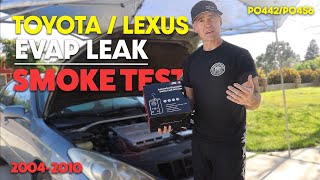
The 2007-2012 Lexus ES 350 uses a sophisticated EVAP system with a leak detection pump to create vacuum for its self-test, which often runs hours after the car is shut off. Unlike some other manufacturers, this system is highly sensitive to very small leaks. While the components (hoses, valves, canister) are standard, owners on forums like ClubLexus frequently report that the issue is as simple as a worn gas cap seal or a cracked, hard-to-see vacuum hose near the engine airbox. 🎬 Watch: Finding common vacuum leaks on Lexus and Toyota engines. There are no major platform-specific design flaws related to the EVAP system, but the system's sensitivity means even minor degradation of rubber components can trigger the code. Some owners have had success temporarily sealing a cracked hose with tape until a replacement part could be sourced.
Symptoms You May Notice
- Check Engine Light is on
- A faint fuel smell (rare for a very small leak, but possible near the source)
- Difficulty starting immediately after refueling (if a purge valve is stuck open)
- Check VSC light may illuminate along with the Check Engine light
- Replacing the charcoal canister before performing a smoke test. The canister is expensive and often not the source of a 'very small' leak.
- Replacing O2 sensors or other unrelated emissions components. P0456 is specific to the EVAP system.
- Using a cheap aftermarket gas cap, which may not seal correctly and can cause the code to persist.
Most Likely Causes
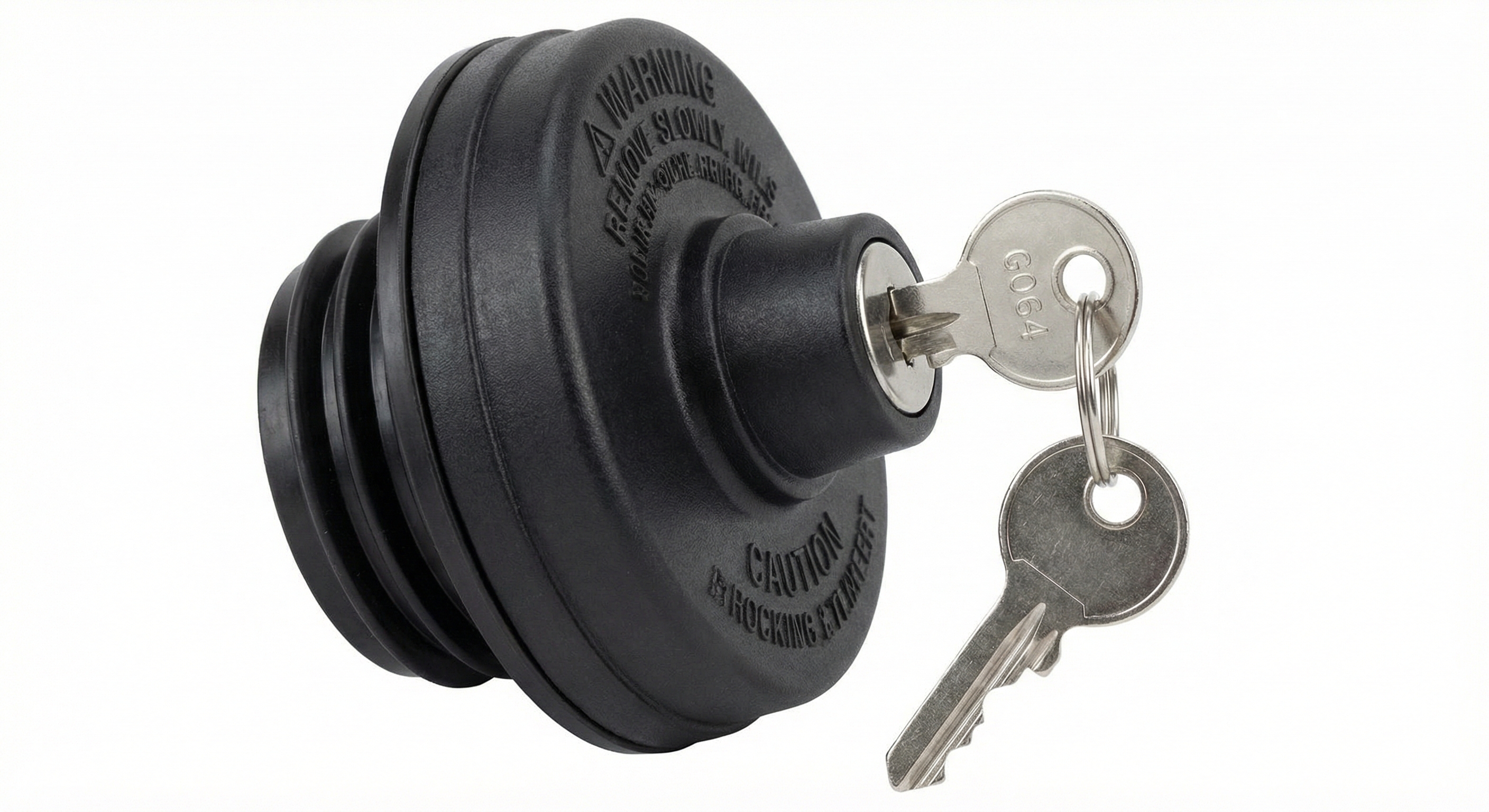
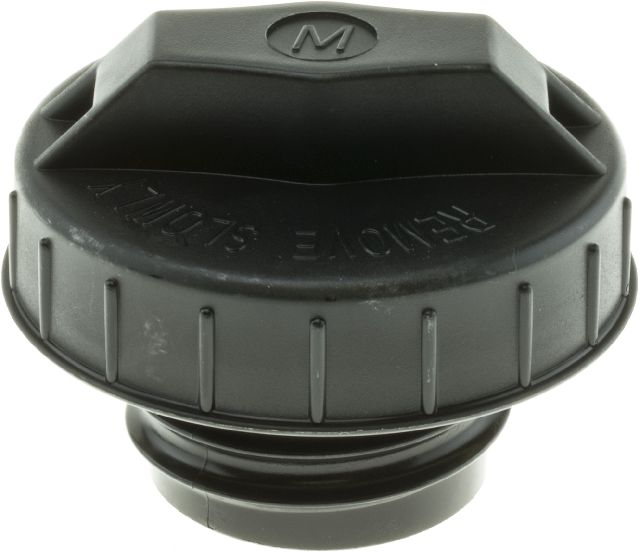
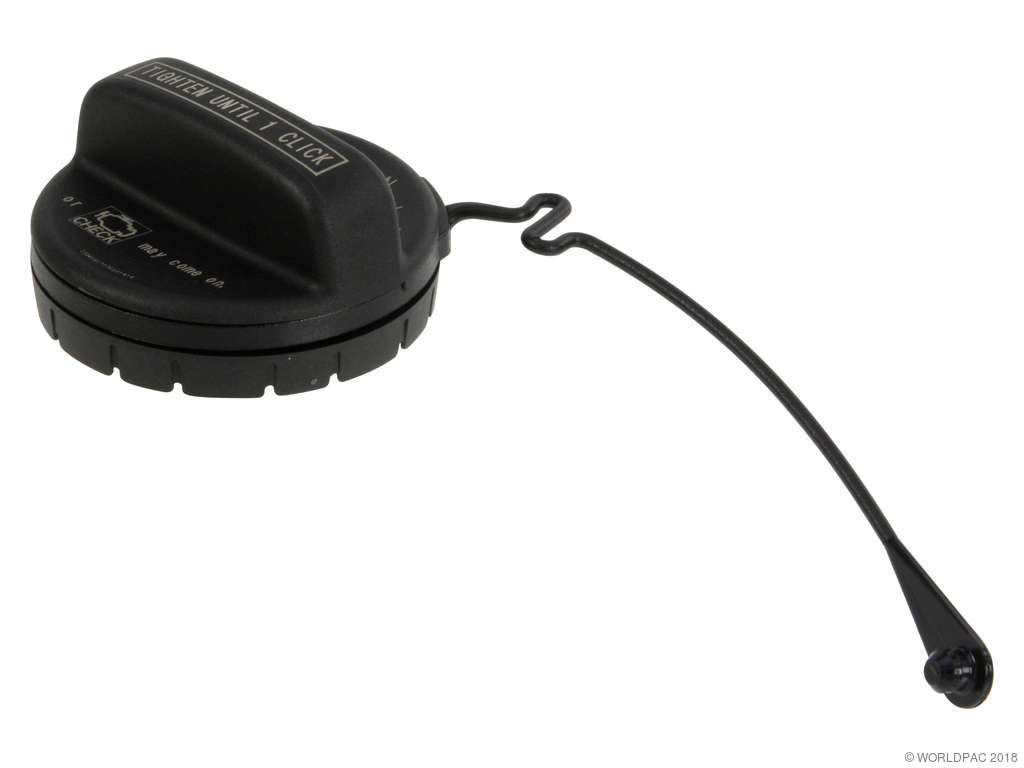
- Loose or Faulty Gas Cap 🔴 High Probability → Shop Fuel Tank Cap The gas cap seal is a rubber O-ring that degrades over time with exposure to fuel vapors and weather, losing its ability to create a perfect seal. This is the most common failure point for this code across all Toyota/Lexus vehicles of this era.
How to confirm: Inspect the gas cap for any cracks in the rubber seal. Ensure it is tightened until it clicks at least once. If the seal looks worn, brittle, or flattened, it's likely the cause. An OEM cap is strongly recommended as aftermarket caps are known to cause sealing issues.
Typical fix: Replace the gas cap. It is highly recommended to use an OEM (Original Equipment Manufacturer) cap from Lexus/Toyota, as aftermarket caps can sometimes have sealing issues. After replacement, the code may take a few drive cycles to clear on its own.
Est. part cost: $25-$40 - Cracked or Disconnected EVAP/Vacuum Hose 🟡 Medium Probability → Shop Vacuum Hose Rubber hoses in the engine bay are exposed to heat cycles, which can cause them to become brittle and crack over time. Forum users have specifically noted small hoses near the air intake box and purge valve as a common failure point.
How to confirm: Visually inspect all accessible EVAP hoses, particularly the small ones around the engine's air filter housing and the purge valve. Look for visible cracks, splits, or loose connections. A professional smoke test is the definitive way to find a hard-to-see leak. In one documented case, a user found a crack in a specific hose routed from the canister.
Typical fix: Replace the cracked section of hose. Often, this can be done with a small piece of bulk vacuum hose of the correct diameter. For pre-formed, molded hoses, an OEM replacement is required to prevent collapsing under vacuum.
Est. part cost: $10-$60 - Faulty Purge Valve / VSV (Vacuum Switching Valve) ⚪ Low Probability → Shop Vapor Canister The purge valve is an electronic solenoid that can fail by getting stuck partially open, creating a leak path. While not as common as a gas cap, it's a known failure point in many EVAP systems.
How to confirm: With the engine off, the purge valve should be closed. It can be removed and tested by trying to blow through it; if air passes, it has failed. A scan tool can also be used to command the valve on and off to listen for a clicking sound. It is typically located on top of the engine near the intake manifold.
Typical fix: Replace the purge valve solenoid. On the 2GR-FE engine, it is typically located on top of the engine and is easy to access and replace, held by a single bolt and two hoses. 🎬 Watch: Step-by-step guide to replacing your purge valve.
Est. part cost: $40-$90
Rare But Worth Checking
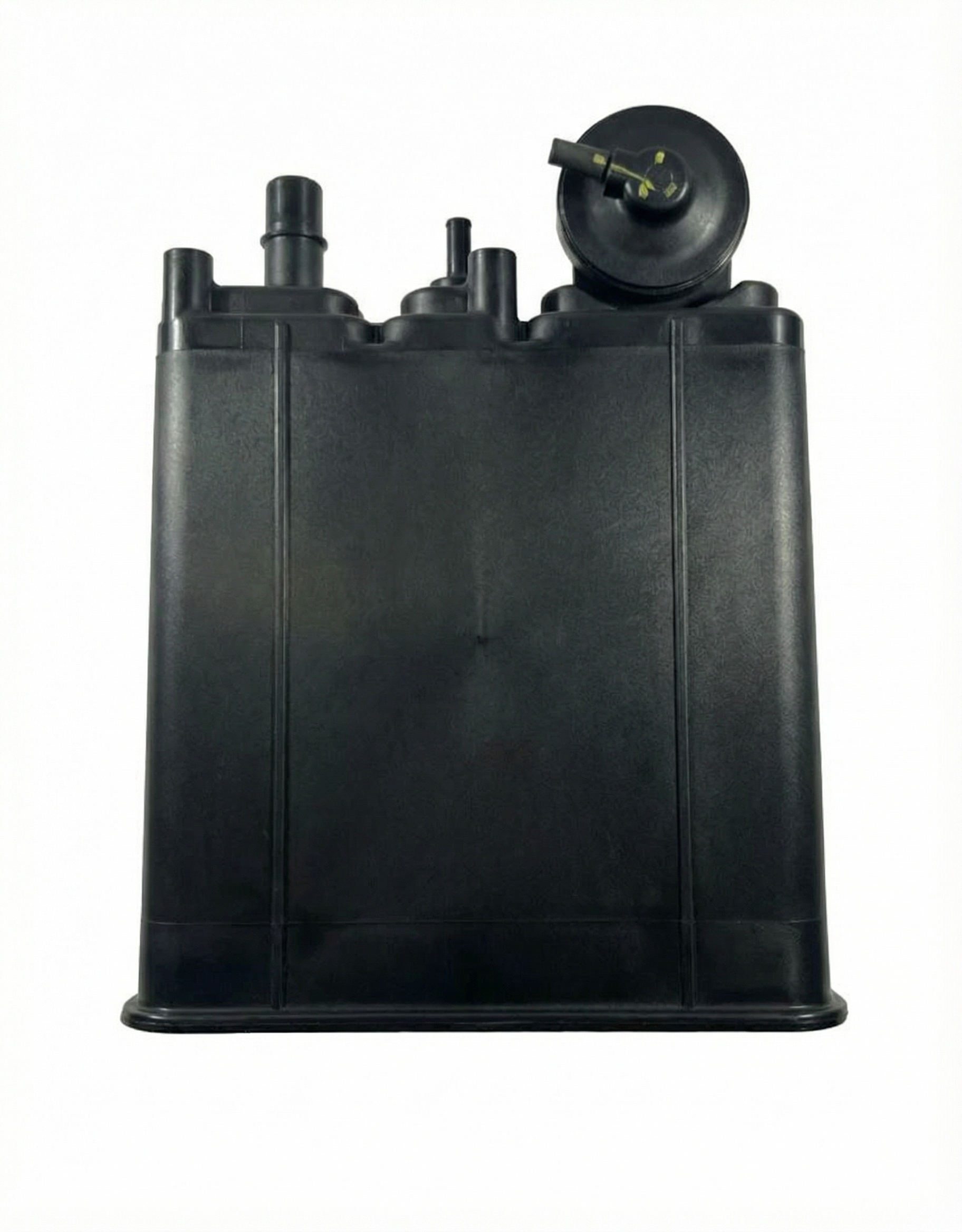
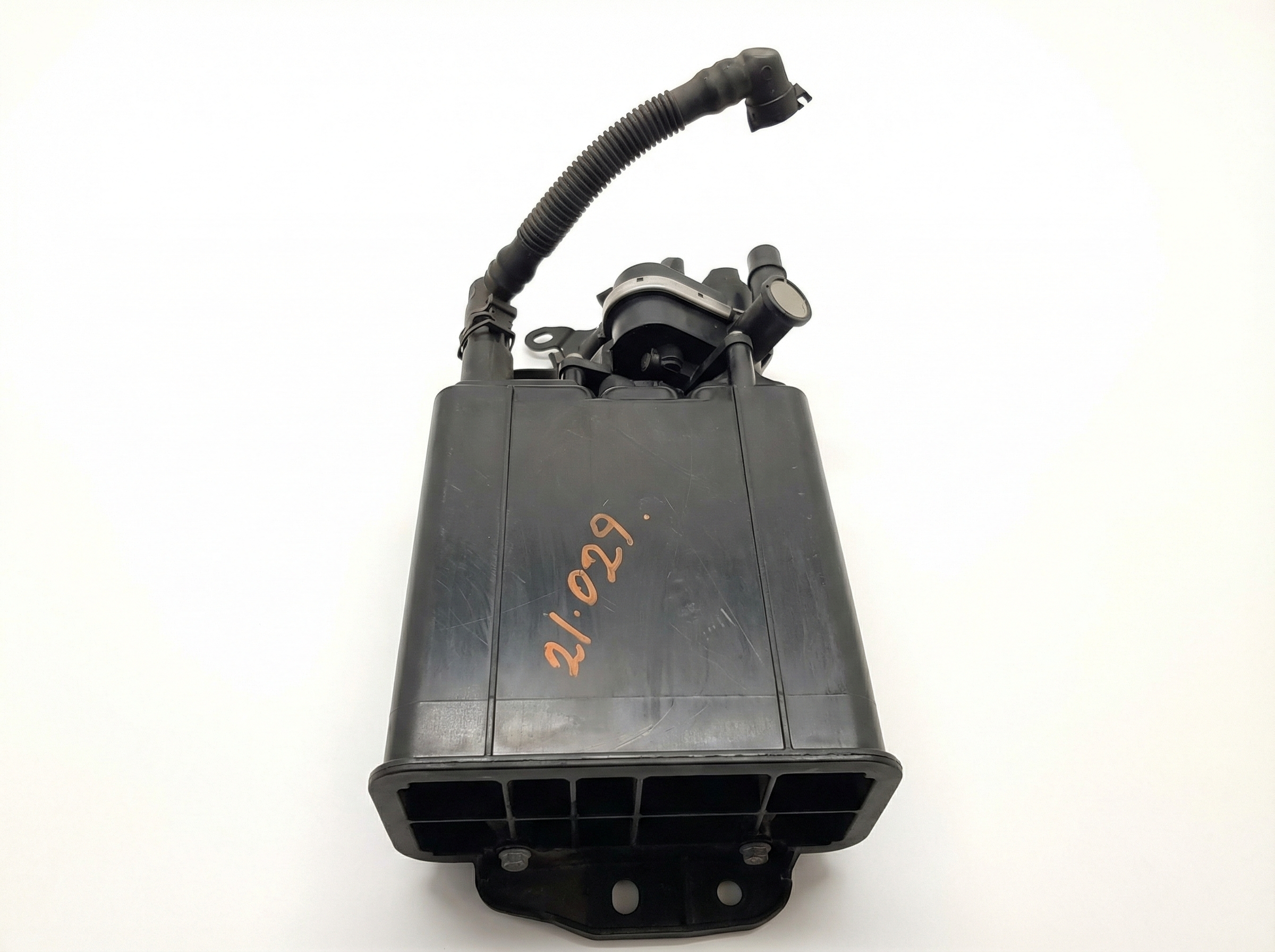
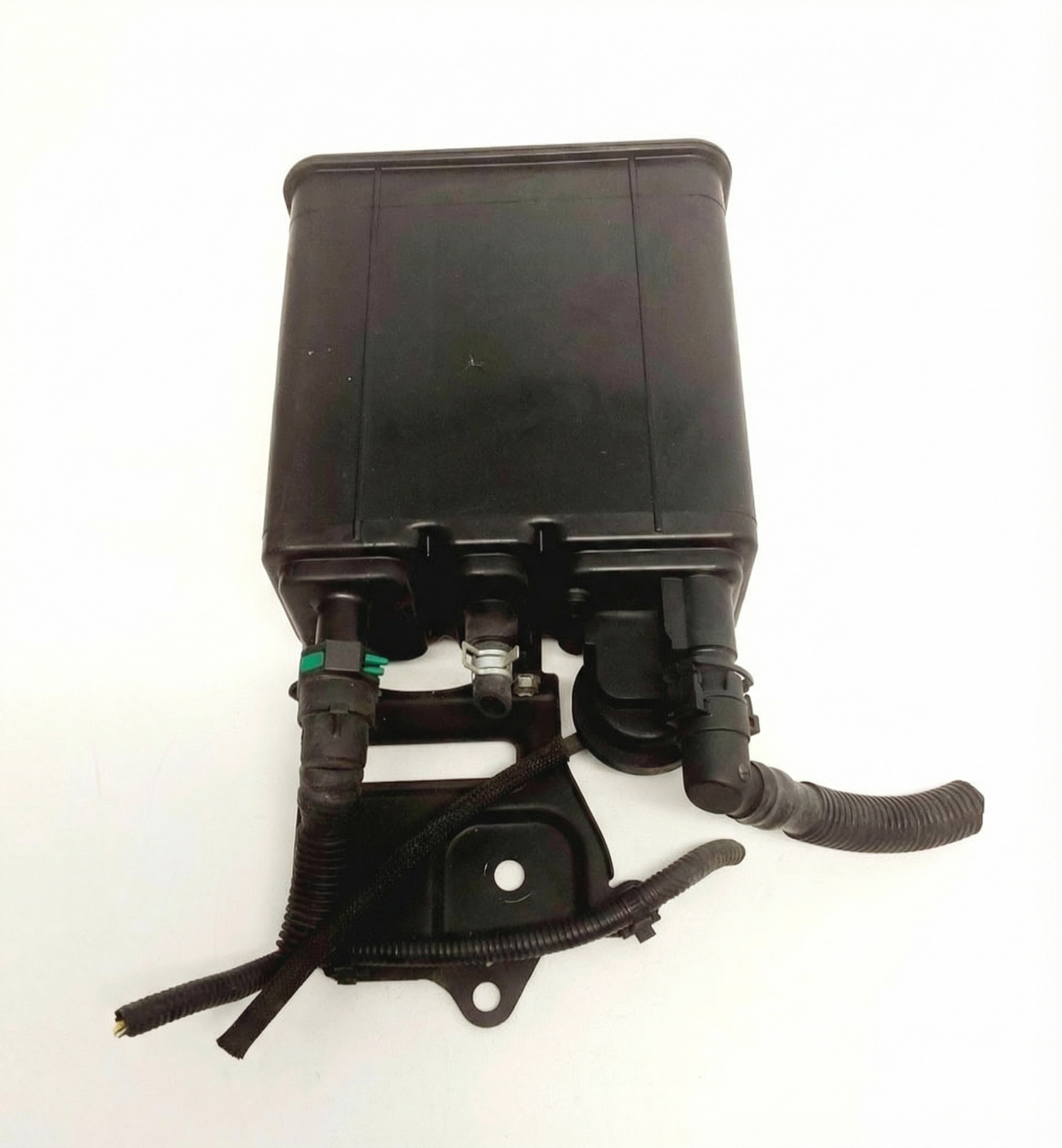
- Cracked Charcoal Canister: → Shop Vapor Canister The plastic housing of the charcoal canister can develop hairline cracks, especially if the vehicle has been exposed to road debris or impacts from below. This is usually found with a smoke test. A strong fuel smell after topping off the tank can sometimes point to a saturated or failing canister.
- Faulty Vent Valve or Leak Detection Pump Assembly: → Shop Evaporative Emissions System Leak Detection Pump The vent valve is part of the canister assembly and is used to seal the system for testing. If it fails to close properly, it will cause a leak code. This component is more complex and expensive to replace than a purge valve.
- Leaking Fuel Filler Neck: → Shop Fuel Filler Neck Though less common on Lexus models, rust or damage to the fuel filler neck where the gas cap seals can prevent a proper seal, even with a new cap. A smoke test where smoke is seen escaping from around the gas cap area (with the cap on) points to this issue.
Diagnosis Steps
- Check the Gas Cap: Ensure the gas cap is tight and clicks. Inspect the rubber O-ring for cracks or wear. If in doubt, this is the cheapest part to replace first. Use an OEM cap for best results.
- Clear the Code: Use an OBD-II scanner to clear the code after checking the cap. Alternatively, the light may go off on its own after several drive cycles if the issue is resolved.
- Drive Cycle: Drive the vehicle for several days. The EVAP monitor often runs only under specific conditions (e.g., after the car has been off for 5+ hours with stable fuel levels), so the light may not come back on immediately.
- Visual Inspection: If the code returns, carefully inspect all visible EVAP hoses and vacuum lines in the engine bay, especially around the air filter housing and purge valve. Gently flex the hoses to reveal hidden cracks.
- Perform a Smoke Test: This is the most effective way to find a small leak. A smoke machine injects vapor into the EVAP service port. Smoke will exit from any cracks or leaks, pinpointing the source. This is the standard professional method for finding leaks 🎬 See how to perform a professional EVAP smoke test. that are not visually obvious.
- Test Valves: If no leaks are found, test the purge and vent valves for proper operation using a scan tool or by applying voltage directly and checking their state (open/closed). The purge valve should be closed and hold vacuum when unpowered.
- Inspect Canister: If all else fails, the charcoal canister and its associated valves may be the source of the leak, though this is less common for a P0456.
Parts You'll Likely Need
- Fuel Tank Cap
(OEM #77300-06040)— This is the most frequent cause of a P0456 code due to the natural wear and tear of the rubber seal.
Trusted brands: Toyota/Lexus (OEM), Denso
OEM price range: $25-$40
Aftermarket price range: $15-$30 - Vapor Canister Purge Valve / Solenoid
(OEM #25860-31020)— Can get stuck open, causing a persistent small leak. It's a common secondary culprit after the gas cap.
Trusted brands: Denso, Aisin, Toyota/Lexus (OEM)
OEM price range: $70-$110
Aftermarket price range: $40-$80 - EVAP/Vacuum Hose
(OEM #Varies (e.g., 12261-0A020 for a specific ventilation hose on a similar engine))— Heat and age cause small rubber hoses in the engine bay to crack, creating vacuum leaks.
Trusted brands: Toyota/Lexus (OEM), Generic vacuum hose
OEM price range: $20-$50
Aftermarket price range: $5-$15
Related Codes That Often Appear With This One
- P0441 — Indicates incorrect purge flow, often pointing to a faulty purge valve (VSV), which can also cause leak codes like P0456 if it's stuck open.
- P0455 — Indicates a 'gross leak' in the EVAP system. If you see this with P0456, it might suggest an intermittent or worsening leak, but P0455 is more likely a completely loose gas cap or a large hose disconnection.
- P0442 — Indicates a 'small leak' (larger than P0456 but smaller than P0455). Seeing this code can indicate a leak that is on the borderline between detection thresholds or is worsening over time.
Platform-Specific Known Issues
- Cracked Hose Near Airbox: A user on ClubLexus with a P0456 code traced the issue to a cracked EVAP hose near the air filter box. After replacing the gas cap did not solve the problem, a visual inspection revealed the cracked hose. They temporarily sealed it with duct tape before ordering the OEM replacement part, which resolved the code. This highlights the importance of physically inspecting the hoses in that specific area.
- Filler Neck Leak: A 2007 ES350 owner on Reddit reported a persistent P0456 code even after replacing the gas cap tw
Mechanic-Grade Diagnostic Values
- Purge Valve (VSV for EVAP) Coil Resistance — expected: 23 to 26 Ω at 20°C (68°F). Failure: A resistance reading outside this range indicates a faulty solenoid coil.
- Purge Valve (VSV for Intake Control) Coil Resistance — expected: 37 to 44 Ω at 20°C (68°F). Failure: This is for the ACIS intake control VSV, not the EVAP purge VSV. Technicians should not confuse the two, as they have different resistance specs and functions despite being similar-looking parts.
Hidden / Shadow Codes Worth Checking
- Mode 6, Test ID $81: This refers to the onboard monitor results for the EVAP system (0.02" leak check). A technician can view this data with an advanced scan tool to see the raw test values and limits, confirming if the system is passing or failing the self-test before a DTC is set as 'permanent'. (see via Advanced OBD-II scanner or Toyota Techstream software.)
Scan Tool Commands That Help
- Toyota Techstream: Utility -> Evaporative System Check (Automatic Mode) — This is an automated function that commands the ECM to run the entire EVAP leak test sequence, which takes about 18 minutes. It's used to verify a repair has been successful without waiting for the natural 5+ hour cold soak period for the monitor to run on its own.
- Toyota Techstream: Active Test -> Control the Purge VSV — This allows a technician to manually command the purge valve to open and close. While observing live data from the fuel tank pressure sensor, this can confirm if the valve is responding to commands and sealing properly when closed.
- Toyota Techstream: Active Test -> Pump Module (Vent Valve & Pump) — This allows for individual control of the leak detection pump and the canister close valve (vent valve). This is crucial for isolating a fault to the canister assembly at the rear of the car, by commanding the vent valve closed and seeing if the system can hold pressure.
Wiring & Ground Locations
- Purge Valve (VSV) Connector — On top of the engine, near the intake manifold. It is a 2-wire male connector.. This is the connection point for testing the purge valve's resistance and for checking for voltage from the ECM. Corrosion or damage to this connector or its wiring can prevent the valve from operating correctly, mimicking a faulty valve.
- Engine Control Module (ECM) — Located in the right rear of the engine compartment.. The ECM controls all EVAP system components. While rare, a fault in the ECM driver for the purge or vent valve could cause this code. All wiring for the EVAP system originates or terminates here.
Real Owner Repair Stories
- PracticalMechanic.com article (Toyota Camry (2006-2013) with 2GR-FE engine, mechanically similar to ES 350) — P0456 Check Engine Light
❌ Tried (didn't work) Replacing the gas cap with a new one.
✅ What actually fixed it The fuel filler neck lip was rusty and corroded, preventing even a new gas cap from sealing properly. The owner used a file to scrape the rust off, applied a silicone spray as a rust inhibitor, and the code did not return after 500 miles.
OEM Part Supersession History
77300-52030, 77300-52040→77300-06040— Standard part consolidation and design updates by Toyota over the years for many models.
Diagnostic Flowchart
Other Known Issues on This Vehicle
Issues unrelated to this code that are worth knowing about as an owner of this generation:
- Melting / Sticky Dashboard 🟠 Medium — Very common on 2007-2008 models, especially in hot, humid climates. The issue is cosmetic but severe, causing glare and a sticky residue. (Ref: Lexus Warranty Enhancement Program ZLD covered repairs for an extended period, but this program has since expired.)
- Rupturing VVT-i Oil Line (Rubber Section) 🔴 High — Affects 2007-2008 models with the original rubber/metal hybrid oil line. Failure can cause catastrophic oil loss and engine seizure. (Ref: Toyota/Lexus issued a Limited Service Campaign (LSC) to replace the rubber hose with an all-metal line (Part No. 15772-31030). Many vehicles may not have had this service performed.)
- Transmission Hesitation and Harsh Shifting 🟠 Medium — Reported by numerous owners of 2007-2009 models. Can manifest as hesitation, rough downshifts when slowing, or flaring RPMs between shifts. (Ref: Some owners reported dealers performing an ECU reflash (e.g., TSIB EG002-07) which sometimes improved shift quality, while others required transmission replacement.)
- Oil Leaks 🟡 Low — Minor oil leaks from timing cover seals and other gaskets can occur as the vehicle ages, but are less critical than the VVT-i line failure.
Used vs. New Parts: Buying Guide for This Vehicle
When a used part is the smart pick: For this specific code, buying used parts is generally not recommended for the most common culprits. The primary failure points are rubber seals (gas cap) and small rubber hoses, which degrade with age and heat cycles. A used part will have similar age and wear to the one that failed. A used charcoal canister assembly might be considered if it comes from a very low-mileage, accident-free vehicle from a dry climate, but it still carries risk.
Donor-vehicle mileage cap: roughly under 50000 miles for the part to have meaningful remaining life.
What to inspect on the donor part:
- For a charcoal canister, inspect the plastic housing for any signs of physical impact, stress marks, or hairline cracks.
- Check that all hose connection nipples are intact and not brittle.
- Ensure the donor vehicle is from a region without heavy road salt use to minimize corrosion on associated metal parts.
OEM-only on this vehicle (don't cheap out):
- Fuel Tank Cap: This is the most critical part to buy OEM (Toyota/Lexus brand). Forum and mechanic consensus is that aftermarket caps frequently have sealing issues that fail to fix P0456 or cause it to return.
Aftermarket brands forum-validated for this vehicle:
- Denso: Denso is an original equipment manufacturer for Toyota/Lexus for many electronic parts, including valves and sensors. Their purge valve (VSV) is a reliable alternative to the dealer part.
- Aisin: Aisin is another OEM supplier for Toyota and is a trusted brand for components like the purge valve.
Brands owners have reported issues with on this vehicle:
- Generic, unbranded, or 'white-box' gas caps sold on major online marketplaces are frequently reported as being ineffective.
Real Owner Stories
Aggregated from forums and TSBs cited above. Mileages and costs reflect what owners reported in those sources.
2007 Lexus ES 350 3.5L V6
Symptoms: Check Engine Light on with code P0456; replacing the gas cap twice did not resolve the issue.
What fixed it: A smoke test identified a leak at the fuel filler neck itself, which required replacement.
Source hint: Reddit r/AskMechanics - EVAP Leak (https://www.reddit.com/r/AskMechanics/comments/1c7z21s/evap_leak/)
2007-2012 Lexus ES 350 3.5L V6
Symptoms: P0456 Small Evap leak code; a new gas cap failed to fix the problem.
What fixed it: Visual inspection revealed a cracked EVAP hose near the air filter box/canister. The owner temporarily used duct tape before installing an OEM replacement hose.
Source hint: ClubLexus - P0456 Small Evap leak (https://www.clublexus.com/forums/ls-4th-gen-2007-2017/928816-p0456-small-evap-leak.html)
2007-2012 Lexus ES 350 3.5L V6
Symptoms: Scan code P0456; replaced the gas tank cap and wondered why the light stayed on.
What fixed it: The light eventually turned off on its own after several days and drive cycles, allowing the EVAP monitor to re-run its test.
Source hint: Lexus Owners Club - Got Scan Code Of P0456 And Replaced The Gas Tank Cap - What Next
Related OBD-II Codes
Frequently Asked Questions
I replaced my gas cap on my 2007 ES 350 but the P0456 code is still there. Did I do something wrong?
Is there a specific part number for the VVT-i oil line fix mentioned for the 2007-2008 ES 350?
Why is my Check VSC light on at the same time as the Check Engine light for a small EVAP leak?
Can I use an aftermarket gas cap from a local auto parts store to fix P0456?
Where is the purge valve located on the 2007-2012 ES 350 engine?
Does the 'Sticky Dashboard' warranty enhancement program still apply to my 2008 ES 350?
Helpful Videos
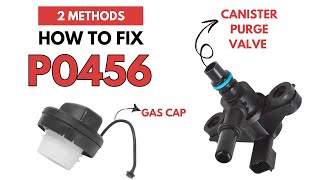
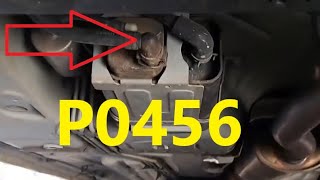
![How to Fix P0456 Engine Code in 3 Minutes [2 DIY Methods / Only $4.44]](https://img.youtube.com/vi/v_QDSjd1-Lw/mqdefault.jpg)
Used OEM Parts in Stock
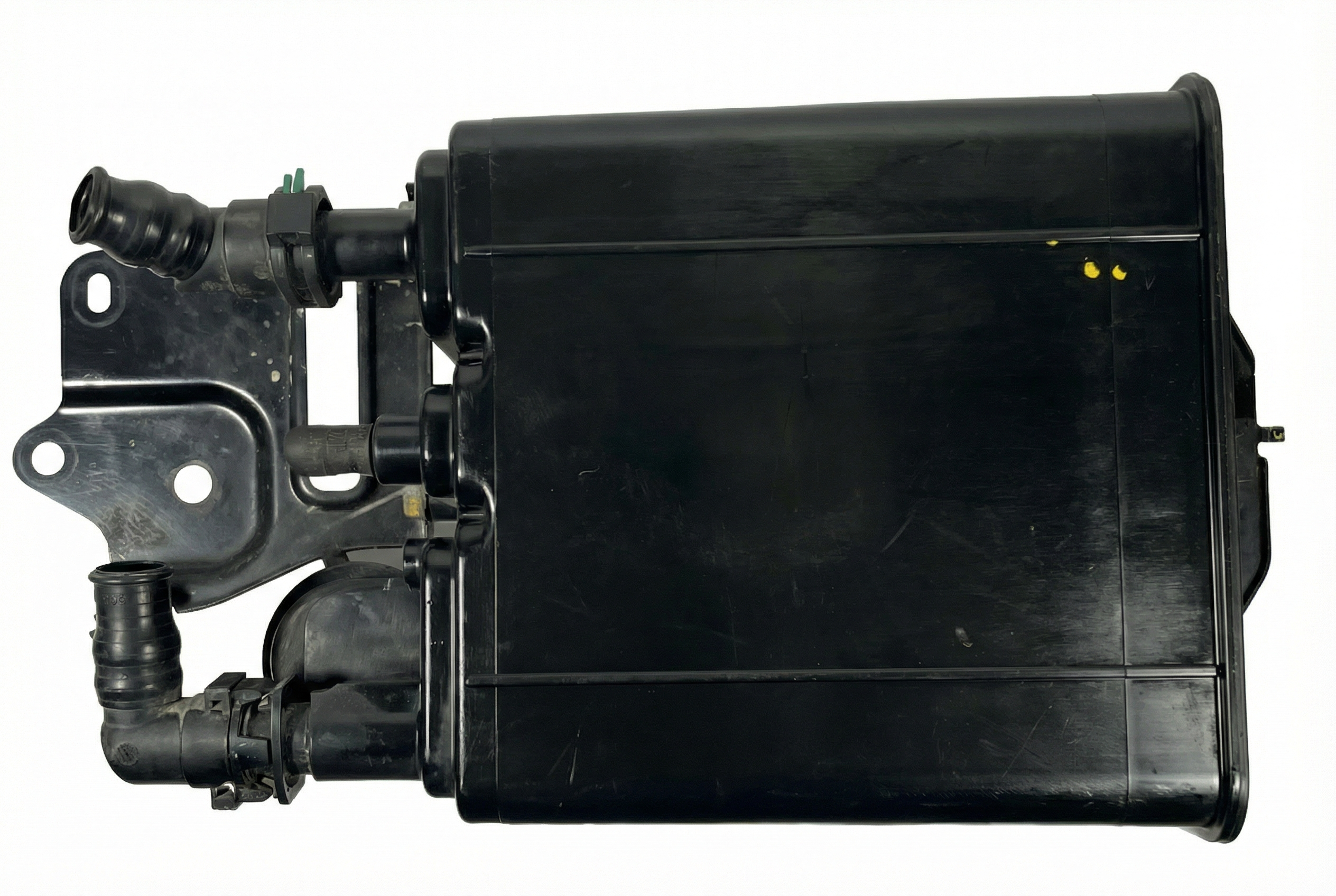
New Aftermarket Parts Available


The information in this article is provided for general reference and educational purposes only. Vehicle specifications, procedures, and part compatibility can vary by production date, trim level, and region. Always consult your vehicle's factory service manual and verify part numbers before purchasing or performing repairs. Safety-critical components such as airbags, seat belts, and braking systems should be installed by a qualified professional.
- Lexus ES 350:
- 🧭 Diagnostic Flowchart
- 🎬 Helpful Videos
- 🛍️ Shop This Part
- What's Unique About the 2007-2012 Lexus ES 350
- Symptoms You May Notice
- Most Likely Causes
- Rare But Worth Checking
- Diagnosis Steps
- Parts You'll Likely Need
- Related Codes That Often Appear With This One
- Platform-Specific Known Issues
- Mechanic-Grade Diagnostic Values
- Hidden / Shadow Codes Worth Checking
- Scan Tool Commands That Help
- Wiring & Ground Locations
- Real Owner Repair Stories
- OEM Part Supersession History
- Other Known Issues on This Vehicle
- Used vs. New Parts: Buying Guide for This Vehicle
- Real Owner Stories
- 2007 Lexus ES 350 3.5L V6
- 2007-2012 Lexus ES 350 3.5L V6
- 2007-2012 Lexus ES 350 3.5L V6
- Related OBD-II Codes
- Frequently Asked Questions
- 🎟️ Get 5% Off