

P0456 on 2011-2015 Mazda MX-5: EVAP Very Small Leak Causes and Fixes
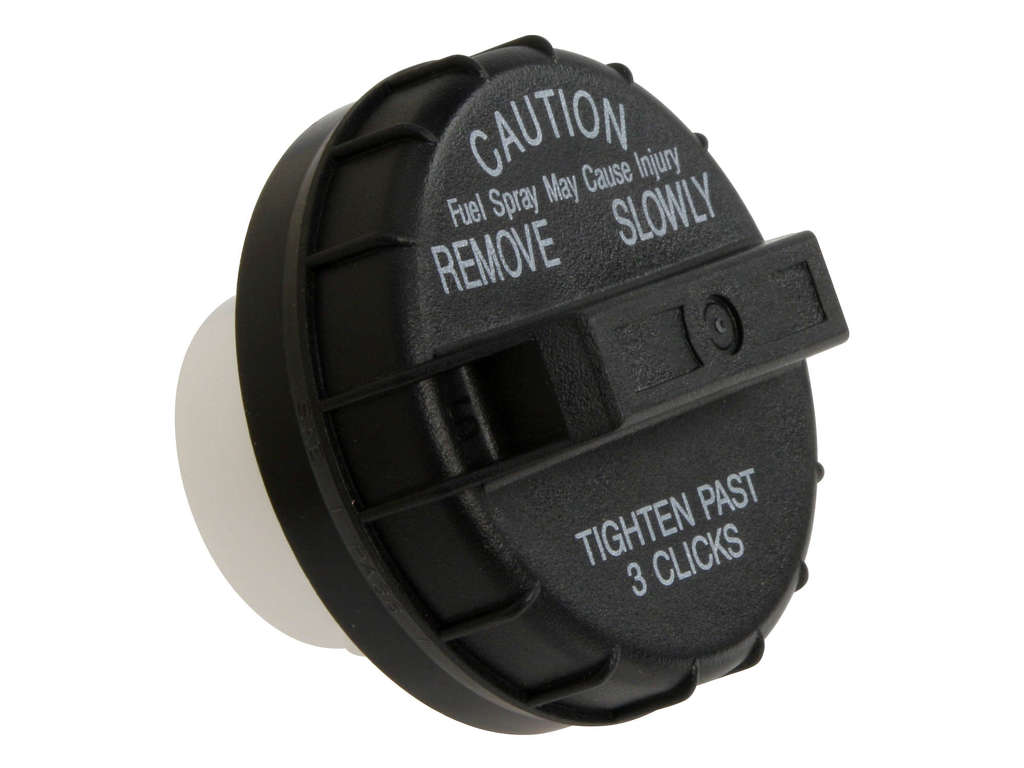
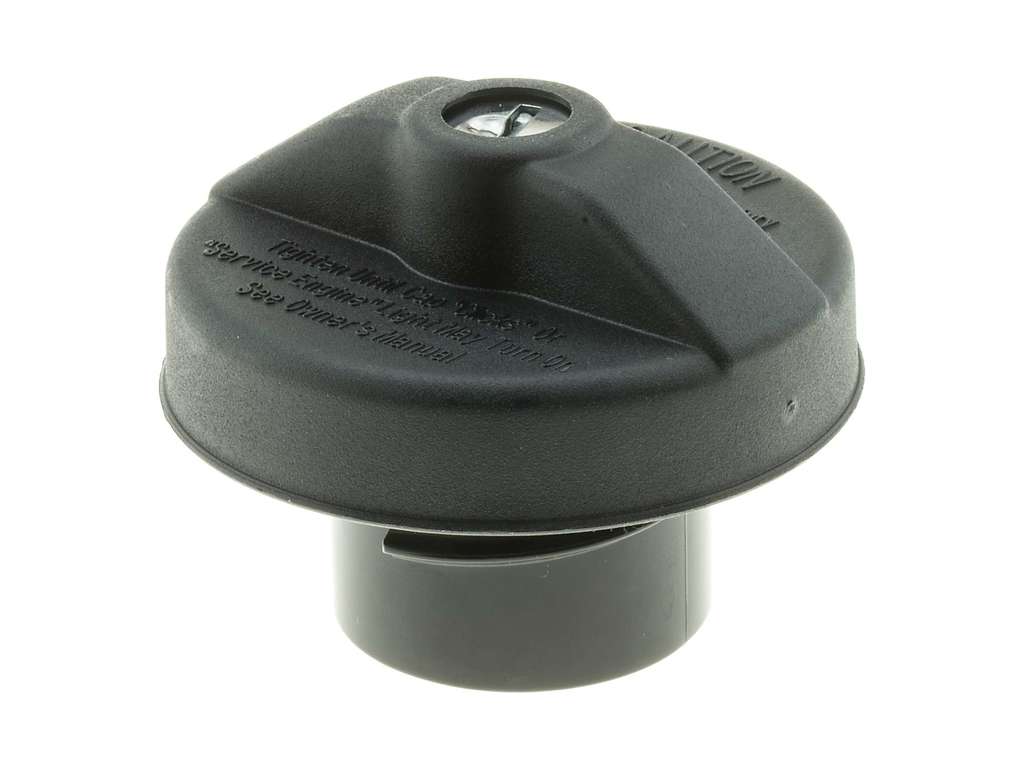
For a 2011-2015 MX-5, code P0456 almost always points to a loose or faulty gas cap. Before buying parts, tighten the cap until it clicks, clear the code, and drive for a few days. A new OEM gas cap is an inexpensive first step if the light returns. If the cap isn't the issue, the next most likely culprits are the purge solenoid valve in the engine bay or a cracked EVAP hose, which are best found with a smoke test.
- P0456 is a 'very small leak' in the emissions system and is not a critical issue.
- Always start by inspecting, cleaning, and properly tightening your gas cap. This solves the problem in a majority of cases.
- If you replace the gas cap, use a genuine OEM part. Aftermarket caps are known to cause sealing issues and may not fix the code.
- If a new OEM gas cap does not resolve the issue, the next step is a professional smoke test to find the leak, which could be a purge valve or a cracked hose.
What's Unique About the 2011-2015 Mazda MX-5
On the NC generation MX-5, like many other Mazdas, the P0456 code is notoriously sensitive and frequently caused by user error. Mazda has issued multiple service bulletins for other models stating the most likely cause is the driver not tightening the fuel cap sufficiently after refueling. A TSB specifically covering this issue, 01-008/15 (later superseded by 01-005/19), confirms that not closing the cap completely is the most probable cause. While other components can fail, the gas cap seal is by far the most common and simple fix for this specific platform.
Diagnostic Flowchart
Tap your situation to follow the diagnostic path that matches what you're seeing on this vehicle.
Generation note: The 2011-2015 year range covers the later part of the third generation (NC) Mazda MX-5, specifically the NC2 (2009-2012) and NC3 (2013-2015) facelifts. The EVAP system and common causes for this code are identical across these model years and the entire NC generation (2006-2015).
Symptoms You May Notice
- Check Engine Light is on.
- A faint fuel smell near the rear of the car (this is rare with a very small leak).
- Difficulty starting or a rough idle immediately after refueling (indicative of a stuck purge valve).
- Replacing the purge valve or other EVAP components before properly checking and replacing the gas cap. The gas cap is the most common failure point by a wide margin.
Most Likely Causes
- Loose or Faulty Gas Cap 🔴 High Probability → Shop Fuel Tank Cap Mazda has issued service bulletins (01-008/15 and 01-005/19) for numerous models highlighting that this code is most often caused by the fuel cap not being tightened until it clicks multiple times. The rubber O-ring on the cap can also dry out and crack over time, preventing a proper seal.
How to confirm: Remove the gas cap, inspect the rubber seal for cracks or wear, and clean the sealing surface on the filler neck. Reinstall the cap, tightening it until it clicks at least 3 times. Clear the code and drive for a few days to see if it returns. The EVAP monitor often runs after the vehicle has been sitting.
Typical fix: Replace the gas cap with a new OEM part. Aftermarket caps are a known source of EVAP codes.
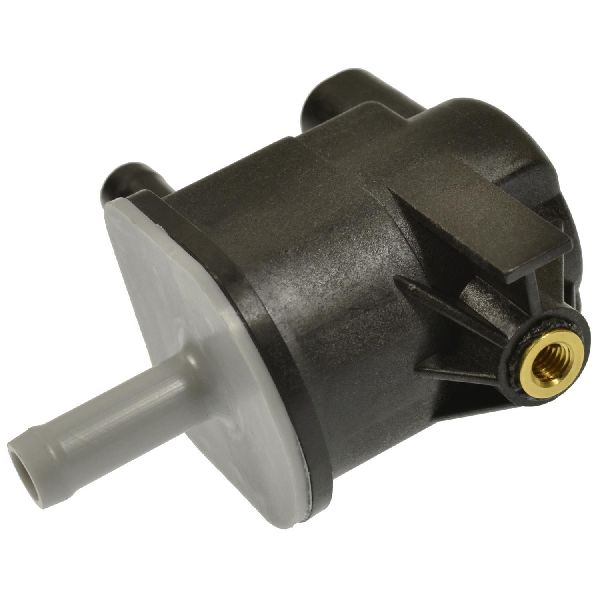
Est. part cost: $20-$40 - EVAP System Purge Valve Failure 🟡 Medium Probability → Shop Vapor Canister The purge valve (or purge solenoid) is an electromechanical part that cycles frequently and can get stuck open or fail to seal completely, creating a small, constant leak. On the NC Miata, it is located in the engine bay on the driver's side, near the dipstick.
How to confirm: The valve is normally closed. Remove the valve (it slides out of a rubber holder and has two hoses and one electrical connector) and try to blow through it. If air passes through, it has failed. A smoke test is the most definitive way to confirm a leak at the valve. A failing valve can also cause hard starts after filling the gas tank.
Typical fix: Replace the purge valve solenoid. It is recommended to use an OEM part.
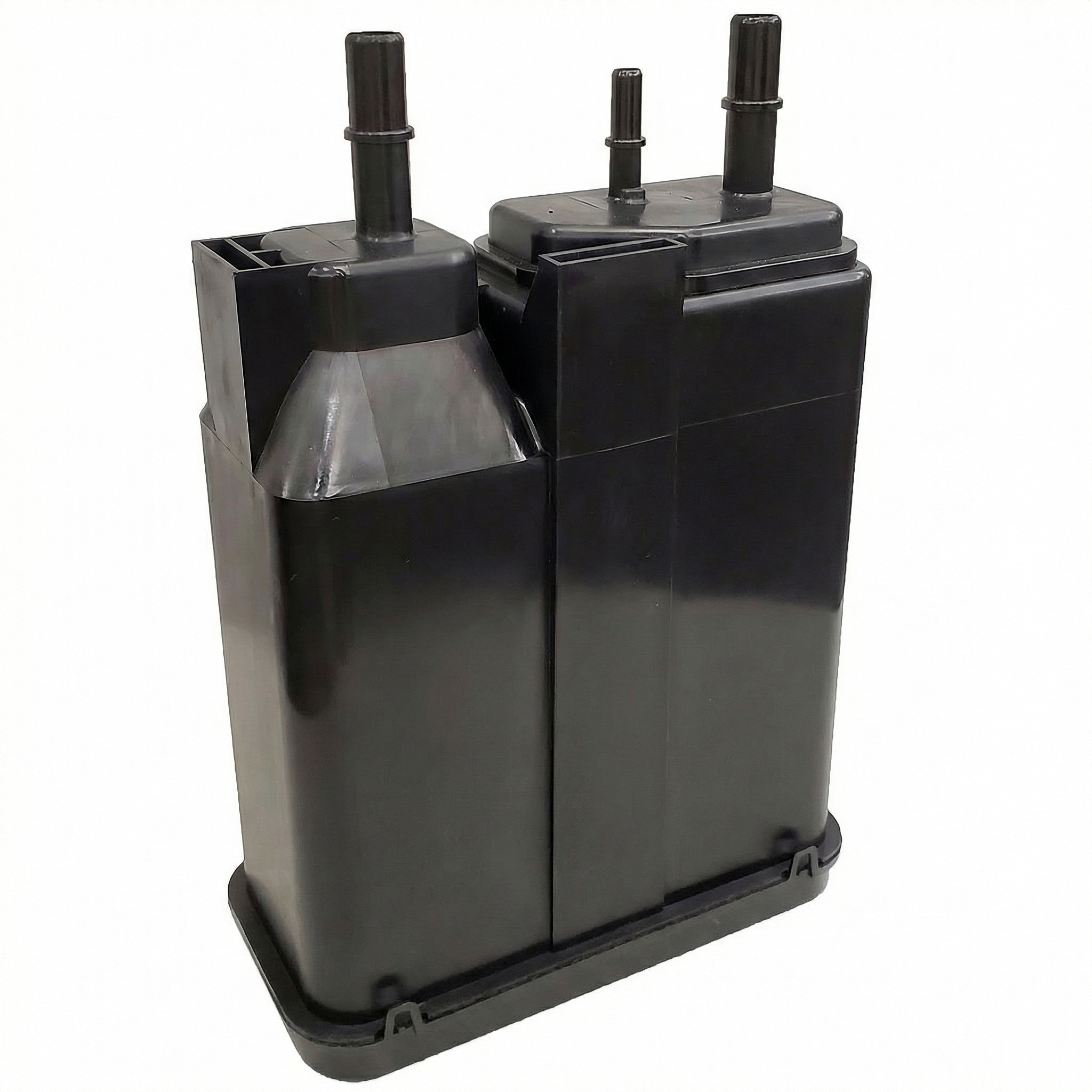
Est. part cost: $50-$100 - Cracked or Disconnected EVAP Hoses ⚪ Low Probability Rubber hoses, especially in hot climates, can become brittle and develop tiny cracks over time. These are often found near the charcoal canister (located at the rear of the car, near the differential) or connecting to the purge valve in the engine bay.
How to confirm: A visual inspection may reveal obvious cracks, but a professional smoke test is the most effective way to find a pinhole leak in a hose. Pay close attention to connection points.
Typical fix: Replace the cracked section of the hose.
Est. part cost: $10-$30 - EVAP Canister Vent Solenoid Failure ⚪ Low Probability → Shop Vapor Canister This valve, located near the charcoal canister under the car, is normally open but must close for the EVAP self-test. If it gets stuck or fails to close properly, it will cause a leak to be detected.
How to confirm: Requires a smoke test or using a bi-directional scan tool to command the valve closed and check if it holds pressure. This is typically a job for a professional or advanced DIYer.
Typical fix: Replace the vent solenoid.
Est. part cost: $60-$120
Rare But Worth Checking
- Cracked Charcoal Canister: → Shop Vapor Canister The plastic housing of the canister can develop hairline cracks. This is often caused by physical damage or over-filling the fuel tank, which saturates the canister with liquid fuel, destroying the charcoal media.
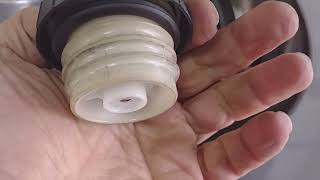
- Leaking Fuel Filler Neck: → Shop Fuel Filler Neck Corrosion can form on the metal lip where the gas cap seals, or on the neck itself, creating a small leak path. Some owners report success by lightly sanding the corrosion and applying petroleum jelly to the cap seal 🎬 See how to quickly fix a gas cap seal for cheap. as a temporary measure.
Diagnosis Steps
- Read the code with an OBD-II scanner and confirm P0456 is present. Note any other codes, like P2187, which might point towards the purge valve.
- Inspect the gas cap. Ensure it is tightened until it clicks several times. Check the rubber seal for any cracks, stiffness, or damage.
- Clean the fuel filler neck sealing surface with a clean cloth to remove any dirt or rust.
- Clear the code using the scanner. Drive the vehicle for several days. The EVAP monitor runs under specific conditions (often with the fuel tank between 15-85% full and after the vehicle cools down overnight), so it may take time for the light to return if the problem persists.
- If the code returns, replace the gas cap with a new, high-quality OEM part. Aftermarket caps are a known cause of this code. Clear the code and drive again.
- If the code still returns, perform a thorough visual inspection of all accessible EVAP hoses in the engine bay and around the charcoal canister (located near the fuel tank) for obvious cracks or disconnections.
- Consider testing the purge solenoid valve in the engine bay. It is located on the driver's side. Unplug it and remove the two hoses. If you can blow air through it, it has failed and needs to be replaced.
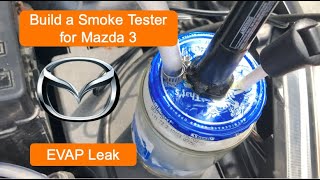
- The most definitive next step is to have a professional perform a smoke test. This involves injecting low-pressure, UV-dyed smoke into the EVAP system to reveal the exact location of the pinhole leak. 🎬 Watch: How to build a smoke tester and find leaks.
Parts You'll Likely Need
- Fuel Tank Cap
(OEM #NE51-42-250)— This is the most common cause of a P0456 code on this vehicle, due to an improper seal from not being tightened or a worn-out gasket.
Trusted brands: Mazda (OEM)
OEM price range: $25-$40
Aftermarket price range: $15-$25 - EVAP Purge Solenoid Valve
(OEM #LFG1-18-741B (for 2006-2008 models, confirm for 2009+))— The second most likely component to fail. It can get stuck partially open, causing a leak that the system detects during its self-test. A failure can also cause rough idle after refueling.
Trusted brands: Mazda (OEM), Standard Motor Products (CP620T)
OEM price range: $80-$120
Aftermarket price range: $40-$70
Related Codes That Often Appear With This One
- P0442 — This code indicates a 'small leak,' which is slightly larger than the 'very small leak' of P0456. They share the same causes, and a worsening leak can trigger both codes at different times.
- P0455 — This indicates a 'large leak.' If a hose becomes completely disconnected or the gas cap is left off entirely, you may see this code along with P0456 during the diagnostic cycle.
- P2187 — System Too Lean at Idle. A purge valve that is stuck open can create a vacuum leak, allowing un-metered air into the intake manifold, which can cause a lean condition and trigger this code alongside the P0456.
Technical Service Bulletins (TSBs) & Recalls
- 01-002-18-3417: A general manufacturer bulletin for multiple DTCs including P0456, outlining a procedure to determine the location of an evaporative system leak.
- 01-008/15 (Superseded by 01-005/19): A multi-model Mazda bulletin noting that P0456 is most likely the result of the customer not closing the fuel cap completely after fueling. It advises turning the cap until multiple clicks are heard.
Platform-Specific Known Issues
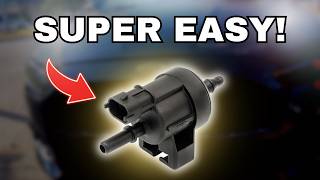
- Purge Valve Location and Replacement: → Shop Vapor Canister On the NC MX-5, the purge valv 🎬 Watch: Step-by-step guide to replacing the NC Miata purge valve.e is easily accessible in the engine bay, on the driver's side near the dipstick. It is held in a rubber bracket and connected by two hoses and an electrical plug. Replacement is a simple DIY task that requires only pliers. An arrow on the valve indicates the direction of flow, which should point towards the front of the car.
- Charcoal Canister Location: → Shop Vapor Canister The charcoal canister on the NC MX-5 is located at the rear of the vehicle, near the differential and fuel tank, typically in front of the passenger-side rear wheel. Access requires safely jacking up the rear of the car.
Mechanic-Grade Diagnostic Values
- EVAP Canister Vent Solenoid Resistance — expected: 20 - 30 Ohms. Failure: A reading outside this range indicates a damaged solenoid winding.
- Fuel Tank Pressure (FTP) Sensor Voltage — expected: Approx. 2.6 V when fuel tank pressure is equal to barometric pressure (e.g., with gas cap off).. Failure: A voltage that is stuck high (near 5V) or low (near 0V) regardless of pressure changes can indicate a faulty sensor or wiring issue.
- EVAP Canister Vent Solenoid Power Supply — expected: 12V (battery voltage) at one terminal of the connector with the ignition key in the ON position.. Failure: No voltage indicates a wiring issue or blown fuse between the power source and the solenoid.
Scan Tool Commands That Help
- Mazda M-MDS / Ford IDS: Powertrain -> DataLogger -> PID: FTP (Fuel Tank Pressure) — To monitor live fuel tank pressure in kPa or Volts. This is used to watch for pressure decay during a leak test or to verify the FTP sensor is responding correctly.
- Mazda M-MDS / Ford IDS: Active Command: Canister Vent (CV) Solenoid — To manually command the normally-open vent solenoid to close. This is the first step in sealing the EVAP system to perform a smoke test or a pressure/vacuum decay test. If the system doesn't seal when this is commanded, the vent solenoid itself is likely faulty.
- Bi-directional OBD2 Scanner: Special Functions > EVAP > Gas Cap Seal Test — Some advanced scanners can run a dedicated, automated test that slightly pressurizes the system to specifically check the integrity of the gas cap seal, helping to confirm or rule out the most common cause of P0456.
Wiring & Ground Locations
- G1 (or G01) — Located on the left rear corner of the engine compartment, on the firewall/chassis.. This is a primary engine compartment ground point. A poor connection here can cause erratic behavior or failure of various electronic components, including solenoids and sensors within the EVAP system that rely on a solid ground reference to function correctly.
- Purge Solenoid Valve Connector — On the driver's side of the engine bay, connected to the purge solenoid valve.. This 2-pin connector provides power and ground control to the purge valve. One pin should have 12V with the key on, and the other is the control line from the PCM. Testing for voltage and signal here is critical for diagnosing a non-responsive purge valve.
Real Owner Repair Stories
- YouTube video by 'Cars and Service' (2009 Mazda 6 2.5L (Shares similar EVAP system design)) — Check Engine Light with code P0456.
❌ Tried (didn't work) The owner had already replaced the gas cap, leading the mechanic to initially look elsewhere.
✅ What actually fixed it After a smoke test revealed smoke leaking from the 'new' gas cap, the mechanic discovered it was the incorrect part for the vehicle. Despite clicking and feeling tight, it did not create a proper seal on the filler neck. Replacing it with the correct OEM-spec gas cap resolved the leak and the code.
OEM Part Supersession History
LFG1-18-741, LFG1-18-741A→LFG1-18-741B— Revision of the purge solenoid valve.
Heads up: Part LFG1-18-741B is listed for the 2006-2008 MX-5. For 2009-2015 models, the correct part number is often cited as L518-18-741. It is critical to verify the part number by VIN as there was a change between early and late NC generation models.
Model Year Variations Within This Range
- 2009-2015 vs 2016+: The purge solenoid valve part number changes between the NC generation (2009-2015) and the ND generation (2016+). The part for the NC is L518-18-741, while the ND uses PE01-18-751. They are not interchangeable.
Helpful Videos
![How to Fix P0456 Engine Code in 3 Minutes [2 DIY Methods / Only $4.44]](https://img.youtube.com/vi/v_QDSjd1-Lw/mqdefault.jpg)
![How to Fix P0456 Engine Code in 7 Minutes [7 DIY Methods / Only $3.44]](https://img.youtube.com/vi/njt81AALI3U/mqdefault.jpg)
Used OEM Parts in Stock
New Aftermarket Parts Available


The information in this article is provided for general reference and educational purposes only. Vehicle specifications, procedures, and part compatibility can vary by production date, trim level, and region. Always consult your vehicle's factory service manual and verify part numbers before purchasing or performing repairs. Safety-critical components such as airbags, seat belts, and braking systems should be installed by a qualified professional.
- Mazda MX-5:
- 🧭 Diagnostic Flowchart
- 🎬 Helpful Videos
- 🛍️ Shop This Part
- What's Unique About the 2011-2015 Mazda MX-5
- Symptoms You May Notice
- Most Likely Causes
- Rare But Worth Checking
- Diagnosis Steps
- Parts You'll Likely Need
- Related Codes That Often Appear With This One
- Technical Service Bulletins (TSBs) & Recalls
- Platform-Specific Known Issues
- Mechanic-Grade Diagnostic Values
- Scan Tool Commands That Help
- Wiring & Ground Locations
- Real Owner Repair Stories
- OEM Part Supersession History
- Model Year Variations Within This Range
- 🎟️ Get 5% Off