

P0456 on 2008-2011 Mazda Tribute: Causes and Fixes for a Very Small EVAP Leak
For a 2008-2011 Mazda Tribute, a P0456 code is most often caused by a loose or faulty gas cap. If tightening or replacing the cap (~$15-$40) doesn't work, the next most common cause is a failing EVAP purge valve, a well-documented issue on this platform and its Ford Escape twin. The purge valve is a relatively easy and affordable DIY replacement.
- Always check the gas cap first. Ensure it's tight and the seal is in good condition before attempting any other repairs.
- The second most likely culprit on a 2008-2011 Tribute is the EVAP purge valve located in the engine bay. It's a common failure point and is relatively easy to replace.
- If you live in an area with snow and road salt, carefully inspect the fuel filler neck for rust, as this is a known source of EVAP leaks on this platform.
- A smoke test is the most definitive way to find a very small leak if the gas cap and purge valve are confirmed to be good.
- This code will not affect how your vehicle drives, but it must be fixed to pass an emissions inspection.
What's Unique About the 2008-2011 Mazda Tribute
The 2008-2011 Mazda Tribute is a mechanical twin to the Ford Escape and Mercury Mariner of the same years. This means diagnostic procedures, common failures, and replacement parts are often identical between the models. For this platform, the P0456 code is frequently traced to either a simple loose gas cap or a faulty EVAP purge valve that sticks intermittently. Additionally, like many vehicles of this era, rust on the fuel filler neck can be a source of EVAP leaks, especially in regions that use road salt. This is a well-known issue for the Tribute/Escape platform. The later models in this range (e.g., 2011) use a key-off natural vacuum leak detection strategy to find small leaks, meaning the test often runs after the vehicle has been sitting overnight.
Symptoms You May Notice
- Check Engine Light is on
- A faint fuel smell near the gas cap or rear of the vehicle (rare)
- Difficulty starting immediately after refueling (if the purge valve is stuck open)
- Rough idle, especially after refueling, if the purge valve is stuck open
- Replacing oxygen sensors. A faulty purge valve can sometimes trigger rich-running codes (P2196, P2198) alongside P0456, leading some to mistakenly replace the O2 sensors when the root cause is the EVAP system. 🎬 See how a stuck purge valve triggers rich-running codes
Most Likely Causes
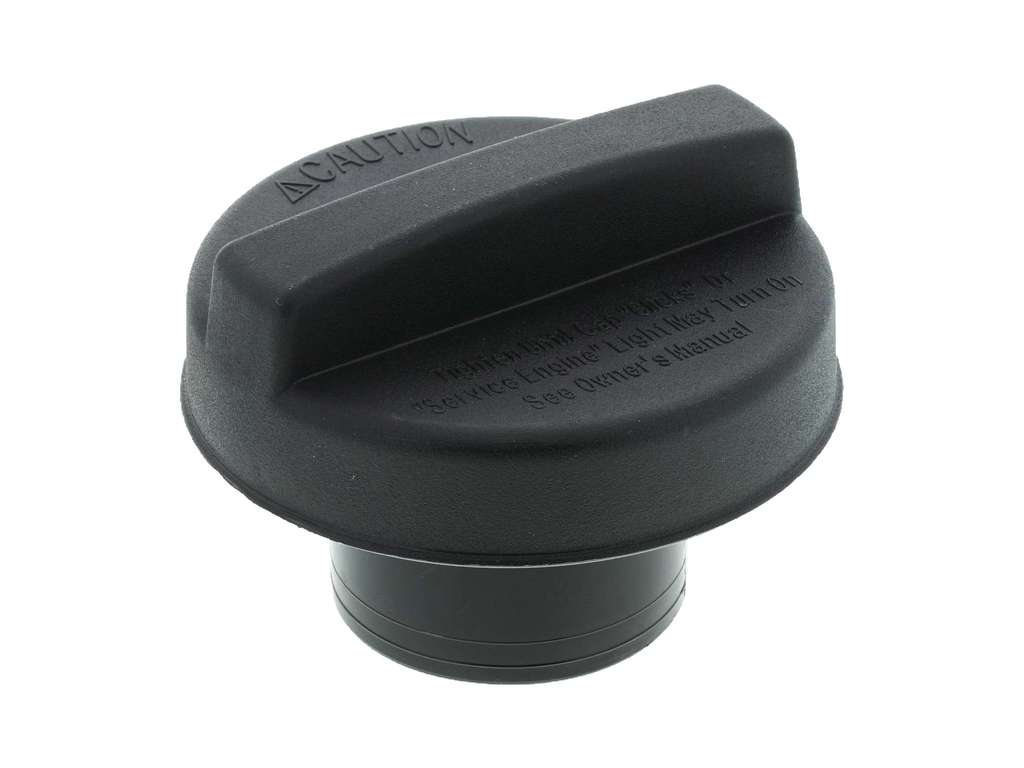
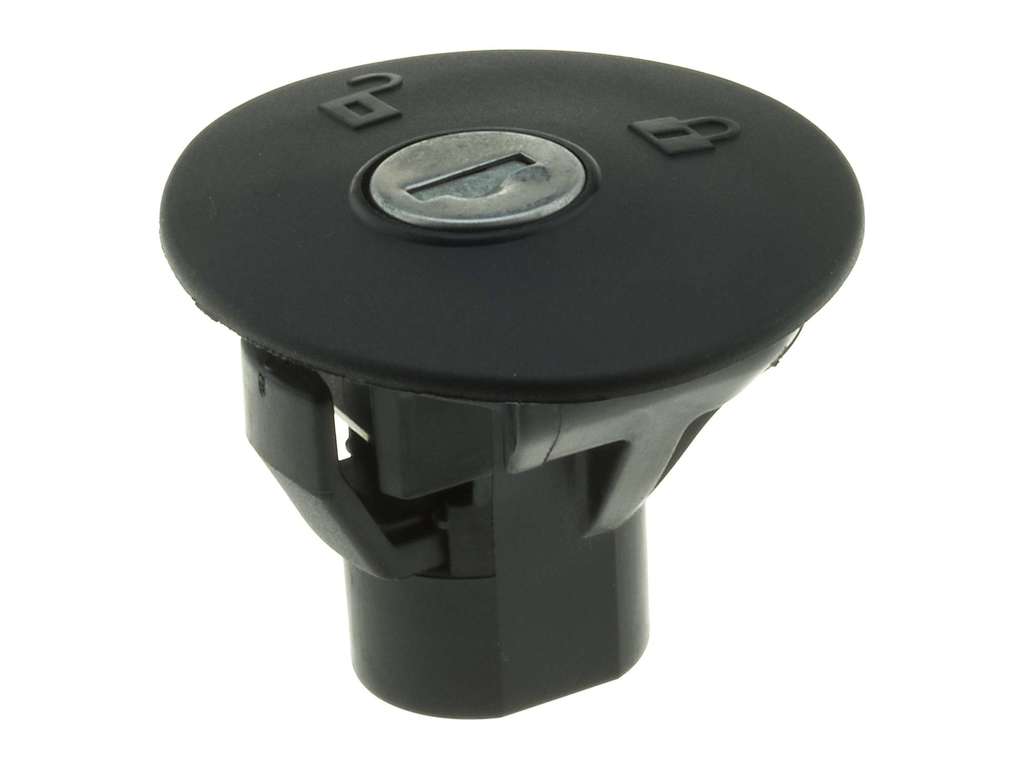
- Loose, Worn, or Incorrect Gas Cap 🔴 High Probability → Shop Fuel Tank Cap This is the most common cause for any P0456 code. The rubber O-ring on the cap can degrade over time, or the cap may not have been tightened sufficiently after refueling. Using non-OEM gas caps is a notorious cause of this code, as they often use improper seals that cannot hold the required pressure.
How to confirm: Remove the gas cap, inspect the seal for cracks or damage, and clean the sealing surfaces on both the cap and the fuel filler neck. Reinstall the cap, ensuring it clicks several times. Clear the code and drive for a few days to see if it returns. The EVAP monitor self-test often runs after the vehicle has been sitting overnight.
Typical fix: Replace the gas cap with a new OEM or high-quality aftermarket part.
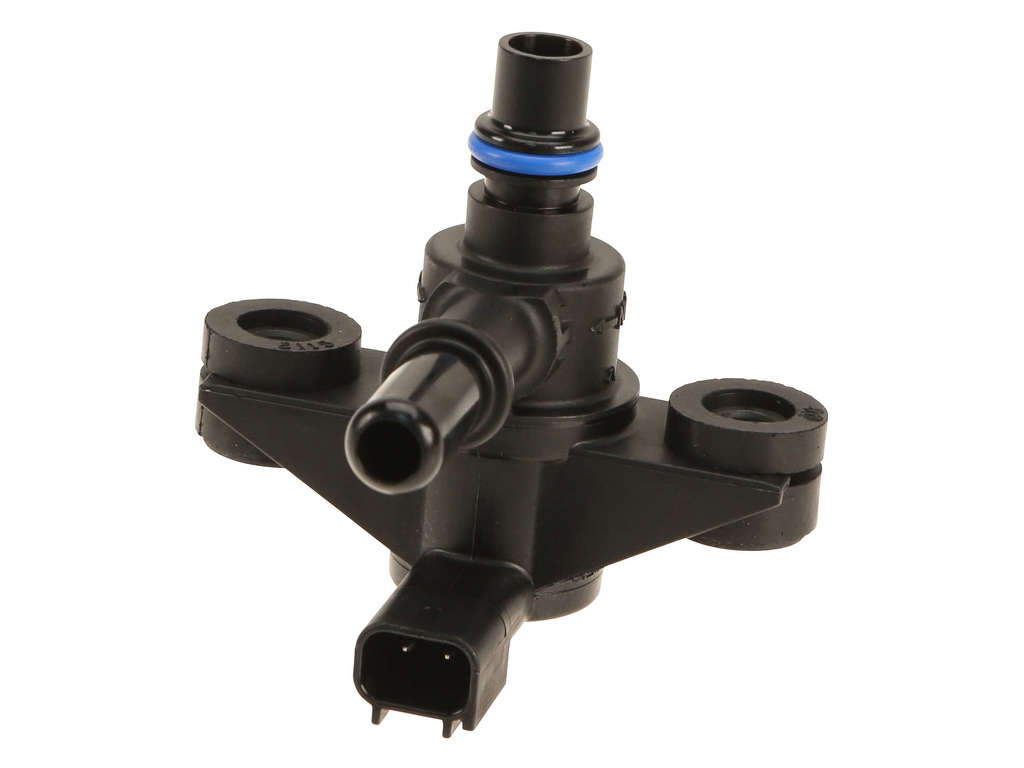
Est. part cost: $15-$40 - Faulty EVAP Purge Valve/Solenoid 🟡 Medium Probability → Shop Vapor Canister The purge valve on the Tribute/Escape platform is a very common failure point, known to fail by sticking open intermittently. This creates a small leak path from the EVAP system into the intake manifold that the PCM detects. A manufacturer service bulletin for other Mazda models, TSB Bulletin #SA-030-18, notes that P0456 can be caused by leakage detected from the catch tank unit at the purge valve.
How to confirm: With the engine running, disconnect the EVAP line from the purge valve. There should be no vacuum present at the valve's port when the valve is unplugged. If you feel suction with your finger or a vacuum gauge shows a reading, the valve is stuck open and has failed. A normally closed valve should not allow air to pass when the engine is off.
Typical fix: Replace the EVAP purge valve. This is typically a simple repair involving 🎬 Watch: How to test and replace the EVAP purge valve disconnecting two hoses and an electrical connector. The valve is located in the engine bay and is easily accessible.
Est. part cost: $30-$80 - Rusted or Cracked Fuel Filler Neck 🟡 Medium Probability → Shop Fuel Filler Neck In areas with road salt, the metal fuel filler neck is prone to rusting through over time, creating small holes that allow fuel vapor to escape. The area where the gas cap seals can also become corroded, preventing a proper seal. This is a widely reported issue on Tribute/Escape models in the rust belt.
How to confirm: Visually inspect the entire length of the fuel filler neck, from the gas cap opening down to the fuel tank. Look for rust, flaking metal, or visible holes. A smoke test is the most effective way to confirm a leak in this area if a visual inspection is inconclusive.
Typical fix: Replace the entire fuel filler neck assembly. Aftermarket replacements from brands like Dorman are readily available.
Est. part cost: $75-$160 - Cracked or Disconnected EVAP Hoses ⚪ Low Probability Over time, the rubber and plastic hoses in the EVAP system can become brittle from heat and age, leading to small cracks or loose connections. This is a potential failure point on any aging vehicle.
How to confirm: Visually inspect all accessible EVAP lines in the engine bay and around the charcoal canister near the fuel tank. A smoke test is the most reliable method to find hairline cracks that are not visible to the naked eye.
Typical fix: Replace the cracked section of hose or the entire hose assembly.
Est. part cost: $10-$50
Rare But Worth Checking
- Faulty EVAP Vent Solenoid: → Shop Vapor Canister Located near the charcoal canister, this valve can also fail, but it is less common than the purge valve for causing a P0456 code.
- Cracked Charcoal Canister: → Shop Vapor Canister The plastic housing of the canister can develop cracks from age or impact, creating a leak. This is usually found with a smoke test.
- Faulty Fuel Tank Pressure (FTP) Sensor: → Shop Fuel Tank In rare cases, the sensor that monitors system pressure can provide incorrect readings to the computer, falsely triggering a leak code.
Diagnosis Steps
- Read the code with an OBD-II scanner to confirm P0456 is present. Check for any other related codes.
- Inspect the gas cap. Remove it, check the seal for damage, and clean any dirt from the cap and filler neck. Reinstall it tightly until it clicks multiple times.
- Clear the code. Drive the vehicle for several days to see if the Check Engine Light returns. The EVAP monitor often runs after the vehicle has been sitting overnight.
- If the light returns, test the EVAP purge valve. With the engine running, disconnect the vapor line from the valve. If you feel vacuum at the port with the electrical connector unplugged, the valve is bad and must be replaced.
- Visually inspect the fuel filler neck for signs of heavy rust or corrosion that could cause a leak. Pay close attention to the area where the cap seals and the pipe itself.
- If the cause is still not found, the most effective next step is to have a professional (or use a DIY kit) perform a smoke test. This involves filling the EVAP system with a harmless, visible smoke to pinpoint the exact location of the very small leak.
Parts You'll Likely Need
- Fuel Cap — This is the most frequent and simplest fix for a P0456 code due to a worn seal or improper tightening.
Trusted brands: Motorcraft, Stant
OEM price range: $25-$40
Aftermarket price range: $15-$25 - Vapor Canister Purge Valve/Solenoid
(OEM #9U5Z-9C915-H (Ford/Motorcraft part number))— A very common failure on the Tribute/Escape platform. The valve sticks open, causing a persistent small leak that the system detects.
Trusted brands: Motorcraft (OEM), Bosch, Standard Motor Products (SMP), Dorman
OEM price range: $50-$90
Aftermarket price range: $30-$60 - Fuel Filler Neck
(OEM #Dorman 577-311 is a common aftermarket replacement.)— Prone to rusting in salt-belt states, creating small pinhole leaks that are a common source of this code on older vehicles.
Trusted brands: Dorman, Spectra Premium, SKP
OEM price range: $250-$400
Aftermarket price range: $75-$160
Related Codes That Often Appear With This One
- P0442 — This code indicates a 'small leak,' which is slightly larger than the 'very small leak' of P0456. They often share the same causes, and a worsening P0456 leak can eventually trigger a P0442.
- P2196 / P2198 — These codes indicate 'O2 Sensor Signal Stuck Rich.' If the purge valve is stuck open, it allows unmetered fuel vapor into the engine, creating a rich condition that can trigger these codes along with the P0456.
Technical Service Bulletins (TSBs) & Recalls
- Mazda TSB 01-005/19 - While not specifically for the Tribute, this TSB covers many other Mazda models and identifies an improperly closed or faulty fuel cap as the primary cause for P0456, which is a common pattern across most vehicles.
- Ford TSB SSM 50306 - This bulletin applies to many Ford models and notes that EVAP codes like P0456 are often caused by a faulty canister purge valve. It advises technicians to perform proper diagnosis before replacing parts.
- Mazda TSB Bulletin #01-005-19-3548 - This bulletin notes that vehicles may exhibit a check engine light with DTC P0456 stored in the PCM memory, and suggests the concern is most likely the result of the customer not getting the fuel cap tight.
Platform-Specific Known Issues
- Owner Experience: Purge Valve Failure: → Shop Vapor Canister Multiple owners on forums and in YouTube repair videos for the 2008-2011 Ford Escape/Mazda Tribute demonstrate the common purge valve failure. A typical story involves getting a P0456 code, sometimes with rough idling or a P2196 rich code after filling the gas tank. The fix is consistently shown as a simple replacement of the purge valve in the engine bay, often using the Motorcraft part 9U5Z-9C915-H, which resolves the code.
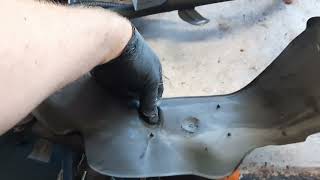
- Repair Story: Rusted Fuel Filler Neck: → Shop Fuel Filler Neck Owners in northern climates frequently report chasing a P0456 or P0442 code, only to find the cause is a rusted-out fuel filler neck. The rust creates pinhole leaks that are hard to see but are easily found with a smoke test. One owner on a Ford forum described replacing the gas cap and purge valve with no success, but a smoke test at a shop immediately revealed smoke billowing from the filler neck behind the plastic shielding. Replacing the neck with a Dorman part fixed the issue permanently.
Mechanic-Grade Diagnostic Values
- Canister Purge Valve Solenoid Resistance — expected: 15 to 30 Ohms across the two electrical pins.. Failure: A reading far outside this range, such as an open circuit (infinite resistance) or a short (near zero resistance), indicates a failed internal coil.
- Fuel Tank Pressure (FTP) Sensor Voltage (Key On, Engine Off, fuel cap off) — expected: Approximately 2.5V - 2.7V at atmospheric pressure.. Failure: Voltage is stuck high (near 5.0V) or low (near 0.0V), or does not change when vacuum is applied to the system.
- Live Data: FTP Sensor at Idle (Purge Valve Test) — expected: With the purge valve commanded closed by the PCM, the FTP sensor reading should remain steady near atmospheric pressure.. Failure: If the FTP sensor shows a steady drop into vacuum, it indicates the purge valve is stuck open and leaking engine vacuum into the EVAP system.
Hidden / Shadow Codes Worth Checking
- Mode $06, Test ID $82 (0.020" leak test): This is not a trouble code, but a diagnostic monitor test result. It shows the raw data from the PCM's last EVAP small leak self-test. A technician can compare the measured value against the maximum allowable value. (see via A professional scan tool or an advanced OBD-II app (like FORScan) that can display Mode $06 data. If the test value exceeds the maximum limit, it confirms the PCM is correctly identifying a leak.)
Scan Tool Commands That Help
- Ford IDS, FORScan, or other high-end bidirectional scanner: EVAP System Test (On-Demand Self Test) — This command forces the PCM to run the entire EVAP leak test sequence, allowing a technician to monitor sensor data in real-time to see where the test fails without waiting for the monitor to run naturally.
- Ford IDS, FORScan, or other high-end bidirectional scanner: Canister Vent (CV) Solenoid On/Off — This command is essential for performing a smoke test. The technician commands the normally-open vent valve to close, sealing the system from the atmosphere so it can be filled with smoke to find leaks.
Wiring & Ground Locations
- G109 — On the firewall, in the rear of the engine compartment.. This is a primary ground point for components controlled by the Powertrain Control Module (PCM). A corroded or loose ground here could cause erratic behavior from sensors and solenoids in the EVAP system, including the purge valve and FTP sensor.
- G100 / G104 — Located in the left front of the engine compartment.. These are major engine bay grounds. The EVAP purge valve is located in the engine bay, and its harness may use these points. A poor connection could lead to incorrect operation of the valve.
Real Owner Repair Stories
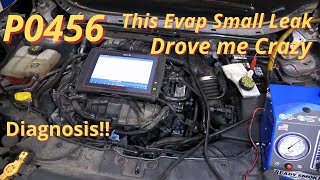
- YouTube video by 'KIT'S Auto and Truck Repair' (Ford Escape (mechanically identical)) — Check Engine Light with codes P0456 (very small EVAP leak) and P2196 (O2 sensor stuck rich, Bank 1 Sensor 1).
❌ Tried (didn't work) The owner had given up trying to fix the issue before bringing it to the shop.
✅ What actually fixed it The combination of P0456 and P2196 strongly indicated a purge valve stuck open, allowing unmetered fuel vapor into the intake. The diagnostic process confirmed the purge valve was leaking vacuum when it should have been closed, and replacing it resolved both codes.
"I Checked Everything" — The Actual Cause
- In some cases, a smoke test may pass, but the P0456 code persists. One potential cause is a faulty Fuel Tank Pressure (FTP) sensor that is sending incorrect readings to the PCM, making it believe there is a leak when the system is actually sealed. Another possibility, though rare, is an intermittent wiring issue or a poor connection at a ground point (like G109) or the PCM connector, causing the purge valve or FTP sensor to report false data.
OEM Part Supersession History
9U5Z-9C915-H→9U5Z-9C915-J— Standard part revision and improvement by the manufacturer.
Heads up: The new part number (9U5Z-9C915-J) is a direct replacement for the older -H and -D revisions and is fully compatible.
Model Year Variations Within This Range
- 2010-2011 (approx.): These later models in the generation often use a 'key-off natural vacuum' leak detection system. The PCM seals the EVAP system after the vehicle is turned off and monitors the FTP sensor as the fuel tank cools and creates a natural vacuum. This means the self-test that triggers the P0456 code often runs hours after the vehicle has been parked.
Diagnostic Flowchart
Other Known Issues on This Vehicle
Issues unrelated to this code that are worth knowing about as an owner of this generation:
- Rusted Rear Shock Mounts/Towers 🔴 High — Very common in regions with road salt. The upper shock mount area in the rear wheel wells rusts through, potentially causing the shock to detach from the body.
- Electric Power Steering (EPS) Failure 🔴 High — Common enough to trigger a major recall. The steering torque sensor can fail, leading to a sudden loss of power steering assist, making the vehicle very difficult to steer at low speeds. (Ref: NHTSA Recall 14V284 / Ford Recall 14S05)
- 6F35 Automatic Transmission Failures 🔴 High — Common on 2009 and later models with the 6-speed automatic. Issues include harsh shifting, slipping, torque converter shudder, and fluid leaks from the left side axle seal. (Ref: Ford TSB 16-0043 (for axle seal leak))
- Failing Electronic Throttle Body (ETB) 🟠 Medium — Reported frequently on both 4-cylinder and V6 models. A failing ETB can cause sudden power loss, stalling, or entering 'limp mode,' often triggering wrench or check engine lights. (Ref: Subject of NHTSA investigation PE13-003)
- Ignition Coil Failure (V6) 🟡 Low — The Coil-On-Plug ignition coils are a common failure item, leading to engine misfires (P030x codes) and rough running. The rear bank of coils is more labor-intensive to replace as it requires removing the intake manifold.
Used vs. New Parts: Buying Guide for This Vehicle
When a used part is the smart pick: A used fuel filler neck from a junkyard can be a smart, cost-effective choice, provided the donor vehicle is from a dry, rust-free climate. This avoids the high cost of a new OEM part while getting a component not prone to electronic or mechanical wear.
Donor-vehicle mileage cap: roughly under 120000 miles for the part to have meaningful remaining life.
What to inspect on the donor part:
- For a filler neck: Inspect thoroughly for any signs of rust, especially around the gas cap sealing area and along the pipe's seams. Ensure there are no dents or kinks.
- For an electronic part like a purge valve: Check for physical cracks in the plastic housing and ensure the connectors are clean and free of corrosion. Sourcing from a lower-mileage vehicle is preferable.
OEM-only on this vehicle (don't cheap out):
- Fuel Cap: It is strongly recommended to use a genuine OEM (Motorcraft) fuel cap. Aftermarket caps are a very common cause of P0456 codes because their seals often do not meet the precise sealing requirements of the EVAP system.
Aftermarket brands forum-validated for this vehicle:
- Purge Valve: Motorcraft (OEM), Bosch, Standard Motor Products (SMP), and Gates are all considered reliable brands for this part.
- Fuel Filler Neck: Dorman and Spectra Premium are the most common aftermarket brands. Both are generally considered acceptable, though it's wise to check recent reviews for any reported fitment issues.
Brands owners have reported issues with on this vehicle:
- Generic/unbranded fuel caps should be avoided as they are a frequent source of sealing problems.
- Some aftermarket filler necks have been reported to have fitment issues with the OEM gas cap, so test fitting the cap before final installation is a good practice.
Real Owner Stories
Aggregated from forums and TSBs cited above. Mileages and costs reflect what owners reported in those sources.
2009 Ford Escape 3.0L V6
Symptoms: P0456 code present; owner demonstrated testing and replacement procedure for the purge valve.
What fixed it: Replacement of the EVAP purge valve (shared part with Mazda Tribute).
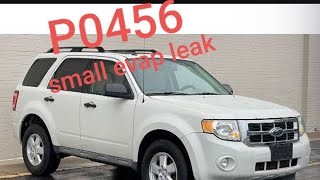
Source hint: YouTube video titled 'How to test / replace Ford Escape P0456 Evap Purge Valve'
2008-2011 Mazda Tribute
Symptoms: P0456 code, sometimes accompanied by a rough idle or a P2196 rich code specifically after filling the gas tank.
What fixed it: Replacement of the purge valve in the engine bay using Motorcraft part 9U5Z-9C915-H.
Source hint: vehicle_specific_issues: Owner Experience: Purge Valve Failure
2008-2011 Ford Escape/Mazda Tribute
Symptoms: Chasing P0456 or P0442 codes; replaced gas cap and purge valve with no success. Smoke test revealed smoke billowing from behind the plastic shielding.
What fixed it: Replacing the rusted-out fuel filler neck with a Dorman part.
Source hint: vehicle_specific_issues: Repair Story: Rusted Fuel Filler Neck
Related OBD-II Codes
Frequently Asked Questions
Is there a specific Mazda TSB for the P0456 code on my Tribute?
I live in a state that uses road salt; is there a specific part I should check for my P0456 leak?
Can I use a generic gas cap from a local auto parts store to fix this?
My Tribute is idling roughly right after I get gas. Is this related to P0456?
Which specific purge valve part number is recommended for the 2008-2011 Tribute?
Where is the purge valve located on the 2008-2011 Mazda Tribute?
Helpful Videos
Used OEM Parts in Stock

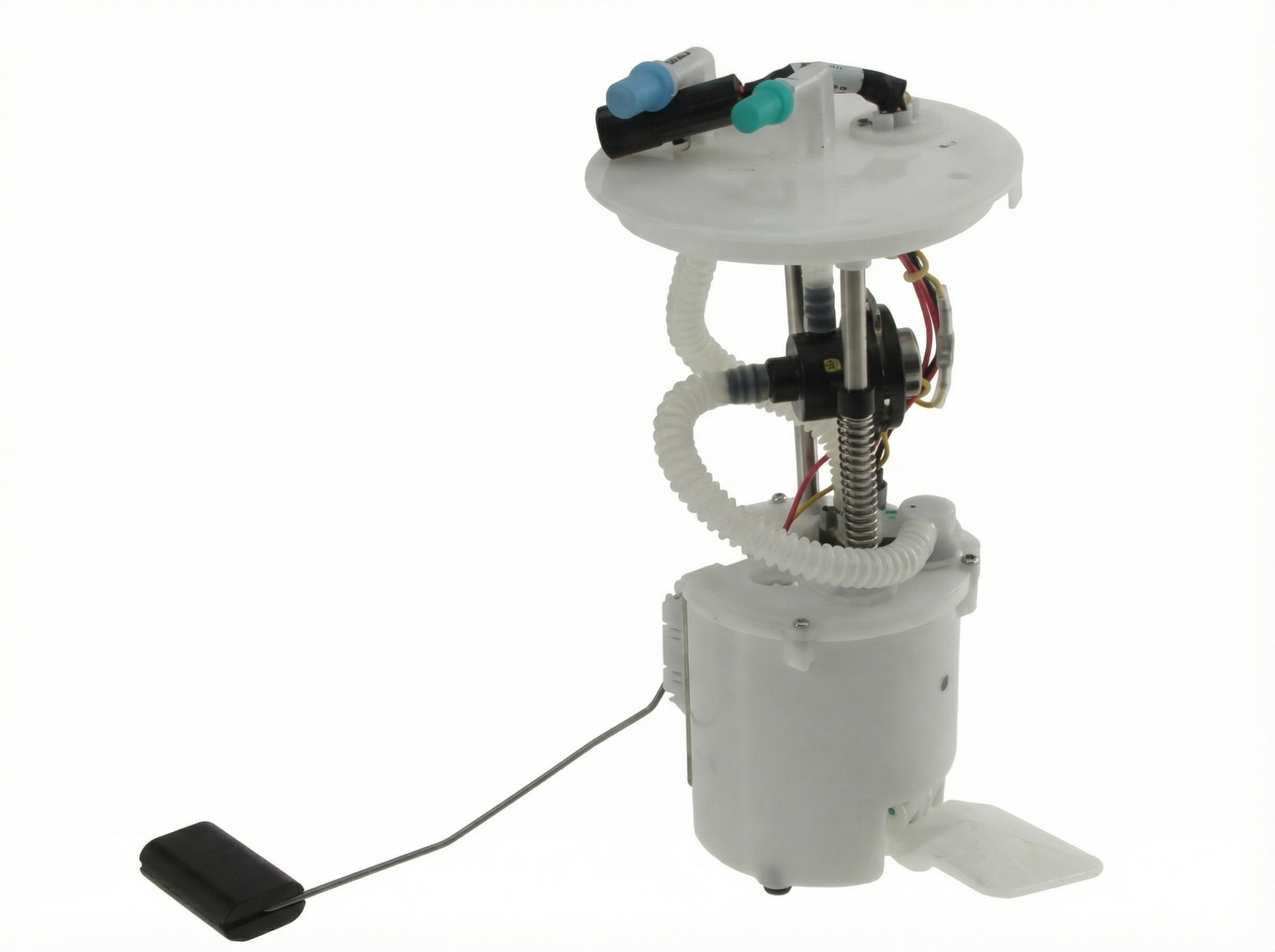
New Aftermarket Parts Available


The information in this article is provided for general reference and educational purposes only. Vehicle specifications, procedures, and part compatibility can vary by production date, trim level, and region. Always consult your vehicle's factory service manual and verify part numbers before purchasing or performing repairs. Safety-critical components such as airbags, seat belts, and braking systems should be installed by a qualified professional.
- Mazda Tribute:
- 🧭 Diagnostic Flowchart
- 🎬 Helpful Videos
- 🛍️ Shop This Part
- What's Unique About the 2008-2011 Mazda Tribute
- Symptoms You May Notice
- Most Likely Causes
- Rare But Worth Checking
- Diagnosis Steps
- Parts You'll Likely Need
- Related Codes That Often Appear With This One
- Technical Service Bulletins (TSBs) & Recalls
- Platform-Specific Known Issues
- Mechanic-Grade Diagnostic Values
- Hidden / Shadow Codes Worth Checking
- Scan Tool Commands That Help
- Wiring & Ground Locations
- Real Owner Repair Stories
- "I Checked Everything" — The Actual Cause
- OEM Part Supersession History
- Model Year Variations Within This Range
- Other Known Issues on This Vehicle
- Used vs. New Parts: Buying Guide for This Vehicle
- Real Owner Stories
- 2009 Ford Escape 3.0L V6
- 2008-2011 Mazda Tribute
- 2008-2011 Ford Escape/Mazda Tribute
- Related OBD-II Codes
- Frequently Asked Questions
- 🎟️ Get 5% Off