

P0456 on 2006-2011 Mercury Milan: EVAP Small Leak Causes and Fixes
For a P0456 code on a 2006-2011 Mercury Milan, the most likely cause is either a loose or faulty gas cap (2006-2009 models, OEM part Motorcraft FC-1089) or a dirty capless fuel filler neck (2010-2011 models). The next most common and well-documented culprit is a failing canister purge valve in the engine bay (OEM part Motorcraft CX-2626 / Ford 9U5Z-9C915-H), which is a relatively inexpensive and easy part to replace.
- Start with the simplest fix: check the gas cap (2006-2009) or clean the capless filler neck (2010-2011).
- The second most likely culprit is the canister purge valve in the engine bay, which is a common failure point and relatively easy to replace.
- This code will not leave you stranded, but it will cause you to fail an emissions test.
- If the simple fixes don't work, a professional smoke test is the fastest way to find the source of the leak, which could be a cracked hose or another valve.
What's Unique About the 2006-2011 Mercury Milan
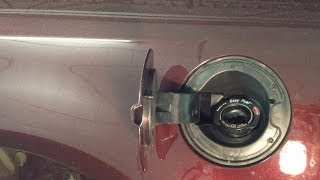
The 2006-2011 Mercury Milan, a sibling to the Ford Fusion, has a key generational difference affecting this code. Early models (2006-2009) use a traditional gas cap, which is a frequent source of leaks. Later models (2010-2011) feature Ford's 'Easy Fuel' capless system. On these capless models, the problem is often not the 'cap' itself, but debris preventing the internal flap from sealing correctly. Beyond the fuel filler, the canister purge valve is a well-documented weak point on this Ford platform, frequently failing by sticking partially open and creating a constant vacuum leak.
Generation note: The 2006-2011 model years span the first generation and its mid-cycle refresh. The most significant difference for this code is the fuel filler: 2006-2009 models have a standard gas cap, while 2010-2011 models have the 'Easy Fuel' capless system. This changes the first diagnostic step.
Symptoms You May Notice
- Check Engine Light is on.
- No noticeable impact on drivability or performance.
- A faint smell of gasoline may be present near the rear of the car, though this is uncommon for such a small leak.
- On platform mates, some owners report difficulty starting the car immediately after refueling, which can point to a stuck-open purge valve.
- In some cases, the "Service Engine" light may illuminate specifically for this code, distinct from the "wrench" light used for throttle issues, as noted in NHTSA ODI #10524401.
- Replacing the O2 sensors. Oxygen sensors are not part of the EVAP system and will not cause a P0456 code.
- Replacing the catalytic converter. This is an exhaust component and is unrelated to the fuel vapor system.
Most Likely Causes
- Loose/Faulty Gas Cap (2006-2009) or Dirty Capless Filler Neck (2010-2011) 🔴 High Probability → Shop Fuel Tank Cap The gas cap seal wears out over time. The capless system is prone to getting dirt or debris in the sealing flap, preventing a complete seal, an issue noted in Ford TSB 11-11-28.
How to confirm: For 2006-2009: Inspect the gas cap for cracks and ensure the rubber seal is pliable. Tighten it until it clicks. For 2010-2011: Use the white plastic funnel that came with the car (usually with the spare tire) and insert/remove it into the filler neck 15-20 times to clear any debris. You can also use compressed air to carefully blow out the area.
Typical fix: For 2006-2009, replace the gas cap, preferably with an OEM Motorcraft part (FC-1089) to ensure a proper seal. For 2010-2011, clean the filler neck. If the problem persists, the entire fuel filler neck assembly may need replacement if the internal spring mechanism has failed.
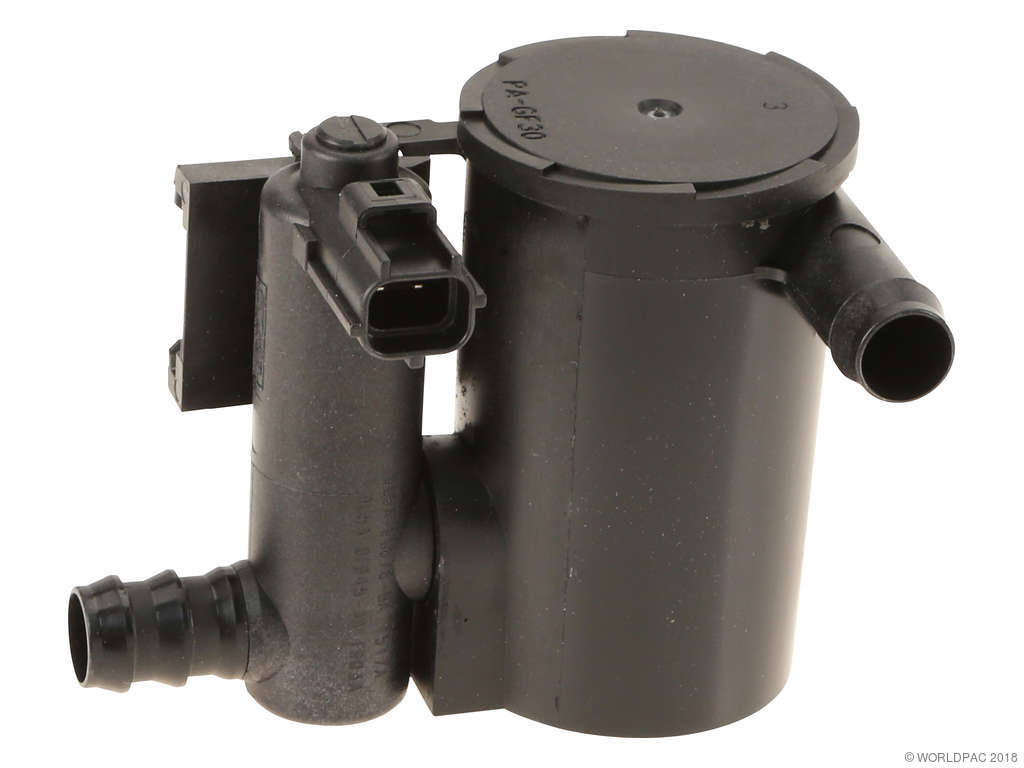
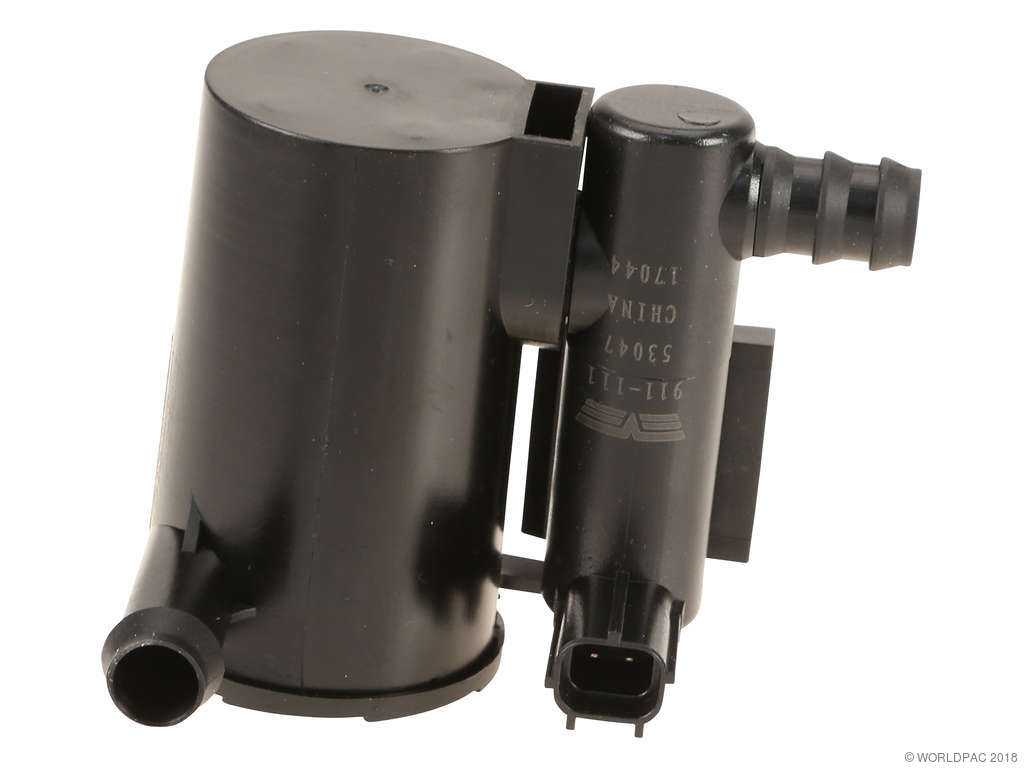
Est. part cost: $15-$30 for a gas cap, $150-$250 for a filler neck assembly. - Faulty EVAP Canister Purge Valve 🔴 High Probability → Shop Vapor Canister This solenoid is a very common failure item on many Ford products of this era. It gets stuck partially open, creating a constant small leak that the computer detects. NHTSA ODI #10524401 describes a case where diagnostics indicated a need to replace a valve specifically to resolve this code.
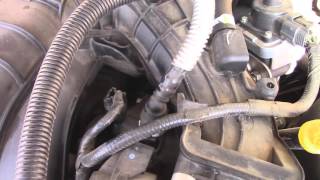
How to confirm: The valve is located in the engine bay, with hoses connecting to the intake manifold. With the engine off, remove the valve and try to blow through it. If any air passes through, it has failed, as it should be normally closed. Alternatively, with the engine running, disconnect the electrical connector and the vapor line, and feel for suction with your fingertip. If there is vacuum, the valve is stuck open and is bad.
Typical fix: Replacement of the purge valve/solenoid. It is typically held by two 8mm bolts and has two hose connections 🎬 Watch: A quick walkthrough on replacing the purge valve solenoid. and an electrical connector.
Est. part cost: $30-$70 - Cracked or Disconnected EVAP Hoses 🟡 Medium Probability Over time, the plastic and rubber hoses in the EVAP system can become brittle and crack, especially at connection points and in areas exposed to road salt.
How to confirm: Visually inspect all accessible EVAP lines, from the purge valve in the engine bay to the charcoal canister and vent valve near the fuel tank. The definitive method is to have a mechanic perform a smoke test, which forces smoke into the system to reveal the exact location of the leak.
Typical fix: Replace the cracked section of hose or re-secure a loose connection.
Est. part cost: $5-$50 depending on the hose length and complexity. - Faulty EVAP Vent Valve/Solenoid ⚪ Low Probability → Shop Vapor Canister This valve, located near the charcoal canister under the car, can fail, but it is less common for a small leak code than the purge valve. It is more susceptible to damage/corrosion from road debris and salt.
How to confirm: This valve is normally open and closes when the system runs a test. Testing often requires a bi-directional scan tool to command it closed, followed by a smoke test to see if it leaks. Resistance can be checked with a multimeter and should be between 12-80 Ohms.
Typical fix: Replace the vent valve. It is often sold with or attached to the charcoal canister.
Est. part cost: $40-$100
Rare But Worth Checking
- Cracked Charcoal Canister: → Shop Vapor Canister The plastic body of the canister itself can develop hairline cracks from age or impact from road debris, creating a small leak.
- Leaking Fuel Tank Gasket or Fuel Pump Seal: → Shop Fuel Pump The seal where the fuel pump module mounts to the top of the gas tank can degrade and cause a leak, which may trigger a P0456 code, especially on vehicles from regions where road salt is used.
Diagnosis Steps
- Check Fuel Filler: For 2006-2009 models, inspect and tighten the gas cap. If it's old or cracked, replace it (OEM Part Motorcraft FC-1089 is recommended). For 2010-2011 models, use the fuel funnel to clean the capless filler neck seal. Clear the code and drive for a few days to see if it returns.
- Inspect and Test Purge Valve: Locate the purge valve in the engine bay. Visually inspect its connected hoses. With the engine off, disconnect the valve and try to blow through it. If air passes, it's faulty and must be replaced. This is the second most likely fix.
- Inspect Underbody: Raise the vehicle safely and inspect the hoses running to the charcoal canister and vent valve, which are located near the fuel tank. Look for cracks, damage, or rust, especially in salt-belt regions.
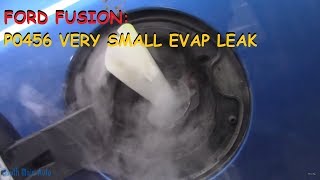
- Perform a Smoke Test: If the leak source is still not found, a smoke test is the most effective next step. This involves injecting pressurized smoke into the EVAP system's service port. Smoke will exit from the location of the leak, making it easy to spot. 🎬 See how a professional mechanic finds a very small leak. This is the standard professional procedure for finding small EVAP leaks.
Parts You'll Likely Need
- Fuel Cap (2006-2009)
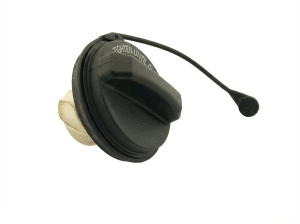
(OEM #Motorcraft FC-1089 (or interchangeable FC-1080))— This is the most common cause for pre-facelift models. The seal degrades over time, causing a leak. Using an OEM part is highly recommended for a proper seal.
Trusted brands: Motorcraft, Stant
OEM price range: $20-$30
Aftermarket price range: $10-$20 - Vapor Canister Purge Valve
(OEM #Motorcraft CX-2626 (Ford P/N: 9U5Z-9C915-H, superseded by 9U5Z-9C915-J))— A very common failure point on this platform. It gets stuck open, causing a persistent small leak that the computer detects. Note: Hybrid models may use a different part number (e.g., 9U5Z-9C915-BE).
Trusted brands: Motorcraft, Dorman, Standard Motor Products
OEM price range: $40-$70
Aftermarket price range: $25-$50 - Fuel Filler Neck (2010-2011) — If cleaning the capless filler doesn't work, the internal spring-loaded door mechanism may be faulty or rusted, requiring replacement of the entire neck assembly. Part number is often VIN-specific.
Trusted brands: Motorcraft, Dorman
OEM price range: $180-$250
Aftermarket price range: $150-$200
Related Codes That Often Appear With This One
- P1450 — Stands for 'Unable to Bleed Up Fuel Tank Vacuum'. This code is frequently triggered by the exact same faulty purge valve that causes P0456. TSBs for later models explicitly link these codes. An owner reported in NHTSA ODI #11074537 that P0456 and P1450 appeared simultaneously alongside traction control codes.
- P0455 — A P0455 indicates a large EVAP leak. If you see both, it might suggest an intermittent issue or a component like a purge valve that is failing badly and not sealing at all.
- P0442 — This code indicates a medium-sized EVAP leak. Seeing it with P0456 could point to a leak that is worsening over time.
Technical Service Bulletins (TSBs) & Recalls
- TSB 11-11-28: While not for the Milan specifically, this TSB for the identical Ford Fusion platform addresses using the fuel fill funnel to clear debris from the capless filler neck to resolve EVAP codes. This is a widely accepted first step by owners and technicians.
Platform-Specific Known Issues
- A known issue on 2010-2011 models with the capless fuel filler is debris lodging in the seal, which can be resolved by using the emergency funnel to clear the opening. This procedure is mentioned in Ford TSB 11-11-28 for the Fusion platform mate.
Mechanic-Grade Diagnostic Values
- Fuel Tank Pressure (FTP) Sensor Voltage (Key On, Engine Off) — expected: ~2.5V to 2.65V. Failure: A voltage reading significantly skewed from this range at atmospheric pressure indicates a faulty sensor providing bad data to the ECU.
- FTP Sensor Signal Voltage Range — expected: 0.5V to 4.5V. Failure: A voltage that is stuck high or low, or is outside this range during operation, can trigger various EVAP codes.
- Purge or Vent Solenoid Coil Resistance — expected: 15 to 30 Ohms. Failure: A reading of infinite resistance (open circuit) or zero resistance (short circuit) indicates the solenoid's internal coil has failed and the part must be replaced.
Hidden / Shadow Codes Worth Checking
- Mode $06, TID $3C (example): While not a 'shadow code,' Mode $06 provides access to the raw results of the onboard diagnostic monitors. A technician can view the last EVAP leak test results, including the measured leak value, to see if the system is on the borderline of failing before a code is set permanently. (see via An advanced OBD-II scan tool with Mode $06 capability. The specific Test ID (TID) and Component ID (CID) can vary by year and ECU calibration.)
Scan Tool Commands That Help
- Ford IDS (Integrated Diagnostic System): Powertrain > EVAP System Test — This is a dealer-level function that forces the vehicle to run the entire EVAP leak test sequence on demand, allowing a technician to confirm a pass or fail in the service bay without waiting for a full drive cycle.
- Ford IDS or high-end bidirectional scanner: Active Commands > Canister Vent (CV) Solenoid — This command manually closes the normally-open vent solenoid to seal the EVAP system. This is the first step before performing a smoke test or a vacuum decay test with the scan tool's data logger.
- Ford IDS or high-end bidirectional scanner: Active Commands > Purge Valve Duty Cycle — Allows the technician to command the purge valve open to a specific percentage. This verifies the valve is responding to the ECU and can be used to draw a vacuum on the tank to test the FTP sensor's response.
Wiring & Ground Locations
- G400 — Center rear of the trunk compartment (for non-hybrid models).. This is the primary ground point for components near the fuel tank, including the EVAP canister vent solenoid and the Fuel Tank Pressure (FTP) sensor. Corrosion or a loose connection at this ground can cause erratic sensor readings or failure of the vent solenoid to close, leading to a P0456 code.
- G104 — Right front of the engine compartment.. This is a major engine bay ground. While the purge valve may have a dedicated ground path back to the PCM, a poor G104 connection can introduce electrical noise that affects various engine management systems.
- Smart Junction Box (SJB) — Under the dashboard on the driver's side.. The SJB (or Body Control Module) controls power distribution to many vehicle systems. Fuses and relays related to the PCM and emissions components are located here, and a fault within the SJB itself, though rare, could mimic an EVAP system electrical issue.
Real Owner Repair Stories
- Reddit user on r/fordfusion (2012 Ford Fusion 4-cylinder) — P0456 code
❌ Tried (didn't work) Cleaning the capless fuel filler neck., Replacing the canister purge valve in the engine bay.
✅ What actually fixed it Replacing the entire fuel filler neck assembly. The owner suspected the actual leak was from the rubber hose connecting the neck to the fuel tank, which was replaced as part of the assembly. - BobIsTheOilGuy forum user (2010 Ford Fusion (capless system)) — P0456 code, returned as pending after clearing.
❌ Tried (didn't work) Using the fuel funnel to clean the capless seal per the TSB.
✅ What actually fixed it A responding user, likely a technician, stated that replacing the fuel filler neck (Ford basic part number 9034) is a very common repair for this code on these vehicles, implying this is the next logical step and likely fix.
"I Checked Everything" — The Actual Cause
- A common scenario where a smoke test reveals no leaks is a faulty Fuel Tank Pressure (FTP) sensor. The EVAP system may be perfectly sealed, but if the FTP sensor provides an incorrect reading to the computer (e.g., its baseline voltage is skewed), the computer will interpret this bad data as a pressure change and falsely trigger a P0456 code. Diagnosis requires checking the FTP sensor's voltage with a scan tool (Key On, Engine Off) to see if it reads the correct atmospheric pressure value (~2.5-2.6V for this platform).
OEM Part Supersession History
9U5Z-9C915-H→9U5Z-9C915-J— This is a common revision for a high-failure part. The new part number likely represents an updated design to improve the reliability of the valve's seal and prevent it from sticking open, which was the cause of a safety recall on some 2010-2011 models.
Heads up: The new part number is a direct, backward-compatible replacement for the old one.
Model Year Variations Within This Range
- 2006-2009 vs 2010-2011: The primary difference is the fuel filling system. 2006-2009 models use a traditional threaded gas cap (Motorcraft FC-1089), which is a very common leak source. 2010-2011 models use the 'Easy Fuel' capless system, where the common issue is debris in the sealing flap or failure of the filler neck assembly itself.
Diagnostic Flowchart
Real Owner Stories
Aggregated from forums and TSBs cited above. Mileages and costs reflect what owners reported in those sources.
Mercury Milan
Symptoms: Hit a pothole and the check engine light immediately came on. Later, after a hard stop, the gas cap light also illuminated. Replaced the gas cap and cleared codes, but the check engine light returned 200 miles later.
What fixed it: A smoke test on the EVAP system revealed a broken Vent Solenoid Valve. Ordering and replacing the valve permanently resolved the codes.
Source hint: 2CarPros forum post
2010 Ford Fusion
Symptoms: Triggered a P0456 code on a vehicle equipped with the capless fuel filler system.
What fixed it: Cleaned the capless filler neck using the procedure outlined in TSB 11-11-28 and performed diagnostic testing on the purge valve.
Source hint: BobIsTheOilGuy Forum: P0456 from a car without a gas cap
2011 Ford Fusion 3.0L
Symptoms: Check engine light on for an EVAP leak.
What fixed it: Diagnosed a faulty purge valve by checking for vacuum at the valve while the engine was running. Confirmed it was stuck open and replaced the purge valve.
Source hint: YouTube: Evap Leak Solved in MINUTES! Ford Fusion 3.0L Purge Valve Replacement
Ford Fusion
Symptoms: Check Engine Light illuminated with Code P0456 in a salt-belt state.
What fixed it: Identified rust on the filler neck and fuel pump lock ring as the source of the leak, alongside checking the purge valve and capless filler neck.
Source hint: Reddit r/fordfusion: Check Engine Light - Code P0456 - What Should I Do?
Documented NHTSA Reports
NHTSA ODI #11074537
Symptoms: An owner reported that their vehicle had 117,000 miles when the traction light came on. Diagnostic codes C1277, C1963, P1450, and P0456 were found.
NHTSA ODI #10524401
Symptoms: An owner suspected a throttle body problem, but diagnostics revealed only code P0456, indicating a valve needed replacement. This code was signaled by the "Service Engine" light rather than the "wrench" light.
Related OBD-II Codes
Frequently Asked Questions
Does TSB 11-11-28 apply to my 2010-2011 Mercury Milan?
What is the recommended replacement gas cap for a 2006-2009 Mercury Milan?
Why does my Milan have trouble starting immediately after refueling?
How can I clean the capless filler neck on my 2010 or 2011 Milan?
How do I test the EVAP purge valve on my Milan's engine?
Are there any specific areas under my Milan I should check for EVAP leaks if I live in a salt-belt state?
Helpful Videos
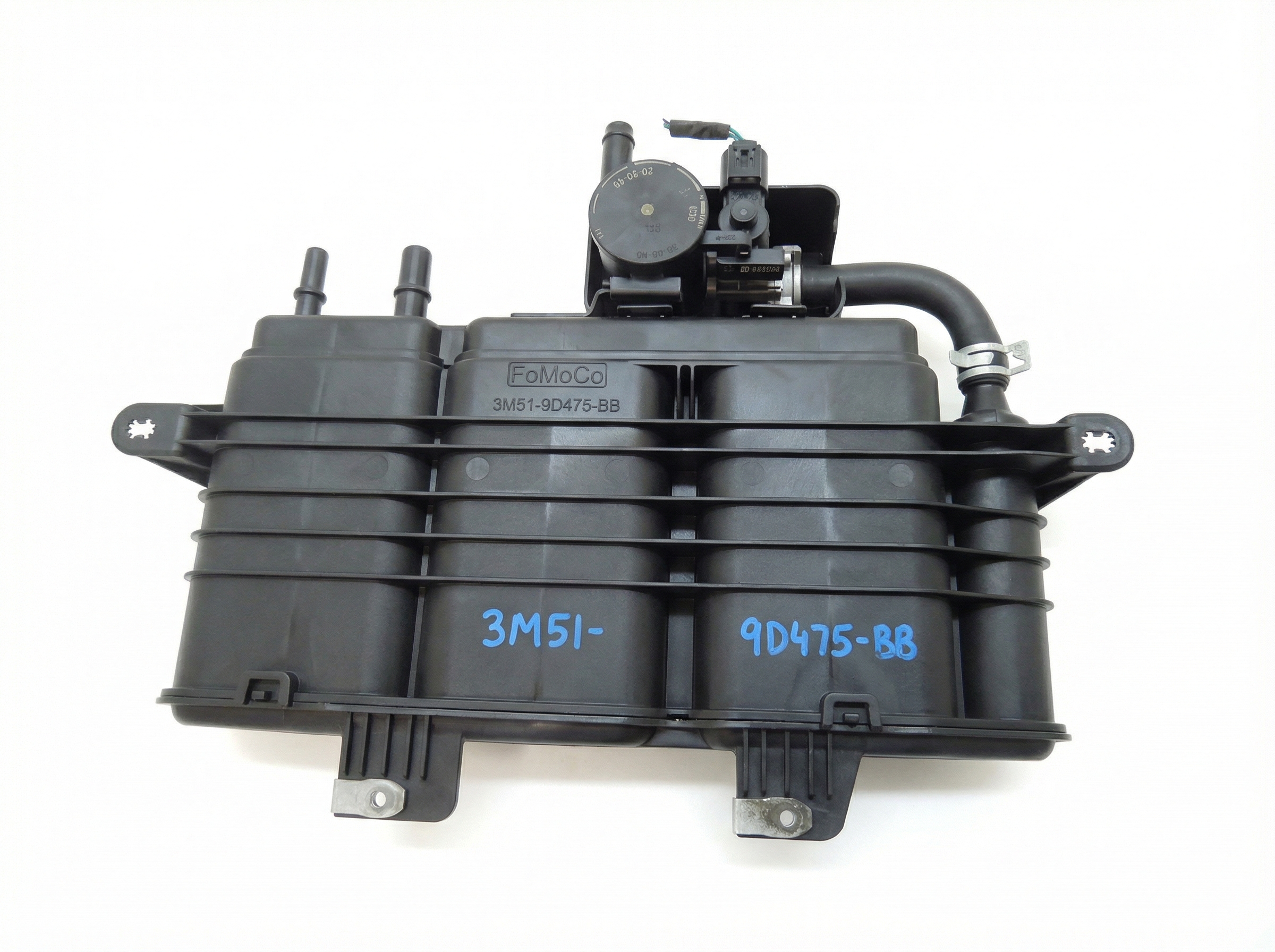
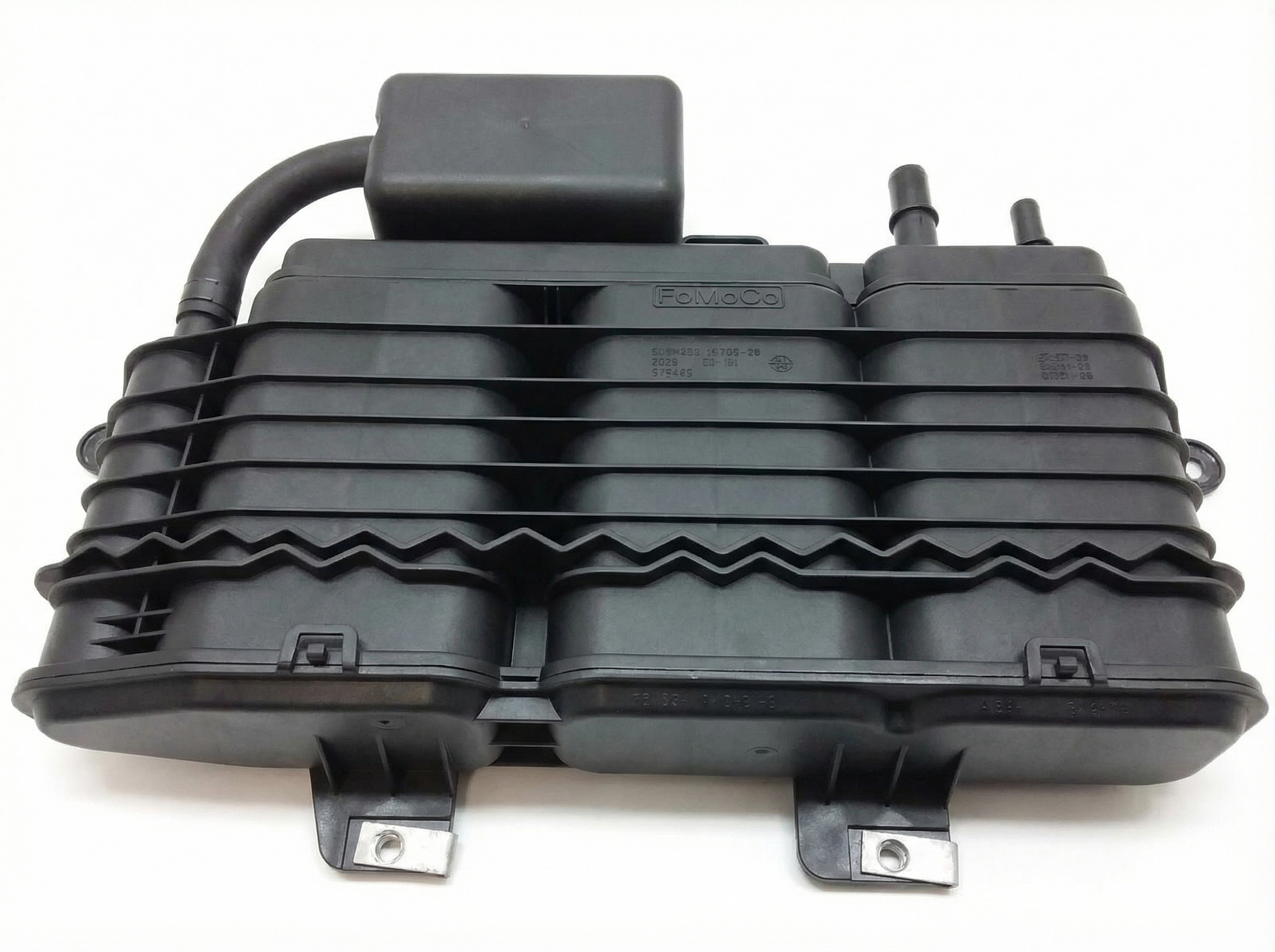
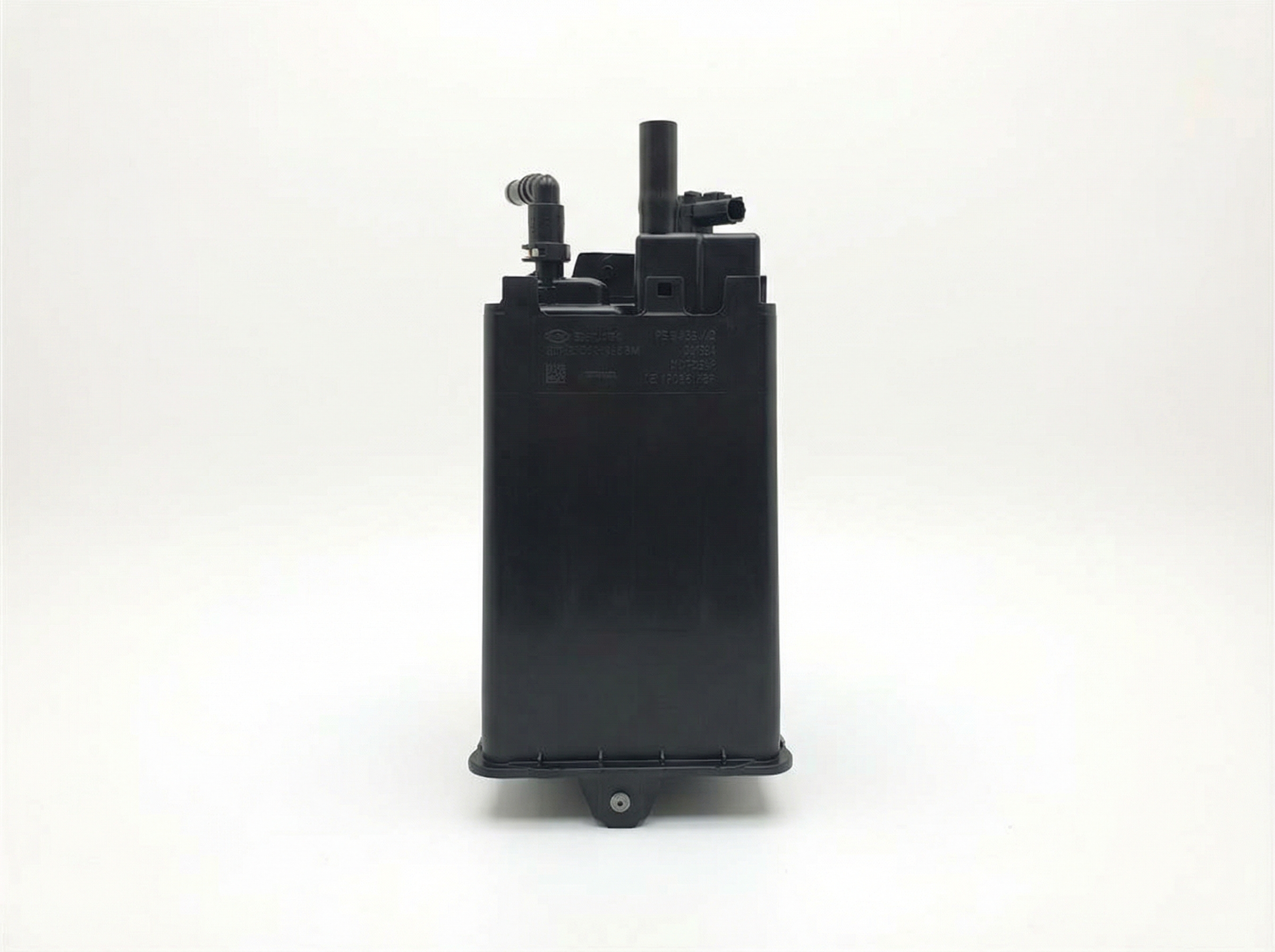
Used OEM Parts in Stock
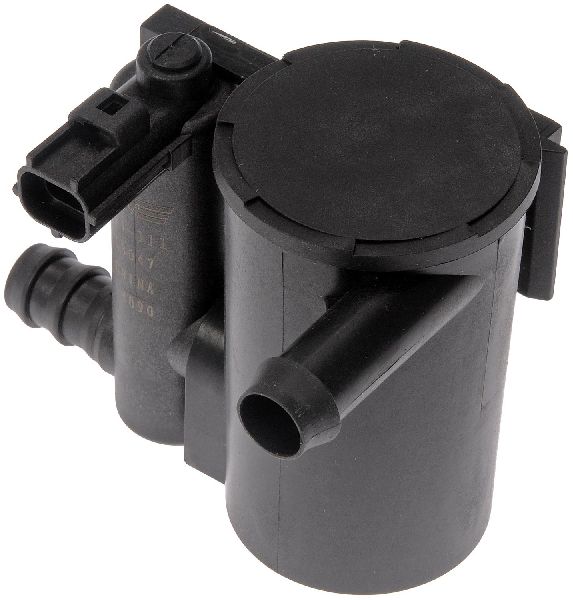
New Aftermarket Parts Available


The information in this article is provided for general reference and educational purposes only. Vehicle specifications, procedures, and part compatibility can vary by production date, trim level, and region. Always consult your vehicle's factory service manual and verify part numbers before purchasing or performing repairs. Safety-critical components such as airbags, seat belts, and braking systems should be installed by a qualified professional.
- Mercury Milan:
- 🧭 Diagnostic Flowchart
- 🎬 Helpful Videos
- 🛍️ Shop This Part
- What's Unique About the 2006-2011 Mercury Milan
- Symptoms You May Notice
- Most Likely Causes
- Rare But Worth Checking
- Diagnosis Steps
- Parts You'll Likely Need
- Related Codes That Often Appear With This One
- Technical Service Bulletins (TSBs) & Recalls
- Platform-Specific Known Issues
- Mechanic-Grade Diagnostic Values
- Hidden / Shadow Codes Worth Checking
- Scan Tool Commands That Help
- Wiring & Ground Locations
- Real Owner Repair Stories
- "I Checked Everything" — The Actual Cause
- OEM Part Supersession History
- Model Year Variations Within This Range
- Real Owner Stories
- Mercury Milan
- 2010 Ford Fusion
- 2011 Ford Fusion 3.0L
- Ford Fusion
- Documented NHTSA Reports
- NHTSA ODI #11074537
- NHTSA ODI #10524401
- Related OBD-II Codes
- Frequently Asked Questions
- 🎟️ Get 5% Off