

P0456 on 1997-2010 Mercury Mountaineer: EVAP Small Leak Causes and Fixes
For a P0456 code on a Mercury Mountaineer, the problem is almost always a loose or faulty gas cap. If a new, quality gas cap doesn't fix it, the next most likely cause is a failed canister purge valve in the engine bay. Expect to spend $20-$50 for a fix.
- P0456 is a minor issue that won't stop you from driving, but it will cause you to fail an emissions test.
- Always start with the simplest and most common fix: check that your gas cap is tight. If that doesn't work, replace it with an OEM Motorcraft cap.
- The second most likely culprit is the purge valve in the engine bay, which can be easily tested by removing it and trying to blow through it.
- Do not assume the expensive charcoal canister is the problem without performing a smoke test to rule out cheaper and easier fixes like hoses, the gas cap, or the purge/vent valves.
- On 2002-2010 models, the charcoal canister is a very difficult part to replace, so professional diagnosis is recommended before attempting that repair.
What's Unique About the 1997-2010 Mercury Mountaineer
As a rebadged Ford Explorer, the Mountaineer shares all its common EVAP system issues. The most significant platform-specific issue relates to the charcoal canister on second and third-generation models (2002-2010). On these later models, the canister is often located on top of the fuel tank, making its replacement a difficult and expensive job that requires dropping the tank. Conversely, the canister vent solenoid on 2006-2010 models is conveniently located on the frame rail near the spare tire, making it an easy DIY replacement.
Generation note: This guide covers three generations of the Mercury Mountaineer: the first (1997-2001), second (2002-2005), and third (2006-2010). While the causes are similar, the location and design of EVAP components, particularly the charcoal canister and vent solenoid, differ. On 2002-2010 models, the charcoal canister is often on top of the fuel tank, making it a much more labor-intensive repair than on earlier models.
Symptoms You May Notice
- Check Engine Light is on.
- A faint smell of fuel, especially around the rear of the vehicle.
- Difficulty starting the engine or rough running immediately after refueling (this points specifically to a bad purge valve that is stuck open, flooding the engine with unmetered fuel vapors).
- Gas pump nozzle clicks off repeatedly when trying to fill the tank (this points to a clogged canister or a vent solenoid that is stuck closed).
- Replacing the charcoal canister before ruling out the gas cap, purge valve, and vent solenoid. The canister is expensive and often difficult to replace, especially on 2002-2010 models, and is less likely to be the cause than the other components.
Most Likely Causes
- Loose or Faulty Gas Cap 🔴 High Probability → Shop Fuel Tank Cap The gas cap is a frequently handled part and its rubber seal degrades over time, leading to a poor seal. This is the most common cause for any EVAP leak code.
How to confirm: First, ensure the cap is tightened until it clicks several times. If the light returns, inspect the rubber O-ring on the cap for cracks, stiffness, or damage. Replacing the cap is a cheap and effective diagnostic step.
Typical fix: Replace the gas cap. It is highly recommended to use an OEM Motorcraft cap, as some aftermarket caps do not seal correctly and can cause the code to persist.
Est. part cost: $15-$40 - Faulty Canister Purge Valve/Solenoid 🟡 Medium Probability → Shop Vapor Canister This solenoid, located on top of the engine, cycles frequently and can get stuck partially open from age and carbon buildup, creating a constant small leak. A report for a related Mercury model in NHTSA ODI #10524401 noted that diagnostics for a "Service Engine" light explicitly indicated the need to replace a valve to resolve the P0456 code.
How to confirm: The purge valve is located in the engine bay, often with green quick-connect tabs on its hoses. Disconnect the electrical connector and hoses. The valve is normally closed, so try to blow through it. If any air passes through, it has failed and needs to be replaced.
Typical fix: Replace the canister purge valve. This is typically a simple repair involving two 8mm bolts and two hose connections.
Est. part cost: $30-$70 - Cracked or Disconnected EVAP Hoses 🟡 Medium Probability Rubber hoses become brittle and crack with age and exposure to heat and the elements. A small, hard-to-see crack in any of the system's many vapor lines can trigger this code.
How to confirm: Visually inspect all accessible EVAP lines running from the engine bay to the fuel tank. The most effective method is to have a professional perform a smoke test, which injects smoke into the EVAP system and reveals the exact location of any leaks.
Typical fix: Replace the cracked section of hose. Ensure you use fuel-vapor-rated hose for the repair.
Est. part cost: $10-$50 - Faulty Canister Vent Solenoid ⚪ Low Probability → Shop Vapor Canister Located near the charcoal canister, this valve can get stuck or fail to seal due to dirt and corrosion, especially in regions with harsh weather.
How to confirm: During a smoke test, a technician can command the valve closed with a scan tool. If smoke escapes from the vent valve, it is faulty. On 2006-2010 models, it is located on the frame rail near the spare tire and is 🎬 Watch: How to remove and replace the vent valve solenoid. relatively easy to access for inspection or replacement.
Typical fix: Replace the canister vent solenoid.
Est. part cost: $40-$80
Rare But Worth Checking
- Cracked Charcoal Canister: → Shop Vapor Canister While rare, this is a significant repair on 2002-2010 models because the canister is mounted on top of the fuel tank, requiring the tank to be removed for access. This is often caused by habitually 'topping off' the fuel tank after the pump clicks off, which floods the canister with liquid fuel.
- Rusted Fuel Filler Neck: → Shop Fuel Filler Neck The metal pipe leading to the gas tank can rust through over time, especially in areas that use road salt, creating a leak in the EVAP system. A smoke test is the best way to identify a leak in this area.
- Damaged EVAP System Wiring: Though uncommon for this specific code, wiring to the purge valve, vent solenoid, or fuel tank pressure sensor can become damaged or corroded, leading to system malfunctions. While specific TSBs for this issue relate to newer models, it's a possibility to consider if all other components test good.
Diagnosis Steps
- Inspect and Tighten Gas Cap: Remove the gas cap, check the seal for cracks, and reinstall it, turning until it clicks multiple times. Clear the code and drive for a few days to see if it returns.
- Replace Gas Cap: If the code returns, replace the gas cap with a high-quality OEM (Motorcraft) part as the next step. This is the most common fix and is inexpensive.
- Test the Purge Valve: Locate the purge valve in the engine bay. Disconnect it and attempt to blow air through it. It should be completely sealed. If any air passes, the valve is faulty and must be replaced.
- Visual Inspection: Carefully inspect all accessible EVAP hoses under the hood and near the fuel tank for visible cracks, damage, or loose connections.
- Perform a Smoke Test: This is the most reliable method for finding small leaks. A mechanic will inject pressurized smoke into the EVAP service port. Smoke will visibly escape from any crack or bad seal, pinpointing the source of the leak.
- Test Vent Solenoid: During the smoke test, a scan tool can be used to command the vent solenoid closed. If it leaks smoke, it needs to be replaced.
Parts You'll Likely Need
- Fuel Cap
(OEM #Motorcraft FC926, FC949 (example part numbers, verify for your specific year))— This is the most frequent failure point. The seal wears out, causing a leak that the system detects.
Trusted brands: Motorcraft
OEM price range: $25-$40
Aftermarket price range: $15-$30 - Vapor Canister Purge Valve
(OEM #Motorcraft CX2082, CX2183; Ford 9U5Z9C915J (example part numbers, verify for your specific year/engine))— This valve gets stuck open, creating a small, constant vacuum leak that triggers the P0456 code. It's a common failure item and is easy to replace.
Trusted brands: Motorcraft, Standard Motor Products (SMP), Dorman (911-222)
OEM price range: $40-$70
Aftermarket price range: $25-$50 - Vapor Canister Vent Solenoid — This valve, located near the fuel tank, can fail to seal properly, causing a leak during the system's self-test.
Trusted brands: Motorcraft, Dorman
OEM price range: $50-$90
Aftermarket price range: $30-$60
Related Codes That Often Appear With This One
- P0442 — This code indicates a 'medium' EVAP leak. If a small leak (P0456) worsens over time, it may eventually trigger a P0442 code.
- P0455 — This code indicates a 'large' EVAP leak. It often appears if the gas cap is left off entirely or if a major hose has disconnected.
- P1450 — Indicates an inability to bleed up fuel tank vacuum. This code is very commonly seen with a stuck-open purge valve on Ford products, as the constant vacuum from the intake manifold overwhelms the system. NHTSA ODI #11074537 notes a case where P0456 and P1450 appeared simultaneously alongside traction control and stability system codes.
Platform-Specific Known Issues
- The Fix Isn't Always Obvious: A Real-World P0456 Story: A user on Reddit with a Ford vehicle detailed a frustrating experience where a persistent P0456 code was not fixed even after replacing the purge valve multiple times. A dealership then replaced the purge valve again and the entire fuel tank (due to it collapsing, likely from the constant vacuum of a bad purge valve), but the code remained. The owner's trusted independent mechanic then performed a smoke test and found no leaks. This story underscores that while the purge valve is a common cause, a P0456 can sometimes be very difficult to diagnose and may require a high-quality, professional smoke test that measures airflow decay, not just visual smoke, to confirm the system is truly sealed.
Mechanic-Grade Diagnostic Values
- Canister Purge Valve Resistance — expected: 30 to 38 ohms. Failure: A reading significantly outside this range indicates a faulty valve coil.
- Canister Vent Solenoid Resistance — expected: 48 to 65 ohms. Failure: A reading outside this range suggests the solenoid coil is bad.
- Fuel Tank Pressure (FTP) Sensor Voltage (KOEO, gas cap off) — expected: ~2.5 Volts. Failure: Voltage stuck high (near 5V) or low (near 0V) indicates a failed sensor or wiring issue. Voltage should decrease as vacuum is applied.
- Mode 6, Test ID $3A (0.020" leak test) — expected: Value should be below the maximum threshold specified by the PCM.. Failure: A test value that exceeds the maximum limit indicates the pressure decay was too fast, confirming a small leak.
Scan Tool Commands That Help
- Ford IDS (Integrated Diagnostic System): Powertrain -> EVAP System Leak Test — This is a guided, automated test that commands the vent solenoid closed, draws a vacuum with the purge valve, and monitors the FTP sensor for decay. It's the most accurate way to confirm a P0456 leak without a smoke machine and can pinpoint if a valve is not responding to commands.
- Ford IDS (Integrated Diagnostic System): Datalogger -> Output State Control (OSC) — Allows a technician to manually command the canister purge valve (CPV) and canister vent (CV) solenoid on and off to test their individual function. This is crucial during a smoke test to see if the vent solenoid seals properly when commanded closed.
Wiring & Ground Locations
- G104 — Located in the engine bay, typically near the battery tray on the driver's side.. This is a primary ground point for many engine bay components. Corrosion here can cause intermittent electrical issues for the canister purge valve.
- G401 — Located at the rear of the vehicle, often on the frame rail near the fuel pump driver module or spare tire.. This is a common ground point for rear-mounted components, including the canister vent solenoid and the Fuel Tank Pressure (FTP) sensor. A corroded ground here can cause erratic sensor readings or solenoid failure.
- Fuel Tank Pressure (FTP) Sensor Connector — On top of the fuel tank or fuel pump assembly, accessed by lowering the tank.. The wiring harness leading to this connector is exposed to road debris and moisture, making it a potential point for corrosion or damage that can cause FTP sensor codes (P0452, P0453) which can be related to a P0456 investigation.
Real Owner Repair Stories
- Explorerforum.com user post (2004 Ford Explorer) — Persistent P0456 and P0457 codes.
❌ Tried (didn't work) Replaced gas cap, Replaced canister purge valve, Replaced canister vent solenoid
✅ What actually fixed it A smoke test finally revealed a very small leak from the gasket of the Fuel Tank Pressure (FTP) sensor where it seals against the fuel tank. Replacing the FTP sensor (which included a new gasket) resolved the codes. - Ford-trucks.com user post (2002 Ford Explorer 4.6L V8) — Check engine light with P0456 and fuel leaking onto the ground when refueling.
❌ Tried (didn't work) Initial thought was a bad nozzle or overfilling.
✅ What actually fixed it The fuel filler neck was severely rusted through, creating both a liquid fuel leak during fill-ups and a small vapor leak that triggered the P0456 code. Replacing the entire fuel filler neck assembly fixed both problems.
"I Checked Everything" — The Actual Cause
- In some cases, a standard smoke test may not reveal a leak if the technician doesn't specifically check the seal of the Fuel Tank Pressure (FTP) sensor on top of the fuel tank. The leak can be a very fine mist of smoke that is easily missed unless viewed from the correct angle. The final fix was replacing the FTP sensor's gasket.
- An intermittent failure of the canister purge valve can pass a smoke test when the vehicle is off, as the valve may be properly sealed. However, it may leak intermittently during operation, triggering the code. In one documented case, the valve only showed a leak when it was removed and smoke was forced through it while it was de-energized.
Model Year Variations Within This Range
- 1997-2001: The charcoal canister is typically located on the frame rail, making it relatively easy to access and replace.
- 2002-2010: The charcoal canister was moved to the top of the fuel tank. This makes replacement significantly more difficult and labor-intensive, as the fuel tank must be dropped to gain access.
- 2002-2005 vs 2006-2010: The design of the charcoal canister itself changed. There are two different part designs for these ranges, and they are not interchangeable. Verifying the correct part for the specific model year is critical.
Diagnostic Flowchart
Real Owner Stories
Aggregated from forums and TSBs cited above. Mileages and costs reflect what owners reported in those sources.
2005 Mercury Mountaineer
Symptoms: A hose connected to the intake was visibly worn out and flattened when the car was started. The owner was also getting EGR valve-related codes.
What fixed it: Replacing the failing purge valve hose, which a commenter identified as a known cause for the P0456 code.
Source hint: r/MechanicAdvice - 2005 Mercury mountaineer. Does anyone know what this is for and how to change out the top hose?
2001 Mercury Mountaineer 4.0L
Symptoms: Check engine light illuminated with trouble code P0456.
What fixed it: Repaired a very small leak located downstream of the purge valve.
Source hint: iATN - Automotive Technicians Technical Discussion and Fixes
Ford vehicle (Explorer/Mountaineer platform)
Symptoms: A persistent P0456 code that was not fixed even after replacing the purge valve multiple times. The dealership even replaced the entire fuel tank because it was collapsing from the constant vacuum of a bad purge valve, but the code remained.
What fixed it: An independent mechanic performed a professional smoke test and found no leaks, highlighting that diagnosing this code can sometimes require measuring airflow decay rather than just throwing parts at it.
Source hint: Reddit: r/FordExplorer - Still getting P0456 code even after purge valve
Documented NHTSA Reports
Mercury Milan (Cross-Model Reference)
Symptoms: An owner reported that their vehicle had 117,000 miles when the traction light came on. Diagnostics performed at an auto parts store revealed codes C1277, C1963, P1450, and P0456.
Source hint: NHTSA ODI #11074537
Mercury Milan (Cross-Model Reference)
Symptoms: The "Service Engine" light was illuminated. Diagnostics indicated a P0456 code, and the technician stated that a valve needed to be replaced to resolve the issue.
Source hint: NHTSA ODI #10524401
Related OBD-II Codes
Frequently Asked Questions
What brand of gas cap should I buy to fix the P0456 code on my 1997-2010 Mercury Mountaineer?
Where is the purge valve located on my Mountaineer, and how can I test it?
Where is the canister vent solenoid located on the 2006-2010 Mountaineer models?
Why does my Mountaineer run rough or have difficulty starting right after I put gas in it?
Why does the gas pump nozzle keep clicking off repeatedly when I try to fill my Mountaineer's tank?
Can I use Ford Explorer repair guides to diagnose the P0456 code on my Mountaineer?
Helpful Videos
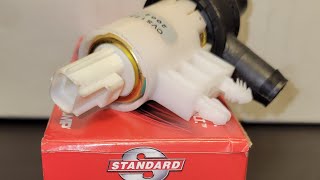
Used OEM Parts in Stock
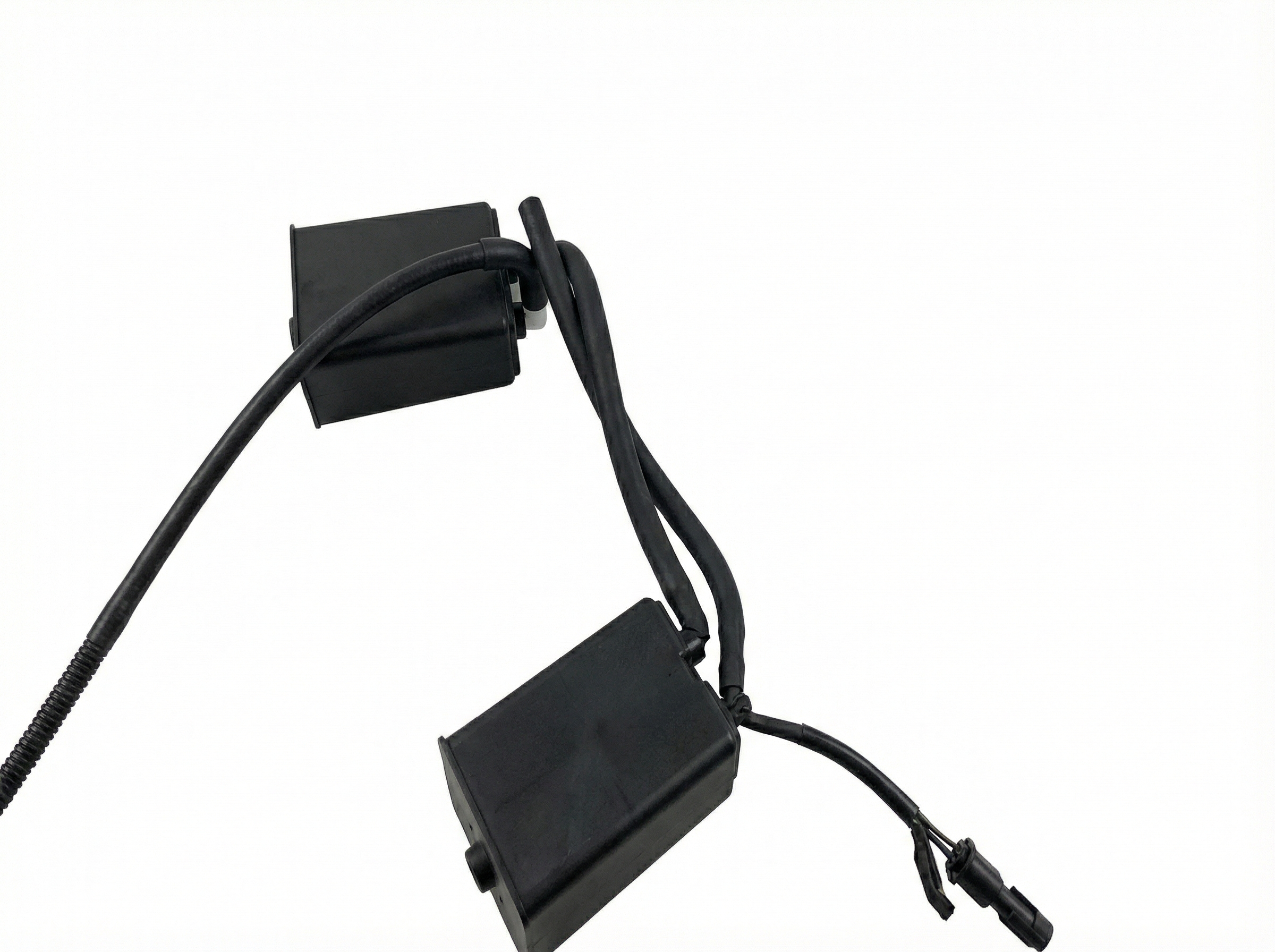

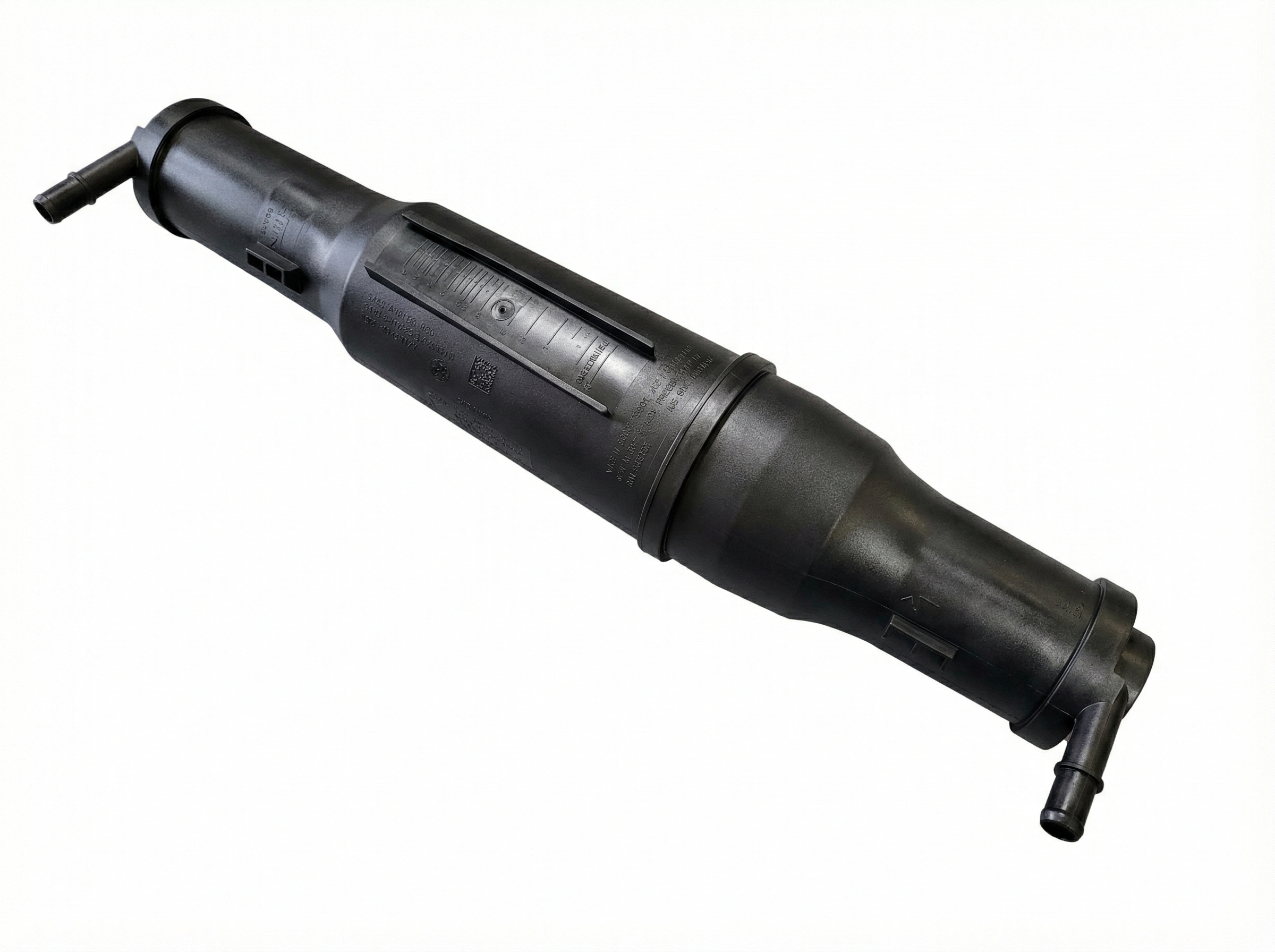
New Aftermarket Parts Available


The information in this article is provided for general reference and educational purposes only. Vehicle specifications, procedures, and part compatibility can vary by production date, trim level, and region. Always consult your vehicle's factory service manual and verify part numbers before purchasing or performing repairs. Safety-critical components such as airbags, seat belts, and braking systems should be installed by a qualified professional.
- Mercury Mountaineer:
- 🧭 Diagnostic Flowchart
- 🎬 Helpful Videos
- 🛍️ Shop This Part
- What's Unique About the 1997-2010 Mercury Mountaineer
- Symptoms You May Notice
- Most Likely Causes
- Rare But Worth Checking
- Diagnosis Steps
- Parts You'll Likely Need
- Related Codes That Often Appear With This One
- Platform-Specific Known Issues
- Mechanic-Grade Diagnostic Values
- Scan Tool Commands That Help
- Wiring & Ground Locations
- Real Owner Repair Stories
- "I Checked Everything" — The Actual Cause
- Model Year Variations Within This Range
- Real Owner Stories
- 2005 Mercury Mountaineer
- 2001 Mercury Mountaineer 4.0L
- Ford vehicle (Explorer/Mountaineer platform)
- Documented NHTSA Reports
- Mercury Milan (Cross-Model Reference)
- Mercury Milan (Cross-Model Reference)
- Related OBD-II Codes
- Frequently Asked Questions
- 🎟️ Get 5% Off