

P0456 on 2007-2014 Nissan Maxima: EVAP Small Leak Causes and Fixes
On a 2007-2014 Nissan Maxima, code P0456 is most often caused by a loose gas cap or a failed EVAP vent control valve O-ring. Always check that the gas cap is tight first (a free fix). If the light returns, the next most likely repair is replacing the EVAP vent control valve (OEM Part No. 14935-JF00E or superseding numbers), which typically costs between $50 and $120 for the part. Nissan has issued multiple TSBs confirming these common failures.
- Always check your gas cap first. Make sure it's tight and the seal is intact before spending any money.
- The second most likely cause is a failed EVAP canister vent control valve or its O-ring, a known issue confirmed by Nissan.
- This code will cause an automatic failure on an emissions test, so it must be repaired to stay compliant.
- While you can visually inspect hoses, a smoke test is the fastest and most accurate way to find the leak if the gas cap isn't the problem.
What's Unique About the 2007-2014 Nissan MAXIMA

Nissan is highly aware of the common causes for P0456 on this platform. The manufacturer has issued multiple Technical Service Bulletins (TSBs) that guide technicians directly to the most frequent culprits. Unlike many other vehicles where diagnosis can be a guessing game, for the Maxima, Nissan specifically points to the fuel cap (TSB NTB09020F) and a faulty O-ring on the EVAP canister vent control valve (TSB NTB17-082 series) as the primary failure points. This level of specific guidance from the manufacturer makes diagnosis much more direct and often prevents unnecessary parts replacement.
Diagnostic Flowchart

Tap your situation to follow the diagnostic path that matches what you're seeing on this vehicle.
Generation note: This range covers the end of the 6th generation (2007-2008) and the entire 7th generation (2009-2014, model code A35). The common causes and fixes, particularly the gas cap and EVAP vent control valve, are consistent across both generations, as confirmed by Nissan TSBs that apply to these model years.
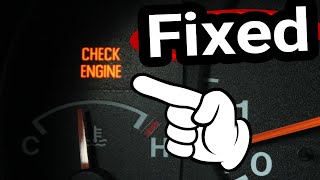
🎬 Watch: A quick overview of the two most common Nissan fixes.Symptoms You May Notice

- Check Engine Light is on
- A faint fuel smell may be present in rare cases, particularly near the rear of the vehicle
- No noticeable impact on drivability or performance
- Difficulty starting the engine immediately after refueling (less common, but possible if a valve is stuck)
- Replacing the fuel tank pressure sensor before checking the gas cap or vent valve.
- Replacing the entire charcoal canister when only the vent control valve or its O-ring is leaking.
- Replacing the gas cap with a cheap aftermarket version that doesn't seal properly, leading to the code returning.
Most Likely Causes

- Loose or Worn Fuel Filler Cap 🔴 High Probability → Shop Fuel Tank Cap This is the most common cause for any EVAP leak code. The cap's seal can wear out over time, or it may simply not have been tightened correctly after refueling. Nissan TSB NTB09020F specifically calls this out as a primary cause for 2007-2011 models. Many owners on forums report that using non-OEM caps can lead to persistent P0456 codes, as they may not seal correctly.
How to confirm: Remove the fuel cap and inspect the rubber seal for cracks, stiffness, or debris. Reinstall it, ensuring you turn it until it clicks several times. Clear the code and drive for a few days to see if it returns. The EVAP monitor often runs after the vehicle has sat overnight with the fuel tank between 15% and 85% full.
Typical fix: Tighten the cap correctly or replace it with a new one. It is strongly recommended to use a genuine OEM Nissan cap (such as Part No. 17251-79920 or 17251-9DC1C) to ensure a perfect seal.
Est. part cost: $20-$45 - Failed EVAP Canister Vent Control Valve or O-Ring 🔴 High Probability → Shop Vapor Canister Vent Valve Nissan TSBs NTB17-082a and NTB17-082E directly identify a leaking O-ring on the vent control valve as a specific cause for P0456. The valve is located under the car near the charcoal canister (driver's side, ahead of the rear wheel) and is exposed to the elements, causing the rubber O-ring to dry out, crack, and leak over time.
How to confirm: The most definitive method is a smoke test, where a mechanic injects smoke into the EVAP system and looks for it escaping from the vent valve area. A technician with a capable scan tool can also command the valve to close and check if it holds a vacuum. Some owners report hearing the valve fail to click when actuated.
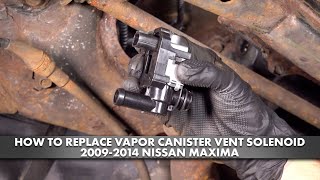
Typical fix: Early Nissan TSBs advised replacing just the O-ring. However, the most recent TSB (NTB17-082E) advises replacing the entire vent control valve assembly, as the O-ring is no longer sold separately by Nissan. This is the recommended repair as it also addresses potential failure of the valve's internal solenoid. The valve twists a quarter-turn to remove from the canister. 🎬 Watch: See this step-by-step vent valve replacement walkthrough.
Est. part cost: $50-$120 - Cracked or Disconnected EVAP Hose 🟡 Medium Probability Over time, the rubber and plastic hoses that make up the EVAP system can become brittle from heat and age, leading to small cracks or loose connections. This is especially common on the small vacuum lines connected to the purge valve in the engine bay.
How to confirm: Visually inspect all accessible EVAP lines running from the fuel tank, to the charcoal canister (near the rear axle), and to the purge valve in the engine bay. A smoke test is the most reliable way to find a small hose leak.
Typical fix: Replace the cracked section of hose or re-secure any loose connections. Using silicone vacuum lines can provide a longer-lasting repair.
Est. part cost: $5-$30 - Leaking EVAP Purge Valve/Solenoid ⚪ Low Probability → Shop Vapor Canister The purge valve, typically located in the engine bay, can fail by getting stuck slightly open, creating a leak path. While less common than the vent valve for this specific code on Nissans, it is still a possible cause.
How to confirm: With the engine off, the purge valve should be closed. You can disconnect the hoses and try to blow through it; if air passes, it has failed. A mechanic can also command it open and closed with a scan tool to test its function or check for vacuum on the line when it should be closed.
Typical fix: Replace the purge valve assembly.
Est. part cost: $40-$90
Rare But Worth Checking
- Cracked Charcoal Canister: → Shop Vapor Canister The plastic body of the charcoal canister itself can develop hairline cracks, causing a leak. This is usually found with a smoke test after all other components have been checked.
- Faulty Fuel Tank Pressure Sensor: → Shop Fuel Tank In rare cases, the sensor that detects the leak may be faulty, sending incorrect data to the computer. This often triggers other codes alongside P0456.
- Cracked Fuel Filler Neck: → Shop Fuel Filler Neck The metal tube leading to the gas tank can rust or crack over time, creating a leak that is often mistaken for a bad gas cap. A smoke test is the best way to identify this issue.
Diagnosis Steps
- Inspect the fuel filler cap. Ensure it is tight (clicks multiple times) and the seal is not cracked or worn. If in doubt, replace it with an OEM cap.
- Clear the P0456 code with a scanner and drive the vehicle for several days to see if the Check Engine Light returns. The EVAP monitor often runs after the vehicle has sat overnight with a fuel level between 15-85%.
- If the light returns, perform a thorough visual inspection of all EVAP hoses and lines between the engine bay and the fuel tank. Look for obvious cracks, damage, or loose connections, paying close attention to the small hoses near the engine.
- Locate the EVAP canister vent control valve near the rear of the car, attached to the charcoal canister (driver's side, forward of the rear wheel). Inspect it for visible cracks or damage.
- If no obvious issues are found, the most effective next step is to have a professional smoke test performed. This test fills the EVAP system with a harmless, visible smoke under low pressure, making even the smallest leaks easy to spot at the valve, hoses, or filler neck. 🎬 Watch: See how a smoke machine identifies small EVAP leaks.
- Based on the smoke test results, replace the identified leaking component. On this platform, this is most frequently the vent control valve assembly.
Parts You'll Likely Need
- Fuel Filler Cap
(OEM #17251-79920, 17251-9DC1C)— This is the most frequent and simplest fix for P0456, as identified by owner experiences and Nissan TSB NTB09020F. Using an OEM cap is highly recommended for a proper seal.
Trusted brands: Nissan OE
OEM price range: $25-$45
Aftermarket price range: $15-$25 - EVAP Canister Vent Control Valve
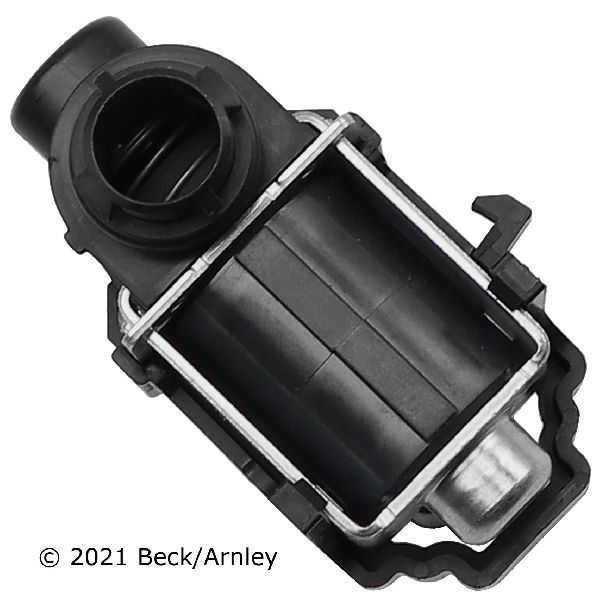
(OEM #14935-JF00E (supersedes 14935-JF00A/B/C/D))— A leaking O-ring on this valve is a known issue documented in Nissan TSB NTB17-082E. Replacing the entire valve is the current recommended repair and a common fix shared by owners.
Trusted brands: Nissan OE, Bosch, Dorman, Hitachi
OEM price range: $80-$120
Aftermarket price range: $50-$90 - EVAP Vent Control Valve O-Ring
(OEM #14935-JF02B)— Specifically called out in older TSBs (like NTB17-082b) as the fix for a P0456 leak at the vent valve mount. However, Nissan's latest guidance (NTB17-082E) is to replace the whole valve assembly, and this O-ring is no longer offered as a separate service part from Nissan.
Trusted brands: Nissan OE (formerly)
OEM price range: $5-$15
Related Codes That Often Appear With This One
- P0442 — P0442 indicates a 'small leak,' which is slightly larger than the 'very small leak' of P0456. If the leak worsens, P0442 may appear. Nissan TSBs often group these codes together.
- P0455 — P0455 indicates a 'large leak.' This can appear if a component fails completely, such as a vent valve sticking wide open or a hose becoming disconnected.
Technical Service Bulletins (TSBs) & Recalls
- NTB13-097J: General information for EVAP leak codes P0442, P0455, and P0456.
- NTB17-082a: Specifically identifies DTC P0456 being caused by a leak at the vent control valve O-ring.
- NTB13-097g: General EVAP leak information for 2012 and newer Nissan vehicles.
- NTB17-082E: Amended bulletin also pointing to the vent control valve O-ring as the cause for P0456.
- NTB09020F: Service information stating that a loose fuel fill cap may be the cause for EVAP leak codes on 2007-2011 Nissan vehicles.
Platform-Specific Known Issues
- TSB NTB17-082E: The Definitive Guide for P0456: This is the most critical TSB for this issue. It applies to all 2008 and newer Nissan vehicles. It states that if P0456 is present and not caused by a loose gas cap, the cause is likely the vent control valve O-ring. The bulletin was amended over time; the latest version from 2022 instructs technicians to replace the entire vent control valve assembly, as the O-ring is no longer available as a separate service part.
- TSB NTB09020F: The Gas Cap Warning: → Shop Fuel Tank Cap For 2007-2011 models, this bulletin highlights that a loose or faulty fuel filler cap is a primary suspect for P0456 and other EVAP codes. It advises technicians to check the cap first and to inform customers on proper installation to prevent repeat issues.
- Owner Experience: DIY Vent Valve Replacement: Owners on Maxima.org discuss the vent valve replacement. A common tip is to spray the bolts holding the valve with penetrating oil before attempting removal, as they can seize. The valve is located on the driver's side, in front of the rear wheel, sometimes behind a plastic splash guard. Some owners have had success cleaning a stuck plunger inside the valve with WD-40 as a temporary fix.
Mechanic-Grade Diagnostic Values
- EVAP Canister Purge Volume Control Solenoid Valve Function — expected: With the engine off, you should NOT be able to blow air through the valve. With the engine warm and running, the ECM should command it to open, at which point you would feel a slight vacuum at the inlet port.. Failure: If you can blow air through the valve when it is disconnected and unpowered, it is stuck open and has failed. If it never opens and pulls a vacuum when the engine is warm, it may be stuck closed or not receiving a signal.
Scan Tool Commands That Help
- Nissan CONSULT-III plus or equivalent professional scan tool: EVAP System Leak Check (Active Test) — This function is used to verify a repair or to perform a leak test without a smoke machine. The scan tool commands the EVAP vent control valve to close, sealing the system. The tool then monitors the fuel tank pressure sensor to see if the system holds pressure. A pressure drop indicates a leak.
- Nissan CONSULT-III plus or equivalent professional scan tool: Close Vent Control Valve — This is a critical first step before performing a smoke test. The vent valve is normally open, so it must be commanded shut to seal the system and allow it to be pressurized with smoke to find a leak.
Wiring & Ground Locations
- ECM Connector M4, Pin 25 — At the Engine Control Module (ECM), which is typically located in the engine bay.. According to a wiring diagram for a 2009 Maxima, this pin, with a Pink/Blue wire, is the control line for an EVAP component. Checking for voltage or signal at this pin can help diagnose electrical faults versus component failures.
- EVAP Canister Vent Control Valve Connector — Attached to the vent control valve on the charcoal canister, located under the vehicle near the rear subframe.. This is a 2-pin connector that provides power and ground to the valve's solenoid. Corrosion on these pins or a damaged wire harness can prevent the valve from closing, causing a P0456 leak code. The connector is typically rectangular with two blade-style terminals.
"I Checked Everything" — The Actual Cause
- In some documented cases, owners have reported that their Maxima passed both smoke and pressure tests at a dealership, yet the P0456 code would persistently return. One owner noted the code would only trigger after cruising at a steady highway speed (70-75 mph) for several minutes. This points to an intermittent issue that does not appear under static test conditions. The cause in such a scenario could be a component (like a valve or sensor) that fails only under specific temperature or vibration conditions, or a hairline crack in a hose that only opens up under certain vacuum levels not replicated by a standard smoke test.
OEM Part Supersession History
14935-JF00A, 14935-JF00B, 14935-JF00C, 14935-JF00D→14935-JF00E— Part revision and improvement by the manufacturer.
Heads up: The newer part number (14935-JF00E) is the correct and current replacement for the earlier versions and should be used for repairs.14935-JF02B (O-ring only)→14935-JF00E (Full valve assembly)— Nissan's repair procedure changed from replacing only the O-ring to replacing the entire valve assembly. The O-ring is no longer listed as a separate, primary repair part for this issue in the latest TSBs.
Heads up: While an aftermarket O-ring might be found, the official recommendation is to replace the entire valve to ensure a proper seal and address potential solenoid failure.
Model Year Variations Within This Range
- 2009 (7th Gen) vs 2007-2008 (6th Gen): The location of the EVAP Purge Solenoid may differ. While typically found in the engine bay on most models in this range, some sources indicate that on the 2009 model, the purge solenoid may be located toward the rear of the car near the EVAP canister, making it more difficult to access than on the 6th generation models. The EVAP Canister Vent Control Valve remains at the rear on the canister for all years.
Helpful Videos
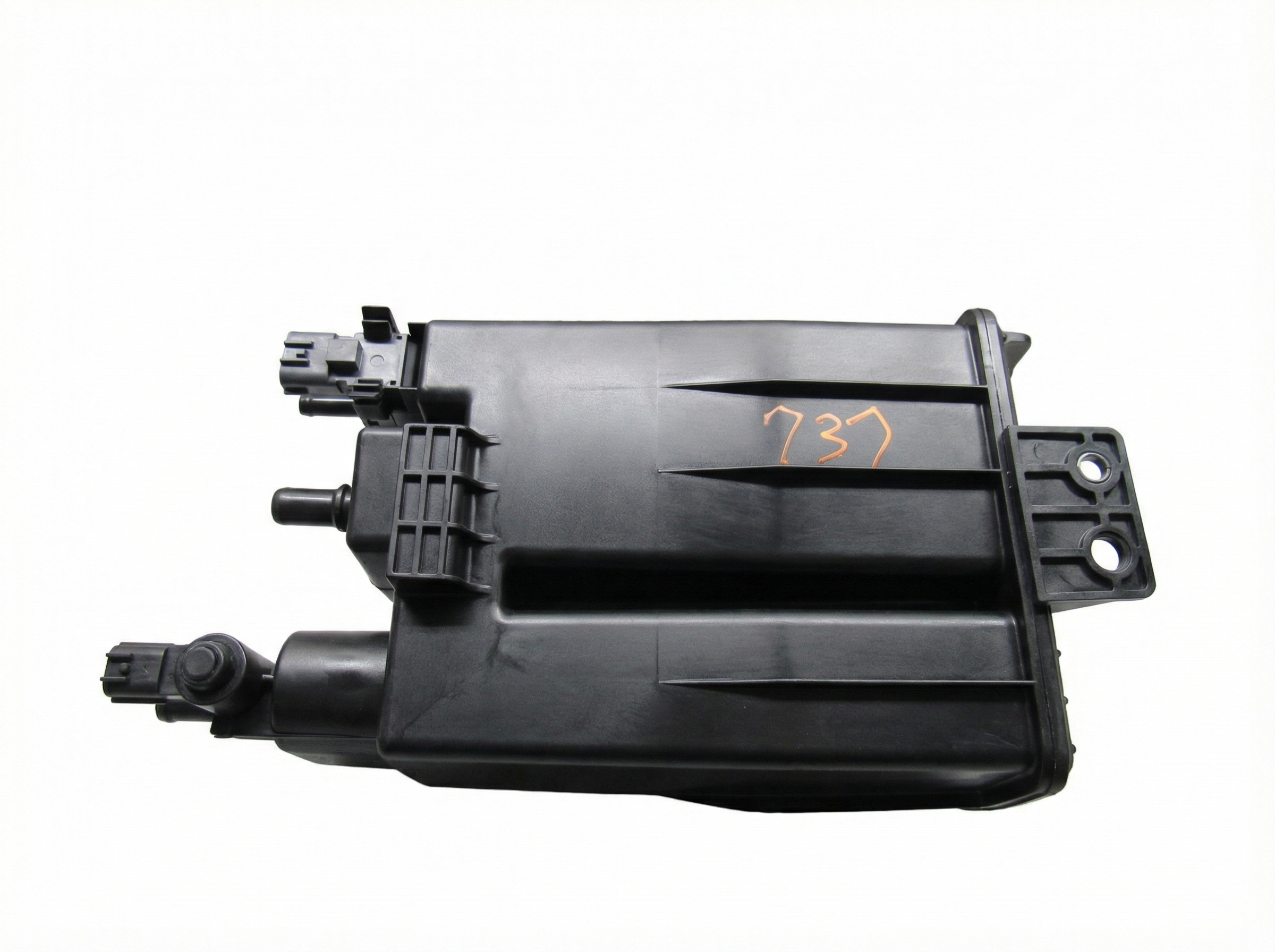
Used OEM Parts in Stock
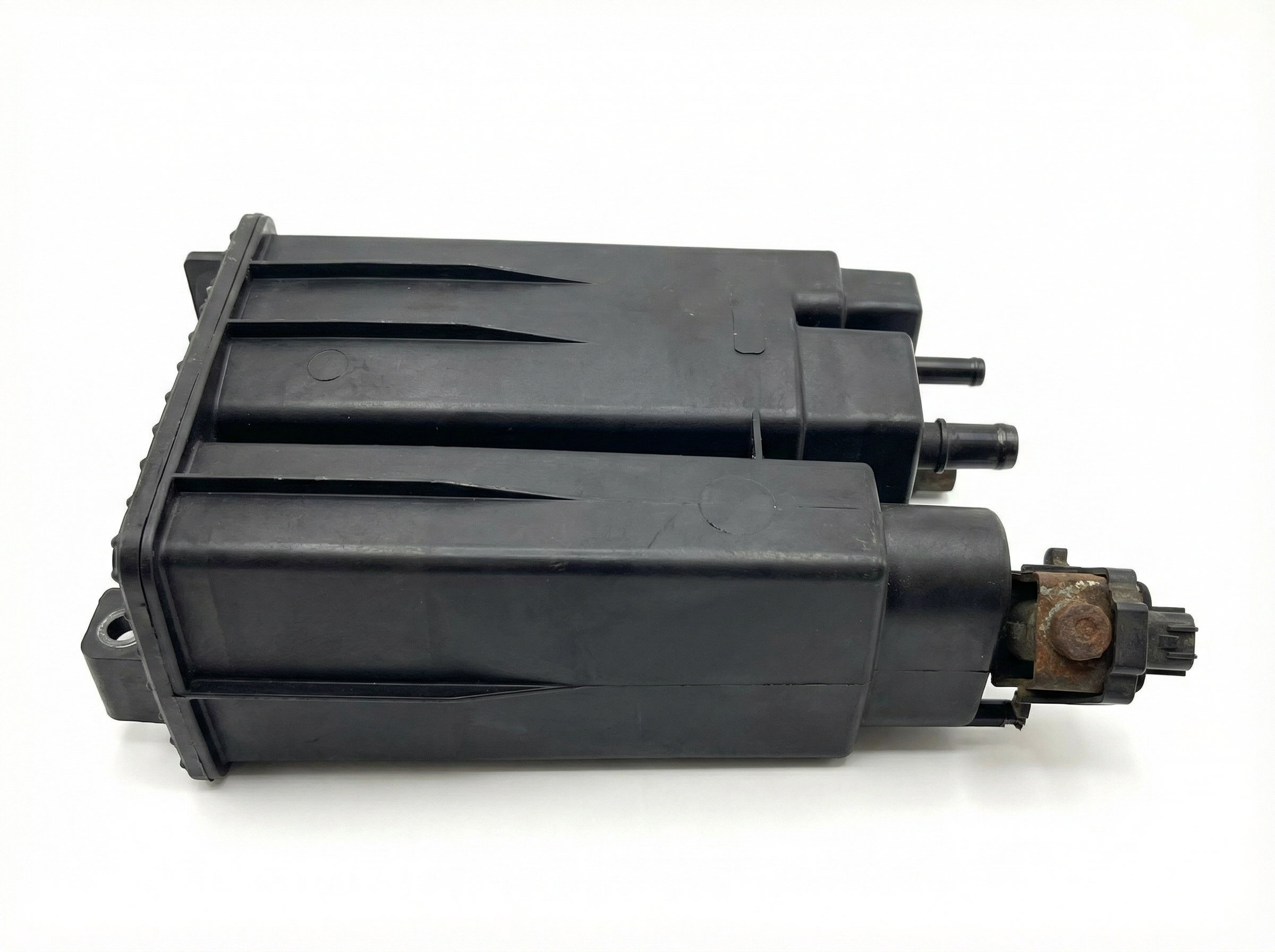
New Aftermarket Parts Available


The information in this article is provided for general reference and educational purposes only. Vehicle specifications, procedures, and part compatibility can vary by production date, trim level, and region. Always consult your vehicle's factory service manual and verify part numbers before purchasing or performing repairs. Safety-critical components such as airbags, seat belts, and braking systems should be installed by a qualified professional.
- Nissan MAXIMA:
- 🧭 Diagnostic Flowchart
- 🎬 Helpful Videos
- 🛍️ Shop This Part
- What's Unique About the 2007-2014 Nissan MAXIMA
- Symptoms You May Notice
- Most Likely Causes
- Rare But Worth Checking
- Diagnosis Steps
- Parts You'll Likely Need
- Related Codes That Often Appear With This One
- Technical Service Bulletins (TSBs) & Recalls
- Platform-Specific Known Issues
- Mechanic-Grade Diagnostic Values
- Scan Tool Commands That Help
- Wiring & Ground Locations
- "I Checked Everything" — The Actual Cause
- OEM Part Supersession History
- Model Year Variations Within This Range
- 🎟️ Get 5% Off