

P0456 on 2007-2014 Nissan Versa: EVAP Small Leak Causes and Fixes
On a 2007-2014 Nissan Versa, code P0456 is most often caused by a loose or worn-out gas cap, or a leaking O-ring on the EVAP vent control valve. Start by tightening or replacing the gas cap, which is a very inexpensive fix. If that doesn't work, the next most likely culprit is the vent valve O-ring, a failure so common Nissan issued a specific service bulletin (NTB17-082b) for it.
- P0456 on your Versa means a very small leak in the fuel vapor system.
- Always start with the simplest fix: check that your gas cap is tight. If it's old, spend the $20 on a new one before paying for diagnostics.
- The second most likely cause is a cheap, specific O-ring on the EVAP vent control valve, a known issue confirmed by Nissan.
- The vehicle is safe to drive, but you won't pass an emissions inspection until the leak is repaired.
- If a new gas cap doesn't fix it, a smoke test is the best way to find the exact location of the leak without guessing.
What's Unique About the 2007-2014 Nissan VERSA

For this generation of Nissan Versa, the P0456 code is very frequently linked to two specific issues highlighted in Nissan's own Technical Service Bulletins (TSBs). The first is a simple loose or faulty gas cap, as noted in TSB NTB09020F. The second, and a well-documented weak point, is the O-ring for the EVAP vent control valve, which can dry out and crack, causing a leak. Nissan issued a specific bulletin (NTB17-082b) advising technicians to replace just the O-ring instead of the entire valve assembly, pointing to how common this specific failure is on the Versa and many other Nissan models.
🎬 Watch: A breakdown of the two most common Nissan fixes.Diagnostic Flowchart

Tap your situation to follow the diagnostic path that matches what you're seeing on this vehicle.
Generation note: This year range covers two generations of the Nissan Versa: the first generation (C11; 2007-2012) and the start of the second generation (N17 sedan, E12 Note; 2012-2014). While the EVAP system components are similar, their exact location and part numbers may differ slightly. The common causes, particularly the gas cap and vent control valve O-ring failure, apply to both generations as confirmed by Nissan TSBs that cover these models.
Symptoms You May Notice
- Check Engine Light is on
- A faint fuel smell near the rear of the car (in rare cases)
- Vehicle may fail an emissions inspection.
- Replacing the entire EVAP vent control valve when only the inexpensive O-ring is needed, as noted in TSB NTB17-082b.
- Replacing parts without confirming the leak location with a smoke test, leading to unnecessary expense.
Most Likely Causes

- Loose or Faulty Gas Cap 🔴 High Probability → Shop Fuel Tank Cap This is the most common cause for any EVAP leak code on any vehicle. The rubber seal on the cap can wear out, crack, or get dirty over time, preventing a proper seal. Nissan TSB NTB09020F specifically mentions a loose fuel fill cap as a primary suspect for P0456 on 2007-2011 Nissan vehicles.
How to confirm: First, ensure the cap is tightened until it clicks. If the light returns after clearing the code, inspect the rubber O-ring on the cap for cracks, stiffness, or debris. If it looks worn, replacement is the best confirmation. A new OEM cap is recommended as some aftermarket caps may not seal correctly.
Typical fix: Tighten or replace the fuel filler cap.
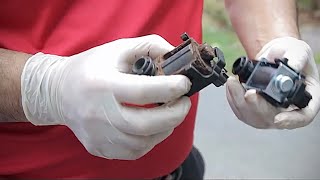
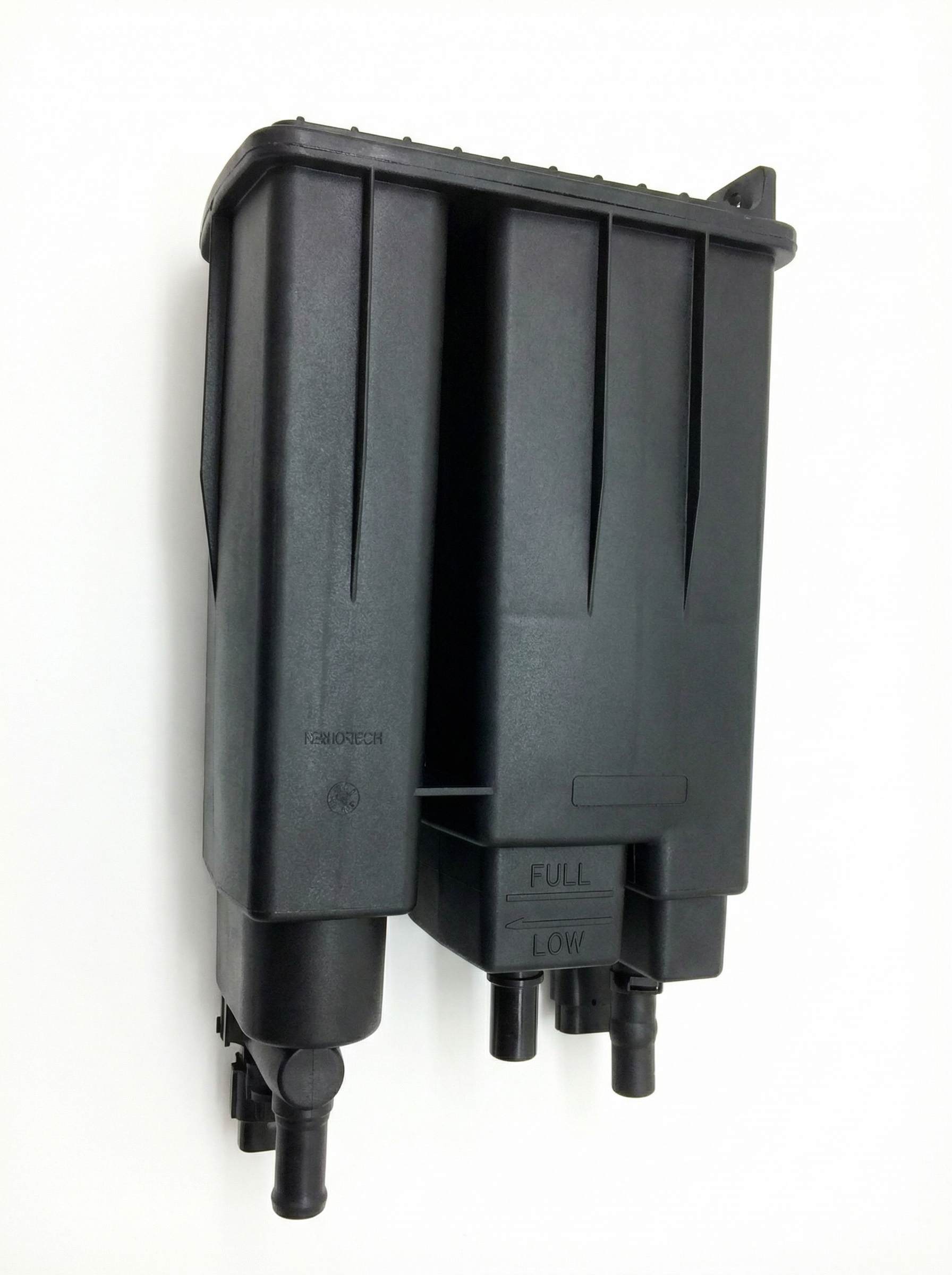
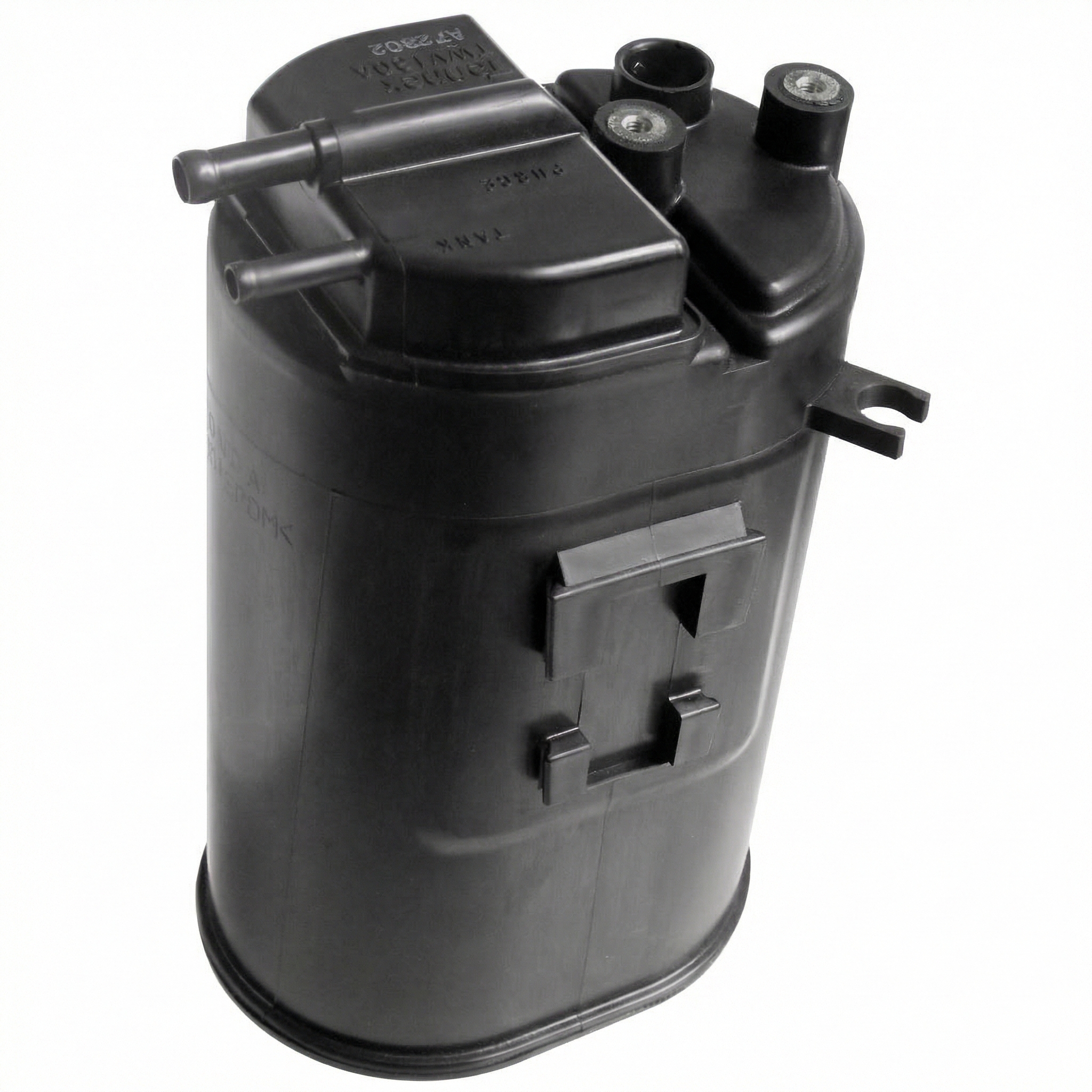
Est. part cost: $15-$35 - Leaking EVAP Vent Control Valve O-Ring 🔴 High Probability → Shop Vapor Canister Nissan issued TSB NTB17-082b specifically for this failure on most of its vehicles, including the Versa. The rubber O-ring that seals the valve to the charcoal canister becomes brittle and fails, creating a small leak. The TSB explicitly states this is a known cause for P0456 when a loose gas cap has been ruled out.
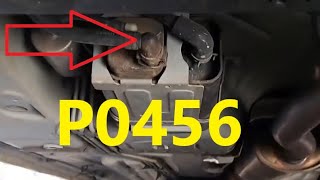
How to confirm: A smoke test is the most effective method. A technician will introduce smoke into the EVAP system and look for it escaping from the area where the vent control valve mounts to the charcoal canister, located near the rear passenger-side wheel. The TSB instructs technicians to check this specific location.
Typical fix: Replace the vent control valve O-ring. Per TSB NTB17-082b, the entire valve often does not need replacement. The bulletin also cautions not to add any lubrication to the new O-ring during installation and to ensure the mounting surfaces are clean.
Est. part cost: $5-$15 for the O-ring, $80-$120 for the complete valve assembly. - Cracked or Disconnected EVAP Hoses 🟡 Medium Probability Rubber hoses become brittle and crack with age and exposure to the elements. A small crack in any of the EVAP lines running from the tank to the engine can trigger this code. This is especially common on the vacuum lines connected to the purge solenoid in the engine bay.
How to confirm: Visually inspect all accessible EVAP hoses for obvious cracks, especially at connection points and bends. Squeezing the hoses can reveal hidden cracks. A smoke test will definitively pinpoint the location of a hose leak.
Typical fix: Replace the cracked section of the hose.
Est. part cost: $10-$30 - Faulty EVAP Canister Purge Valve ⚪ Low Probability → Shop Vapor Canister This valve, located in the engine bay, can sometimes get stuck slightly open, causing a leak. While less common for a P0456 than the vent valve, it is still a possible failure point.
How to confirm: With the engine off, the valve should be closed. You can remove it and try to blow through it; if air passes, it's faulty. A mechanic can also command it open and closed with a scan tool to check its function or check for vacuum on the line when it should be closed.
Typical fix: Replace the purge valve.
Est. part cost: $35-$115
Rare But Worth Checking
- Cracked Charcoal Canister: → Shop Vapor Canister The plastic body of the canister itself can develop hairline cracks over time, leading to a leak. This is usually found with a smoke test after all other components have been checked.
- Faulty Fuel Tank Pressure Sensor: → Shop Fuel Tank In rare cases, the sensor that monitors system pressure can fail and send incorrect readings to the computer, tricking it into thinking there's a leak when there isn't one. This often sets other codes as well.
- Melted Fuel Pump Housing: → Shop Fuel Pump In a documented case on a similar platform (Nissan Sentra), a persistent P0456 that wasn't solved by replacing the usual parts was traced to a tiny hole melted in the plastic top of the fuel pump assembly, right at an electrical pin. This created a very small leak that was difficult to detect with a smoke test. This is an extremely rare but possible cause if all other avenues are exhausted.
Diagnosis Steps
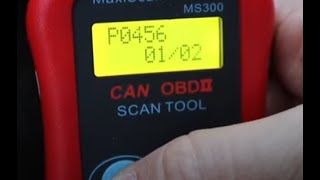
- Read the code with an OBD-II scanner to confirm P0456 is present.
- Inspect the gas cap. Ensure it is tight and clicks. If the seal looks old or cracked, replace it, preferably with an OEM part. Clear the code and drive for a few days to see if it returns, as the EVAP monitor needs to complete a cycle.
- If the code comes back, perform a visual inspection of all visible EVAP hoses under the hood and near the rear of the vehicle for cracks or disconnections. Pay special attention to the small vacuum lines on the purge valve in the engine bay.
- The most definitive diagnostic step is to have a smoke test performed. This involves injecting vaporized mineral oil (smoke) into the EVAP system's service port.
- Observe where the smoke escapes. Per TSB NTB17-082b, pay close attention to the gas cap seal and the EVAP vent control valve O-ring (on the canister by the rear wheel).
- If the vent valve O-ring is leaking, replace it (Part No. 16618-JF00A). Ensure the surfaces are clean and do not lubricate the new O-ring.
- If no external leaks are found, test the purge valve in the engine bay for proper operation (it should be closed and hold vacuum with the engine off).
- After any repair, clear the code and perform a drive cycle to allow the EVAP monitor to run and confirm the fix.
Parts You'll Likely Need
- Fuel Filler Cap
(OEM #17251-ZN90A)— This is the most frequent and easiest fix. The seal fails over time, causing a pressure leak.
Trusted brands: Genuine Nissan, Stant
OEM price range: $25-$35
Aftermarket price range: $15-$25 - EVAP Vent Control Valve O-Ring
(OEM #16618-JF00A)— A known failure point documented by Nissan TSB NTB17-082b. This O-ring dries out and causes a small leak where the vent valve attaches to the charcoal canister.
Trusted brands: Genuine Nissan
OEM price range: $5-$15 - EVAP Vent Control Valve
(OEM #14935-JF00A (superseded by 14935-JF02C))— If the valve itself is stuck or has failed internally, not just the O-ring. It's located on the charcoal canister at the rear of the vehicle. Later TSB revisions (like NTB17-082E) for newer models suggest replacing the whole assembly as the O-ring was phased out as a separate part.
Trusted brands: Genuine Nissan, Dorman, Bosch
OEM price range: $100-$130
Aftermarket price range: $70-$100 - EVAP Canister Purge Valve
(OEM #14930-EN20A)— A less common but possible cause. This valve is located in the engine bay and can get stuck open, causing a constant small leak.
Trusted brands: Genuine Nissan, Beck Arnley, Autopart Premium
OEM price range: $85-$115
Aftermarket price range: $35-$70
Related Codes That Often Appear With This One
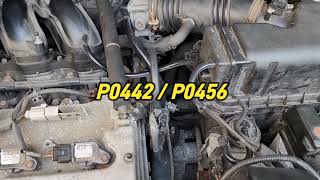
- P0442 — P0442 indicates a 'medium' EVAP leak. If the small leak from P0456 gets worse (e.g., a crack in a hose widens), the system may log the more severe P0442 code.
Technical Service Bulletins (TSBs) & Recalls
- NTB17-082b: DTC P0456 CAUSED BY EVAP LEAK AT VENT CONTROL VALVE O-RING
- NTB13-097J: EVAP LEAK DTC P0442, P0455, P0456 INFORMATION
- NTB09020F: SERVICE INFORMATION
Platform-Specific Known Issues
- TSB NTB17-082b: Vent Valve O-Ring Failure: Nissan specifically identifies the O-ring for the EVAP vent control valve as a common source for P0456 leaks and advises replacing only the O-ring (Part No. 16618-JF00A) rather than the entire valve assembly. The bulletin applies to the Versa
Mechanic-Grade Diagnostic Values
- EVAP Canister Purge Valve Solenoid Resistance — expected: ~36 Ohms at 60°F (15.5°C). Failure: An open circuit (infinite resistance) or a very high reading indicates a failed solenoid coil.
- EVAP Canister Vent Control Valve Power Supply Voltage — expected: Battery voltage (~12V) at pin 2 of the valve connector with the ignition ON.. Failure: No voltage suggests a wiring issue or a blown fuse (typically a 15-amp fuse). The computer controls the valve via the ground side.
Hidden / Shadow Codes Worth Checking
- Mode 6, TID $3C: This Test ID monitors the EVAP system for a very small leak (0.020"). A failing value here, even before a full-blown DTC P0456 is set, can indicate a developing leak. The data is usually presented in hexadecimal and needs conversion. (see via A professional scan tool capable of displaying OBD-II Mode 6 data. Some advanced consumer-grade scanners also have this function.)
Scan Tool Commands That Help
- Nissan CONSULT or equivalent professional scan tool: EVAP System Leak Check (Active Test) — This function allows a technician to command the EVAP vent valve closed to seal the system. It is used in conjunction with a smoke machine to pressurize the system and find the physical location of a leak, as outlined in Nissan's diagnostic procedures.
- Nissan CONSULT or equivalent professional scan tool: Purge Volume Control Valve Test — This bidirectional command allows the technician to manually open and close the purge valve. While monitoring fuel trims or listening for a click, this test confirms if the valve is responding to commands or is stuck.
Wiring & Ground Locations
- E21, F16 — For the 2012 Versa (N17), these ground points are located in the engine compartment, on the top left side and right front of the engine respectively.. The EVAP canister purge volume control solenoid valve and other engine management sensors rely on clean ground connections. A corroded or loose ground at these points can cause erratic behavior or failure of the purge solenoid, leading to EVAP codes.
- Body Grounds — General ground points are found on the firewall, under the dash, and in the kick panels.. The Body Control Module (BCM) and Engine Control Module (ECM), which control and monitor the EVAP system, require stable grounds. Poor body grounds can lead to a variety of electrical issues, including false sensor readings or improper valve operation.
- EVAP Component Connectors — For the 2012 Versa (N17), the EVAP canister vent control valve and pressure sensor are located under the right rear of the vehicle, near the canister. The purge valve is near the right rear of the engine.. Knowing the physical location of the connectors is essential for performing voltage and resistance tests directly at the component to rule out wiring harness issues.
Real Owner Repair Stories
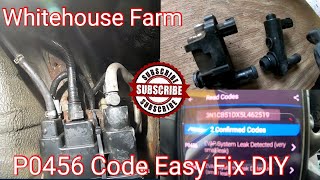
- YouTube user 'White House Farm' (Nissan vehicle, likely a Sentra but with parts and issues common to the Versa.) — Intermittent Check Engine Light for code P0456 that would turn on and off over a period of months.
❌ Tried (didn't work) Replacing the gas cap with a new one from the dealership.
✅ What actually fixed it The problem was resolved by replacing the EVAP canister vent solenoid valve located on the charcoal canister at the rear of the vehicle. - YouTube repair channel (General automotive advice applicable to Nissan Versa.) — P0456 code appearing immediately after replacing the gas cap.
❌ Tried (didn't work) Using a new aftermarket gas cap.
✅ What actually fixed it The fix involved two steps: 1) Thoroughly cleaning the metal rim of the fuel filler neck with a mild abrasive (like a Scotch-Brite pad) to remove corrosion and grit. 2) Replacing the aftermarket cap with a genuine OEM factory gas cap and tightening it until it clicked at least three times.
"I Checked Everything" — The Actual Cause
- A common scenario for a P0456 where a smoke test shows no leaks is a faulty fuel filler neck sealing surface. Even with a new, good gas cap, if the metal rim of the filler neck is dirty, corroded, or has built-up grit, it can prevent a perfect seal, creating a leak too small for a smoke test to easily reveal but large enough for the EVAP monitor to detect. The fix is to clean the filler neck rim with a mild abrasive before installing a known-good OEM cap.
OEM Part Supersession History
14935-JF00A→14935-JF00B, 14935-JF00C, 14935-JF00D— Standard part evolution for improved reliability or manufacturing changes.
Heads up: The various revisions (A, B, C, D) are generally interchangeable for the EVAP Vent Control Valve on the canister.
Model Year Variations Within This Range
- 2007-2012 (C11 Generation): The EVAP canister and vent valve are typically located under the vehicle, near the driver's side rear wheel. The purge solenoid is in the engine bay. Ground points and wiring routes follow the C11 chassis design.
- 2012-2014 (N17 Generation Sedan): The EVAP canister assembly, including the vent valve and pressure sensor, is located under the right rear of the vehicle. The Body Control Module (BCM) is behind the left side of the dash, whereas in the C11 hatchback it was on the right side. These location changes are critical for efficient diagnosis.
Helpful Videos

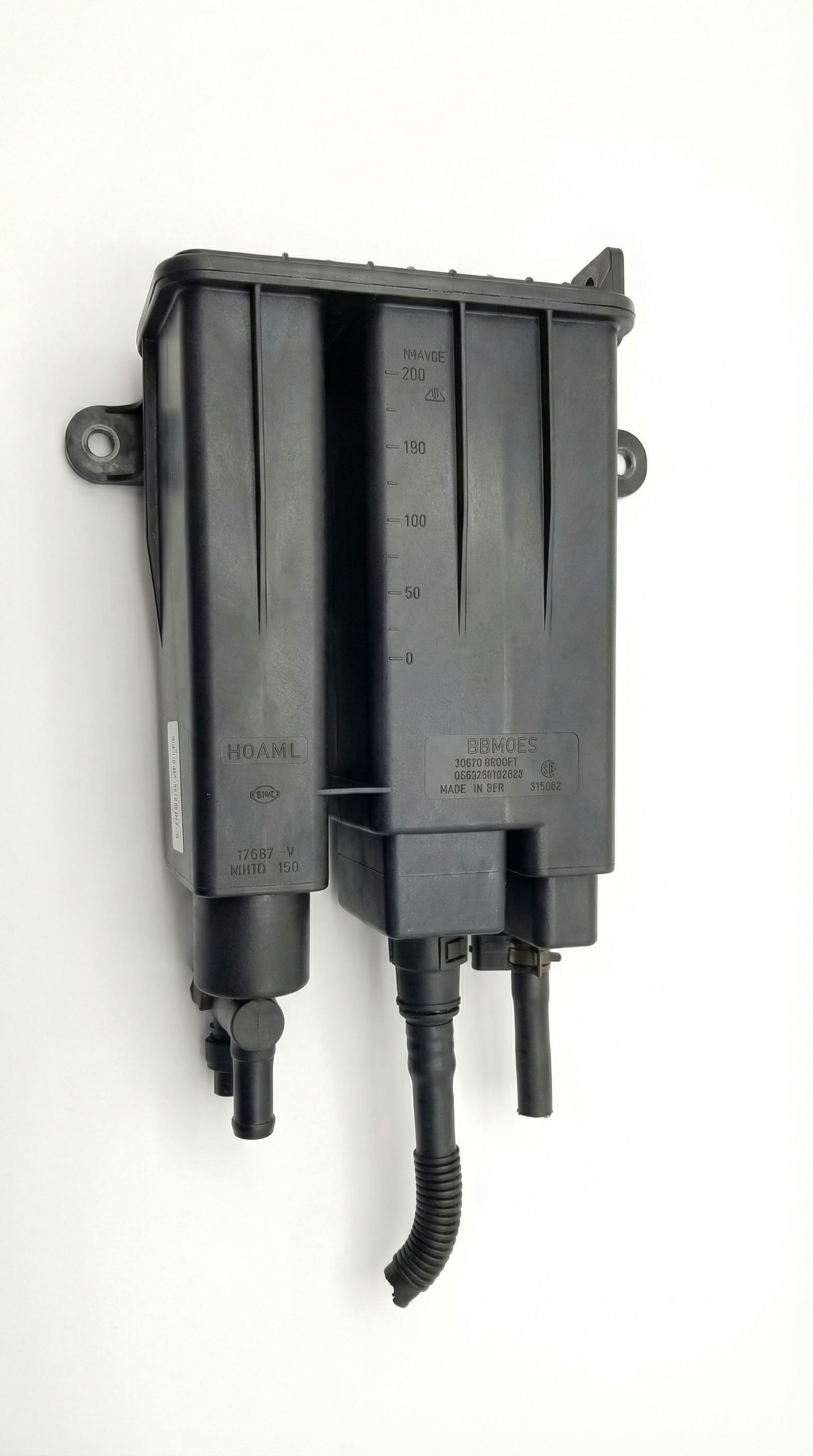
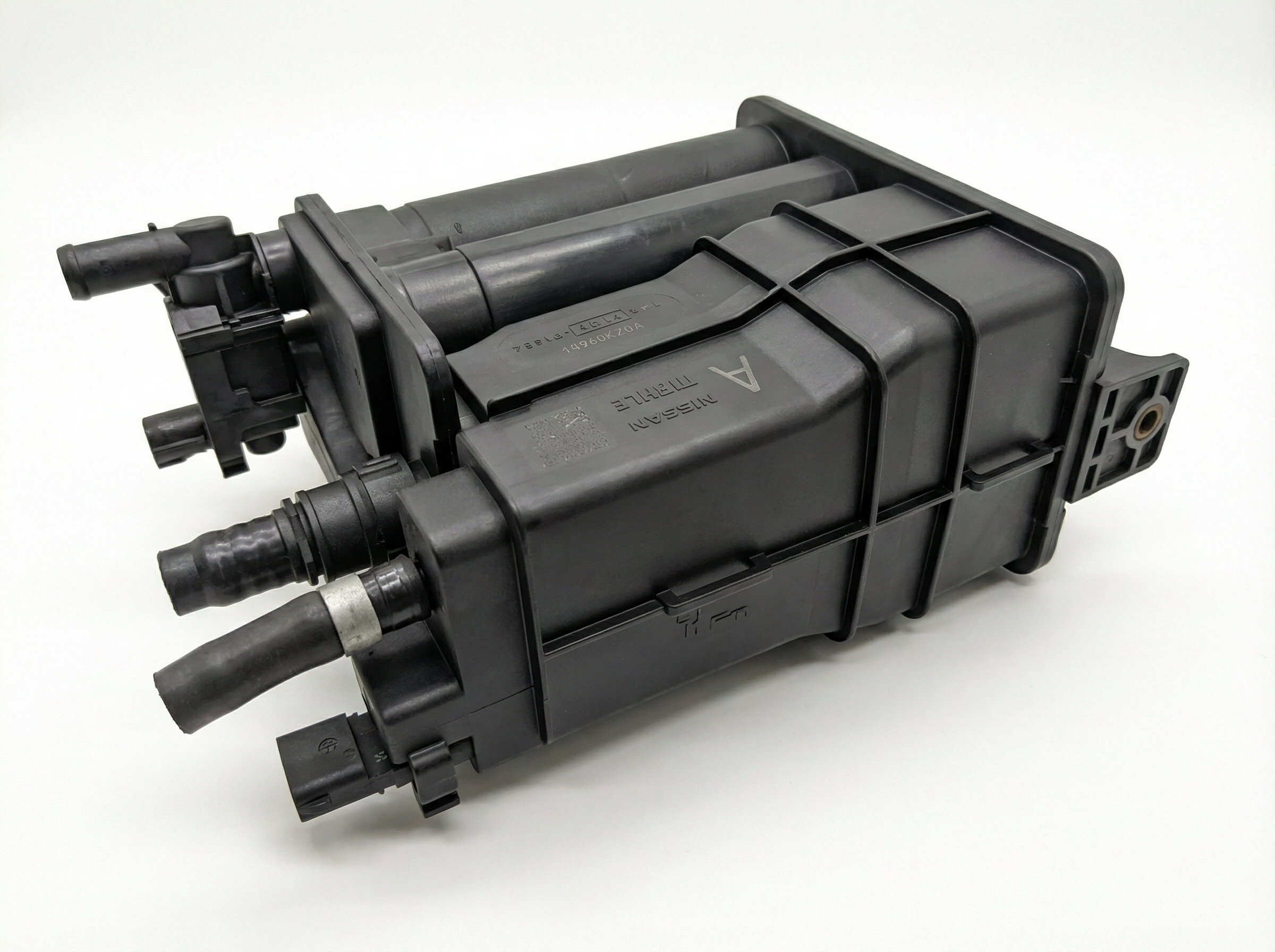
Used OEM Parts in Stock
New Aftermarket Parts Available

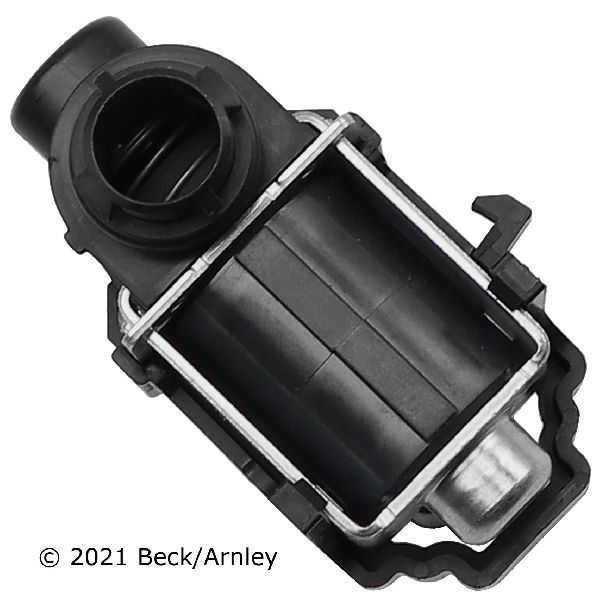
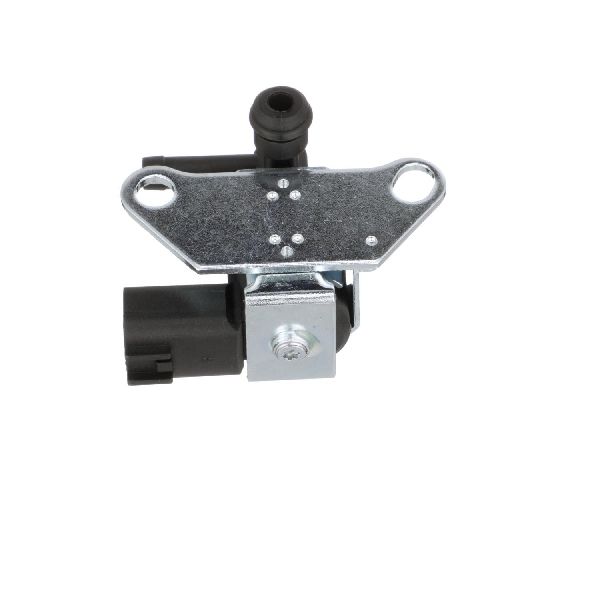

The information in this article is provided for general reference and educational purposes only. Vehicle specifications, procedures, and part compatibility can vary by production date, trim level, and region. Always consult your vehicle's factory service manual and verify part numbers before purchasing or performing repairs. Safety-critical components such as airbags, seat belts, and braking systems should be installed by a qualified professional.
- Nissan VERSA:
- 🧭 Diagnostic Flowchart
- 🎬 Helpful Videos
- 🛍️ Shop This Part
- What's Unique About the 2007-2014 Nissan VERSA
- Symptoms You May Notice
- Most Likely Causes
- Rare But Worth Checking
- Diagnosis Steps
- Parts You'll Likely Need
- Related Codes That Often Appear With This One
- Technical Service Bulletins (TSBs) & Recalls
- Platform-Specific Known Issues
- Mechanic-Grade Diagnostic Values
- Hidden / Shadow Codes Worth Checking
- Scan Tool Commands That Help
- Wiring & Ground Locations
- Real Owner Repair Stories
- "I Checked Everything" — The Actual Cause
- OEM Part Supersession History
- Model Year Variations Within This Range
- 🎟️ Get 5% Off