

P0456 on 2005-2012 Porsche 911: EVAP System Very Small Leak Causes and Fixes
For a 2005-2012 Porsche 911, a P0456 code is most often caused by a loose or faulty gas cap. If that doesn't fix it, the next most likely culprit is a failing fuel tank vent valve (also called a purge valve). A new OEM gas cap is under $40, while the vent valve assembly can cost between $150 and $300, though some owners have found cheaper workarounds.
- P0456 is not a serious code and will not affect how your Porsche 911 drives.
- Always start with the simplest and cheapest fix: inspect and tighten the gas cap. If the seal looks old, replace it.
- If a new gas cap doesn't resolve the issue, the Fuel Tank Vent Valve is the next most likely cause on a 997-generation 911.
- A smoke test is the most effective professional method to find the exact source of a persistent small EVAP leak.
- You must fix this issue to pass a state emissions inspection.
What's Unique About the 2005-2012 Porsche 911
On the Porsche 911 (997 generation), the EVAP system components are distributed between the front trunk ('frunk') and the rear of the car near the engine, which can complicate diagnosis. While the gas cap is the most common cause on any vehicle, 997 owners on forums like Rennlist and 6speedonline frequently report that the Fuel Tank Vent Valve (often called the purge valve, located in the engine bay on many models) is the true source of the leak after a gas cap replacement fails to solve the problem. Knowing this specific failure pattern can save significant diagnostic time and money.
Generation note: The 2005-2012 year range covers the entire Porsche 911 997 generation, which includes the 997.1 (2005-2008) and 997.2 (2009-2012) models. The common causes and fixes for P0456 are largely the same across both sub-generations, though some specific part numbers for components like the fuel tank vent valve may differ. For example, some 997.1 models use part 99711012991 for the purge valve, while 997.2 models often use 9A111009371.
Symptoms You May Notice
- Check Engine Light is on.
- A faint fuel smell may be present, particularly around the fuel filler area, but this is not always the case.
- No noticeable impact on drivability or engine performance.
- Replacing expensive components like the Leak Detection Pump or charcoal canister before replacing the inexpensive and highly common failure point: the gas cap.
- Replacing the charcoal canister when the leak is actually in a connected valve or hose, which a smoke test could have differentiated.
- Assuming a new gas cap will fix the issue. While common, many owners report the issue was ultimately the fuel tank vent/purge valve.
Most Likely Causes
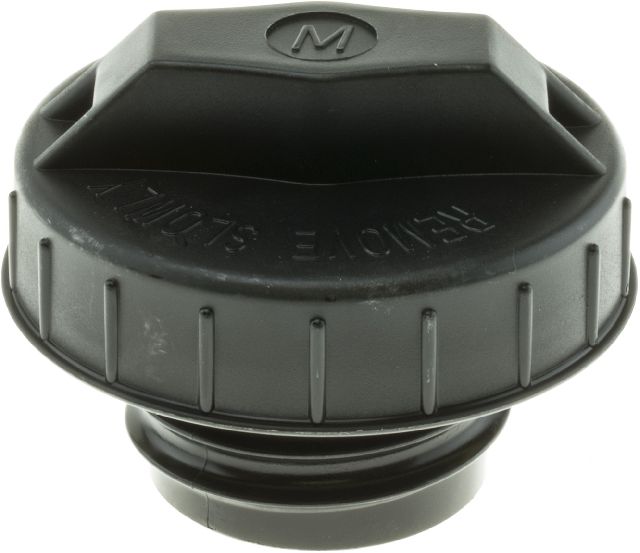
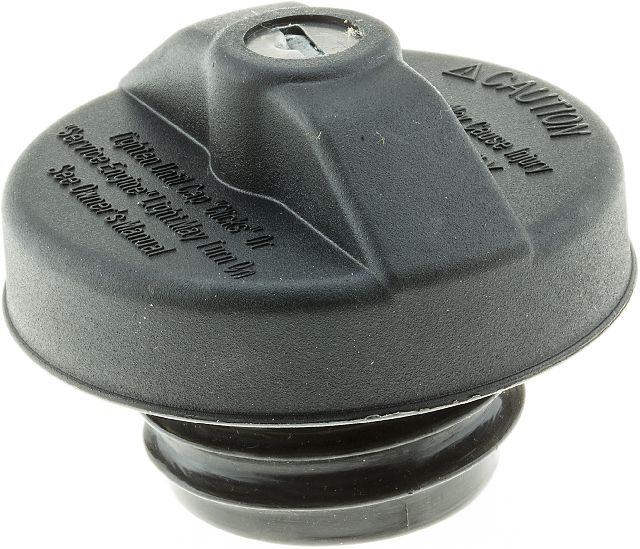
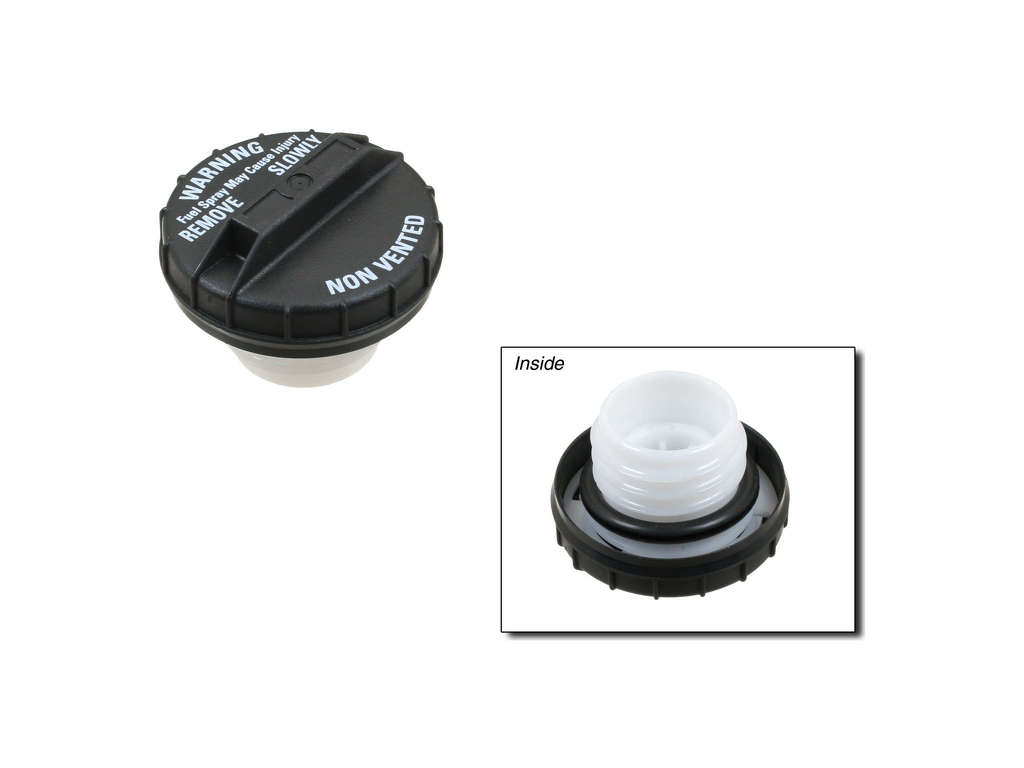
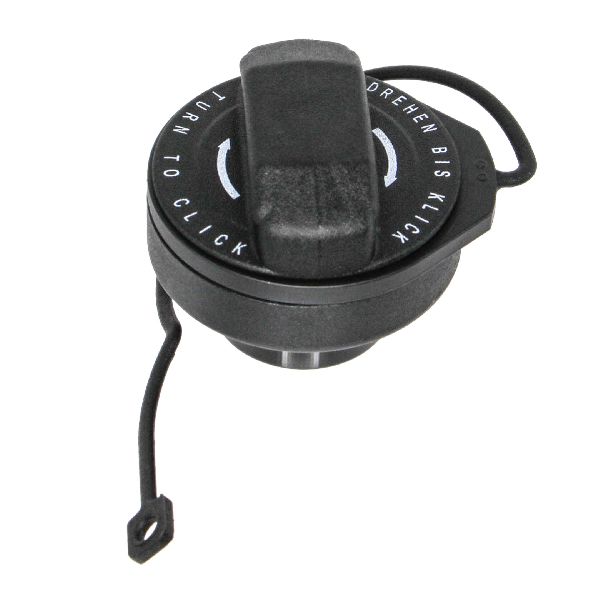
- Loose or Faulty Gas Cap 🔴 High Probability → Shop Fuel Tank Cap This is the most common cause for any vehicle. The rubber O-ring on the cap seal degrades, cracks, or hardens over time, preventing a proper seal. It is always the first and cheapest part to check.
How to confirm: Ensure the cap is tightened until it clicks at least three times. Visually inspect the rubber seal for any cracks, stiffness, or visible damage. A smoke test will definitively show smoke escaping from a bad cap seal.
Typical fix: Tighten the cap. If the seal is visibly worn, cracked, or the problem persists, replace the gas cap with a new OEM part. Aftermarket caps are sometimes reported to cause sealing issues.
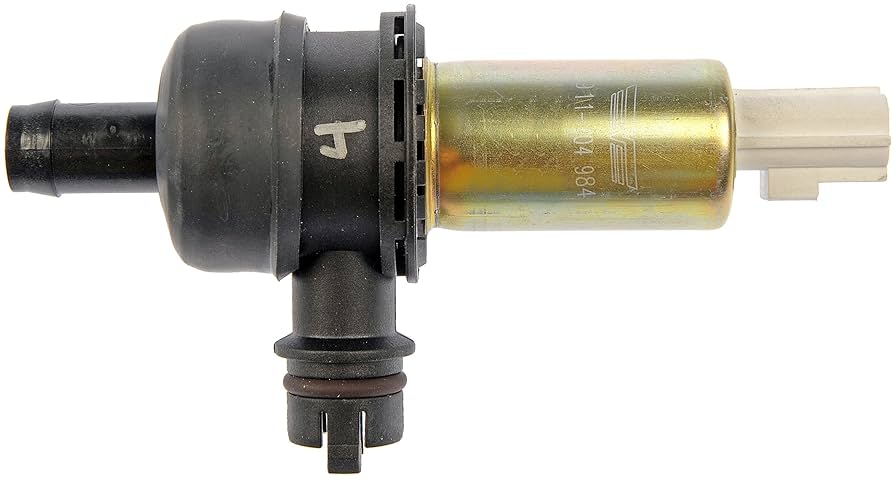
Est. part cost: $25-$40 - Faulty Fuel Tank Vent Valve (Purge Valve) 🟡 Medium Probability → Shop Fuel Tank This is a widely reported failure item on the 997 platform among Porsche enthusiasts after the gas cap has been ruled out. The valve, which is part of the emissions system, can fail to seal completely or stick open, creating a small leak path that the system detects.
How to confirm: After confirming the gas cap is good, this is the next logical part to inspect. On some 997 models, this valve is located in the engine bay, above the alternator. It can be tested by removing it and attempting to blow through it; when unpowered, it should be closed and not allow air to pass. A professional smoke test is the most definitive way to confirm the leak source.
Typical fix: Replace the fuel tank vent valve. Some owners have found debris inside the valve, which can be cleaned out for a potential no-cost fix. One owner on a forum noted that for some models, the valve itself is a Hyundai part that can be purchased for much less than the complete Porsche assembly.
Est. part cost: $150-$300 for the Porsche assembly, potentially less for alternative fixes. - Faulty Leak Detection Pump (LDP) / DMTL Pump ⚪ Low Probability → Shop Evaporative Emissions System Leak Detection Pump The Diagnostic Module Tank Leakage (DMTL) pump is responsible for pressurizing the system for the leak test. Dealerships have reportedly identified this as a common fix, and it's a known failure point, though less frequent than the vent valve. The pump itself can fail internally or develop a leak in its housing.
How to confirm: This is difficult to confirm without a bi-directional scan tool (like PIWIS or some Durametric functions) to command the pump and listen for its operation. A smoke test that shows smoke emerging from the LDP/DMTL unit itself is a clear indicator of failure. It is often located in the front trunk area near the charcoal canister.
Typical fix: Replace the leak detection pump. Owners have noted that the OEM Bosch part can often be sourced for significantly less than the Genuine Porsche branded part.
Est. part cost: $90-$350 - Cracked or Disconnected EVAP Hoses ⚪ Low Probability
How to confirm: Perform a visual inspection of all accessible EVAP system hoses for obvious cracks, chafing, or loose connections, particularly around the charcoal canister in the frunk and the purge valve in the engine bay. A professional smoke test is the most effective way to find hairline cracks or small leaks in the hose network.
Typical fix: Replace the specific section of cracked hose or re-secure the connection. Hoses can become brittle with age and heat cycles.
Est. part cost: $10-$100 depending on the hose length and complexity.
Rare But Worth Checking
- Rodent Damage: In one documented case on Rennlist, a P0456 code was caused by rodents chewing through a vacuum hose in the engine bay. The repair was labor-intensive as it required lowering the engine to access the damaged line.
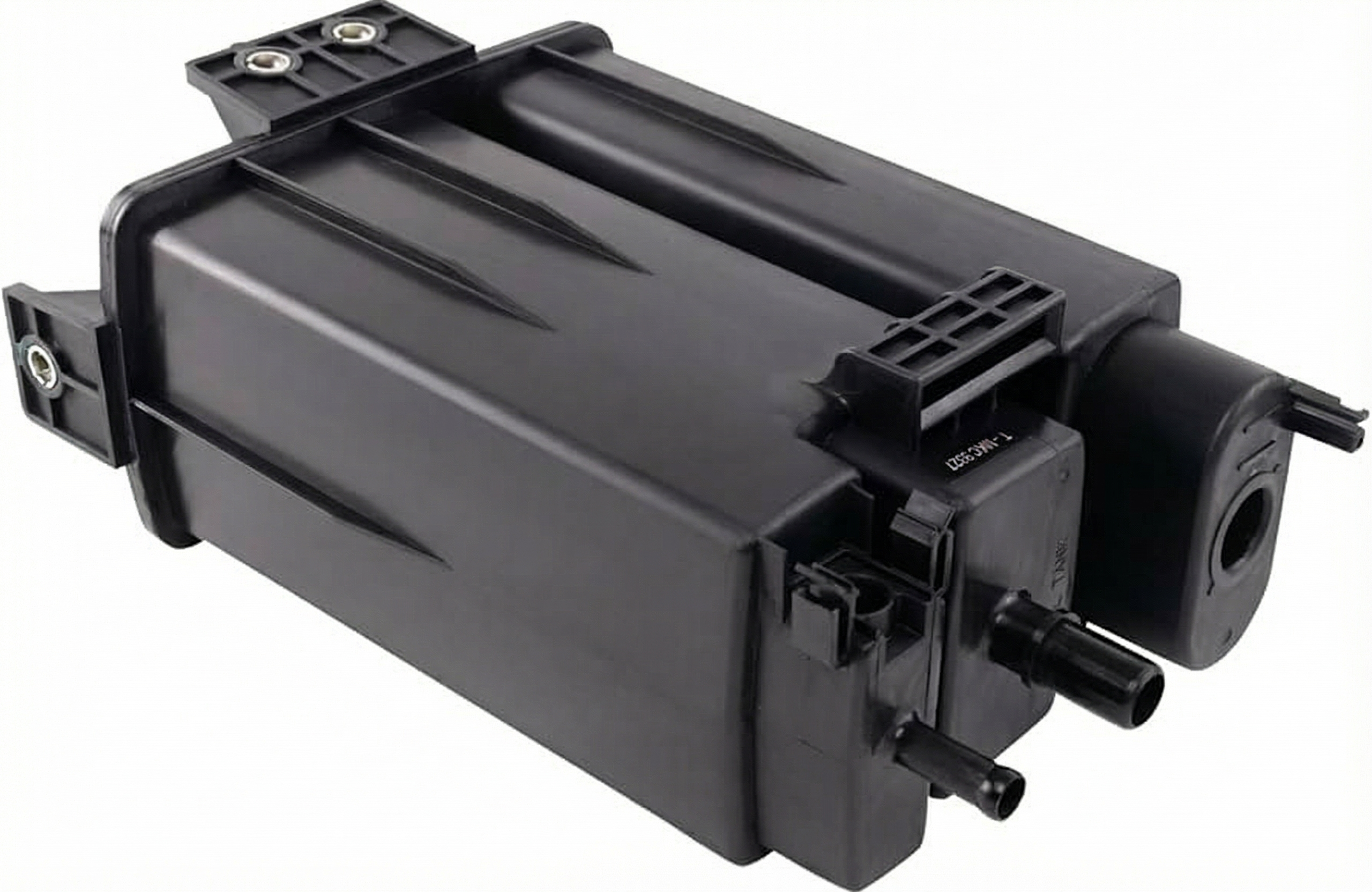
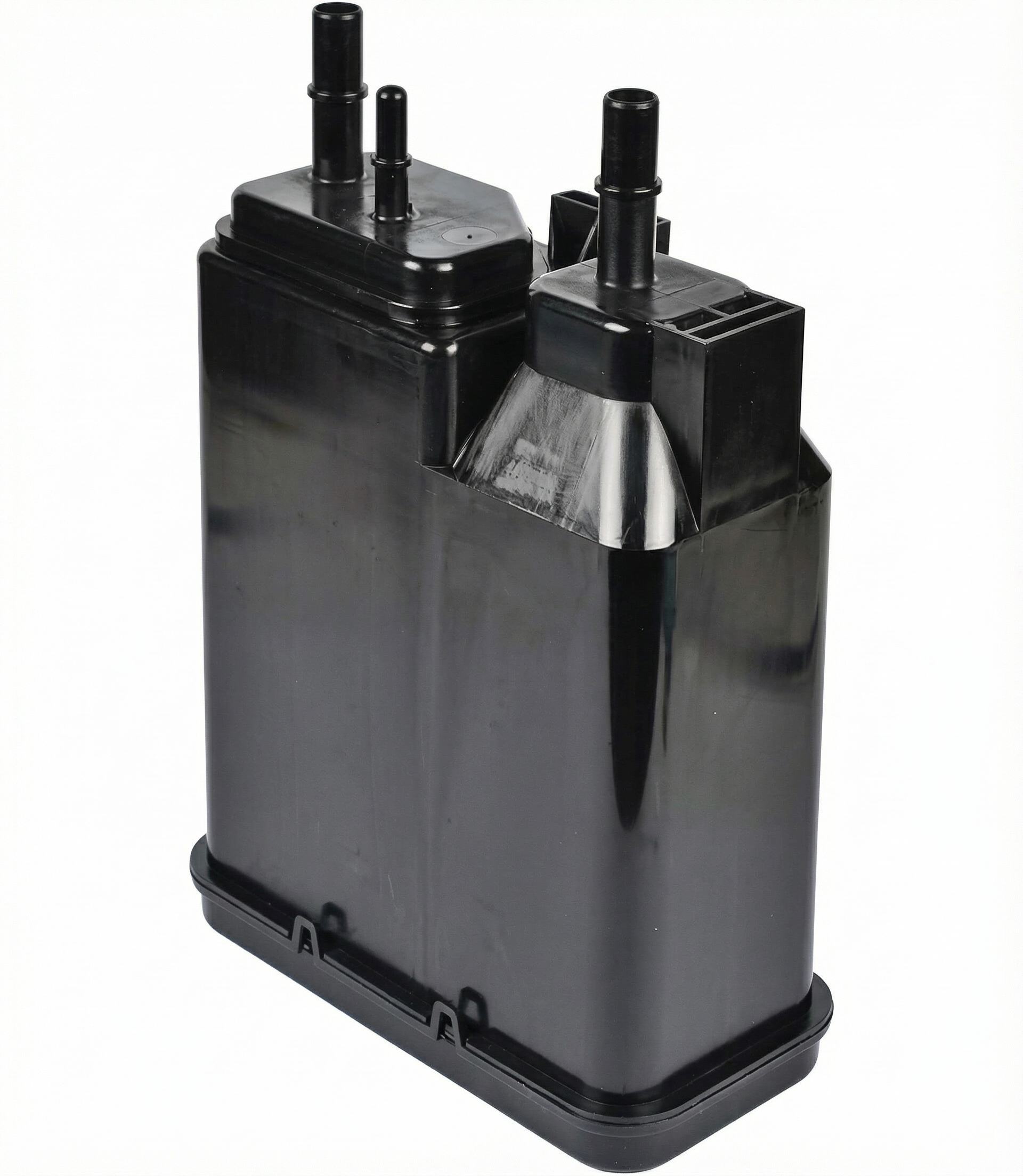
- Cracked Charcoal Canister: → Shop Vapor Canister Less common than valve or hose failures, but the plastic body of the canister can develop hairline cracks over time, causing a leak. This is usually found via a smoke test.
- Leaking Fuel Tank or Fuel Pump Seal: → Shop Fuel Pump This is rare for a 'very small leak' code, but damage to the fuel tank or an improperly seated fuel pump sending unit seal can cause a vapor leak.
Diagnosis Steps
- Read the code with an OBD-II scanner to confirm P0456 is present.
- Start with the simplest fix: Check the gas cap. Remove it, inspect the rubber O-ring for any cracks or signs of wear, and reinstall it, ensuring it clicks multiple times.
- Clear the code using the scanner. Drive the vehicle for several days to allow the EVAP system's self-test monitor to run. Note that the monitor often runs only when specific conditions are met, such as the fuel level being between 1/4 and 3/4 full and the vehicle sitting overnight.
- If the Check Engine Light returns, the next step for a definitive diagnosis is a smoke test. This involves injecting low-pressure vaporized smoke into the EVAP service port and observing where it escapes. This is the most reliable method for finding tiny, hard-to-see leaks.
- Based on extensive forum reports for the 997, if the gas cap is confirmed good, the Fuel Tank Vent Valve (Purge Valve) is the next most likely component to test and replace.
- During the smoke test, pay close attention to the gas cap seal, the purge valve in the engine bay, the leak detection pump (DMTL) and charcoal canister in the frunk, and all connecting hoses.
- If the smoke test indicates a leak, replace the identified faulty component. If no leak is found, the issue could be an electrical problem with a sensor or the LDP, requiring more advanced diagnostics with a Porsche-specific tool.
Parts You'll Likely Need
- Fuel Tank Cap
(OEM #99620124103)— This is the most frequent cause of a P0456 code due to the rubber seal wearing out over time. It is the first recommended replacement.
Trusted brands: Porsche (OEM)
OEM price range: $25-$40
Aftermarket price range: $15-$30 - Fuel Tank Vent Valve (Purge Valve)
(OEM #9A111009371 (common for 997.2), 99711012991 (common for 997.1))— A very common failure point on the 997 platform that causes a P0456 code once the gas cap is ruled out.
Trusted brands: Porsche (OEM), Bosch
OEM price range: $150-$300
Aftermarket price range: $100-$200 - Fuel Vapor Leak Detection Pump (DMTL Pump)
(OEM #95860510700 (supercedes older numbers), 99760512501)— This pump can fail and is a known, though less common, cause for this code on 997 models.
Trusted brands: Porsche (OEM), Bosch
OEM price range: $250-$350
Aftermarket price range: $90-$150
Related Codes That Often Appear With This One
- P0442 — This code indicates a 'small leak,' which is slightly larger than the 'very small leak' of P0456. They can appear together if the leak size is borderline or intermittent.
- P0455 — This code for a 'large leak' can sometimes be triggered along with P0456 if a component fails intermittently, such as a vent valve sticking wide open.
Platform-Specific Known Issues
- Common Diagnostic Path & Component Locations: For the 997 platform, the typical diagnostic path for P0456 is: 1. Replace Gas Cap. 2. If code returns, perform a smoke test. 3. If smoke test is inconclusive or points to the engine bay, suspect the Fuel Tank Vent/Purge Valve. This valve is often located in the engine bay near the alternator, while the DMTL pump and charcoal canister are in the front trunk ('frunk').
- Purge Valve Workaround (997.1): → Shop Vapor Canister For some 997.1 models, the purge valve itself within the larger, more expensive Porsche assembly is a standard part also used by Hyundai/Kia (part number 28910-26900). Owners have successfully replaced just the valve for under $30 by cutting the old valve out of the plastic lines and connecting the new one with a section of flexible vacuum hose, avoiding the $250+ cost of the full Porsche assembly.
Mechanic-Grade Diagnostic Values
- EVAP Canister Purge Valve Resistance — expected: 26 ± 4 Ohms at 20°C (68°F). Failure: A reading significantly outside this range, such as a very low reading (e.g., 10.5 Ohms) or an open circuit (infinite resistance), indicates a faulty valve coil.
Hidden / Shadow Codes Worth Checking
- C1604: On some 997.1 Turbo models, the Durametric scan tool may report this code for 'Evaporative Emissions (very small leak),' which is functionally equivalent to the generic P0456. (see via Durametric diagnostic software)
- 8414: A non-standard DMTL fault code that can appear on 997.2 models, indicating a pressurization issue within the EVAP system. This is not a standard P-code and points to an issue with the tank leakage test. (see via Porsche-specific scan tool, reported by a user with a CEL.)
Scan Tool Commands That Help
- PIWIS (Porsche Dealer Tool): Short test 'tank leakage test' — This is the official factory procedure to command the DMTL pump to run its self-test sequence to check for leaks without having to wait for the vehicle's own drive cycle monitor to run. The ignition must be switched off after beginning the test.
- Durametric (Aftermarket): Activations -> Fuel Evaporative Valve — With the engine off in a quiet environment, you can use this command to manually trigger the purge valve. A healthy valve will produce an audible click about once every two seconds. If no click is heard, it points to a faulty valve or a wiring issue. This can help isolate a bad purge valve without removing it first.
- Durametric (Aftermarket): Activations -> Diagnosis pump (DMTL) — This command allows you to activate the DMTL pump located in the frunk. You should be able to hear the small pump motor running. This helps confirm the pump is receiving power and is not seized.
Wiring & Ground Locations
- Sheet 17 - Ground Points — Referenced in the 2005/2006 997 Carrera Wiring Diagram Manuals.. Provides an overview diagram of all major ground point locations on the vehicle. A corroded or loose ground for the DME or EVAP system components could cause intermittent electrical faults that mimic a leak.
- Sheet 18C - Fan / Tank — Referenced in the 2005/2006 997 Carrera Wiring Diagram Manuals.. This sheet contains the wiring diagram for components related to the fuel tank, which includes the EVAP system wiring for the DMTL pump and associated sensors. It is essential for tracing wires and checking for continuity or shorts.
Real Owner Repair Stories
- Rennlist user, 2012 911 Turbo S (2012 Porsche 911 Turbo S (997.2)) — Persistent P0456 Check Engine Light, would not pass California smog test.
❌ Tried (didn't work) Clearing the code, Replacing the gas cap with a new OEM one, Replacing the Fuel Vapor Leak Detection Pump (DMTL Pump, PN 95860510700) based on a dealer recommendation
✅ What actually fixed it Replacing the Fuel Tank Vent Valve (Purge Valve) assembly, part number 9A111009371. The code did not return and the car passed smog. - Pelican Parts forum user 'flyingz' (Porsche 997.2) — P0441 (Incorrect Purge Flow), hard to fill with fuel, hard start after fill-up. Could not hear purge valve activate with Durametric.
❌ Tried (didn't work) Replacing the charcoal canister
✅ What actually fixed it The user located the fuel tank vent valve (purge valve) in the engine bay behind the alternator, removed it, and found he could blow through it (indicating it was stuck open). He disassembled the valve, found and removed small bits of debris, and reassembled it. After reinstallation, the valve was properly closed at rest and the codes were gone. This was a no-cost fix. - Rennlist user 'mchrono' (Porsche 997.1 Turbo) — Intermittent inability to fill the fuel tank (gas pump nozzle keeps shutting off). No CEL was reported in this case, but the faulty part is a known cause of P0456.
❌ Tried (didn't work) N/A, went straight for the suspected part.
✅ What actually fixed it The user identified the purge valve as the likely culprit. Instead of buying the ~$250 Porsche assembly (PN 99711002973), they bought the valve itself, which is a Hyundai/Kia part (PN 28910-26900), for under $30. They cut the old valve from the hard plastic lines and installed the new one using flexible vacuum hose. This resolved the fuel-filling issue.
"I Checked Everything" — The Actual Cause
- In a well-documented case on a 2012 911 Turbo S, a smoke test was 'somewhat inconclusive' in locating the source of a P0456 code. The owner first replaced the gas cap, then the DMTL pump at a dealership's suggestion, neither of which solved the issue. The final, successful repair was the replacement of the Fuel Tank Vent (Purge) Valve in the engine bay. This highlights a scenario where a failing valve may not present as a clear leak during a static smoke test but will still fail the car's internal pressure-hold test, making it a common cause even when a smoke test comes back clean.
When the Usual Fixes Don't Work
- While the gas cap and purge valve are the most common culprits, they are not guaranteed fixes. In one forum thread, an owner replaced the gas cap, which worked for a few months before the P0456 code returned. The final fix in that case was replacing a specific vent hose (PN 99711002973). This shows that even after a seemingly successful fix, an underlying issue in a different part of the system can be the true root cause.
OEM Part Supersession History
99720125300, 99720125302→997-201-253-04— Standard part revision and improvement by Porsche.
Heads up: These parts are related to the fuel tank vent line system. Always confirm the exact part number needed for your specific VIN and model year (997.1 vs 997.2) as assemblies differ.99760512501→95860510700 (in some applications)— Part consolidation and use across multiple Porsche platforms (e.g., Cayenne).
Heads up: While 95860510700 is cited as a fix for the 997, it's critical to verify fitment. The Bosch equivalent (e.g., W0133-3591723) is often a direct, cheaper alternative to the original 997 DMTL pump.
Model Year Variations Within This Range
- 2009-2012 (997.2): The 997.2 generation features the MA1 Direct Fuel Injection (DFI) engine, which replaced the M96/M97 port-injection engine of the 997.1. This also brought changes to engine electronics and some EVAP components. The purge valve assembly part number is different (9A111009371 for 997.2 vs. 99711012991 for 997.1). The interior was also updated with the PCM 3.0 infotainment system, which has a touchscreen.
Diagnostic Flowchart
Real Owner Stories
Aggregated from forums and TSBs cited above. Mileages and costs reflect what owners reported in those sources.
Porsche 911 997.2 Turbo S
Symptoms: P0456 Very Small Evap Leak code present.
What fixed it: Replaced the Fuel Tank Vent Valve (part #9A111009371) after replacing the gas cap and LDP did not solve the issue.
Source hint: Rennlist.com - 'Finally Fixed P0456 Very Small Evap Leak on 997.2 Turbo S'
2012 Porsche 911 Turbo S
Symptoms: P0456 Very Small Evap Leak code.
What fixed it: Replaced the vent valve, which ultimately solved the problem after the owner had already tried replacing the gas cap and the LDP.
Source hint: 6speedonline.com - 'Resolved P0456 Very Small Evap Leak'
Porsche 911 (997)
Symptoms: Related EVAP symptoms triggering a P0441 code.
What fixed it: Located the vent valve above the alternator and cleaned debris from inside it, fixing the issue without needing to replace the part.
Source hint: Rennlist.com - 'Fuel tank Vent valve location'
Porsche 911
Symptoms: P0456 Tank system very tiny leak.
What fixed it: Traced the leak to a vacuum hose that had been chewed by rodents. Repairing the hose required an engine-out service.
Source hint: Rennlist.com - 'P0456 Tank system very tiny leak'
Porsche 911 (997.1)
Symptoms: P0456 code triggered by a faulty purge valve.
What fixed it: Replaced just the internal valve using Hyundai/Kia part number 28910-26900 by cutting the old valve out of the plastic lines and connecting the new one with a section of flexible vacuum hose.
Cost: $0-$30
Source hint: Article Context - Vehicle Specific Issues (Purge Valve Workaround)
Related OBD-II Codes
Frequently Asked Questions
Is there a cheaper alternative to the expensive Porsche purge valve assembly for my 997.1?
Where are the EVAP components located on the 997 platform?
I replaced the gas cap on my 911 but the P0456 code came back. What should I check next?
How do I get the EVAP monitor to run on my 911 after clearing the P0456 code?
Can I use an aftermarket gas cap to fix the P0456 code?
Are there any cheaper alternatives for replacing the Leak Detection Pump (LDP)?
Used OEM Parts in Stock
New Aftermarket Parts Available

The information in this article is provided for general reference and educational purposes only. Vehicle specifications, procedures, and part compatibility can vary by production date, trim level, and region. Always consult your vehicle's factory service manual and verify part numbers before purchasing or performing repairs. Safety-critical components such as airbags, seat belts, and braking systems should be installed by a qualified professional.
- Porsche 911:
- 🧭 Diagnostic Flowchart
- 🛍️ Shop This Part
- What's Unique About the 2005-2012 Porsche 911
- Symptoms You May Notice
- Most Likely Causes
- Rare But Worth Checking
- Diagnosis Steps
- Parts You'll Likely Need
- Related Codes That Often Appear With This One
- Platform-Specific Known Issues
- Mechanic-Grade Diagnostic Values
- Hidden / Shadow Codes Worth Checking
- Scan Tool Commands That Help
- Wiring & Ground Locations
- Real Owner Repair Stories
- "I Checked Everything" — The Actual Cause
- When the Usual Fixes Don't Work
- OEM Part Supersession History
- Model Year Variations Within This Range
- Real Owner Stories
- Porsche 911 997.2 Turbo S
- 2012 Porsche 911 Turbo S
- Porsche 911 (997)
- Porsche 911
- Porsche 911 (997.1)
- Related OBD-II Codes
- Frequently Asked Questions
- 🎟️ Get 5% Off