

P0456 on 2009-2013 Subaru Forester: EVAP Small Leak Causes and Fixes
On a 2009-2013 Subaru Forester, P0456 is most often caused by a worn-out gas cap seal or a rusted fuel filler neck. Start by replacing the gas cap with an OEM part (~$30-$50). If that doesn't work, a rusted filler neck is the next likely culprit, especially in rust-belt states. Do not replace other EVAP components until these two items have been thoroughly checked.
- Always start with the simplest and most likely fix: inspect and tighten the gas cap. If it's old or an aftermarket brand, replace it with a genuine Subaru cap.
- If the gas cap doesn't fix it, the next most probable cause on a 2009-2013 Forester is a rusted fuel filler neck. This requires a visual inspection behind the wheel well liner.
- Do not immediately replace expensive components like the charcoal canister or purge valve without confirming the leak's location with a smoke test.
- The appearance of multiple dashboard lights (Check Engine, Traction Control, flashing Cruise) is normal for a Subaru when any engine fault code is stored.
- This code will not leave you stranded, but it will cause an automatic failure on an emissions inspection.
What's Unique About the 2009-2013 Subaru Forester
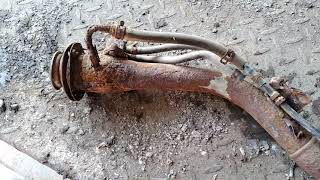
While the P0456 code is common on many cars, the 2009-2013 (SH generation) Forester, like many Subarus of its era including the Impreza, Legacy, and Outback, is particularly susceptible to a rusted fuel filler neck. This issue is especially prevalent in regions using road salt, where moisture and debris get trapped behind the rear wheel well liner, causing the metal pipe to corrode. This corrosion can create a rough, pitted surface that prevents the gas cap from sealing properly or can form tiny pinhole leaks in the neck itself, making it a primary suspect right after the gas cap.
Symptoms You May Notice
- Check Engine Light is on
- Cruise control is disabled (blinking 'CRUISE' light on the dash)
- Traction control/Vehicle Dynamics Control (VDC) is disabled (light on)
- A faint fuel smell near the rear of the vehicle, especially after refueling (less common)
- Slightly longer crank time to start the engine (rare)
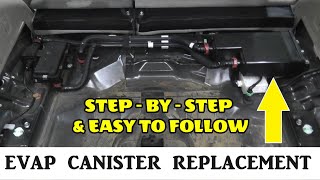
- Replacing the charcoal canister when the leak is actually a small, inexpensive hose connected to it. 🎬 Watch: How to properly replace a Subaru charcoal canister.
- Replacing the purge valve in the engine bay when the leak is a rusted filler neck at the rear of the vehicle.
- Replacing the gas cap with an aftermarket version that also fails to seal properly, leading the owner to believe the cap was not the problem.
Most Likely Causes
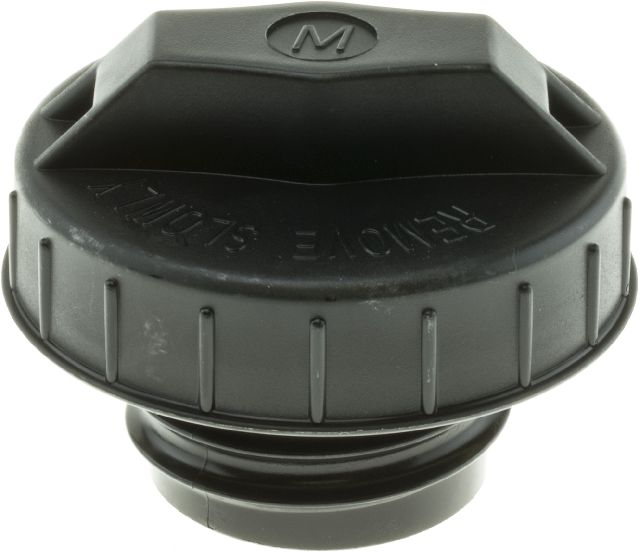
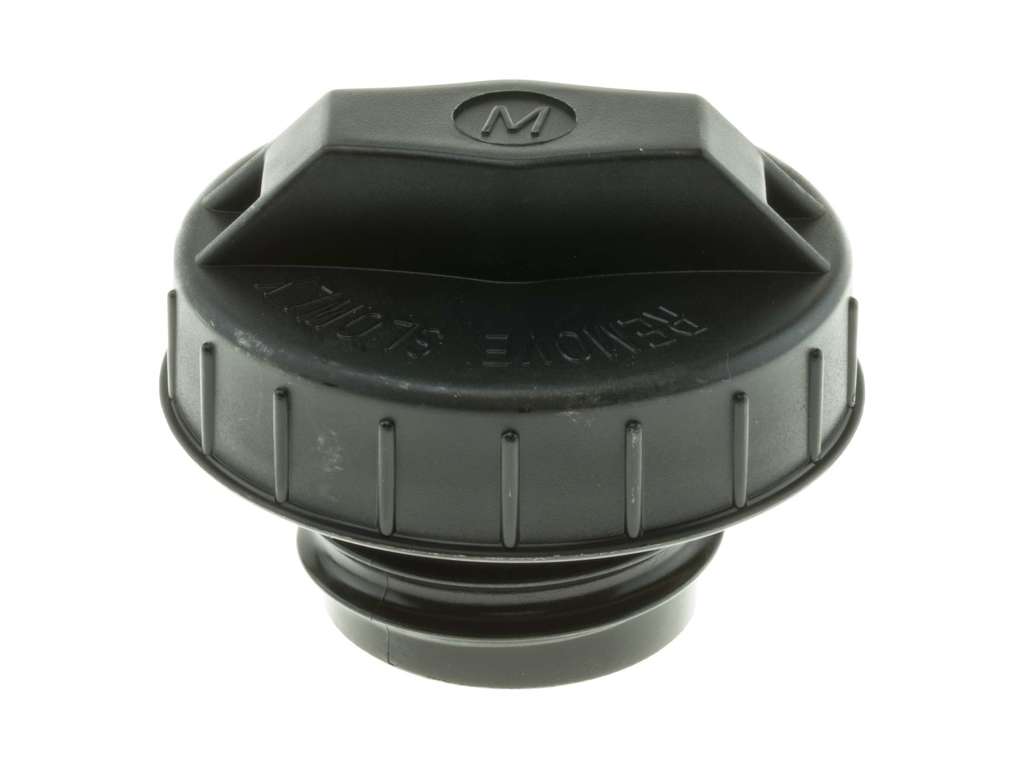
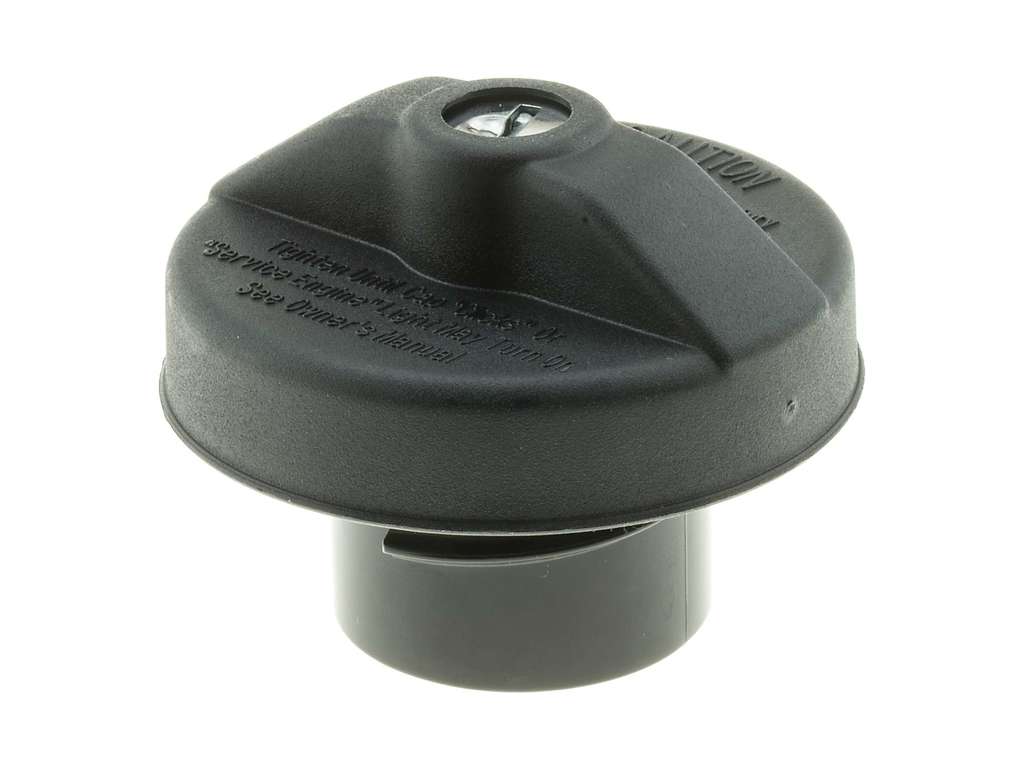
- Loose or Worn Gas Cap 🔴 High Probability → Shop Fuel Tank Cap The rubber O-ring on the gas cap hardens, flattens, and cracks over time, preventing a proper seal. Aftermarket caps are a frequent source of issues, as their seals may not meet the precise pressure requirements of the Subaru EVAP system.
How to confirm: First, ensure the cap is tightened until it clicks at least once. Remove the cap and inspect the rubber seal for cracks, stiffness, or deformities. If the seal is not pliable, it's likely bad. Many owners report that only a genuine OEM cap will solve the problem.
Typical fix: Replace the gas cap. It is highly recommended to use a genuine OEM Subaru part to ensure a perfect seal. Clear the code after replacement and wait several drive cycles for the EVAP monitor to run again.
Est. part cost: $30-$50 - Rusted Fuel Filler Neck 🔴 High Probability → Shop Fuel Filler Neck Extremely common on Subarus in salt-belt states. The metal pipe rusts where it meets the gas cap or along its length, creating a leak. The design allows road salt and moisture to become trapped against the pipe, accelerating corrosion.
How to confirm: Remove the right rear wheel and the plastic splash shield in the wheel well to visually inspect the entire filler neck. Look for bubbling paint, flaking rust, or a pitted surface on the lip where the gas cap seals. A smoke test will definitively show leaks from pinholes in the pipe. Some owners find the leak by lightly sanding the neck and seeing fuel weep from tiny holes.
Typical fix: The rusted filler neck must be replaced. While some attempt temporary repairs with fuel-safe epoxy, replacement is the only permanent solution. This involves removing the rear wheel and liner to access and swap the part. It is a manageable DIY job for those comfortable working with rusty components. 🎬 Watch: Step-by-step guide to replacing a rusted filler neck.
Est. part cost: $140-$210 - Cracked or Disconnected EVAP Hoses 🟡 Medium Probability Rubber hoses become brittle with age and exposure to heat and elements, leading to small cracks, particularly at connection points near the canister or purge valve.
How to confirm: Visually inspect all accessible EVAP lines running from the fuel tank to the charcoal canister and to the engine bay. A smoke test is the most effective way to find a small hose leak. Pay close attention to the small vent hose that runs alongside the fuel filler neck.
Typical fix: Replace the cracked section of hose. Ensure clamps are secure. Small zip ties can sometimes be used to snug up a slightly loose connection as a temporary measure.
Est. part cost: $10-$40 - Faulty Purge Control Solenoid Valve ⚪ Low Probability → Shop Vapor Canister Purge Solenoid
How to confirm: The valve is normally closed when the engine is off. Remove it (typically located in the engine bay) and try to blow through it; if air passes, it's stuck open and faulty. You can also apply 12V power to the terminals and listen for a 'click' to see if the solenoid actuates.
Typical fix: Replace the purge control solenoid valve.
Est. part cost: $40-$90 - Faulty Canister Vent Valve ⚪ Low Probability → Shop Vapor Canister The valve can get stuck open due to dirt or internal failure, preventing the system from sealing for its self-test.
How to confirm: This valve is located near the charcoal canister at the rear of the vehicle, often above the rear differential. It is normally open. It can be tested by applying 12V to see if it closes. A smoke test will often reveal a leak at the vent valve if it's stuck open during the test cycle.
Typical fix: Replace the vent valve assembly. Access can be tight, and the mounting hardware is often very rusty.
Est. part cost: $50-$100
Rare But Worth Checking
- Cracked Charcoal Canister: → Shop Vapor Canister The plastic housing of the canister itself can develop hairline cracks over time, causing a leak. This is usually found with a smoke test after all other components have been checked.
- Overly Sensitive ECM Logic: Subaru issued TSB 11-126-12 for some 2012 Foresters where the ECM could falsely trigger P0456 without a physical leak. The fix is an ECM reprogram, but this should only be done by a dealer after confirming no physical leak exists via a smoke test.
- Leaking Fuel Pump Gasket: → Shop Fuel Pump The O-ring that seals the fuel pump assembly to the top of the fuel tank can fail, creating an EVAP leak. This is less common but can occur, especially if the fuel pump has been replaced previously. A smoke test would reveal smoke escaping from under the rear seat area where the pump is accessed.
Diagnosis Steps
- Read the code with an OBD-II scanner to confirm P0456.
- Inspect the gas cap. Ensure it is tight. Remove it and check the rubber O-ring for cracks, brittleness, or damage. If in doubt, replace it with a genuine OEM cap as the first step.
- Clear the code and drive for a few days to see if it returns. The EVAP monitor runs under specific conditions (e.g., certain fuel level, ambient temperature), so it may take time.
- If the code returns, perform a thorough visual inspection of the fuel filler neck. Remove the right rear wheel and plastic liner for full access. Check for rust, bubbling paint, and especially pitting on the sealing surface.
- Inspect all visible EVAP hoses and lines, particularly around the charcoal canister (located near the rear axle) and in the engine bay near the purge solenoid, for any obvious cracks or loose connections.
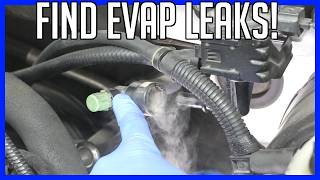
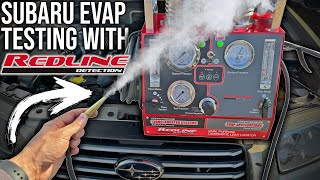
- If no visual faults are found, the most effective next step is to have a smoke test performed. This involves injecting pressurized, UV-dyed smoke into the EVAP system to reveal the exact location of the pinhole leak. 🎬 Watch: See a professional smoke test on a Forester.
- Based on the smoke test results, replace the leaking component. This is the most reliable way to avoid replacing parts unnecessarily.
- If no leak is found on a 2012 model, consult a dealer regarding TSB 11-126-12 for a potential ECM reprogram.
Parts You'll Likely Need
- Fuel Filler Cap (Gas Cap)
(OEM #42031SC000)— This is the most common and cheapest failure point. The seal degrades, causing a leak. Owner forums overwhelmingly recommend using a genuine Subaru OEM part, as aftermarket caps are a known cause of repeat failures.
Trusted brands: Subaru (OEM)
OEM price range: $30-$50
Aftermarket price range: $15-$30 - Fuel Filler Neck
(OEM #42066SC030)— A very common failure on these Foresters due to rust, especially in northern climates. The rust prevents the cap from sealing or creates pinholes in the pipe itself.
Trusted brands: Subaru (OEM), Spectra Premium
OEM price range: $140-$210
Aftermarket price range: $100-$170 - Vapor Canister Purge Solenoid
(OEM #16102AA490)— Located in the engine bay, this valve can stick open, creating a constant small leak. It's a less common cause than the cap or filler neck.
Related Codes That Often Appear With This One
- P0457 — Indicates a leak detected, often specifically pointing to a loose or missing fuel cap. It can appear if the gas cap is the primary issue or if it was left loose after refueling.
- P0442 — Indicates a 'medium leak' detected, which is a slightly larger leak than P0456. The causes are identical, and this code may appear if a small leak worsens over time.
Technical Service Bulletins (TSBs) & Recalls
- 11-126-12: Addresses an overly sensitive EVAP monitor on some 2012 models that could set a P0456 code without a physical leak. The fix is an ECM update, to be performed by a dealer only after verifying no leak exists.
Platform-Specific Known Issues
- The fuel filler neck is highly prone to rusting through, which is a leading cause of P0456 on this platform after the gas cap has been ruled out. This is a well-documented issue in online owner communities.
- On Subarus, a Check Engine Light for an emissions code like P0456 will typically also illuminate the traction control warning light and cause the cruise control light to flash, disabling those systems until the fault is cleared. This is normal behavior designed to get the driver's attention.
Mechanic-Grade Diagnostic Values
- Canister Vent Valve / Drain Valve Solenoid Resistance — expected: 20 - 50 Ohms. Failure: A reading outside this range, or an open circuit (infinite resistance), indicates a failed solenoid coil.
- Canister Vent Valve / Drain Valve Voltage Test — expected: Approximately 12V (battery voltage) at one pin of the connector with the key in the ON position.. Failure: No voltage suggests a wiring issue or blown fuse upstream of the valve. The other wire is a ground controlled by the ECM.
Scan Tool Commands That Help
- Subaru Select Monitor (SSM): Evaporative System Leak Test (Forced Self-Test) — This is the Subaru-recommended first step for any EVAP DTC, even before a smoke test. The SSM can command the system to run its internal leak check procedure, which uses vacuum and measures pressure changes. This can confirm the presence of a leak and sometimes help differentiate between leak sizes without introducing smoke, which Subaru warns can contaminate the sensitive Electronic Leak Check Module (ELCM) used on later models.
- Professional Bidirectional Scan Tool: Vent Valve Control (On/Off) — During a smoke test, the vent valve (which is normally open) must be commanded closed to seal the system and allow it to build pressure. A scan tool is used to send this command. You can also use this function to listen for an audible 'click' from the valve to confirm the solenoid is actuating.
Wiring & Ground Locations
- GB-9 — Located on the left rear of the vehicle chassis.. This is a primary chassis ground point for components at the rear of the vehicle. A corroded or loose GB-9 ground could cause intermittent or faulty operation of the canister vent valve and other nearby EVAP components, which are located in this area.
- Purge Control Solenoid Valve Connector (D29) — In the engine bay, connected to the purge control solenoid valve.. This is the connector for the purge valve. When diagnosing a faulty valve, technicians will test for voltage and ground at the pins of this connector. A 2010 Forester wiring diagram identifies this as connector D29.
- Drain Valve Connector (C17) — At the rear of the vehicle, connected to the canister drain valve (vent valve).. This is the connector for the canister vent valve. A 2010 Forester wiring diagram identifies this as connector C17. Checking for power and ground at this connector is a key step in diagnosing a faulty vent valve.
Real Owner Repair Stories
- YouTube video comment section / personal account (Subaru with P0456) — P0456 error code.
❌ Tried (didn't work) Replaced gas cap, Replaced purge valve
✅ What actually fixed it A smoke test revealed the fuel filler neck was the source of the leak. Replacing the fuel filler neck resolved the code. - Subaru Forester forum user (2003-2008 generation Forester (similar issue)) — Check engine light with EVAP codes, cruise control disabled.
❌ Tried (didn't work) Initial diagnosis pointed to various EVAP components.
✅ What actually fixed it The fuel filler neck was extremely rusted. Replacing the filler neck, along with the associated check valve which was too rusted to remove from the old neck, fixed the problem. The user noted the importance of having replacement hoses and hardware ready as they are likely to be brittle or break during the repair.
"I Checked Everything" — The Actual Cause
- If a smoke test shows no leaks, the issue is often an intermittently failing component rather than a static leak. The most likely culprit is the canister vent valve (drain valve) sticking open only during certain conditions, or the purge valve in the engine bay not sealing perfectly every time it closes. A technician might tap on the valves during a smoke test to see if it can induce the leak. If still nothing, replacing the vent valve is a common next step, as it lives in a harsh environment at the rear of the car and is prone to failure from dirt and corrosion.
When the Usual Fixes Don't Work
- While the gas cap and filler neck are the most common culprits, a significant number of owners have chased the P0456 code by replacing these parts only to find the issue was elsewhere. In one documented case, a user replaced the gas cap and purge valve, but the code only resolved after a smoke test identified a leaking fuel filler neck. This underscores the value of a definitive smoke test before replacing multiple parts, as it can save money and time by pinpointing the exact leak source, which could be any of the dozen components in the sealed system.
OEM Part Supersession History
Not specified, but multiple revisions exist.→42066SC030— This is the current OEM part number for the fuel filler neck for the 2009-2013 Forester.
Heads up: Part 42066SC030 is specified for the 2009-2013 Forester. While other Subaru filler necks may look similar, using the wrong part number can lead to fitment issues with the body or connecting hoses.
Diagnostic Flowchart
Other Known Issues on This Vehicle
Issues unrelated to this code that are worth knowing about as an owner of this generation:
- Excessive Oil Consumption (FB25 Engine) 🔴 High — Common in 2011-2013 models with the FB25 engine. Can start as early as 30,000-60,000 miles. Consumption can exceed 1 quart per 1,200 miles. (Ref: TSB 02-157-14R (revised). Led to a class-action lawsuit and warranty extension (8 years/100,000 miles). The fix is a replacement of the engine short block.)
- Head Gasket Leaks (EJ25 Engine) 🔴 High — Primarily affects 2009-2010 models with the EJ25 engine. Typically presents as an external oil leak between 80,000 and 150,000 miles. (Ref: No specific recall, but a widely known issue. Repair involves replacing the single-layer graphite gaskets with multi-layer steel (MLS) gaskets, like those used on the turbo models, for a permanent fix.)
- Failing Catalytic Converter 🟠 Medium — Reported in some 2009 models, often leading to a P0420 code. Can occur at various mileages, sometimes under 100,000 miles.
- Broken Driver's Seat Frame Weld 🟡 Low — A number of owners of 2010 models reported a broken weld on the left side of the driver's seat frame, causing the seat to rock or feel loose.
- Air Conditioning (A/C) System Failures 🟠 Medium — Frequently mentioned problem, often related to compressor failure or leaks in the system. Can occur at any mileage.
Used vs. New Parts: Buying Guide for This Vehicle
When a used part is the smart pick: A used fuel filler neck can be a good value IF it comes from a vehicle in a dry, rust-free climate. A used charcoal canister assembly from a low-mileage, non-accident vehicle is also a viable option, as they are durable but expensive new.
Donor-vehicle mileage cap: roughly under 100000 miles for the part to have meaningful remaining life.
What to inspect on the donor part:
- For a fuel filler neck, demand clear photos showing zero rust, especially on the cap sealing surface and along the pipe seams.
- For a charcoal canister, ensure there are no visible cracks in the plastic housing and that all hose nipples are intact and not brittle.
- Verify the donor vehicle's location; avoid parts from the 'rust belt' (Northeast and Midwest US/Canada) for any metal EVAP components.
OEM-only on this vehicle (don't cheap out):
- Fuel Filler Cap (Gas Cap): The overwhelming consensus from owner forums and mechanics is that aftermarket gas caps frequently fail to seal correctly and will not resolve the P0456 code. Always buy a genuine Subaru OEM cap.
Aftermarket brands forum-validated for this vehicle:
- Spectra Premium: Often cited as a reliable aftermarket manufacturer for fuel filler necks if an OEM part is unavailable or too costly.
Brands owners have reported issues with on this vehicle:
- Generic/Unbranded Gas Caps: Any non-OEM gas cap should be considered a likely cause of the problem, not a solution.
Real Owner Stories
Aggregated from forums and TSBs cited above. Mileages and costs reflect what owners reported in those sources.
2012 Subaru Forester
Symptoms: Check engine light for code P0456.
What fixed it: Replacing an aftermarket gas cap with a genuine OEM Subaru gas cap.
Source hint: Reddit (r/SubaruForester, r/subaru) thread titled '2012 Subaru Forester, engine code P0456'
2009-2013 Subaru Forester (SH Platform)
Symptoms: Check Engine Light, blinking cruise light, and traction control light on. Visual inspection showed rust behind the plastic splash shield.
What fixed it: Replacement of the rusted fuel filler neck.
Source hint: subaruforester.org forum threads regarding SH Forester P0456 causes
2012 Subaru Forester
Symptoms: P0456 code triggered but no physical leak could be found during inspection.
What fixed it: ECM reprogram per TSB 11-126-12.
Source hint: TSB 11-126-12
Related OBD-II Codes
Frequently Asked Questions
Why are my cruise control and traction control lights on along with the Check Engine Light?
Is there a specific TSB for the P0456 code on the 2012 Forester?
Should I buy an aftermarket gas cap to fix this code?
Where is the fuel filler neck located, and why does it fail on this model?
How can I check if my purge control solenoid is the cause of the P0456?
Does the 2011-2013 Forester have other known issues I should check while fixing this?
Helpful Videos
![How to Fix P0456 Engine Code in 3 Minutes [2 DIY Methods / Only $4.44]](https://img.youtube.com/vi/v_QDSjd1-Lw/mqdefault.jpg)
![How to Fix P0456 Engine Code in 7 Minutes [7 DIY Methods / Only $3.44]](https://img.youtube.com/vi/njt81AALI3U/mqdefault.jpg)
We Have This Part in Stock


The information in this article is provided for general reference and educational purposes only. Vehicle specifications, procedures, and part compatibility can vary by production date, trim level, and region. Always consult your vehicle's factory service manual and verify part numbers before purchasing or performing repairs. Safety-critical components such as airbags, seat belts, and braking systems should be installed by a qualified professional.
- Subaru Forester:
- 🧭 Diagnostic Flowchart
- 🎬 Helpful Videos
- 🛍️ Shop This Part
- What's Unique About the 2009-2013 Subaru Forester
- Symptoms You May Notice
- Most Likely Causes
- Rare But Worth Checking
- Diagnosis Steps
- Parts You'll Likely Need
- Related Codes That Often Appear With This One
- Technical Service Bulletins (TSBs) & Recalls
- Platform-Specific Known Issues
- Mechanic-Grade Diagnostic Values
- Scan Tool Commands That Help
- Wiring & Ground Locations
- Real Owner Repair Stories
- "I Checked Everything" — The Actual Cause
- When the Usual Fixes Don't Work
- OEM Part Supersession History
- Other Known Issues on This Vehicle
- Used vs. New Parts: Buying Guide for This Vehicle
- Real Owner Stories
- 2012 Subaru Forester
- 2009-2013 Subaru Forester (SH Platform)
- 2012 Subaru Forester
- Related OBD-II Codes
- Frequently Asked Questions
- 🎟️ Get 5% Off