

P0456 on 2003-2009 Toyota 4Runner: EVAP Small Leak Causes and Fixes
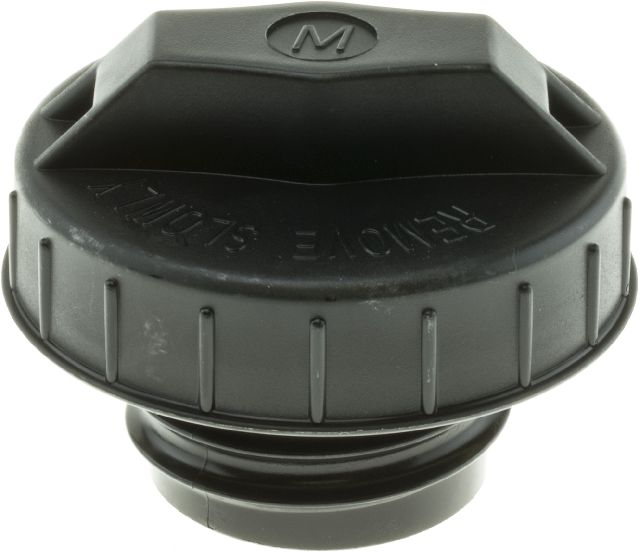
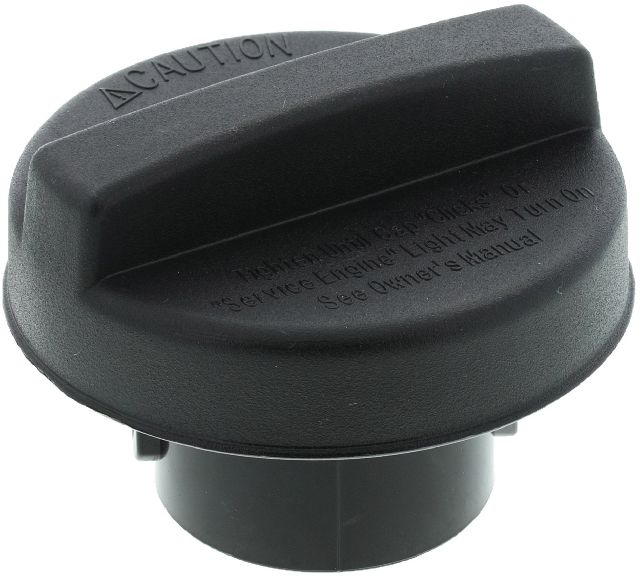
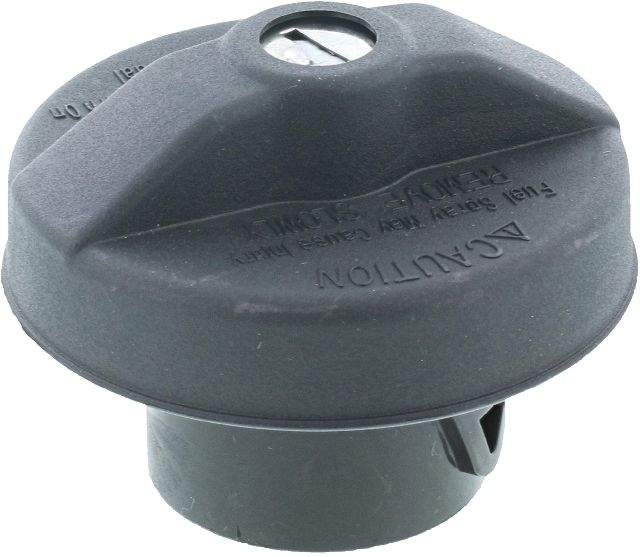
For a P0456 code on a 4th gen 4Runner, the most likely fix is replacing the gas cap with an OEM part for about $25-$40. If that doesn't work, check for cracked EVAP hoses in the engine bay, especially near the purge valve (VSV), before suspecting the more expensive charcoal canister located above the spare tire.
- Always start with the simplest and cheapest fix: a new OEM gas cap (part #77300-47010).
- If a new gas cap doesn't solve the code after a few days of driving, inspect the small EVAP hoses in the engine bay for cracks.
- Do not replace other expensive parts like the purge valve or canister without confirming the leak with a smoke test.
- On the 2003-2009 4Runner, the charcoal canister assembly is a known failure point for this code, but it should only be replaced after a smoke test confirms it is the source of the leak.
What's Unique About the 2003-2009 Toyota 4Runner
While the gas cap is a common culprit for P0456 on most vehicles, the 4th generation 4Runner is also known for failures of the charcoal canister assembly, which is located above the spare tire. Owners often find that after replacing the gas cap and checking engine bay hoses, a professional smoke test points to a crack in the canister housing. This is a well-documented issue and a more involved and expensive repair than the typical gas cap fix. Additionally, the small vacuum hoses in the engine bay connected to the purge valve are prone to becoming brittle and cracking from engine heat, which is another frequent cause of this specific code.
Symptoms You May Notice
- Check Engine Light is on
- VSC TRAC and/or VSC OFF lights may also illuminate simultaneously with the Check Engine Light.
- A faint smell of gasoline, particularly after refueling or near the rear of the vehicle.
- Slightly reduced fuel economy (though often not noticeable).
- Replacing the purge valve/solenoid before thoroughly checking the gas cap and inspecting for cracked hoses. A new OEM gas cap is a cheap and highly effective first step that should not be skipped.
- Using a cheap aftermarket gas cap, which often does not seal correctly, leading the owner to believe the gas cap was not the problem.
Most Likely Causes
- Loose or Worn Gas Cap 🔴 High Probability → Shop Fuel Tank Cap The rubber O-ring on the gas cap degrades over time from exposure to fuel and weather, losing its ability to create a perfect seal. This is extremely common on all vehicles and is often the first and easiest fix. Toyota issued a Technical Service Bulletin (T-SB-0030-10) for 2005-2009 models related to this issue causing EVAP codes. Many owners on forums like Reddit and Toyota-4Runner.org report that using a cheap aftermarket cap fails to solve the problem, and an OEM cap from the dealer is necessary.
How to confirm: Inspect the gas cap's rubber seal for cracks, stiffness, or damage. Ensure it clicks at least once when tightened. Some owners have noted that corrosion or debris on the fuel filler neck itself can prevent a good seal; cleaning the filler neck surface with a light abrasive like a Scotch-Brite pad can help a new cap seal properly.
Typical fix: Replace the gas cap with a new, OEM (Original Equipment Manufacturer) part. Aftermarket caps are a poor fit and a common reason for the code to persist after replacement.
Est. part cost: $25-$40 - Cracked EVAP Hoses 🟡 Medium Probability The rubber vacuum hoses in the engine bay, especially those connected to the purge valve (VSV), are exposed to constant engine heat. Over many years, they become brittle and develop small cracks, particularly at the ends where they connect to fittings.
How to confirm: Visually inspect all accessible EVAP hoses in the engine bay. Pay close attention to the ends where they connect to the purge valve/solenoid. A YouTube video by 'DanielJaegerFilms' shows a common failure point is a cracked hose right at the purge valve connection, which may only be visible when the clamp is moved and the hose is flexed. A smoke test is the most definitive way to find a cracked hose if it's not obvious.
Typical fix: Replace the cracked section of hose. This is typically inexpensive and can be done with basic tools.
Est. part cost: $5-$20 - Faulty Charcoal Canister Assembly 🟡 Medium Probability → Shop Vapor Canister The plastic housing of the charcoal canister, located above the spare tire, can develop cracks over time due to age and exposure to the elements. This is a well-documented issue on 4th gen 4Runners and often the culprit when a new gas cap doesn't fix the code. Over-filling the gas tank repeatedly can also flood the canister with liquid fuel, destroying the charcoal media and causing related EVAP codes.
How to confirm: This leak is best found with a smoke test. A mechanic will introduce smoke into the EVAP system, and if the canister is cracked, smoke will be seen escaping from its housing. Access requires lowering the spare tire.
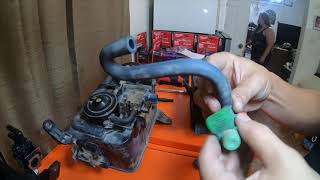
Typical fix: The entire charcoal canister assembly must be replaced. This involves lowering the spare tire for access and can be a DIY job, though the bolts are often rusted and may require heat to remove. 🎬 Watch: A walkthrough of the charcoal canister installation and info.
Est. part cost: $350-$500
Rare But Worth Checking
- Faulty Purge Valve / Solenoid (VSV): → Shop Vapor Canister The purge valve, located in the engine bay, can get stuck slightly open or closed. While it can fail, it's less common than the gas cap or canister on this model. It can be tested by applying 9-12v power to see if it clicks, and you should not be able to blow through it when it is unpowered.
- Cracked Fuel Filler Neck: → Shop Fuel Filler Neck Rust and corrosion can cause small holes or cracks in the metal tube that leads from the gas cap to the fuel tank, creating a leak. This is more common in regions that use road salt and can be difficult to spot without a smoke test.
- Faulty Fuel Tank Pressure Sensor: → Shop Fuel Tank It is possible for the sensor itself to fail, sending incorrect data to the ECU and falsely triggering a leak code. This is rare and should only be considered after all other leak sources have been ruled out via a smoke test.
Diagnosis Steps
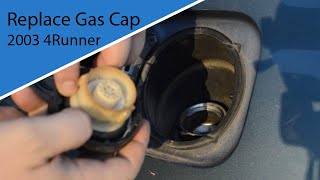
- Inspect and Tighten Gas Cap: Ensure your gas cap is tight and clicks when secured. Check the rubber gasket for any signs of cracking or wear. If it's old, worn, or an aftermarket brand, replace it with an OEM part from a Toyota dealer. 🎬 Watch: How to properly replace your gas cap and clear codes.
- Clear Code and Drive: After replacing the gas cap, clear the code with a scanner. You will need to complete a full drive cycle (which can take a few days of normal driving) for the EVAP monitor to run and confirm the fix. Some owners report the light turning off on its own after 6-10 engine cycles.
- Visual Inspection of Engine Bay Hoses: If the code returns, pop the hood and carefully inspect all the small rubber vacuum lines associated with the EVAP system, particularly around the purge solenoid (VSV). Flex the hoses gently to reveal hidden cracks. Pay special attention to the hose ends right at the connection points.
- Perform a Smoke Test: If no obvious issues are found, the next step is a smoke test. This involves feeding low-pressure smoke into the EVAP system's service port to find the source of the leak. 🎬 See a professional diagnostic strategy for finding small EVAP leaks. This is the most effective way to find hairline cracks in hoses or the charcoal canister.
- Inspect Charcoal Canister: During the smoke test, lower the spare tire and pay close attention to the charcoal canister assembly. This is a common failure point, and smoke will often be seen escaping from a crack in the plastic housing.
- Test Purge and Vent Solenoids: If no leaks are found, the solenoids themselves can be tested. The purge valve (VSV) in the engine bay can be removed and tested by applying voltage to see if it clicks open and closed. It should be closed (not allow air to pass) when no voltage is applied.
Parts You'll Likely Need
- Fuel Tank Cap
(OEM #77300-47010)— This is the most common cause for P0456. The seal wears out over time. Using an OEM cap is highly recommended for a proper seal, as aftermarket versions are known to fail.
Trusted brands: Toyota (OEM)
OEM price range: $25-$40
Aftermarket price range: $15-$30 - Charcoal Canister Assembly
(OEM #77740-35490 (2003-early 2005), 77740-35531 (late 2005-2009))— A cracked canister housing is the second most common cause on this platform after the gas cap fails to resolve the issue. A smoke test will confirm the failure.
Trusted brands: Toyota (OEM), Denso
OEM price range: $350-$500
Aftermarket price range: $200-$350 - Vapor Canister Purge Valve / Solenoid (VSV)
(OEM #90910-12262)— Located in the engine bay, this valve can stick open or fail, causing a leak. It's a possible cause, though less frequent than the gas cap or canister.
Trusted brands: Toyota (OEM), Dorman
OEM price range: $80-$120
Aftermarket price range: $40-$70
Related Codes That Often Appear With This One
- P0441 — Incorrect Purge Flow. This code often appears with leak codes because a leak can affect the system's ability to properly purge vapors.
- P0442 — Evaporative Emission System Leak Detected (small leak). This is a similar code for a slightly larger leak. The causes and diagnostic steps are nearly identical.
- P0455 — Evaporative Emission System Leak Detected (large leak). If you see this code, it often points to a very loose or missing gas cap, or a large, obvious disconnection in an EVAP hose.
Technical Service Bulletins (TSBs) & Recalls
- T-SB-0030-10: Addresses P0441, P0455, and P0456 codes on 2005-2009 4Runners and identifies a faulty gas cap as a potential cause.
Platform-Specific Known Issues
- Real Owner Experience: Gas Cap -> Hoses -> Canister: → Shop Fuel Tank Cap A common story on forums like Toyota-4Runner.org and Reddit involves an owner first replacing the gas cap (sometimes twice, with an OEM one the second time), then finding the code persists. The next step is often checking the engine bay hoses, where small, heat-cracked lines near the purge valve are sometimes found. If both of those fail, a professional smoke test frequently condemns the charcoal canister assembly, which is a known failure point on this vehicle.
Mechanic-Grade Diagnostic Values
- Purge Valve (VSV) Resistance — expected: 15 to 38 ohms at room temperature. One source specifies 15-30 ohms, another 30-38 ohms.. Failure: A reading outside this range (open circuit or short) indicates a faulty valve coil.
- EVAP Canister Vent Solenoid Resistance — expected: 48 to 65 ohms. Failure: A reading outside this range indicates a faulty solenoid coil.
- Techstream EVAP Test Vacuum Decay Rate — expected: A healthy, sealed system should have a very low decay rate. One user reported a final passing value of 0.097mmHg/sec for the canister and tank combined.. Failure: A higher decay rate indicates a leak. The same user reported a P0456 with a decay rate of 0.34mmHg/sec, showing how sensitive the system is.
Hidden / Shadow Codes Worth Checking
- Mode $06, Test ID $82: This is not a 'code' but a specific monitor within the OBD-II system that checks the EVAP system leak status. Advanced scan tools can read Mode $06 data to see if the system has passed or failed its last test, sometimes before a full drive cycle has completed and set a pending DTC. (see via An advanced scan tool with Mode $06 capability, such as Toyota Techstream.)
Scan Tool Commands That Help
- Toyota Techstream (or compatible advanced scanner like Snap-on, Launch): EVAP System Check (Automatic Mode) or 'Leak Check (0.02")' — This is a bidirectional control function that forces the EVAP system to run its self-test on command, simulating the monitor without waiting for the vehicle's natural cold-soak cycle (which can be over 5 hours). It activates the valves and pump to pull a vacuum and monitors the decay rate, confirming if a leak is present. It will set a pending code if the test fails, confirming the fault exists before you start replacing parts.
Wiring & Ground Locations
- Ee (4.0L V6) — On the rear of the right cylinder head.. This is a primary ground point for the Engine Control Module (ECM). A poor connection here can cause erratic sensor readings and false codes.
- Ig — On the left kick panel, inside the cabin.. This is a ground point for the Driver Side Junction Box, which is involved in power distribution to various systems.
- Bn — On the left rear of the frame.. This ground is physically close to the charcoal canister and fuel tank assembly. Corrosion at this point could affect the operation of the canister pump module or sensors.
Real Owner Repair Stories
- Reddit user 'roambuild' on r/4Runner (4th Gen 4Runner) — P0456 code (EVAP System Leak Detected - very small leak)
❌ Tried (didn't work) Replaced gas cap, Replaced purge valve with an Amazon part, Performed a smoke test which found no leaks
✅ What actually fixed it The issue was unresolved in the thread, but the mechanic's final diagnosis after the clean smoke test was a faulty canister pump that was 'not pumping correctly'. The recommended next step was to replace the entire charcoal canister assembly. This highlights a scenario where a standard smoke test can be inconclusive. - YouTube channel 'DanielJaegerFilms' (2007 Toyota (model not specified, but relevant to Toyota EVAP systems)) — P0456 code and VSC light
❌ Tried (didn't work) Initial visual inspection did not reveal the leak.
✅ What actually fixed it The technician found a very small, brittle crack in the EVAP hose right at the connection to the purge valve in the engine bay. The crack was hidden by the hose clamp and only became visible when the clamp was moved and the hose was flexed. Replacing the small section of rubber hose fixed the code. - NHTSA ODI #10916385 — An owner reported purchasing a used vehicle where the P0456 code, along with several others, had been cleared by the selling dealership, but the vehicle required immediate repairs to address the underlying issues.
"I Checked Everything" — The Actual Cause
- In a documented case on Reddit, a 4th gen owner had a P0456 code that persisted after replacing the gas cap and purge valve. A professional smoke test was performed and found NO leaks. However, the technician noted that the canister's leak detection pump was not operating correctly during the test. The final recommendation, despite the 'clean' smoke test, was to replace the entire charcoal canister assembly, as the pump is integrated into it.
OEM Part Supersession History
77740-35481→77740-35482— Part revision or manufacturer change. Functionally equivalent.77740-35392→Unknown, older part for 3rd Gen but sometimes confused in catalogs.— This part number appears to be for the 3rd Generation 4Runner (1996-2000) and is not compatible with the 4th Gen.
Heads up: Ensure the part number matches the 2003-2009 range. Using a 3rd Gen canister will not work.
Model Year Variations Within This Range
- 2003-2009: The EVAP system on the 4th generation 4Runner uses a leak detection pump (LDP) integrated into the charcoal canister assembly. This is a more complex system than on older vehicles. The ECM uses this pump to create a vacuum for the leak test, which is why a faulty pump can trigger a leak code even if there are no physical leaks in the hoses.
- 2003-early 2005 vs. late 2005-2009: As noted in Pass 2, the charcoal canister assembly itself changed part numbers around the 2005 model year. The primary part numbers are 77740-35490 for early models and 77740-35531 for later models. The parts are not interchangeable due to different mounting or hose connections.
Diagnostic Flowchart
Other Known Issues on This Vehicle
Issues unrelated to this code that are worth knowing about as an owner of this generation:
- Premature Frame Rust/Corrosion 🔴 High — Very common, especially in the salt belt. Can become structurally unsafe. Lawsuits were filed regarding this issue. (Ref: No official recall was issued for the 4Runner, unlike the Tacoma/Tundra, but it is a widely acknowledged problem.)
- Seized Brake Calipers 🟠 Medium — Extremely common, particularly the front calipers. Pistons seize due to corrosion, causing brake drag, pulling, and overheating.
- Cracked Dashboard 🟡 Low — Very common on 2003-2005 models. The dash material becomes brittle and develops large cracks due to heat and sun exposure. (Ref: Toyota had a warranty enhancement program (ZE6) to replace them, but it has since expired.)
- Head Gasket Failure (V6 - 1GR-FE) 🔴 High — A known issue on early 4.0L V6 engines (approx. 2003-2006), typically occurring after 125k miles. Symptoms include unexplained coolant loss and engine overheating.
- Cracked Exhaust Manifolds (V8 - 2UZ-FE) 🟠 Medium — Common on the 4.7L V8 engine. The integrated catalytic converter design leads to thin manifold walls that crack over time, causing an exhaust leak ticking noise. (Ref: A Technical Service Bulletin was issued, but often the replacement parts had the same design flaw.)
Used vs. New Parts: Buying Guide for This Vehicle
When a used part is the smart pick: For the expensive charcoal canister assembly, a used part from a donor vehicle can be a cost-effective option. It is a gamble, as the used part could have the same hairline crack issue, but the potential savings are significant ($100-150 used vs. $400+ new).
Donor-vehicle mileage cap: roughly under 120000 miles for the part to have meaningful remaining life.
What to inspect on the donor part:
- Prioritize donors from dry, salt-free climates (e.g., Southwest US) to minimize rust on bolts and potential corrosion damage.
- Visually inspect the plastic housing of the canister for any obvious cracks, stress marks, or signs of physical damage.
- If possible, check the donor vehicle's VIN for its history to avoid parts from flood or severe accident vehicles.
- Ask the seller if they can guarantee it was from a vehicle that was not throwing EVAP codes.
OEM-only on this vehicle (don't cheap out):
- Gas Cap: This is the most critical part to buy OEM. Aftermarket gas caps are the number one cause of a P0456 code returning after a 'fix' because their seals and thread tolerances are often incorrect.
Aftermarket brands forum-validated for this vehicle:
- Denso: Denso is the original equipment manufacturer for many Toyota parts, including the charcoal canister. A Denso-branded part is often identical to the Toyota OEM part but may be cheaper.
Brands owners have reported issues with on this vehicle:
- Generic/No-Name Gas Caps: Widely reported on forums to not seal correctly and fail to resolve the P0456 code.
- Inexpensive Amazon/eBay Purge Valves: While tempting, some owner stories report these failing quickly or not working correctly out of the box, leading to more diagnostic frustration.
Real Owner Stories
Aggregated from forums and TSBs cited above. Mileages and costs reflect what owners reported in those sources.
2005-2009 Toyota 4Runner
Symptoms: Check Engine Light with P0456; owner replaced the gas cap twice because the first replacement (aftermarket) didn't work.
What fixed it: Replacing the gas cap with an OEM (Original Equipment Manufacturer) part from the dealer.
Source hint: Reddit r/4thGen4Runner - 'P0456 - Remind me of the best gas cap?'
2003-2009 Toyota 4Runner
Symptoms: P0456 code persisted after gas cap replacement and checking engine bay hoses.
What fixed it: Replacement of the charcoal canister assembly after a smoke test confirmed a crack in the plastic housing.
Source hint: Toyota-4Runner.org - 'Code P0456 when it's not the gas cap'
2004-2009 Lexus GX 470
Symptoms: Warning lights: VSC OFF, VSC TRAC, Anti Skid, and CEL with code P0456.
What fixed it: Following the diagnostic path starting with the gas cap and moving to the EVAP system hoses and canister.
Source hint: ClubLexus - 'Warning lights: VSC OFF, VSC TRAC, Anti Skid, CEL - P0456'
2003-2009 Toyota 4Runner
Symptoms: Small EVAP leak code P0456; visual inspection revealed a cracked hose at the purge valve connection.
What fixed it: Replacing the cracked section of the vacuum hose near the purge valve (VSV).
Source hint: YouTube video by 'DanielJaegerFilms' cited in article context
Related OBD-II Codes
Frequently Asked Questions
Does Toyota Technical Service Bulletin T-SB-0030-10 apply to my 4Runner?
Why are my VSC TRAC and VSC OFF lights on along with the Check Engine Light?
Can I use an aftermarket gas cap from an auto parts store to fix P0456?
Where is the charcoal canister located on a 4th Gen 4Runner?
Is there a specific hose I should check in the engine bay for this code?
How many times should I click my gas cap to ensure it is sealed?
Helpful Videos

Used OEM Parts in Stock
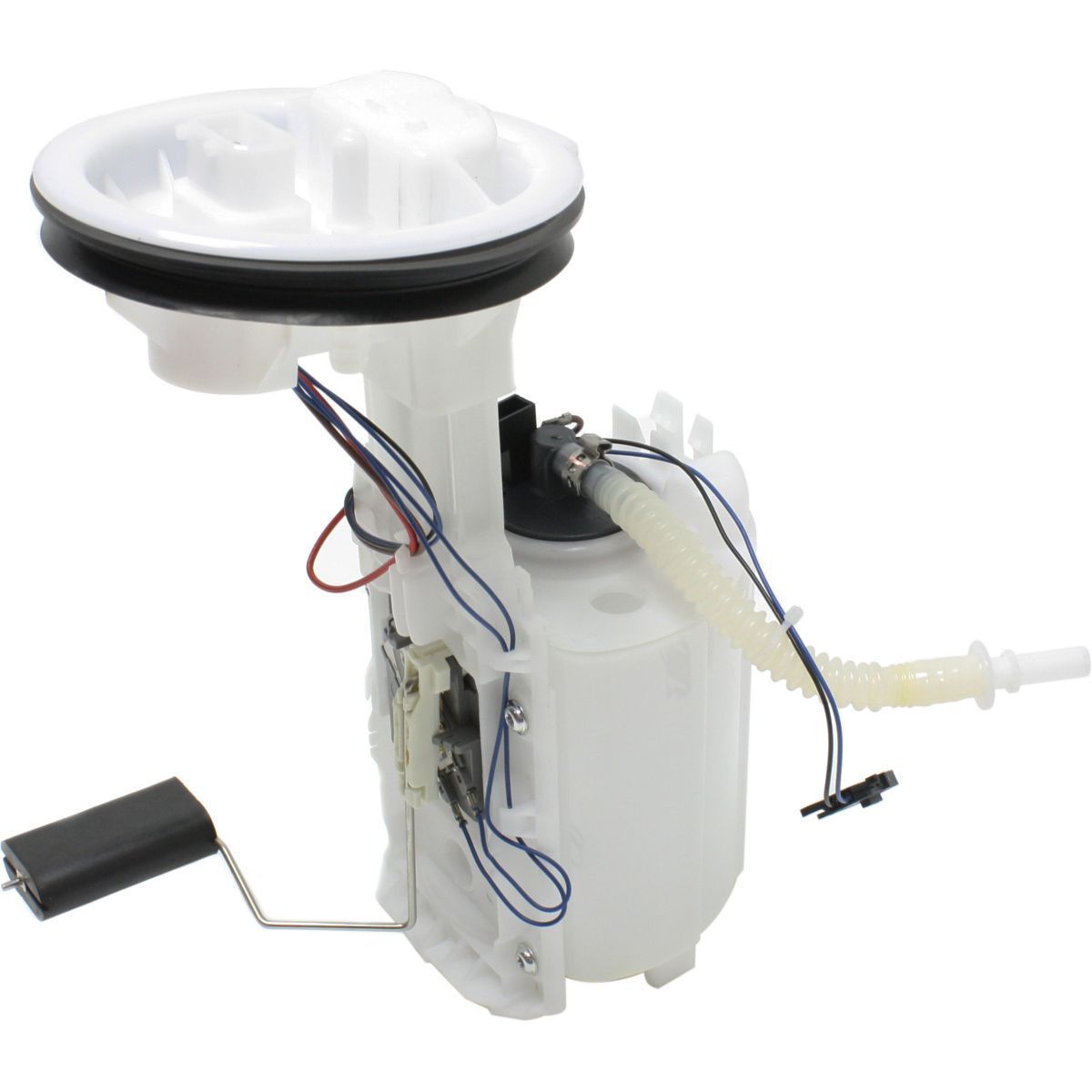
New Aftermarket Parts Available


The information in this article is provided for general reference and educational purposes only. Vehicle specifications, procedures, and part compatibility can vary by production date, trim level, and region. Always consult your vehicle's factory service manual and verify part numbers before purchasing or performing repairs. Safety-critical components such as airbags, seat belts, and braking systems should be installed by a qualified professional.
- Toyota 4Runner:
- 🧭 Diagnostic Flowchart
- 🎬 Helpful Videos
- 🛍️ Shop This Part
- What's Unique About the 2003-2009 Toyota 4Runner
- Symptoms You May Notice
- Most Likely Causes
- Rare But Worth Checking
- Diagnosis Steps
- Parts You'll Likely Need
- Related Codes That Often Appear With This One
- Technical Service Bulletins (TSBs) & Recalls
- Platform-Specific Known Issues
- Mechanic-Grade Diagnostic Values
- Hidden / Shadow Codes Worth Checking
- Scan Tool Commands That Help
- Wiring & Ground Locations
- Real Owner Repair Stories
- "I Checked Everything" — The Actual Cause
- OEM Part Supersession History
- Model Year Variations Within This Range
- Other Known Issues on This Vehicle
- Used vs. New Parts: Buying Guide for This Vehicle
- Real Owner Stories
- 2005-2009 Toyota 4Runner
- 2003-2009 Toyota 4Runner
- 2004-2009 Lexus GX 470
- 2003-2009 Toyota 4Runner
- Related OBD-II Codes
- Frequently Asked Questions
- 🎟️ Get 5% Off