

P0456 on 2014-2016 Toyota Corolla: EVAP Small Leak Causes and Fixes
For a 2014-2016 Toyota Corolla, the P0456 code is most often caused by a loose or faulty gas cap. Before buying any parts, tighten the cap and clear the code. If it returns, a known issue with the fuel filler neck alignment, covered by TSB T-SB-0086-16 for Mississippi-built (VIN starting '5YF') models, is the next likely cause. If the cap and filler neck are fine, suspect brittle EVAP hoses or a faulty purge valve.
- Always start with the simplest fix: check that your gas cap is tight and clicks.
- If the code returns, consider replacing the gas cap with a genuine Toyota part, as aftermarket caps can be problematic.
- A known issue on 2014-2016 Corollas is a misaligned fuel filler neck that prevents a good seal; this is a more likely culprit than on other cars.
- If the gas cap and filler neck seem fine, the next most likely causes are a cracked EVAP hose or a faulty purge valve.
- A smoke test performed by a mechanic is the fastest way to find the exact location of a small leak if it's not obvious.
What's Unique About the 2014-2016 Toyota COROLLA
For this specific generation of Corolla, Toyota issued a Technical Service Bulletin (T-SB-0086-16) for a unique problem. The fuel filler neck can be misaligned, preventing the gas cap from sealing correctly, even if the cap itself is new. This can cause a "no click" or "no spring return" feeling when tightening the cap and directly trigger the P0456 code. 🎬 Watch: A troubleshooting guide for the Corolla P0456 code. This TSB specifically applies to Corollas built at the TMMMS plant (VIN starting with '5YF') before a certain production change. This makes checking the filler neck's position a key diagnostic step, unlike on many other vehicles where it's a much rarer cause.
Diagnostic Flowchart
Tap your situation to follow the diagnostic path that matches what you're seeing on this vehicle.
Symptoms You May Notice
- Check Engine Light is on
- A faint fuel smell near the rear of the car (uncommon for a very small leak, but possible)
- Gas cap doesn't click or feels loose when tightened.
- Needing to drive the car for a few days or a full drive cycle for the code to appear after clearing it.
- Replacing the charcoal canister before performing a smoke test. The canister is expensive and rarely the cause of a small leak compared to the gas cap or hoses.
- Repeatedly replacing the gas cap with aftermarket versions. Many forum users report that only an OEM Toyota gas cap solved their issue after multiple aftermarket caps failed to seal correctly.
Most Likely Causes
- Loose or Faulty Gas Cap 🔴 High Probability → Shop Fuel Tank Cap This is the most common cause for a P0456 code on any vehicle. The cap's rubber seal can degrade, crack, or harden over time, or it may simply not have been tightened properly after refueling.
How to confirm: Inspect the gas cap for cracks and ensure the rubber O-ring or seal is present and in good condition. Remove and retighten the cap until it clicks at least once. It's often recommended to replace the cap if it's old or the car has high mileage, as it's an inexpensive first step.
Typical fix: Replace the gas cap. It is highly recommended to use an OEM (Original Equipment Manufacturer) cap from Toyota (Part No. 77300-07030), as some aftermarket caps may not seal correctly and can perpetuate the problem.
Est. part cost: $25-$65 - Misaligned Fuel Filler Neck 🟡 Medium Probability → Shop Fuel Filler Neck Toyota issued TSB T-SB-0086-16 specifically for 2014-2016 Corollas built in Mississippi (VIN starts with '5YF'), noting the fuel filler neck can be out of position, preventing the cap from sealing.
How to confirm: Check if the gas cap makes a solid click when tightened. Observe if the filler neck appears recessed or if the cap makes contact with the surrounding fuel shield. A technician would follow the TSB procedure, which involves removing the fuel tank filler pipe protector, loosening the filler neck bolts, repositioning it to protrude further, and retightening.
Typical fix: Loosen the filler neck mounting bolts, reposition it correctly per the TSB instructions, and then retighten the bolts. This is an adjustment and does not typically require a new part.
Est. part cost: $0 (if only adjustment is needed) - Leaking or Cracked EVAP Hoses 🟡 Medium Probability Rubber hoses in the engine bay and near the fuel tank can become brittle and crack over time due to heat and age, creating small leaks. Hoses connected to the purge valve are a common failure point.
How to confirm: Visually inspect all accessible EVAP system hoses for cracks, especially at connection points and bends. A hissing noise near a vacuum line when the engine is running can indicate a leak. A professional mechanic would use a smoke machine to feed low-pressure smoke into the EVAP system and see where it escapes.
Typical fix: Replace the cracked section of hose. Ensure clamps are secure.
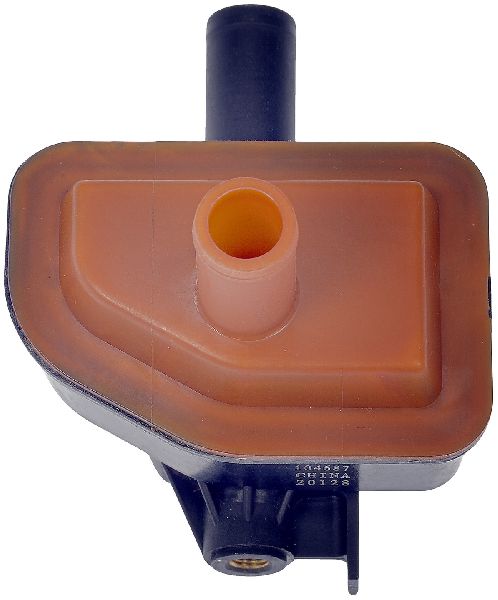
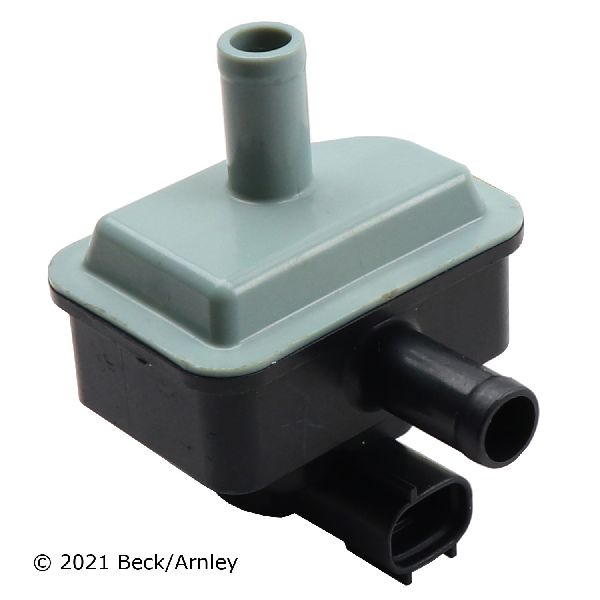
Est. part cost: $10-$50 - Faulty Purge Valve (VSV - Vacuum Switching Valve) ⚪ Low Probability → Shop Vapor Canister The purge valve, located in the engine bay, can fail to close completely or develop a small internal leak, causing a constant small leak in the system. This is a known failure point on many Toyota models.
How to confirm: With the engine off, the valve should be closed. It can be removed and tested with a hand-held vacuum pump to see if it holds a vacuum; if the vacuum gauge shows the vacuum leaking down, the valve is faulty. Some owners try blowing through it; if air passes, it's faulty. A recurring P0456 after replacing the gas cap often points to the purge valve.
Typical fix: Replace the purge valve. It is typically mounted on the engine and is relatively easy to access. The OEM part number is 25860-37060. 🎬 See how to identify and replace a bad purge valve.
Est. part cost: $45-$145
Rare But Worth Checking
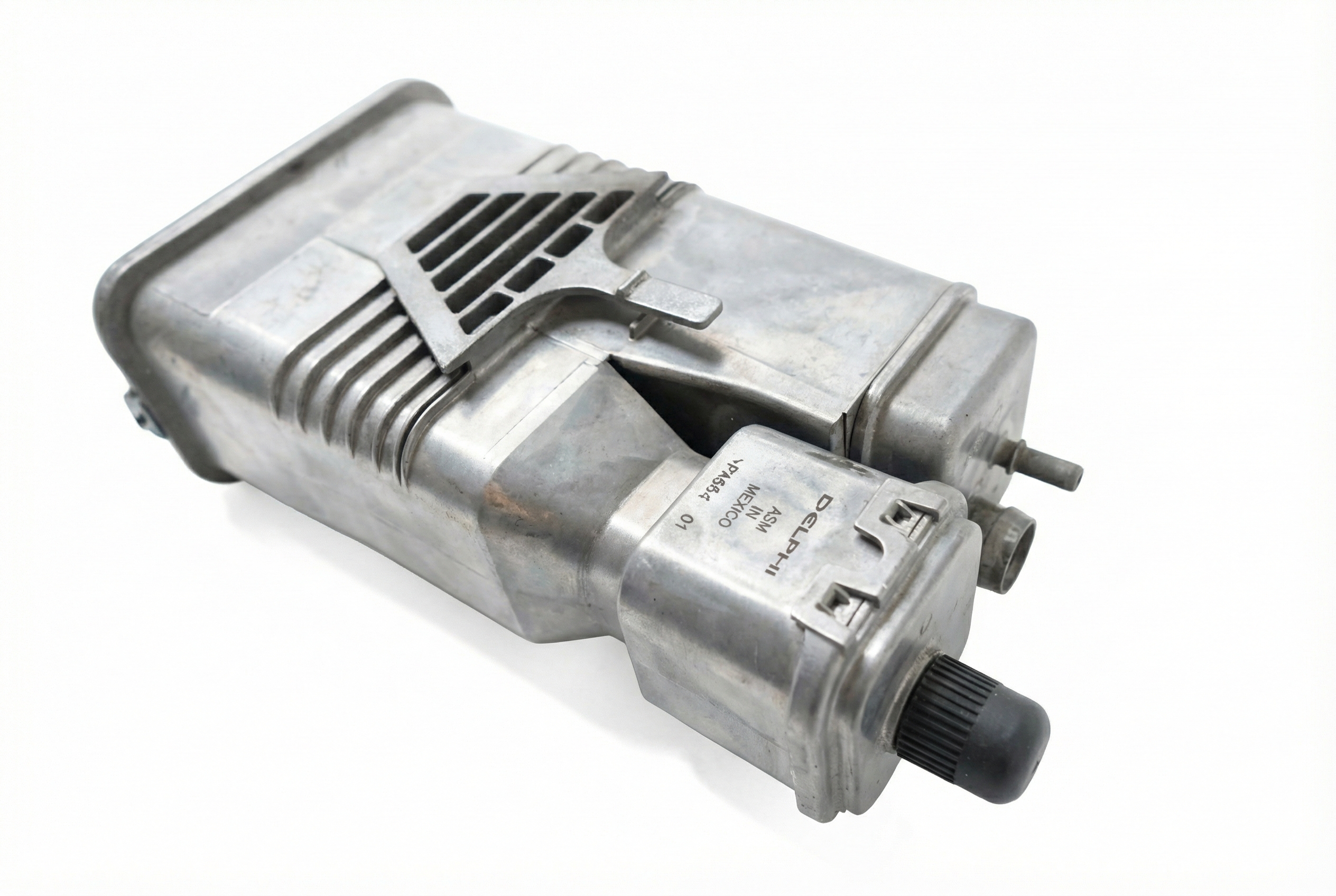
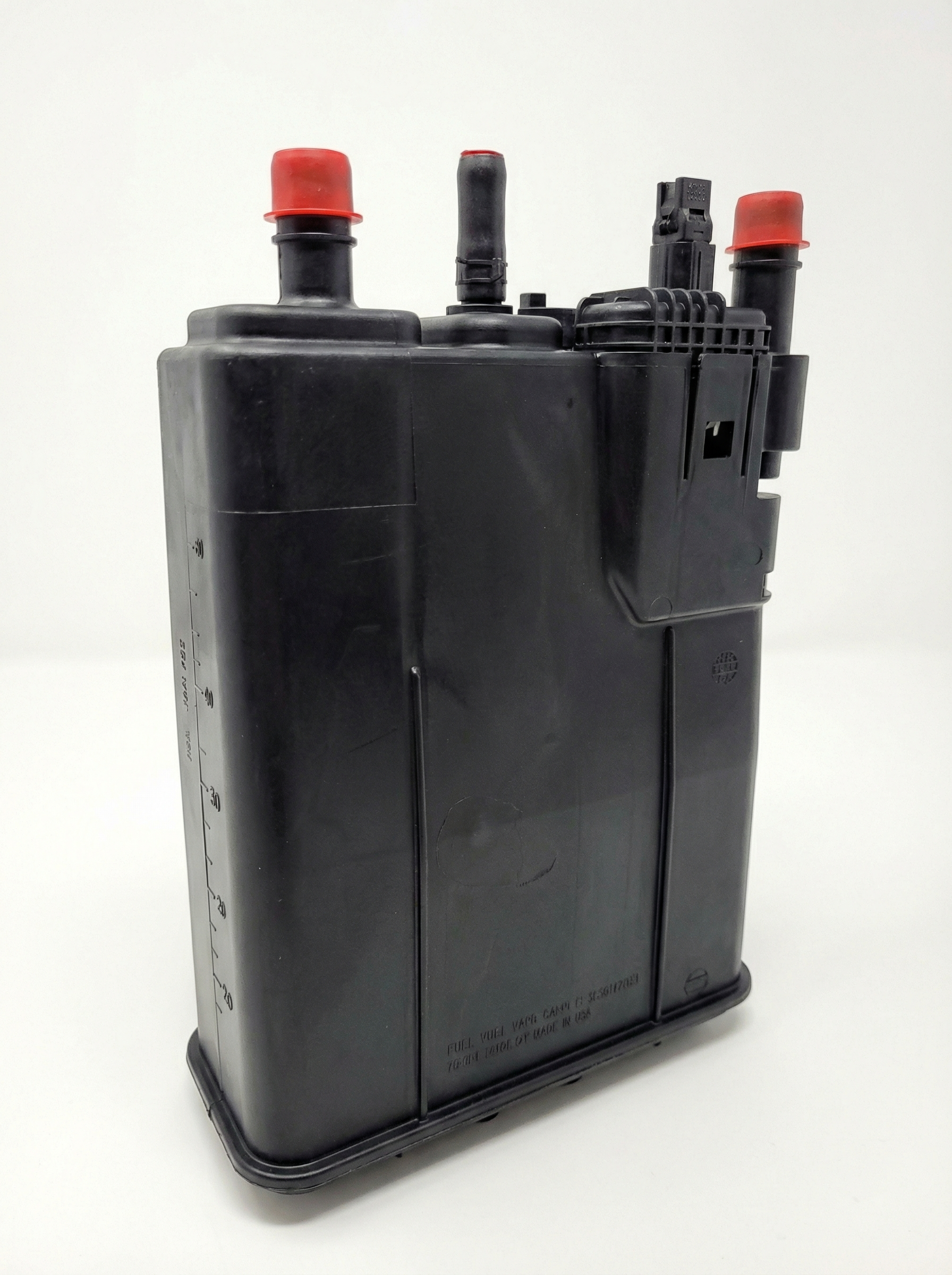
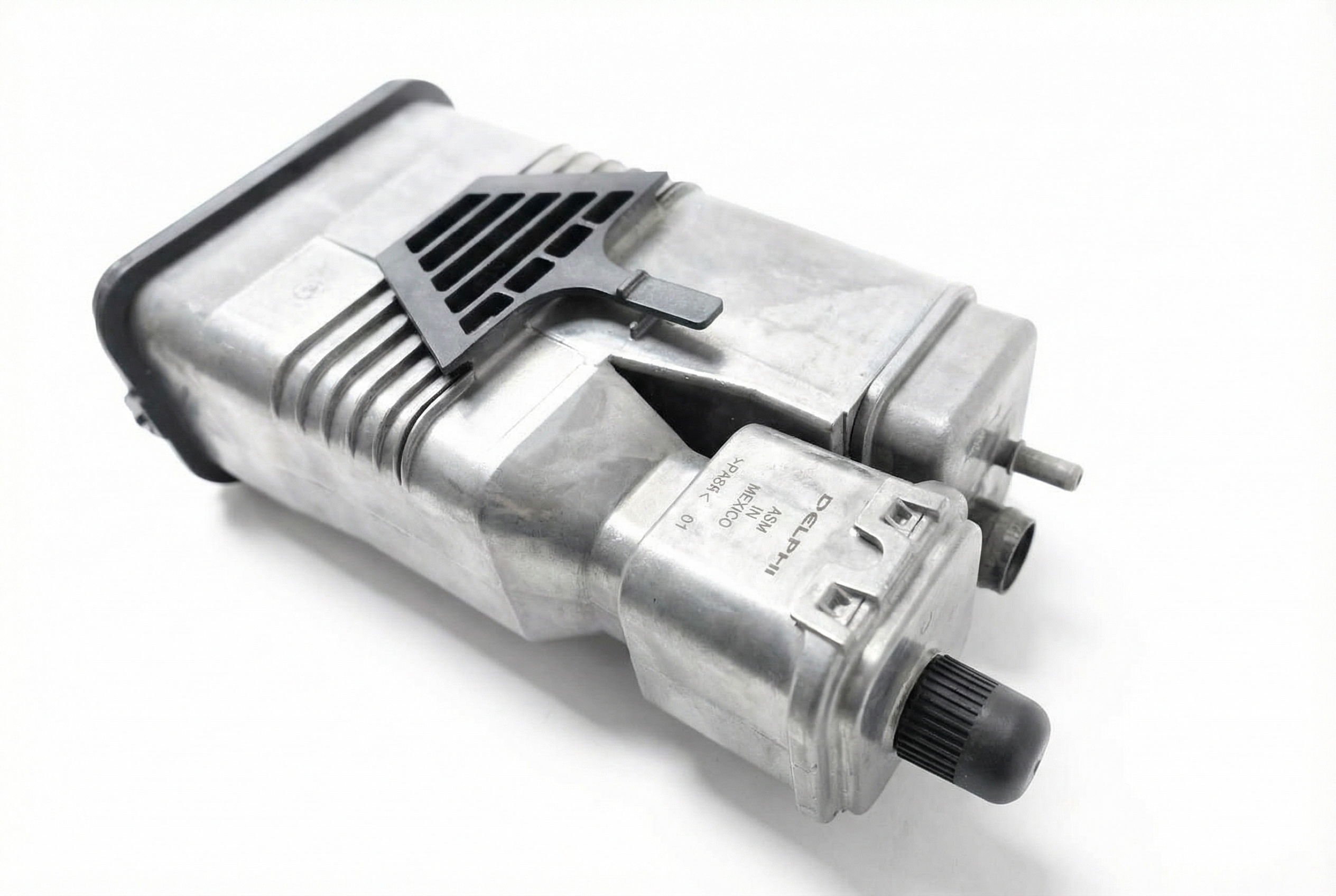
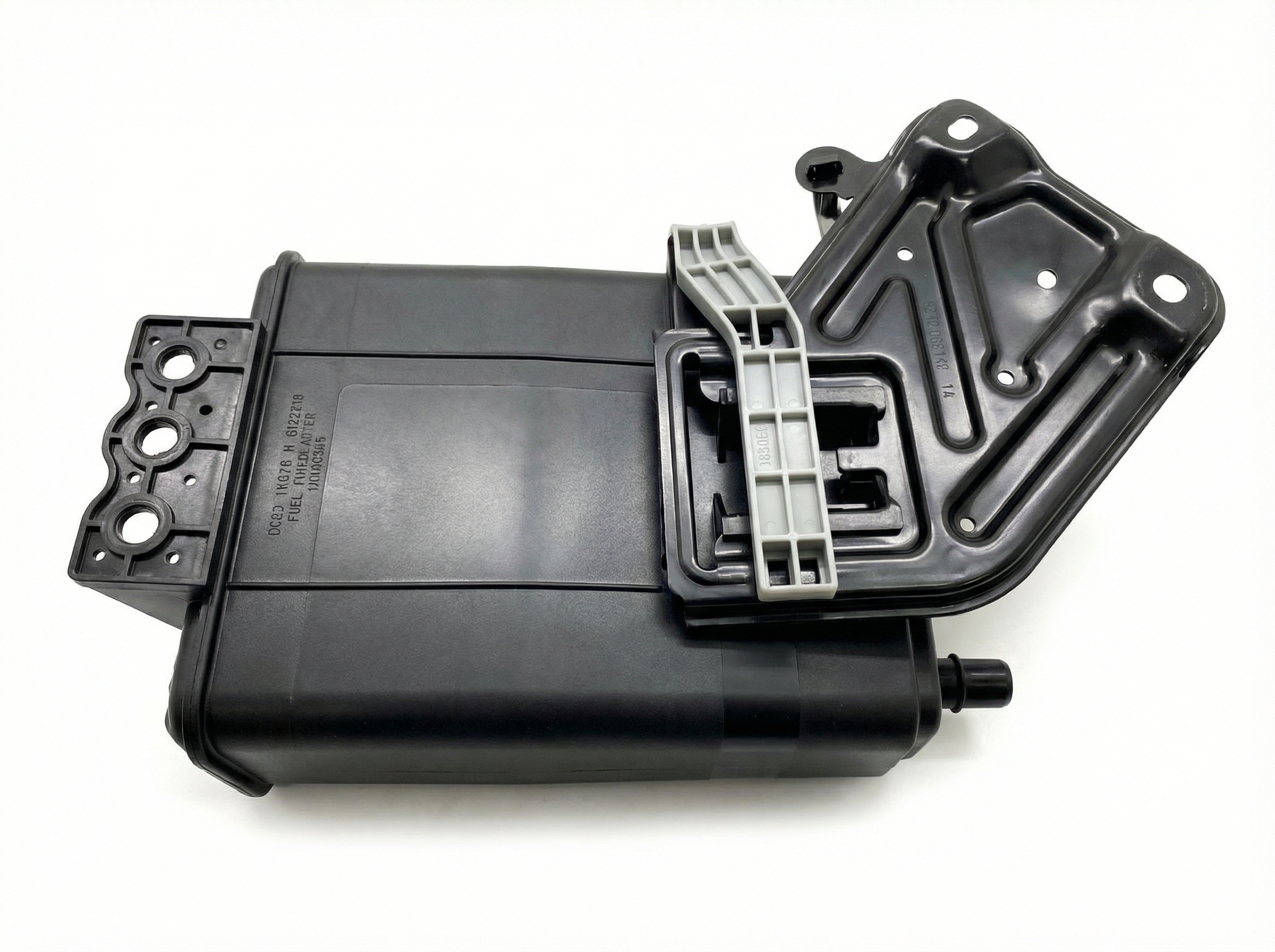
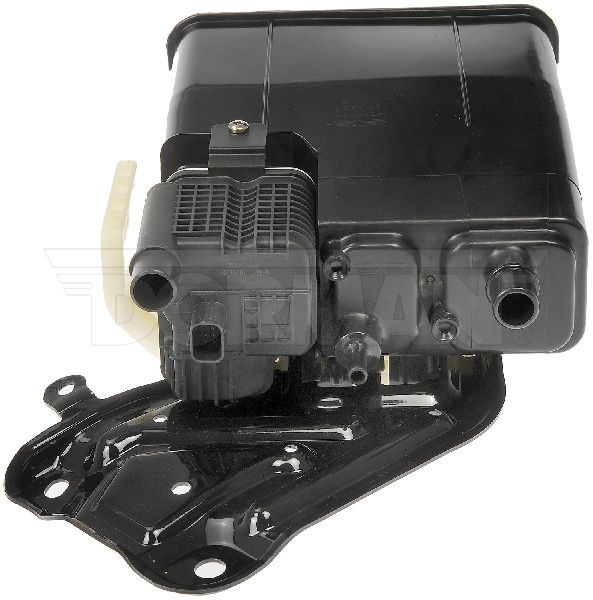
- Leaking Charcoal Canister or Vent Valve: → Shop Vapor Canister The charcoal canister (OEM Part No. 77740-02220), located near the fuel tank, can develop cracks in its plastic housing. More subtly, it can fail internally and cause a P0456 code while still passing a smoke test, making diagnosis difficult. The vent valve is often integrated with the canister on this model.
- Corroded Fuel Filler Neck Lip: → Shop Fuel Filler Neck Rust or corrosion on the very lip of the filler neck where the gas cap seal sits can create an imperfect seal, causing a leak even with a new gas cap. This was a known issue on older Corollas and can still occur. The fix involves carefully cleaning the rust off the lip with a file or mild abrasive pad and applying a rust inhibitor.
Diagnosis Steps
- Read the code with an OBD-II scanner to confirm P0456 is present.
- Inspect the gas cap. Ensure it is tight. If it's loose, tighten it until it clicks, but do not immediately clear the code. Drive for a few days to allow the car's computer to run its self-test. The light may go off on its own if this was the issue.
- If the code returns or persists, remove the gas cap and inspect its seal for cracks or damage. Check the lip of the fuel filler neck for rust or debris and clean it thoroughly.
- If the cap seems old or worn, replace it with a new OEM Toyota part (77300-07030), clear the code, and re-evaluate after several drive cycles.
- If the problem persists, especially if the gas cap feels odd when tightening, investigate TSB T-SB-0086-16. Check if your VIN starts with '5YF' and inspect the fuel filler neck for misalignment.
- Visually inspect the EVAP hoses in the engine bay, particularly the small rubber lines connected to the purge valve (VSV), for any obvious cracks or disconnections. These hoses can become brittle from engine heat.
- If no visual faults are found, the next step is a professional smoke test. This involves injecting smoke into the EVAP system to precisely locate the source of the very small leak. 🎬 Watch: Professional diagnostic strategies for fixing small EVAP leaks. This is the most effective way to find leaks in hoses, the charcoal canister, or the fuel filler neck.
- Based on the smoke test results, replace the leaking component. If smoke escapes from the gas cap area with a new OEM cap, the filler neck alignment or a corroded lip is the prime suspect.
- If a smoke test reveals no leaks, consider a faulty purge valve that is leaking internally or a rare internal failure of the charcoal canister.
Parts You'll Likely Need
- Fuel Cap
(OEM #77300-07030)— This is the most frequent and cheapest fix for a P0456 code due to wear or not being tightened correctly. Using an OEM cap is critical.
Trusted brands: Toyota (OEM)
OEM price range: $25-$40
Aftermarket price range: $15-$30 - Vapor Canister Purge Valve (VSV)
(OEM #25860-37060)— This valve can get stuck or fail to seal completely, causing a small leak. It's a common failure item on many Toyota vehicles and the next logical part to check after the gas cap.
Trusted brands: Toyota (OEM), Denso, Dorman
OEM price range: $90-$130
Aftermarket price range: $45-$80 - Vapor Charcoal Canister
(OEM #77740-02220)— Less common for a small leak, but can fail by developing a crack in the housing or, more rarely, failing internally in a way that doesn't show up on a smoke test.
Trusted brands: Toyota (OEM), Dorman
OEM price range: $330-$480
Aftermarket price range: $150-$250 - Fuel Filler Neck
(OEM #77201-02330)— A known issue for this specific vehicle is a misaligned filler neck that prevents the gas cap from sealing, as documented in TSB T-SB-0086-16. In rare cases, it can also rust and leak.
Trusted brands: Toyota (OEM)
Related Codes That Often Appear With This One
- P0455 — This code indicates a large EVAP leak. If the gas cap is missing or very loose, or if the filler neck issue is severe, the system may register both a small and large leak at different times.
- P0441 — This code indicates incorrect purge flow. It can sometimes appear with leak codes if the purge valve is malfunctioning, causing both a flow issue and a sealing issue.
Technical Service Bulletins (TSBs) & Recalls
- T-SB-0086-16: Some 2014–2016 Corolla vehicles may exhibit a “no click” and/or “no spring return” from the fuel cap. This may be caused by an out-of-position fuel filler neck and can result in DTC P0455 or P0456. This bulletin applies to vehicles produced at the TMMMS plant before VIN 5YFBURHE#GP431465.
Platform-Specific Known Issues
- A Technical Service Bulletin (TSB T-SB-0086-16) was issued for 2014–2016 Corollas regarding a misaligned fuel filler neck. This applies to vehicles built at the TMMMS plant (VIN starting with '5YF'). This can cause a 'no click' or 'no spring return' condition from the gas cap, leading to an improper seal and triggering P0456 or P0455 codes. The fix involves adjusting the filler neck's position, not necessarily replacing it.
Mechanic-Grade Diagnostic Values
- EVAP Canister Purge Valve (VSV) Resistance — expected: 30 to 38 ohms (when engine is cool). Failure: A reading outside this range indicates a faulty valve coil.
- Purge Valve (VSV) Voltage at Connector — expected: 9 to 14 V (with ignition on). Failure: No voltage suggests a wiring issue between the valve and the ECM or a bad ground.
Hidden / Shadow Codes Worth Checking
- Mode $06, TID $81: This refers to the EVAP system monitor test results for a 0.020" leak. A 'FAIL' status on a scan tool for this specific Test ID, even with a pending P0456, confirms the ECU has detected the small leak during its self-test cycle. (see via An OBD-II scan tool that supports Mode $06 data, such as the Torque Pro app or professional scan tools.)
Scan Tool Commands That Help
- Toyota Techstream: Powertrain -> Engine and ECT -> Utility -> Evaporative System Check — This function forces the vehicle's computer to perform the EVAP system leak test on command, bypassing the need to wait for specific driving and environmental conditions. It allows a technician to verify a repair without waiting several days for the monitor to run naturally.
- Toyota Techstream: Powertrain -> Engine and ECT -> Active Test -> Activate the VSV for Evap Control — This bidirectional command allows a user to manually open and close the purge valve (VSV) to test its mechanical function and listen for a clicking sound, helping to determine if the valve is stuck.
Wiring & Ground Locations
- Purge Valve (VSV) Location — In the engine bay, mounted on the engine itself, underneath the plastic engine cover. It has two hoses and one electrical connector.. This is the physical location for inspection and testing of the purge valve, a common cause of P0456. Technicians need to locate it to perform resistance tests, vacuum tests, or replacement.
- Purge Valve Ground — The purge valve is grounded through the Engine Control Module (ECM). A voltage check at the connector (Pin B19-2) should show 9-14V, confirming the ground path through the ECM is intact.. If the purge valve itself tests good but is not functioning, a lack of proper voltage or ground at the connector points to a wiring or ECM issue, which is a less common but possible cause.
Real Owner Repair Stories
- YouTube user comment (2014 Toyota Corolla, 64,000 miles) — P0456 code persisted after replacing the gas cap twice, once with an OEM cap.
❌ Tried (didn't work) Replaced gas cap with a new Toyota OEM cap., Replaced the OEM cap with a Gates aftermarket cap.
✅ What actually fixed it The purge valve was leaking internally. This was confirmed by removing the valve and testing it with a hand-held vacuum pump, which showed it could not hold a vacuum. Replacing the purge valve resolved the issue. - Reddit user comment (Unknown year Toyota) — P0456 code
❌ Tried (didn't work) Replacing parts without a proper seal.
✅ What actually fixed it The user applied Vaseline to the gas cap's rubber O-ring to create a better seal, which made the check engine light go away. This confirmed the leak was at the cap/filler neck interface, and the final fix was to install a new fuel cap.
"I Checked Everything" — The Actual Cause
- In one documented case involving a P0456 code, a smoke test showed smoke coming from around the gas cap seal. After replacing the cap, a second smoke test still showed smoke leaking from the same area. The actual cause was the fuel filler neck itself being corroded or misaligned, preventing even a new cap from sealing properly.
- A common scenario that mimics a clean smoke test is an internally leaking purge valve (VSV). The valve may hold pressure during a static smoke test but fail to seal completely under the specific vacuum conditions of the ECU's self-test. This can be diagnosed by removing the valve and testing it with a hand-held vacuum pump to see if it leaks down.
OEM Part Supersession History
77300-53030→77300-07030— Standard part update/consolidation by the manufacturer.
Heads up: The new part number 77300-07030 is the correct fit for the 2014-2016 Corolla. Using the older number is not advised.
Model Year Variations Within This Range
- 2014-2016 (Mississippi-built): Vehicles built at the TMMMS plant (VIN starting with '5YF') before a specific production change in 2016 are subject to TSB T-SB-0086-16 for a misaligned fuel filler neck. Vehicles built after this change, or at other plants, are much less likely to have this specific issue.
Helpful Videos
Used OEM Parts in Stock

New Aftermarket Parts Available


The information in this article is provided for general reference and educational purposes only. Vehicle specifications, procedures, and part compatibility can vary by production date, trim level, and region. Always consult your vehicle's factory service manual and verify part numbers before purchasing or performing repairs. Safety-critical components such as airbags, seat belts, and braking systems should be installed by a qualified professional.
- Toyota COROLLA:
- 🧭 Diagnostic Flowchart
- 🎬 Helpful Videos
- 🛍️ Shop This Part
- What's Unique About the 2014-2016 Toyota COROLLA
- Symptoms You May Notice
- Most Likely Causes
- Rare But Worth Checking
- Diagnosis Steps
- Parts You'll Likely Need
- Related Codes That Often Appear With This One
- Technical Service Bulletins (TSBs) & Recalls
- Platform-Specific Known Issues
- Mechanic-Grade Diagnostic Values
- Hidden / Shadow Codes Worth Checking
- Scan Tool Commands That Help
- Wiring & Ground Locations
- Real Owner Repair Stories
- "I Checked Everything" — The Actual Cause
- OEM Part Supersession History
- Model Year Variations Within This Range
- 🎟️ Get 5% Off