

P0456 on 2006-2012 Toyota RAV4: EVAP Small Leak Causes and Fixes
For a 2006-2012 RAV4, code P0456 is most often caused by a loose or faulty gas cap. Before buying any parts, tighten the cap until it clicks, clear the code, and see if it returns. If it does, a new OEM gas cap is an inexpensive first step, costing around $25-$40. Using a genuine Toyota cap is highly recommended as aftermarket versions are a common source of problems.
- P0456 indicates a 'very small leak' in the EVAP system.
- Always check the gas cap first. Ensure it's tight and the seal is intact. Replacing it with an OEM part is the most common and cheapest fix.
- If the gas cap isn't the issue, inspect the small rubber EVAP hoses in the engine bay for age-related cracks.
- The vehicle is safe to drive with this code, but you will not pass an emissions inspection.
- Avoid replacing expensive parts like the charcoal canister unless a smoke test has confirmed it is the source of the leak.
What's Unique About the 2006-2012 Toyota RAV4
The third-generation RAV4 (2006-2012) has a generally reliable EVAP system, but like many vehicles of this era, its rubber and plastic components can become brittle with age. The most common failure points are simple and accessible, like the gas cap and engine bay vacuum hoses. Unlike some later Toyota models which are known for charcoal canisters that degrade and send charcoal pellets into the valves, this generation is more likely to suffer from simple age-related leaks. However, some owners have reported canister failures leading to multiple EVAP codes. The canister assembly is located under the vehicle, in front of the fuel tank, making it susceptible to road salt and debris. In one instance, NHTSA ODI #11419086 confirms that a dealership inspection for this model specifically diagnosed the P0456 code as a small leak in the evaporative emission control system.
Symptoms You May Notice
- Check Engine Light is on
- A faint smell of gasoline, particularly around the rear of the vehicle after it has been parked.
- Difficulty refueling (gas pump nozzle clicks off repeatedly) can occur if the canister or vent valve is clogged, though this is more common with other EVAP codes.
- Replacing the charcoal canister before checking the gas cap and engine bay hoses. A smoke test should be performed to confirm a canister leak before replacing this expensive part.
- Using a cheap, aftermarket gas cap which fails to seal properly, leading the mechanic or owner to believe the gas cap was not the original problem.
Most Likely Causes
- Loose or Faulty Gas Cap 🔴 High Probability → Shop Fuel Tank Cap The gas cap is a frequently used part and its rubber O-ring seal can dry out, crack, or get dirty over time, preventing a proper seal. This is the most common cause for P0456.
How to confirm: Inspect the gas cap for any visible cracks or damage to the seal. Ensure it is tightened until it clicks at least once. If the light returns after clearing the code, the cap is likely faulty.
Typical fix: Replace the gas cap. It is highly recommended to use an OEM (Original Equipment Manufacturer) part from Toyota, as aftermarket caps are notorious for having sealing issues and may not fix the problem.
Est. part cost: $25-$40 - Cracked or Disconnected EVAP Hoses 🟡 Medium Probability Rubber vacuum hoses in the engine bay are exposed to constant heat cycles, causing them to become brittle and crack over 10+ years.
How to confirm: Visually inspect the small rubber hoses connected to and around the EVAP purge valve in the engine bay. Gently flex the hoses to reveal any hidden cracks. A hissing sound near these lines when the engine is running can also indicate a leak.
Typical fix: Replace the cracked section of hose. This is often inexpensive and can be done with a small piece of appropriately sized vacuum tubing and hose clamps.
Est. part cost: $5-$20 - Faulty EVAP Purge Valve (VSV) ⚪ Low Probability → Shop Vapor Canister
How to confirm: The purge valve (also called a Vacuum Switching Valve or VSV by Toyota) is normally closed. It is located on top of the engine's air intake tube. Remove the valve and try to blow through it. If air passes through, it is stuck open and needs to be replaced. You can also test it by applying 12V power to its terminals; a good valve will click open. Resistance across the two terminals should be between 15 and 30 ohms.
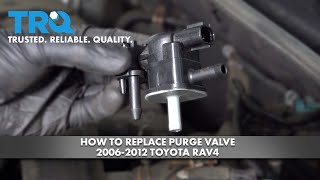
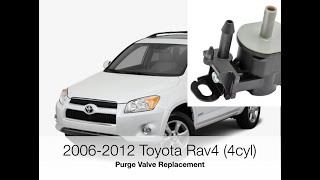
Typical fix: Replace the purge valve. It is located in the engine bay and is very easy to access and replace in about 5 minutes. 🎬 Watch: Easy 5-minute DIY purge valve replacement walkthrough.
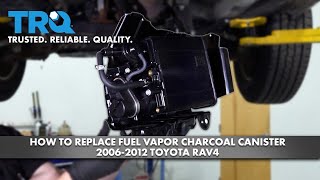
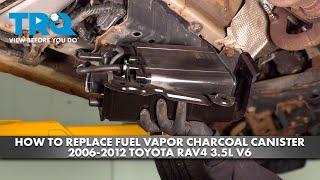
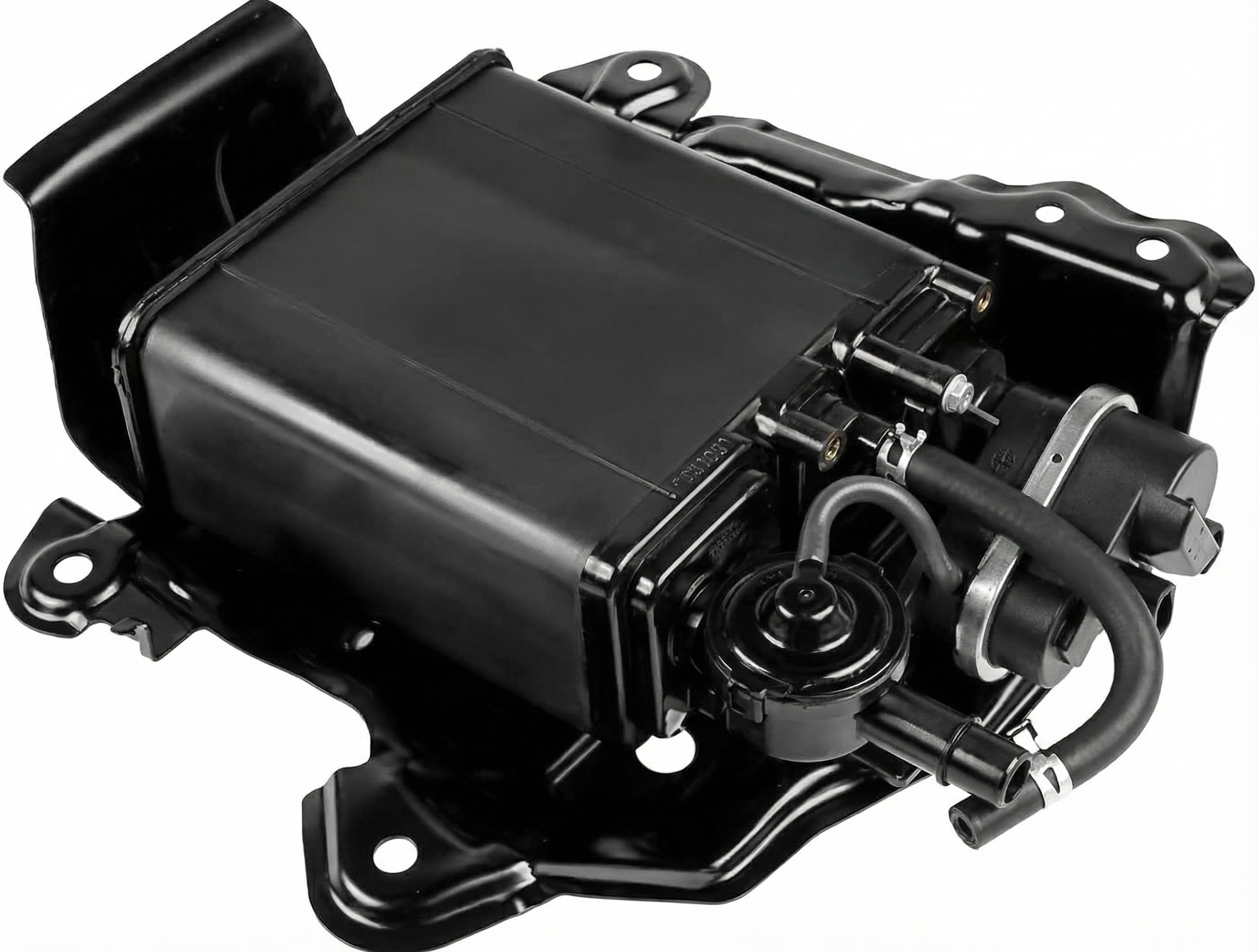
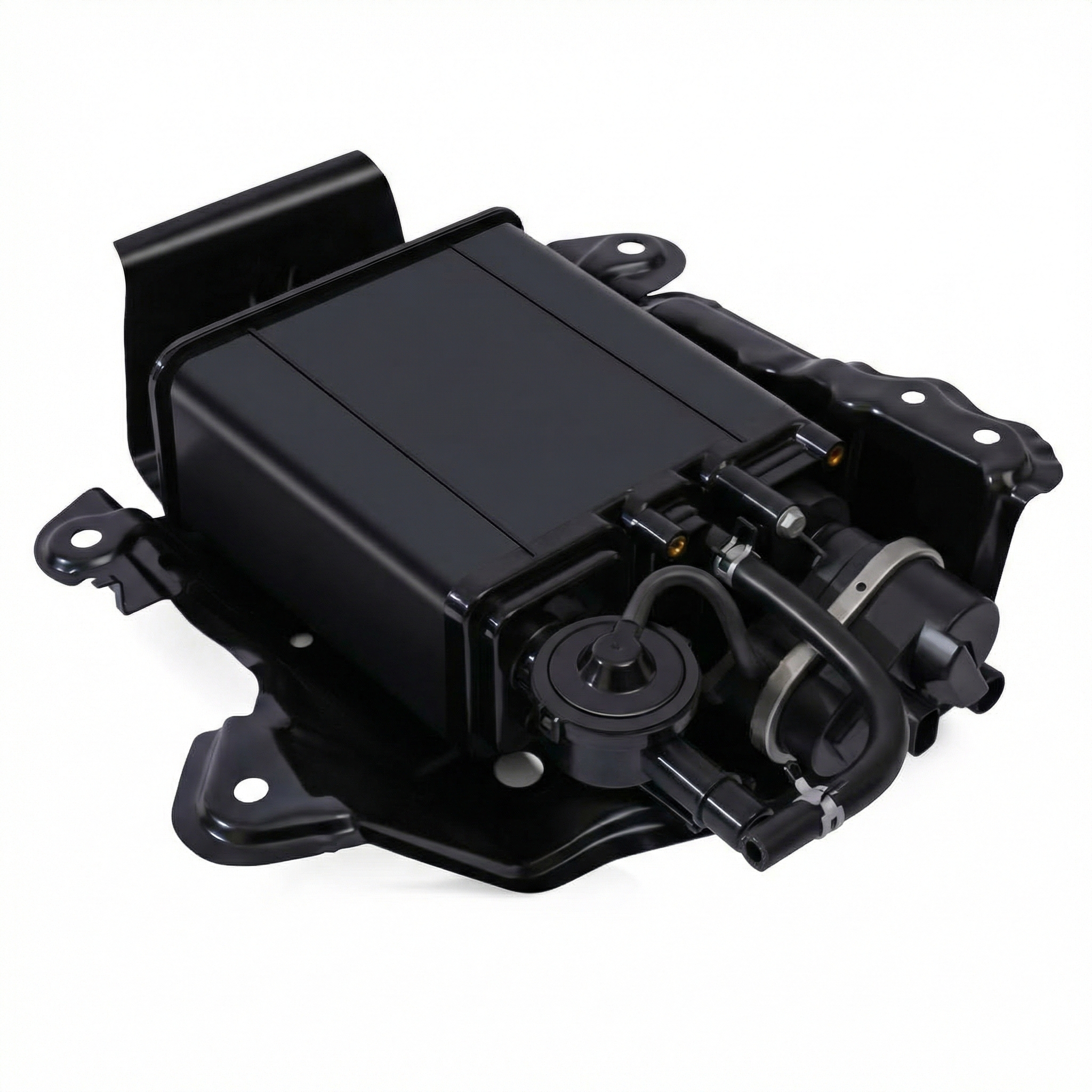
Est. part cost: $40-$90 - Cracked Charcoal Canister or Faulty Vent Valve ⚪ Low Probability → Shop Vapor Canister The canister is a plastic box located under the vehicle near the fuel tank. While durable, it can be damaged by road debris or develop hairline cracks from age, causing a leak. On this RAV4, the vent valve is often integrated into the canister assembly, so a failure of either component requires replacing the whole unit. 🎬 See how to replace the charcoal canister on a V6.
How to confirm: A visual inspection may reveal cracks. The most definitive way to confirm a leak in the canister or other less accessible parts of the system is with a smoke test, where a mechanic fills the EVAP system with smoke to see where it escapes.
Typical fix: Replace the entire charcoal canister assembly. This is a more involved repair as it's located under the car.
Est. part cost: $200-$400
Rare But Worth Checking
- Faulty Fuel Tank Pressure Sensor: → Shop Fuel Tank This sensor tells the computer the pressure in the EVAP system. If it fails, it can send incorrect data, making the computer think there is a leak when there isn't one. This is rare and usually accompanied by other codes.
- Leaking Fuel Filler Neck: → Shop Fuel Filler Neck Rust or damage to the metal pipe leading to the gas tank can cause a leak. Manufacturer Bulletin #T-SB-0086-16 notes that in some Toyota vehicles, the fuel filler neck may be out of position, leading to a "no click" or "no spring return" condition from the fuel cap and triggering P0456.
- Spider Web in Vent Hose: Though it sounds strange, spiders are known to build webs inside EVAP vent hoses, causing blockages that can lead to various EVAP codes. This is a known issue across many makes and models.
- Cracked Fuel Pump Module/Assembly: → Shop Fuel Pump The plastic housing of the fuel pump assembly, which sits on top of the fuel tank, can develop hairline cracks. These cracks may only leak under specific temperature conditions (e.g., only when cold), making them very difficult to diagnose with a standard smoke test. 🎬 Watch: Diagnosing a tricky EVAP leak that only happens when cold.
- External Line Damage: While rare, external factors can cause leaks. NHTSA ODI #10350227 describes a case where a dealer suggested an animal had created a small pinhole in a gas return line, resulting in a P0456 code.
Diagnosis Steps
- Check the Gas Cap: Remove the gas cap, inspect the rubber seal for cracks or debris, and reinstall it, making sure to tighten it until it clicks several times. Clear the code with a scanner.
- Wait and See: Drive the vehicle for a few days. The EVAP system self-test often runs after the vehicle has been sitting overnight for at least 5 hours. If the light does not return, the problem is solved.
- Inspect Engine Bay Hoses: If the light returns, pop the hood and locate the EVAP purge valve on the air intake. Carefully inspect all connected rubber hoses for cracks, especially at the connection points.
- Consider a New Gas Cap: If no obvious hose leaks are found, the next most likely culprit is a faulty gas cap seal. Replace it with a genuine OEM part from a Toyota dealer.
- Test the Purge Valve: If the problem persists, test the purge valve to see if it's stuck open. This is a simple test you can do with basic tools.
- Perform a Smoke Test: If all the above steps fail to find the leak, the most effective next step is a professional smoke test. This will pressurize the system with visible smoke, revealing the exact location of tiny leaks in the canister, vent valve, or fuel tank area.
Parts You'll Likely Need
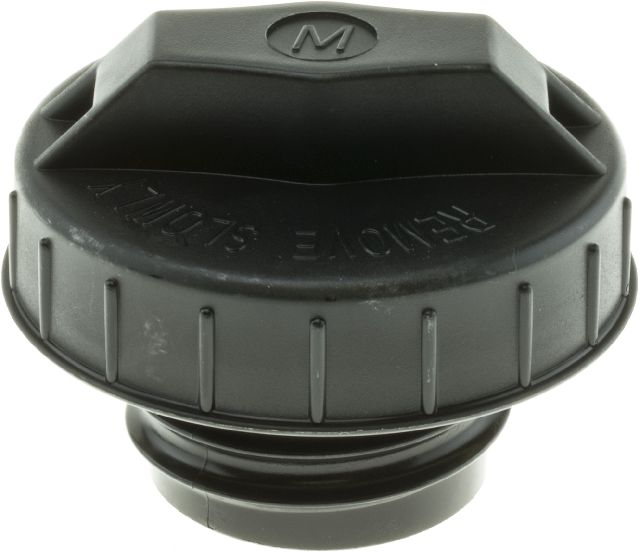
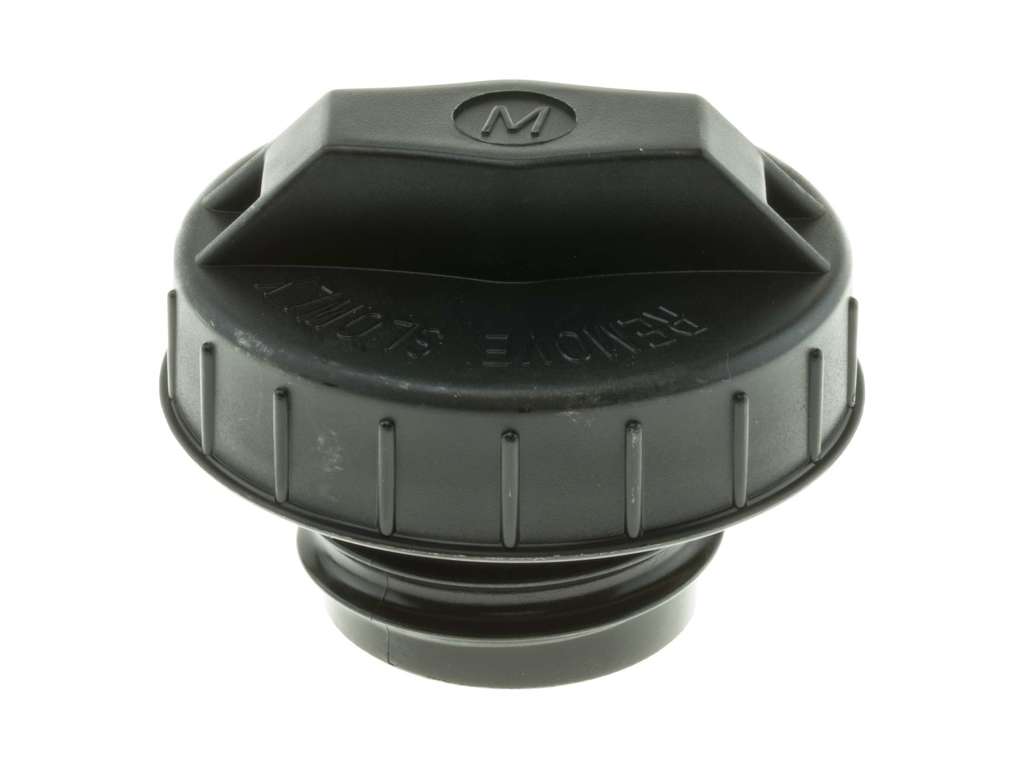
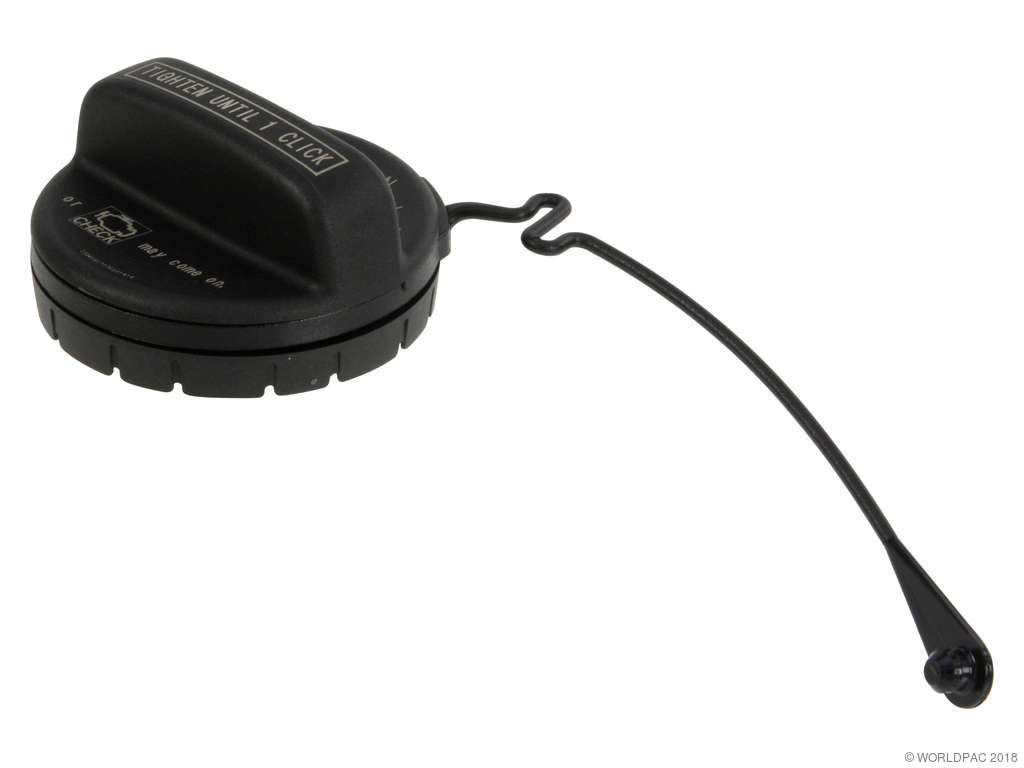
- Fuel Tank Cap
(OEM #77300-06040)— This is the most frequent cause of a P0456 code. The seal wears out over time, creating a very small leak that the system detects. Using an OEM cap is critical for a proper seal.
Trusted brands: Toyota Genuine
OEM price range: $25-$40
Aftermarket price range: $15-$30 - Vapor Canister Purge Valve / Solenoid (VSV)
(OEM #90910-12276)— Can get stuck partially open, creating a small, constant leak. It's located in the engine bay and is a relatively simple replacement.
Trusted brands: Denso, Aisin, Toyota Genuine
OEM price range: $70-$110
Aftermarket price range: $40-$90 - Charcoal Canister Assembly
(OEM #77740-42090 (Note: Verify with VIN, multiple part numbers exist))— The plastic housing of the canister can develop hairline cracks from age or impact, causing a leak. This is usually the cause only after simpler components have been ruled out.
Trusted brands: Toyota Genuine
OEM price range: $300-$450
Aftermarket price range: $150-$250
Related Codes That Often Appear With This One
- P0441 — This code for 'Incorrect Purge Flow' can appear with P0456 if a component like the purge valve is malfunctioning, causing both a leak and improper vapor flow.
- P0442 — This code indicates a 'Small Leak Detected,' which is slightly larger than the 'Very Small Leak' of P0456. They often share the same causes, and which code triggers can depend on the exact size of the leak and testing conditions.
- P0455 — Indicates a 'Gross Leak'. If you see this with P0456, it could mean there are multiple leaks of different sizes, or a component is failing intermittently.
- Secondary Air Injection Codes — In some cases, P0456 may appear alongside air injection issues. NHTSA ODI #11235367 reports a vehicle showing P0456 together with P0052, P2140, and P2442, where a dealer identified a secondary air injection system failure.
Technical Service Bulletins (TSBs) & Recalls
- A TSB exists for some Toyota models where charcoal pellets from a deteriorating canister can clog the purge valve, causing a cluster of EVAP codes. While not specifically for P0456, it highlights a known failure mode of the system.
- Bulletin #T-SB-0086-16 addresses a "no click" or "no spring return" condition from the fuel cap when fully seated, which can trigger P0455 or P0456. This bulletin notes that the fuel filler neck may be out of position in some vehicles.
Mechanic-Grade Diagnostic Values
- Purge Valve (VSV) Solenoid Resistance — expected: 15-30 ohms at 68°F (20°C). Failure: A reading significantly outside this range, an open circuit (infinite resistance), or a direct short (near 0 ohms) indicates a failed solenoid coil.
- Canister Vent Valve Solenoid Resistance — expected: 23-27 ohms at 68°F (20°C). Failure: An open circuit (infinite resistance) or a direct short (near 0 ohms) indicates a failed solenoid.
- Fuel Tank Pressure (FTP) Sensor Voltage — expected: Approximately 1.5V with the gas cap off (at atmospheric pressure). The ideal range is generally 1.3V to 1.7V.. Failure: A voltage stuck high (e.g., 5V) or low (e.g., 0.3V) after opening the gas cap suggests a faulty sensor or wiring issue.
Hidden / Shadow Codes Worth Checking
- Mode $06, TID $81, CID $01: While not a 'shadow code' in the traditional sense, Toyota's Mode $06 data can provide technician-level insight. Test ID $81 often corresponds to the 'EVAP System Monitor (0.020" Leak)' test. Viewing the raw test values and limits can show how close the system is to failing, even before a code is set. (see via A professional scan tool capable of displaying Mode $06 data.)
Scan Tool Commands That Help
- Toyota Techstream: Evaporative System Check — This is an automated, guided utility that commands the vehicle's EVAP components through a full self-test sequence. It can confirm a leak exists and, by running tests on isolated parts of the system (tank vs. canister), can help narrow down the leak's location without a smoke machine.
- Toyota Techstream: Active Test: Activate the VSV for Evap Control — This is a manual bidirectional test to directly command the vent valve (located on the canister) to close. This is essential for sealing the system before performing a smoke test or vacuum decay test, confirming the valve itself is not the source of the leak.
- Toyota Techstream: Active Test: Control the Purge VSV — This command manually opens and closes the purge valve in the engine bay. It's used to verify the valve clicks and operates, and to check if it's leaking by attempting to blow through it when commanded closed.
Wiring & Ground Locations
- ECM Ground Points (E01, E02, etc.) — Typically located on the engine block or cylinder head, near the Engine Control Module (ECM). Specific ground points like E1 are often found in the driver or passenger kick panel area.. A poor ground connection for the ECM or related sensors (like the Fuel Tank Pressure sensor) can cause erratic voltage readings, leading the ECM to incorrectly believe there is a pressure leak in the EVAP system.
- Canister Pump Module Connector — On the charcoal canister assembly, located under the rear of the vehicle.. This connector provides power and ground to the vent valve and receives the signal from the integrated fuel tank pressure sensor. Corrosion or damage here can cause multiple EVAP codes, including P0456.
Real Owner Repair Stories
- YouTube channel 'KIT'S Auto and Truck Repair' (Toyota RAV4 (year not specified, but within generation)) — Intermittent Check Engine Light with codes P0441 and P0456.
❌ Tried (didn't work) The owner had already replaced the gas cap with an aftermarket one, but it was still leaking during a smoke test.
✅ What actually fixed it A smoke test revealed two issues: the aftermarket gas cap was leaking, and the purge valve (VSV) in the engine bay was also leaking internally. The final recommendation was to replace both the gas cap and the purge valve with genuine OEM Toyota parts. - YouTube channel 'Kenny's tool review' (Toyota RAV4 (year not specified, but within generation)) — Intermittent P0456 code, particularly when the weather is cold.
❌ Tried (didn't work) Standard EVAP tests passed when the ambient temperature was warm.
✅ What actually fixed it After getting approval to drop the fuel tank, the technician found a hairline crack in the plastic of the fuel pump assembly where a rusted metal retaining strap was putting pressure on it. The crack would only open and leak when the plastic contracted in cold temperatures, explaining the intermittent nature of the code. The fix was to replace the fuel pump assembly. - NHTSA ODI #11586715 (Toyota Owner) — Persistent P0456 error.
❌ Tried (didn't work) The owner replaced the gas cap multiple times with different brands.
✅ What actually fixed it This case highlights the frustration of "parts cannon" repairs; the owner was left waiting for another brand new cap because the P0456 code persisted despite the replacements.
"I Checked Everything" — The Actual Cause
- In one documented case, a RAV4 had an intermittent P0456 that would only appear in cold weather. Standard smoke tests performed in a warmer shop environment passed with no leaks found. The actual cause was a hairline crack in the plastic fuel pump assembly on top of the tank, which only opened and leaked when the plastic contracted in the cold. This is a classic 'smoke test clean' scenario because the fault is temperature-dependent.
When the Usual Fixes Don't Work
- While the most common fix is a gas cap, many owners report that this does not solve the problem. In a documented case involving both P0441 and P0456, a smoke test revealed that even a new-looking aftermarket gas cap was leaking. The ultimate fix required replacing both the faulty aftermarket cap AND a leaking purge valve with OEM parts. This highlights the importance of using genuine Toyota parts and not stopping diagnosis after the first likely culprit is found.
OEM Part Supersession History
90910-12276→90910-TC001— Standard part number update by Toyota.
Heads up: None known. The new part number is a direct, compatible replacement.77740-42090→77740-0R010— Standard part number update by Toyota.
Heads up: None known. The new part number is a direct, compatible replacement for the 2006-2012 RAV4.
Model Year Variations Within This Range
- 2006-2012: While the core EVAP components like the charcoal canister (PN 77740-42090) were used across all engine options (2.4L, 2.5L, 3.5L) in this generation, be aware that hose routing and access points in the engine bay may differ slightly between the 4-cylinder and V6 models due to engine layout.
Diagnostic Flowchart
Other Known Issues on This Vehicle
Issues unrelated to this code that are worth knowing about as an owner of this generation:
- Excessive Oil Consumption (2.4L 2AZ-FE Engine) 🔴 High — Very common on 2006-2008 models, typically noticeable between 75,000 and 150,000 miles. Caused by a piston ring design flaw. (Ref: Toyota issued an extended warranty program (ZE7) but it has since expired. No active recall.)
- Steering Intermediate Shaft Clunk 🟠 Medium — Common on 2006-2008 models. A clunking or popping noise is heard and felt in the steering wheel when turning. (Ref: T-SB-0318-08 (later superseded) addressed this by replacing the intermediate shaft with an improved part.)
- Water Leaks into Cabin 🟠 Medium — Leaks can occur from several places: clogged sunroof drains, failed windshield cowl seals, or bad roof rack seals, leading to wet floorboards, particularly on the passenger side.
- Water Pump Failure (V6 2GR-FE) 🟠 Medium — A known issue on the V6 engine, often occurring after 80,000 miles. Symptoms include coolant leaks or a whining noise from the engine bay.
Used vs. New Parts: Buying Guide for This Vehicle
When a used part is the smart pick: For an expensive component like the Charcoal Canister Assembly, a used part from a low-mileage, non-corroded donor vehicle can be a cost-effective option. Since it's primarily a plastic box with charcoal and integrated valves, physical condition is key.
Donor-vehicle mileage cap: roughly under 80000 miles for the part to have meaningful remaining life.
What to inspect on the donor part:
- Visually inspect the plastic housing for any hairline cracks, especially around mounting points and seams.
- Check the electrical connector pins for corrosion or damage.
- Ensure all hose ports are intact and not cracked or broken.
- If possible, source from a vehicle in a dry, non-salt-belt climate to minimize risk of corrosion on integrated metal components and fasteners.
OEM-only on this vehicle (don't cheap out):
- Fuel Tank Cap: Aftermarket caps are notoriously unreliable and a frequent cause of misdiagnosis. The cost savings are minimal, and the risk of the code returning is high. Always use a genuine Toyota cap.
- Vapor Canister Purge Valve (VSV): While some aftermarket brands are reputable (Denso, Aisin), the OEM Toyota part is not significantly more expensive and guarantees correct calibration and longevity. Given its role in diagnosis, using an OEM part eliminates a variable.
Aftermarket brands forum-validated for this vehicle:
- Denso (often the OEM supplier for Toyota electronics)
- Aisin (a major OEM supplier for Toyota)
Brands owners have reported issues with on this vehicle:
- Unbranded, 'white-box' parts from online marketplaces. These often have poor quality control and are a common reason for recurring EVAP codes.
Real Owner Stories
Aggregated from forums and TSBs cited above. Mileages and costs reflect what owners reported in those sources.
2011 Toyota RAV4
Symptoms: Check engine light with code P0456. Replaced the gas cap and cleared the code, but the light returned.
What fixed it: The owner was unable to find the leak through visual inspection of lines and testing the purge valve, highlighting the need for a smoke test to find the specific leak point.
Source hint: Reddit r/MechanicAdvice - 'P0456 on 2011 RAV4'
2006-2012 Toyota RAV4
Symptoms: Persistent P0456 code after replacing the gas cap and purge valve with no success.
What fixed it: A professional smoke test revealed a tiny crack in the charcoal canister.
Source hint: Rav4World - 'An EVAP system and my frustrations... RESOLVED'
Related OBD-II Codes
Frequently Asked Questions
Is there a TSB for the EVAP system on my 2006-2012 RAV4?
Should I use an aftermarket gas cap to fix the P0456 code on my RAV4?
Where is the EVAP purge valve located on the 2006-2012 RAV4?
Can I replace just the vent valve if it's leaking?
How long should I drive my RAV4 to see if the P0456 code is fixed?
My 2006-2008 RAV4 has a P0456 and is also burning a lot of oil. Are these related?
Helpful Videos
Used OEM Parts in Stock
New Aftermarket Parts Available


The information in this article is provided for general reference and educational purposes only. Vehicle specifications, procedures, and part compatibility can vary by production date, trim level, and region. Always consult your vehicle's factory service manual and verify part numbers before purchasing or performing repairs. Safety-critical components such as airbags, seat belts, and braking systems should be installed by a qualified professional.
- Toyota RAV4:
- 🧭 Diagnostic Flowchart
- 🎬 Helpful Videos
- 🛍️ Shop This Part
- What's Unique About the 2006-2012 Toyota RAV4
- Symptoms You May Notice
- Most Likely Causes
- Rare But Worth Checking
- Diagnosis Steps
- Parts You'll Likely Need
- Related Codes That Often Appear With This One
- Technical Service Bulletins (TSBs) & Recalls
- Mechanic-Grade Diagnostic Values
- Hidden / Shadow Codes Worth Checking
- Scan Tool Commands That Help
- Wiring & Ground Locations
- Real Owner Repair Stories
- "I Checked Everything" — The Actual Cause
- When the Usual Fixes Don't Work
- OEM Part Supersession History
- Model Year Variations Within This Range
- Other Known Issues on This Vehicle
- Used vs. New Parts: Buying Guide for This Vehicle
- Real Owner Stories
- 2011 Toyota RAV4
- 2006-2012 Toyota RAV4
- Related OBD-II Codes
- Frequently Asked Questions
- 🎟️ Get 5% Off