

P0456 on 2011-2018 Volvo S60: EVAP System Very Small Leak Causes and Fixes
For a 2011-2018 Volvo S60, code P0456 is most often caused by a loose or worn-out gas cap. Replacing the gas cap with a genuine Volvo part (OEM #31392044) for about $30-$40 is the most likely and simplest fix. If the cap doesn't solve it, the next most common culprits are the Leak Detection Pump (LDP) or a cracked EVAP hose.
- Always start with the simplest fix: tighten the gas cap. If that doesn't work, replace it with a Genuine Volvo cap (part #31392044).
- Do not use cheap aftermarket gas caps; they are a known cause of recurring P0456 codes on Volvos.
- If a new gas cap doesn't solve the issue, the next step is a professional smoke test to find the leak, which could be a cracked hose or a faulty Leak Detection Pump (LDP).
- This code will not leave you stranded and does not damage the engine, but it will cause an automatic failure on an emissions test.
What's Unique About the 2011-2018 Volvo S60
On the second-generation Volvo S60 (P3 platform), the EVAP system uses a sophisticated Leak Detection Pump (LDP) to pressurize and test the system. While the most common cause is a simple gas cap, this pump itself can be a failure point, creating an internal leak that triggers the P0456 code. Unlike many other vehicles, it's highly recommended to use a genuine Volvo OEM gas cap, as owners and technicians report that aftermarket caps often fail to seal correctly and do not resolve the issue. Some owners have had success transferring the gasket from a new, cheaper aftermarket cap (like Stant) onto the original Volvo cap to save money.
Symptoms You May Notice
- Check Engine Light is on
- A faint fuel smell near the gas cap area (rare)
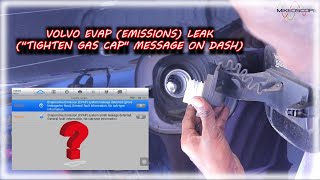
- On some models, a "Tighten Gas Cap" message may appear on the dashboard. 🎬 Watch this S60 owner diagnose the 'Tighten Gas Cap' message.
- Replacing the purge valve or other expensive components before checking or replacing the gas cap.
- Using a cheap, aftermarket gas cap which fails to seal properly and does not fix the code.
- Replacing the LDP or other components when the issue is a simple cracked rubber hose that was missed during visual inspection.
Most Likely Causes
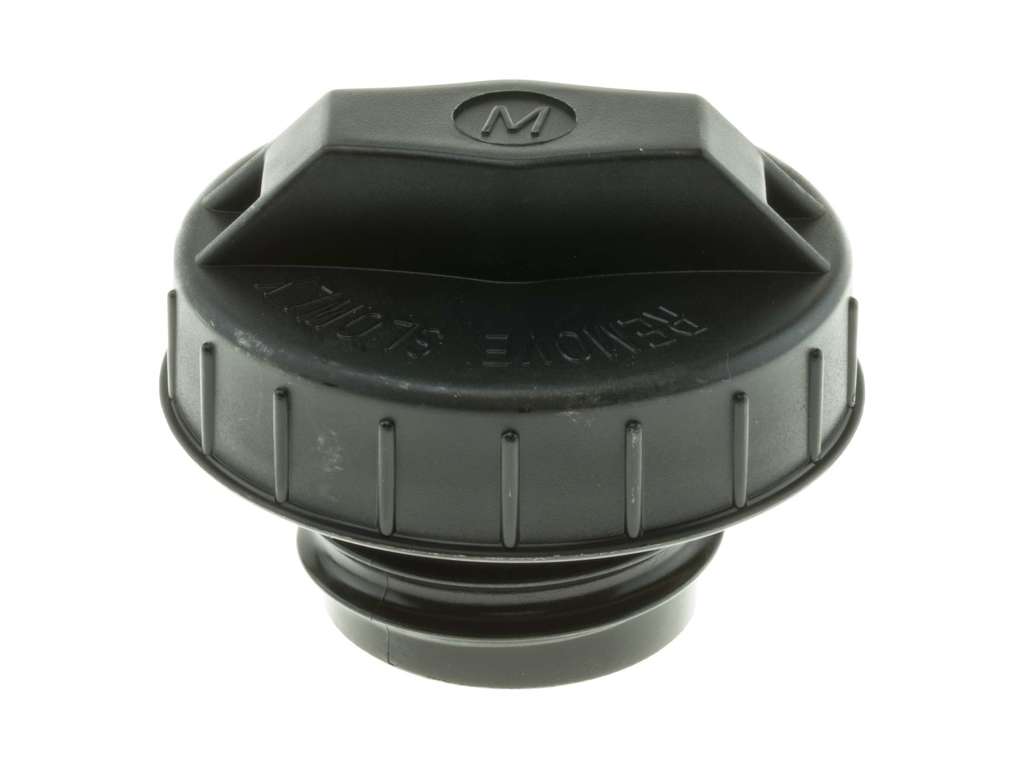
- Loose or Worn-Out Gas Cap 🔴 High Probability → Shop Fuel Tank Cap The rubber O-ring on the gas cap degrades over time with exposure to fuel and weather, losing its ability to create a perfect seal. Aftermarket caps are known to have sealing issues on Volvos.
How to confirm: First, ensure the cap is tightened until it clicks several times. Inspect the rubber gasket on the cap for any cracks, stiffness, or visible damage. If the seal looks compromised or the light returns, replacement is the next step. A temporary test can be performed by placing a doubled-over plastic bag over the filler neck before screwing on the cap to create a better seal; if the code stays off for several days, the cap is the problem.
Typical fix: Replace the fuel cap with a new, genuine Volvo part.
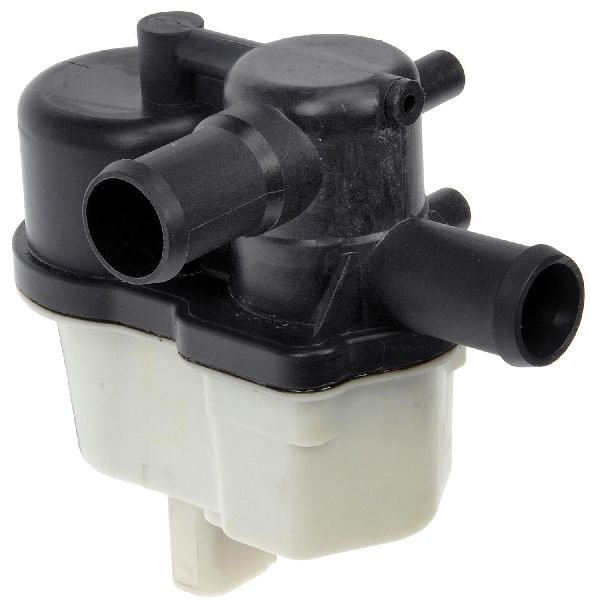
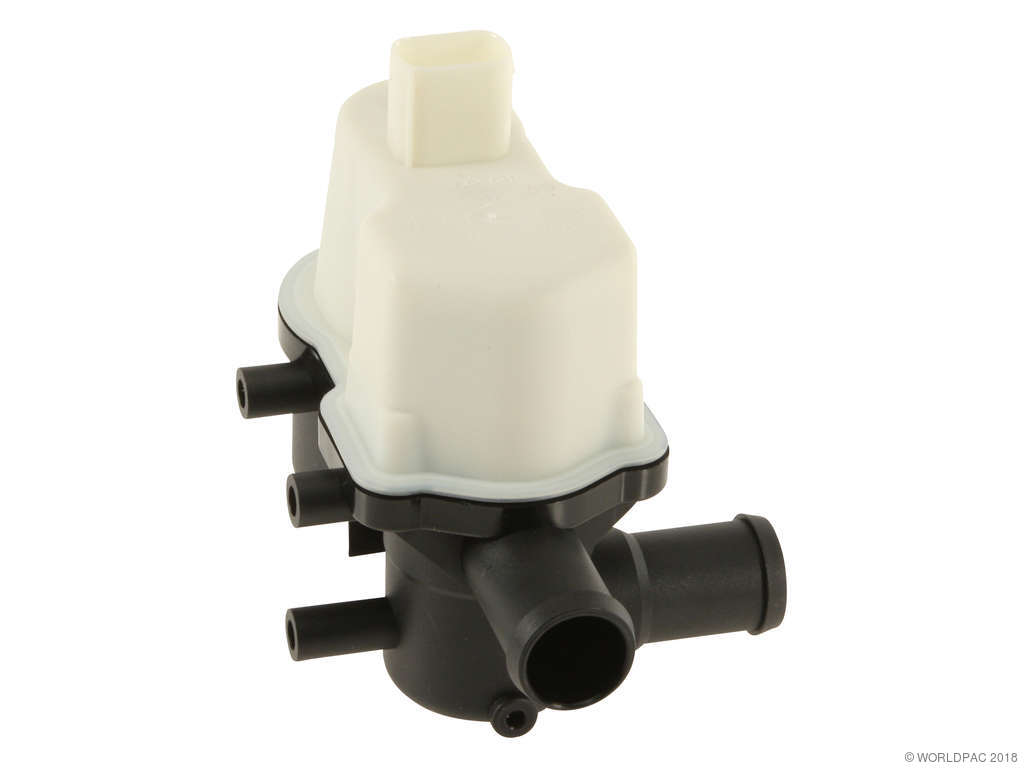
Est. part cost: $30-$45 - Faulty EVAP Leak Detection Pump (LDP) 🟡 Medium Probability → Shop Vapor Canister The LDP is a mechanical pump with internal seals and a diaphragm that can fail over time, creating a leak within the component that is supposed to be testing for leaks. It is a known failure point on the P3 platform after the gas cap is ruled out.
How to confirm: This is difficult to confirm without a smoke machine and a bi-directional scan tool. A smoke test may show smoke exiting the LDP itself. The pump is located near the charcoal canister, in the middle of the rear axle area, often tucked above the rear subframe. Access can be tight, but dropping the subframe is not typically required.
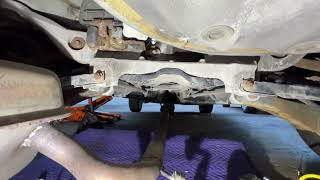
Typical fix: Replace the Leak Detection Pump. 🎬 See a step-by-step walkthrough of the leak detection pump replacement. The Bosch unit is the OEM supplier and is a viable alternative to the more expensive Genuine Volvo part.
Est. part cost: $100-$330 - Cracked or Disconnected EVAP Hoses 🟡 Medium Probability Rubber hoses become brittle and crack with age and exposure to engine heat and the elements. Connections can also become loose over time, especially at the purge valve or charcoal canister.
How to confirm: Visually inspect all accessible EVAP system hoses, particularly the small lines around the charcoal canister (near the rear axle) and the purge valve in the engine bay. A smoke test is the most effective way to pinpoint a small, hard-to-see crack.
Typical fix: Replace the cracked section of hose. Small hose clamps can be used to secure any loose connections.
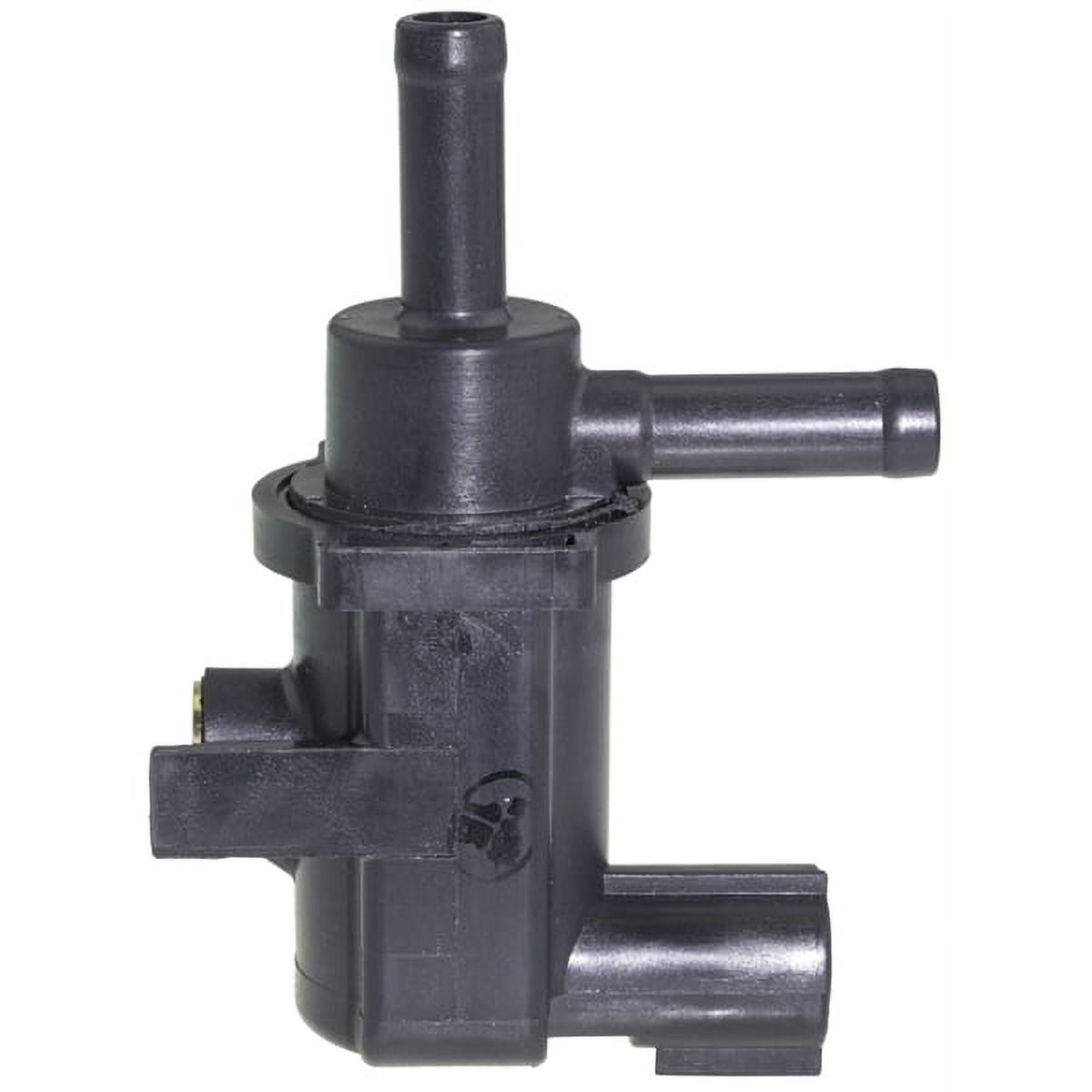
Est. part cost: $10-$50 - Faulty EVAP Canister Purge Valve ⚪ Low Probability → Shop Vapor Canister The valve, which controls the flow of fuel vapors to the engine, can become stuck partially open, creating a constant small leak.
How to confirm: Remove the valve and attempt to blow through it (when not powered). If air passes through, the valve is stuck open and faulty. Its location can vary; on the 2.5L 5-cylinder T5 engine, it is typically in the front of the engine bay and easily accessible. On other engines, it may be integrated with other components.
Typical fix: Replace the purge valve.
Est. part cost: $70-$150
Rare But Worth Checking
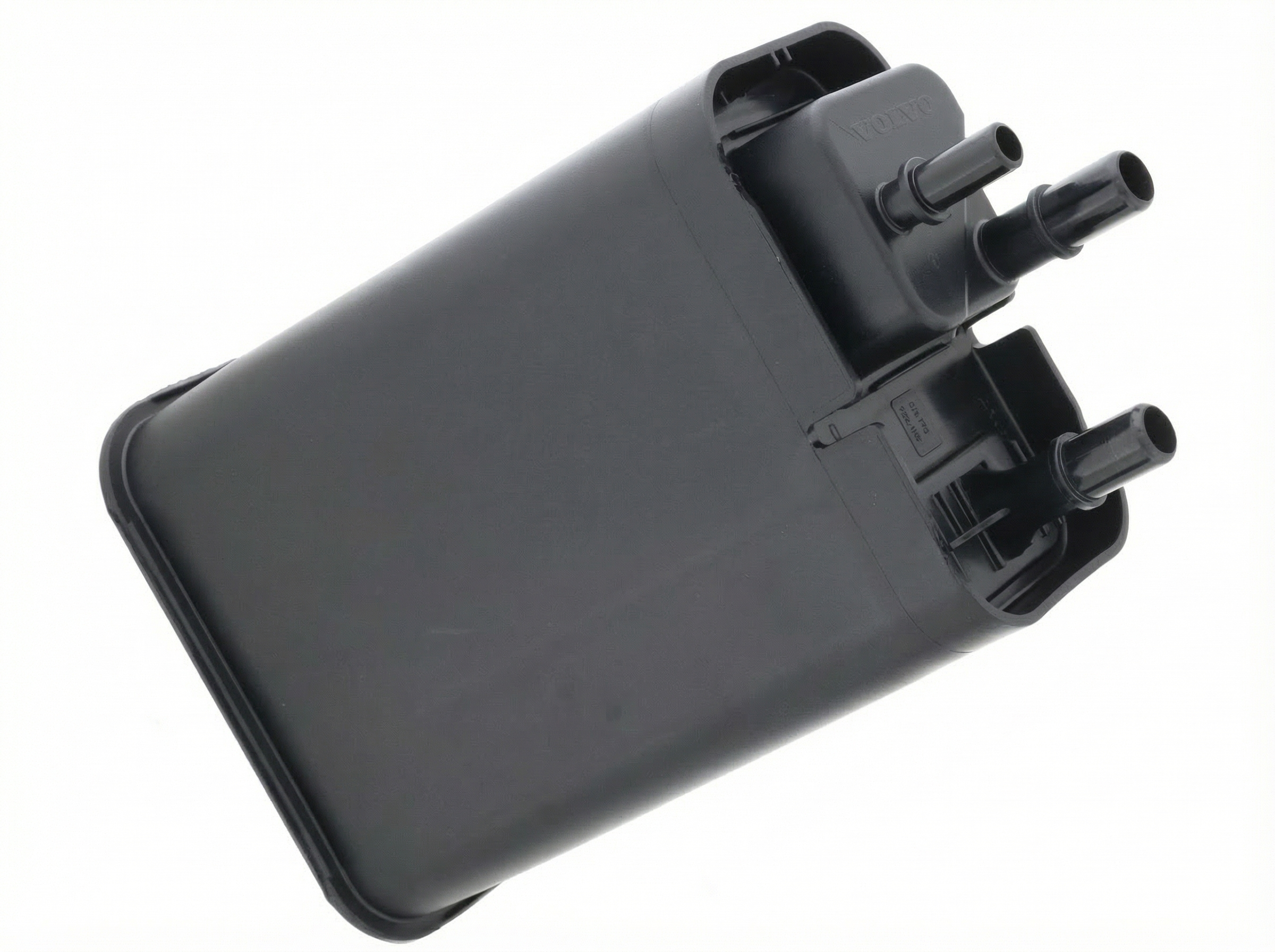
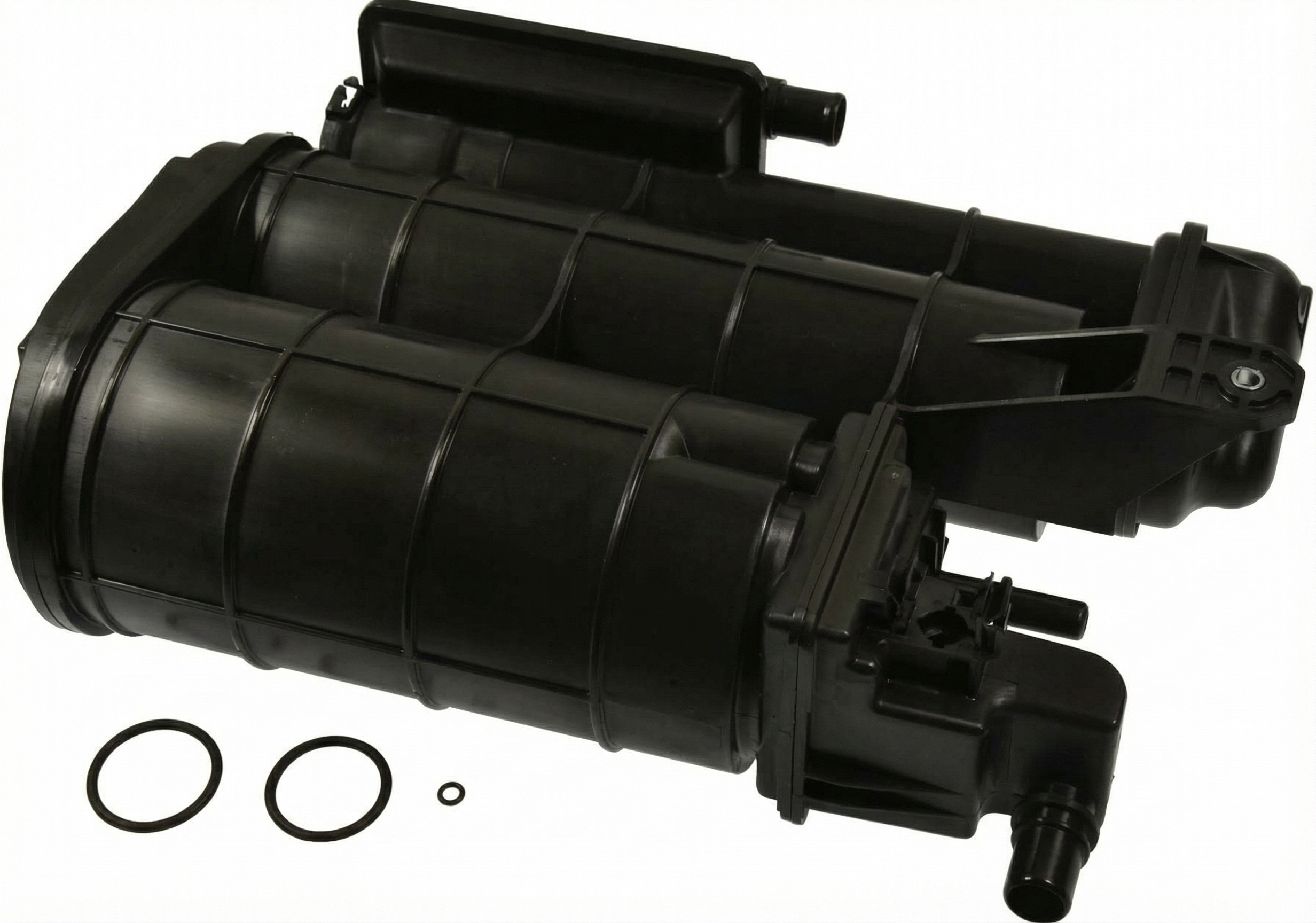
- Cracked Charcoal Canister: → Shop Vapor Canister While not common, the plastic body of the charcoal canister can develop hairline cracks, causing a leak. This is usually found only with a smoke test.
- Leaking Fuel Tank or Fuel Pump Gasket: → Shop Fuel Pump A leak can occur at the fuel pump's sealing gasket on top of the tank, especially if the pump has been replaced recently. A crack in the fuel tank itself is also possible, though very rare.
- Faulty Fuel Tank Pressure Sensor: → Shop Fuel Tank The sensor itself can fail or its seal can leak, but this is uncommon and usually accompanied by other fault codes.
Diagnosis Steps
- Check the Gas Cap: Ensure it is tight (clicks 3-4 times). Remove it and inspect the rubber seal for cracks or damage. If in doubt, replace it with an OEM part.
- Clear the Code: Use an OBD-II scanner to clear the code after tightening or replacing the gas cap. Drive for several days to see if the light returns. The EVAP monitor test only runs under specific conditions (e.g., fuel tank between 15-85% full, ambient temperature within a certain range, after a cold start), so it may take time for the light to reappear.
- Visual Inspection: If the light returns, visually inspect the EVAP hoses in the engine bay (around the purge valve) and under the car near the rear axle (around the charcoal canister and LDP) for obvious cracks or loose connections.
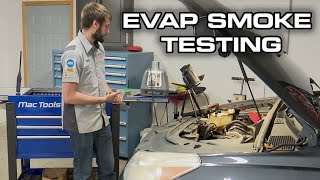
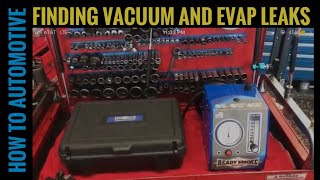
- Perform a Smoke Test: This is the most reliable way to find a small leak. A mechanic will introduce pressurized, UV-dyed smoke into the EVAP system's service port. Smoke will exit from the point of the leak, making it easy to identify, 🎬 Watch how to perform a professional EVAP smoke test. sometimes with the help of a UV light.
- Test Components: Based on the smoke test results, the leaking component (e.g., purge valve, LDP, hose, or canister) can be confirmed and replaced. A bi-directional scanner can also be used to command the purge and vent valves to close during the smoke test to isolate different parts of the system.
Parts You'll Likely Need
- Fuel Tank Cap
(OEM #31392044)— This is the most frequent failure point. The seal wears out, causing a leak that the system detects. Using an official Volvo part is critical for a proper seal.
Trusted brands: Genuine Volvo
OEM price range: $30-$45
Aftermarket price range: $10-$25 - Evaporative Emissions System Leak Detection Pump
(OEM #31392490)— This pump is a key part of the Volvo EVAP system and can fail internally, causing a leak. It's a common culprit after the gas cap has been ruled out. The original part number 31321575 has been superseded by 31392490.
Trusted brands: Genuine Volvo, Bosch (OEM)
OEM price range: $250-$330
Aftermarket price range: $60-$150 - Vapor Canister Purge Valve
(OEM #31478982)— This valve can get stuck open, causing a persistent small leak. It's a less common but known failure point.
Trusted brands: Genuine Volvo, Bosch, Pierburg
OEM price range: $70-$120
Aftermarket price range: $40-$80
Related Codes That Often Appear With This One
- P0455 — This code indicates a large EVAP leak. If a component fails catastrophically (e.g., a hose completely disconnects or the gas cap is left off), you may see this code instead of or along with P0456.
- P0442 — This indicates a medium-sized leak. These codes (P0456, P0442, P0455) all point to the same system, just with different perceived leak sizes.
Technical Service Bulletins (TSBs) & Recalls
- TSB TJ 31034: While the full text is not publicly available, this Technical Journal is frequently mentioned in technician circles regarding diagnosing EVAP leaks (P0455/P0456) on P3 platform vehicles. It outlines a systematic diagnostic pr
Platform-Specific Known Issues
- Owner Experience: Gas Cap Fixed P0456 after Multiple Attempts: → Shop Fuel Tank Cap A user on the volvoXC.com forums reported getting a P0456 code. After noticing the gas cap wasn't tight, clearing the code, and having it return, they inspected the cap's gasket and found it was unhealthy. Replacing the gasket with one from a Stant cap (or replacing the whole cap with an OEM unit) is the confirmed fix in many similar threads.
- DIY LDP Replacement: A YouTube video for a P2 platform S60 (which has a similar LDP location) shows the replacement process. The pump is located above the rear subframe near the exhaust. Access is tight, but it can be done on jack stands without dropping the subframe by removing a heat shield and working in a tight space. The pump is held by a bracket with 8mm bolts and the pump itself is attached with Torx screws.
Mechanic-Grade Diagnostic Values
- Fuel Tank Pressure (FTP) Sensor Voltage — expected: Approximately 2.5V with key-on, engine-off and the gas cap removed (system at atmospheric pressure). The voltage should decrease as vacuum is applied.. Failure: Voltage is stuck high (e.g., 5V) or low (e.g., 0V), or does not change when vacuum is applied with a hand pump.
Scan Tool Commands That Help
- Volvo VIDA (Vehicle Information & Diagnostics for Aftersales): Quick test of fuel tank — This is a bidirectional test to command the vehicle's onboard EVAP leak test. Navigate via Vehicle Communications -> Advanced -> 'Quick test of fuel tank'. The system will pressurize and report back 'System fine', 'Minor leak', or 'Major leak', helping to confirm an active leak without waiting for the automatic monitor to run.
Wiring & Ground Locations
- 31/XX10 (LH wheel housing 1) — On the left-hand (driver's side for US) wheel housing in the engine bay.. This is a primary ground point for the Engine Control Module (ECM) on 2013+ models. A poor ground here can cause erratic behavior from any system the ECM controls, including the EVAP system components and their sensors, leading to false codes or improper operation.
Real Owner Repair Stories
- Reddit user 'sambashare' (Volvo S60 (era-similar to P3 platform)) — P0456 code that would only set with under half a tank of fuel.
❌ Tried (didn't work) Multiple smoke tests that came back clean (no leaks found)., Replacing the gas cap with an OEM part.
✅ What actually fixed it The Leak Detection Pump (LDP) was failing internally. It was not leaking externally (hence the clean smoke tests), but it was failing its own pressure-holding self-test, causing the ECM to believe there was a system leak. Replacing the LDP resolved the code. - Reddit user 'PortugueseBerserker' (Volvo S80 2006 (P2 platform, similar EVAP layout)) — Persistent P0456 after standard checks.
❌ Tried (didn't work) Smoke tests, Gas cap replacement
✅ What actually fixed it A leak at the fuel pump sealing ring on top of the gas tank. This was identified by removing the rear seat bottom, opening the metal access cover, and finding a small pool or smell of fuel, indicating the gasket was no longer sealing.
"I Checked Everything" — The Actual Cause
- In several owner-documented cases, a P0456 code persisted even after a professional smoke test found no leaks. The ultimate cause was an internally failing Leak Detection Pump (LDP). The LDP's job is to pressurize the system for the test; if the pump's own internal diaphragm or seals are faulty, it cannot hold the pressure it generates, leading the ECM to incorrectly flag a system leak. Because the leak is internal to the test component, no smoke will escape the system externally.
OEM Part Supersession History
31321575→31392490— Standard part revision and update by Volvo.
Heads up: Part number 31338272 is also listed as a cross-reference for this LDP assembly. All three numbers generally refer to the same part for this application.
Model Year Variations Within This Range
- 2011-2014 vs 2015-2018: The available engines changed significantly. Early models featured 5-cylinder and 6-cylinder engines, while later models (2015+) transitioned to the 4-cylinder Drive-E architecture. This changes the location of engine bay components like the purge valve and its associated vacuum lines.
- 2011-2013 vs 2014-2018: The S60 received a major facelift for the 2014 model year, which included revised exterior styling and interior updates. While the core P3 platform and EVAP system principles remained the same, wiring and component mounting points may have minor differences.
Diagnostic Flowchart
Other Known Issues on This Vehicle
Issues unrelated to this code that are worth knowing about as an owner of this generation:
- Excessive Oil Consumption (2.0L Drive-E & 2.5L 5-Cyl) 🔴 High — Common on 2013-2016 models, often starting around 70,000-80,000 miles. Caused by faulty piston ring design that allows carbon buildup and clogging. (Ref: Volvo issued an extended warranty and TSB (TJ 31233) for this issue, but most vehicles are now outside the coverage period. The fix involves replacing the pistons and rings.)
- PCV System Clogging 🟠 Medium — Common across many Volvo 5-cylinder engines. The PCV breather box and its passages can clog with sludge, leading to high crankcase pressure. This can cause oil leaks from cam and crank seals and a whistling noise from the engine.
- Automatic Transmission Shift Quality Issues 🟠 Medium — Some owners of cars with the Aisin-Warner TF-80SC automatic transmission report rough shifting or delays. Volvo marketed the fluid as 'lifetime,' but lack of fluid changes can lead to premature wear. Fluid drain-and-fills often improve or resolve the issue.
- Front Strut Mount Failure 🟡 Low — Owners report hearing clunking or popping noises from the front suspension when going over bumps. This is often caused by premature failure of the upper front strut mounts.
- Leaking Windshield Seal 🟠 Medium — A known manufacturing defect on early P3 platform cars where the windshield was not properly bonded, leading to water leaks into the cabin, which can damage electronics. (Ref: Volvo addressed this under warranty/goodwill for a period, but that has since expired.)
Used vs. New Parts: Buying Guide for This Vehicle
When a used part is the smart pick: For purely structural, non-sealed components like mounting brackets. A used charcoal canister can be a good value if it's guaranteed to be from a vehicle without EVAP codes and shows no physical cracks. Used EVAP hoses are generally not recommended due to the risk of them being brittle.
Donor-vehicle mileage cap: roughly under 80000 miles for the part to have meaningful remaining life.
What to inspect on the donor part:
- For a charcoal canister, inspect the plastic body for any hairline cracks, especially around the hose ports.
- For hoses, ensure they are still pliable and not hardened or cracked when flexed.
- Verify the donor vehicle did not have any check engine lights, particularly for EVAP codes.
OEM-only on this vehicle (don't cheap out):
- Fuel Tank Cap: Aftermarket caps are notoriously unreliable on Volvos and are a common cause of repeat P0456 codes. Always use a Genuine Volvo cap.
Aftermarket brands forum-validated for this vehicle:
- Bosch: Bosch is the Original Equipment Manufacturer (OEM) for many Volvo parts, including the Leak Detection Pump (LDP) and Purge Valve. A Bosch-branded part is often identical to the Genuine Volvo part without the dealership markup.
Brands owners have reported issues with on this vehicle:
- Unbranded or 'white-box' gas caps and electronic sensors. The savings are not worth the high probability of failure or incorrect sealing.
Real Owner Stories
Aggregated from forums and TSBs cited above. Mileages and costs reflect what owners reported in those sources.
2011-2018 Volvo S60
Symptoms: The user noticed the gas cap wasn't tight and the P0456 code returned even after clearing it. Upon inspection, the cap's gasket was found to be 'unhealthy'.
What fixed it: Replacing the gasket with one from a Stant cap (or replacing the whole cap with an OEM unit).
Source hint: volvoXC.com thread titled 'P0456 - Evaporative Emissions System CEL'
2007 Volvo S60
Symptoms: The owner needed to replace the Leak Detection Pump and confirmed the difficult access in the rear of the vehicle.
What fixed it: Replacement of the Leak Detection Pump located in the middle of the rear axle.
Source hint: volvoforums.com thread 'leak detection pump'
Related OBD-II Codes
Frequently Asked Questions
Is there a Technical Journal for EVAP leaks like P0456 on the Volvo P3 platform?
Can I use an aftermarket gas cap to fix the P0456 code on my S60?
Where is the Leak Detection Pump (LDP) located on a 2011-2018 S60?
Do I need to drop the rear subframe to replace the Leak Detection Pump?
How can I test if my gas cap is the cause of the P0456 without buying a new one immediately?
Why does it take so long for the Check Engine Light to come back on after clearing a P0456 code?
Helpful Videos
![How to Fix P0456 Engine Code in 7 Minutes [7 DIY Methods / Only $3.44]](https://img.youtube.com/vi/njt81AALI3U/mqdefault.jpg)
Used OEM Parts in Stock
New Aftermarket Parts Available


The information in this article is provided for general reference and educational purposes only. Vehicle specifications, procedures, and part compatibility can vary by production date, trim level, and region. Always consult your vehicle's factory service manual and verify part numbers before purchasing or performing repairs. Safety-critical components such as airbags, seat belts, and braking systems should be installed by a qualified professional.
- Volvo S60:
- 🧭 Diagnostic Flowchart
- 🎬 Helpful Videos
- 🛍️ Shop This Part
- What's Unique About the 2011-2018 Volvo S60
- Symptoms You May Notice
- Most Likely Causes
- Rare But Worth Checking
- Diagnosis Steps
- Parts You'll Likely Need
- Related Codes That Often Appear With This One
- Technical Service Bulletins (TSBs) & Recalls
- Platform-Specific Known Issues
- Mechanic-Grade Diagnostic Values
- Scan Tool Commands That Help
- Wiring & Ground Locations
- Real Owner Repair Stories
- "I Checked Everything" — The Actual Cause
- OEM Part Supersession History
- Model Year Variations Within This Range
- Other Known Issues on This Vehicle
- Used vs. New Parts: Buying Guide for This Vehicle
- Real Owner Stories
- 2011-2018 Volvo S60
- 2007 Volvo S60
- Related OBD-II Codes
- Frequently Asked Questions
- 🎟️ Get 5% Off