

P0456 on 2003-2014 Volvo XC90: Causes and Fixes for a Small EVAP Leak
On a 2003-2014 Volvo XC90, code P0456 is most often caused by a worn-out gas cap or a small, rotted 3-inch rubber hose near the charcoal canister. Start with a new OEM gas cap (part #31392044, ~$30) before moving to more complex diagnostics like checking the hoses near the rear axle.
- P0456 means your XC90 has a very small leak in the fuel vapor containment system. It is safe to drive but will fail an emissions test.
- Always start with the cheapest and most likely fix: inspect and/or replace the gas cap with an OEM part.
- The second most likely cause on a 2003-2014 XC90 is a small, rotted 3-inch rubber hose near the rear charcoal canister.
- Do not replace expensive parts like the Leak Detection Pump or charcoal canister without first checking the gas cap and hoses, or performing a smoke test to confirm the leak's location.
What's Unique About the 2003-2014 Volvo XC90
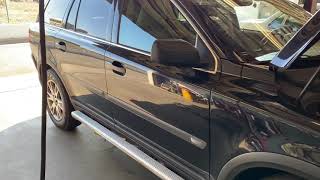
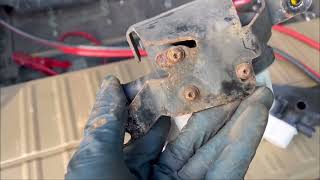
The first-generation Volvo XC90 had a very long production run, but the EVAP system design remained consistent. Owners have identified a particularly common failure point that is specific to this platform: a short, 3-inch section of 1/4-inch diameter rubber hose near the charcoal canister is known to rot and crack, causing this specific code. While the gas cap is always the first suspect, this small hose is a very frequent and inexpensive secondary culprit for XC90 owners. A YouTube video specifically for the 2005 XC90 clearly demonstrates this failure, showing the hose has become loose and comes right off the hard line.
🎬 Watch: See this common hose failure demonstrated on an XC90.Generation note: The 2003-2014 model years cover the entire first generation of the Volvo XC90. There are no significant differences in the EVAP system design or common causes for this code within this generation. The core components and their failure modes are consistent across all engine variants (2.5T, T6, 3.2, V8).
Symptoms You May Notice
- Check Engine Light is on.
- A faint fuel smell may be present, but this is not common for a small leak.
- No noticeable change in vehicle performance.
- Replacing the expensive Leak Detection Pump or charcoal canister before checking the gas cap and the small, inexpensive rubber hoses first.
- Replacing parts without confirming the leak location with a smoke test.
Most Likely Causes
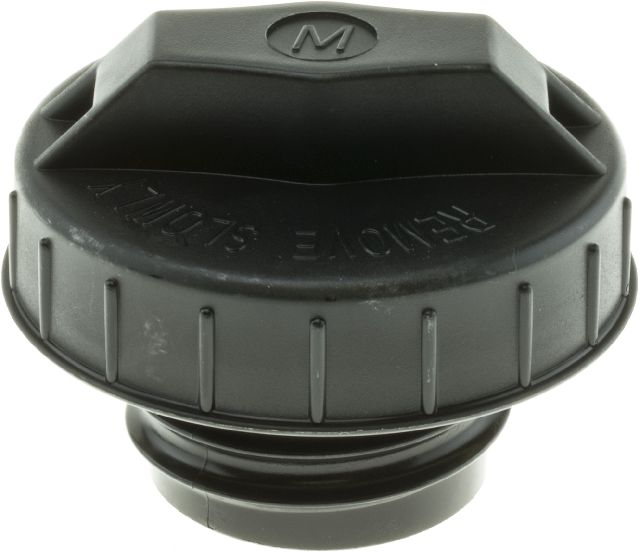
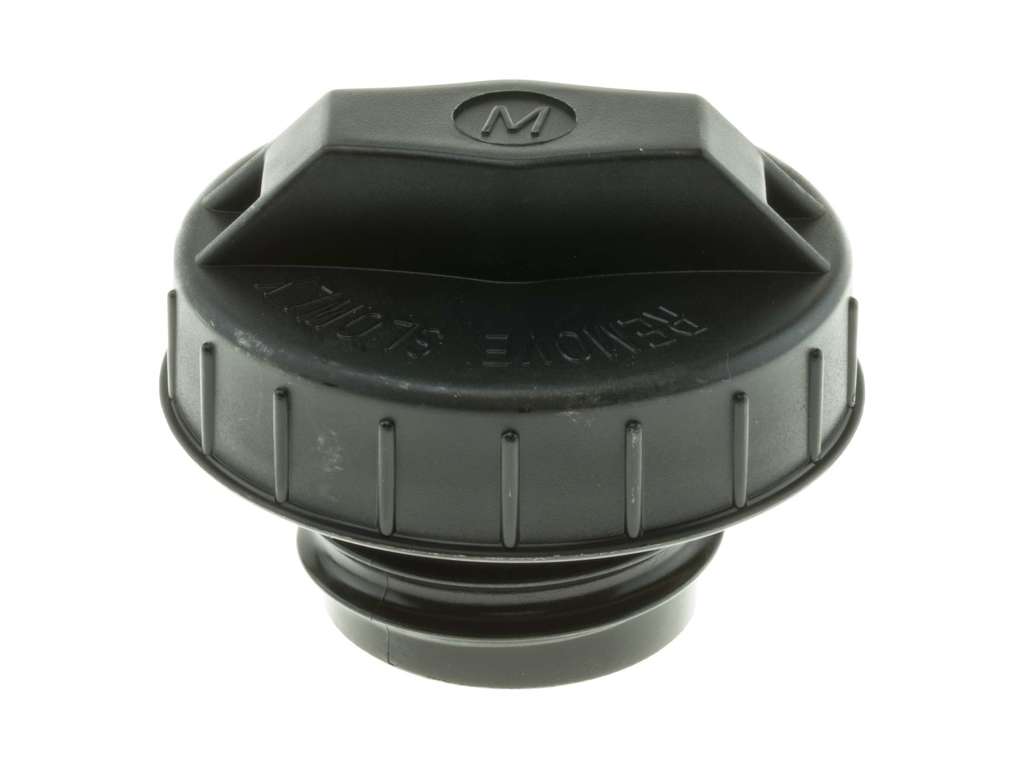
- Loose or Worn Gas Cap 🔴 High Probability → Shop Fuel Tank Cap The gas cap seal is a rubber O-ring that is frequently handled and exposed to fuel vapors. Over time, the rubber naturally hardens, cracks, and loses its ability to maintain a perfect seal, which is the most common cause of a P0456 code.
How to confirm: Inspect the rubber gasket on the gas cap for any visible cracks, stiffness, or damage. Ensure you hear multiple clicks when tightening it. Even if it looks okay, it can still be the source of a very small leak. Some owners suggest a temporary test by doubling a plastic bag over the filler neck and tightening the cap over it to create a better seal, then clearing the codes to see if they return after a few days.
Typical fix: Replace the gas cap with a new, OEM (Original Equipment Manufacturer) part, Volvo part number 31392044. Aftermarket caps can sometimes have sealing issues and are not recommended.
Est. part cost: $25-$45 - Cracked EVAP Hose Near Charcoal Canister 🔴 High Probability → Shop Vapor Canister A specific 3-inch section of 1/4-inch diameter rubber hose connecting to the charcoal canister is a well-documented failure point on the XC90. It becomes brittle and cracks from age and heat exposure. This is a very common failure point after the gas cap.
How to confirm: Visually inspect the small rubber hoses around the charcoal canister, which is located near the rear axle, behind the spare tire. The problematic hose is often visibly cracked, loose, and may come off easily with a slight tug. A smoke test is the definitive way to find the leak if it's not visually obvious.
Typical fix: Replace the small, cracked section of hose with a new piece of 1/4-inch fuel vapor hose and secure it with new clamps.
Est. part cost: $5-$15 - Faulty Leak Detection Pump (LDP) 🟡 Medium Probability → Shop Evaporative Emissions System Leak Detection Pump The LDP (also called the Fuel Vapor Leak Detection Pump) is a mechanical pump with internal components that can wear out or fail over time, preventing the EVAP system from being tested correctly. It is a common failure item on P2 platform Volvos.
How to confirm: The LDP is located behind the spare tire, above the rear axle. Diagnosis often requires a bi-directional scan tool to command the pump to run and check its status. If the pump is noisy or fails to respond, it is likely faulty. Other EVAP codes, like P2402, may accompany a failed LDP.
Typical fix: Replace the Leak Detection Pump. This involves removing the spare tire for access. 🎬 See this walkthrough on how to replace the leak detection pump. The OEM part is made by Bosch.
Est. part cost: $100-$250 - Faulty EVAP Purge Valve ⚪ Low Probability → Shop Vapor Canister The purge valve (or purge solenoid) is located in the engine bay and can get stuck slightly open, or develop a small leak in its diaphragm over time, causing a constant small leak.
How to confirm: With the engine off and the valve unplugged, it should be closed. You can remove it and try to blow through it; if any air passes, it's stuck open and needs replacement. A faulty purge valve can also cause a long crank time after refueling. A stuck valve may also cause other codes like P0441 (Incorrect Purge Flow).
Typical fix: Replace the EVAP purge valve. On the 3.2L engine, it is located near the front of the engine.
Est. part cost: $50-$100
Rare But Worth Checking
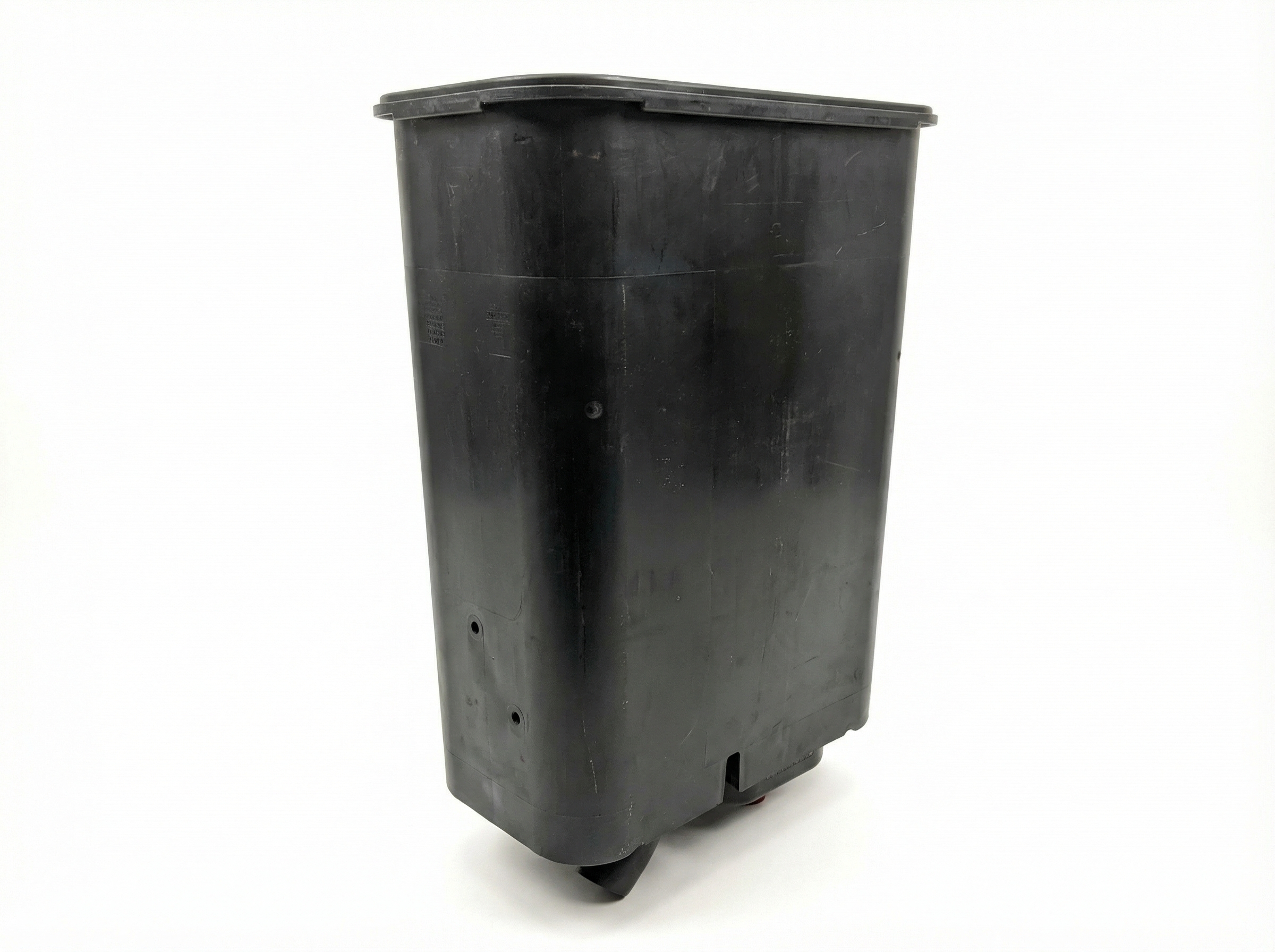
- Cracked Charcoal Canister: → Shop Vapor Canister The plastic body of the charcoal canister can develop hairline cracks from age or impact from road debris, causing a small leak. This is usually found during a smoke test when no other cause is apparent.
- Leaking Fuel Tank Filler Neck: → Shop Fuel Tank The metal or rubber pipe leading from the gas cap to the fuel tank can rust or crack, creating a leak. This is more common in areas with heavy road salt use. The seal where the cap meets the filler neck can also be compromised by rust or debris.
Diagnosis Steps
- Verify the Check Engine Light is on and the code is P0456 using an OBD-II scanner.
- Inspect the gas cap. Ensure it is tight. Remove it and check the rubber seal for cracks, stiffness, or damage. If in doubt, replace it with an OEM cap (Volvo P/N 31392044), clear the code, and drive for a few days to see if the light returns.
- If the code returns, raise the rear of the vehicle and remove the spare tire for better access.
- Locate the charcoal canister and Leak Detection Pump (LDP) area, just above and behind the rear axle.
- Visually inspect all accessible rubber EVAP hoses for cracks, especially the short 3-inch, 1/4" diameter hose near the canister. Gently tug on them to see if they are loose or rotted.
- If a visual inspection reveals no obvious faults, the most effective next step is to perform a smoke test. A smoke machine forces low-pressure, UV-dyed smoke into the EVAP system via the service port. The leak will be revealed by where the smoke escapes. This is the professional method for finding tiny, hard-to-see leaks.
- Inspect the purge valve in the engine bay. With the engine off, remove the valve and attempt to blow through it. If air passes, it has failed in the open position and must be replaced.
- Using a Volvo-specific scan tool like VIDA, command the LDP to run and perform its self-test. A failure to operate points to an LDP or wiring issue.
- Based on the smoke test results or component tests, replace the leaking or faulty component.
- After the repair, clear the code and drive the vehicle through several drive cycles to allow the EVAP system monitor to run and confirm the fix. This test often runs after the vehicle has been sitting for several hours (e.g., overnight).
Parts You'll Likely Need
- Fuel Tank Cap
(OEM #31392044)— This is the most common failure point. The rubber seal degrades over time, causing a small leak. This part number supersedes older numbers like 30636587 and 31321925.
Trusted brands: Volvo (OEM), Stant
OEM price range: $30-$45
Aftermarket price range: $15-$25 - EVAP Leak Detection Pump
(OEM #31392490)— This pump is a common failure item after the gas cap and hoses have been ruled out. It is responsible for pressurizing the system for the leak test. The OEM pump is manufactured by Bosch.
Trusted brands: Bosch (OEM supplier), Volvo (OEM), Dorman, SKP
OEM price range: $180-$250
Aftermarket price range: $70-$150 - EVAP System Hose (1/4 inch) — A specific short hose near the charcoal canister is known to rot and crack, making it a very common and inexpensive fix for the P0456 code on this vehicle.
Trusted brands: Generic Fuel Vapor Hose
OEM price range: N/A
Aftermarket price range: $5-$15
Related Codes That Often Appear With This One
- P0455 — Indicates a large EVAP leak. If a small leak (P0456) is ignored, a component like a hose can fail further, leading to a large leak.
- P0442 — Indicates a medium-sized EVAP leak. This is on the same spectrum as P0456 and is caused by the same set of components.
- P0441 — Indicates incorrect purge flow, which can be caused by a faulty EVAP purge valve that is also causing the P0456 leak.
- P2402 — Indicates an issue with the EVAP Leak Detection Pump's control circuit. This code may appear alongside P0456 if the LDP itself has failed electrically.
Platform-Specific Known Issues
- Recall R24069 was issued for some 2005 XC90 models for a software upgrade related to 'Poor Purge Performance', which can be related to EVAP system faults. Owners of 2005 models may want to verify if this recall was performed.
Mechanic-Grade Diagnostic Values
- EVAP Purge Valve Solenoid Resistance — expected: 25-40 Ohms. Failure: A reading significantly outside this range, or an open circuit (infinite resistance), indicates a failed coil.
Scan Tool Commands That Help
- Volvo VIDA (Vehicle Information & Diagnostics for Aftersales): EVAP System Leak Test Activation — This function is used to command the EVAP system's valves to close, sealing the system for a smoke test. More importantly, it can run a specific diagnostic sequence to directly test the function of the Leak Detection Pump (LDP), which is more accurate than relying on generic OBD-II codes alone and can help differentiate a leak from a faulty pump.
Wiring & Ground Locations
- LDP Wiring Harness Connector — Under the carpet beneath the rear passenger seat. This connector is part of the harness that runs from the main body to the fuel pump and Leak Detection Pump (LDP) area.. This harness is a known failure point due to rodent damage. Wires (specifically the green/grey 12v power wire to the LDP) can be chewed, causing a loss of power to the pump. This results in an electrical fault that prevents the EVAP test from running, but may still log a P0456 leak code before an electrical code appears.
- Ground Point G72 — At the left rear of the cargo compartment.. This is a primary ground point for the Rear Electronic Module (REM) and other components in the rear of the vehicle. A corroded or loose ground here could potentially affect the operation of the LDP or other rear-mounted EVAP components.
- EVAP Valve (Purge Solenoid) — Component designator 8/19 in Volvo wiring diagrams, located in the engine bay.. Knowing the official component designator helps in accurately locating the part and its wiring on a factory diagram for electrical testing.
Real Owner Repair Stories
- YouTube channel 'Wrenching Mafia' (2005 Volvo XC90) — Check Engine Light with code P0456. No other driveability symptoms.
❌ Tried (didn't work) The mechanic had previously installed a new gas cap, which did not solve the problem.
✅ What actually fixed it A small, 3-inch section of 1/4-inch diameter rubber hose connecting to a hard line near the charcoal canister was found to be rotted and loose. Replacing this small piece of hose with a new section and clamps provided a tight fit and resolved the leak. - Volvo Forums user 'stavri' (2008 Volvo XC90) — Check Engine Light with code P2419 (EVAP Switching Valve Circuit Low), related to the LDP circuit.
❌ Tried (didn't work) Checking fuse 15., Testing the EVAP purge solenoid in the engine bay., Testing the 4-pin relay under the driver's side footwell., Performing a smoke test, which showed no leaks., Testing the Leak Detection Pump (LDP) itself, which tested good off the vehicle.
✅ What actually fixed it The user found there was no 12v power on the green/grey wire at the LDP connector. The fault was traced to mice-chewed wires in the harness located under the fuel pump access cover (beneath the rear passenger seat). Splicing and repairing the two chewed wires restored power to the LDP and fixed the issue.
"I Checked Everything" — The Actual Cause
- In one documented case on a 2008 XC90, a smoke test passed with no leaks found, yet an EVAP code persisted (P2419). The actual cause was not a leak, but an electrical failure. Mice had chewed through the wiring harness that provides 12-volt power to the Leak Detection Pump (LDP), located under the rear passenger seat. Because the pump had no power, it couldn't run the EVAP system self-test, but the system itself was perfectly sealed.
OEM Part Supersession History
31321575→31392490— Updated design or manufacturer change for the EVAP Leak Detection Pump (LDP).31338272→31392490— Part number consolidation for the EVAP Leak Detection Pump (LDP).
Diagnostic Flowchart
Other Known Issues on This Vehicle
Issues unrelated to this code that are worth knowing about as an owner of this generation:
- T6 Transmission Failure 🔴 High — Very common on 2003-2005 models with the 2.9L T6 engine, often failing before 100,000 miles. The GM-sourced 4T65EV transmission was not robust enough for the vehicle's weight and engine torque. (Ref: No official recall, but the subject of class-action lawsuits.)
- Central Electronic Module (CEM) Failure 🔴 High — Intermittent and bizarre electrical issues that often worsen with heat or humidity. Can cause no-start conditions, instrument cluster failure, and random warning lights.
- Rear Differential / Angle Gear Sleeve Failure (AWD Models) 🟠 Medium — The splined sleeve connecting the transmission to the angle gear for the AWD system can strip out, resulting in a loss of power to the rear wheels. Often occurs between 80,000-150,000 miles.
- Sunroof Drain Clogs 🟠 Medium — The sunroof drain tubes are prone to clogging, causing water to leak into the cabin, often onto the floorboards. This can lead to mold and damage to sensitive electronics, including the CEM.
- PCV/Crankcase Breather System Clogs 🟠 Medium — The oil trap and associated hoses can clog over time, leading to increased crankcase pressure, which can blow out engine seals (like the rear main seal) causing major oil leaks.
- Front Wheel Bearing Failure 🟡 Low — Front wheel bearings can become noisy and require replacement, sometimes before 100,000 miles.
Used vs. New Parts: Buying Guide for This Vehicle
When a used part is the smart pick: For larger, non-wear components like the charcoal canister or the fuel filler neck, a used part from a reputable salvage yard can be a cost-effective option. These parts typically fail from physical damage or corrosion rather than internal wear.
Donor-vehicle mileage cap: roughly under 100000 miles for the part to have meaningful remaining life.
What to inspect on the donor part:
- For a charcoal canister, visually inspect the plastic housing for any hairline cracks, especially around the hose ports.
- Ensure the part number on the used component exactly matches the one being replaced, as variations exist.
- Select parts from vehicles in dry, salt-free climates to minimize the risk of corrosion and brittle plastic.
- Ask for the donor vehicle's mileage and accident history if possible.
OEM-only on this vehicle (don't cheap out):
- Fuel Tank Cap: Aftermarket gas caps are notorious for having poor seals that do not meet the precise pressure requirements of the Volvo EVAP system, often causing the P0456 code to return. Always use a Genuine Volvo or OEM Stant cap.
Aftermarket brands forum-validated for this vehicle:
- Bosch: Bosch is the original equipment manufacturer for the Leak Detection Pump (LDP). Buying a Bosch-branded pump is identical to the Genuine Volvo part but is often significantly less expensive.
Brands owners have reported issues with on this vehicle:
- Generic/unbranded gas caps should be avoided as they are a common cause of persistent P0456 codes.
Real Owner Stories
Aggregated from forums and TSBs cited above. Mileages and costs reflect what owners reported in those sources.
2005 Volvo XC90
Symptoms: Check Engine Light is on for a small EVAP leak.
What fixed it: Replaced a small 3-inch, 1/4-inch diameter hose near the charcoal canister that had become brittle and cracked.
Source hint: youtube.com: A video titled 'Volvo XC90 P0456 Small Evap Leak. Check Engine Light'
2005 Volvo XC90
Symptoms: P0456 code accompanied by an 'anti-skid service required' message and the vehicle entering limp mode.
What fixed it: The source indicates a complex issue possibly involving water intrusion near control modules, though the specific EVAP fix was unresolved in the report.
Source hint: volvoproject.com: A user with a 2005 XC90 reports a P0456 code along with an 'anti-skid service required' message
Related OBD-II Codes
Frequently Asked Questions
Is there a specific recall for the EVAP system on my 2005 Volvo XC90?
What is the specific Volvo part number for a replacement gas cap for the XC90?
Where is the charcoal canister and Leak Detection Pump located on the XC90?
I have a P0456 code; could this be caused by a specific hose failure common to this platform?
Can a faulty purge valve cause symptoms other than the Check Engine Light?
Is the Leak Detection Pump (LDP) a common failure on other Volvos besides the XC90?
Helpful Videos
Used OEM Parts in Stock
New Aftermarket Parts Available


The information in this article is provided for general reference and educational purposes only. Vehicle specifications, procedures, and part compatibility can vary by production date, trim level, and region. Always consult your vehicle's factory service manual and verify part numbers before purchasing or performing repairs. Safety-critical components such as airbags, seat belts, and braking systems should be installed by a qualified professional.
- Volvo XC90:
- 🧭 Diagnostic Flowchart
- 🎬 Helpful Videos
- 🛍️ Shop This Part
- What's Unique About the 2003-2014 Volvo XC90
- Symptoms You May Notice
- Most Likely Causes
- Rare But Worth Checking
- Diagnosis Steps
- Parts You'll Likely Need
- Related Codes That Often Appear With This One
- Platform-Specific Known Issues
- Mechanic-Grade Diagnostic Values
- Scan Tool Commands That Help
- Wiring & Ground Locations
- Real Owner Repair Stories
- "I Checked Everything" — The Actual Cause
- OEM Part Supersession History
- Other Known Issues on This Vehicle
- Used vs. New Parts: Buying Guide for This Vehicle
- Real Owner Stories
- 2005 Volvo XC90
- 2005 Volvo XC90
- Related OBD-II Codes
- Frequently Asked Questions
- 🎟️ Get 5% Off