

P0457 on 2011-2016 Kia Forte Koup: EVAP Leak (Loose Gas Cap) Causes and Fixes
This code almost always means you have a loose, worn, or incorrect gas cap. Before buying any parts, tighten your gas cap until it clicks several times, clear the code, and drive. If it returns, a new OEM-spec gas cap is the most likely fix, costing around $15-$30. If that doesn't work, the Canister Close Valve (CCV) is the next most common culprit.
- Always check the gas cap first. It is the most common and cheapest fix for P0457.
- Tighten the cap until it clicks several times. If the light comes back, replace the cap with an OEM part.
- If a new gas cap doesn't solve the issue, the next most likely culprits are the canister close valve (near the rear wheel) or the purge valve (in the engine bay).
- A professional smoke test is the fastest way to find the leak if it's not the gas cap.
What's Unique About the 2011-2016 Kia Forte Koup
The 2011-2016 Kia Forte Koup spans two generations (TD: 2011-2013, YD: 2014-2016), but the EVAP system components and common failures are largely consistent. A key document for this platform is Kia's Technical Service Bulletin #PS469. It acknowledges that EVAP leak codes like P0457 can be hard to find and may require a manual test if the cause isn't obvious. The TSB outlines a specific diagnostic procedure for technicians: with the engine off, they monitor the Fuel Tank Pressure Sensor (FTPS) voltage, then command the purge and close valves shut to see if the system can hold a vacuum or if the voltage changes, indicating a leak. This official procedure confirms that valve failures are a known issue beyond the simple gas cap.
Diagnostic Flowchart
Tap your situation to follow the diagnostic path that matches what you're seeing on this vehicle.
Generation note: This range covers the first generation (TD, 2011-2013) and the second generation (YD, 2014-2016) of the Kia Forte Koup. While some part numbers may differ (notably the Canister Close Valve), the function and common failure points of the EVAP system components are very similar across both generations.
Symptoms You May Notice
- Check Engine Light is on.
- A noticeable smell of gasoline, especially around the rear of the car or after refueling.
- Slight decrease in fuel economy.
- Difficulty starting the engine immediately after refueling (this can point more towards a faulty purge valve).
- Replacing the purge valve or canister when the actual problem is just a worn-out gas cap seal. Always start with the simplest and most likely cause.
Most Likely Causes
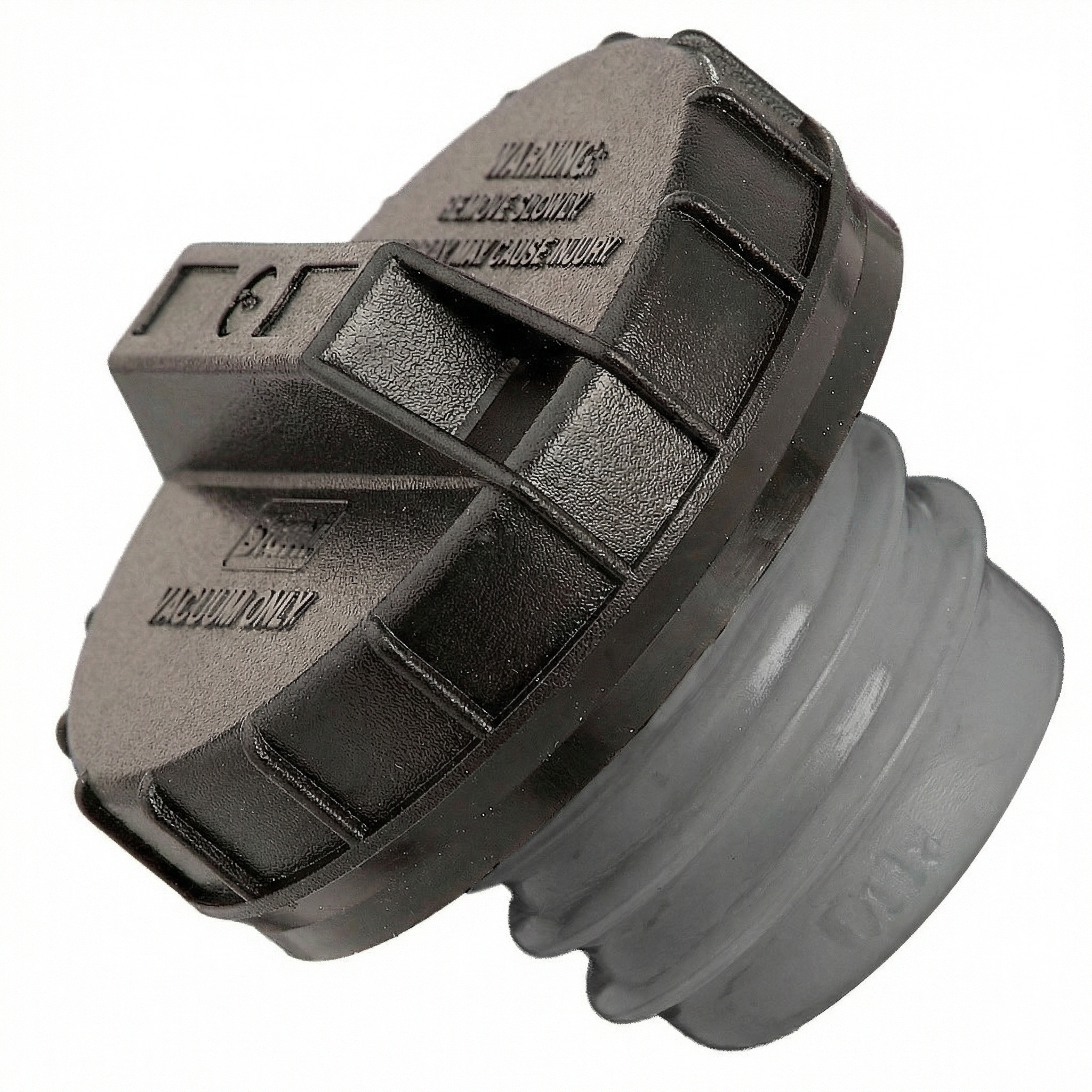
- Loose, Damaged, or Incorrect Gas Cap 🔴 High Probability → Shop Fuel Tank Cap This is the most common cause for P0457 on any vehicle, as the code is specifically designed to point to a leak detected after refueling. The rubber seal on the cap can dry out and crack over time, preventing a proper seal. Sometimes simply cleaning dirt from the filler neck rim and the cap seal is enough to fix the issue.
How to confirm: Ensure the cap is tightened until it clicks multiple times. Inspect the rubber O-ring for cracks, stiffness, or damage. A YouTube guide suggests lubricating the seal with a bit of oil to keep it from drying out. If it looks worn, replacement is the best option.
Typical fix: Replace the fuel filler cap with a new, OEM-quality part. Aftermarket caps can sometimes cause sealing issues.
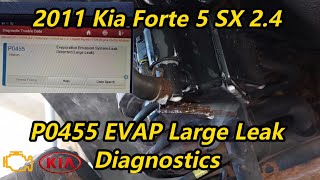
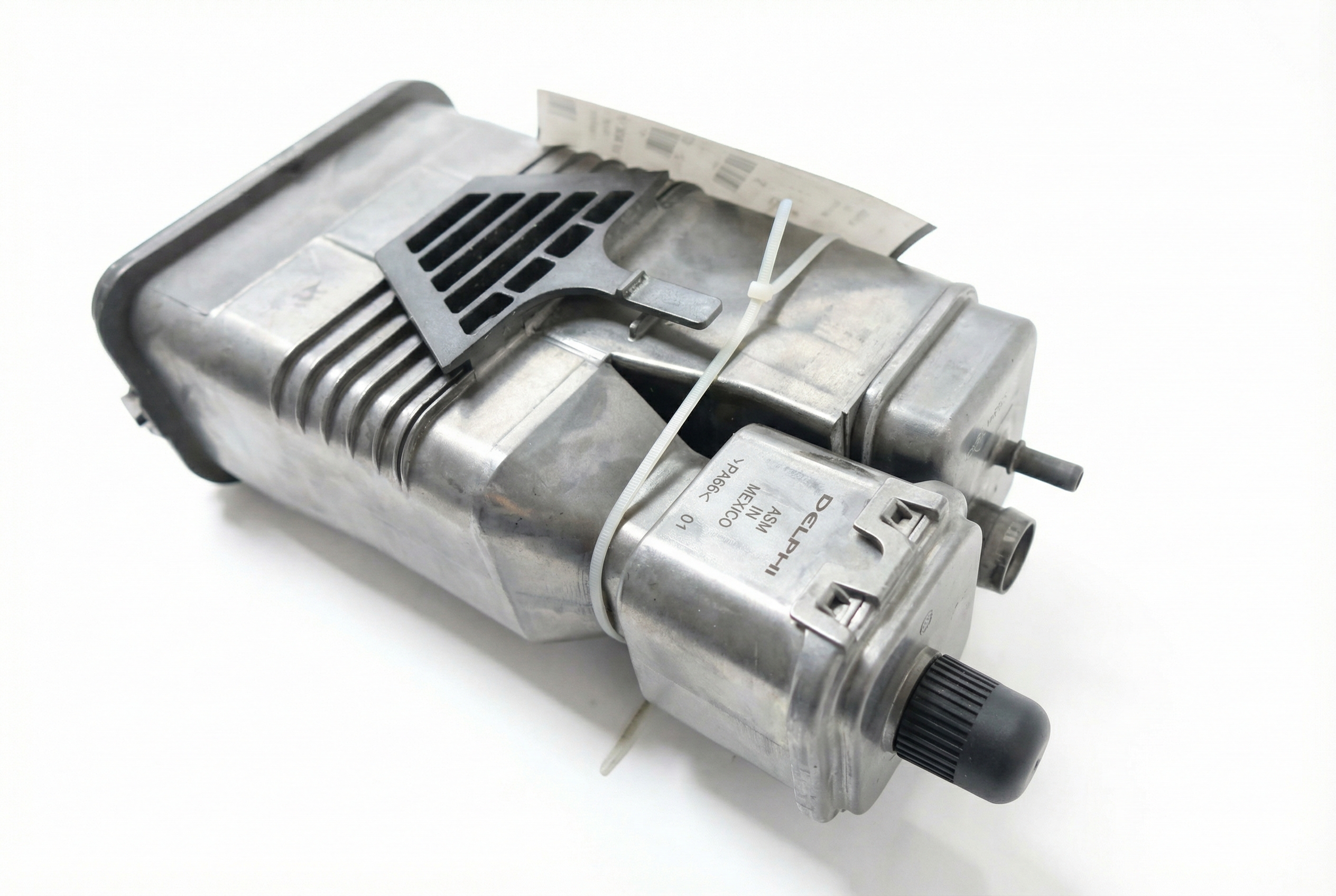
Est. part cost: $15-$30 - Faulty Canister Close Valve (CCV) 🟡 Medium Probability → Shop Vapor Canister Also known as the vent valve, this component is located under the car near the charcoal canister and is exposed to road debris and moisture. It can get stuck open or closed, or its seals can fail, causing a leak. A user on the 'BobIsTheOilGuy' forum confirmed replacing this valve to solve an EVAP issue on their Forte. A repair video for a 2011 Forte shows the mounting bracket for this valve can become extremely rusted, making removal difficult. 🎬 Watch: Diagnostic walkthrough for finding a large EVAP leak.
How to confirm: The valve can be tested with a capable scan tool to command it shut. A definitive diagnosis involves a smoke test to see if smoke escapes from the valve when it's supposed to be closed. You can also test it with a hand vacuum pump and a 12V power source.
Typical fix: Replace the canister close valve. It is often attached to the charcoal canister assembly.
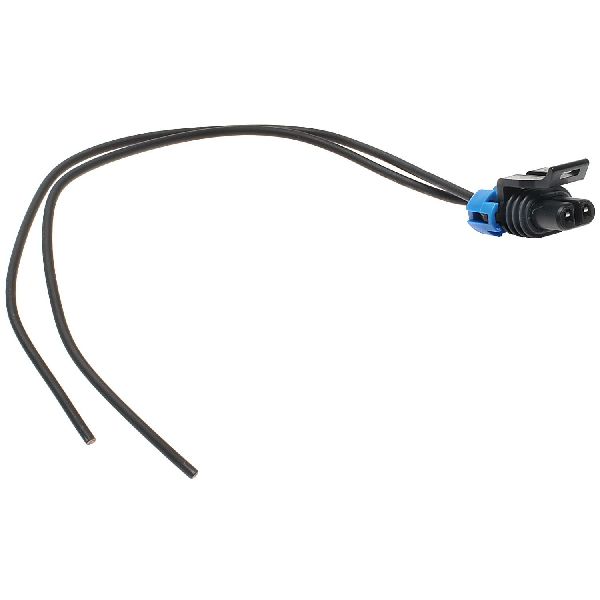
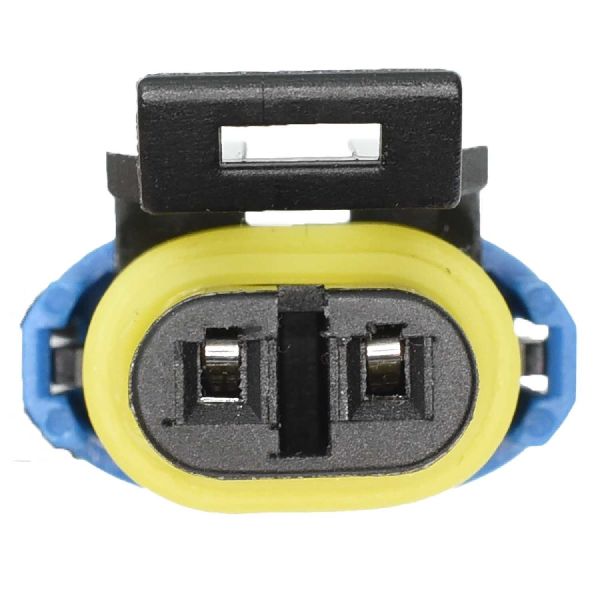
Est. part cost: $75-$115 - Faulty Purge Control Solenoid Valve (PCSV) ⚪ Low Probability → Shop Vapor Canister Purge Solenoid This valve is located in the engine bay and controls the flow of fuel vapors from the canister to the engine. If it gets stuck open, it can cause an EVAP leak code, though it more commonly causes other codes like P0441. A key symptom of a stuck-open purge valve is the engine being difficult to start or stalling right after you finish refueling.
How to confirm: With the engine off, disconnect the valve and try to blow through it; it should be closed and not allow air to pass. If air passes, it's stuck open and needs replacement.
Typical fix: Replace the purge control solenoid valve. This is an easy repair for DIYers, located on top of the engine.
Est. part cost: $35-$85 - Cracked or Disconnected EVAP Hoses ⚪ Low Probability Over time, the rubber and plastic hoses in the EVAP system can become brittle and crack, especially those exposed to engine heat or underbody elements.
How to confirm: Visually inspect all accessible EVAP lines between the engine, charcoal canister, and fuel tank. A smoke test is the most effective way to find a small crack or leak that isn't obvious.
Typical fix: Replace the specific section of cracked hose.
Est. part cost: $10-$50
Rare But Worth Checking
- Cracked Charcoal Canister: → Shop Vapor Canister The canister itself can develop cracks from road debris impact or age, creating a large leak. This is usually found during a smoke test when smoke is seen exiting the body of the canister.
- Leaking Fuel Filler Neck: → Shop Fuel Filler Neck The metal pipe leading from the gas cap to the fuel tank can rust and develop holes, causing a leak that mimics a bad gas cap. This is more common in regions that use road salt. A Reddit thread confirms owners have encountered this issue, which can be diagnosed with a visual inspection for heavy corrosion or during a smoke test.
Diagnosis Steps
- Check the Gas Cap: This is the most common cause. Remove the cap, inspect the seal for cracks or damage, and retighten it until it clicks several times. Clear the code and drive for a few days to see if it returns.
- Replace the Gas Cap: If the seal looks worn or the code returns, the next logical step is to replace the gas cap with a new, high-quality OEM part. Aftermarket caps can sometimes cause sealing issues.
- Visual Inspection: Carefully inspect all visible EVAP hoses in the engine bay and under the vehicle for obvious cracks, disconnections, or rot. Pay special attention to the fuel filler neck for signs of heavy rust or perforation, especially if you live in an area with road salt.
- Inspect EVAP Valves: Locate and inspect the purge valve (in the engine bay) and the canister close valve (near the charcoal canister at the rear of the car). Check for cracks in the plastic housing or loose electrical connections.
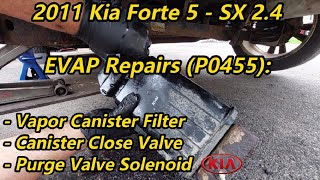
- Perform a Smoke Test: If the leak isn't obvious, the definitive diagnostic method is a smoke test, as recommended by Kia's own TSB PS469 for hard-to-find leaks. A mechanic will inject pressurized smoke into the EVAP system. The smoke will escape from the source of the leak, making it easy to pinpoint whether it's a hose, valve, filler neck, or the canister itself. 🎬 Watch: Step-by-step guide to fixing a gross EVAP leak.
Parts You'll Likely Need
- Fuel Filler Cap — This is the most frequent cause of a P0457 code. The seal wears out over time, preventing the system from holding pressure.
Trusted brands: Kia (OEM), Gates
OEM price range: $20-$35
Aftermarket price range: $15-$25 - Canister Close Valve
(OEM #31430-3X000 (for 2011-2013 TD), 31430-1Y000 (for 2014-2016 YD))— This valve is a common failure point after the gas cap. It gets stuck or its seals fail, causing a persistent leak. Part number differs by generation. The 2011-2013 (TD) uses 31430-3X000. The 2014-2016 (YD) uses 31430-1Y000, which supersedes the older part number for later applications.
Trusted brands: Kia (OEM), Standard Motor Products
OEM price range: $80-$115
Aftermarket price range: $50-$80 - Vapor Canister Purge Valve
(OEM #28910-2E000)— While less common for P0457, a stuck-open purge valve can cause this leak code and is a relatively simple and inexpensive part to replace. A key symptom is difficulty starting after refueling. This part number fits a wide range of 2011-2018 Kia/Hyundai vehicles.
Trusted brands: Kia (OEM), Duralast, Gates
OEM price range: $50-$85
Aftermarket price range: $30-$60
Related Codes That Often Appear With This One
- P0455 — P0455 indicates a 'gross' or large EVAP leak. P0457 is a more specific version of P0455 that the car's computer sets when it suspects the leak is related to refueling, pointing directly to the fuel cap area.
- P0456 — P0456 indicates a 'small' EVAP leak. If a component is beginning to fail, it might first set a P0456 before the leak worsens and triggers a P0457 or P0455.
Technical Service Bulletins (TSBs) & Recalls
- PS469: Recommends a manual EVAP test for hard-to-find leaks.
Platform-Specific Known Issues
- Rusted Canister Close Valve (CCV) Bracket: → Shop Vapor Canister The metal bracket holding the CCV to the vehicle's underbody is highly susceptible to rust. In a documented repair on a 2011 Forte, the bracket had completely disintegrated, making removal of the valve assembly difficult and requiring the bracket to be replaced as well. When diagnosing or replacing the CCV, be prepared for rusted bolts and potential bracket failure.
Mechanic-Grade Diagnostic Values
- Fuel Tank Pressure Sensor (FTPS) Output Voltage — expected: Approximately 2.5V at atmospheric pressure (gas cap off), 0.5V under vacuum (-6.67 kPa), and 4.5V under pressure (+6.67 kPa).. Failure: Voltage that is stuck high (e.g., 5V) or low (e.g., 0.3V) regardless of pressure, or does not change during an EVAP test, indicates a faulty sensor or wiring issue.
Hidden / Shadow Codes Worth Checking
- N/A (Logic-Based Code): Kia vehicles in this era do not typically use proprietary 'shadow codes' for EVAP issues in the same way some German manufacturers do. Instead, P0457 can be considered a more specific, logic-based version of the general P0455 'Large Leak' code. The ECU sets P0457 specifically when its test sequence suggests the large leak occurred immediately following a refueling event, pointing suspicion directly at the fuel cap. (see via Standard OBD-II Scanner)
Scan Tool Commands That Help
- Professional Scan Tool (e.g., Autel, iCarsoft, Kia GDS): EVAP System Leak Detection Test / Solenoid Activation — After checking the gas cap, this is the next step before a smoke test. The scan tool can command the Canister Close Valve (Vent Valve) shut and the Purge Valve closed to seal the system. It then monitors the FTPS voltage to see if the system holds a vacuum. Some tools can also individually activate the purge and vent solenoids, allowing a technician to listen for an audible 'click' to confirm the valve is mechanically responding to the electrical command.
Wiring & Ground Locations
- EVAP System Fuse — In the main fuse box in the engine compartment, often labeled 'SENSOR 2' (10A fuse).. A single blown fuse can disable power to multiple EVAP components, including the Purge Valve and other sensors, triggering various codes including P0457.
- Engine/Transmission Ground Wires — Main grounding points are typically on the cylinder head, engine block, and transmission case. Specific ground cable assemblies for the 2014-2016 Forte Koup include PNs 91860-A7220 (Auto Trans) and 91860-A7210 (Manual Trans).. A poor ground connection for the ECU or the EVAP components can cause erratic sensor readings or valve operation, leading to false codes. Verifying clean, tight grounds is a crucial step in advanced electrical diagnosis.
- Fuel Tank Pressure Sensor (FTPS) Connector — On top of the fuel pump assembly, accessible by removing the rear seat bottom cushion and an access plate.. This is the primary connector to test for power, ground, and signal voltage from the FTPS. A user reported having no 5V reference power at this connector with the key on, engine off, which prevented diagnosis and pointed to a wiring or ECU fault.
Real Owner Repair Stories
- Modern Jeeper Forum (Jeep JK (similar EVAP component logic)) — Immediate 'gas cap' warning on dash after relocating the EVAP canister, which then turned into a P0457 check engine light.
❌ Tried (didn't work) Checking all hose connections for tightness., Clearing codes (they returned immediately)., Taking everything apart and reassembling with silicone grease on the o-rings.
✅ What actually fixed it The issue was the orientation of the Leak Detection Pump (LDP), a small canister-mounted sensor. The relocation kit required rotating it. The fix was to rotate the sensor back to its original stock position. The sensor was sensitive to its physical angle, and being in the 'wrong' orientation caused the code without an actual leak being present. - Modern Jeeper Forum (Jeep (similar EVAP component logic)) — Persistent EVAP code.
❌ Tried (didn't work) General troubleshooting.
✅ What actually fixed it The charcoal canister had failed internally and was saturated with liquid fuel, making it feel 'heavy and sloshy'. Replacing the canister resolved the problem.
"I Checked Everything" — The Actual Cause
- If a smoke test is performed and no leaks are found, the most likely culprit is a faulty Fuel Tank Pressure Sensor (FTPS). The sensor may not be accurately reporting pressure changes to the ECU, causing the computer to believe there is a leak when the system is perfectly sealed. The ECU relies on the FTPS data to confirm the integrity of the system during its self-test; if the sensor provides an incorrect reading (e.g., it's stuck at 2.5V), the test will fail and set a code even with no physical leak.
OEM Part Supersession History
Unknown→31430-1Y000— Updated design for the Canister Close Valve for the second generation (YD) Forte.
Heads up: The CCV for the 2011-2013 (TD) Forte is a different part number (31430-3X000) and is not interchangeable with the YD part.
Model Year Variations Within This Range
- 2011-2013 (TD) vs 2014-2016 (YD): The most significant difference affecting this code is the Canister Close Valve (CCV). The first generation (TD) uses part number 31430-3X000, while the second generation (YD) uses 31430-1Y000. The physical mounting and electrical connectors may differ, making them non-interchangeable.
Helpful Videos
Used OEM Parts in Stock
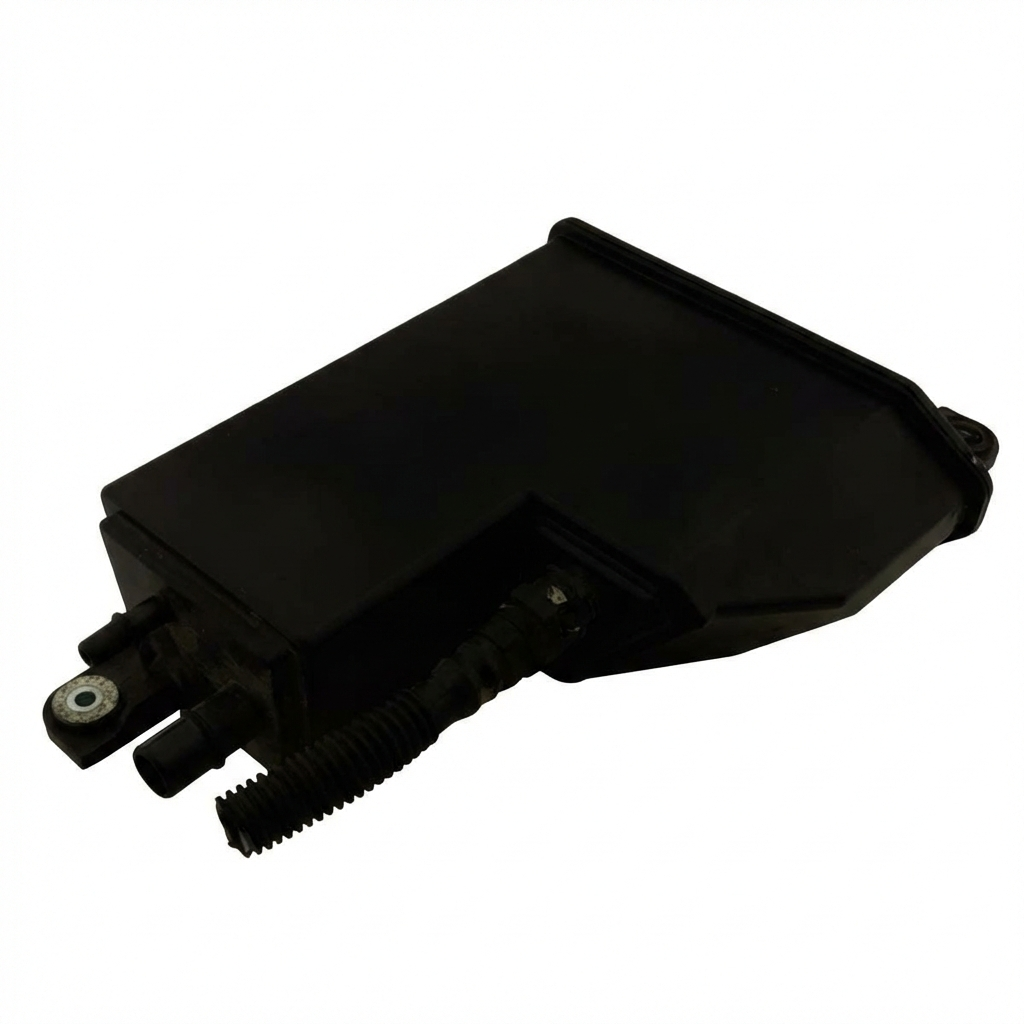
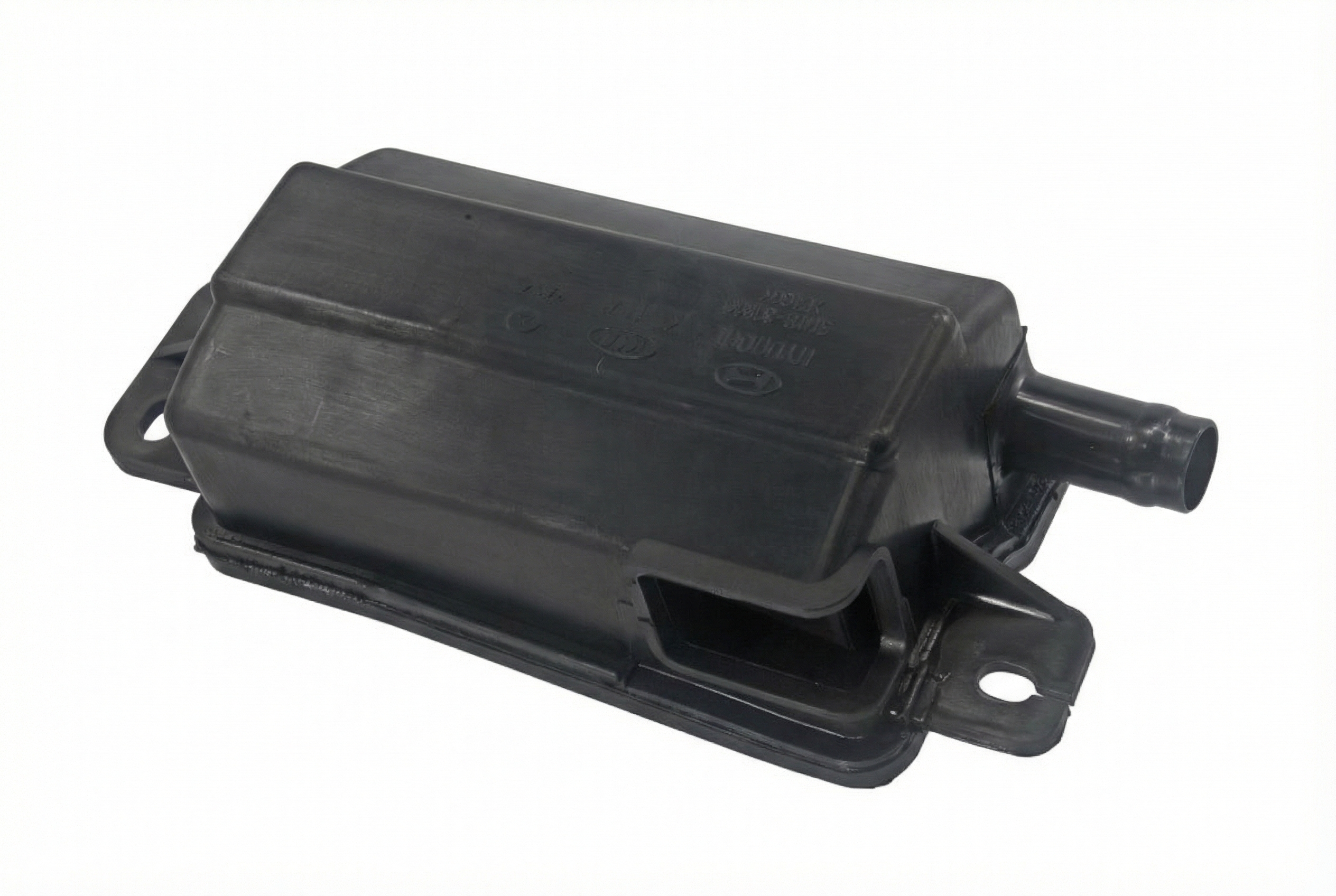
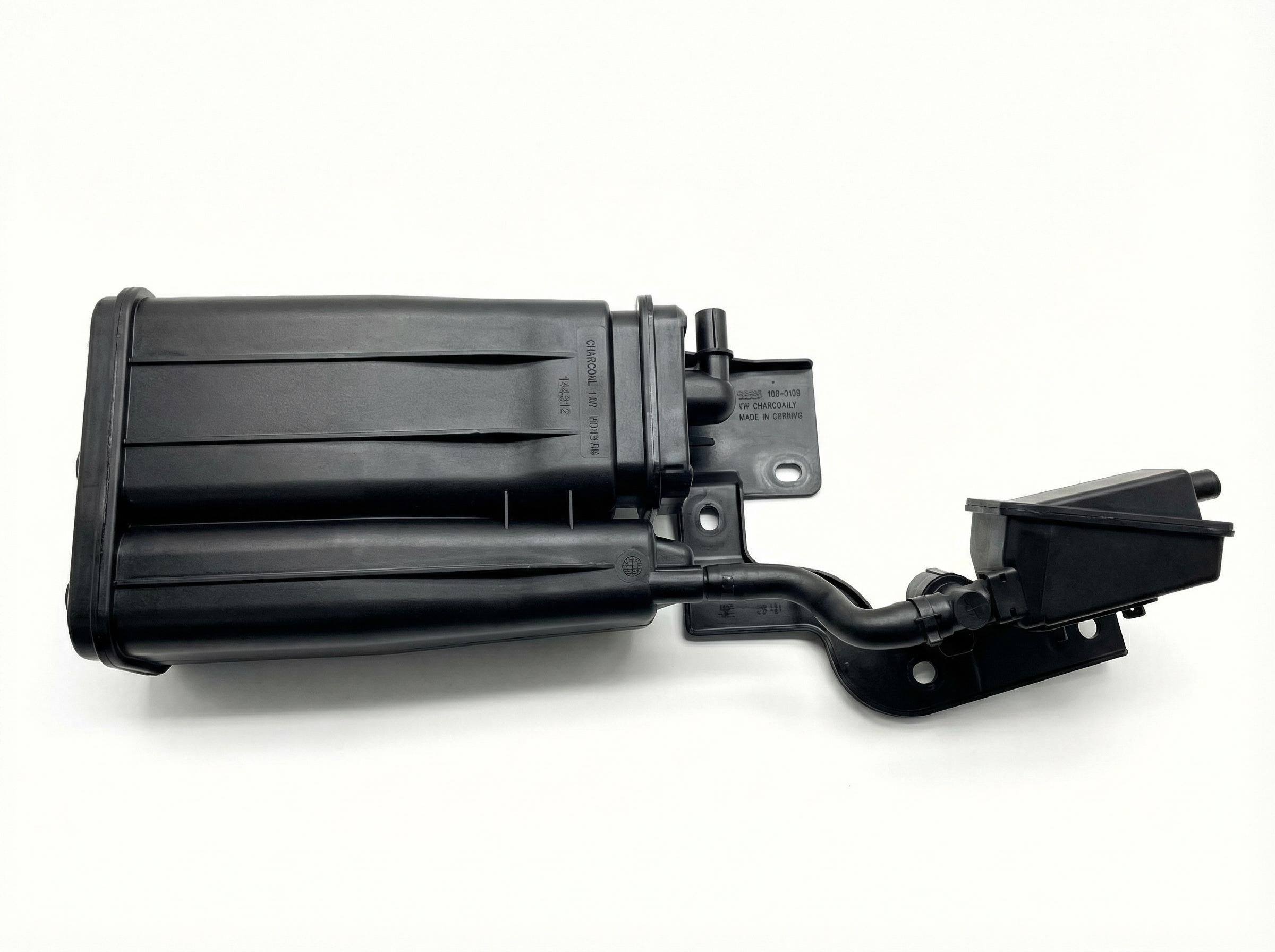
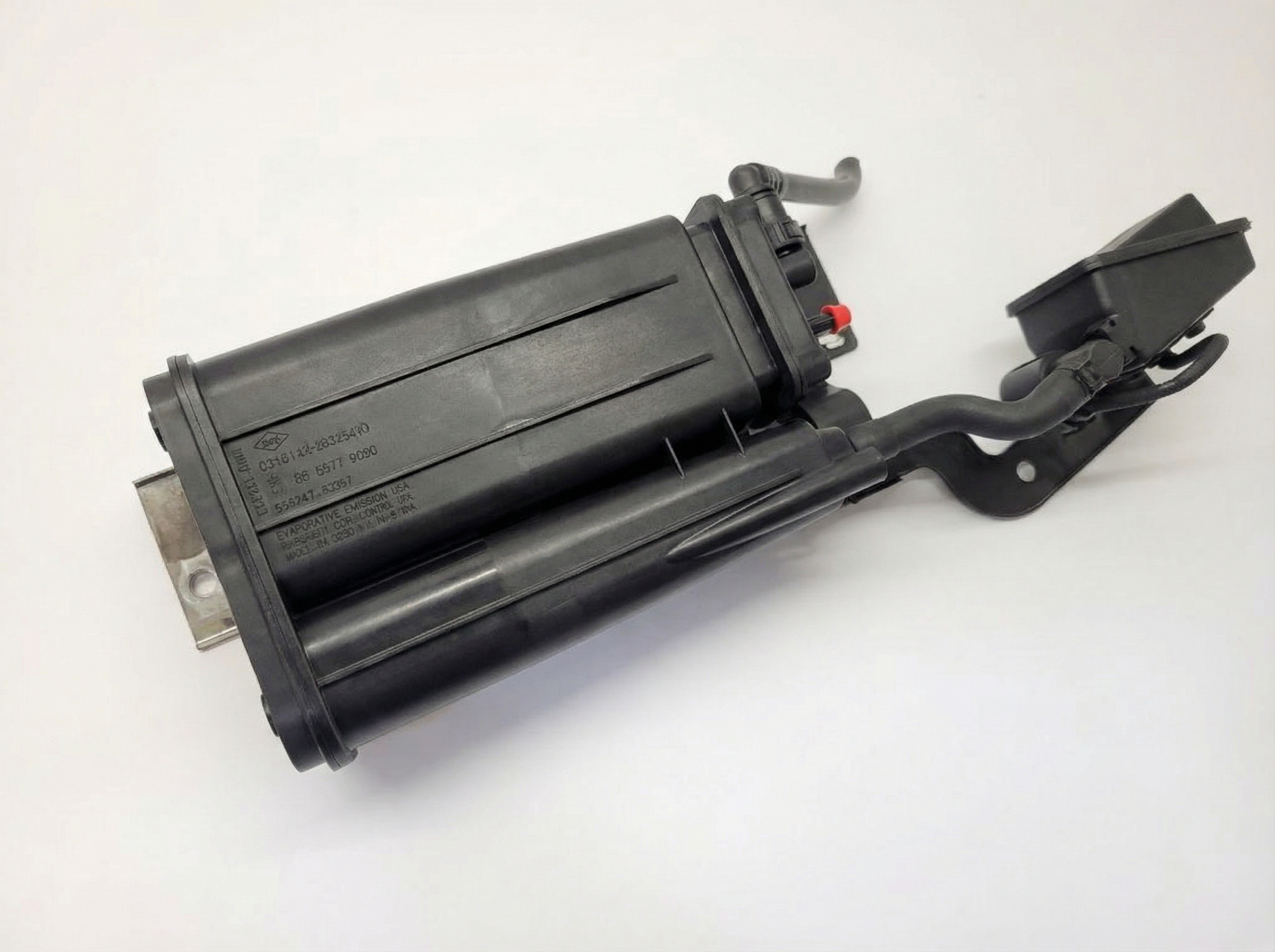
New Aftermarket Parts Available


The information in this article is provided for general reference and educational purposes only. Vehicle specifications, procedures, and part compatibility can vary by production date, trim level, and region. Always consult your vehicle's factory service manual and verify part numbers before purchasing or performing repairs. Safety-critical components such as airbags, seat belts, and braking systems should be installed by a qualified professional.
- Kia FORTE KOUP:
- 🧭 Diagnostic Flowchart
- 🎬 Helpful Videos
- 🛍️ Shop This Part
- What's Unique About the 2011-2016 Kia Forte Koup
- Symptoms You May Notice
- Most Likely Causes
- Rare But Worth Checking
- Diagnosis Steps
- Parts You'll Likely Need
- Related Codes That Often Appear With This One
- Technical Service Bulletins (TSBs) & Recalls
- Platform-Specific Known Issues
- Mechanic-Grade Diagnostic Values
- Hidden / Shadow Codes Worth Checking
- Scan Tool Commands That Help
- Wiring & Ground Locations
- Real Owner Repair Stories
- "I Checked Everything" — The Actual Cause
- OEM Part Supersession History
- Model Year Variations Within This Range
- 🎟️ Get 5% Off